Vocabulary development Plants and Animals Worksheets for Ages 6-8
3 filtered results
-
From - To
Explore our engaging Vocabulary Development Plants and Animals Worksheets designed specifically for children ages 6-8! These activities enhance literacy by introducing essential language related to the fascinating world of flora and fauna. Each worksheet features interactive exercises that not only improve vocabulary but also spark curiosity about nature. Kids will enjoy fun illustrations and captivating prompts that encourage them to make connections between words and their meanings. Ideal for home or classroom use, our worksheets support young learners in building a strong foundation for scientific literacy. Download these resources today and watch your child's vocabulary flourish!
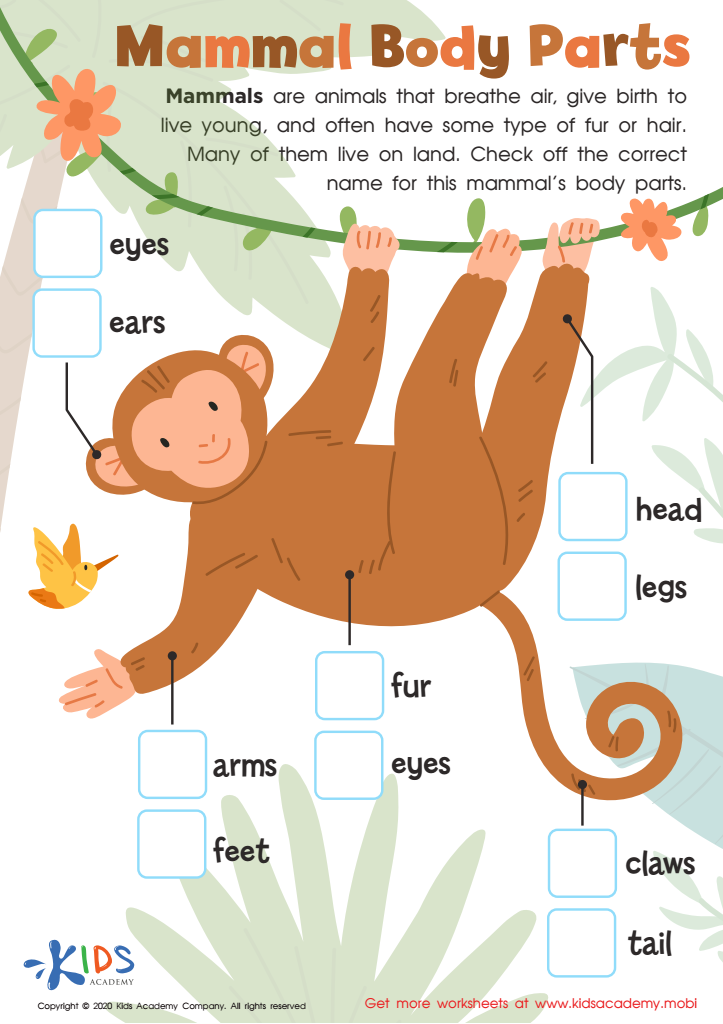
Mammal Body Parts Worksheet
 Assign to My Students
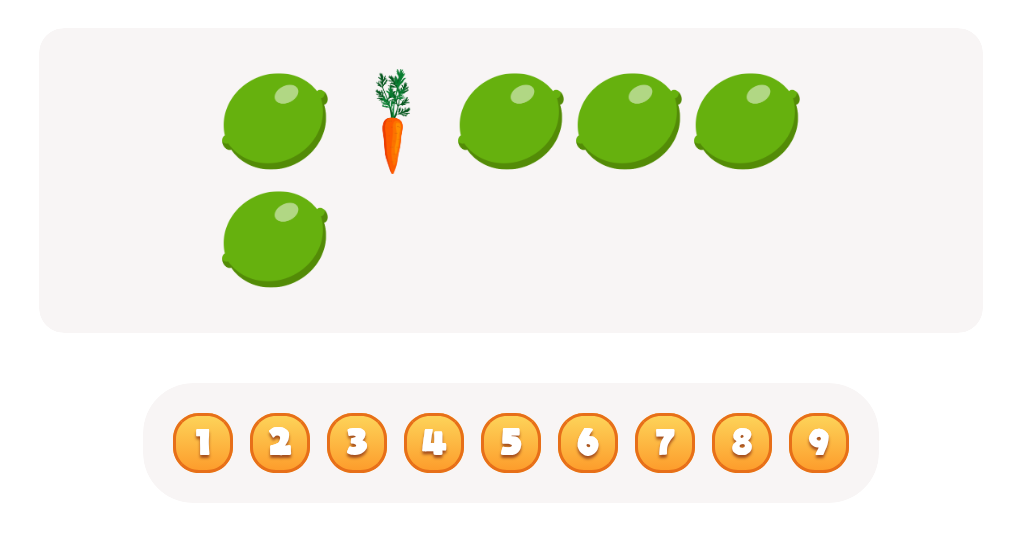

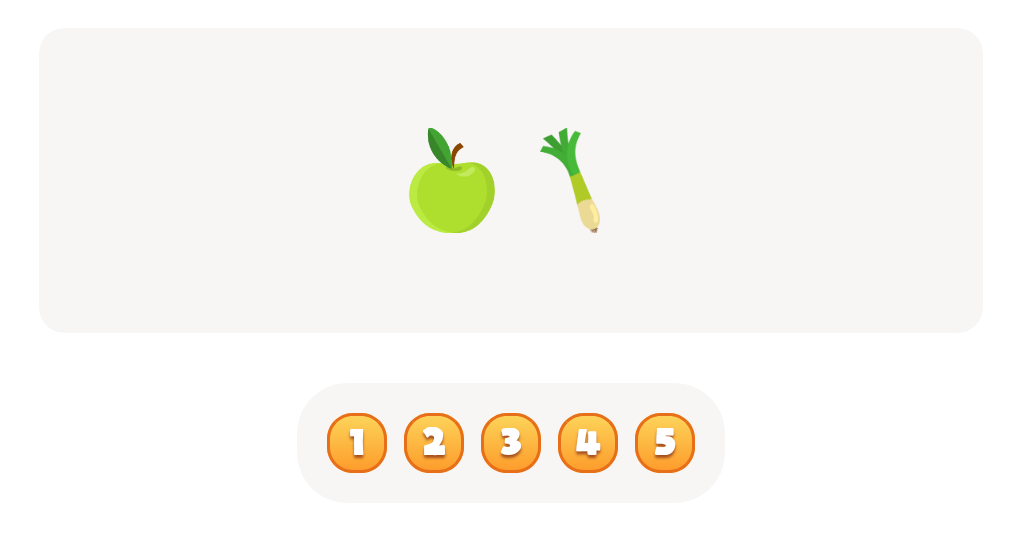
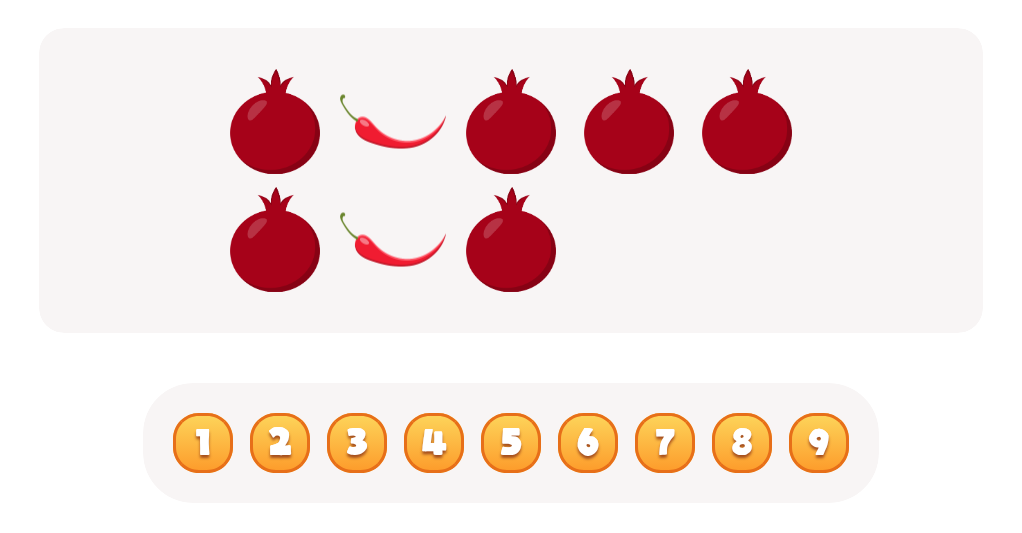
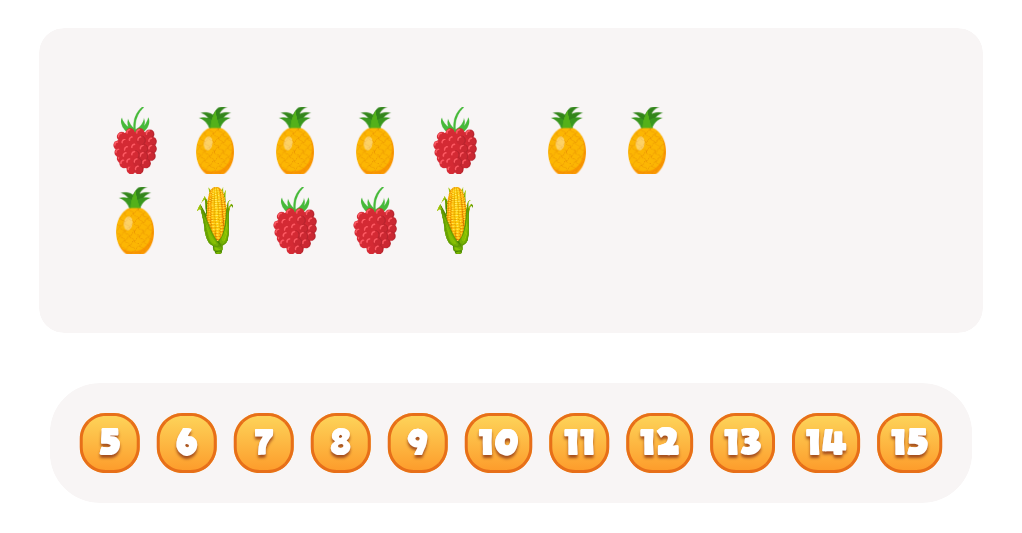
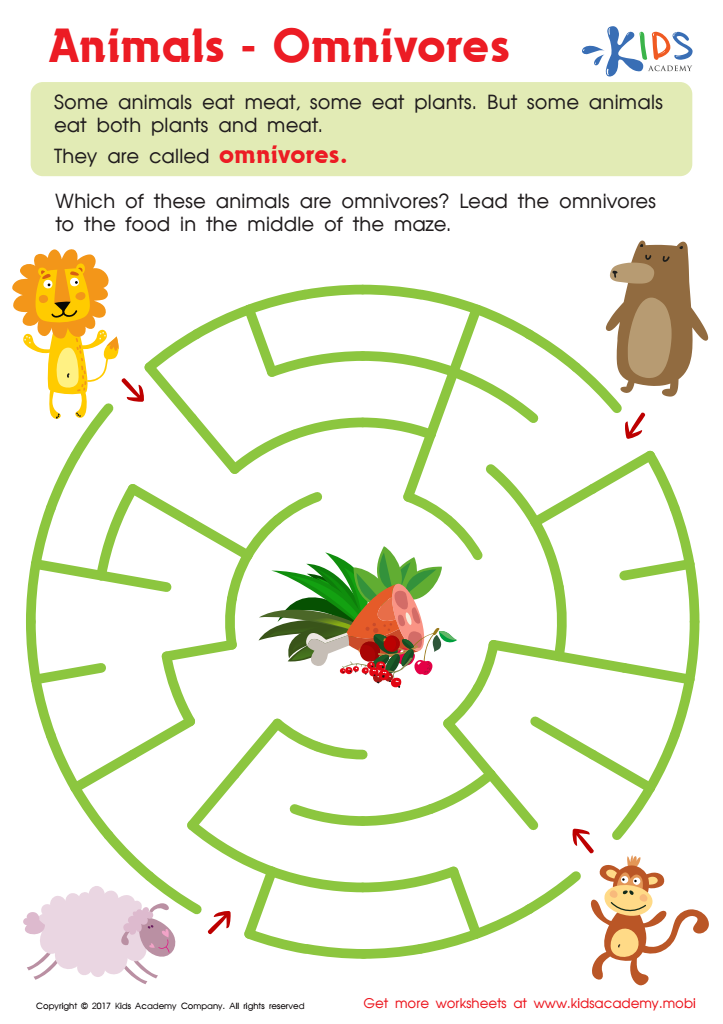
Omnivores Animals Worksheet
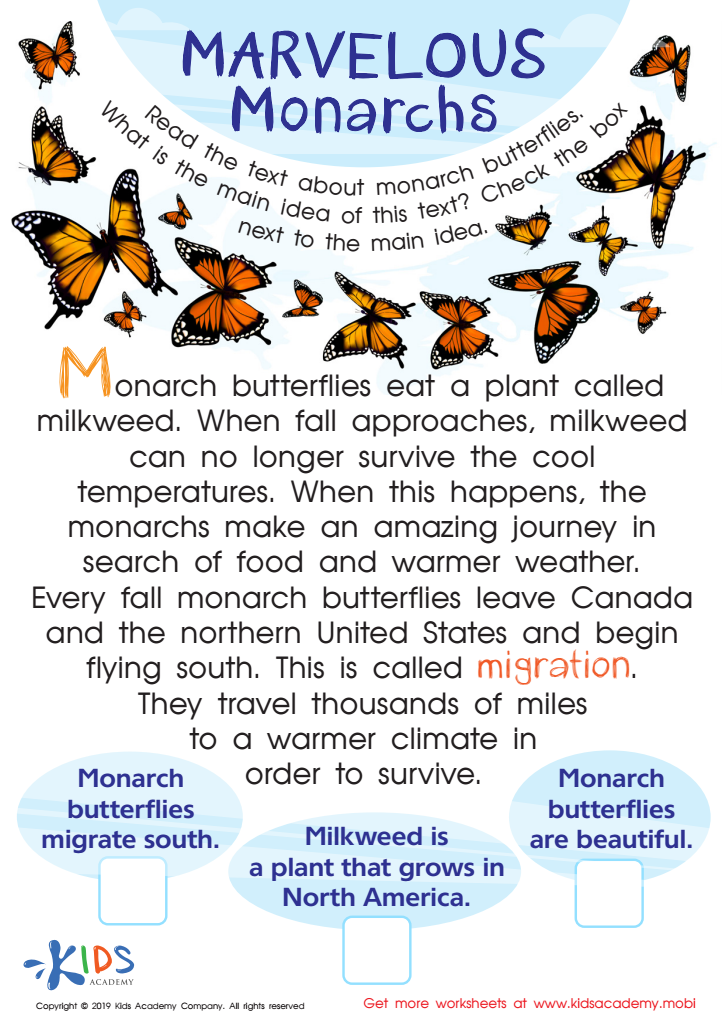
Marvelous Monarchs Worksheet








Vocabulary development, particularly around the themes of plants and animals, is essential for children aged 6-8 for several reasons. At this developmental stage, children are eager to explore their world, and introducing them to related vocabulary not only enhances their linguistic skills but also sparks curiosity about nature. A robust vocabulary allows children to express their thoughts clearly and understand complex ideas, fostering critical thinking.
In learning about plants and animals, children engage with concepts in biology and environmental science. This understanding cultivates a sense of wonder about ecosystems and the interdependence of living things, encouraging an appreciation for nature that can lead to environmentally responsible behaviors in the future. Moreover, these discussions promote empathy and connectedness when children learn about the needs and habitats of various species, reinforcing social and emotional skills.
For parents and teachers, fostering a rich vocabulary about plants and animals can also enhance reading comprehension. As students read books or engage in classroom conversations, a strong vocabulary aids in understanding, allowing them to engage more deeply with the material and participate meaningfully in discussions. Ultimately, this knowledge serves as a foundation for more advanced learning in both science and literacy as they grow.








