Vocabulary enhancement Plants and Animals Worksheets for Ages 6-8
18 filtered results
-
From - To
Boost your child's vocabulary with our engaging Plants and Animals Worksheets, specially designed for ages 6-8. These educational resources from Kids Academy offer interactive activities and fun facts to help young learners explore the world of flora and fauna while enhancing language skills. Kids will love discovering new words, learning about plant parts, animal species, and their habitats through creative exercises. Perfect for home or classroom use, these worksheets also develop critical thinking and reading comprehension skills, ensuring your child excels in science and language arts. Start the adventure of vocabulary expansion today!
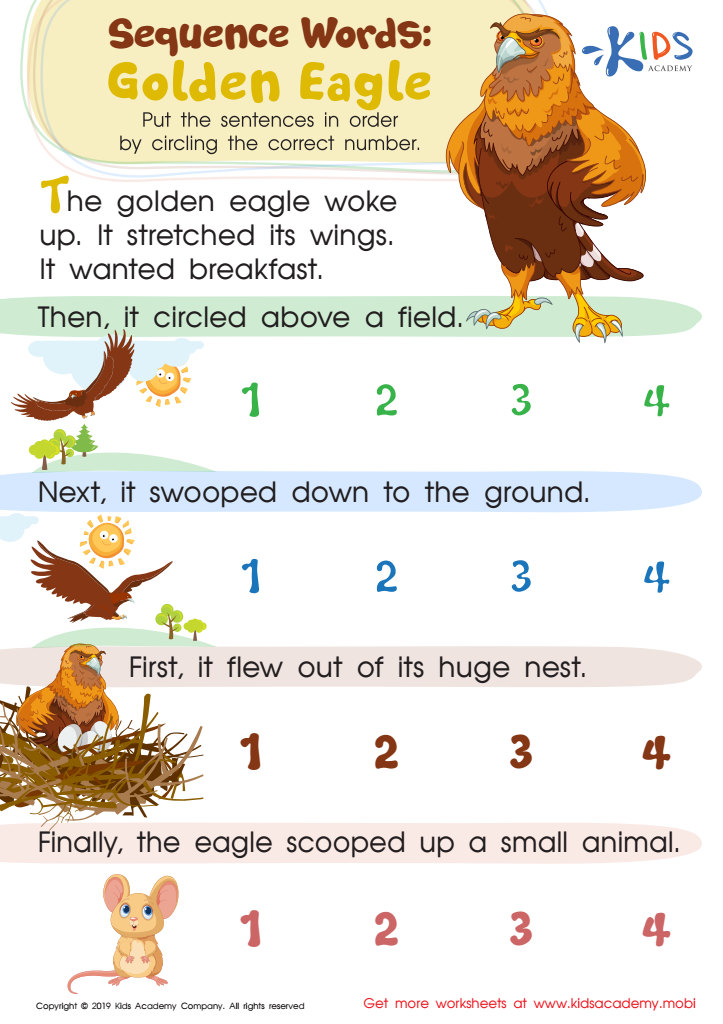
Sequence Word Eagle Worksheet
 Assign to My Students











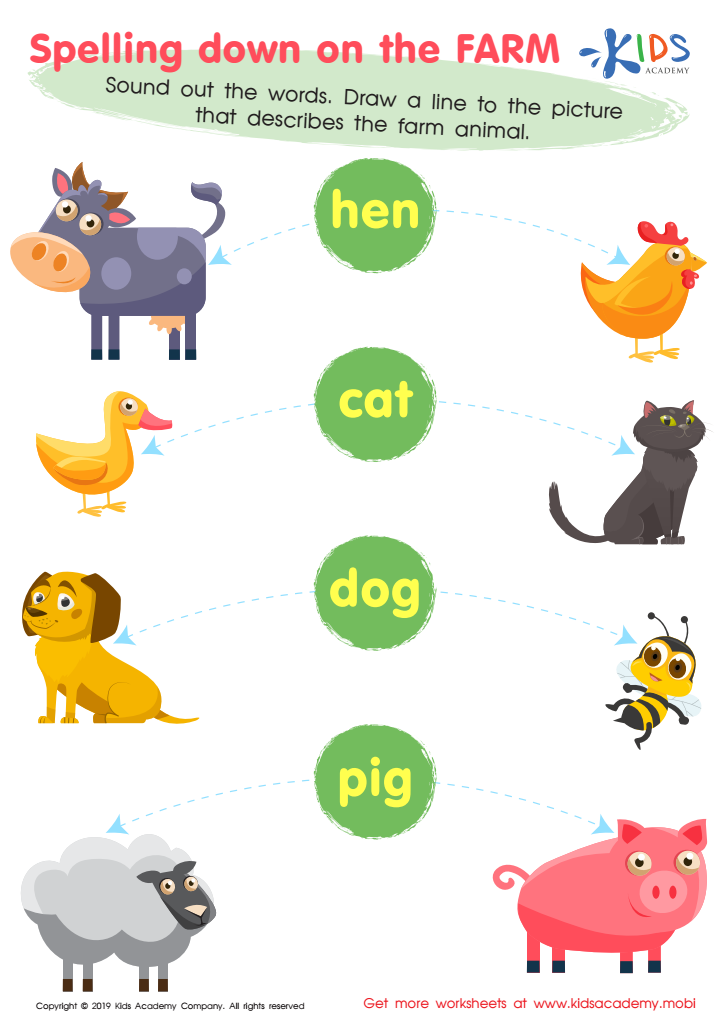
Spelling Down on the Farm Worksheet
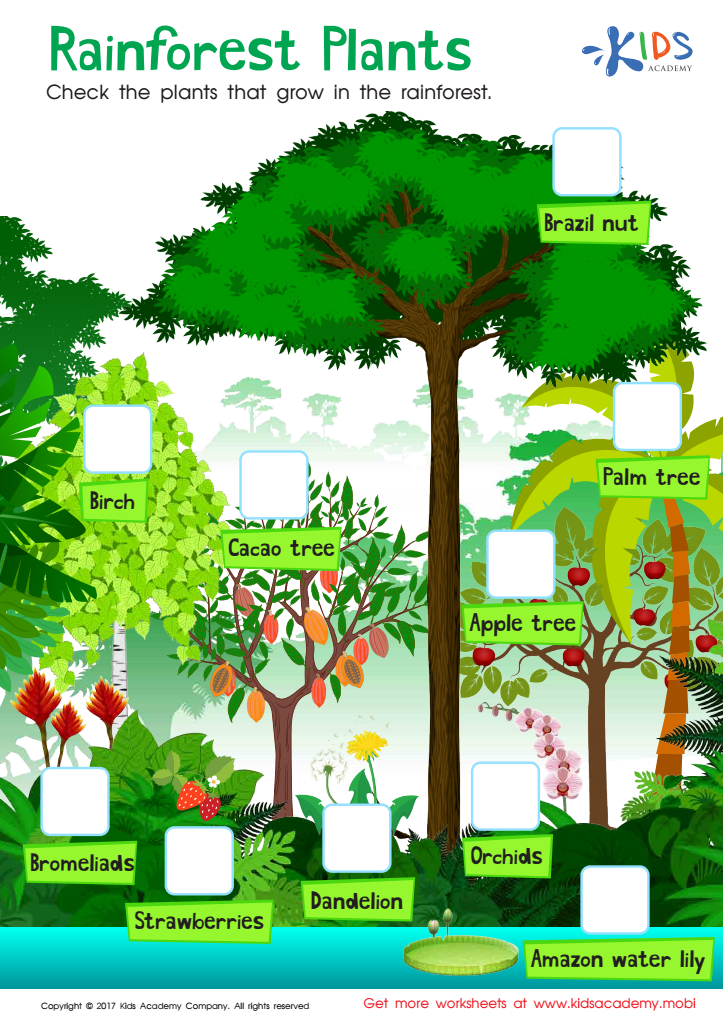
Rainforest Plants Worksheet
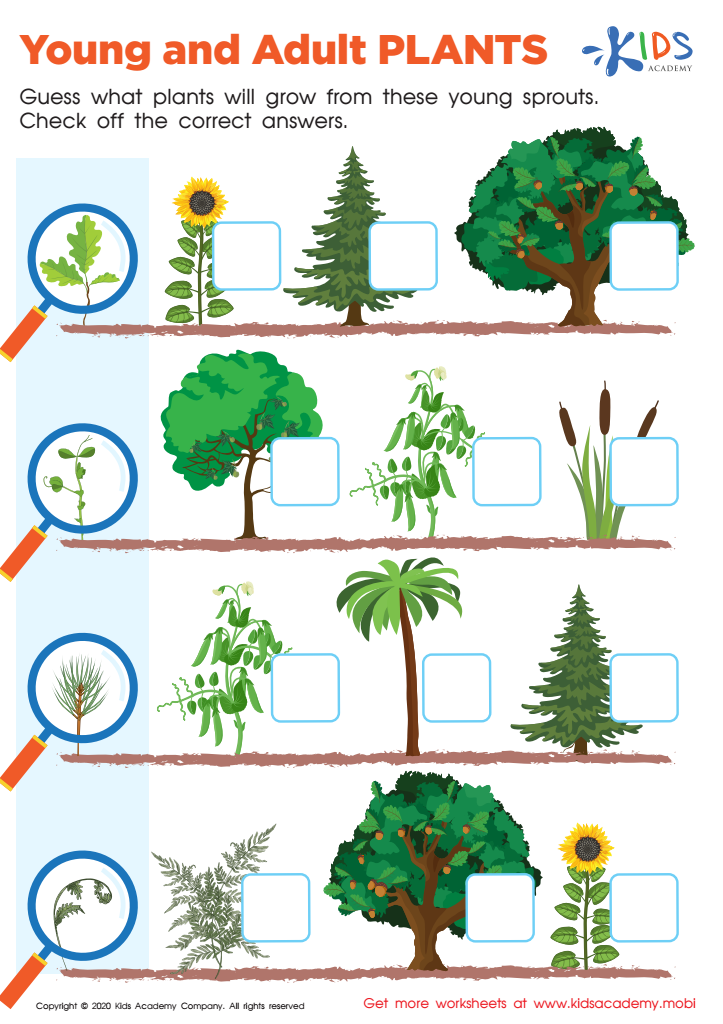
Young and Adult Plants Worksheet
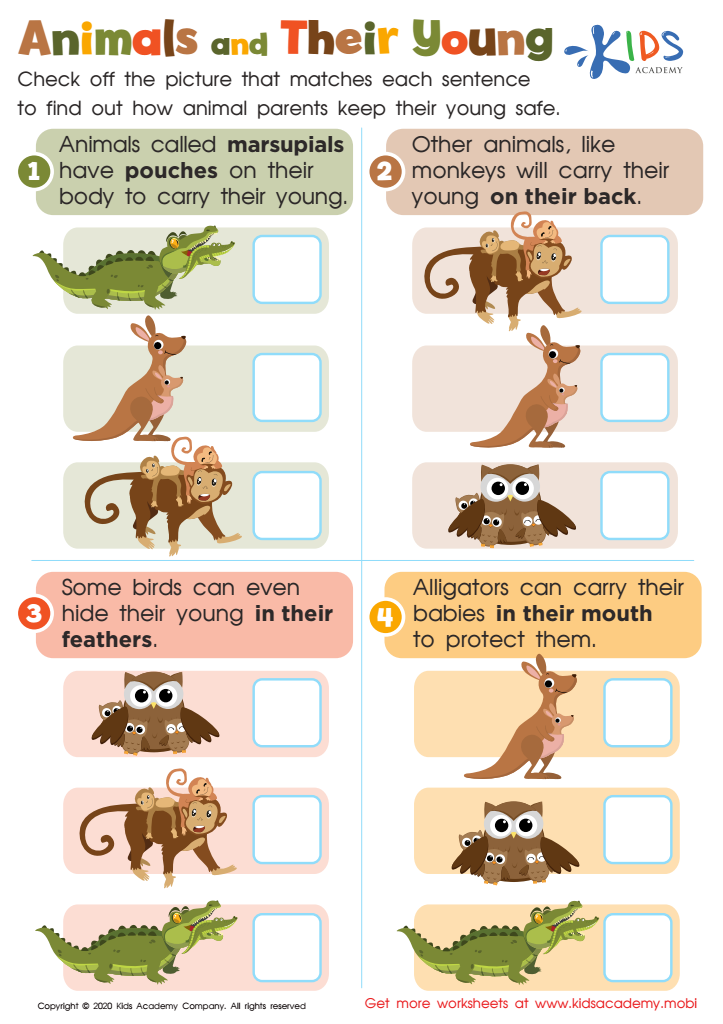
Animals and Their Young Worksheet
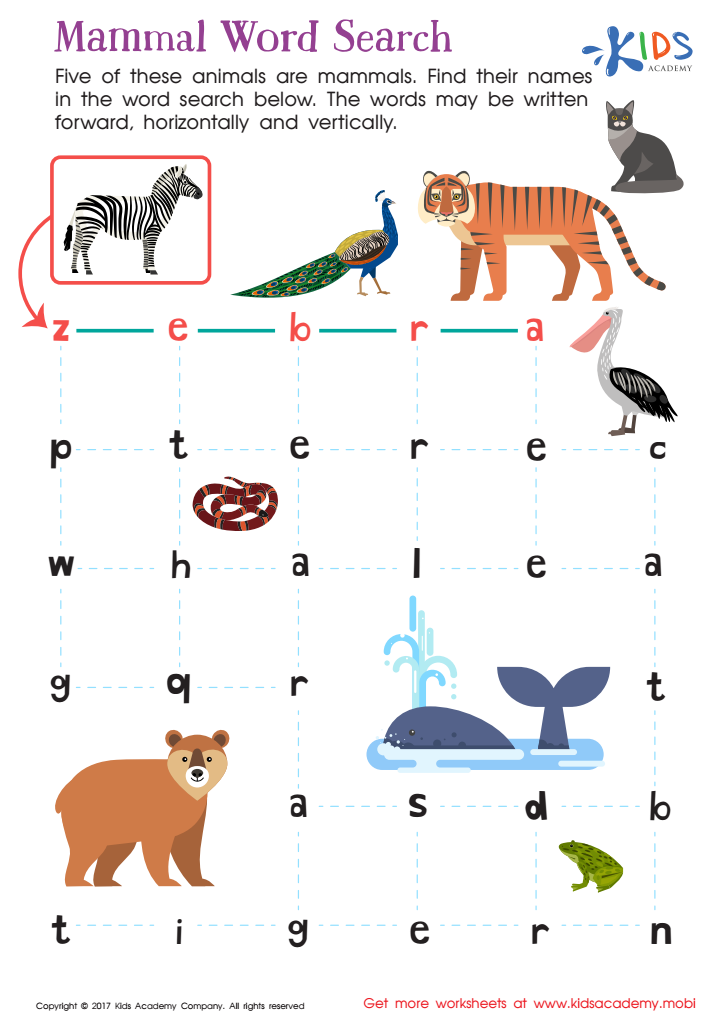
Printable Mammal Word Search
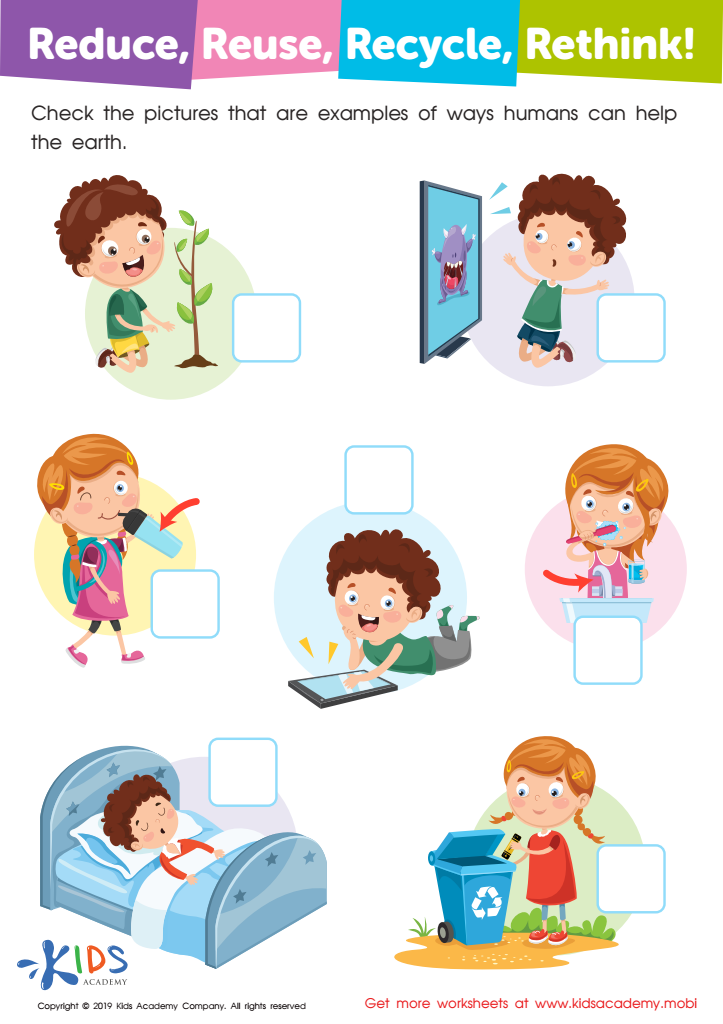
Reduce, Reuse, Recycle, Rethink Worksheet
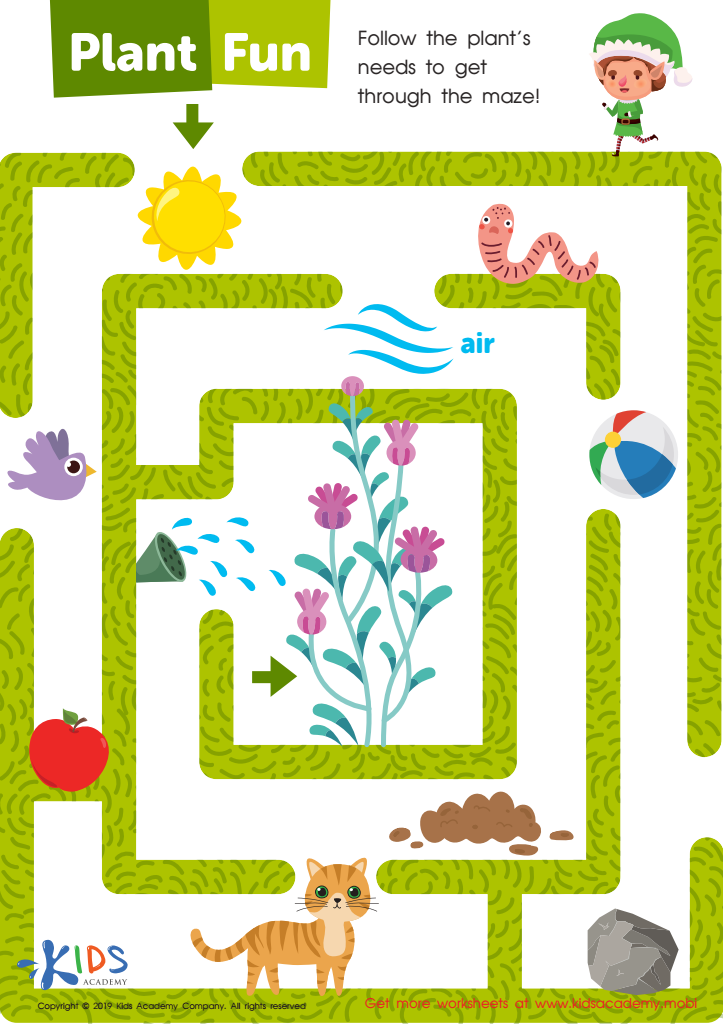
Plant Fun Worksheet
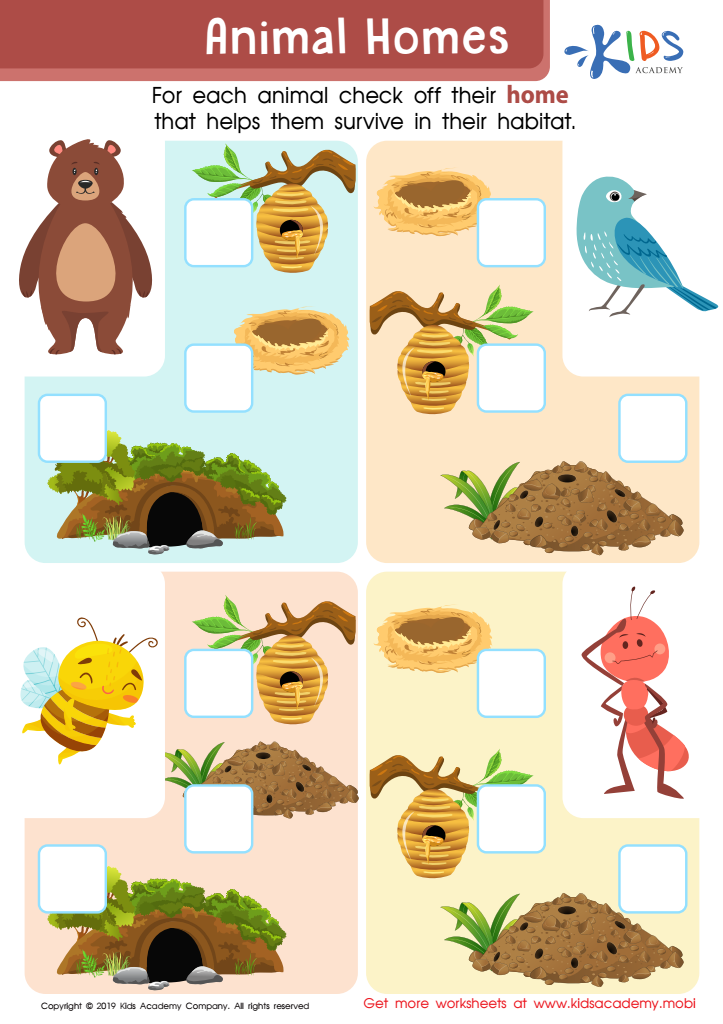
Animal Homes Worksheet
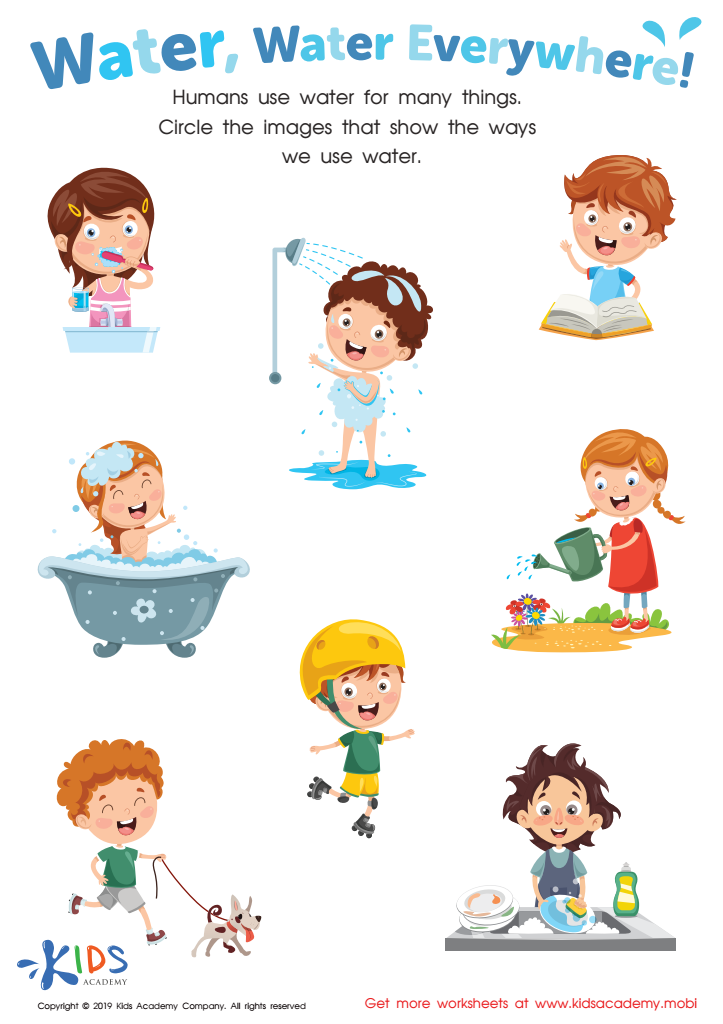
Water, Water Everywhere! Worksheet
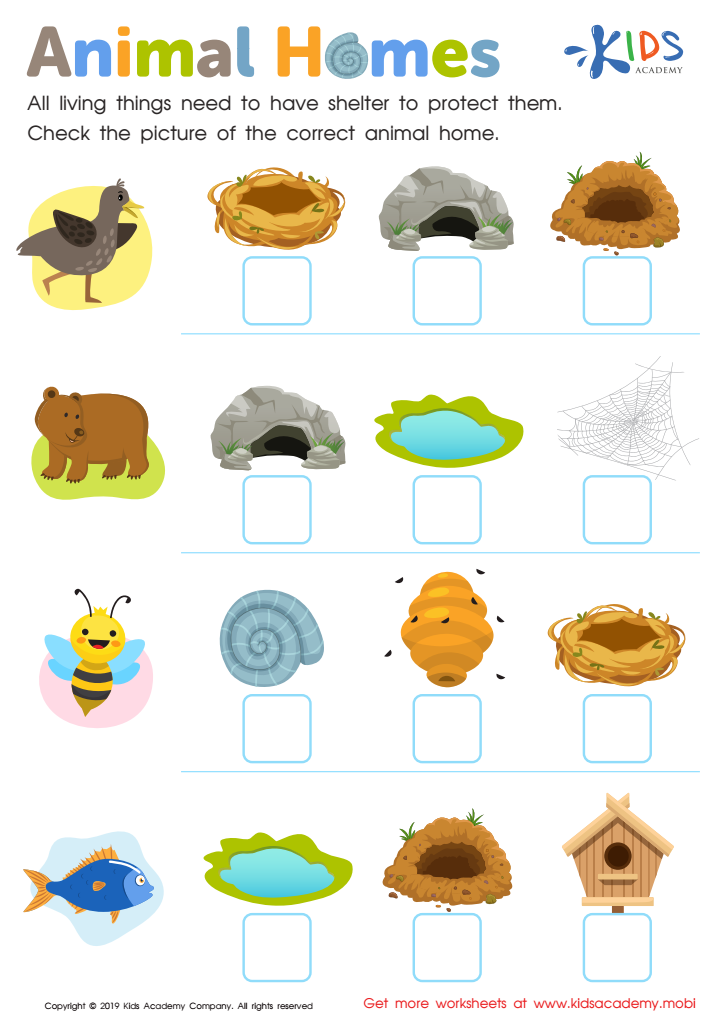
Animal Homes Worksheet
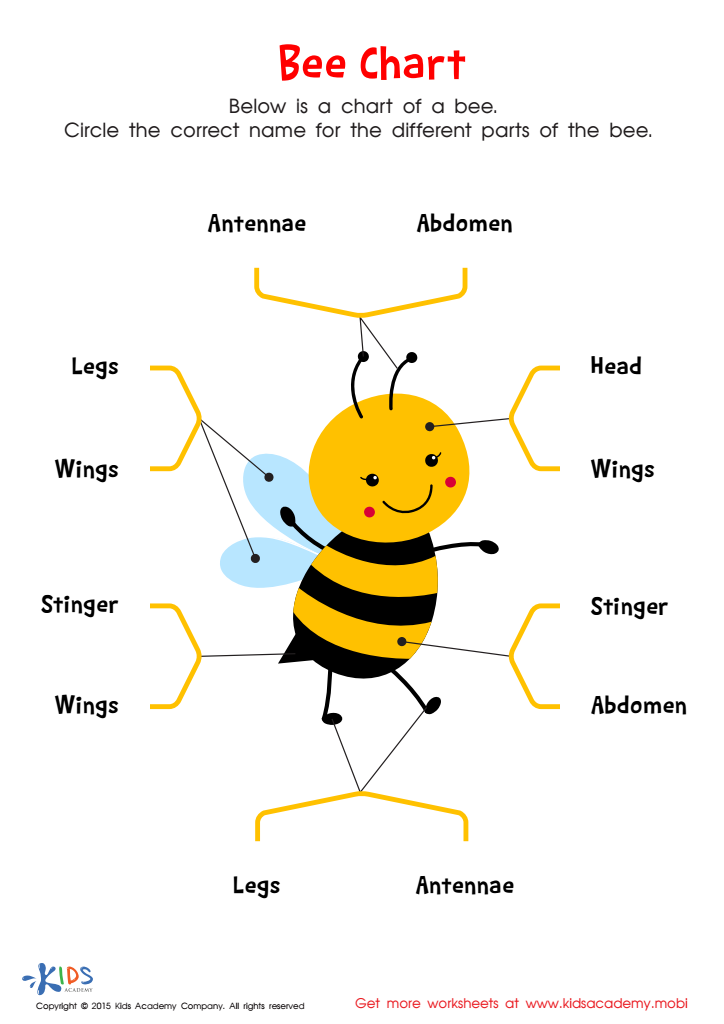
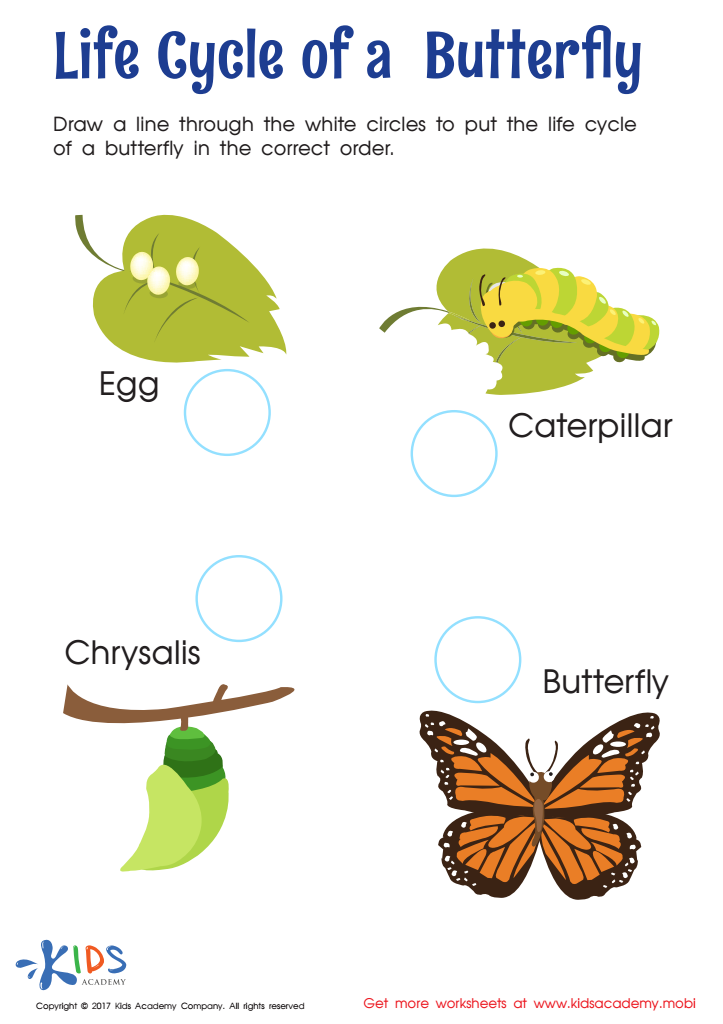
Life Cycle of Butterfly Worksheet
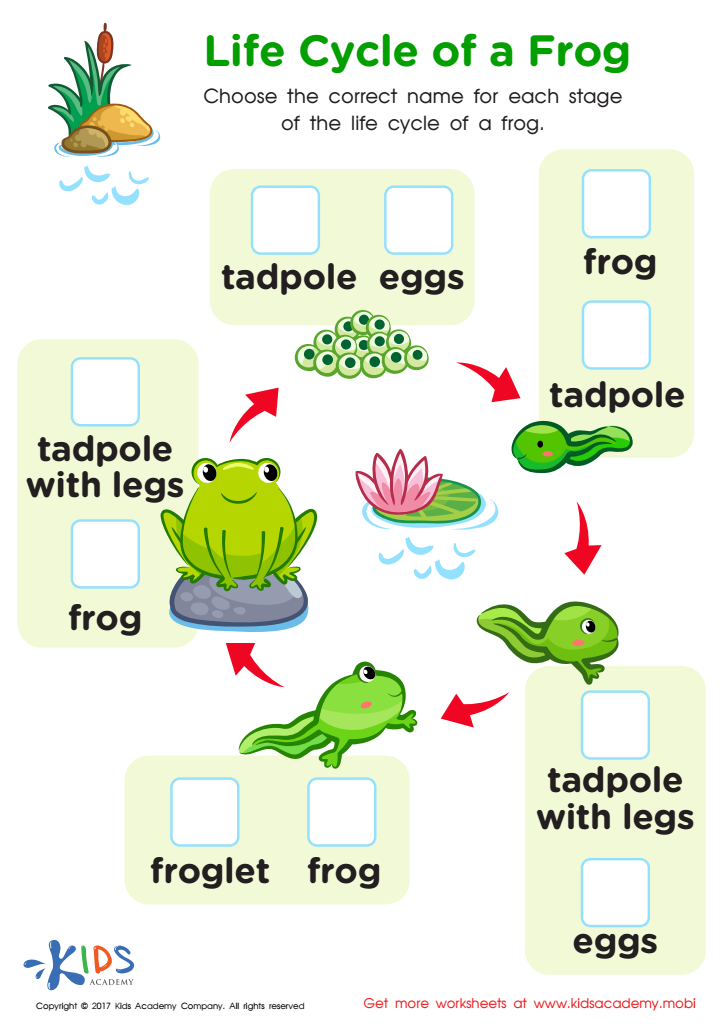
Life Cycle Frog Printable
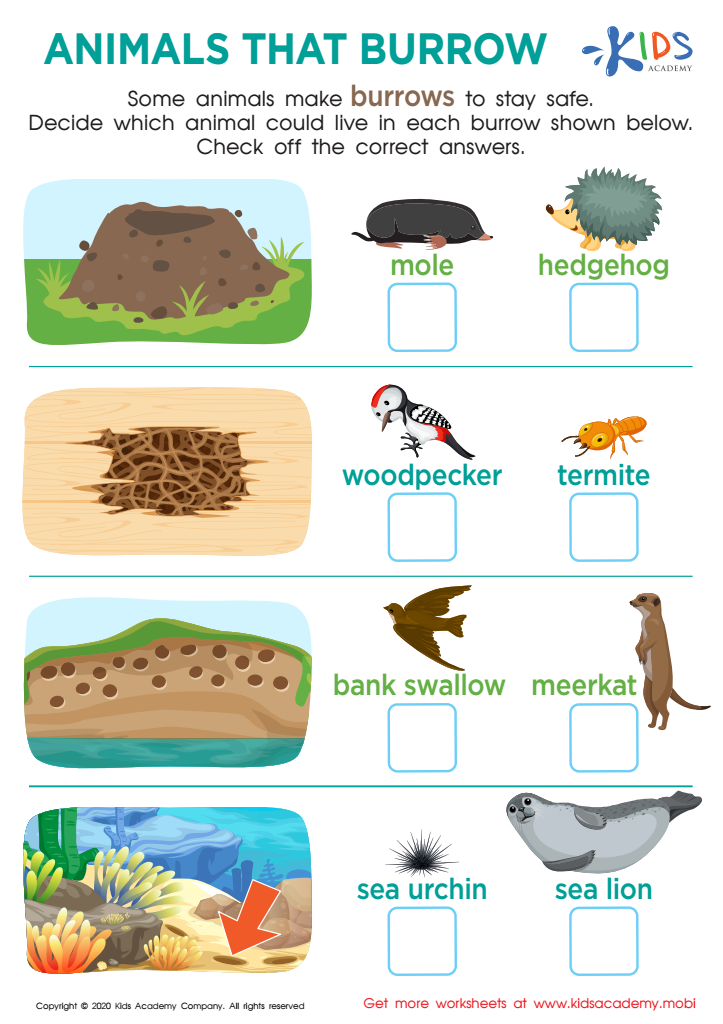
Animals That Burrow Worksheet
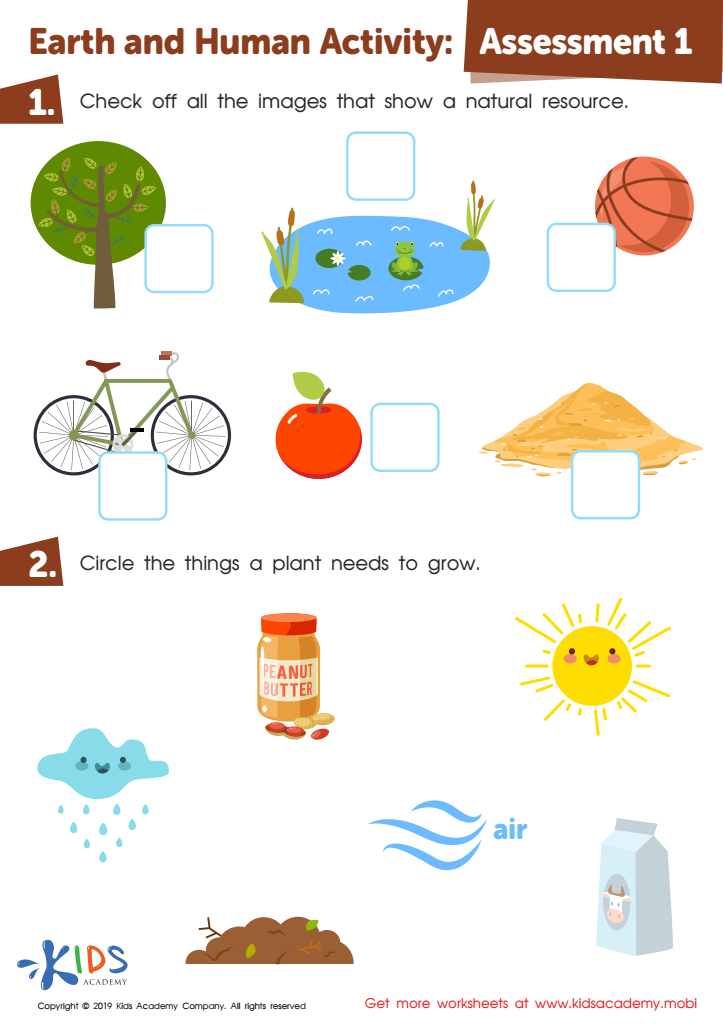
Earth and Human Activity: Assessment 1 Worksheet
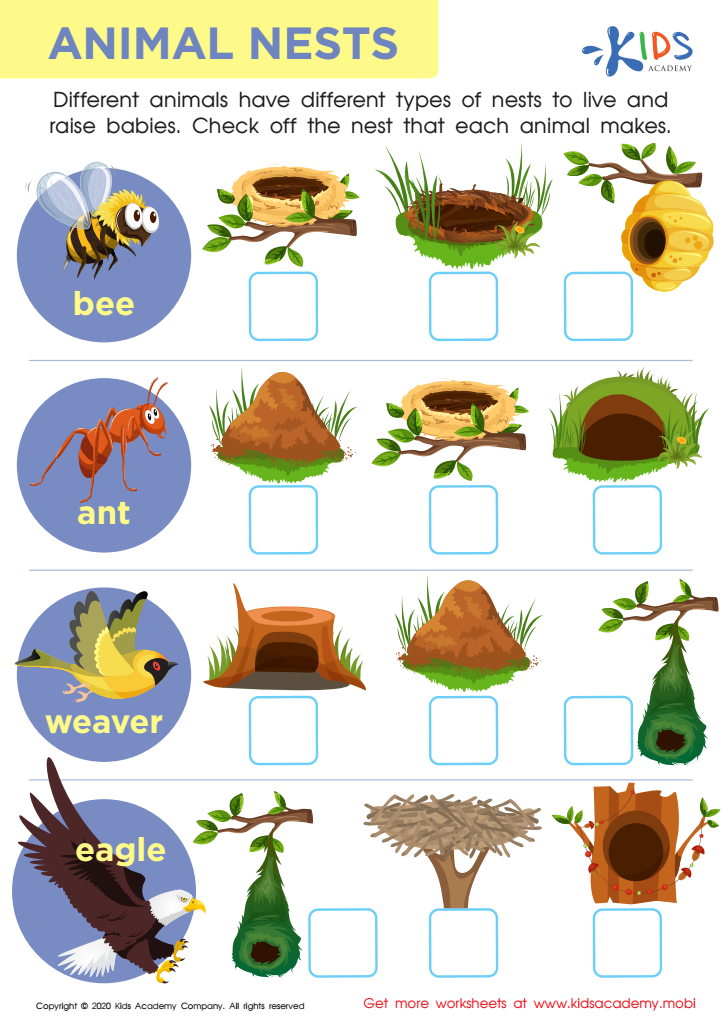
Animal Nests Worksheet
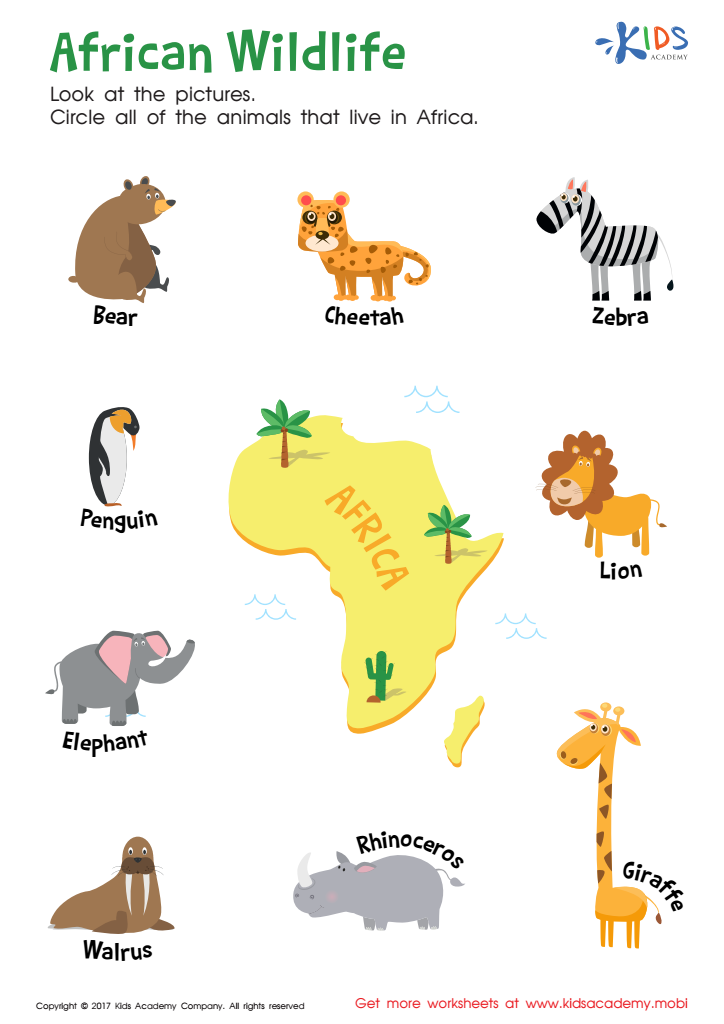






Parents and teachers should prioritize vocabulary enhancement related to plants and animals for children ages 6-8, as this formative period is crucial for cognitive and language development. Introducing a rich vocabulary in these subjects aids in expanding children’s understanding of the world around them, fostering both academic and personal growth.
At this age, children are naturally curious and eager to learn about the environment. Teaching them specific terms related to plants and animals not only stimulates their interest in the natural sciences but also helps them build a strong foundation in biology. This enhanced vocabulary supports their reading comprehension and communication skills, allowing them to articulate observations and ideas more clearly and confidently.
Plant and animal vocabulary also nurtures critical thinking and observational skills. For example, learning words like "photosynthesis," "habitat," or "ecosystem" enables children to grasp more complex environmental concepts. As they engage in discussions about these topics, they develop analytical abilities essential for problem-solving and scientific inquiry.
Additionally, vocabulary building in these areas promotes empathy and appreciation for living organisms, fostering a sense of responsibility toward nature and encouraging practices like conservation and sustainable living. Overall, equipping children with a robust vocabulary in plants and animals benefits their academic journey and nurtures well-rounded, environmentally conscious individuals.








