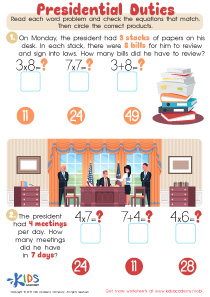
Critical Thinking History Worksheets for Ages 6-8
20 filtered results
-
From - To
Explore our Critical Thinking History Worksheets for Ages 6-8 designed to ignite young minds with engaging historical inquiry. At Kids Academy, we offer a variety of printable worksheets to enhance children's critical thinking skills while making history fun and relatable. These activities encourage students to analyze events, differentiate fact from opinion, and formulate their interpretations. Perfect for classroom use or home study, our worksheets support key learning skills that build a strong foundation in history. Inspire your child's curiosity and develop their analytical abilities through interactive, thought-provoking lessons on historical subjects. Unlock the joy of learning today with Kids Academy!
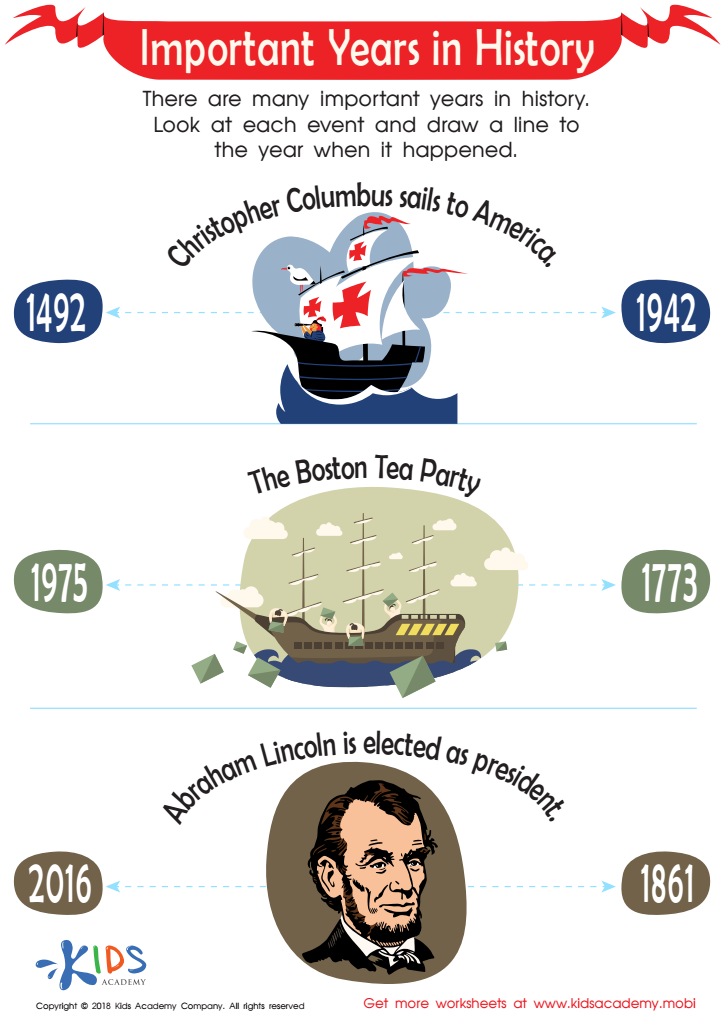
Important Years in History Worksheet
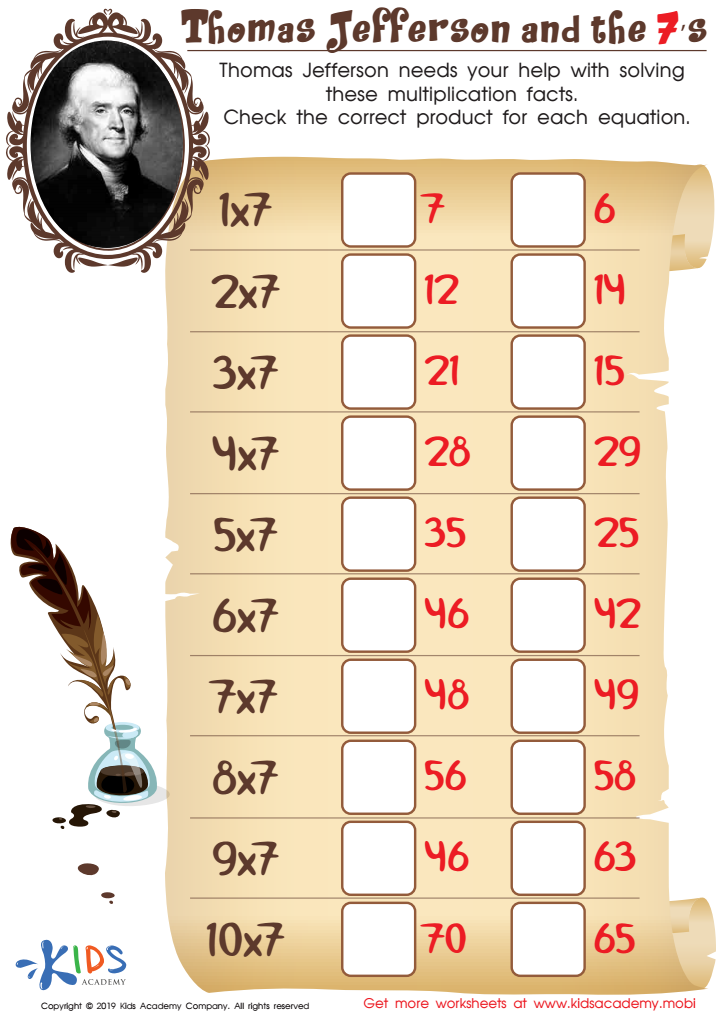
Thomas Jefferson and the 7’s Worksheet
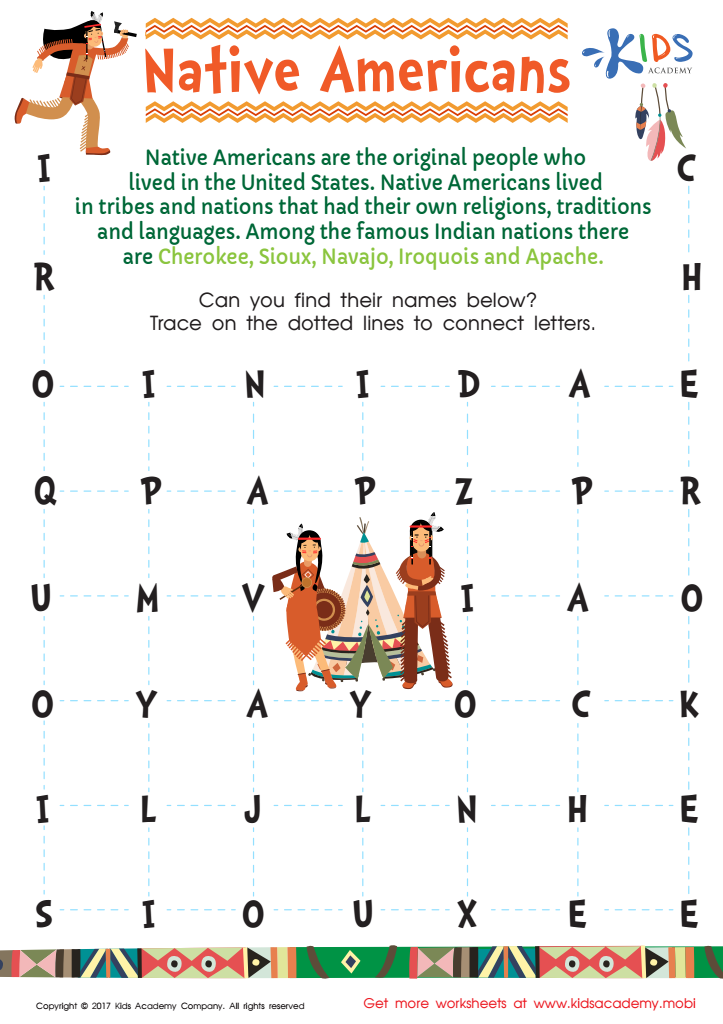
Native American Word Search Printable
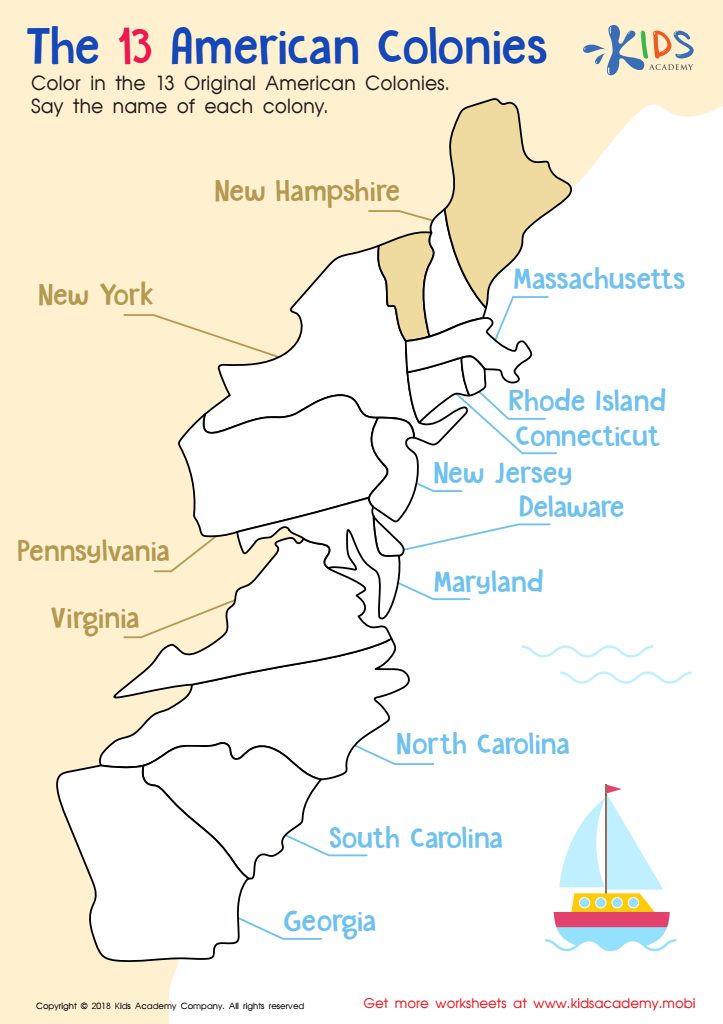
The 13 American Colonies Worksheet
 Assign to My Students
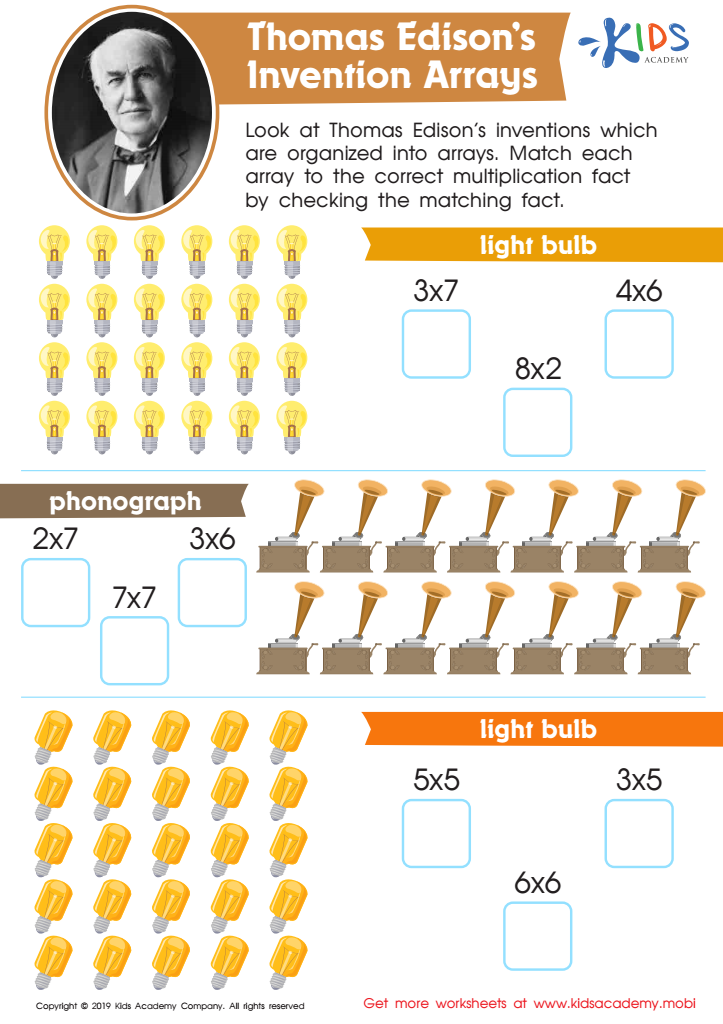
Thomas Edison’s Invention Arrays Worksheet
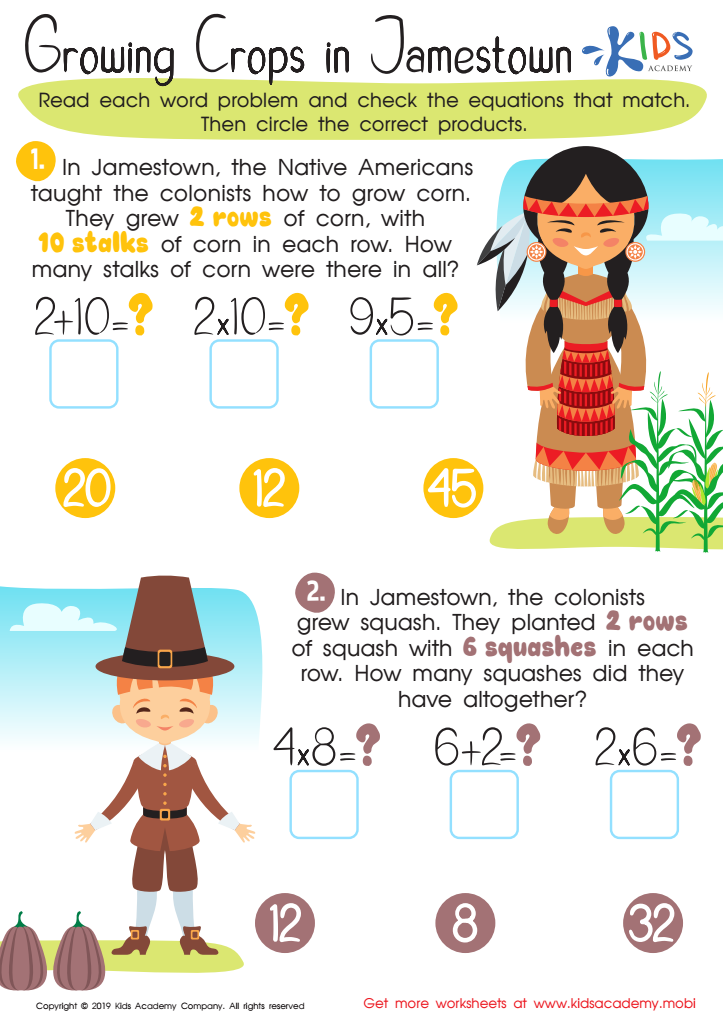
Growing Jamestown Worksheet
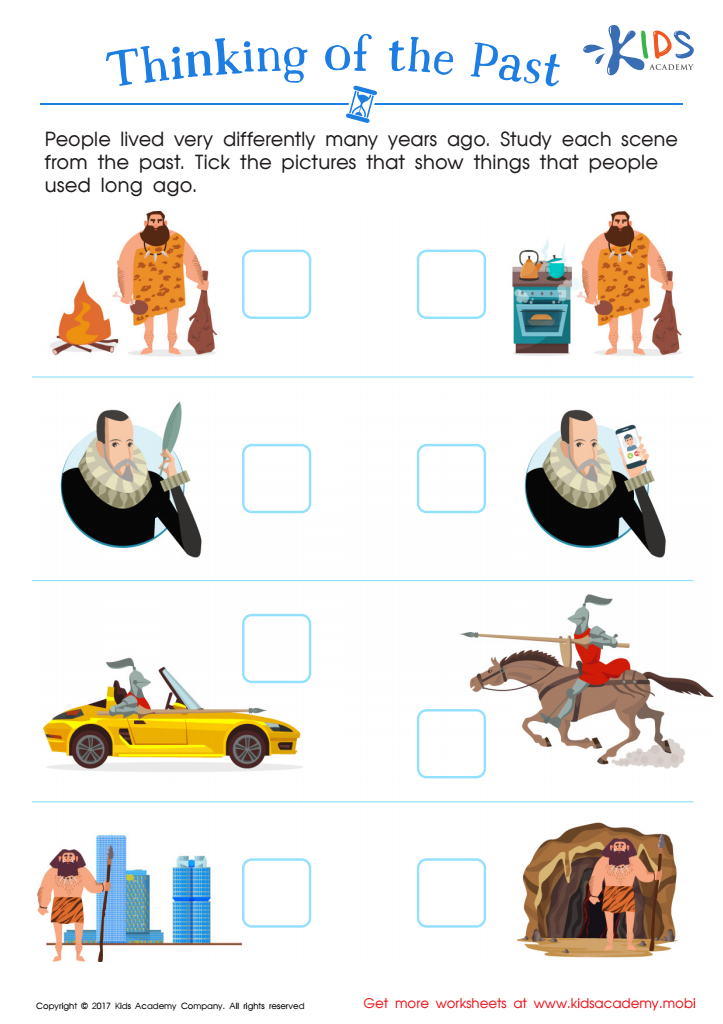
Thinking Past Printable

Thanksgiving Holiday Printable
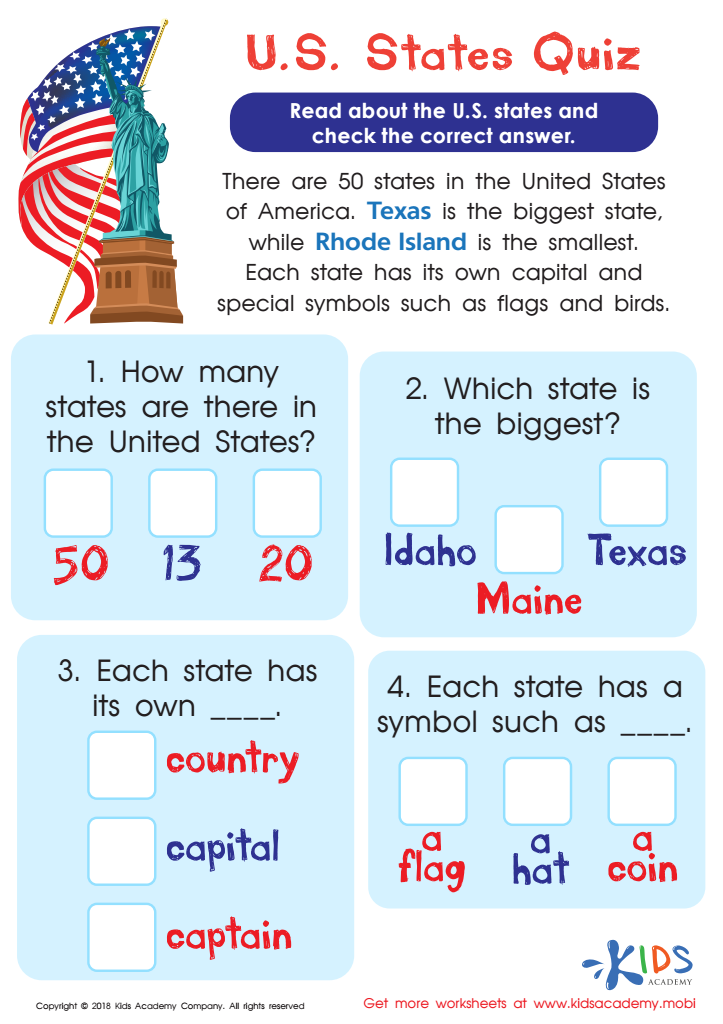
U.S. States Quiz Worksheet
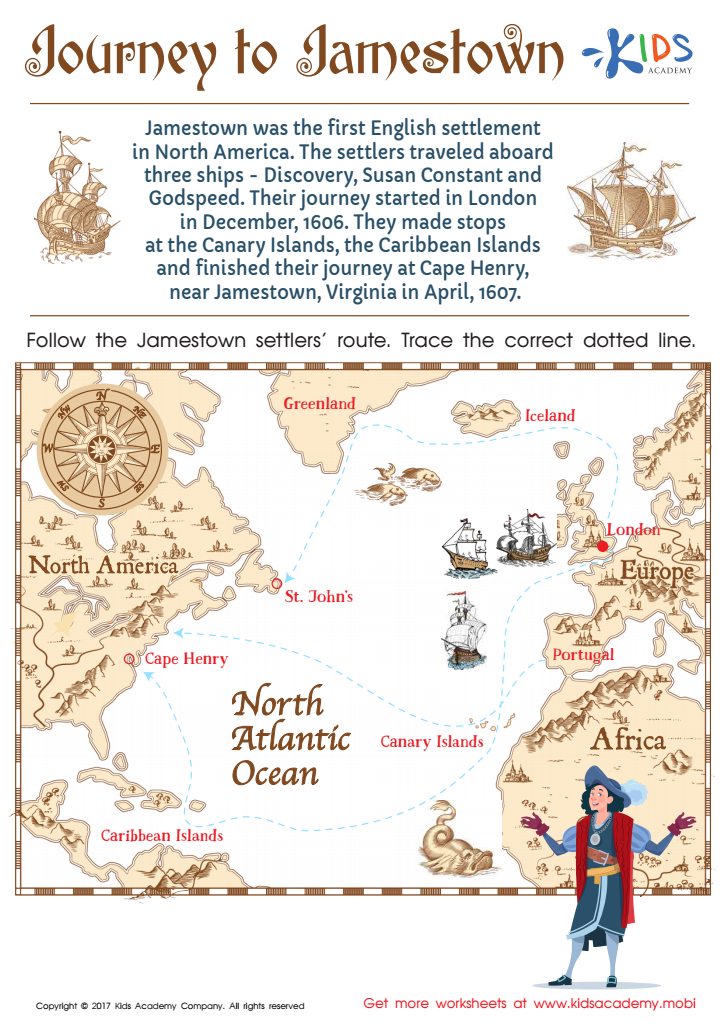
Journey to Jamestown Worksheet
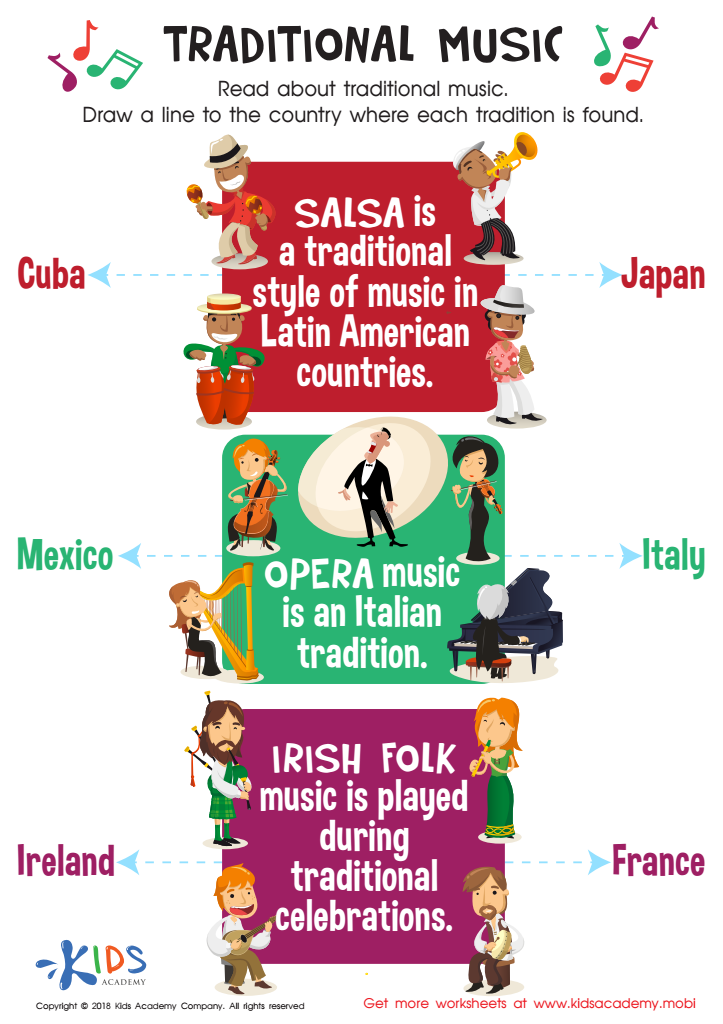
Traditional Music Worksheet
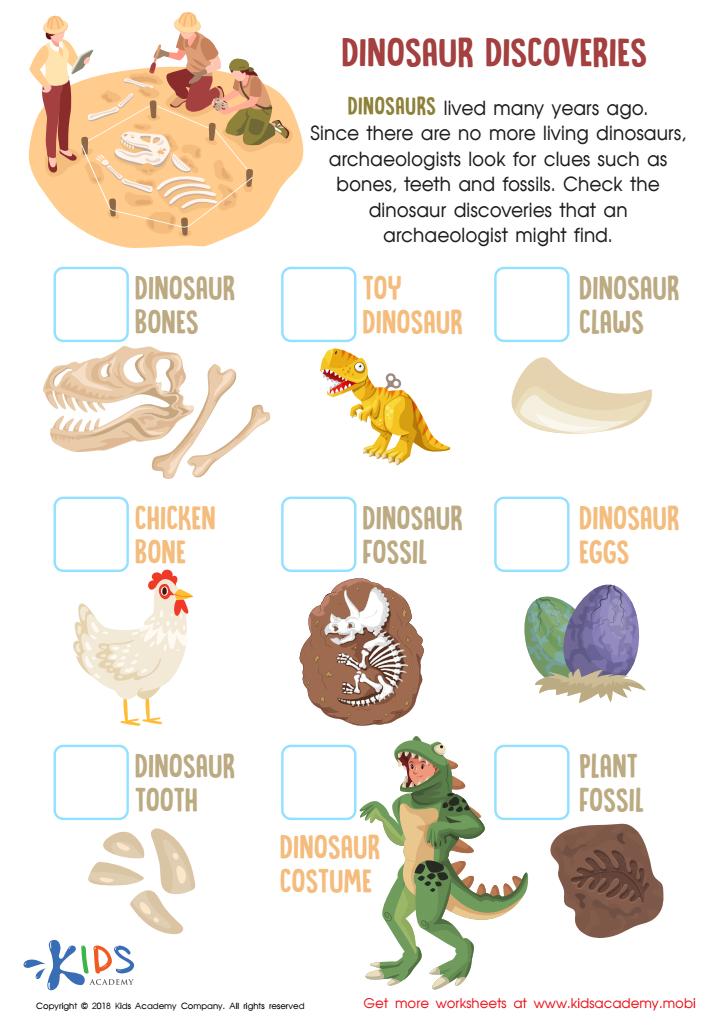
Dinosaur Discoveries Worksheet
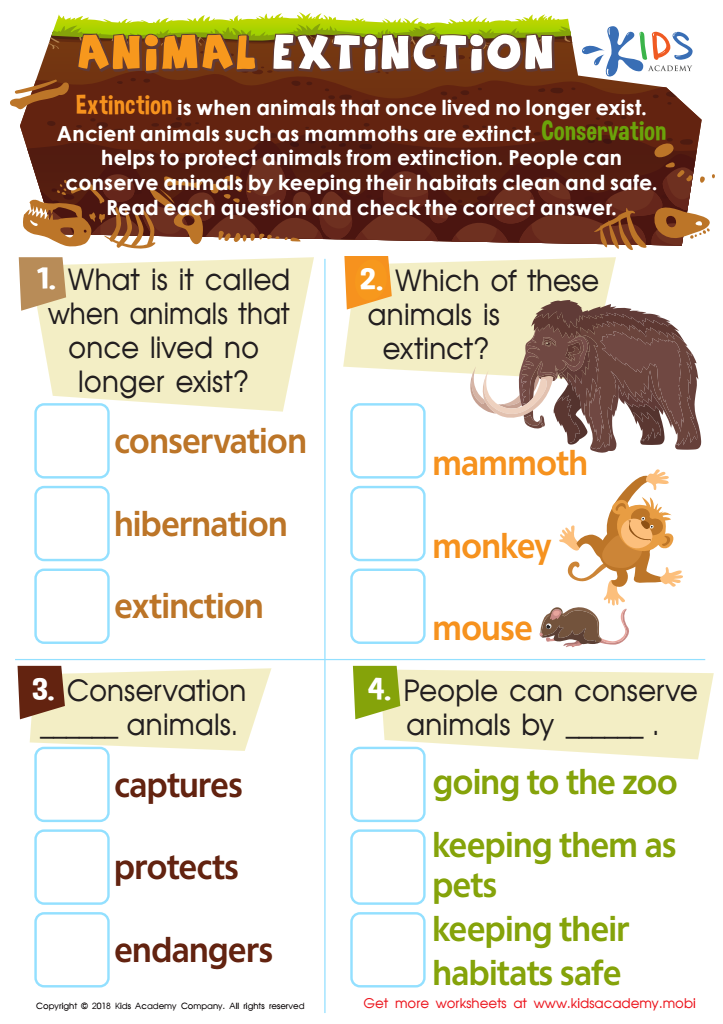
Animal Extinction Worksheet
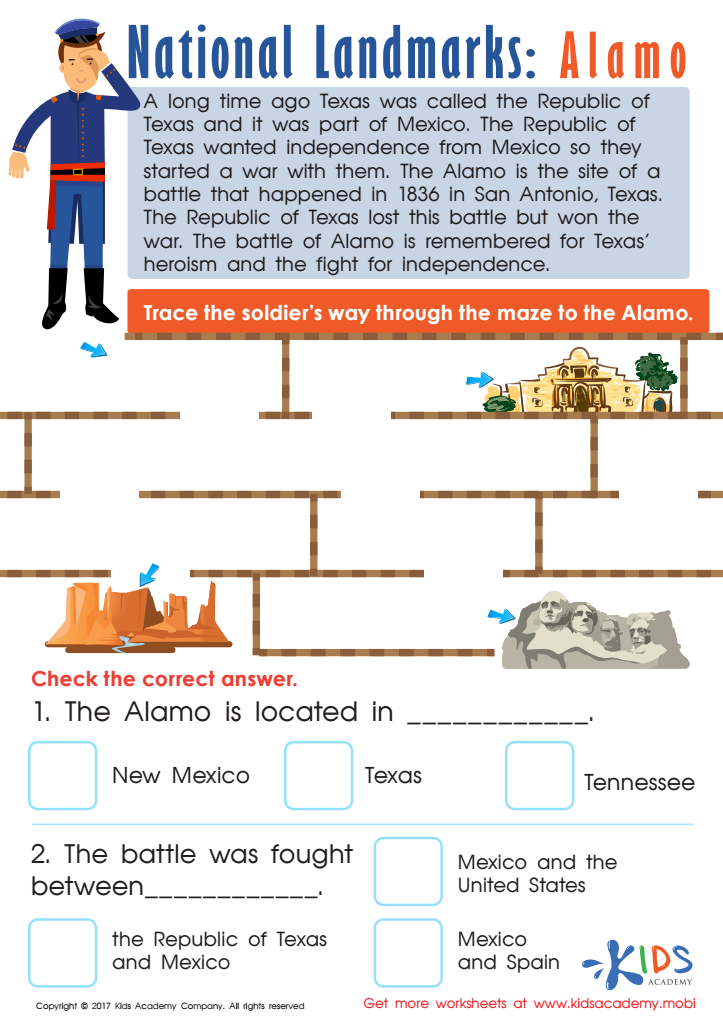
Alamo Printable Worksheet
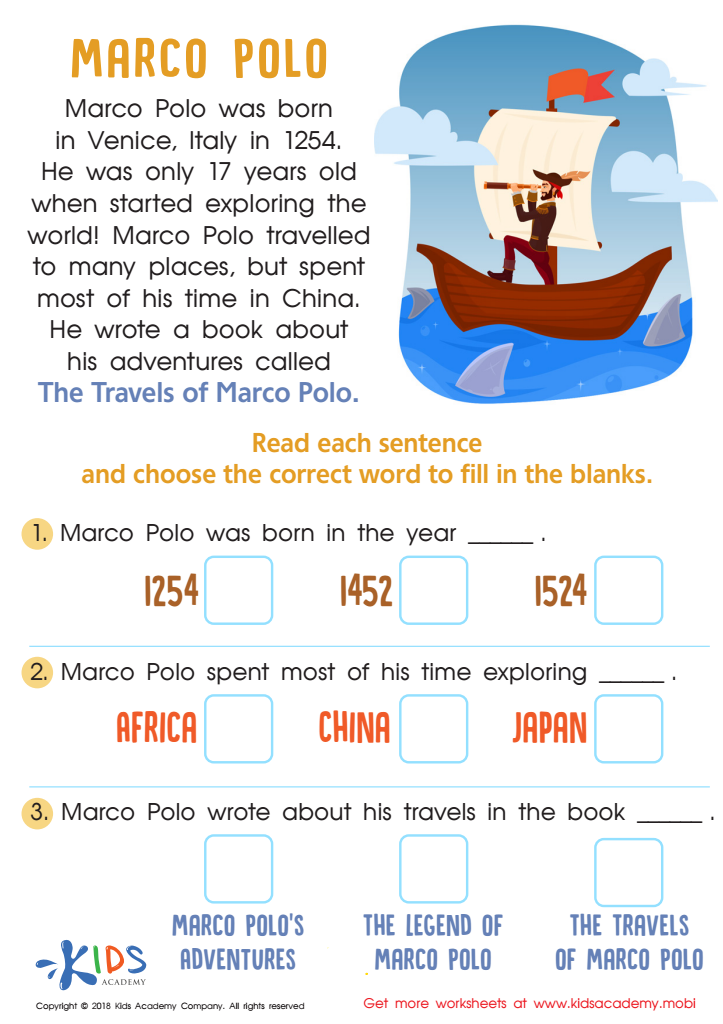
Marco Polo Worksheet
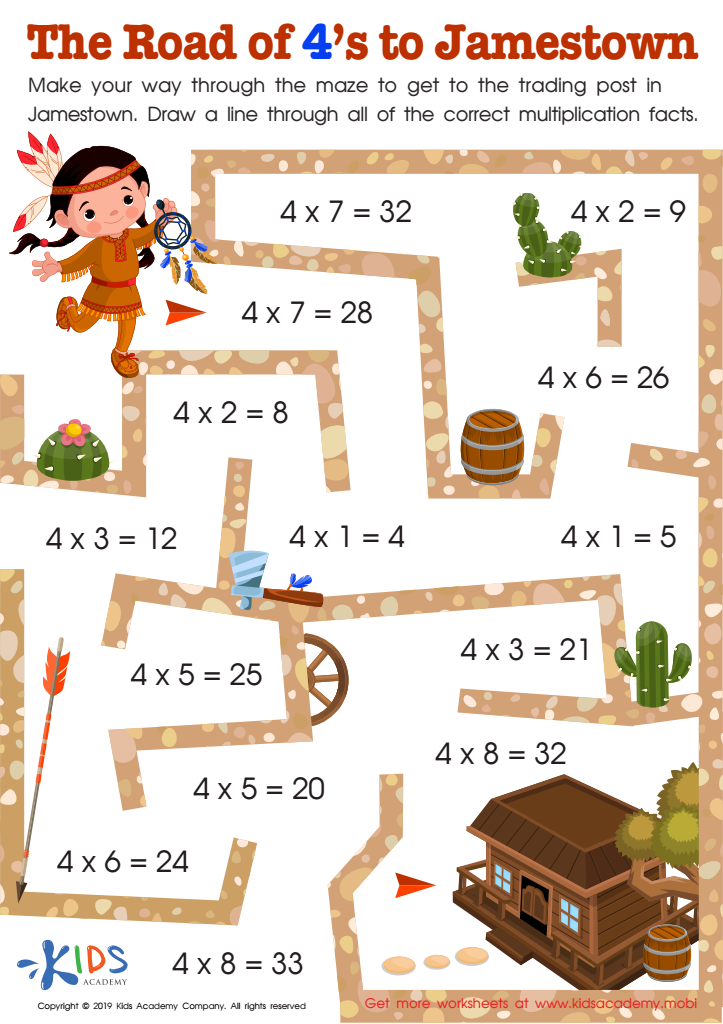
The Road of 4’s to Jamestown Worksheet
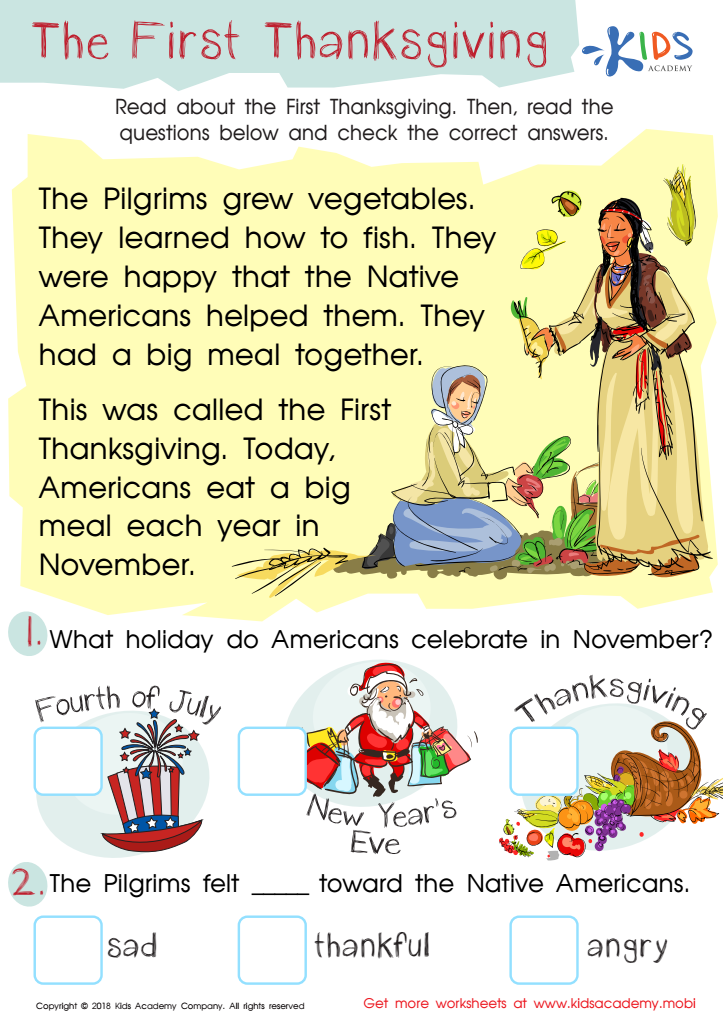
Assessment: First Thanksgiving Worksheet
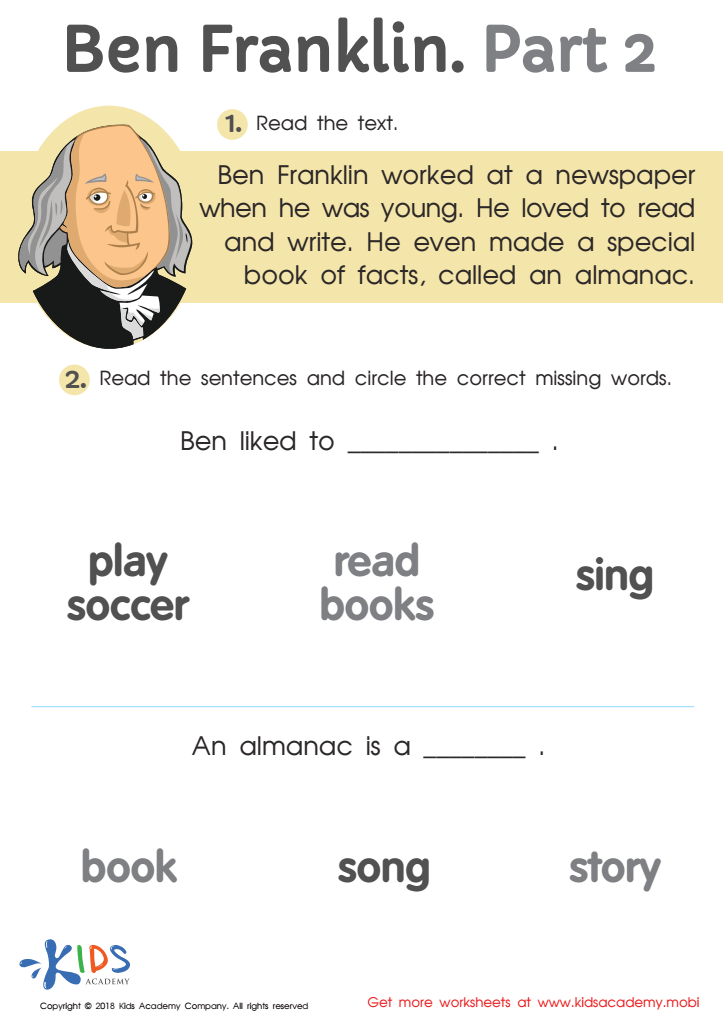
Ben Franklin Part 2 Worksheet
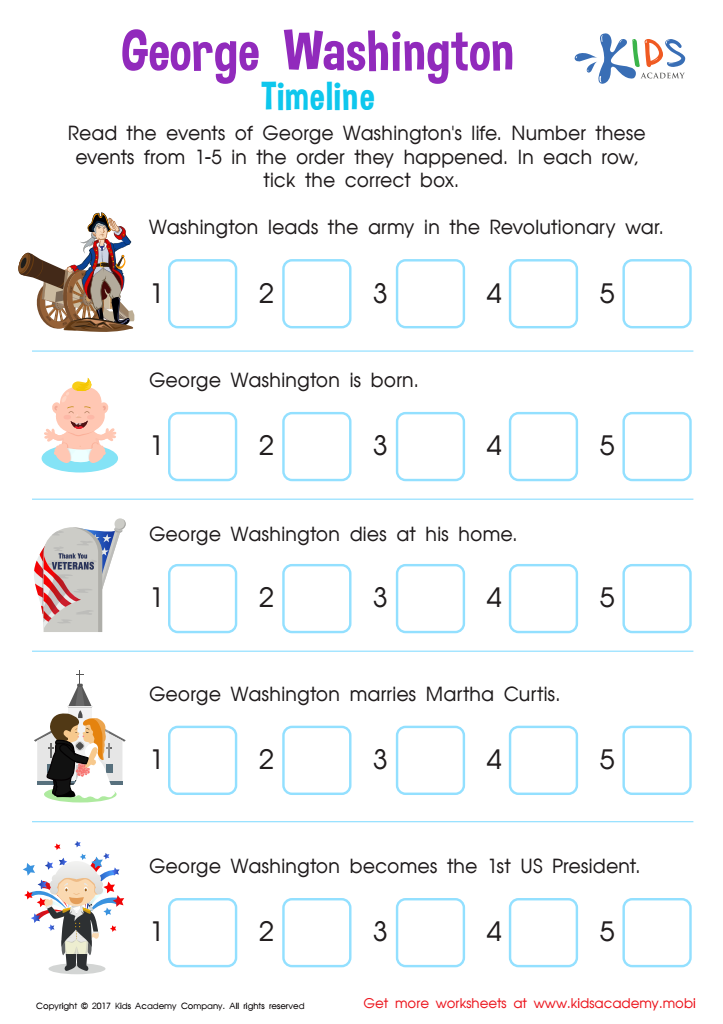
George Washington Timeline Worksheet
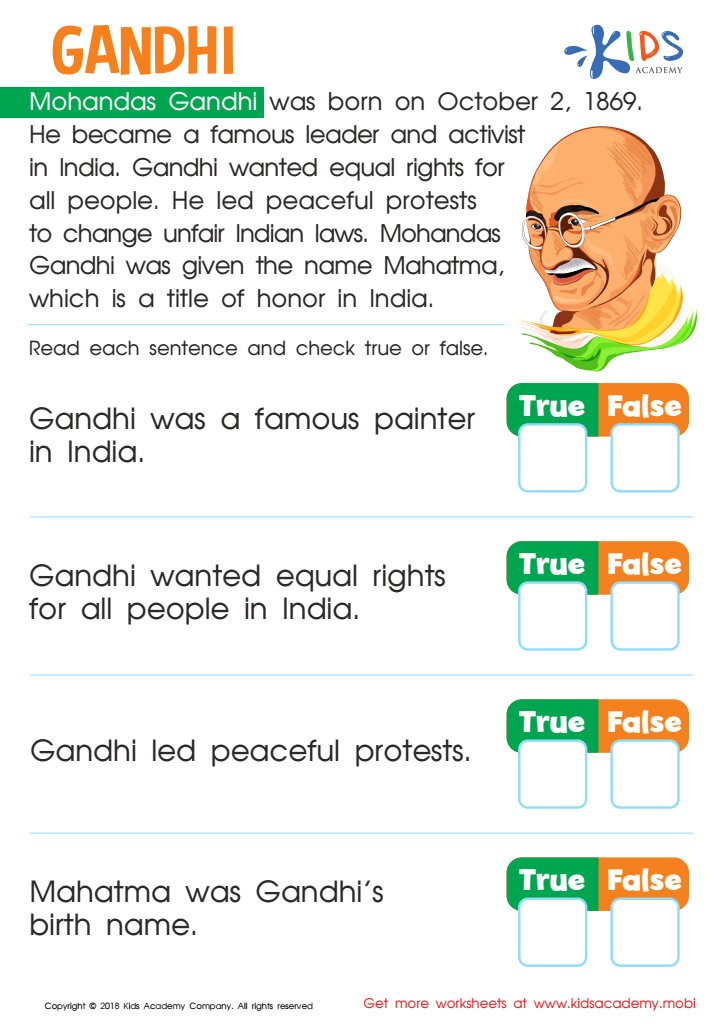
Gandhi Worksheet








Parents and teachers should value Critical Thinking History for children ages 6-8 because nurturing critical thinking skills at this early stage lays the groundwork for lifelong learning and decision-making abilities. Amid an information-rich world, children equipped with critical thinking abilities can question and analyze data, distinguishing between fact and fiction. By engaging with history critically, young minds learn to appreciate different perspectives and understand causative relationships in societal changes, fostering empathy and broad-mindedness.
Implementing these skills through historical inquiry helps solidify comprehension. For example, examining why certain events happened and exploring various viewpoints on the same historical incident encourages cognitive engagement and discussion. Discussions wouldn't merely concentrate on dates or figures but on concepts such as fairness, leadership, consequences, and cultural sensitivity.
Moreover, developing critical thinking via historical context enhances literacy and improves problem-solving capabilities. Asking "how" and "why" questions can lead to greater reading comprehension and a balanced confidence to challenge assumptions or author biases. These analytical abilities are not confined to learning environments but equip children to think independently, make reasoned decisions, and engage more personally with academic and real-world issues, paving the avenue for responsible citizenship and continuous growth.