Enhancing critical thinking Social Studies Worksheets for Ages 6-8
5 filtered results
-
From - To
Discover our "Enhancing Critical Thinking Social Studies Worksheets" designed specifically for ages 6-8! These engaging worksheets boost essential thinking skills through interactive activities that explore diverse topics like geography, culture, and history. Each worksheet encourages children to ask questions, analyze information, and develop opinions, fostering a deeper understanding of the world around them. With a mix of fun exercises and critical analysis tasks, young learners will not only grasp key concepts in social studies but also cultivate the ability to think critically and solve problems effectively. Perfect for classrooms or at-home learning, these worksheets are a valuable resource for nurturing inquisitive minds!
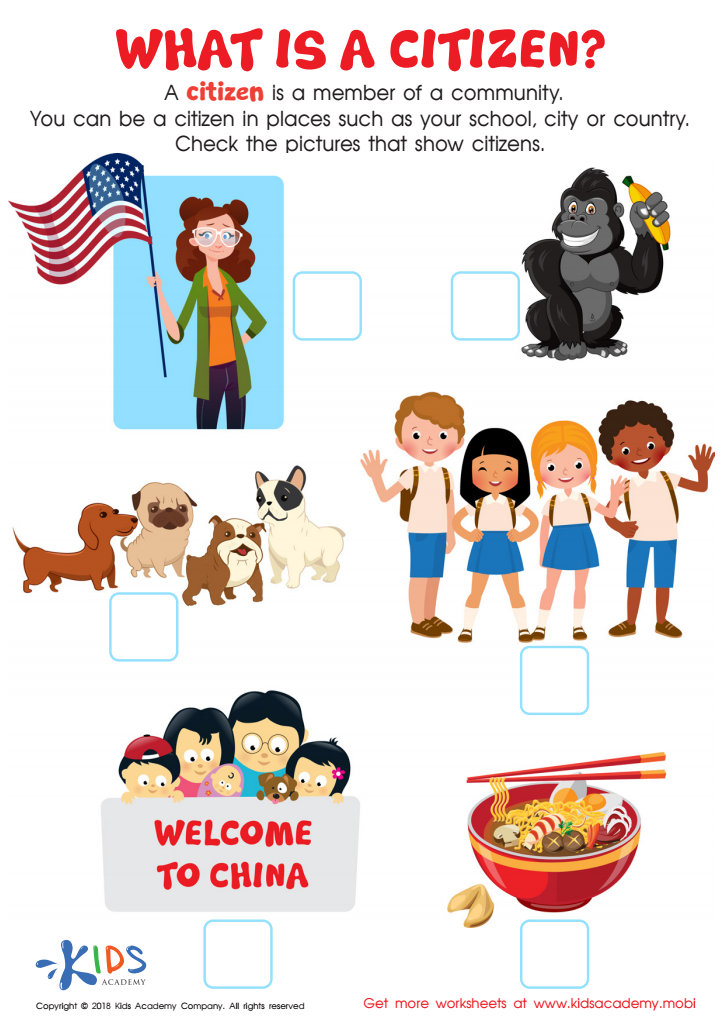
What is a Citizen? Worksheet
 Assign to My Students
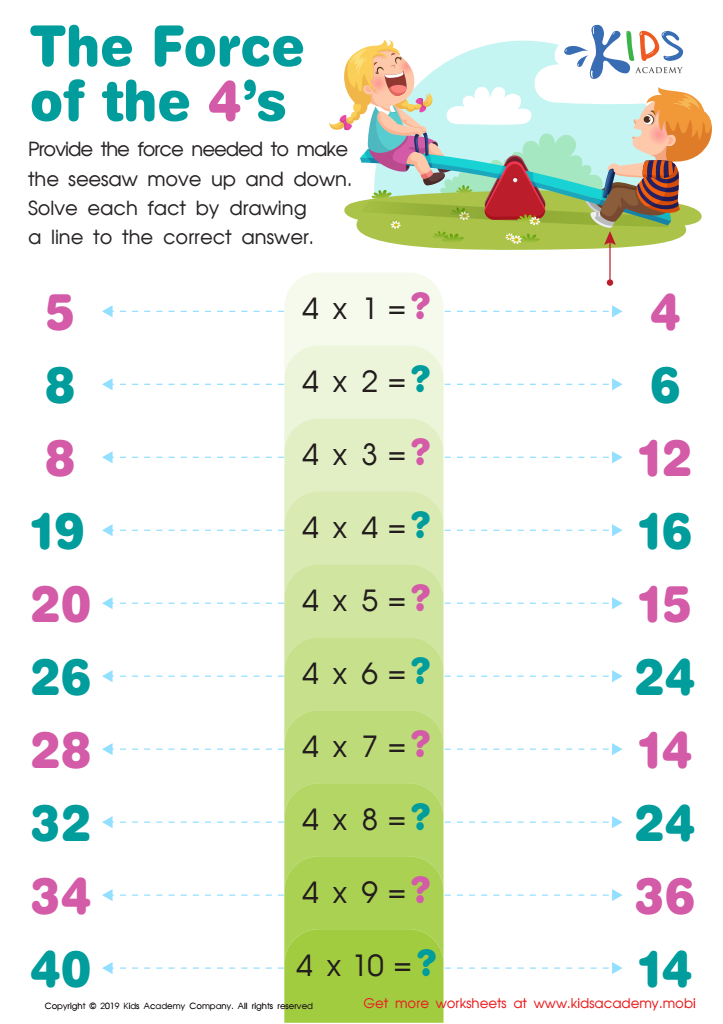
The Force of the 4's Worksheet
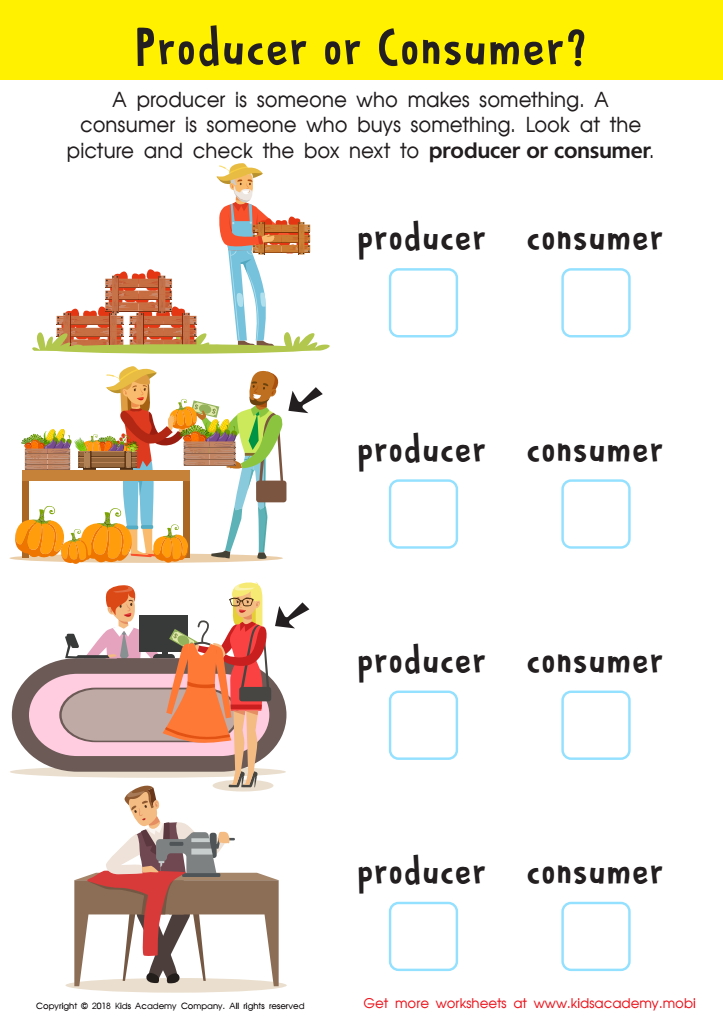
Producer or Consumer? Worksheet
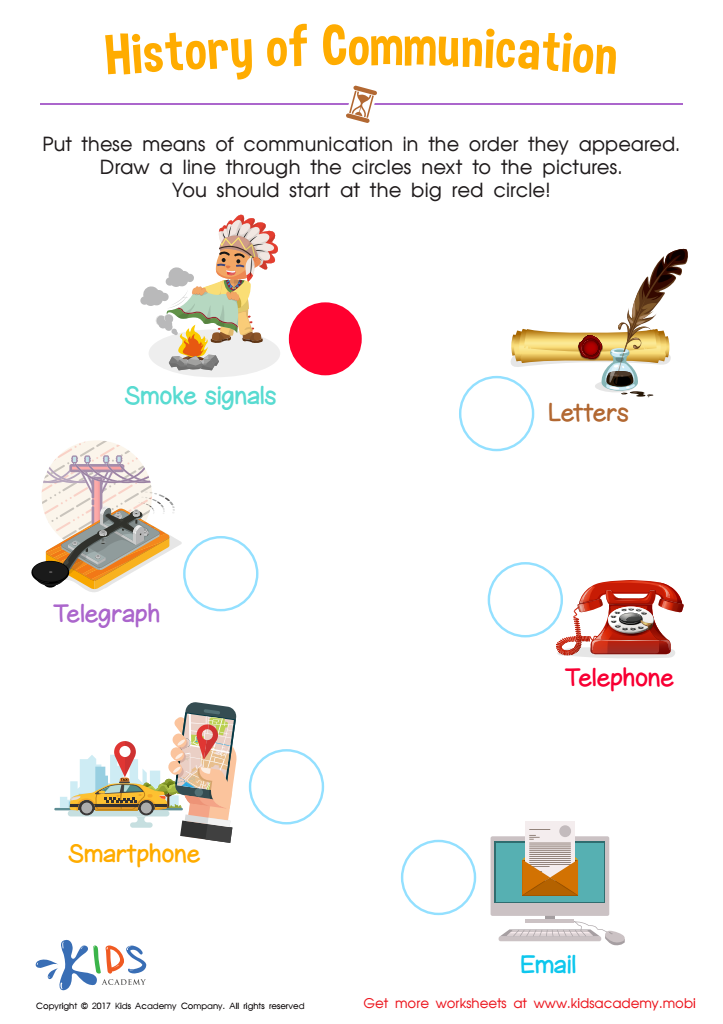
History of Communication Worksheet
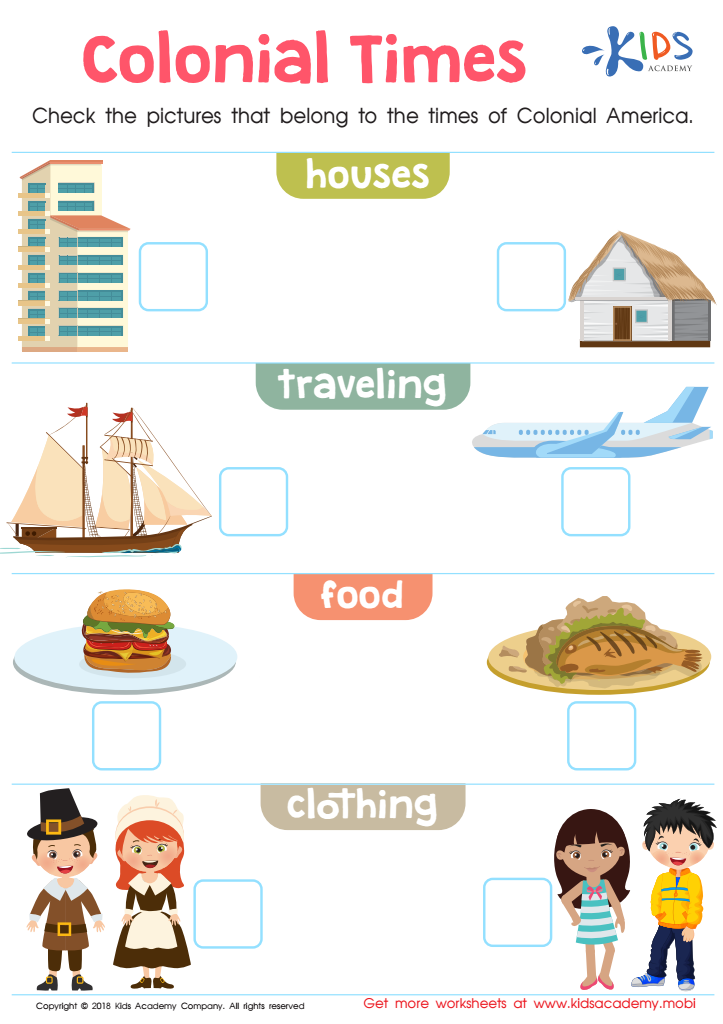
Colonial Times Worksheet








Enhancing critical thinking in Social Studies for children ages 6-8 is vital for several reasons. Firstly, this developmental stage is marked by curious minds eager to understand the world around them. Teaching critical thinking encourages children to ask questions, analyze information, and draw connections between historical events, cultures, and current affairs, fostering a deeper understanding of societal issues.
Secondly, critical thinking skills foster empathy and active citizenship. By learning to evaluate various viewpoints and understand diverse perspectives, children become more empathetic individuals who appreciate the richness of different cultures and experiences. This can lead to respectful discussions and reduce prejudice, paving the way for a more inclusive society.
Moreover, critical thinking encourages independence and problem-solving. As children learn to think critically, they become adept at navigating challenges, a skill that serves them well not only in Social Studies but across all subjects and real-life situations.
In an increasingly complex world, the ability to think critically enables children to become informed decision-makers, preparing them for responsible engagement in their communities. Thus, both parents and teachers play a crucial role in fostering these critical thinking skills in young learners.