Improving spelling skills Grammar Worksheets for Ages 6-8
6 filtered results
-
From - To
Enhance your child's spelling skills with our carefully crafted Grammar Worksheets designed for ages 6-8! Our engaging worksheets make learning fun and effective, helping young learners improve spelling through interactive activities and age-appropriate challenges. These resources focus on building essential language skills, including word recognition, phonics, and vocabulary. By incorporating our comprehensive worksheets into your child's daily routine, you ensure a strong foundation in spelling and grammar. Visit Kids Academy to explore our wide range of printable materials that support your child's educational journey, making spelling a breeze and boosting their confidence in writing and communication.
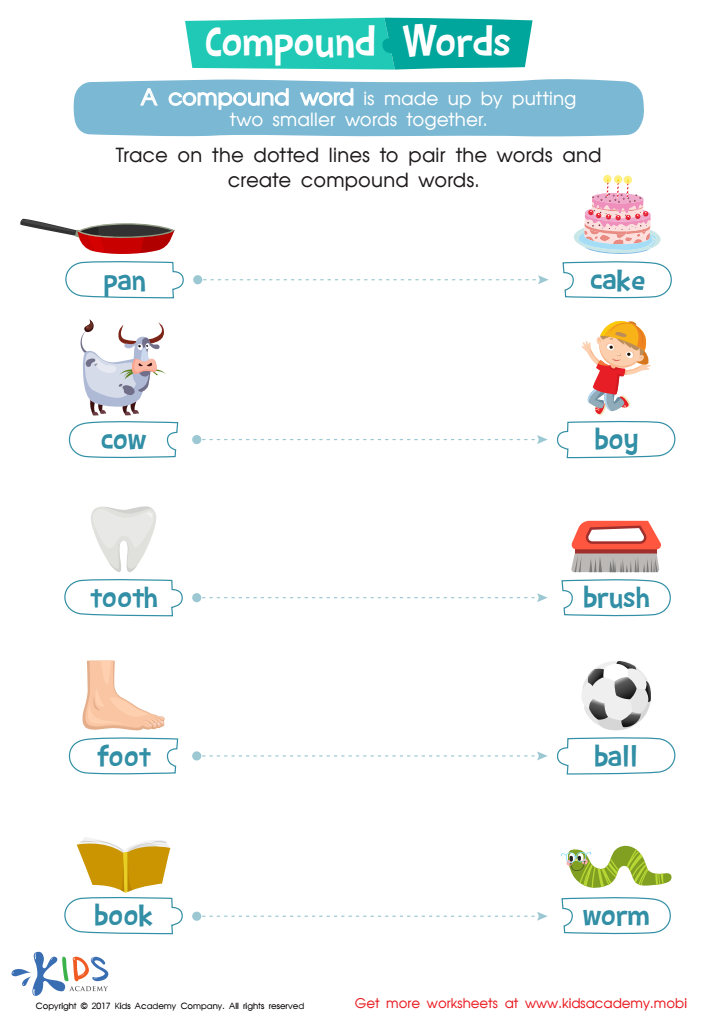
Compound Words Word Structure Worksheet
 Assign to My Students
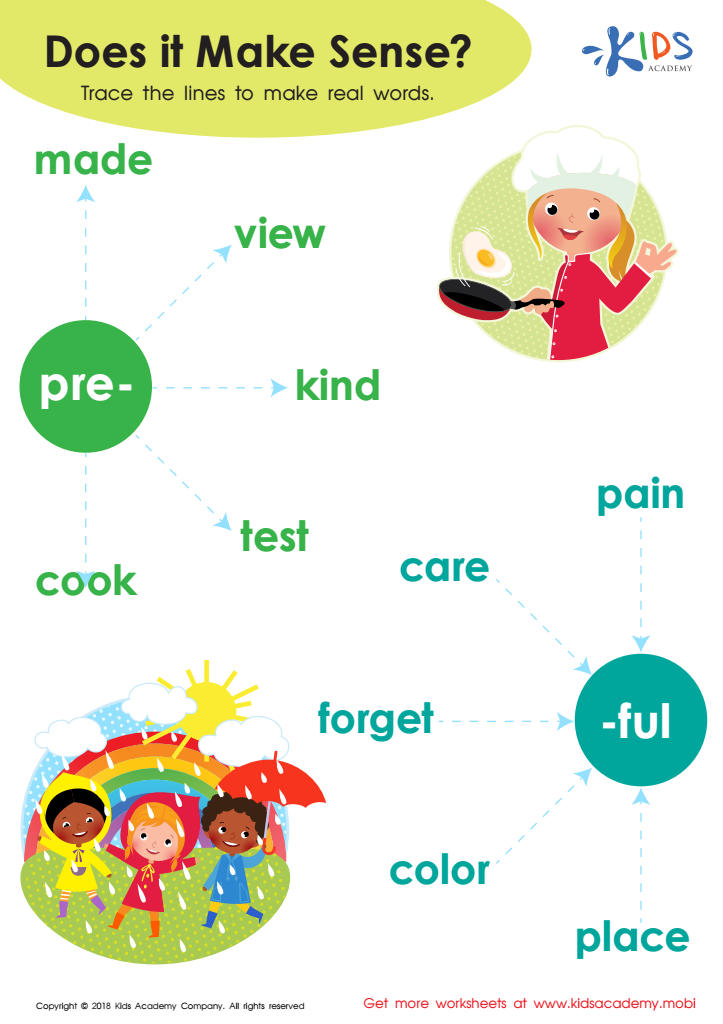
Prefix pre– and Suffix ful– Worksheet
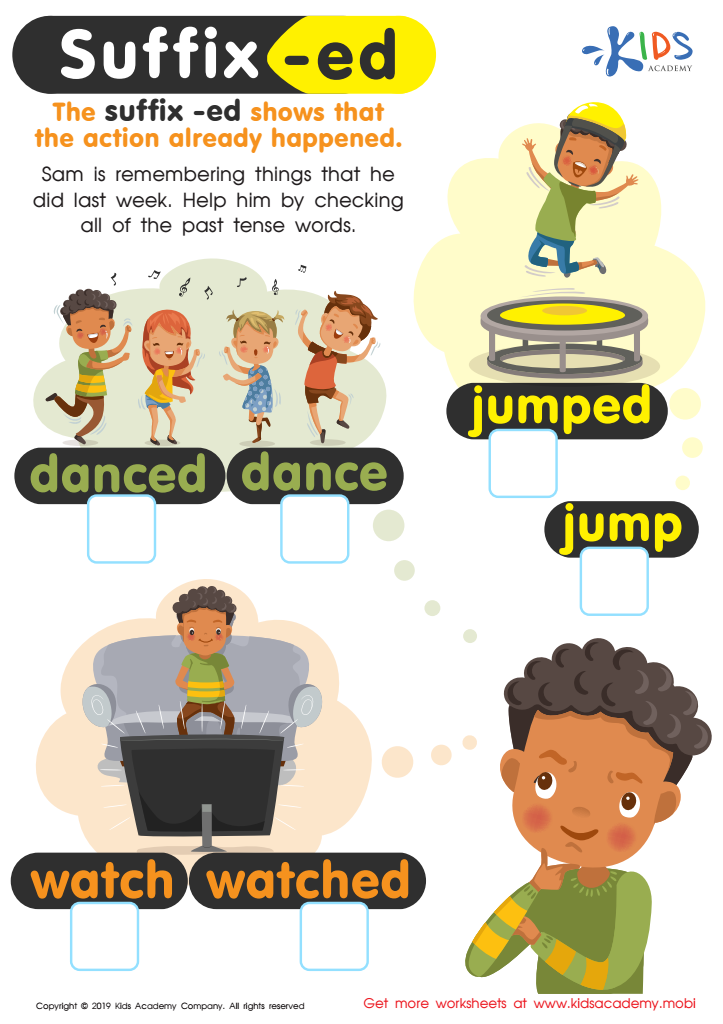
Suffix-ed Worksheet
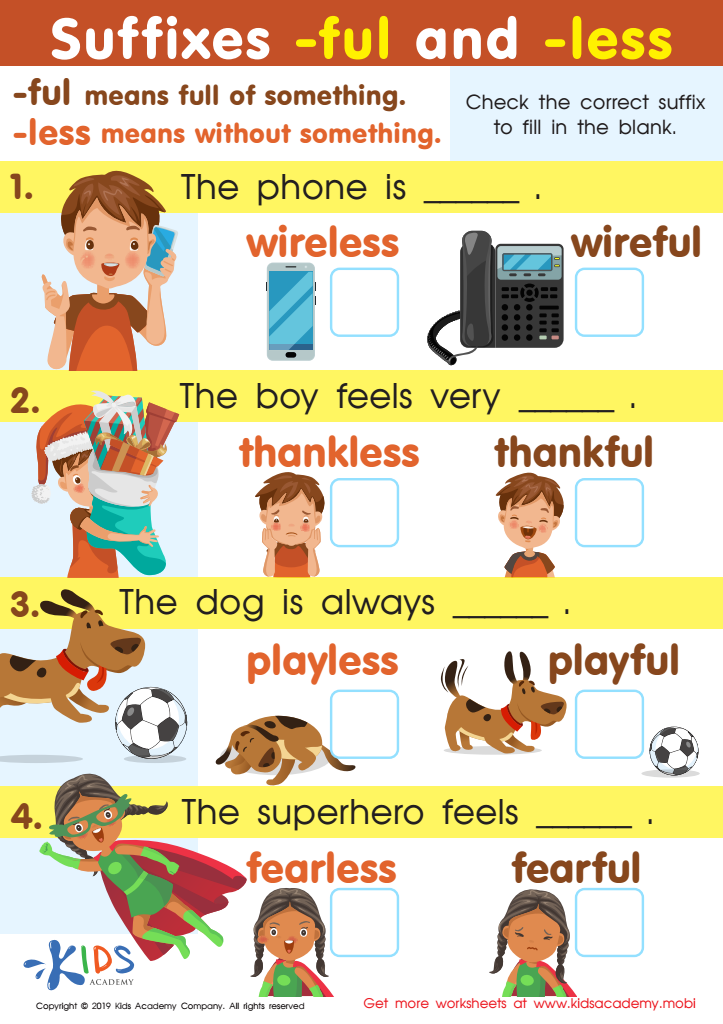
Suffixes –ful and –less Worksheet
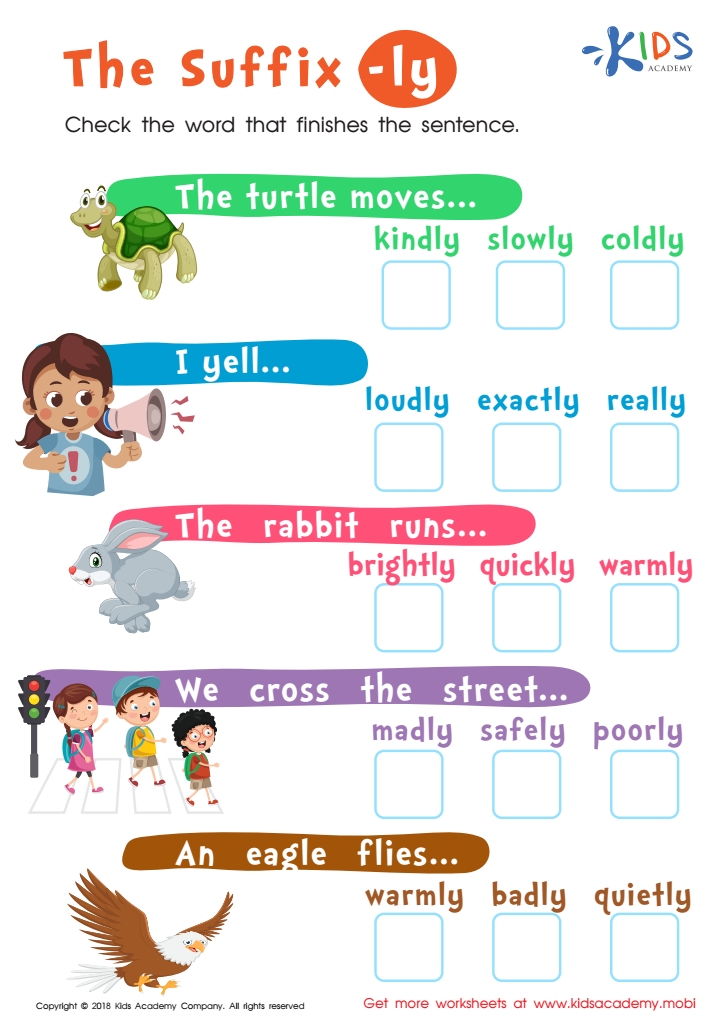
The Suffix -Ly Worksheet
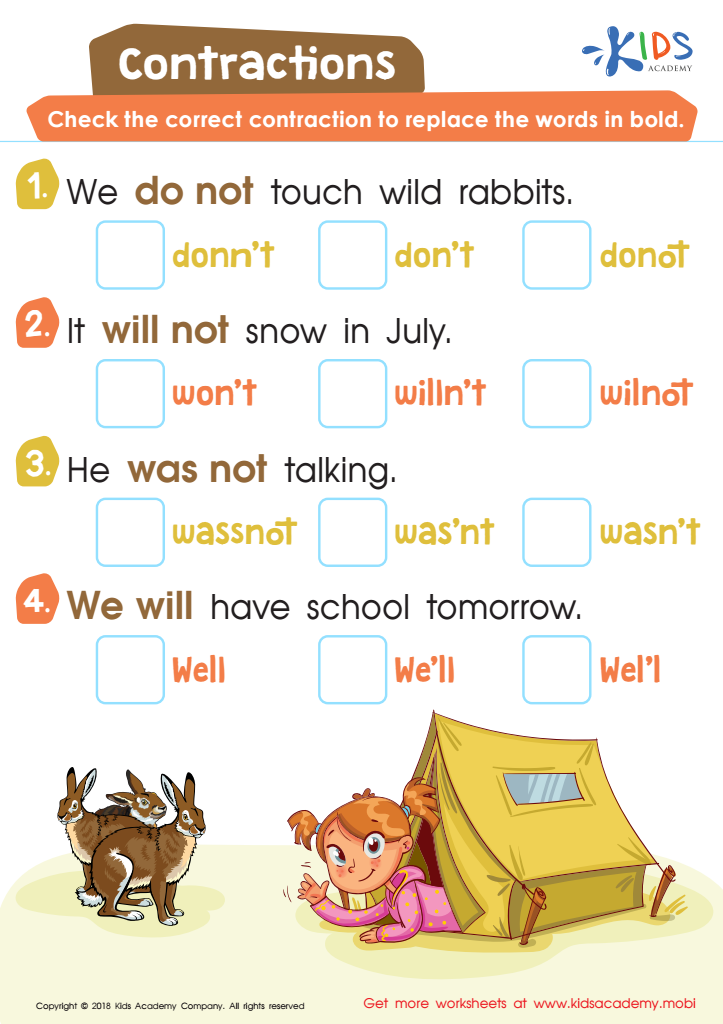
Contractions Worksheet







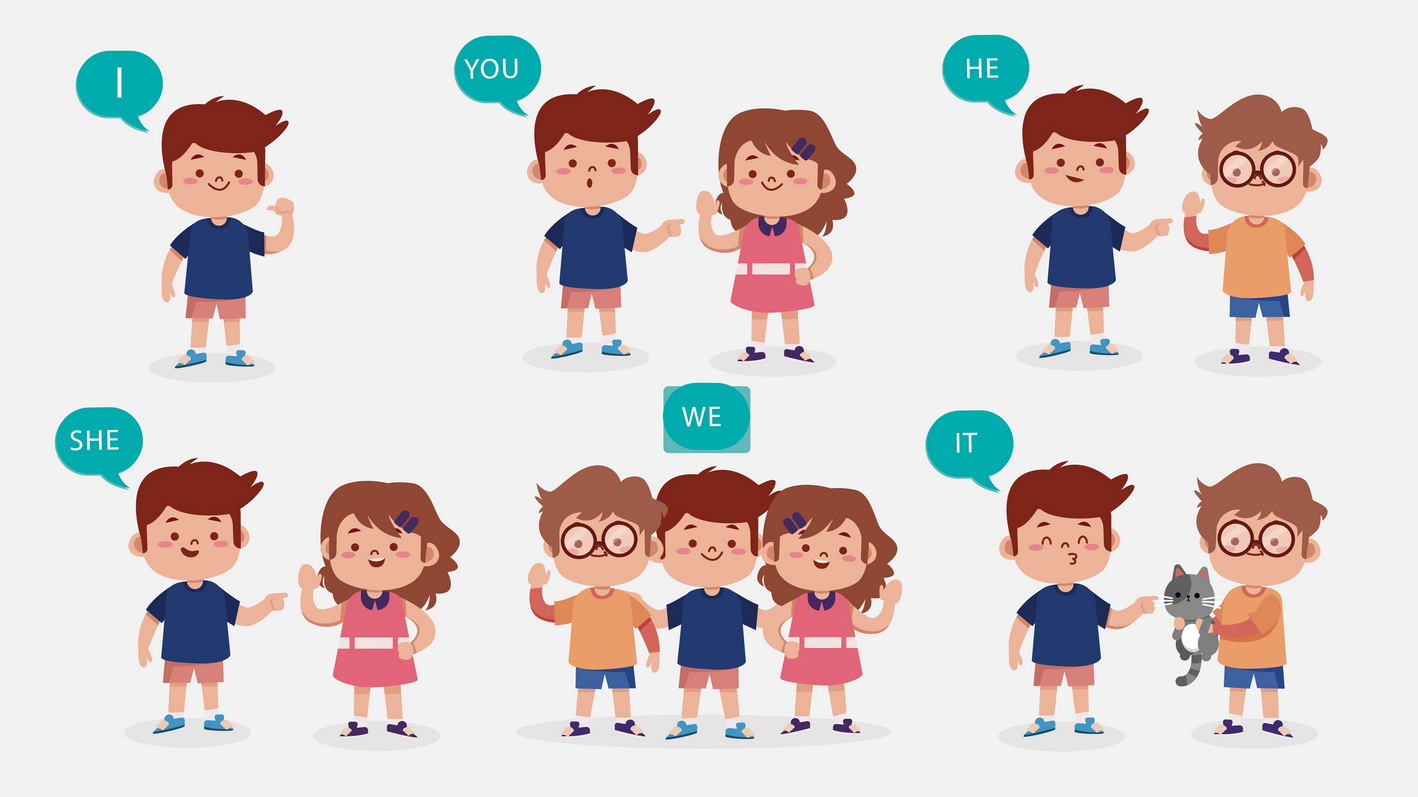
Improving spelling and grammar for children aged 6-8 is crucial for their overall educational development and future success. At this age, children are typically in their early years of elementary school, a critical time when foundational language skills are established. Mastering spelling and grammar early aids in developing strong reading and writing abilities, which are essential for all subjects. Correct spelling promotes better reading fluency, comprehension, and vocabulary acquisition, allowing children to access more complex texts as they advance in school.
Good grammar enhances communication skills. Children who understand grammar can construct clear sentences, making it easier for them to express their thoughts and ideas effectively. This clarity fosters confidence in their written and verbal communication, which can positively influence classroom participation and social interactions.
Furthermore, early proficiency in spelling and grammar sets the groundwork for standardized testing performance and future academic success. Poor spelling and grammar can lead to misunderstandings and lower grades, negatively impacting a child’s self-esteem and attitude towards learning. By investing time in improving these skills, parents and teachers equip children with the tools needed for critical thinking, effective communication, and lifelong learning.
In summary, prioritizing spelling and grammar for young children establishes a solid foundation for their educational journey and beyond, nurturing well-rounded, confident, and capable individuals.








