
Enhancing vocabulary Writing Worksheets for Ages 6-8
3 filtered results
Difficulty Level
Grade
Age
-
From - To
Subject
Activity
Standards
Discover our "Enhancing Vocabulary Writing Worksheets" designed specifically for children ages 6-8! These engaging resources help young learners expand their vocabulary and improve their writing skills. With a variety of fun exercises, including word sorting, synonym matching, and creative prompts, students will enjoy exploring new words in context. Each worksheet is crafted to encourage critical thinking and creativity, nurturing a love for language. Ideal for teachers and parents, our worksheets seamlessly integrate into existing curriculums or can be used for independent practice at home. Foster your child’s communication skills and ignite their imagination with these captivating vocabulary-building activities!
Favorites
With answer key
Interactive
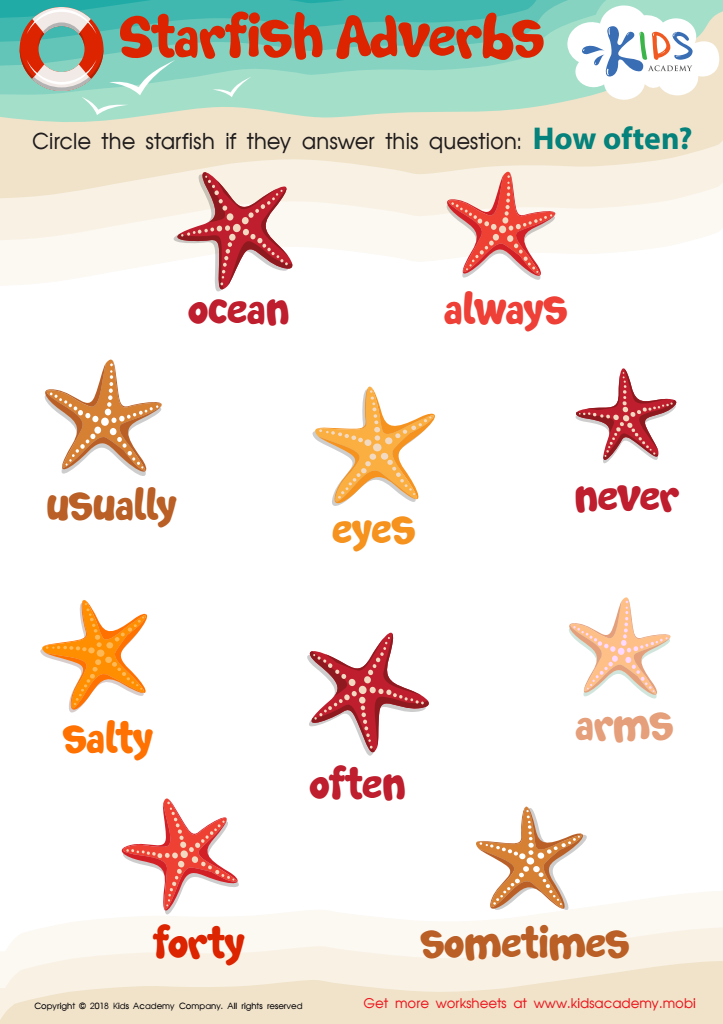
Starfish Adverbs Worksheet
Students will gain exposure to new words and parts of speech as they learn more. After nouns and verbs, adverbs are next. Ask students to give examples, like ‘quickly’ and ‘heavily’. Finally, help them circle the starfish that answer the question 'how often?' on the worksheet.
 Assign to My Students
Starfish Adverbs Worksheet
Worksheet
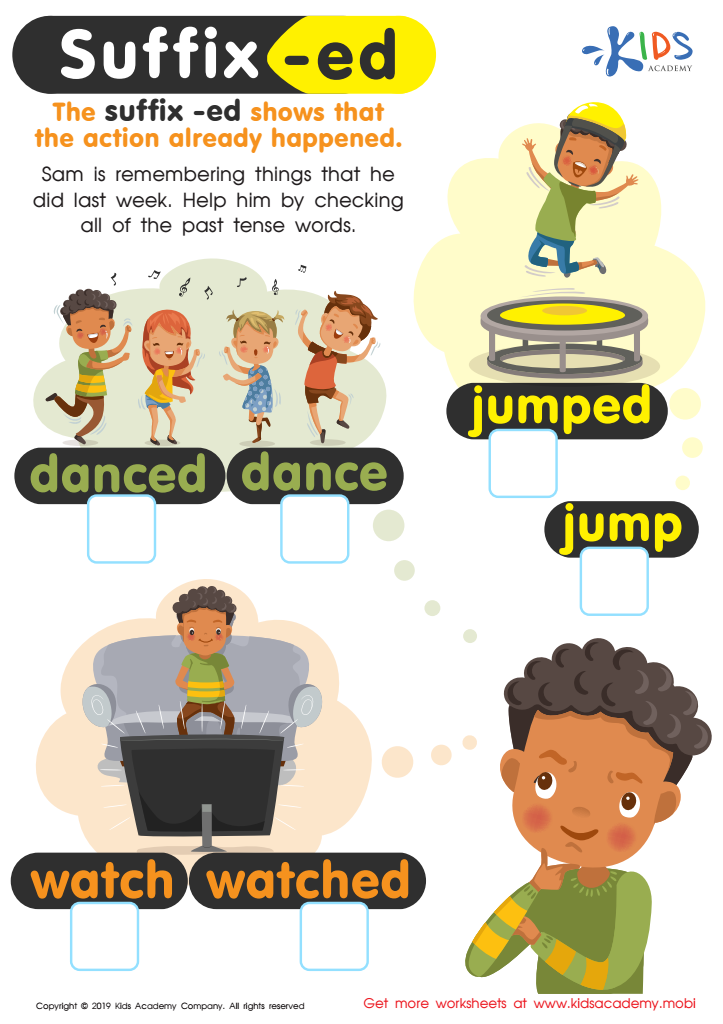
Suffix-ed Worksheet
Ask your kids if they know what suffixes are, and explain they are words added to the end of another word which changes the meaning. This worksheet focuses on the suffix -ed which shows something already happened. Help the kid in the picture find the past tense words.
Suffix-ed Worksheet
Worksheet
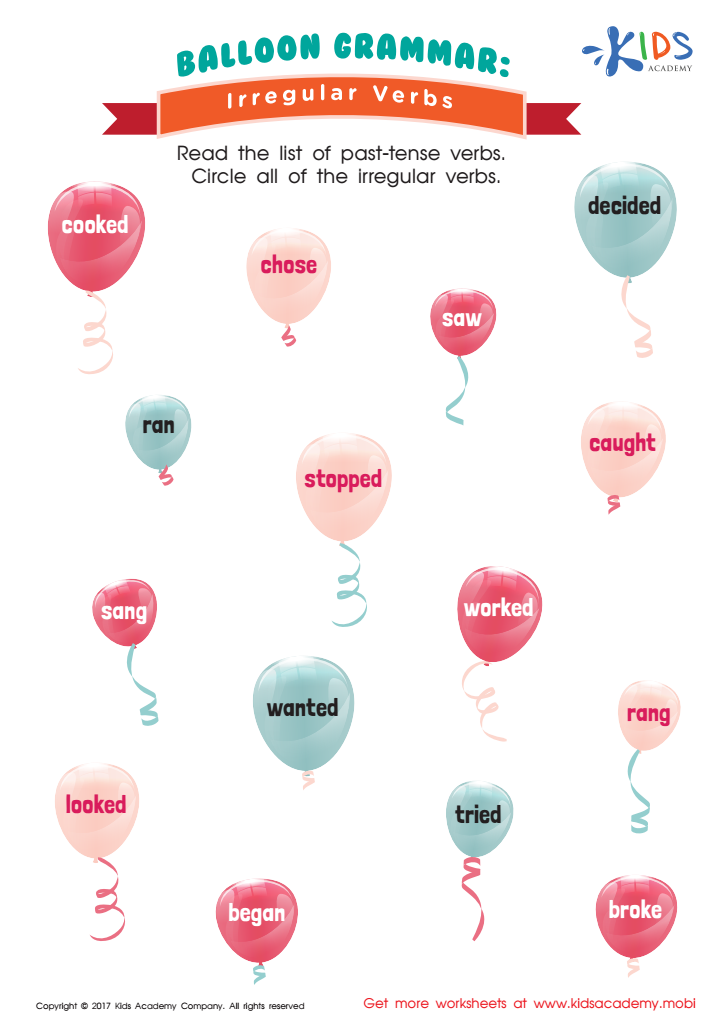
Irregular Verbs: Baloons Worksheet
Help your child master irregular verbs with this fun worksheet for 3rd grade! Guide them to identify the irregular verbs, discussing what makes them unique. It's a great way to learn the tricky past tense!
Irregular Verbs: Baloons Worksheet
Worksheet
Join Kids Academy for Free
Who is primarily going to use this learning content?



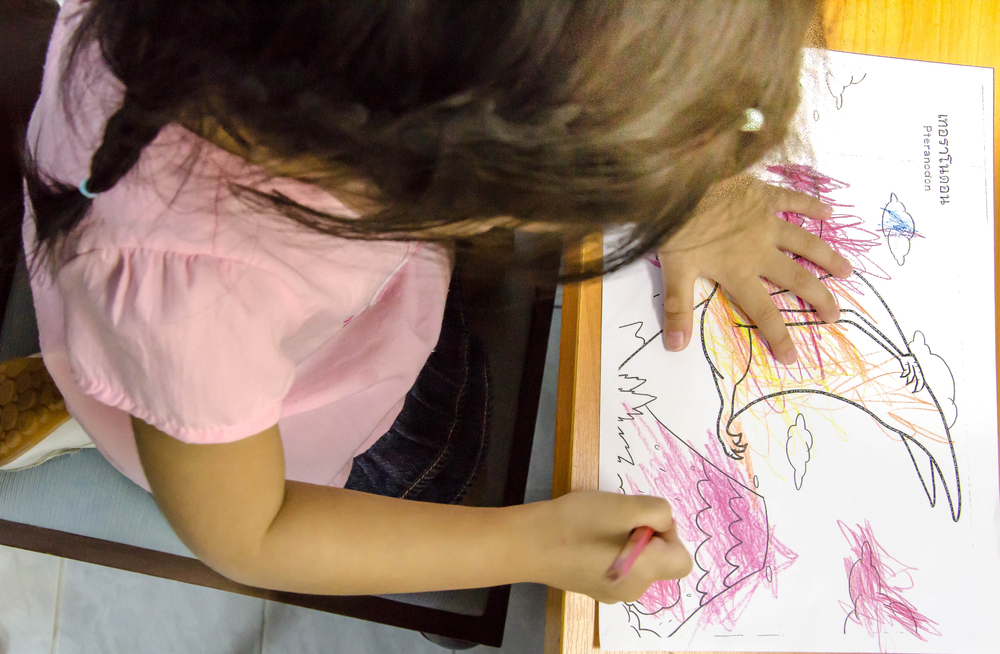




Enhancing vocabulary writing for children ages 6-8 is crucial for their cognitive and linguistic development. At this age, children are particularly receptive to new words and concepts, making it an opportune time to enrich their vocabulary. A robust vocabulary strengthens their ability to articulate thoughts and feelings, fosters effective communication skills, and boosts academic performance across subjects, particularly in reading and writing.
Moreover, a rich vocabulary enables children to comprehend complex ideas and engage more deeply with texts. Parents and teachers can cultivate language development through engaging activities, such as reading aloud, discussing unfamiliar words, and encouraging creative writing. This not only enhances language skills but also promotes critical thinking and imagination.
Additionally, vocabulary enrichment contributes to self-confidence. Children who can articulate their ideas clearly are more likely to participate actively in class discussions and express themselves effectively in social settings. On the other hand, a limited vocabulary can cause frustration and hinder learning.
By prioritizing vocabulary writing skills, parents and teachers can set children on a path to success, equipping them with the verbal tools they need to navigate their academic and personal lives effectively. Investing time in vocabulary development now is an investment in their future.








