Improving vocabulary Writing Worksheets for Ages 6-8
6 filtered results
-
From - To
Enhance your child’s vocabulary and writing skills with our expertly designed worksheets tailored for ages 6-8. These engaging activities ensure a fun and interactive learning experience, fostering a robust vocabulary foundation. The worksheets cover diverse themes and encourage kids to grasp new words, improve spelling, and write more descriptively. Our resources aim to not only build essential language skills but also boost confidence in young readers and writers. Parents and educators can readily access these printable worksheets to support and monitor progress, making vocabulary building an exciting and rewarding adventure for young learners.
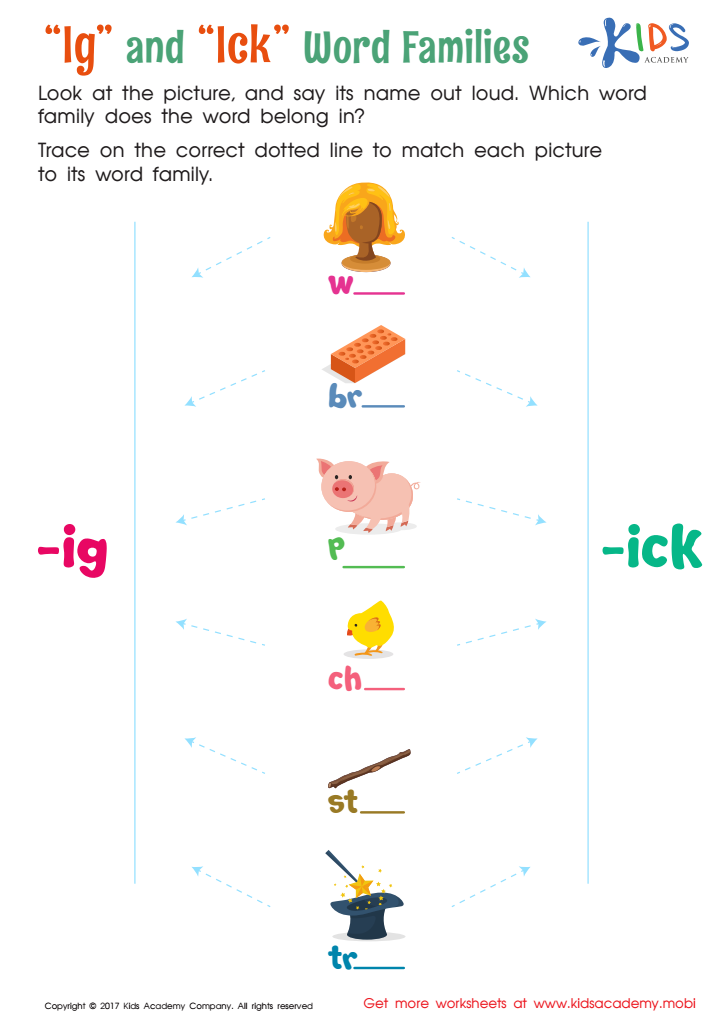
Words Families "ig" and "ick" Spelling Worksheet
 Assign to My Students
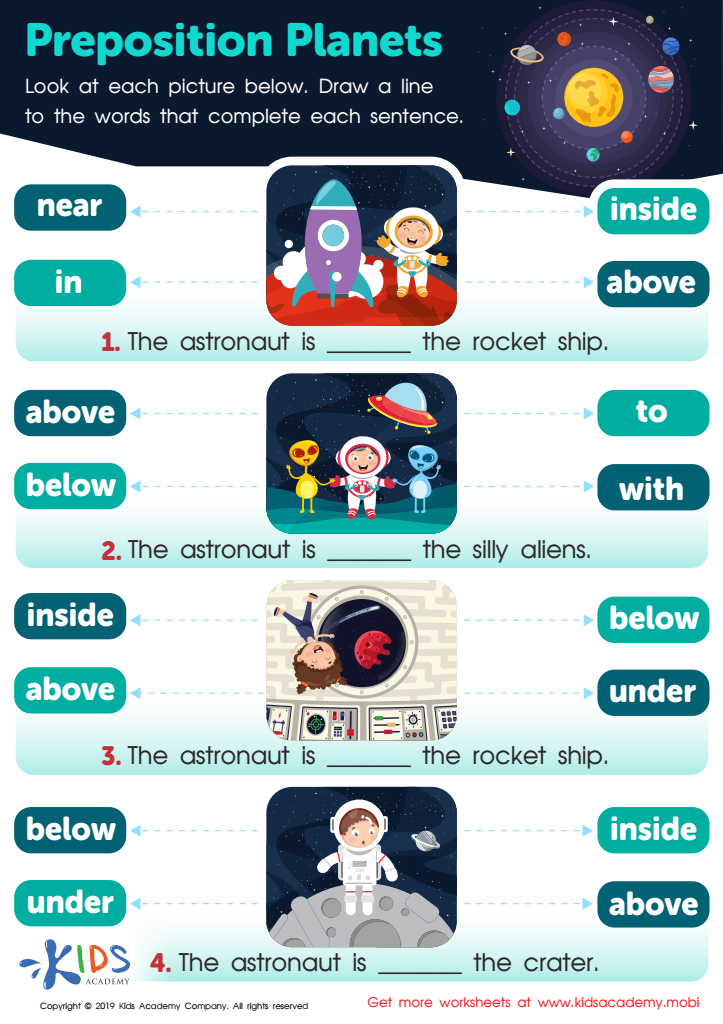
Preposition Planets Worksheet
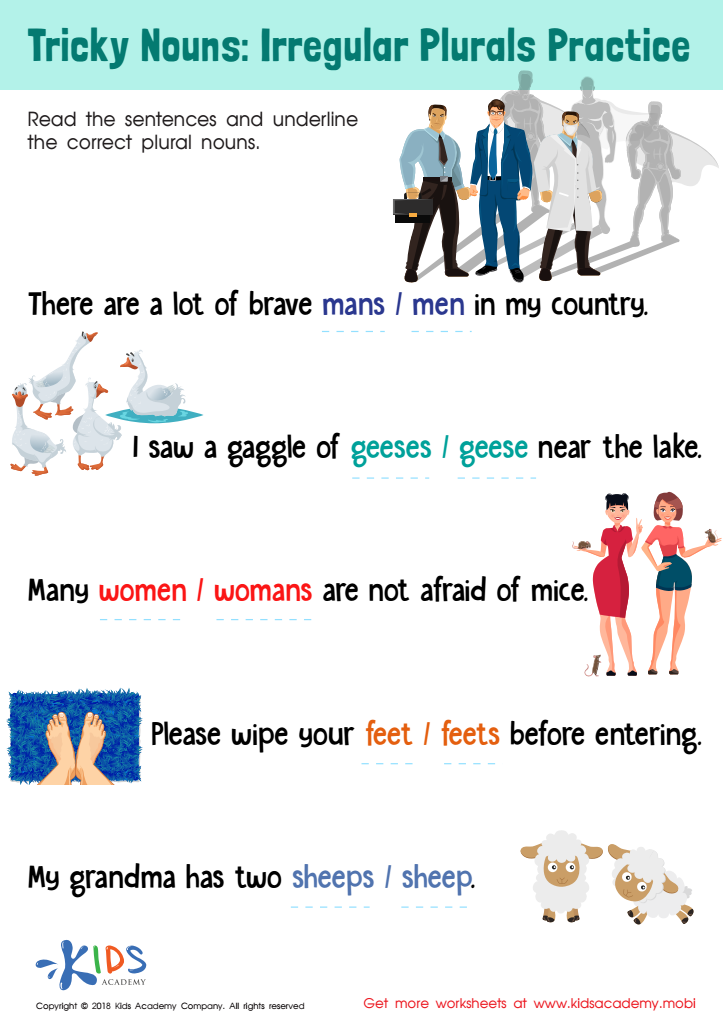
Tricky Nouns: Irregular Plurals Practice Worksheet
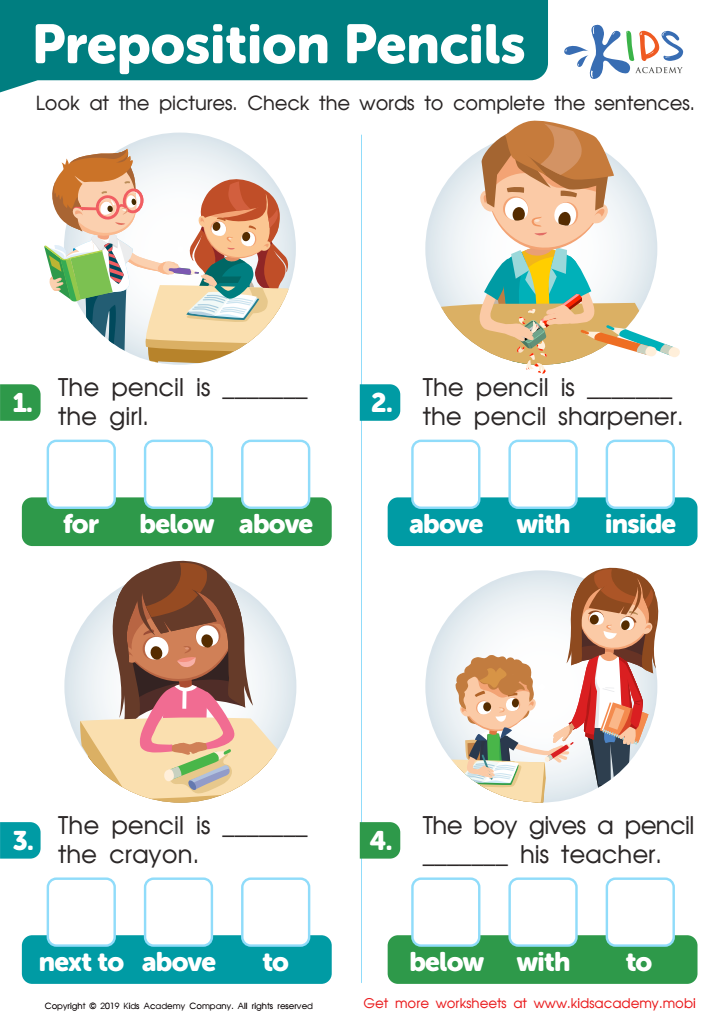
Preposition Pencils Worksheet
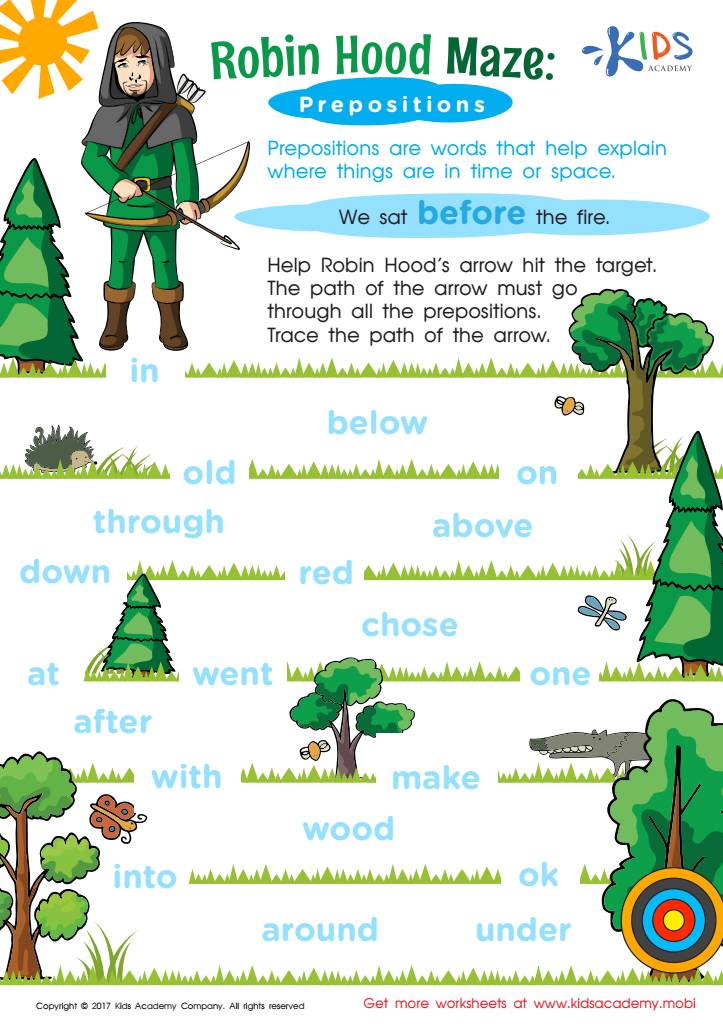
Prepositions Worksheet
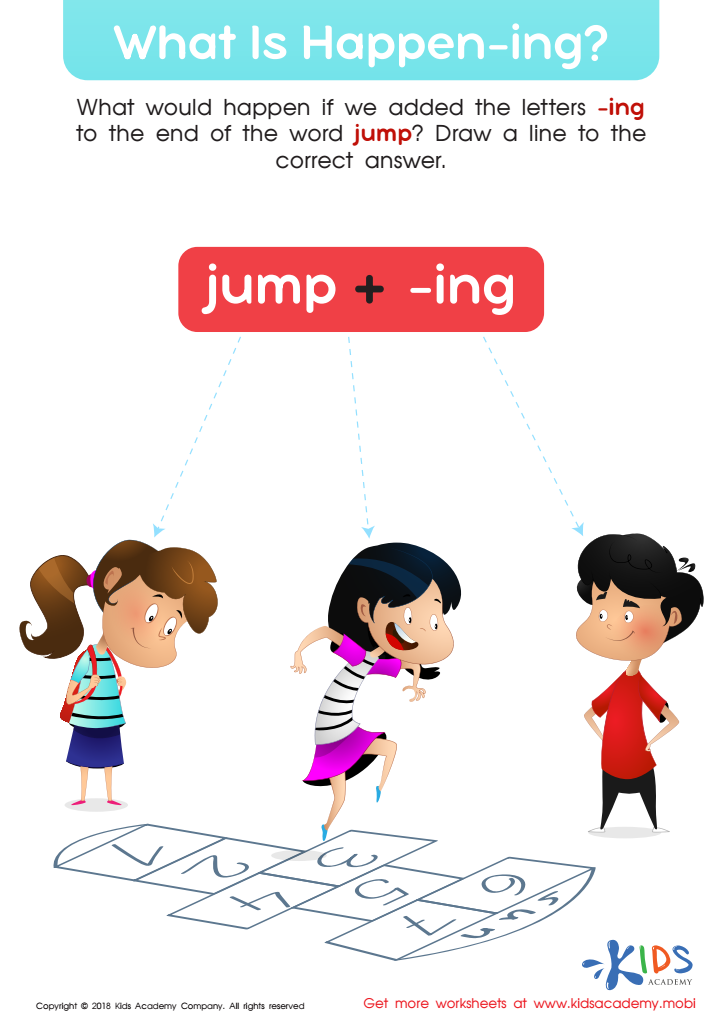
What Is Happen-Ing? Worksheet








Improving vocabulary and writing for children aged 6-8 is crucial for their overall academic and personal development. At this foundational stage, children are developing key communication skills that will support their learning across all subjects. A rich vocabulary enhances reading comprehension, allowing children to understand and engage with texts more deeply. This understanding fosters a love for reading and learning that can last a lifetime.
Moreover, enhanced vocabulary equips children with the tools they need to express themselves clearly and confidently. When children can accurately convey their thoughts and emotions in writing, they experience a boost in self-esteem and self-expression. This is particularly important in fostering creativity and critical thinking, as children are more likely to explore and expand on their ideas when they have the words to do so.
In the classroom, a strong vocabulary aids in instructions and discussions, allowing children to follow along and contribute meaningfully. This active participation can lead to better academic performance and a more inclusive classroom environment.
At home, an emphasis on vocabulary and writing reinforces what is learned in school. Parents can support this by engaging in conversations, reading together, and involving children in activities that introduce new words. This cohesive effort between teachers and parents builds a solid foundation for lifelong learning and effective communication.








