Word Recognition Tracing Words Worksheets for Ages 6-8
7 filtered results
-
From - To
Discover our engaging Word Recognition Tracing Words Worksheets, specially designed for children ages 6-8! These worksheets help young learners improve their reading and writing skills by tracing essential words, promoting word recognition and spelling. Our user-friendly designs make it easy for kids to practice letter formation and develop fine motor skills while having fun. Each worksheet includes vibrant illustrations to captivate children’s interest and keep them motivated. Ideal for classroom settings or at-home learning, these resources support a well-rounded education in early literacy. Encourage your child’s growth and confidence in reading with our high-quality tracing word worksheets today!
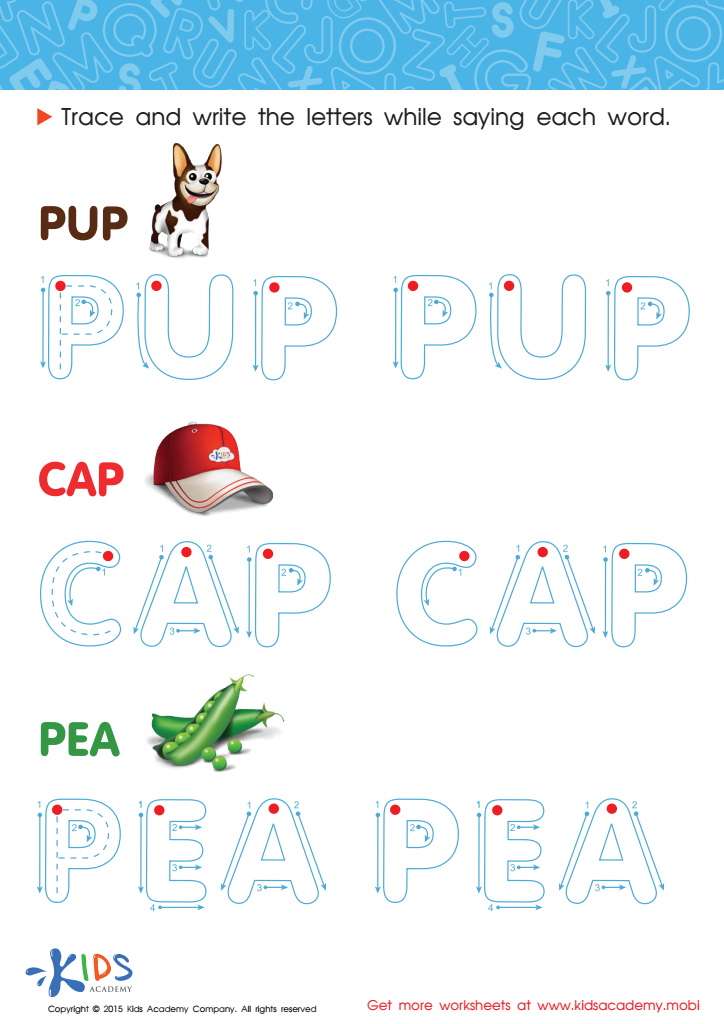
A Pup, a Cap and a Pea Spelling Worksheet
 Assign to My Students
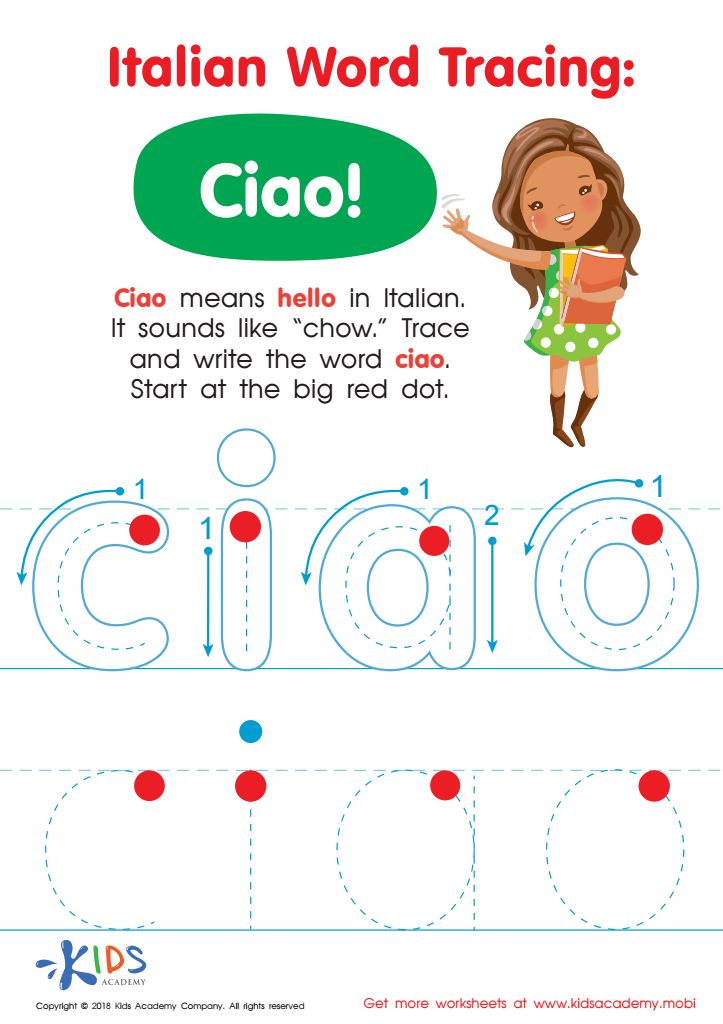
Italian Word Tracing: Ciao Worksheet
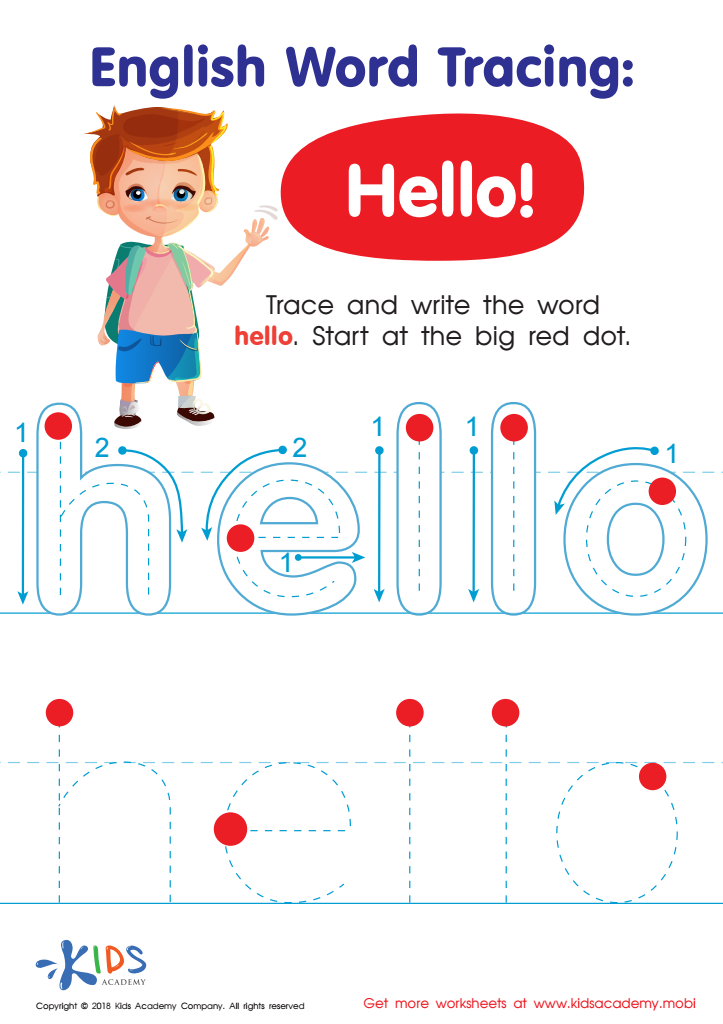
English Word Tracing: Hello Worksheet
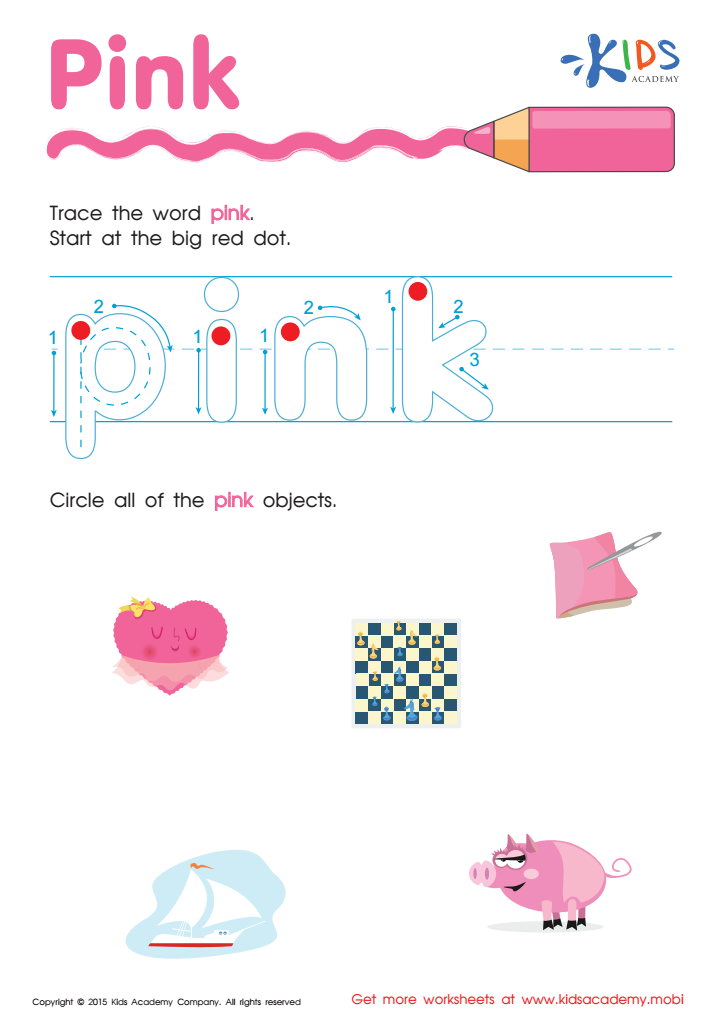
Pink Tracing Color Words Worksheet
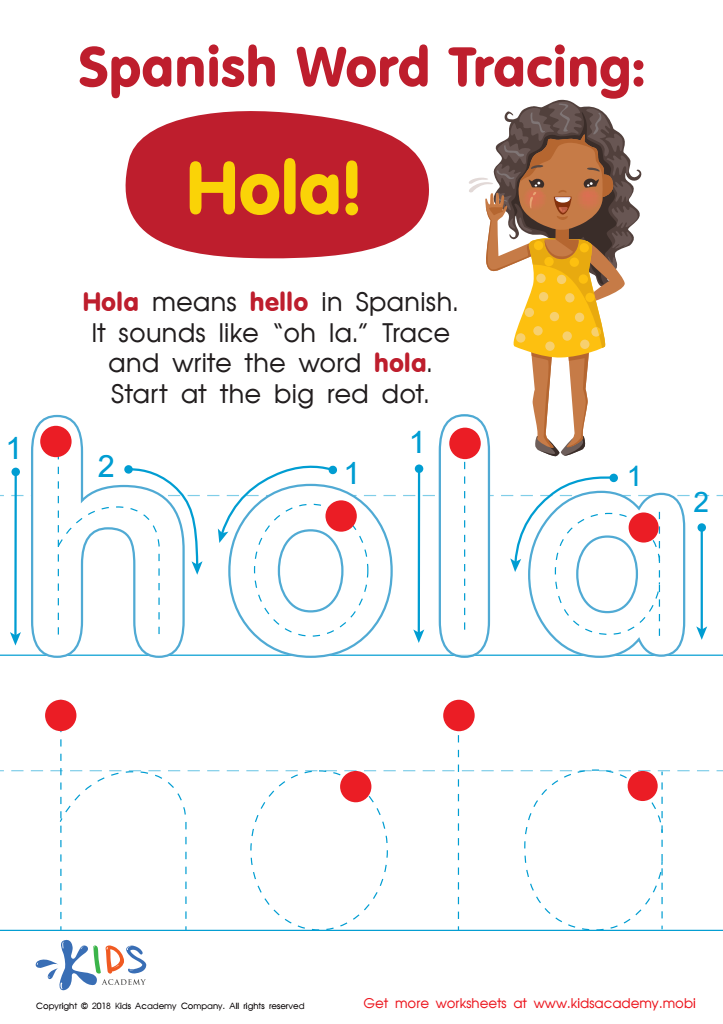
Spanish Word Tracing: Hola Worksheet
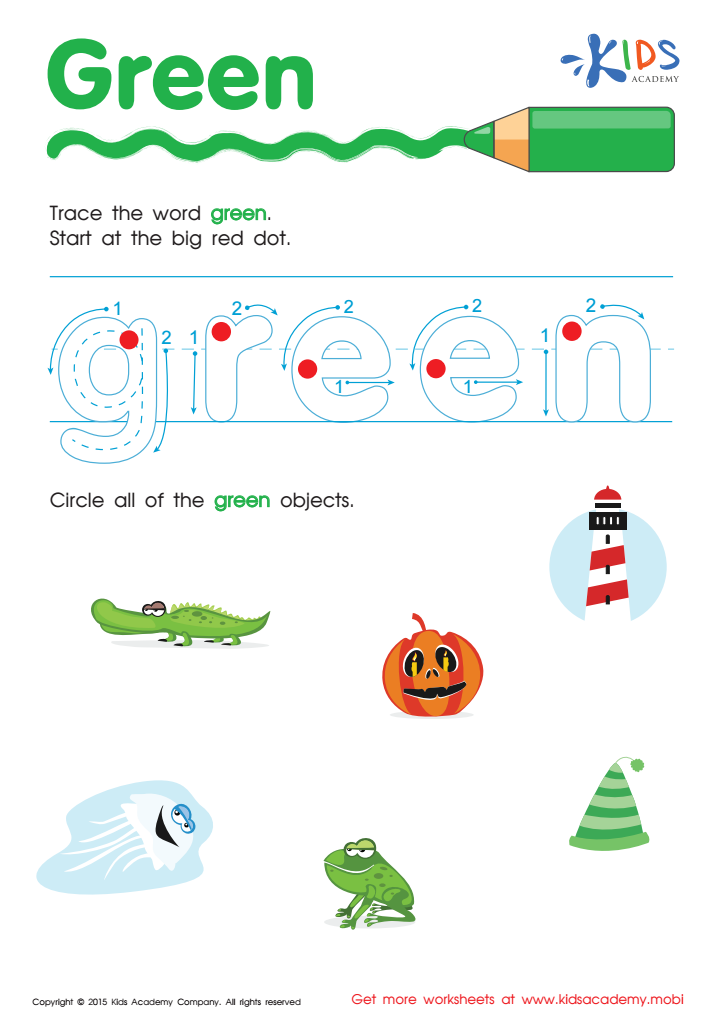
Green Tracing Color Words Worksheet
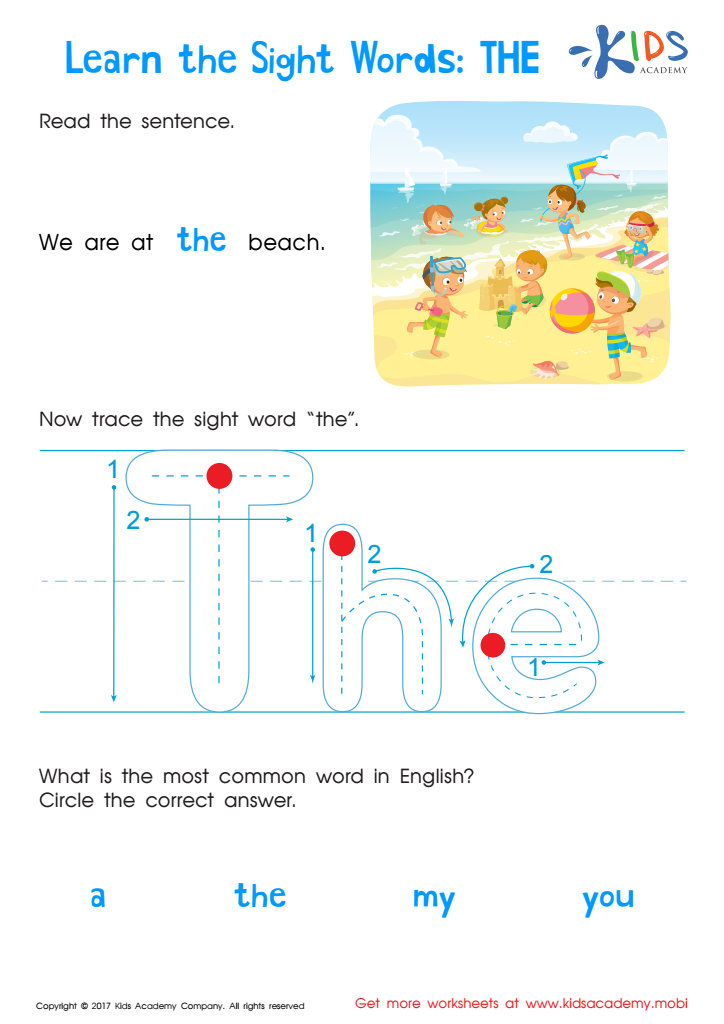
Sight Words: The Worksheet








Word recognition tracing for children aged 6-8 is crucial for their reading development and overall literacy skills. This practice involves tracing words to enhance familiarization with letter shapes, sounds, and structures. Parents and teachers should prioritize this activity as it lays the foundation for reading fluency, comprehension, and confidence in young learners.
At this developmental stage, children are honing their decoding skills, vital for them to connect spoken and written words. Tracing helps them internalize letter patterns, strengthening their cognitive associations between letters and sounds. It also promotes fine motor skills as they practice writing, contributing to better handwriting as they progress.
Moreover, engaging in word recognition tracing can be a valuable bonding experience between parents and children, turning learning into a fun, shared activity. It encourages a supportive learning environment, allowing children to express curiosity about words and language. Teachers can also integrate it into classroom activities to maintain student interest and motivation in literacy.
Overall, prioritizing word recognition tracing provides children with essential tools for successful reading, affecting their academic performance and instilling a lifelong love for learning. Emphasizing this form of practice paves the way for stronger communicators and critical thinkers in the future.