Alphabet familiarity Alphabet Worksheets for Ages 6-9
9 filtered results
-
From - To
Discover our engaging "Alphabet Familiarity Worksheets" designed for children aged 6-9. These educational resources focus on enhancing letter recognition skills, enabling kids to develop a solid foundation in the alphabet. Our worksheets incorporate fun activities that foster creativity and critical thinking while reinforcing essential literacy concepts. With a variety of exercises, including tracing, matching, and letter identification, children will enjoy interactive learning experiences that promote confidence in their reading and writing abilities. Perfect for both classroom settings and at-home practice, our worksheets provide valuable support for early learners. Start your child's literacy journey today with our vibrant and enjoyable worksheets!
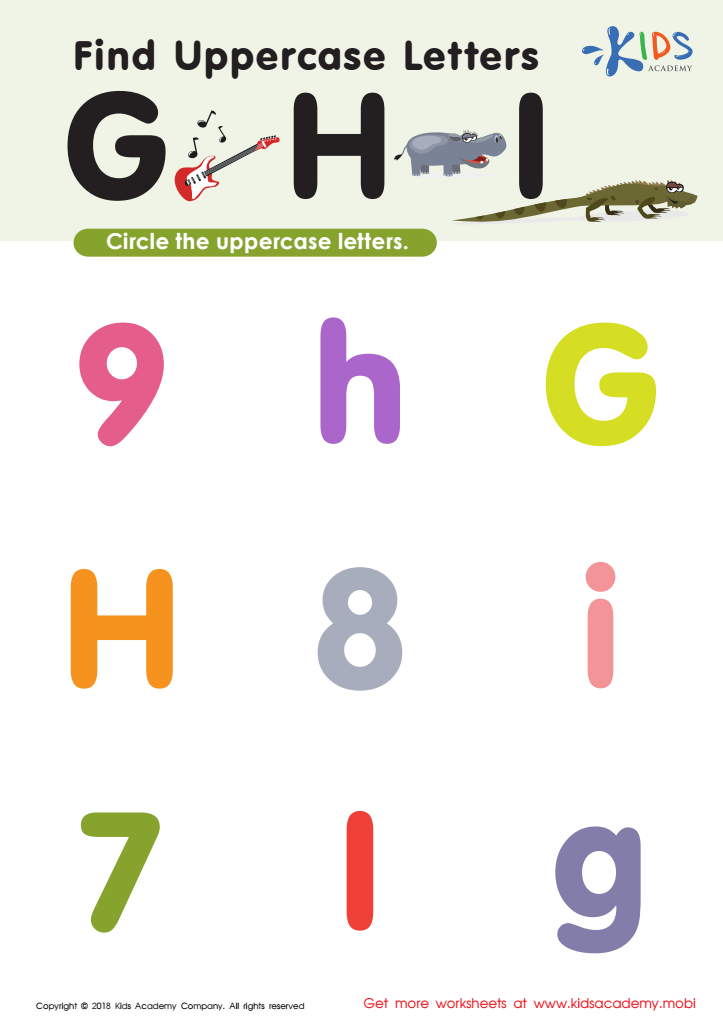
Find Uppercase Letters G, H, and I Worksheet
 Assign to My Students
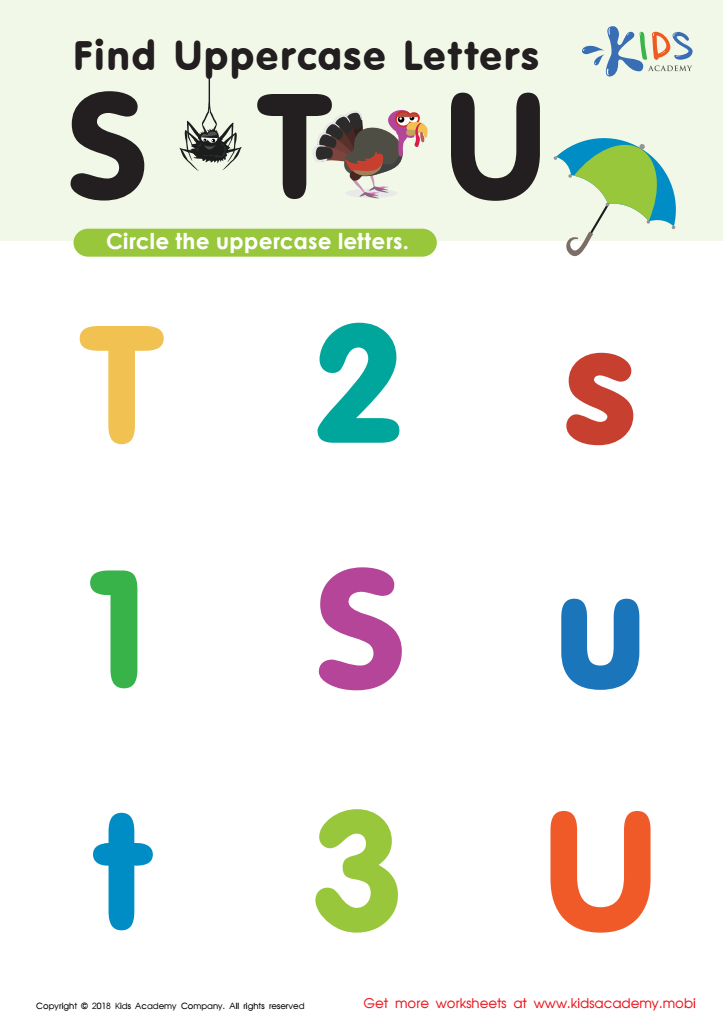
Find Uppercase Letters Worksheet
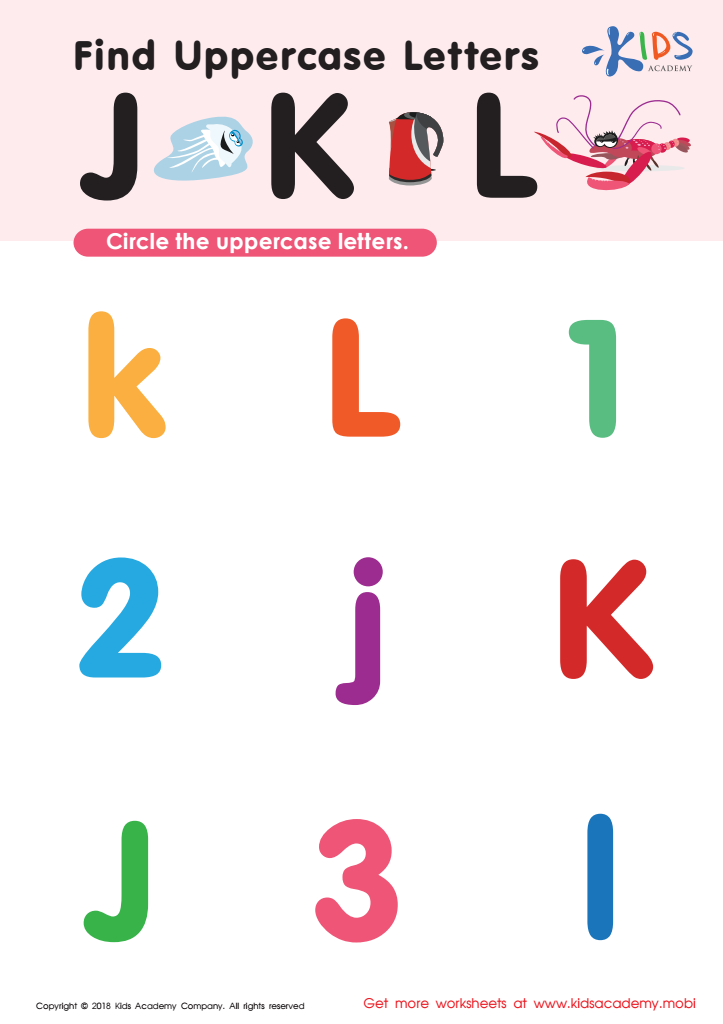
Find Uppercase Letters J, K, and L Worksheet
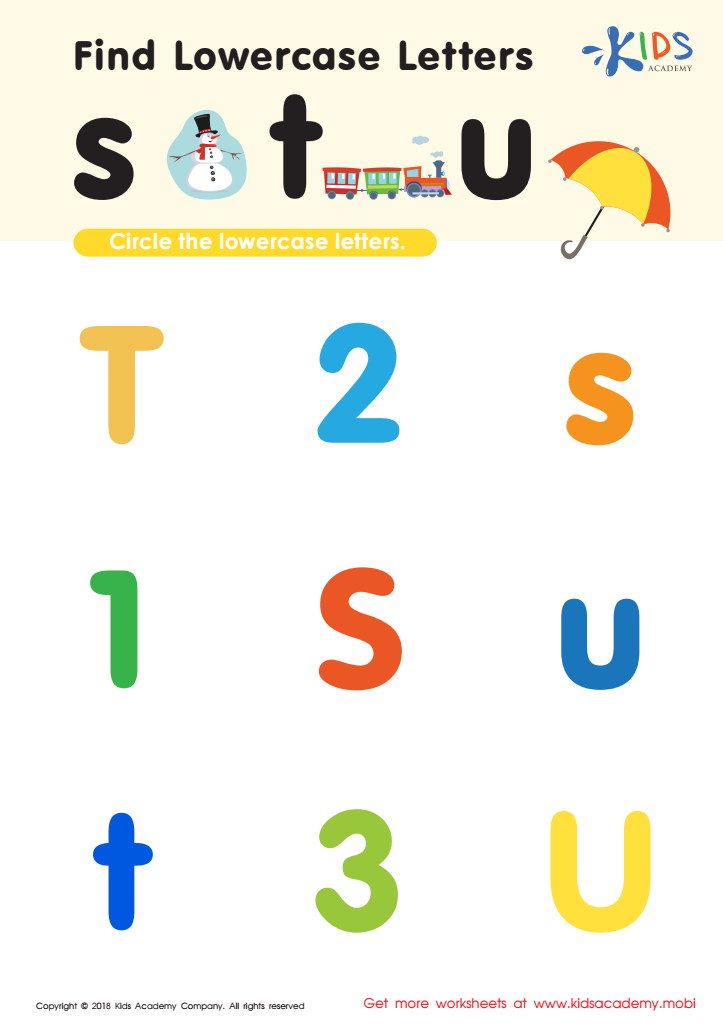
Find lowercase Letters s t u Worksheet
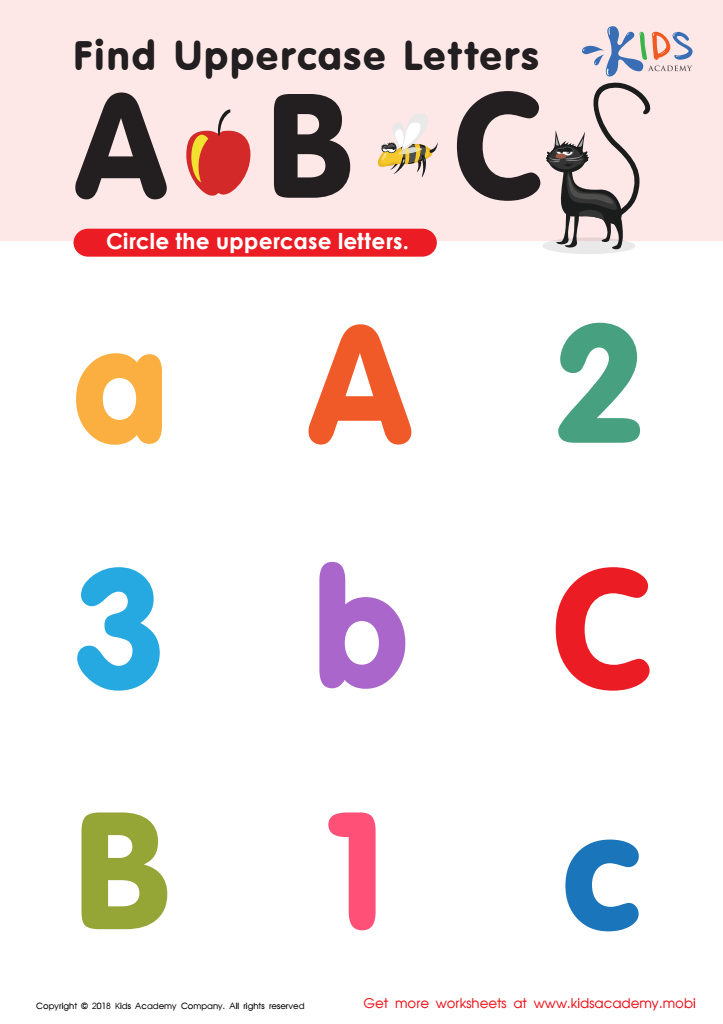
Find Uppercase Letters A, B, and C Worksheet
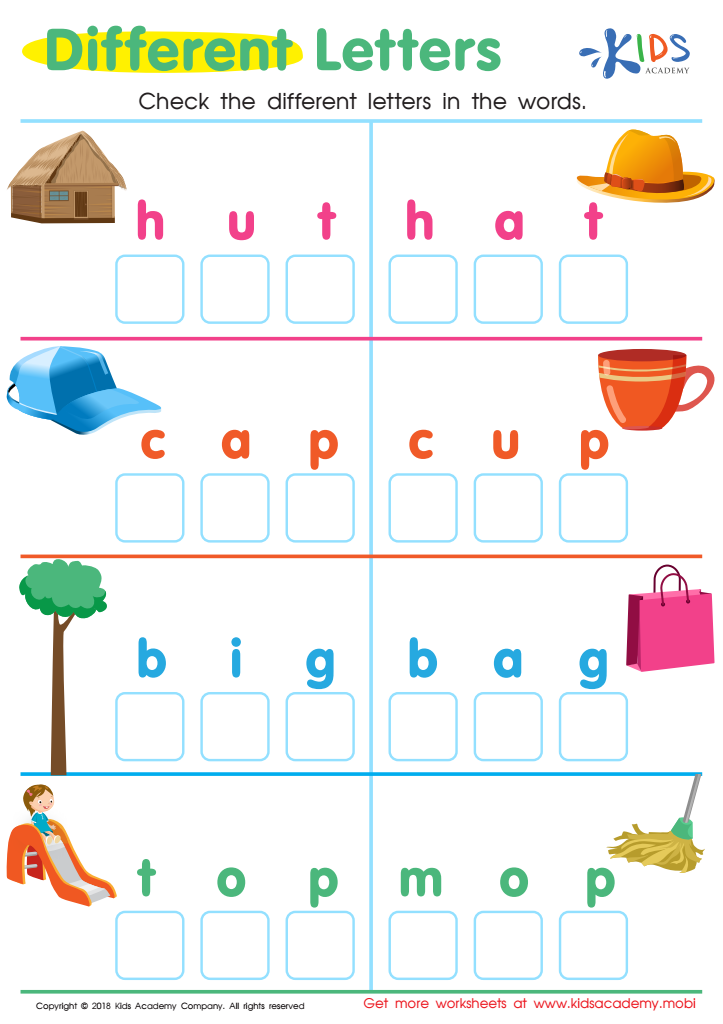
Different Letters Reading Worksheet
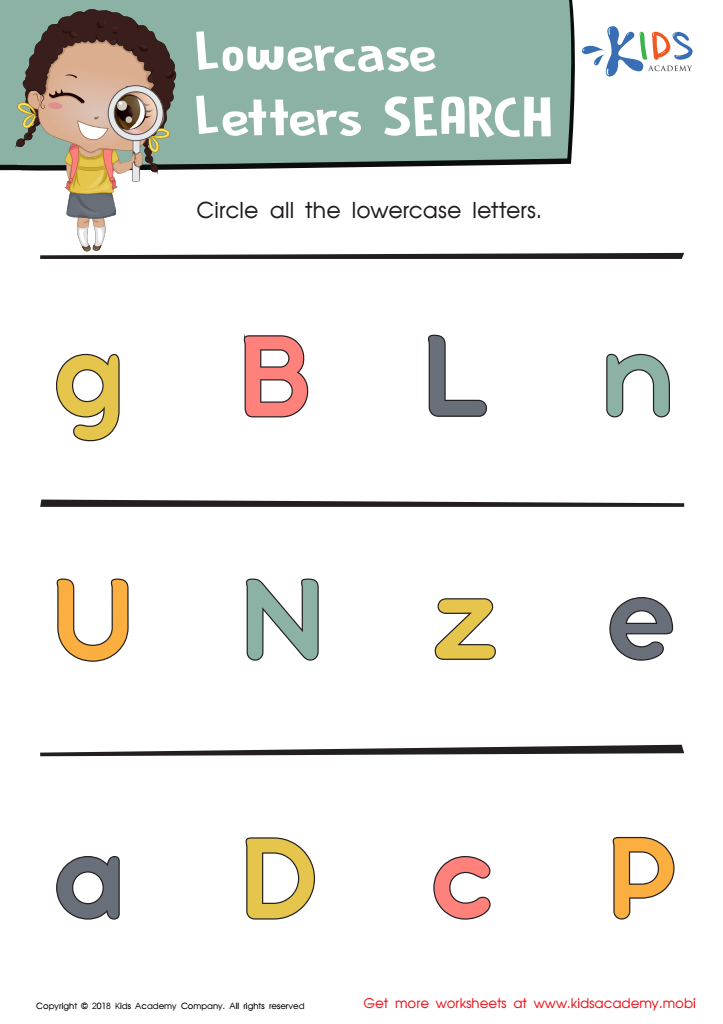
Lowercase Letters Search: Assessment Worksheet
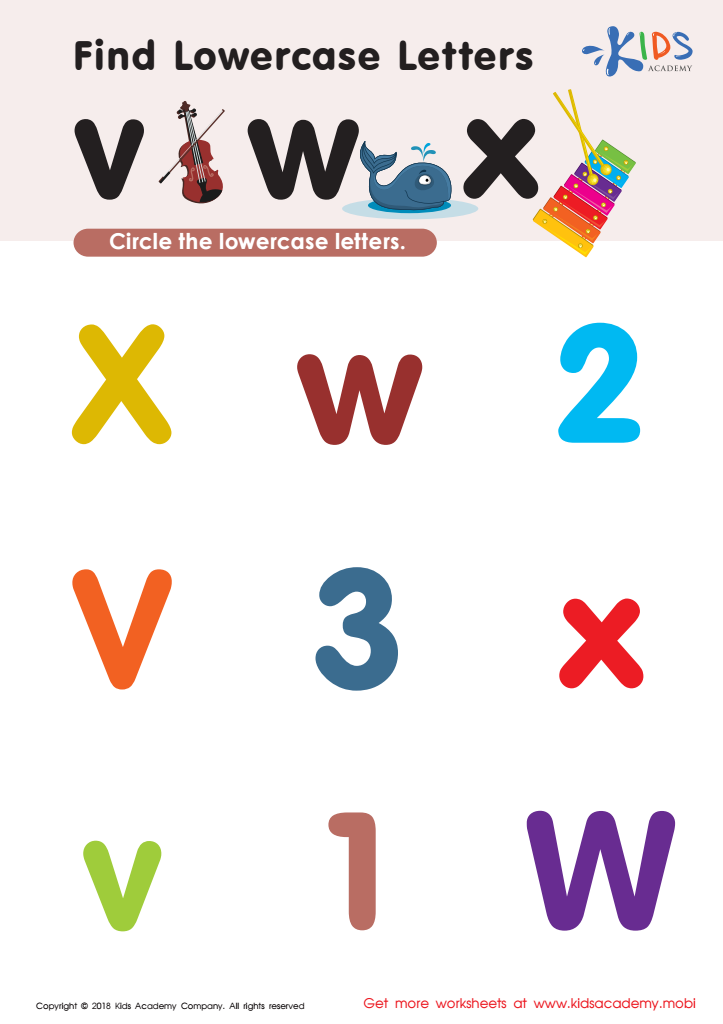
Find Lowercase Letters v w x Worksheet
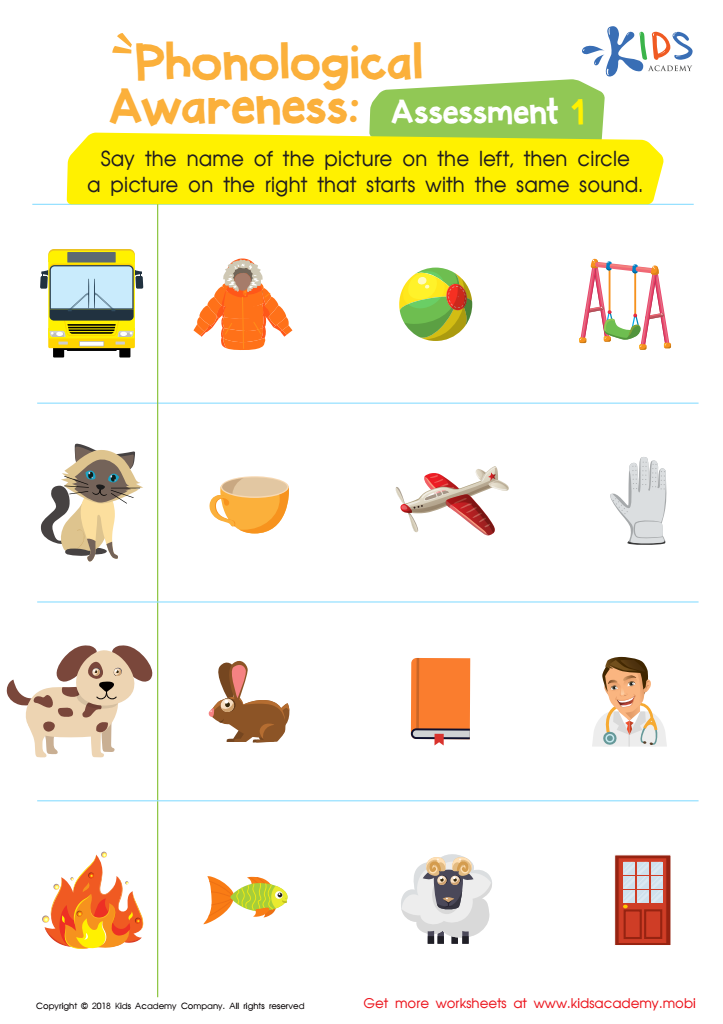
Phonological Awareness: Assessment 1 Worksheet








Alphabet familiarity is crucial for children aged 6-9, as it lays the foundation for their literacy skills and overall academic success. During these formative years, children transition from learning to read and write to developing fluency and comprehension. Familiarity with the alphabet enhances children's ability to recognize words and make connections between letters and sounds, which is essential for phonics—a cornerstone of effective reading.
Moreover, a solid grasp of the alphabet boosts children's spelling abilities and their confidence in expressing themselves in writing. As children engage in writing stories or completing homework assignments, knowing their letters empowers them to communicate more effectively.
Additionally, alphabet familiarity supports cognitive development, critical thinking, and problem-solving skills. It contributes to a child's ability to categorize information and understand sequencing in language.
For parents and teachers, nurturing alphabet familiarity means providing a supportive environment enriched with books, games, and activities that reinforce letter recognition and phonetic awareness. By prioritizing alphabet familiarity, adults can play a vital role in fostering a love for reading and learning, which sets a positive trajectory for children's educational journeys and lifelong learning habits. Investing in this foundational skill ultimately enhances children's overall personal and academic development.







