Fine Motor Skills Letter Recognition Worksheets for Ages 6-9 - Page 2
62 filtered results
-
From - To
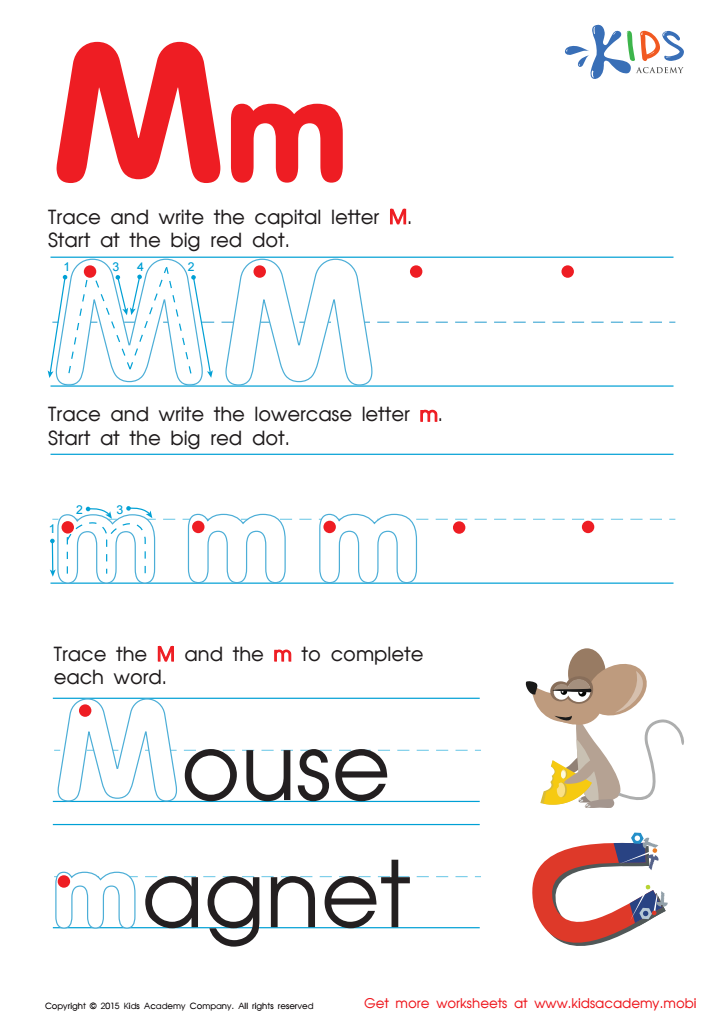
Letter M Tracing Page
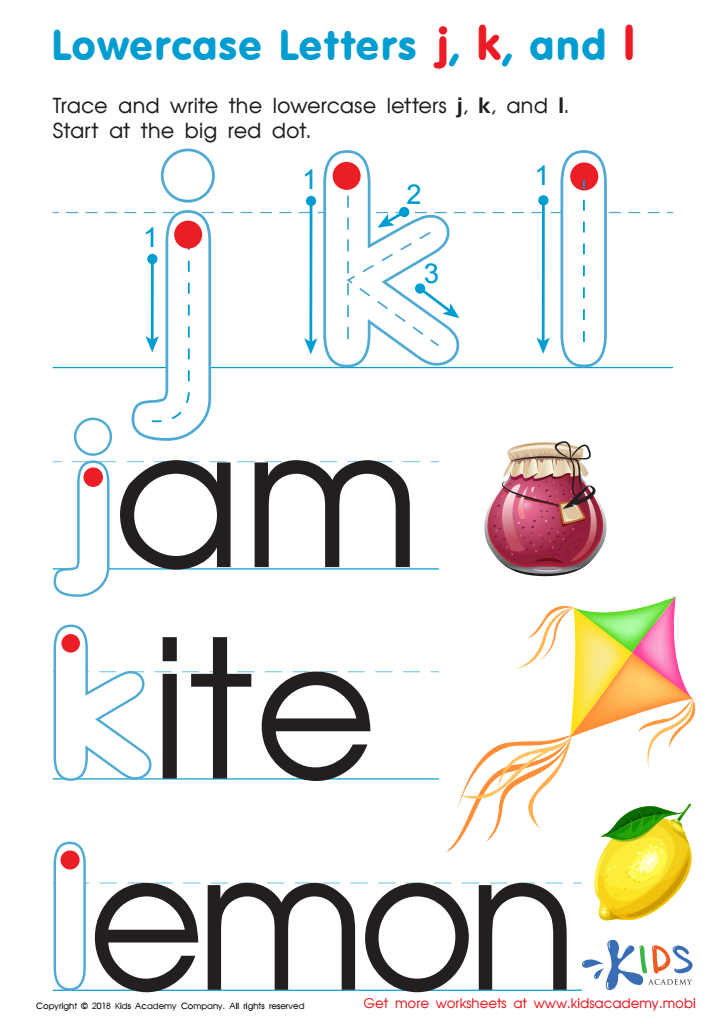
Lowercase Letters j k l Worksheet
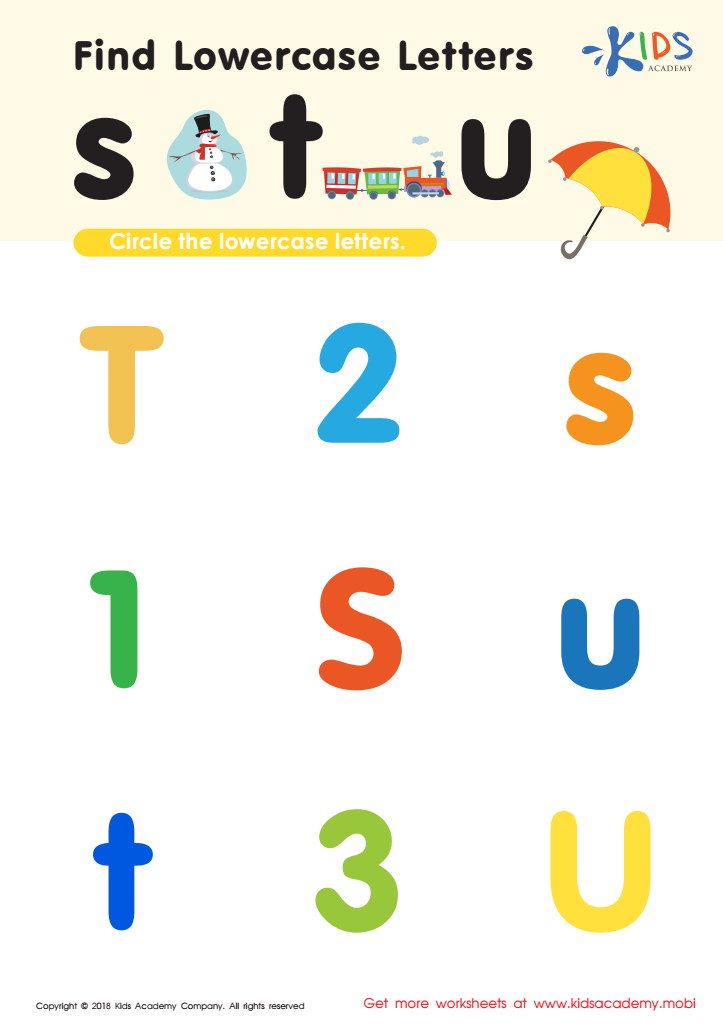
Find lowercase Letters s t u Worksheet
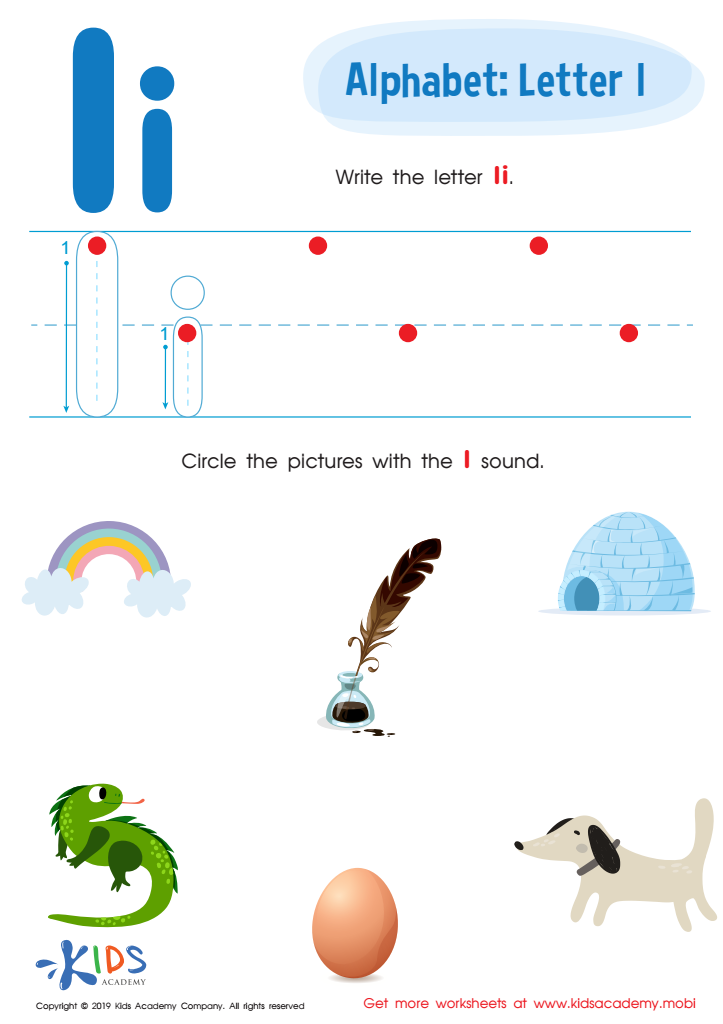
Letter I Tracing Worksheet
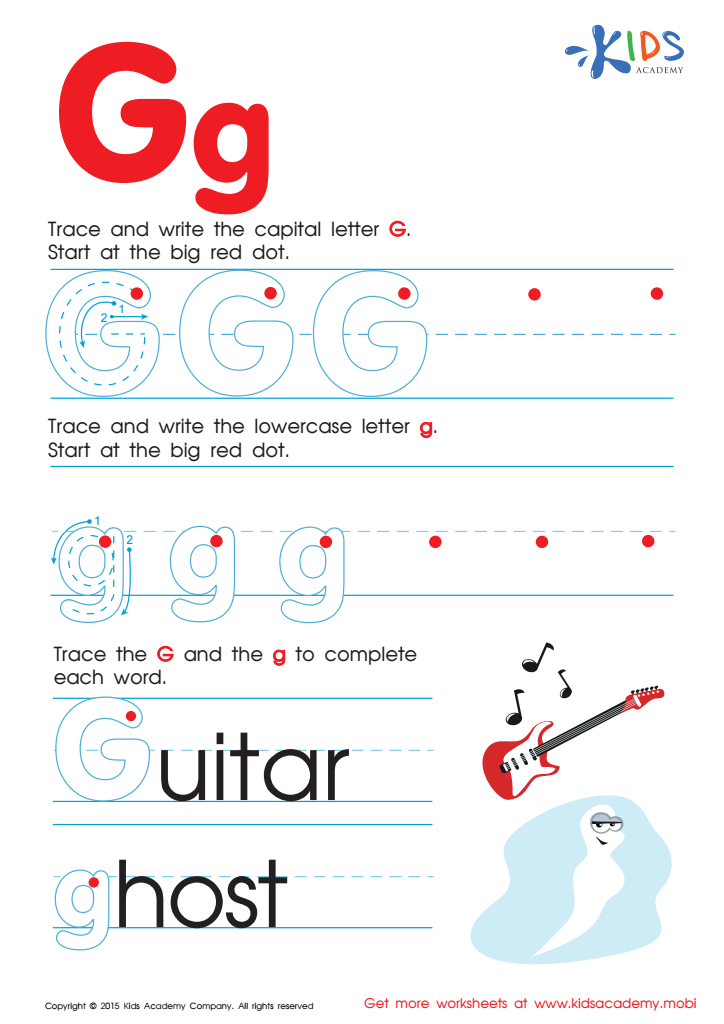
Letter G Tracing Page
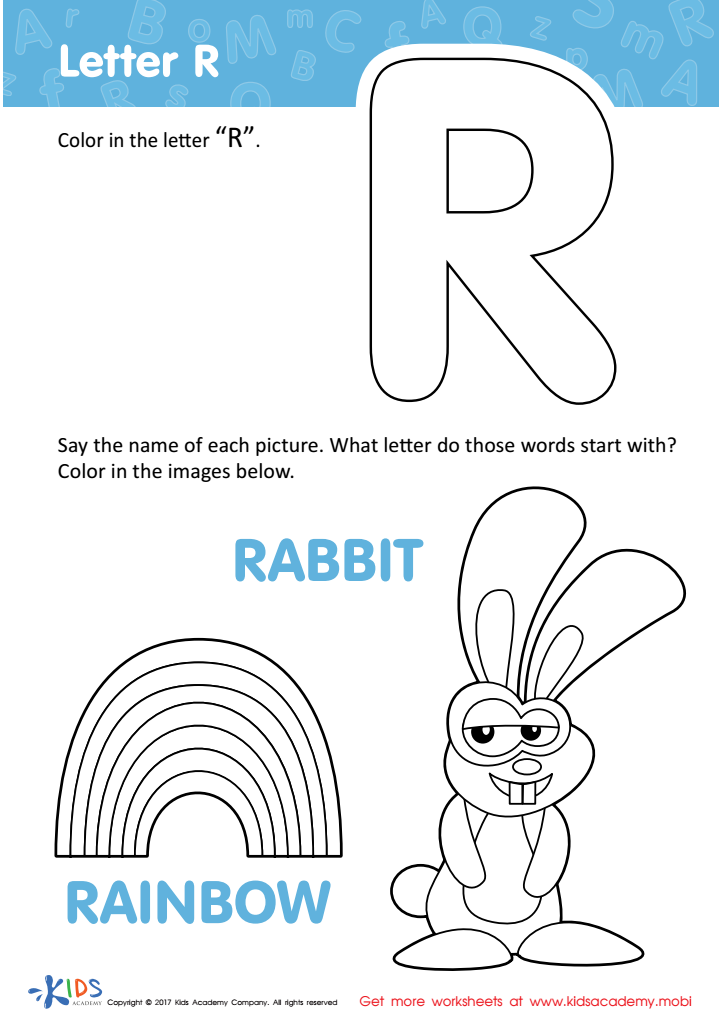
Letter R Coloring Sheet
 Assign to My Students
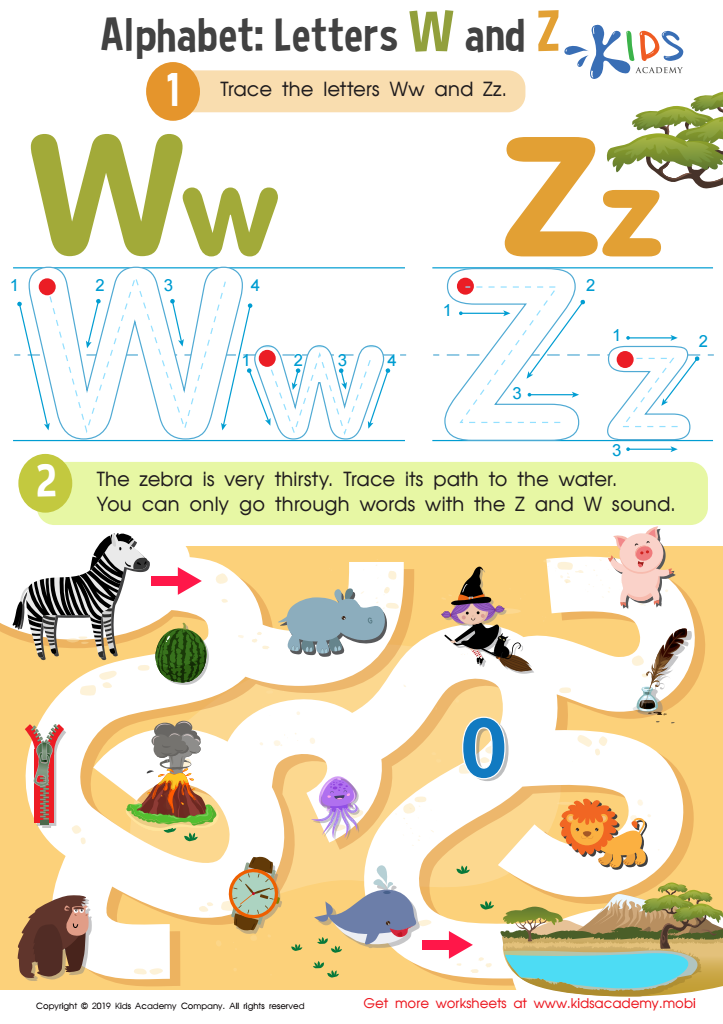
Letters W and Z Tracing Worksheet
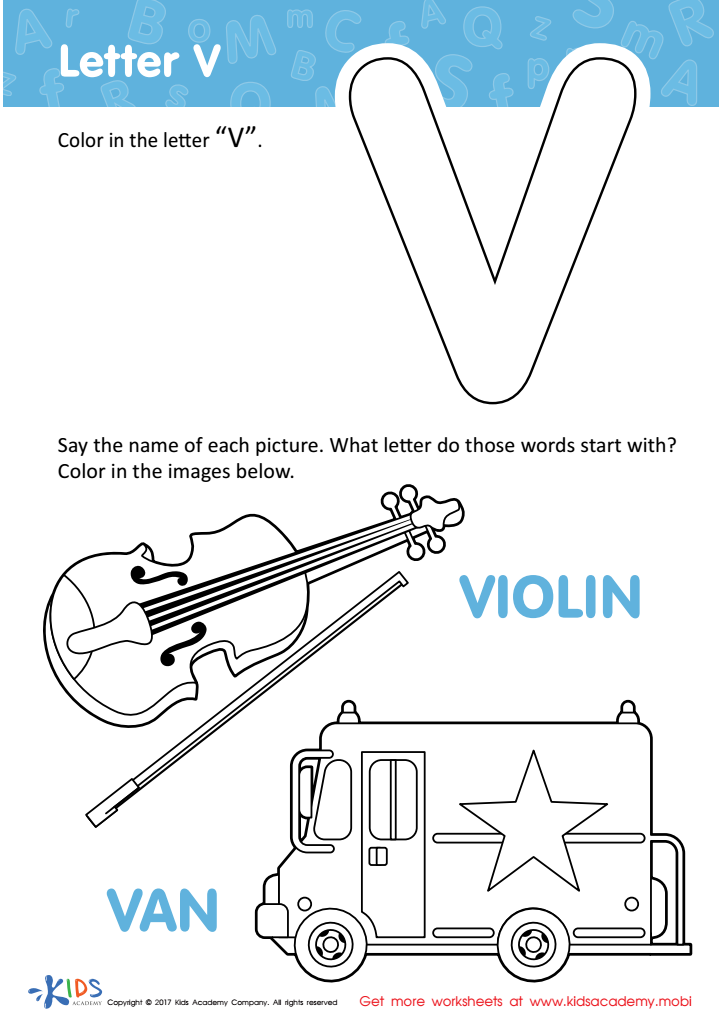
Letter V Coloring Sheet
Assign to My Students
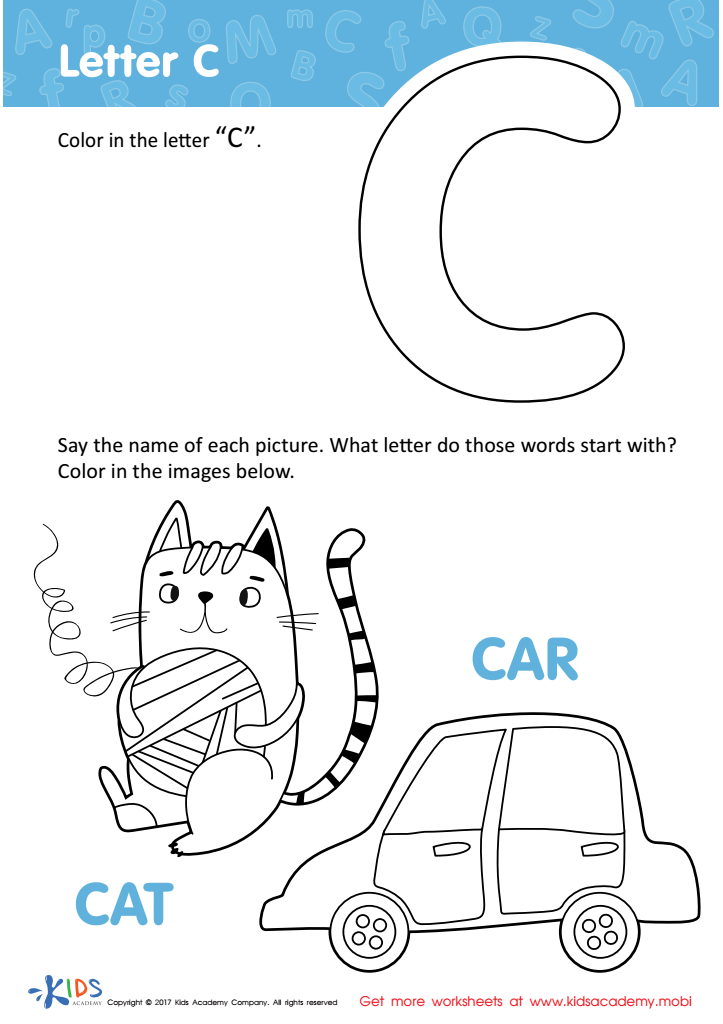
Letter C Coloring Sheet
Assign to My Students
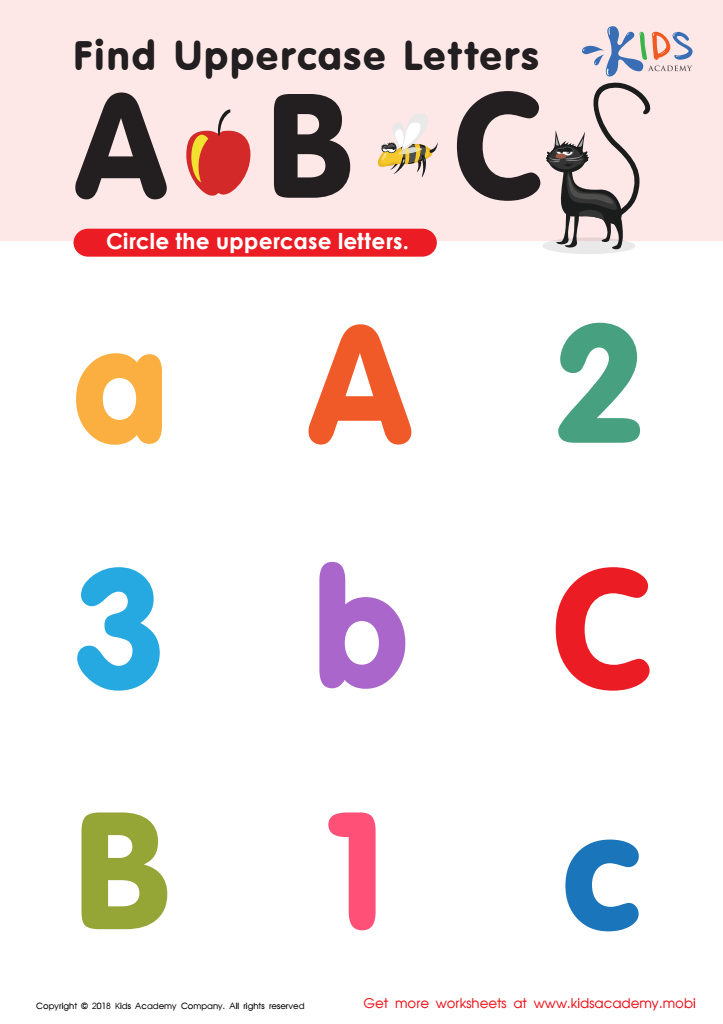
Find Uppercase Letters A, B, and C Worksheet
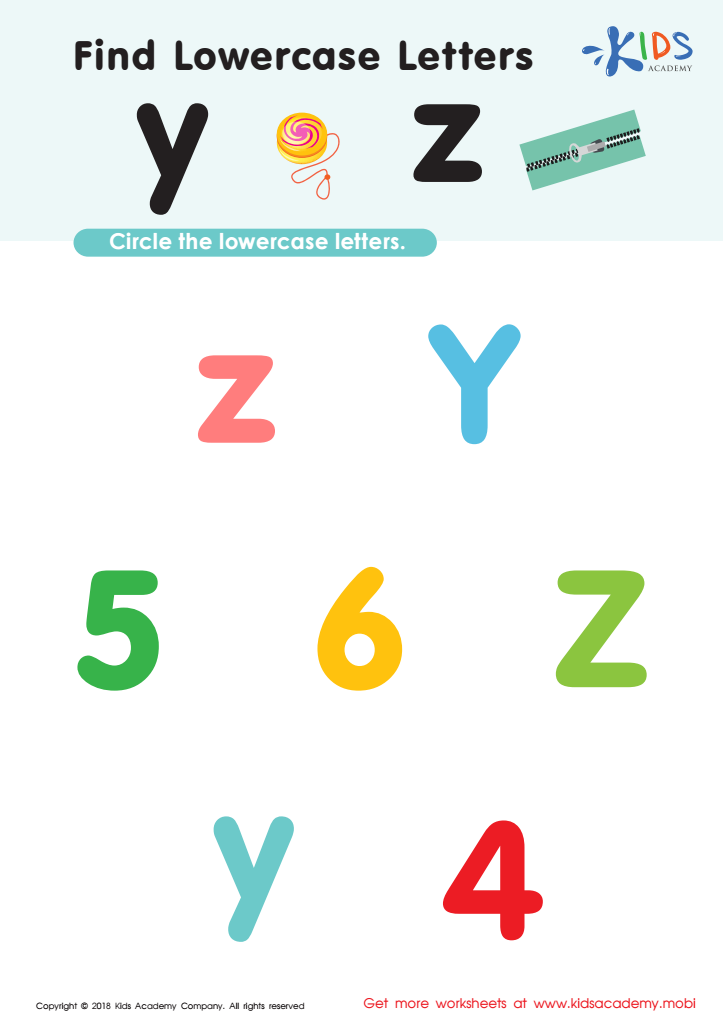
Find Lowercase Letters y z Worksheet
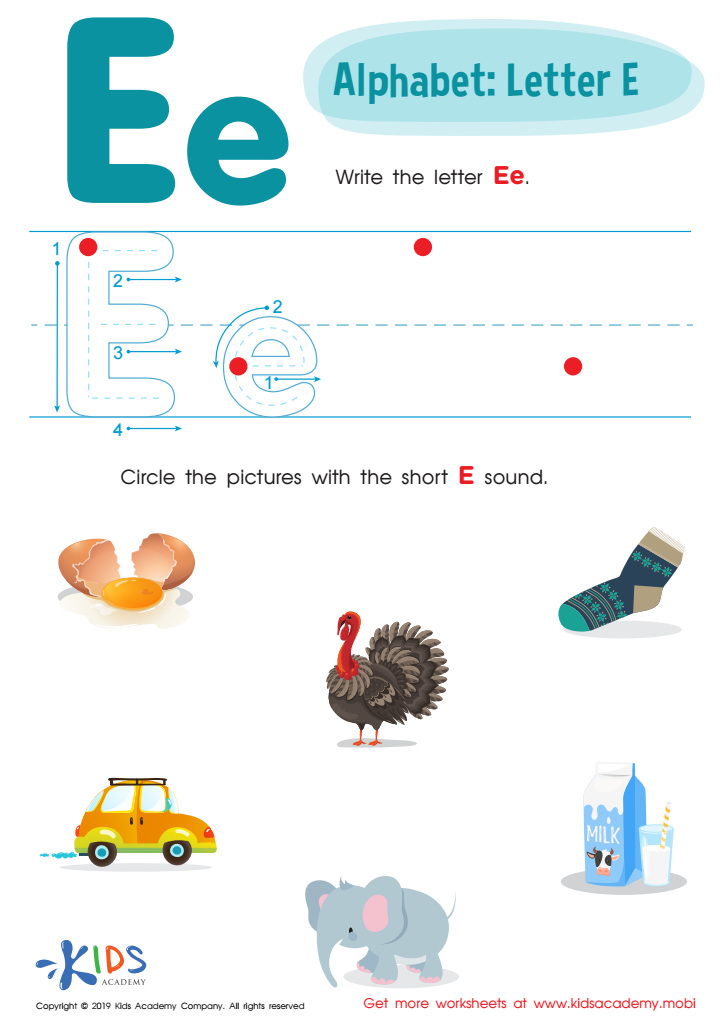
Letter E Tracing Worksheet
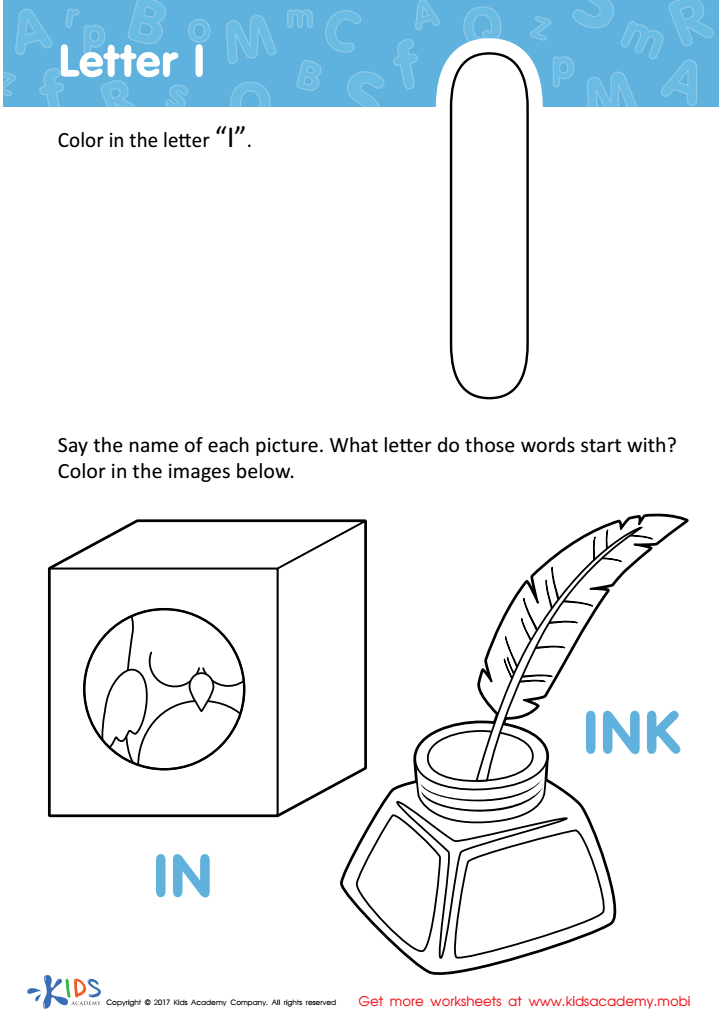
Letter I Coloring Sheet
Assign to My Students
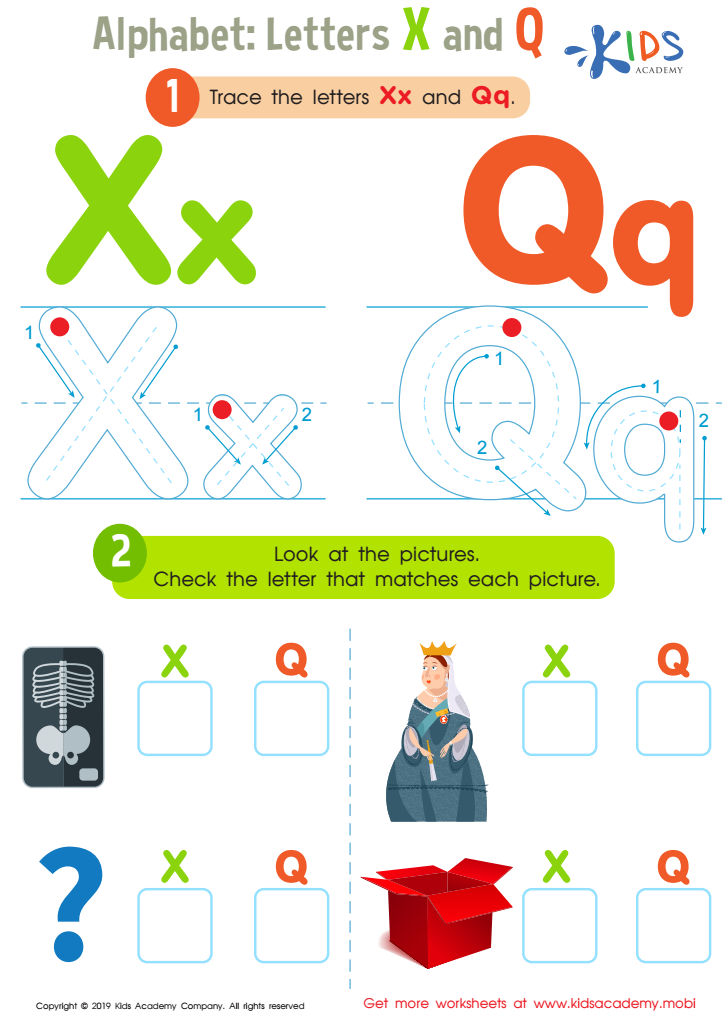
Letters X and Q Tracing Worksheet
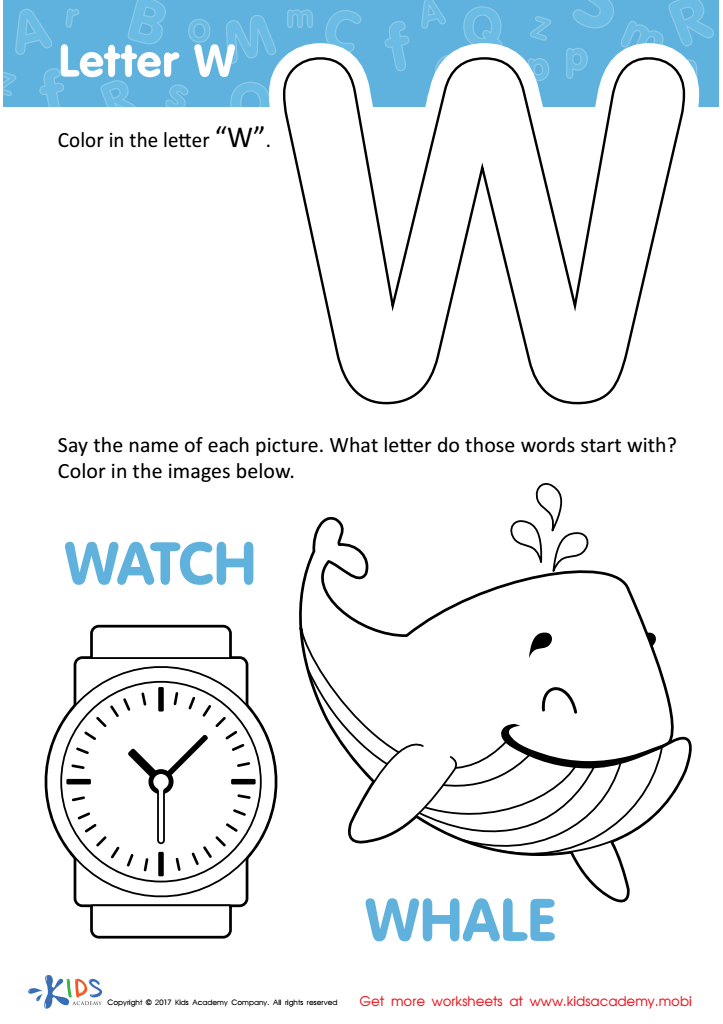
Letter W Coloring Sheet
Assign to My Students
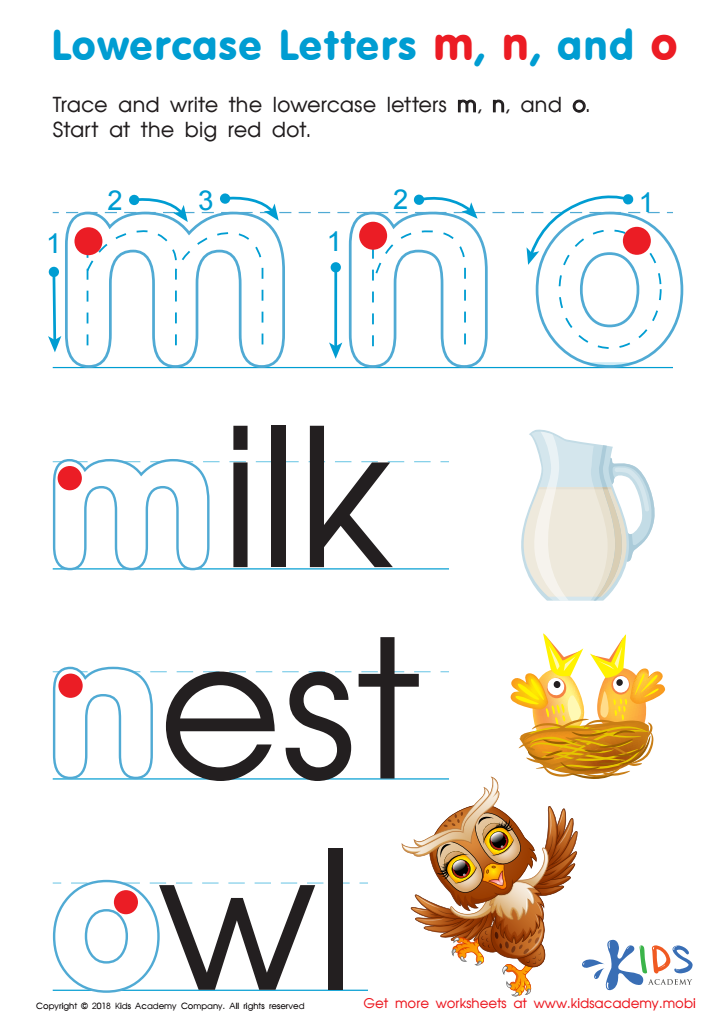
Lowercase Letters m n o Worksheet
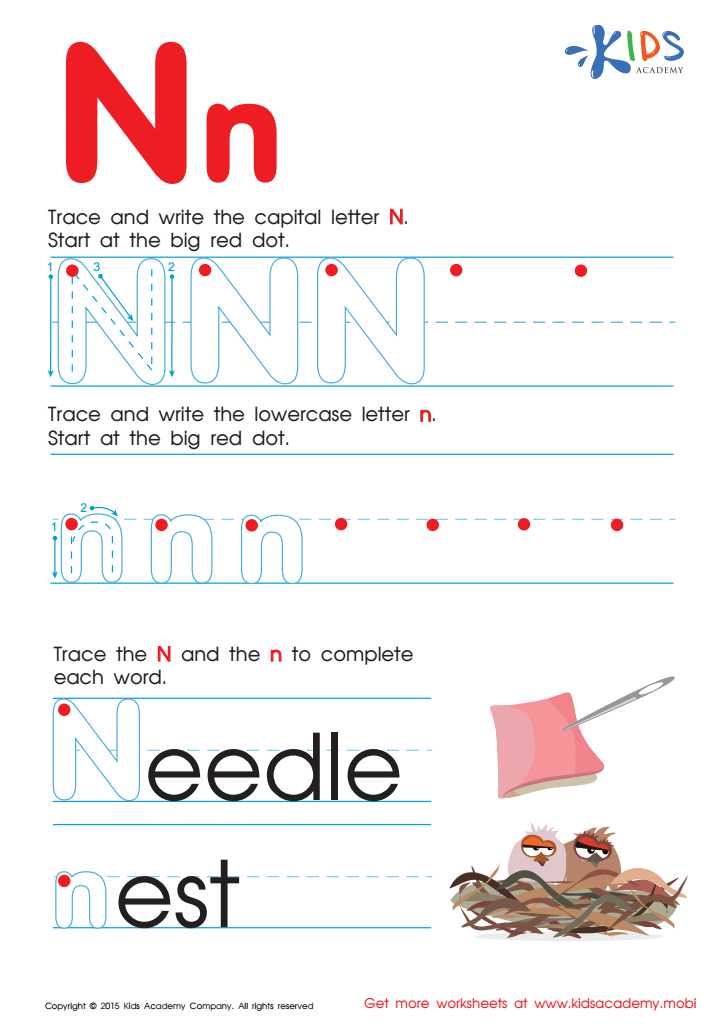
Letter N Tracing Page
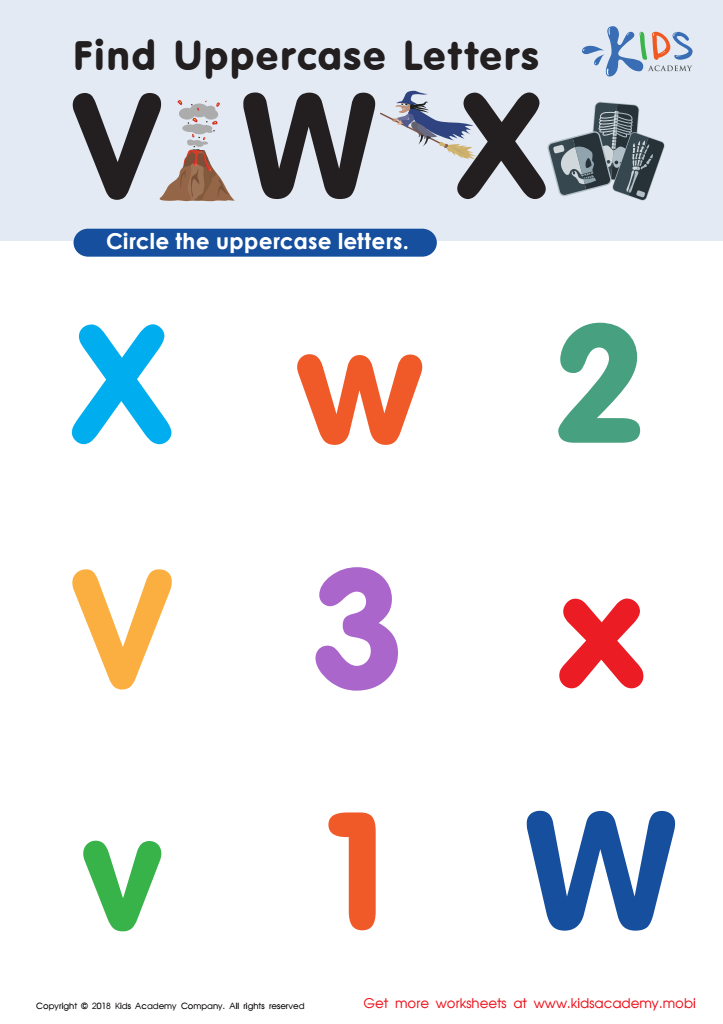
Find Uppercase Letters V, W, X Worksheet
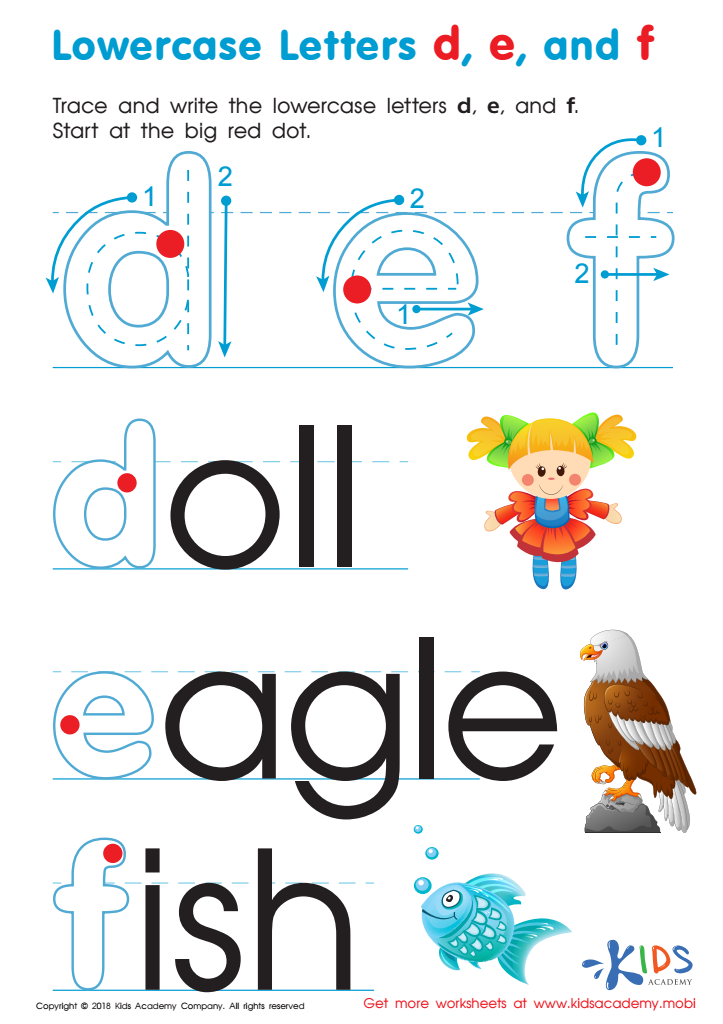
Lowercase Letters d e f Worksheet
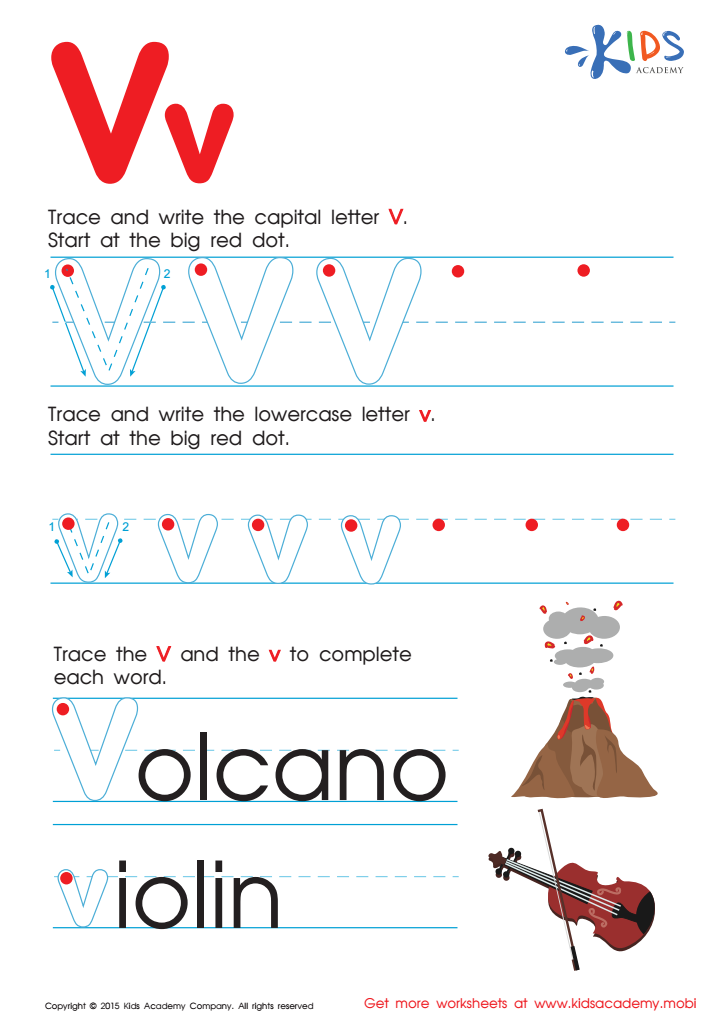
Letter V Tracing Page
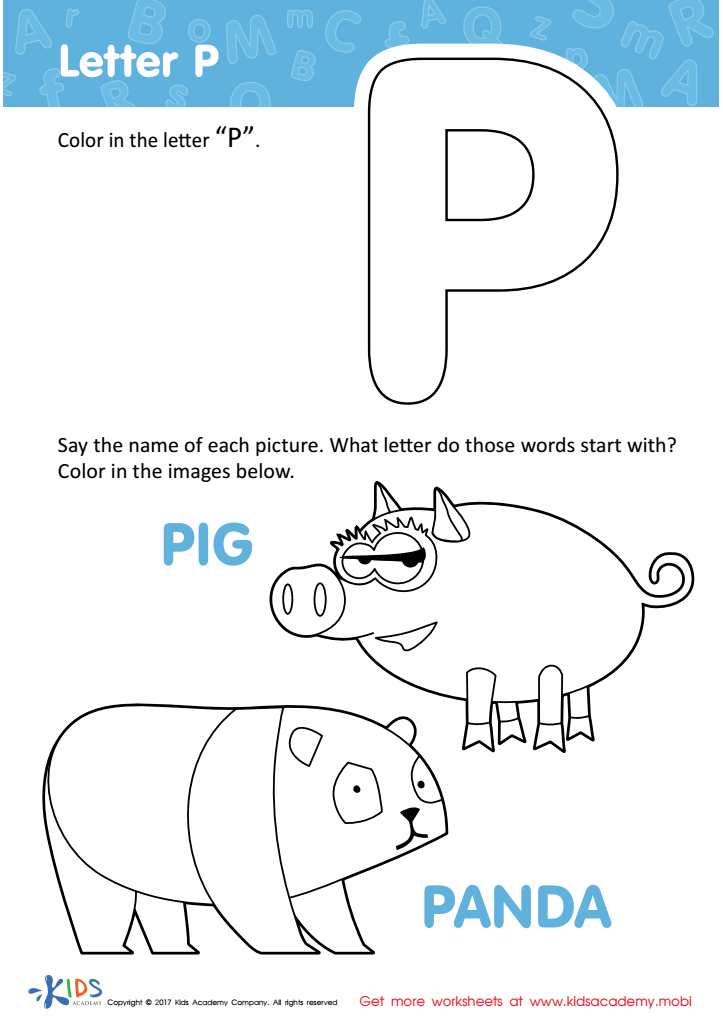
Letter P Coloring Sheet
Assign to My Students
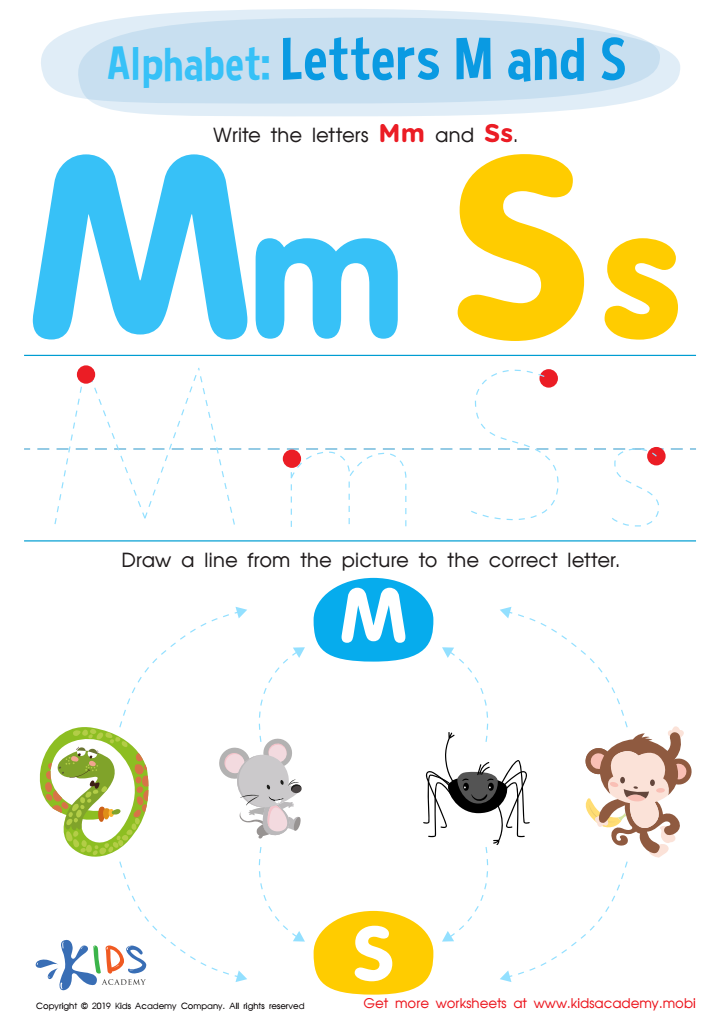
Letters M and S Tracing Worksheet

Letter E Tracing Page
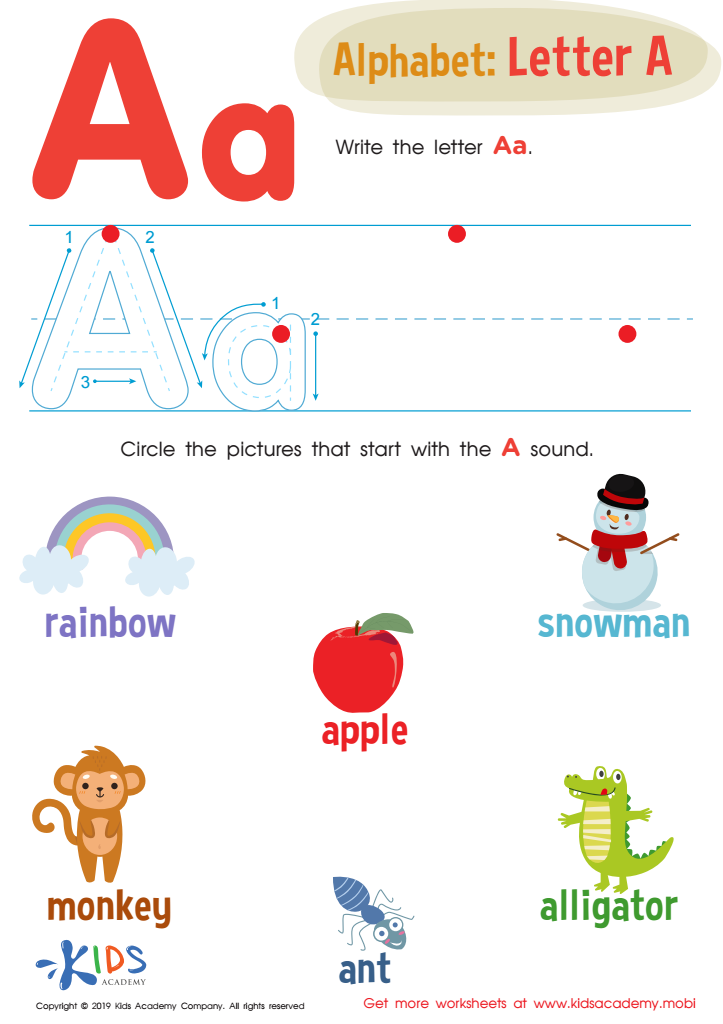
Letter A Tracing Worksheet








Fine motor skills and letter recognition are crucial developmental components for children aged 6 to 9. Mastering fine motor skills—such as holding a pencil, cutting, and buttoning—enables children to perform everyday tasks independently and confidently. These skills are especially important in academic settings, where tasks like writing, drawing, and crafting become integral to learning.
Letter recognition complements fine motor development by helping children identify and differentiate letters, which is foundational for reading and writing proficiency. When children can efficiently recognize letters, they can spell, read, and express their thoughts more effectively, laying the groundwork for future literacy skills. Moreover, letter recognition aids in promoting phonemic awareness, an essential skill for decoding words.
Parents and teachers should care about these skills because they directly influence a child’s academic success and emotional well-being. Struggles with fine motor tasks and letter recognition can lead to frustration and lower self-esteem, which may result in disengagement from learning. Conversely, developing these skills fosters confidence, curiosity, and a love for learning. By focusing on fine motor skills and letter recognition, adults can ensure children build a strong foundation for future educational milestones and lifelong success.







