Letter recognition Upper & Lowercase Letters Worksheets for Ages 6-9
23 filtered results
-
From - To
Improve your child's letter recognition skills with our engaging Upper and Lowercase Letters Worksheets, specifically designed for ages 6-9. These worksheets offer a fun and interactive way for kids to learn and understand the alphabet, reinforcing their ability to identify, differentiate, and write both uppercase and lowercase letters. With a variety of activities including tracing, matching, and coloring, children will enjoy hands-on learning while developing essential literacy skills. Our worksheets align with educational standards, making them an excellent resource for teachers, homeschoolers, and parents. Boost your child's confidence in reading and writing with these creative and effective letter recognition tools!
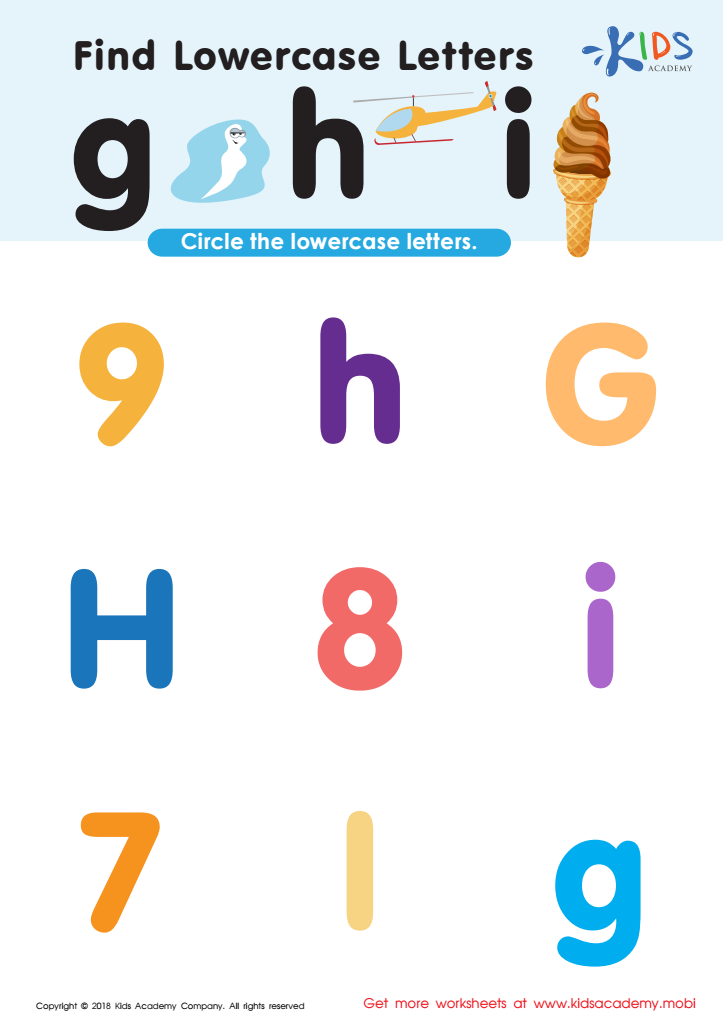
Find Lowercase Letters g h i Worksheet
 Assign to My Students
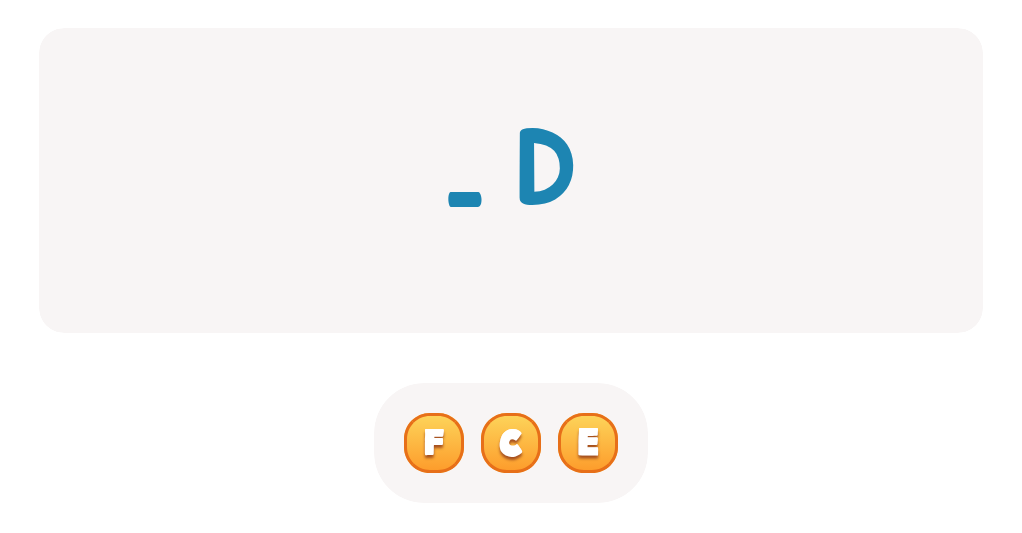

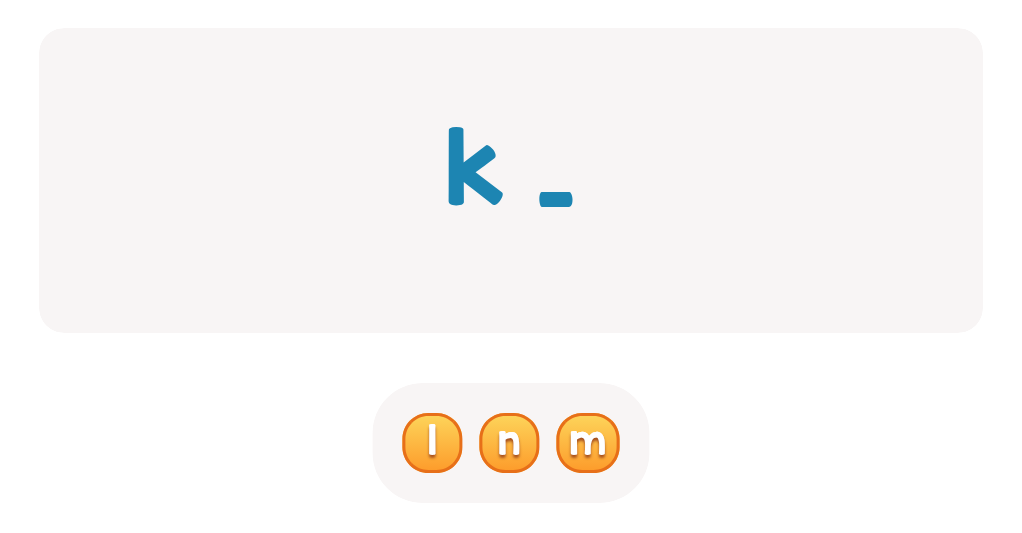
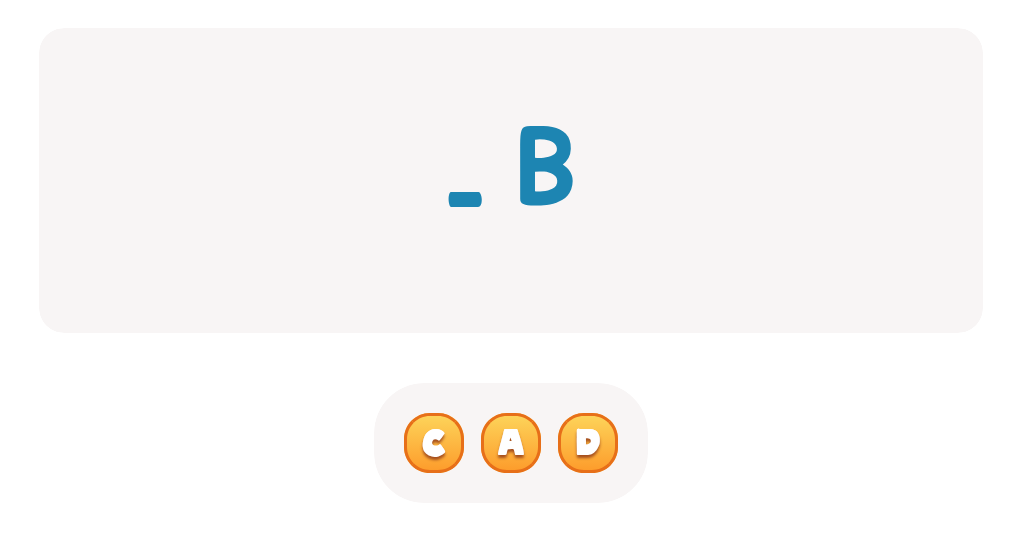
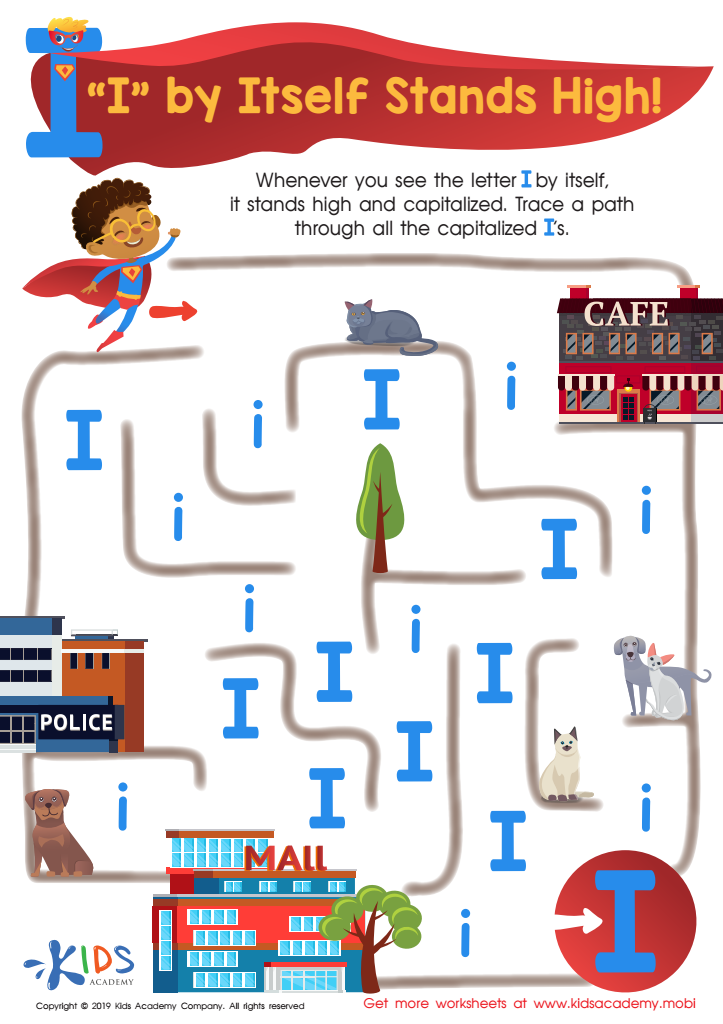
I Stands High Worksheet
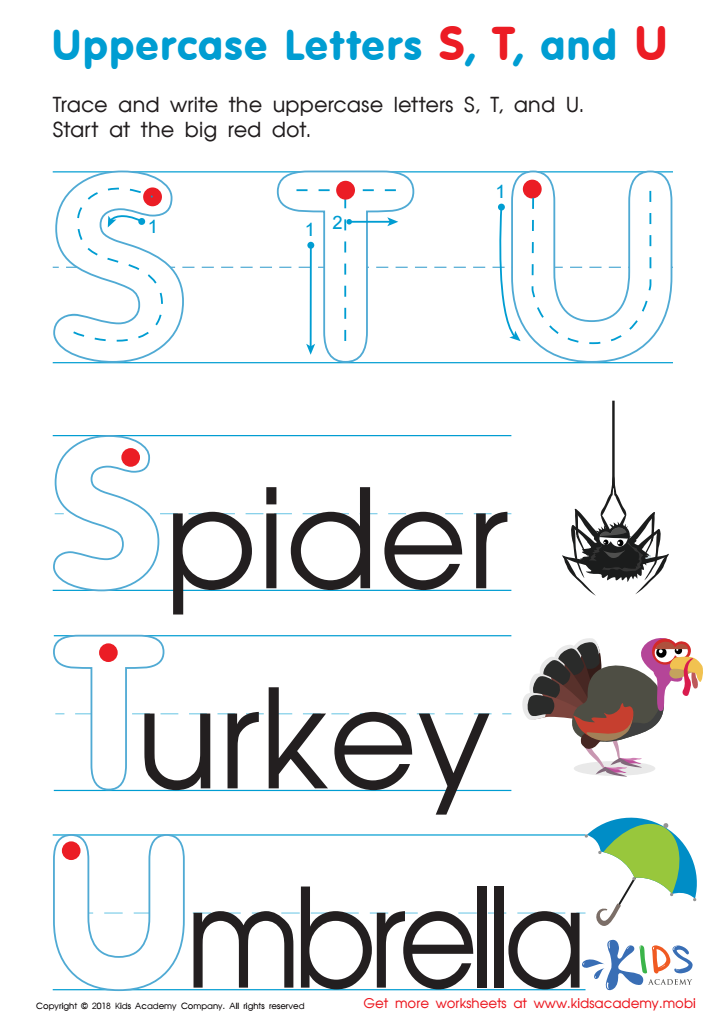
Uppercase Letters S, T, and U Worksheet
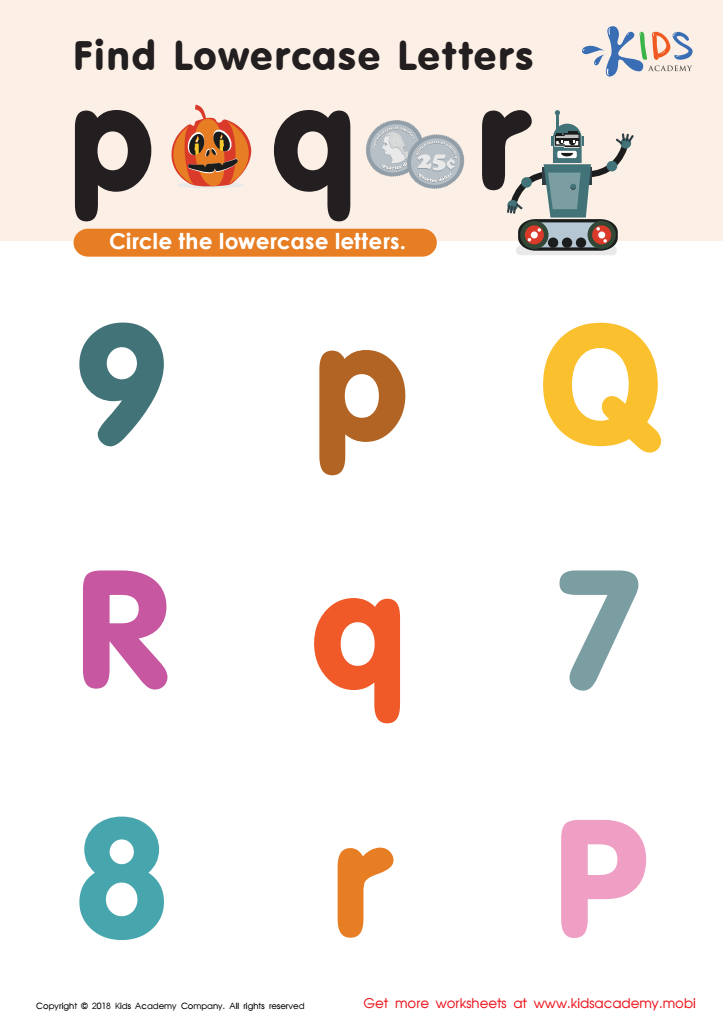
Find lowercase Letters p q r Worksheet
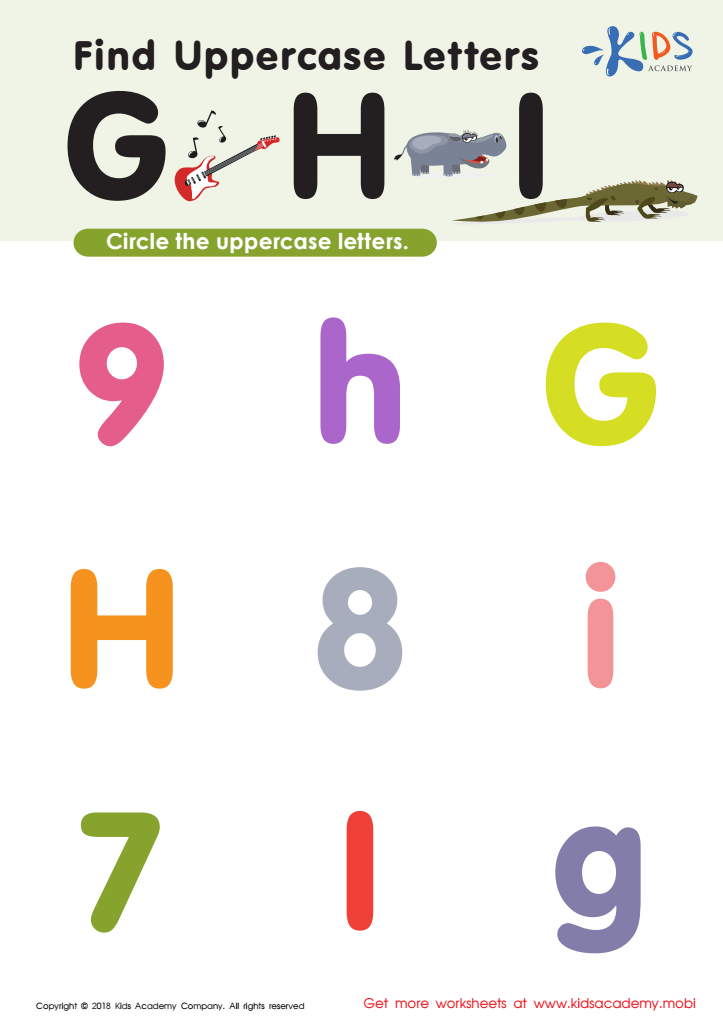
Find Uppercase Letters G, H, and I Worksheet
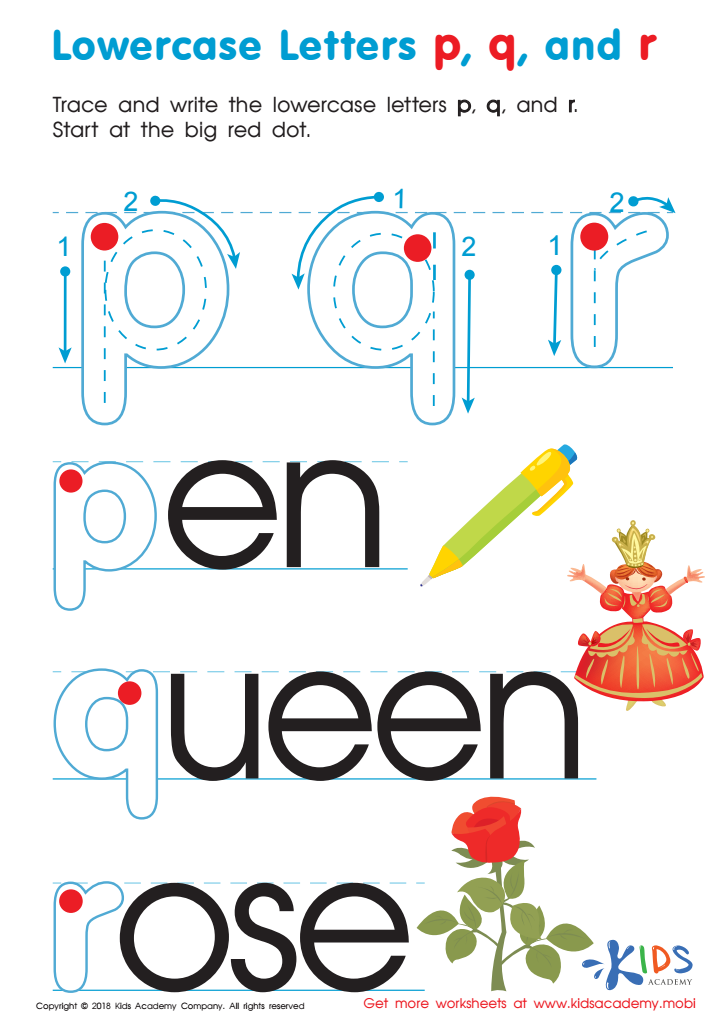
Lowercase Letters p q r Worksheet
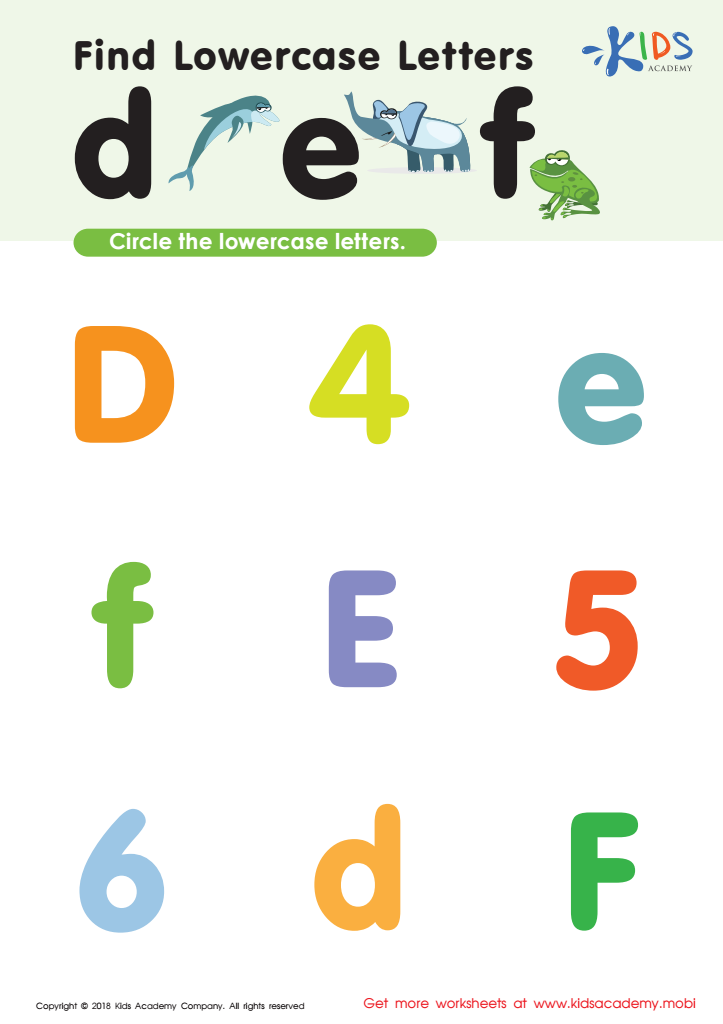
Find Lowercase Letters d e f Worksheet
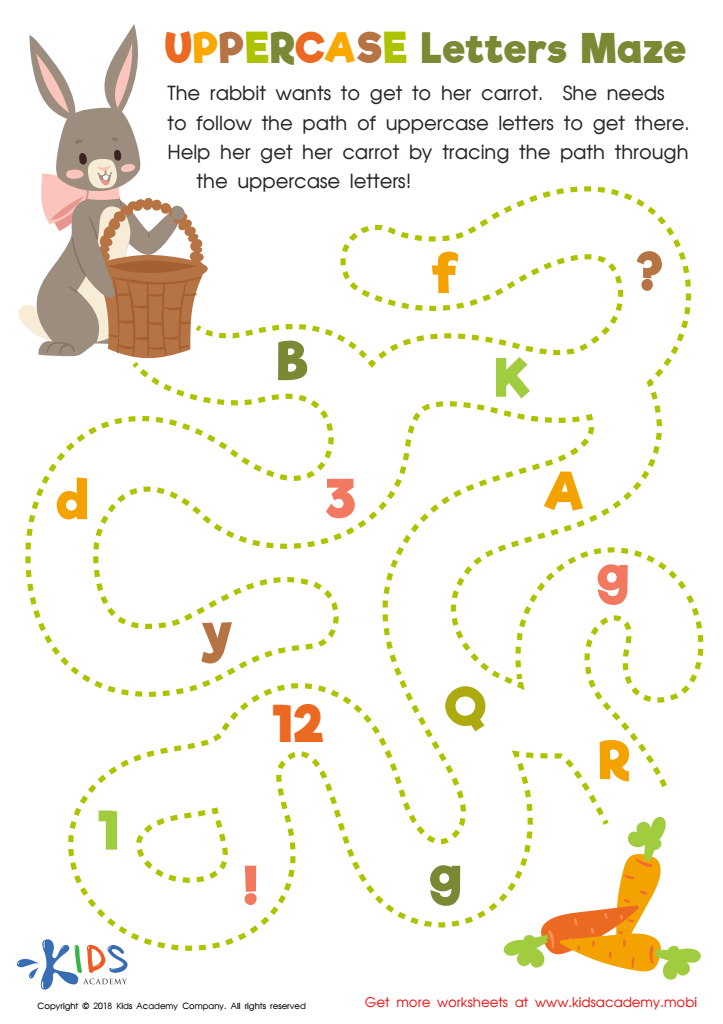
Uppercase Letters Maze Worksheet
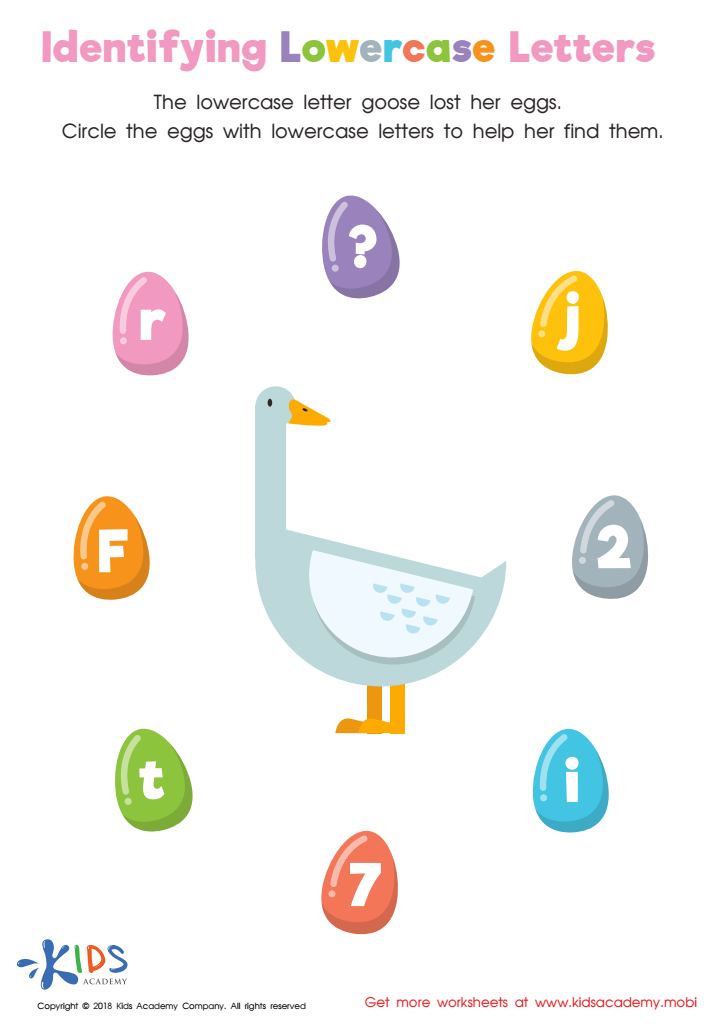
Identifying Lowercase Letters Worksheet
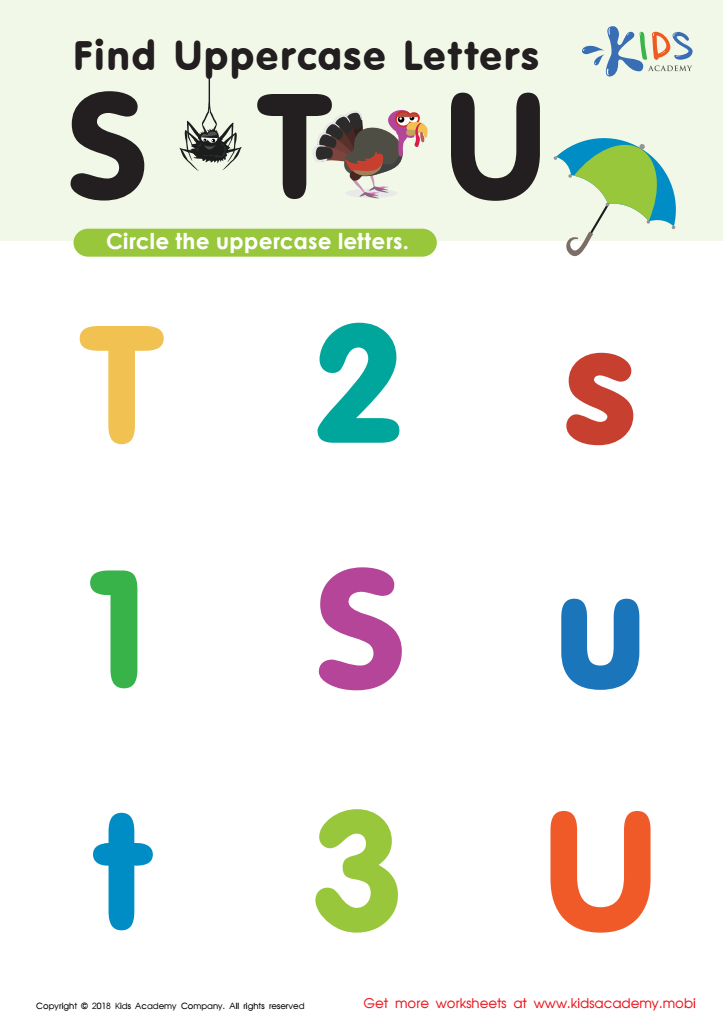
Find Uppercase Letters Worksheet
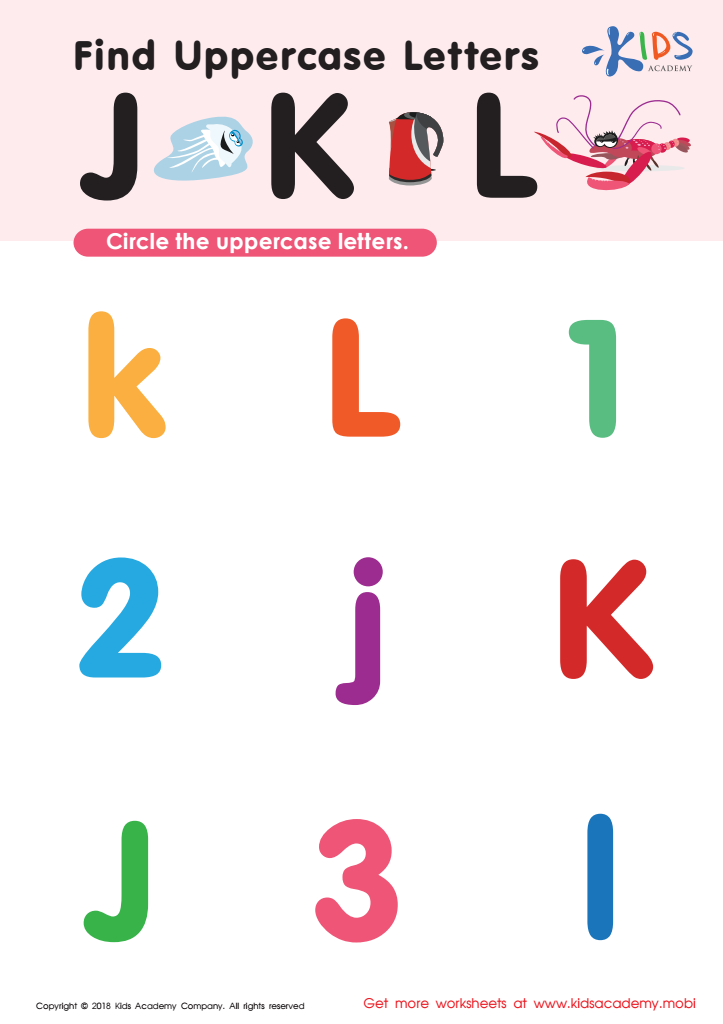
Find Uppercase Letters J, K, and L Worksheet
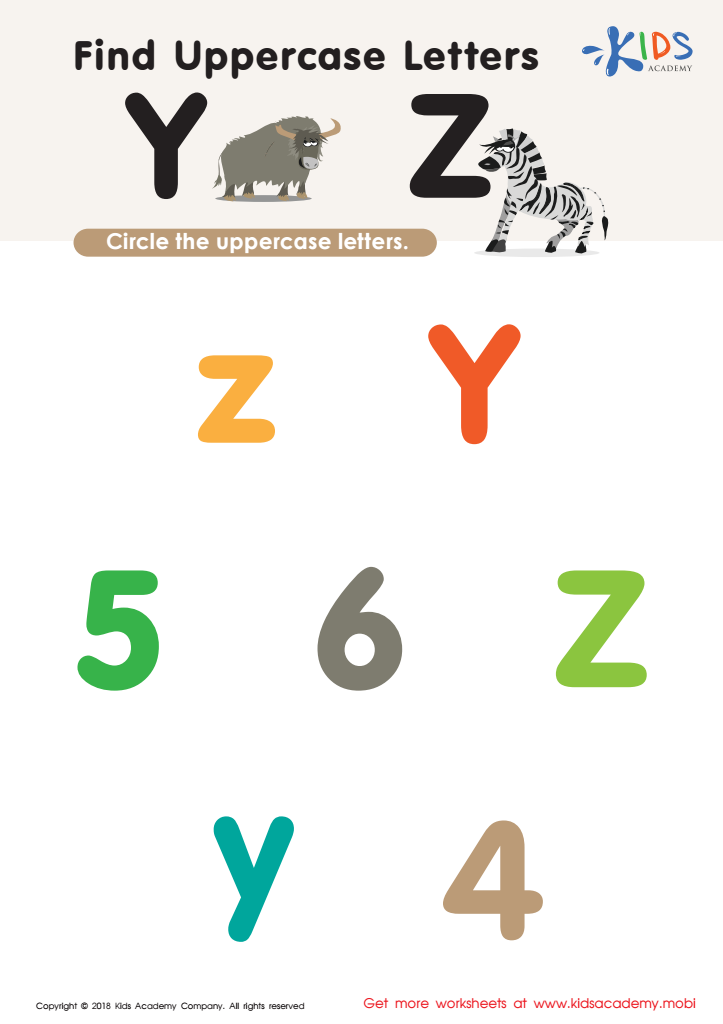
Find Uppercase Letters Y Z Worksheet
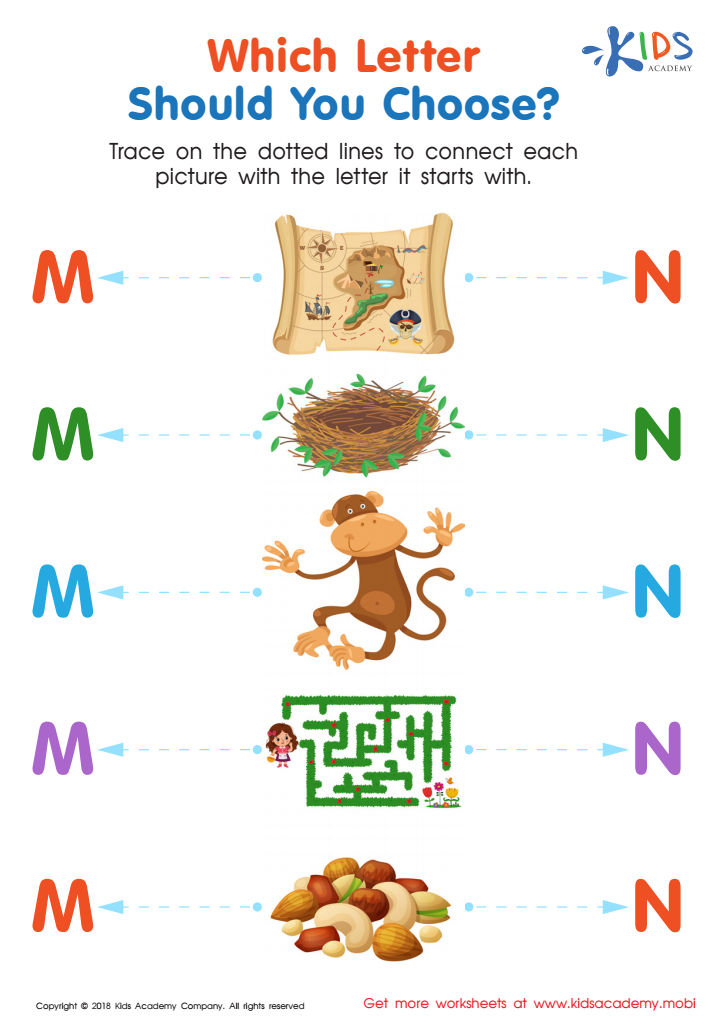
Which Letter Should you Choose? Worksheet
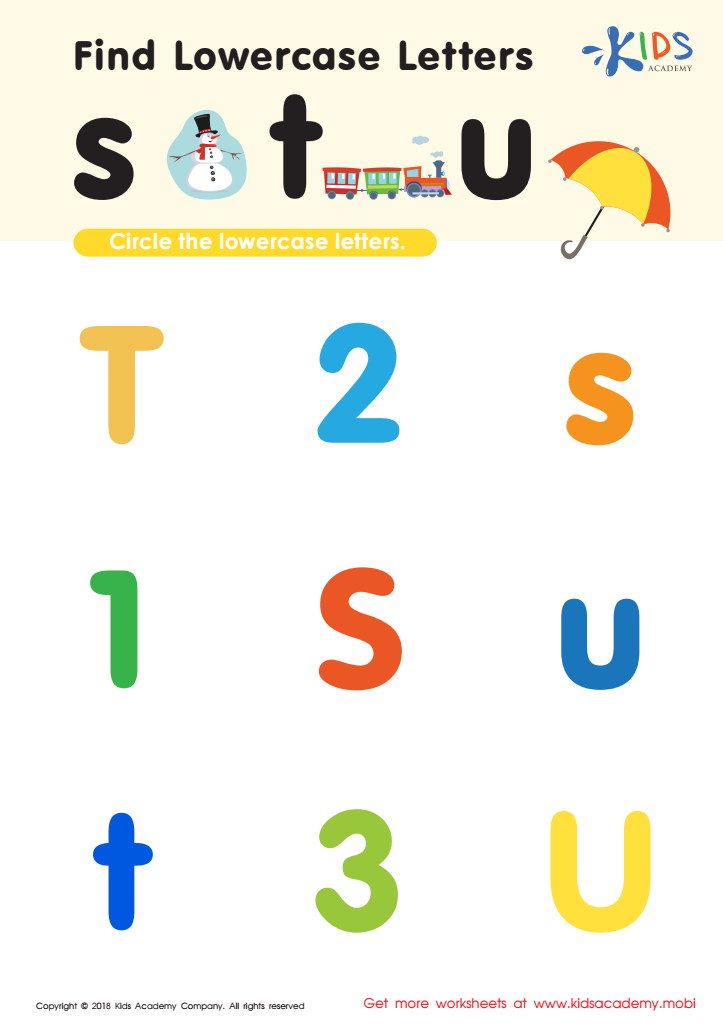
Find lowercase Letters s t u Worksheet
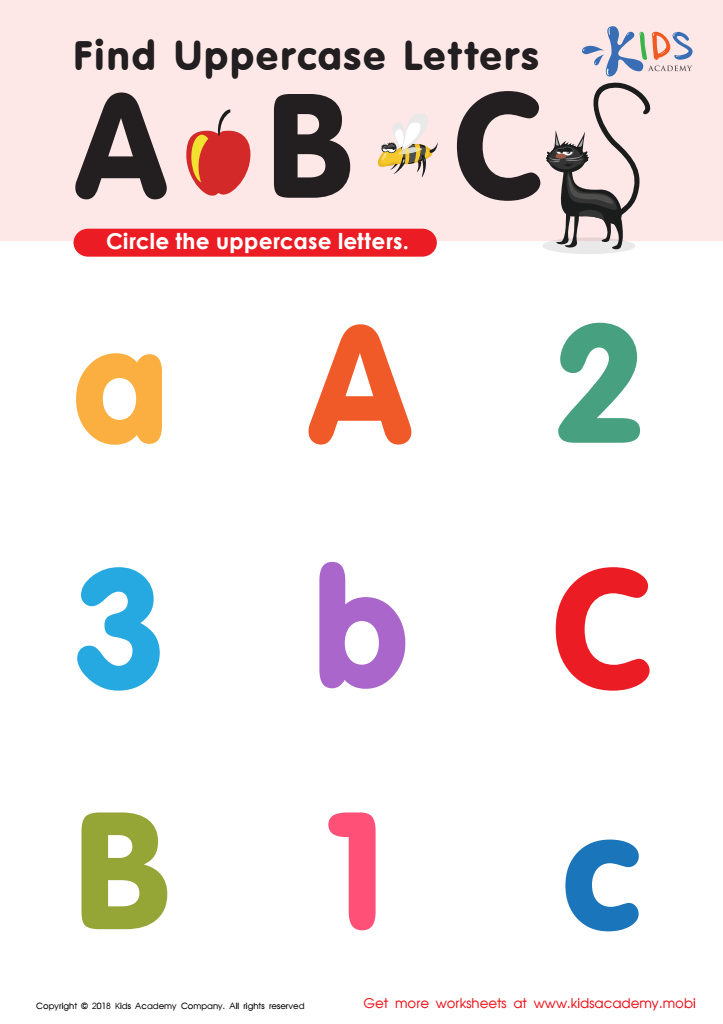
Find Uppercase Letters A, B, and C Worksheet
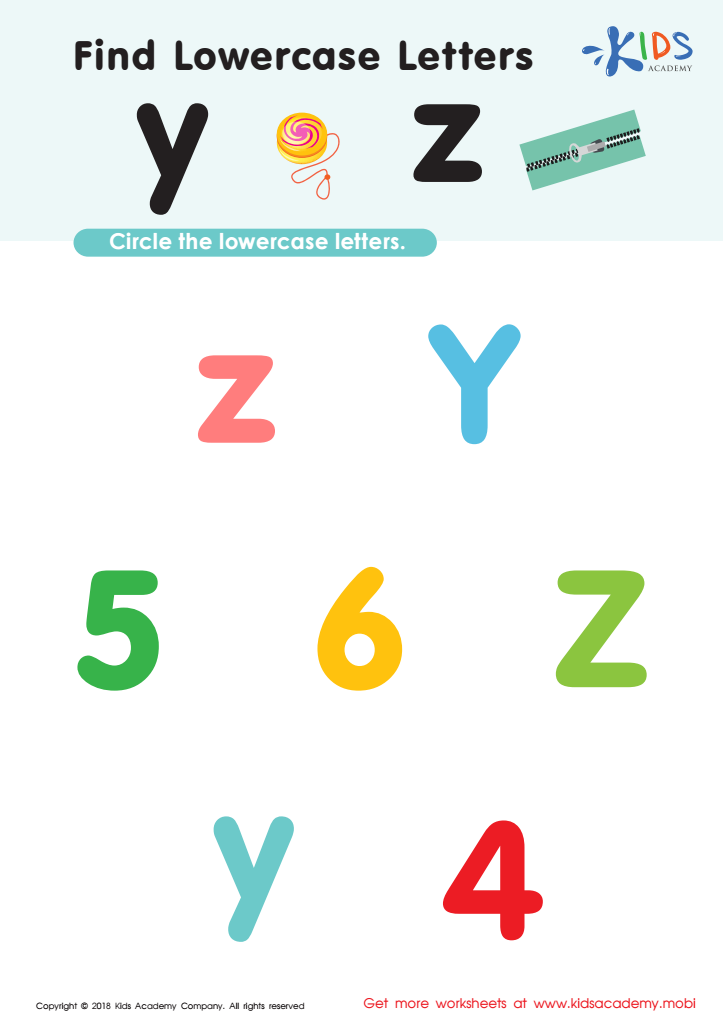
Find Lowercase Letters y z Worksheet
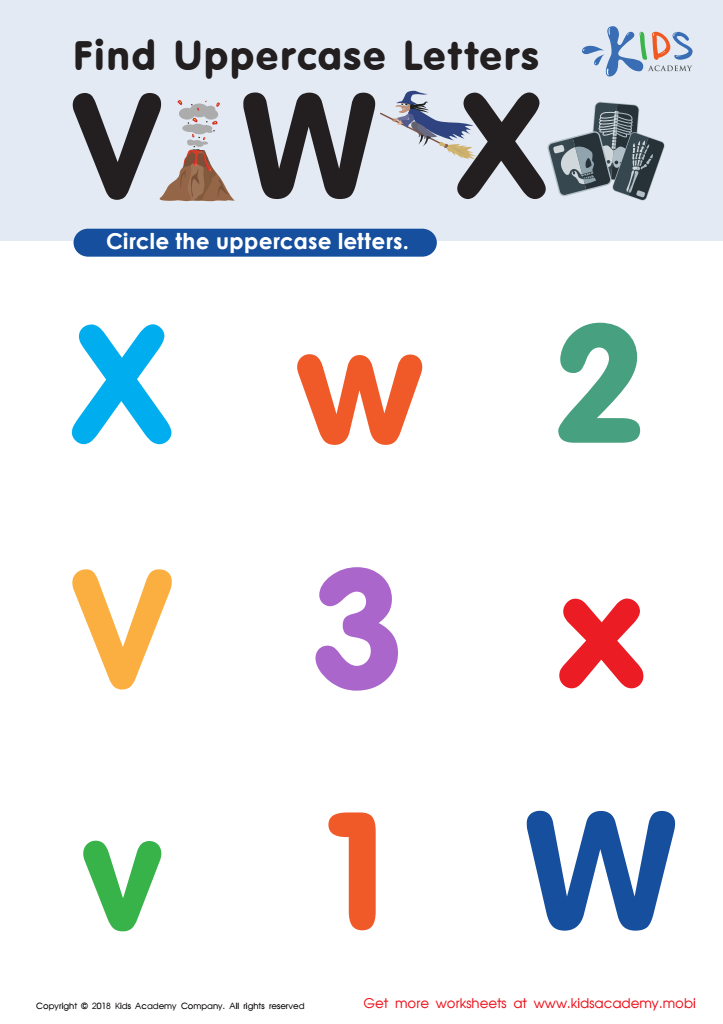
Find Uppercase Letters V, W, X Worksheet
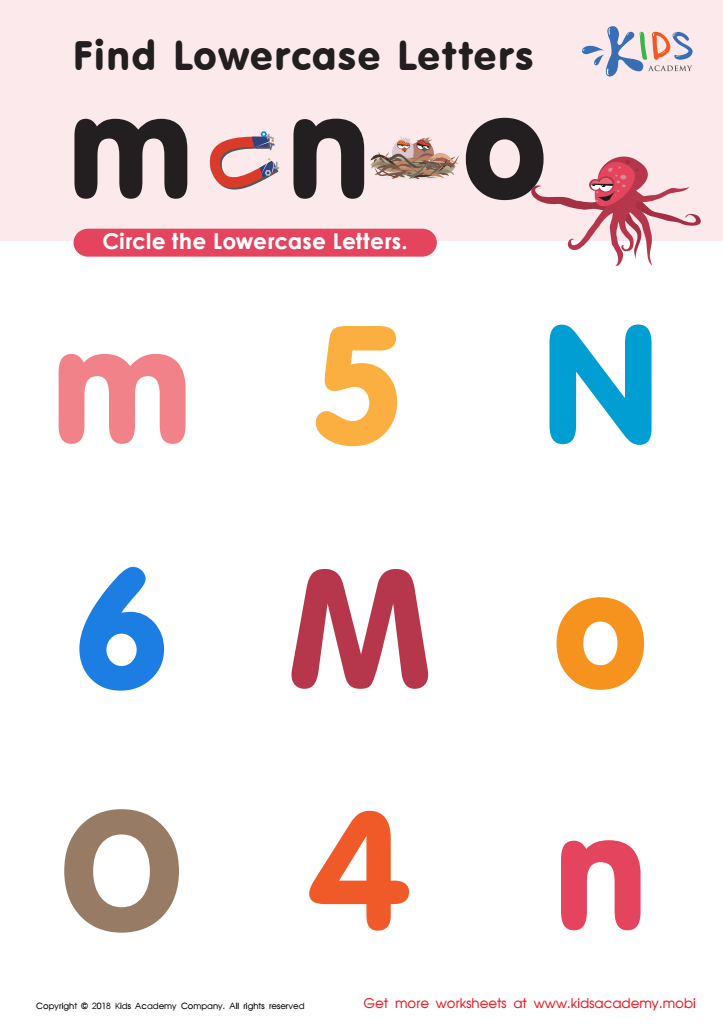
Find Lowercase Letters m n o Worksheet
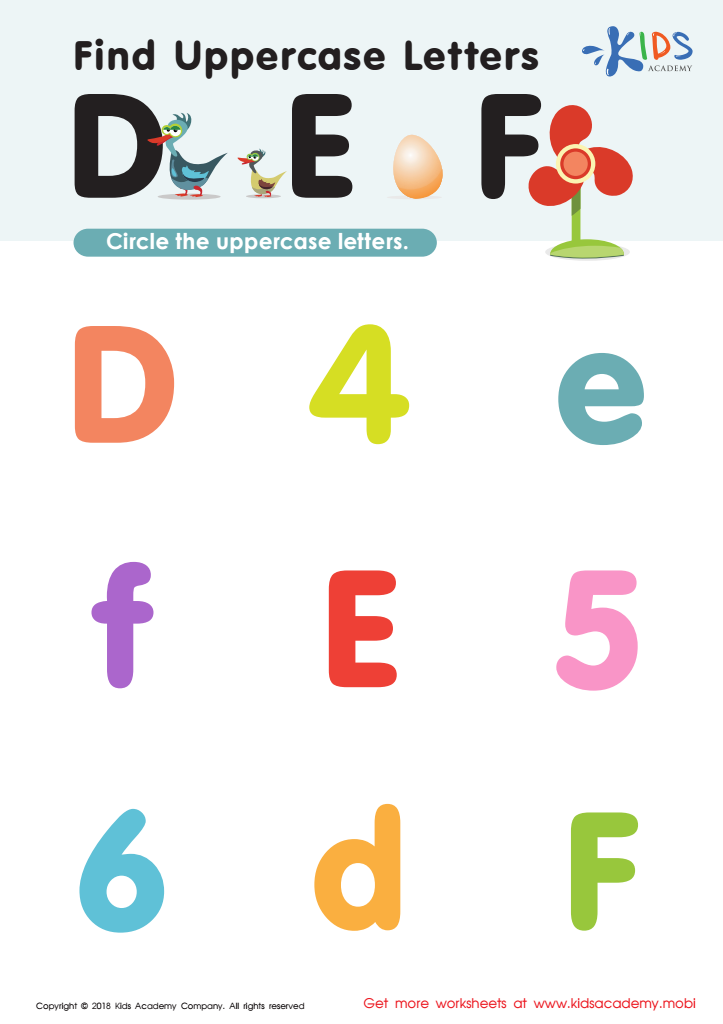
Find Uppercase Letters D, E, and F Worksheet

Find lowercase letters a b c Worksheet
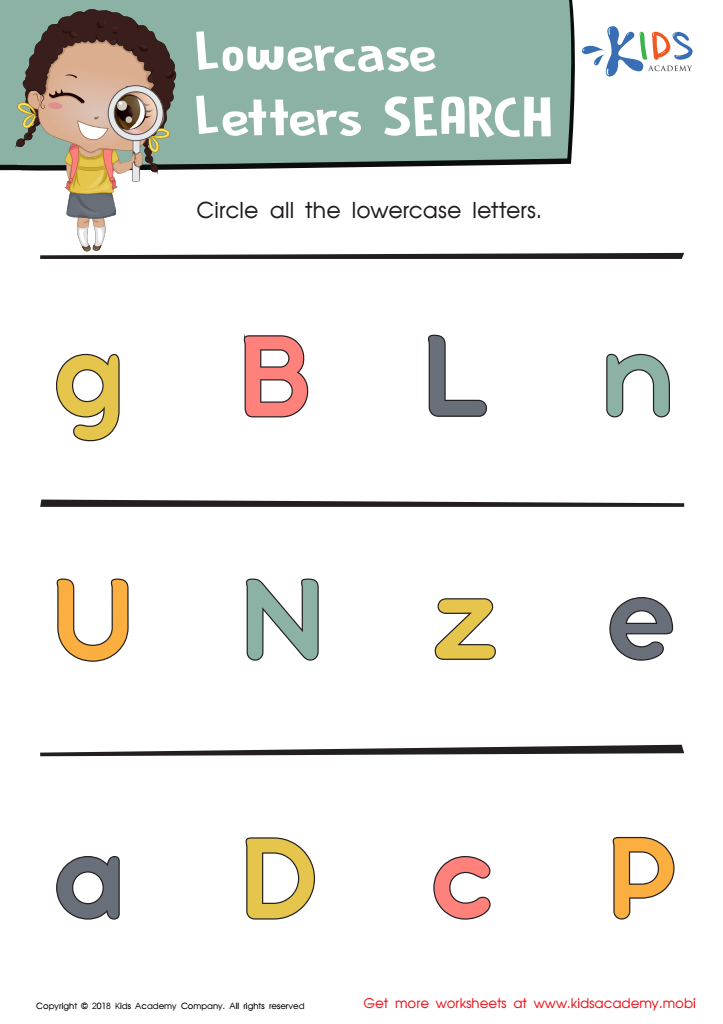
Lowercase Letters Search: Assessment Worksheet
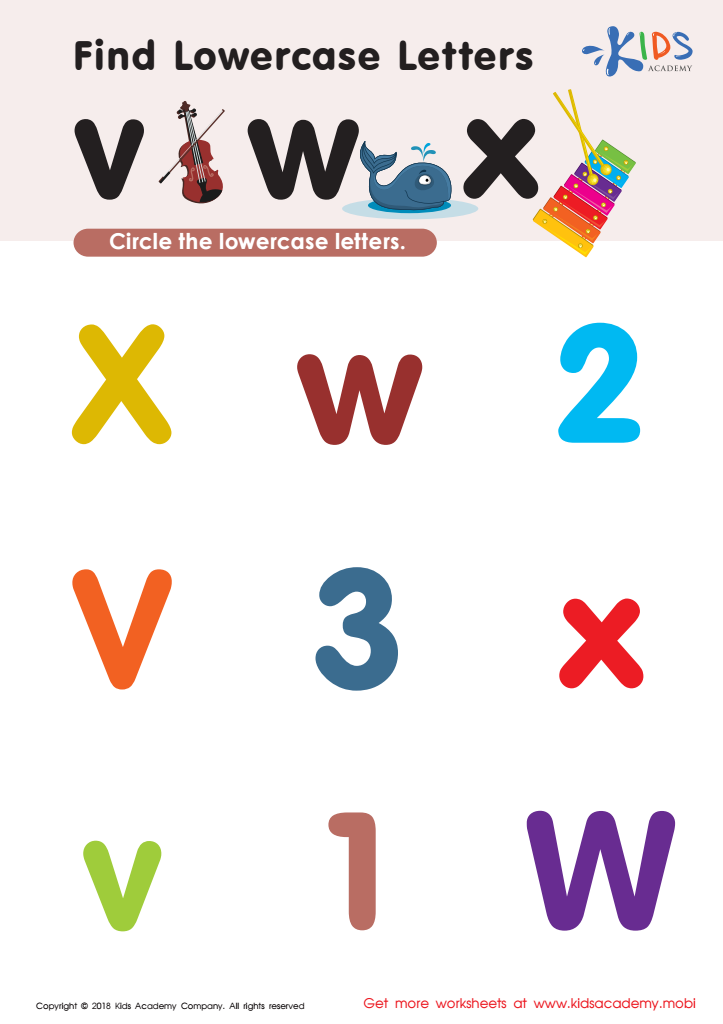
Find Lowercase Letters v w x Worksheet
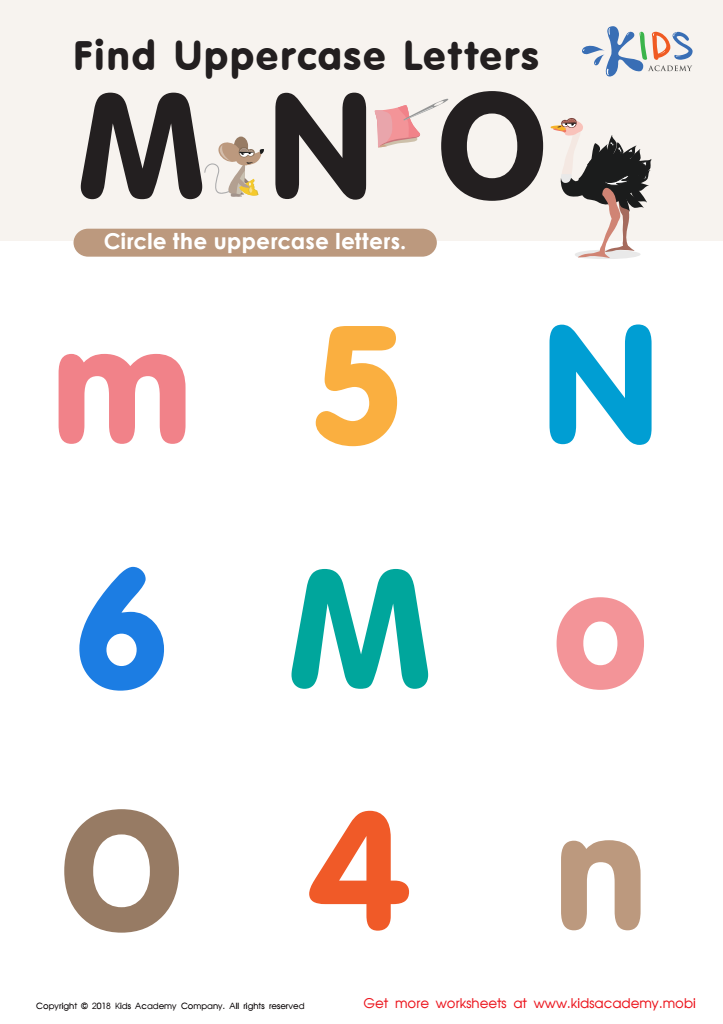
Find Uppercase Letters M, N, and O Worksheet






Letter recognition, encompassing both uppercase and lowercase letters, is a crucial skill for children aged 6-9 as they transition from early literacy development to more advanced reading and writing. Understanding and distinguishing between uppercase and lowercase letters enables children to grasp the structure of written language, which is foundational for reading comprehension.
Parents and teachers play an integral role in reinforcing this skill. By promoting letter recognition, they help children build confidence in their reading abilities, fostering a love for books and learning. Proper recognition of letters also aids in spelling and writing, as it allows children to understand how words are constructed.
Moreover, knowing the different cases of letters enhances students' ability to engage with various texts, including vocabulary in different contexts, such as titles and proper nouns are often capitalized. This knowledge is vital for their overall academic success and prepares them for more complex literacy skills later on.
Incorporating fun and engaging activities into learning, such as games and crafting, can strengthen these skills further. Ultimately, an emphasis on letter recognition lays a strong foundation for lifelong literacy, empowering children to express ideas and communicate effectively as they continue their educational journeys.







