Fraction Addition Worksheets for Ages 6-9
20 filtered results
-
From - To
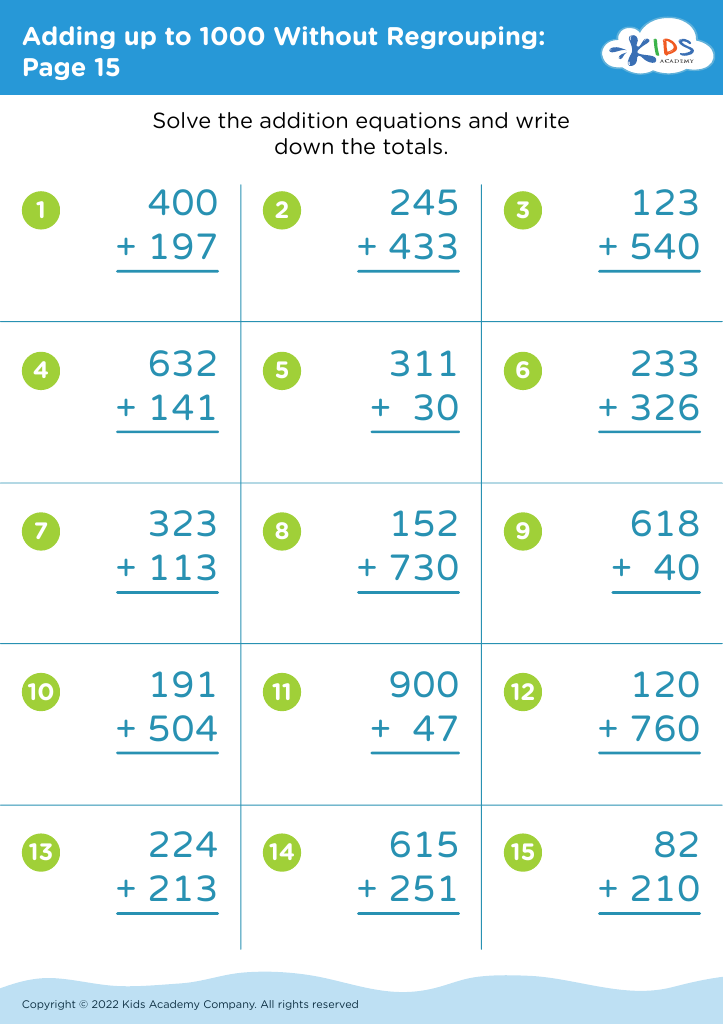
Discover our engaging Fraction Addition Worksheets designed for children ages 6-9. Tailored to build confidence and foundational math skills, these printable activities make learning fractions both fun and easy. Each worksheet provides step-by-step exercises that help young learners grasp the concept of adding fractions through visual aids and interactive challenges. Ideal for supplementing classroom lessons or enriching at-home practice, these worksheets cater to various learning styles, ensuring every student can thrive. Visit our webpage to download and start exploring the fascinating world of fraction addition today! Empower your child’s math journey with Kids Academy.
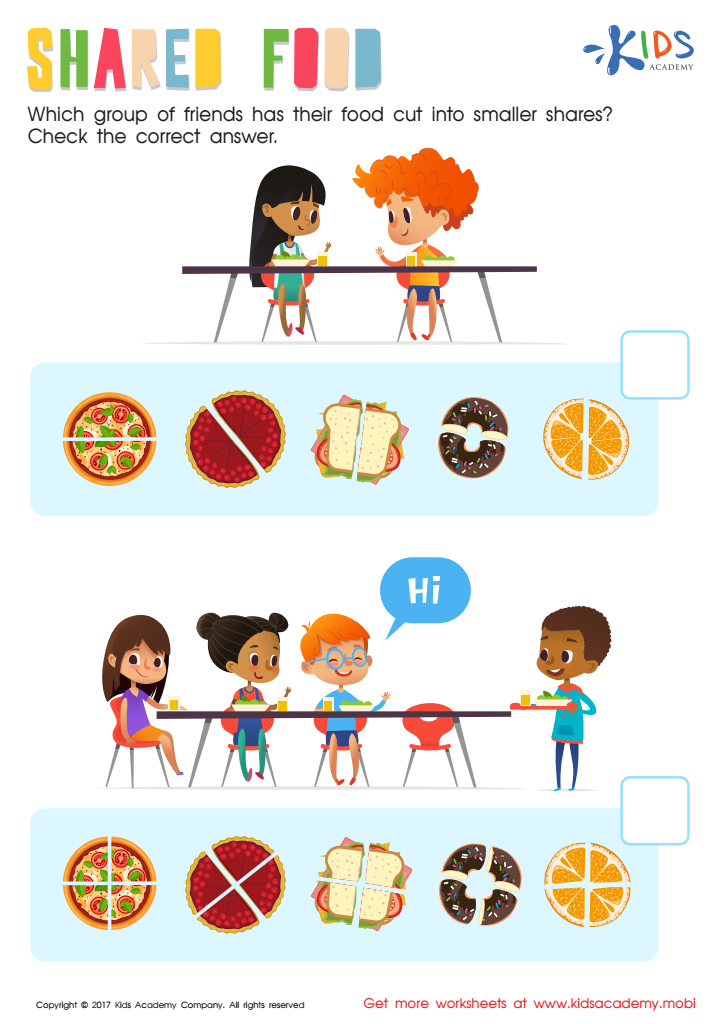
Shared Food Worksheet
 Assign to My Students
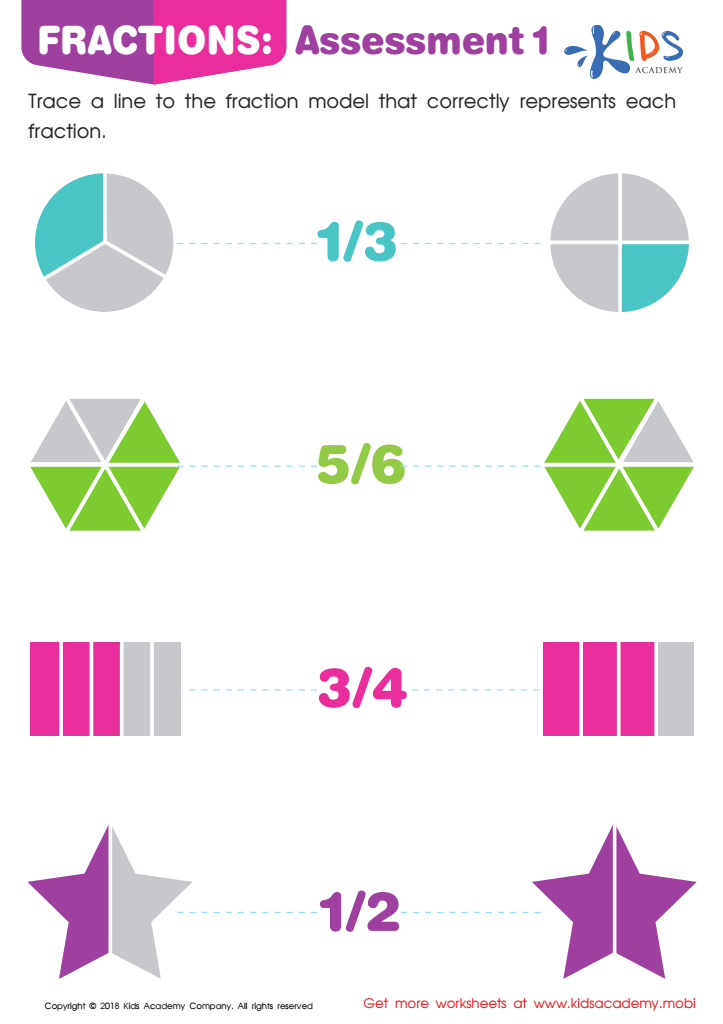
Fractions: Assessment 1 Worksheet
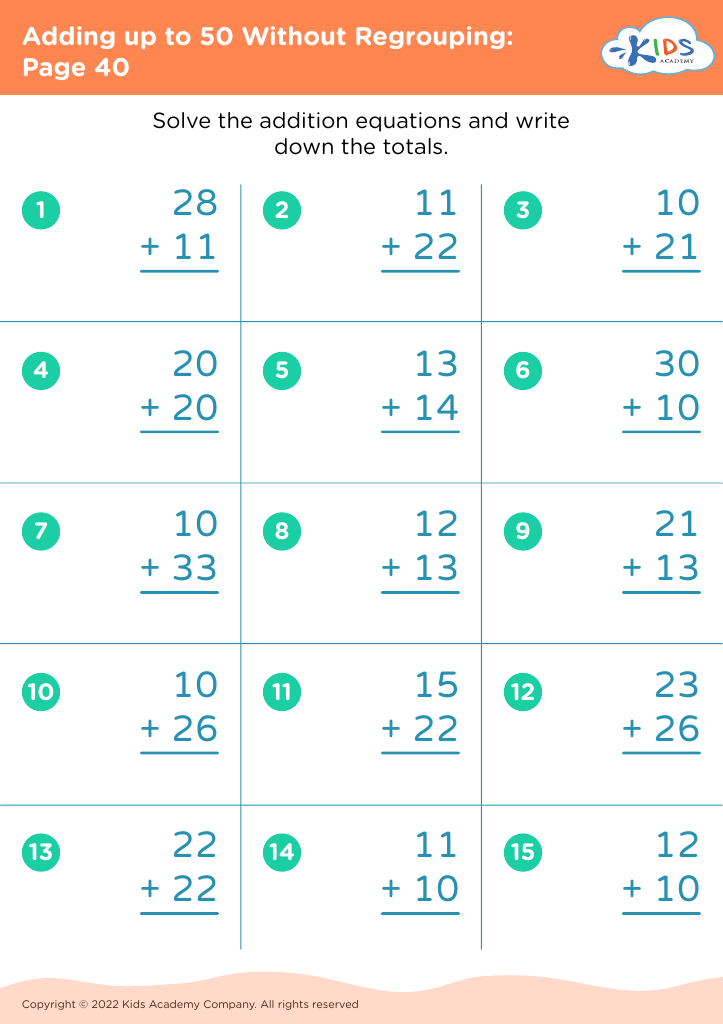
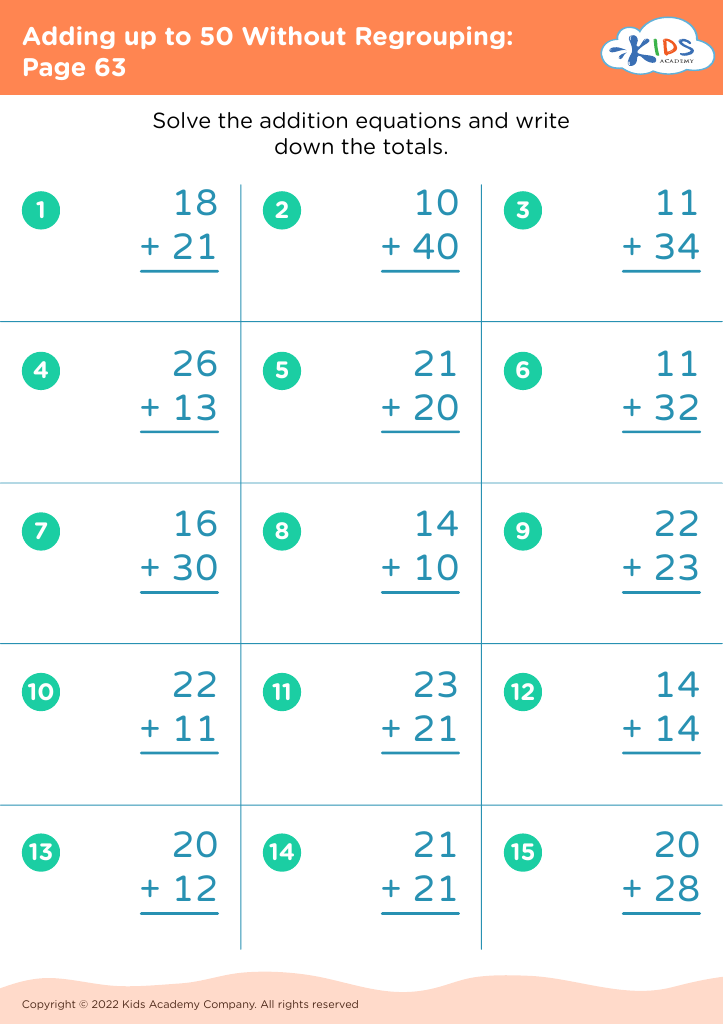
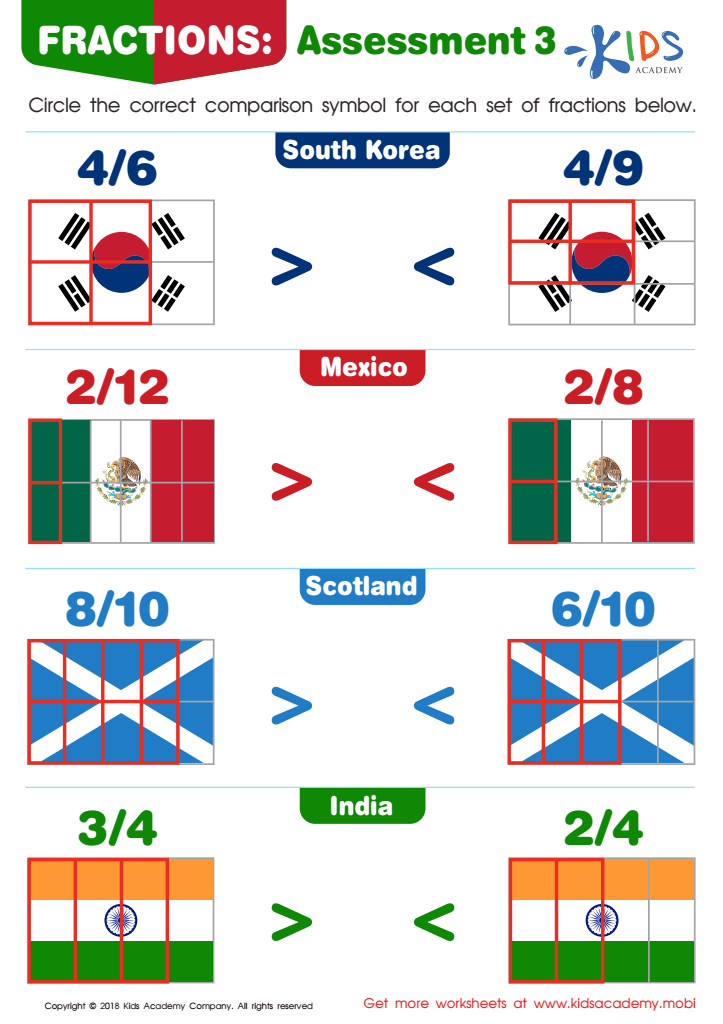
Fractions: Assessment 3 Worksheet
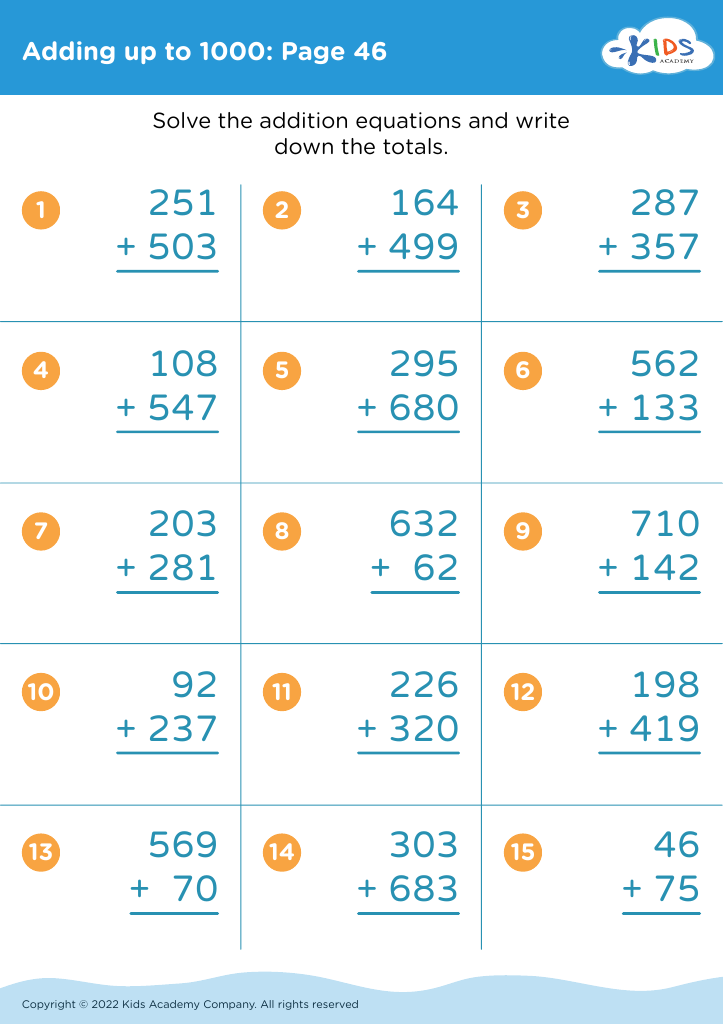
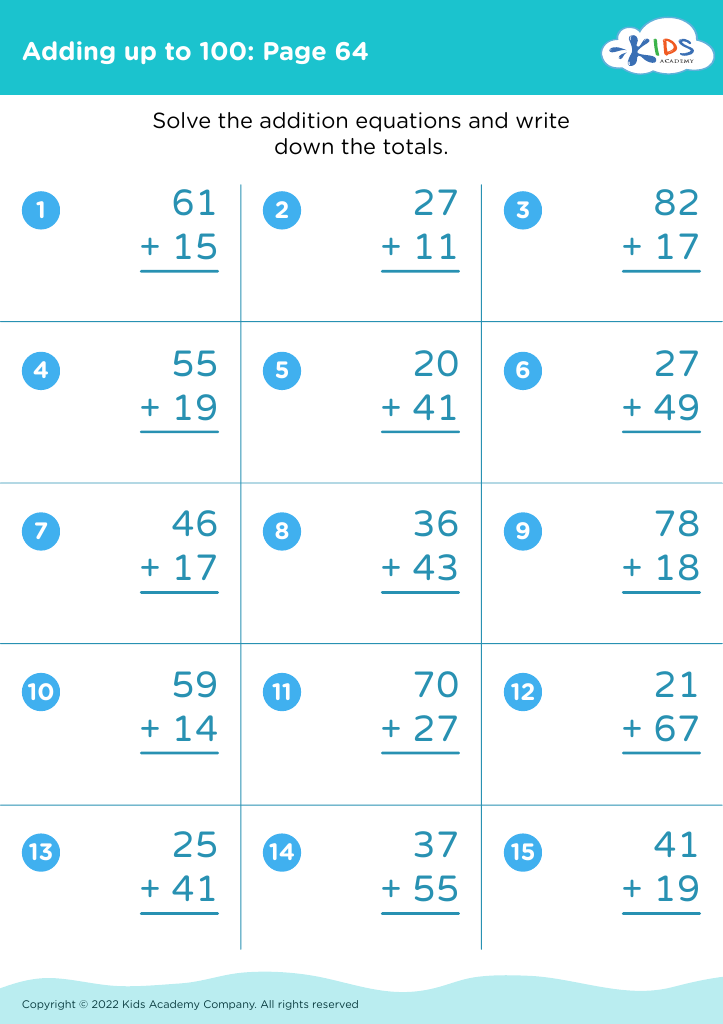
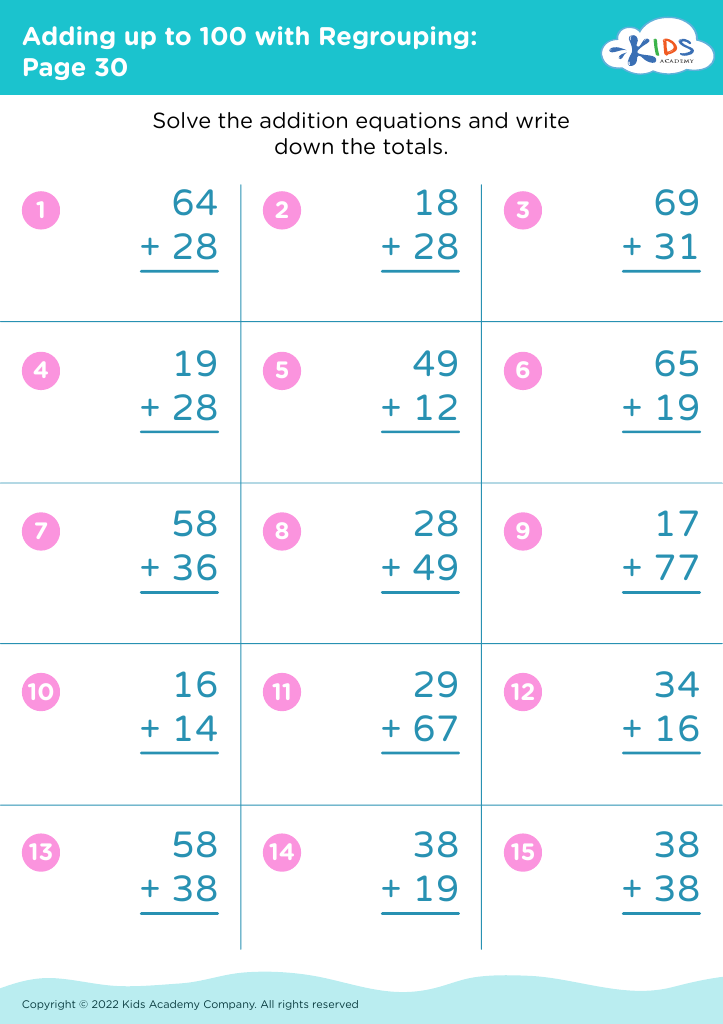
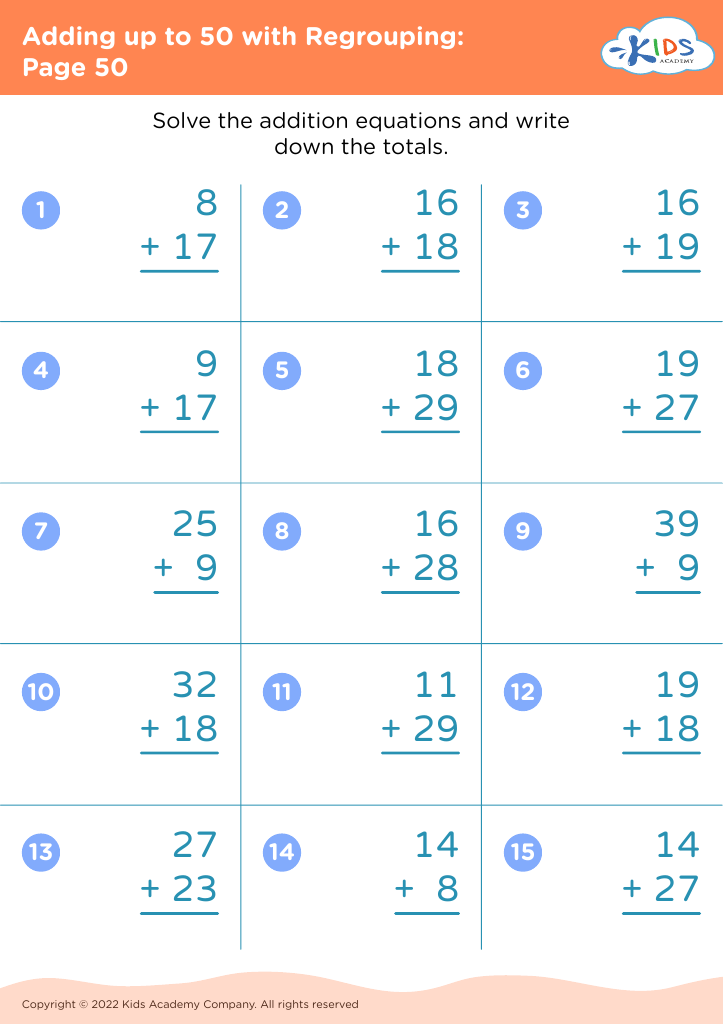
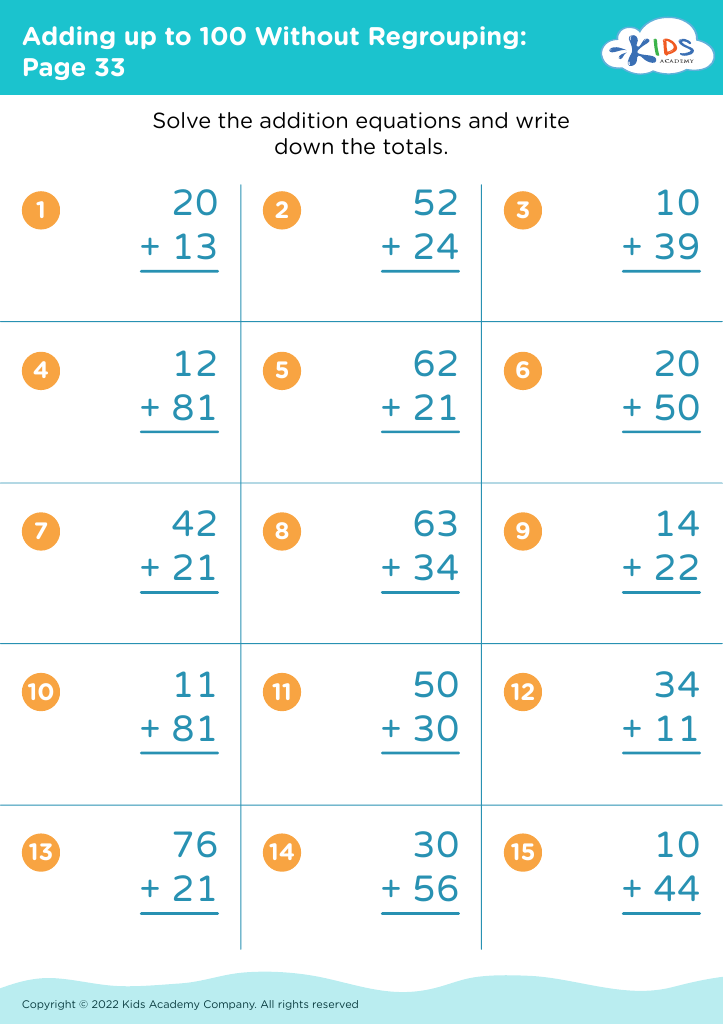
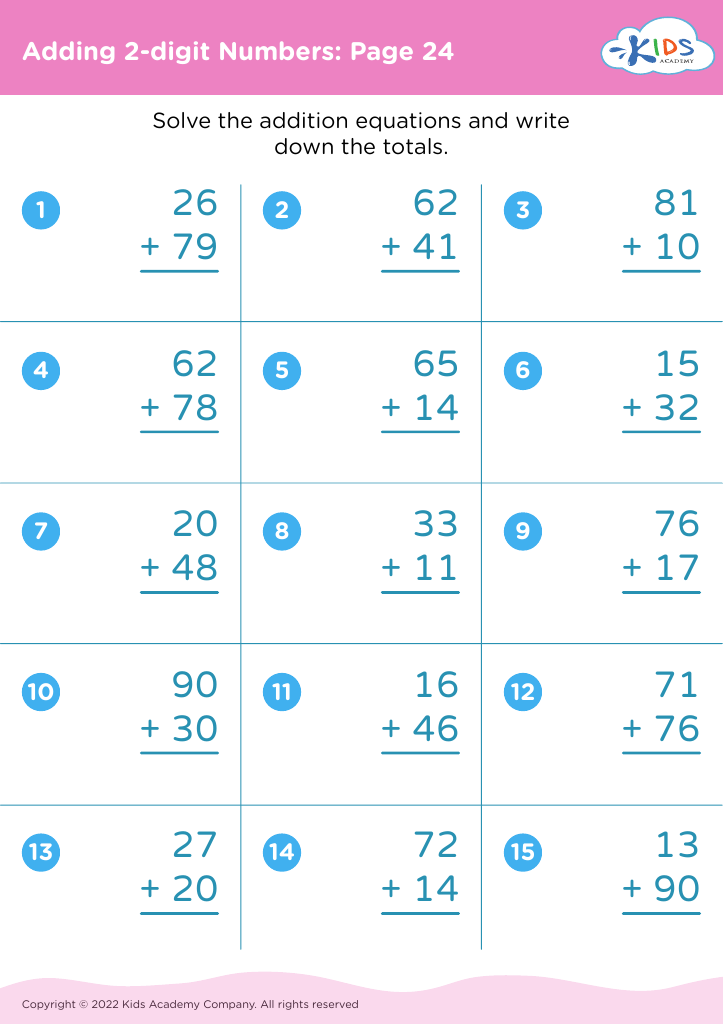
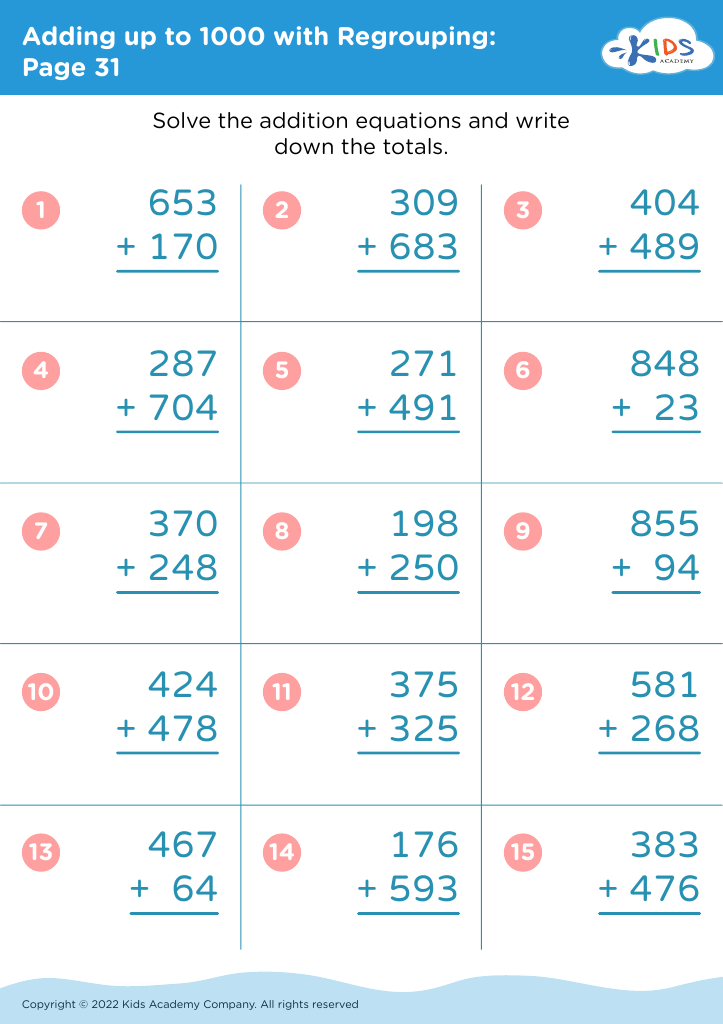
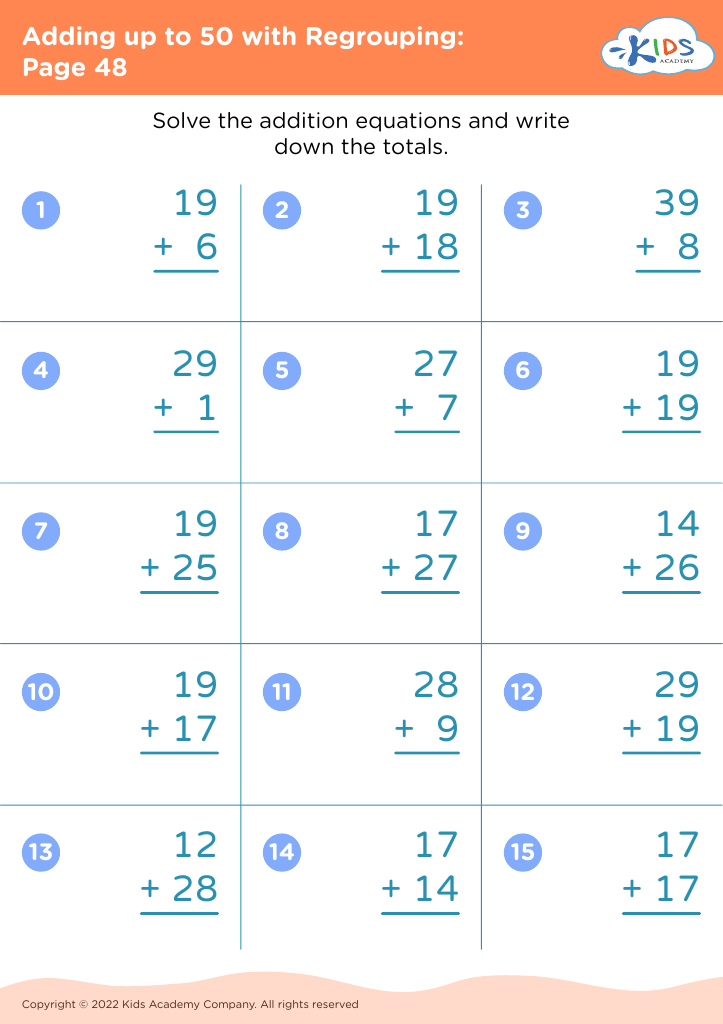
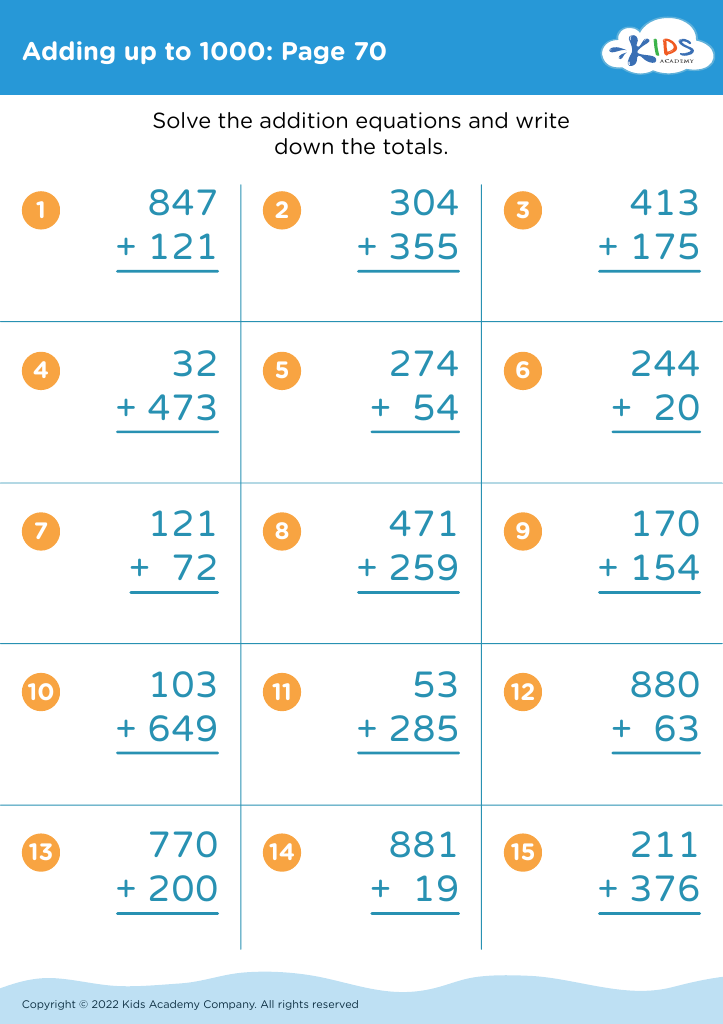
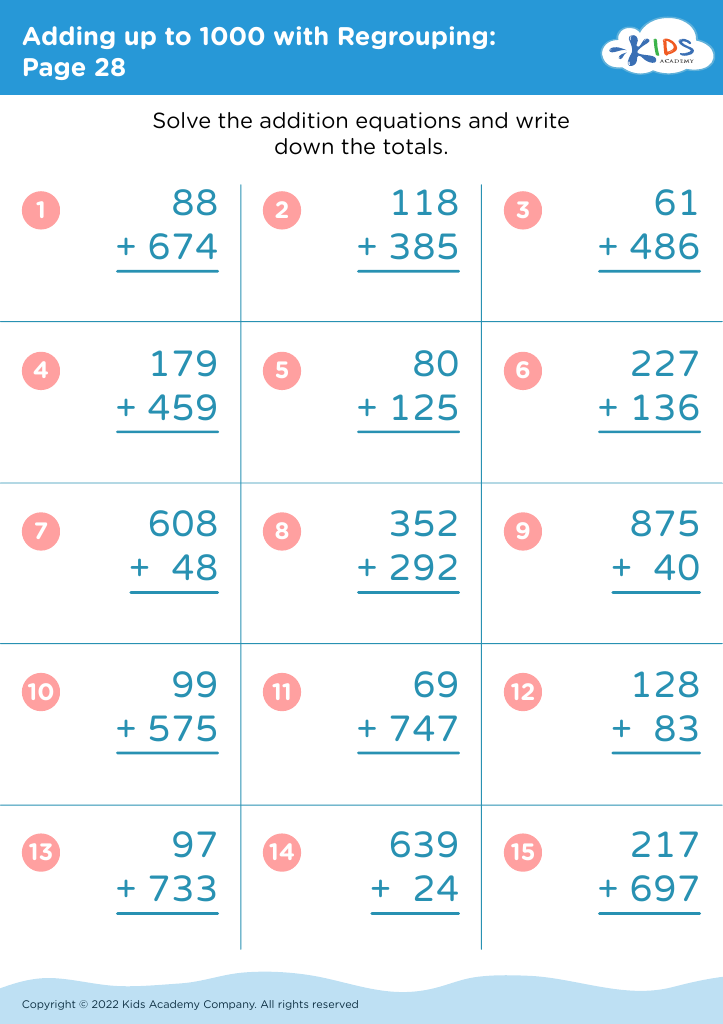
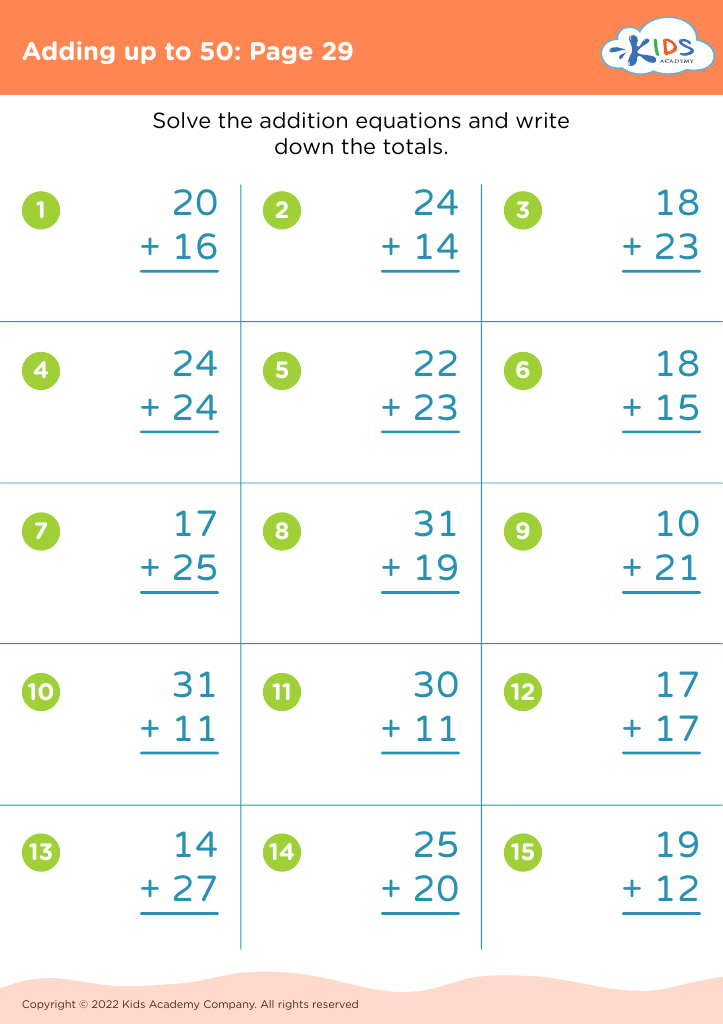








Understanding fraction addition is crucial for children aged 6-9, not just for their immediate academic success but also for developing long-term critical thinking and problem-solving skills. Early exposure to fractions lays the groundwork for more advanced math concepts they will encounter in later grades. It aids in comprehension of basic arithmetic and enhances their numerical fluency. When children grasp how to add fractions, they start seeing numbers in different parts, fostering an intuitive sense for how parts make up a whole.
Moreover, fraction addition is embedded in everyday life; from measuring ingredients in a recipe to dividing a group of objects equally, real-world applications abound. Mastering this concept boosts children's confidence and ability to handle practical tasks, inculcating a sense of achievement.
Teaching fraction addition early also promotes cognitive skills like concentration, memory, and logical reasoning. It challenges children to think abstractly, understanding proportions, and visualizing how different quantities fit together. These skills are not just mathematical but are transferable across various domains of learning and daily life.
In essence, a solid grasp of fraction addition enriches children's overall educational experience, equipping them with essential tools to navigate a world intertwined with numbers, measurements, and proportional reasoning. Parents and teachers should invest in teaching such foundational math skills to nurture well-rounded, competent young learners.








