
Historical Knowledge Worksheets for Ages 6-9
38 filtered results
Difficulty Level
Grade
Age
-
From - To
Subject
Activity
Standards
Discover the joy of learning history with our "Historical Knowledge Worksheets for Ages 6-9". Tailored to captivate young minds, these engaging, age-appropriate activities introduce essential historical concepts and figures through fun, interactive exercises. Designed to complement school curriculums, our worksheets make history accessible and exciting with vibrant illustrations, intriguing facts, and stimulating puzzles. Perfect for both classroom and home use, these resources foster critical thinking and curiosity, laying a solid foundation for lifelong learning. Download today to inspire your child, enhance their historical knowledge, and turn learning about the past into an adventure!
Favorites
With answer key
Interactive
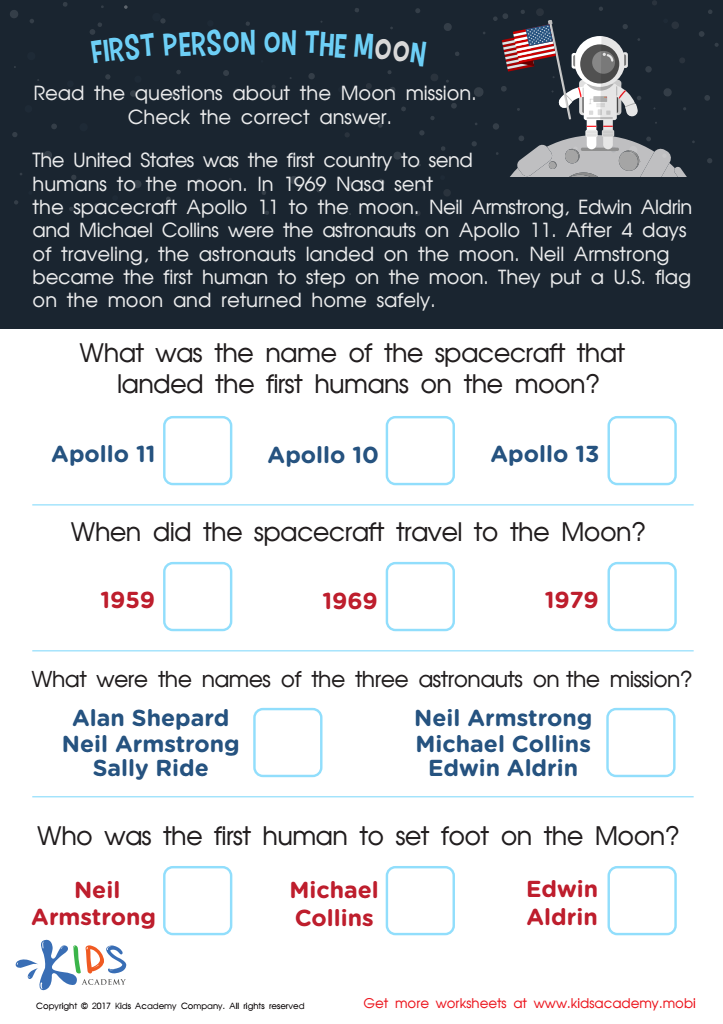
First Person on the Moon Worksheet
In 1969, Neil Armstrong made history by becoming the first person to step foot on the moon! With this fun worksheet, you can teach kids fascinating facts about the Apollo 11 mission. After reading, they can show off what they've learned with a quiz!
First Person on the Moon Worksheet
Worksheet
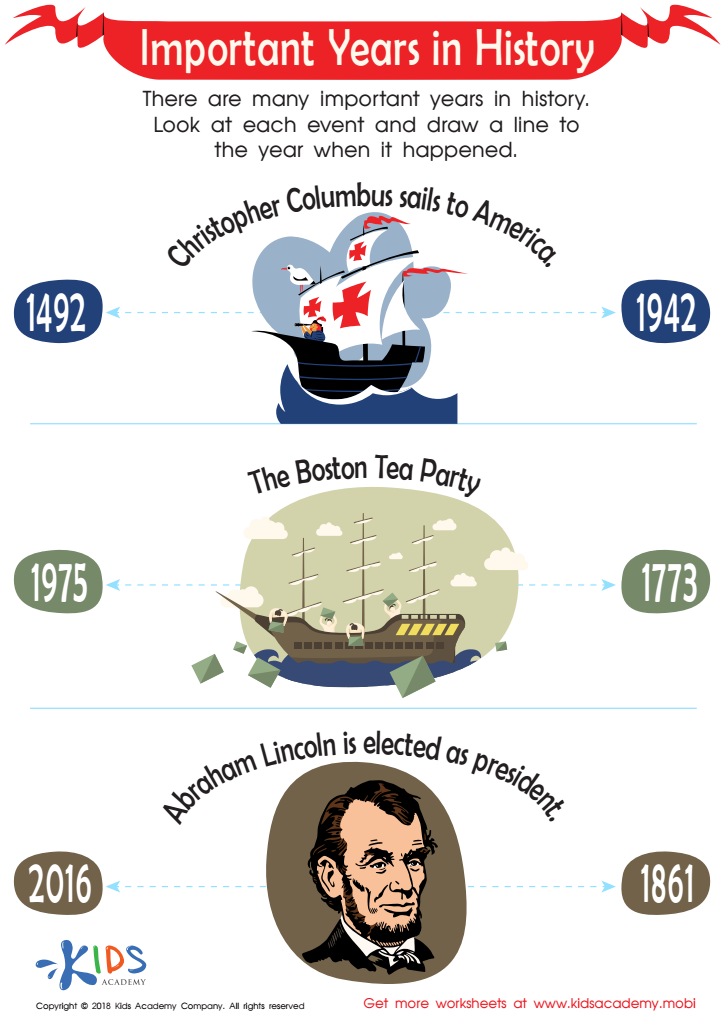
Important Years in History Worksheet
Ask your students if they can name any important dates in history. Then, look at the images in the worksheet with them. Read the sentences above each one to them and have them trace a line to the year when the event occurred.
Important Years in History Worksheet
Worksheet
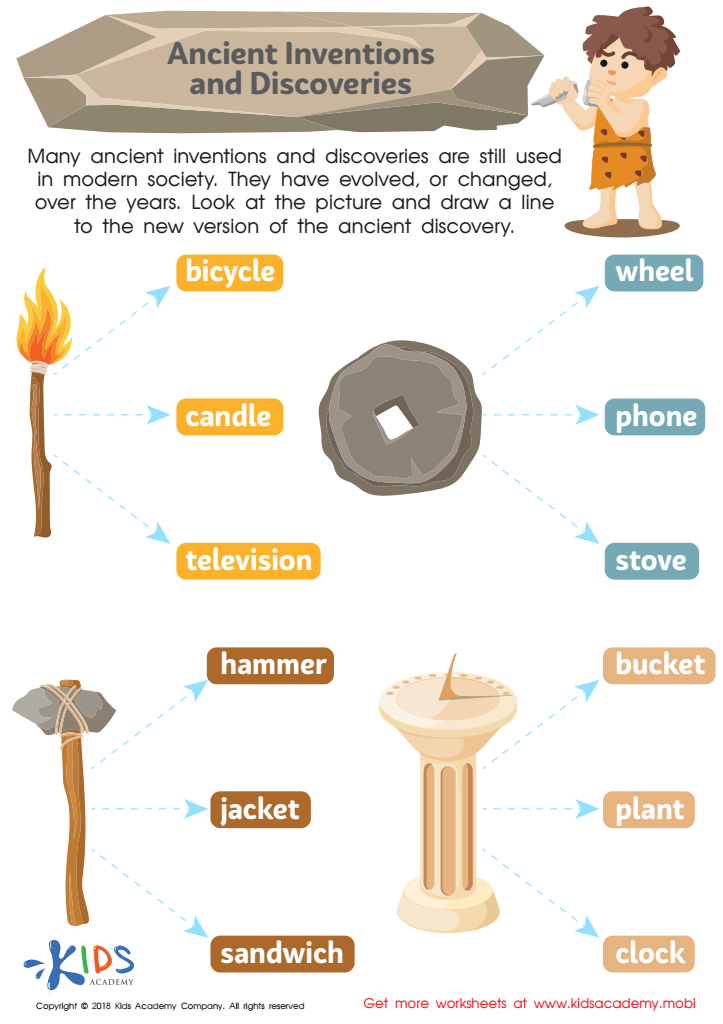
Ancient Inventions and Discoveries Worksheet
Kids may think inventions are high-tech, but many of the world's most important inventions are ancient! This Kids Academy worksheet helps kids learn about the wheel, clock, tools and candles - inventions that changed the world! Kids will simply review the pictures and trace the dotted lines to the right answers. Great for social studies!
Ancient Inventions and Discoveries Worksheet
Worksheet
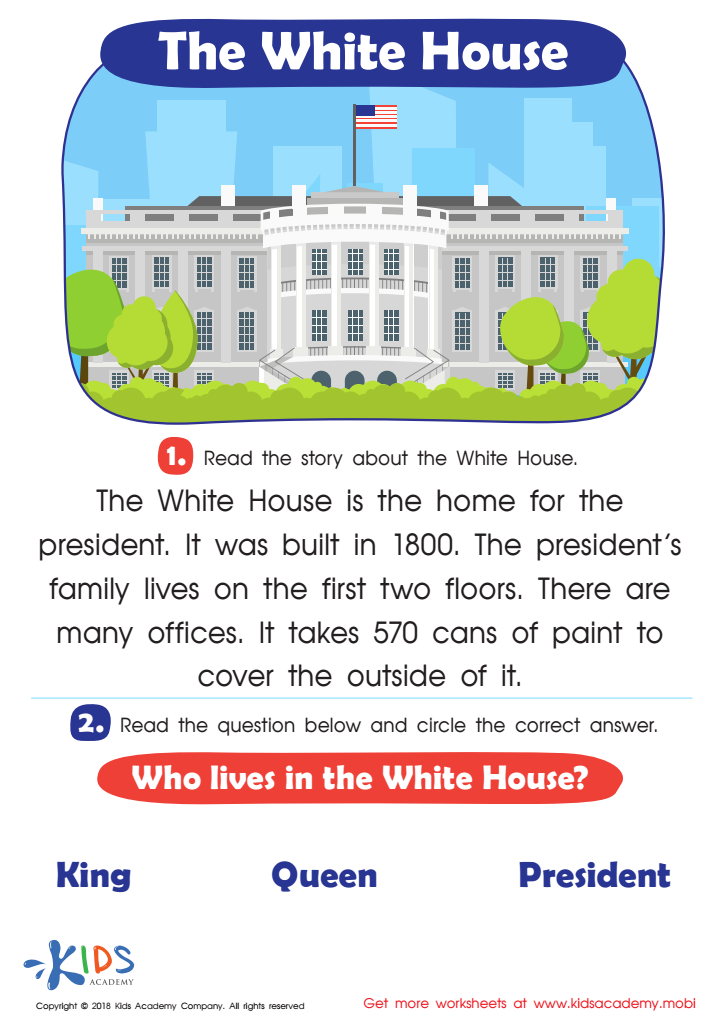
White House Worksheet
Read stories to your students to teach them new words, and about the White House. Before reading, ask your kindergartners what they already know. Then read short sentences for them to learn about the building the U.S President resides in.
White House Worksheet
Worksheet
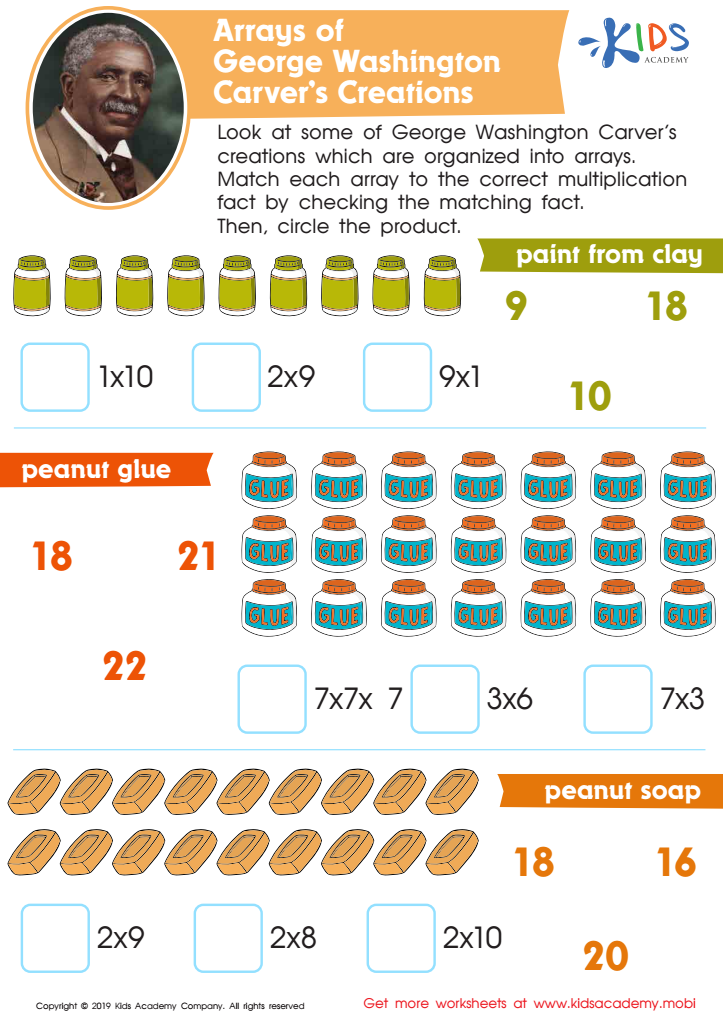
Arrays of George Washington Carver’s Creations Worksheet
Remind your child of what George Washington Carver created. Can they tell you? This worksheet has arrays with his creations. Match the array to the multiplication fact and help your child to circle the product.
Arrays of George Washington Carver’s Creations Worksheet
Worksheet
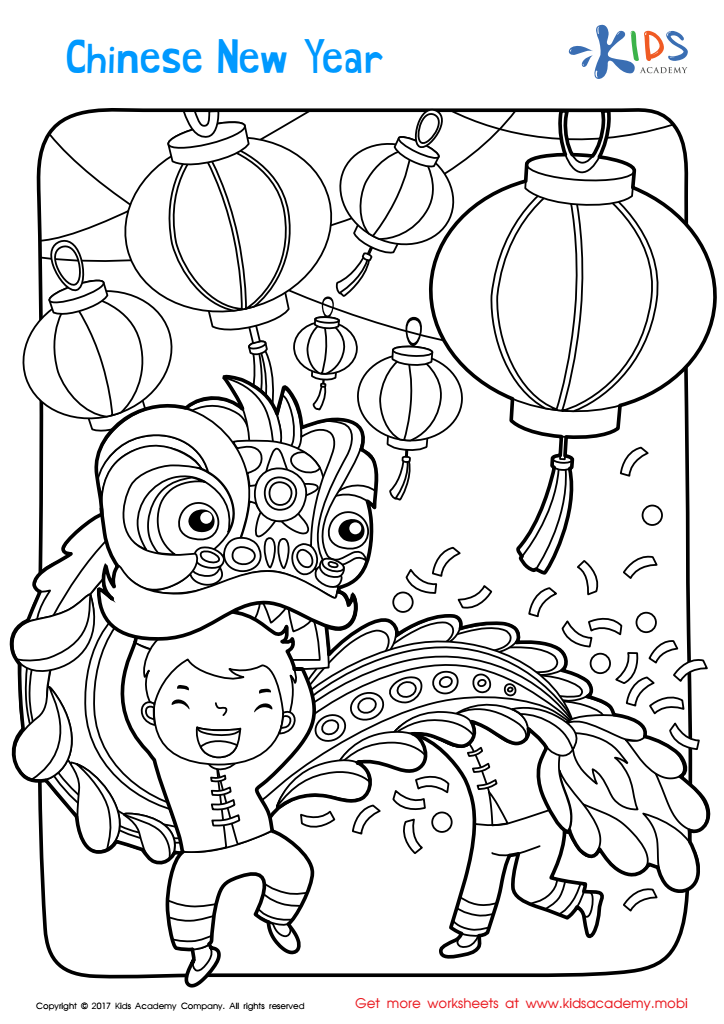
Chinese New Year Worksheet
Take a trip to China without leaving home! Let your child get creative with this Chinese New Year coloring page. They'll love coloring unique images while learning about this holiday. You can also talk about when it occurs and its significance.
Download (PDF)
 Assign to My Students
Assign to My Students
Chinese New Year Worksheet
Worksheet
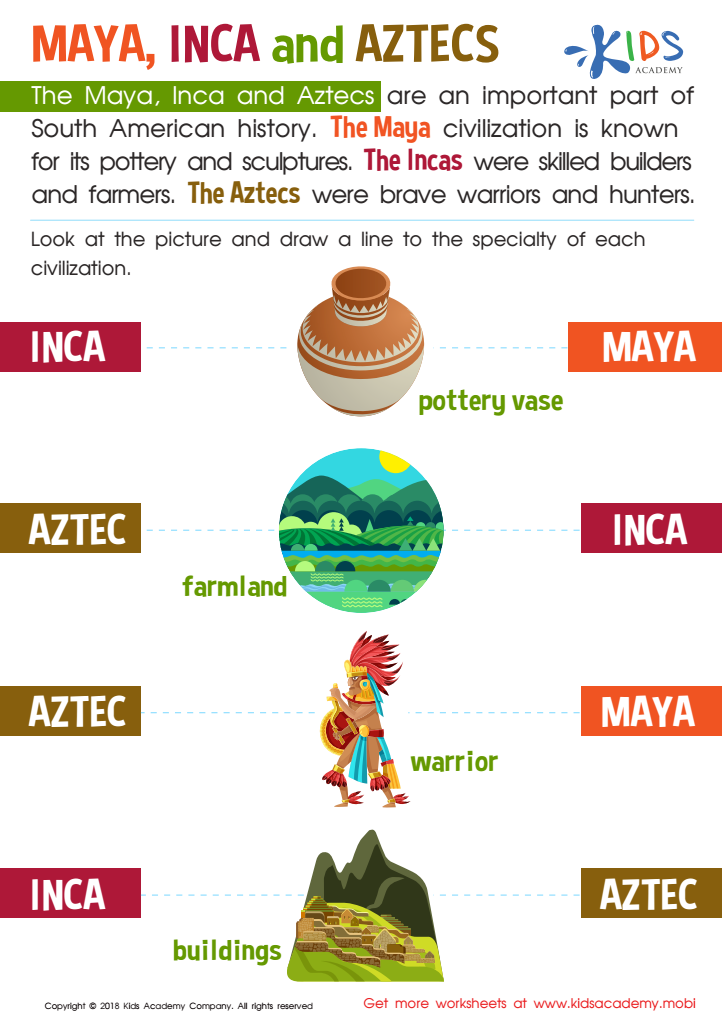
Maya, Inca and Aztecs Worksheet
This worksheet introduces your child to the thrilling histories of the Mayan, Incan and Aztec cultures, teaching them about their warriors, sculptors and farmers. With traceable lines and colorful imagery, they'll connect each culture with its correct associated picture - great for cementing concepts!
Maya, Inca and Aztecs Worksheet
Worksheet
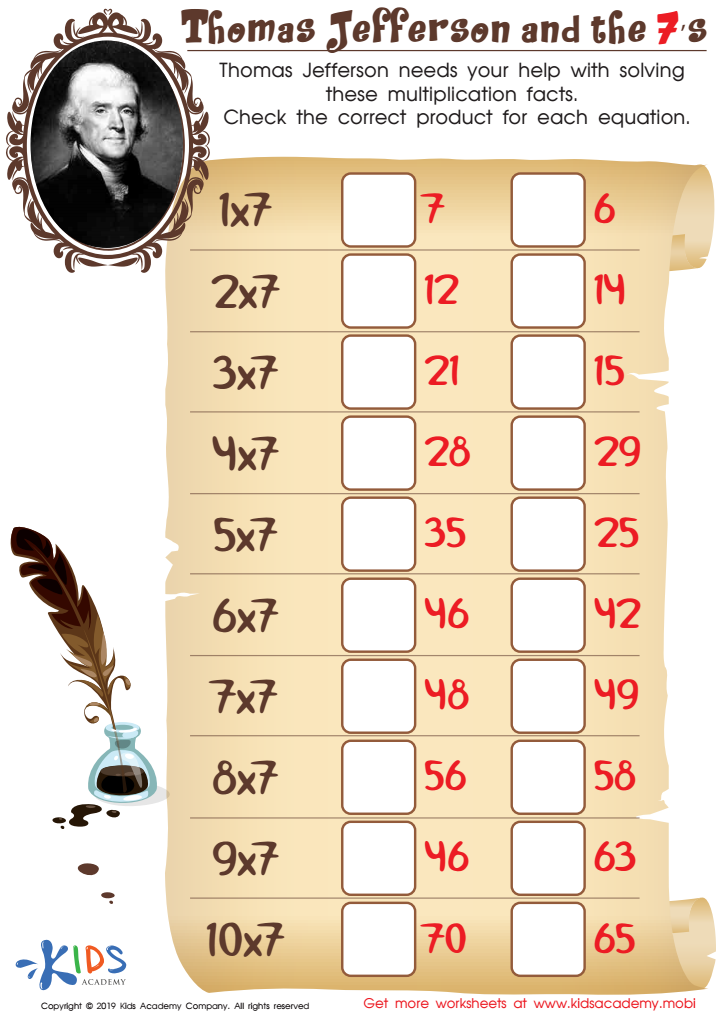
Thomas Jefferson and the 7’s Worksheet
Thomas Jefferson championed education and wants kids to know their times tables. Help your child with this worksheet focusing on 7's. Check the box for the correct answer for each multiplication problem. Make sure your child gets the facts right!
Thomas Jefferson and the 7’s Worksheet
Worksheet
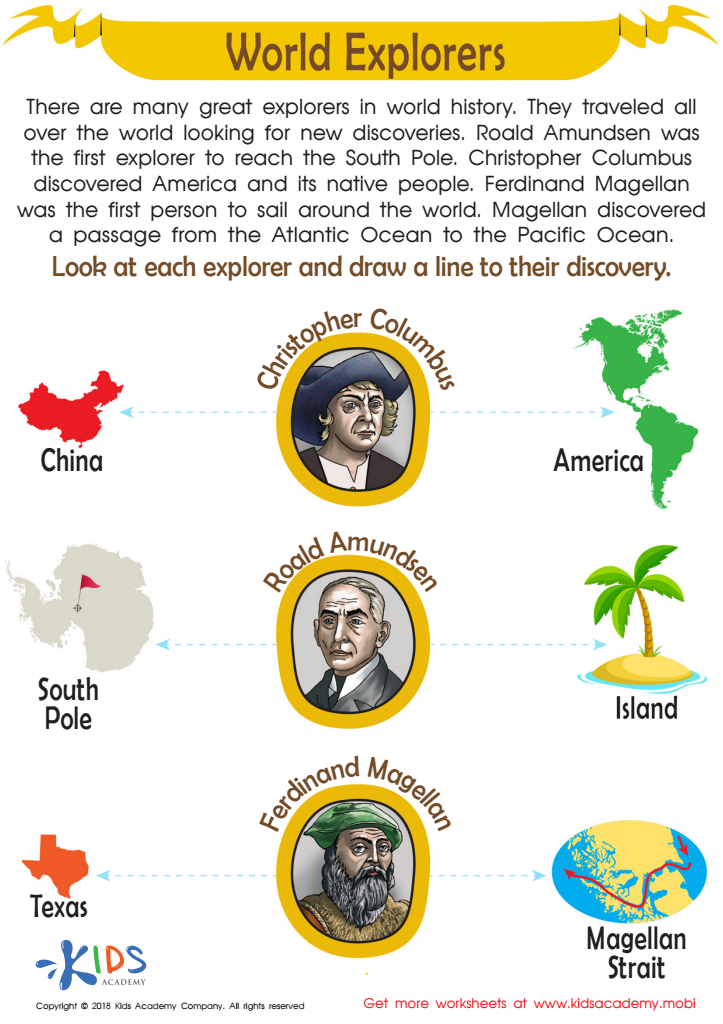
World Explorers Worksheet
Kids are citizens of the world, so it's important to teach them about different cultures and famous explorers. This social studies worksheet helps children learn about the great explorers of history and trace their travels. They'll link Ferdinand Magellan, Christopher Columbus and Roald Amundsen to the places they explored.
World Explorers Worksheet
Worksheet
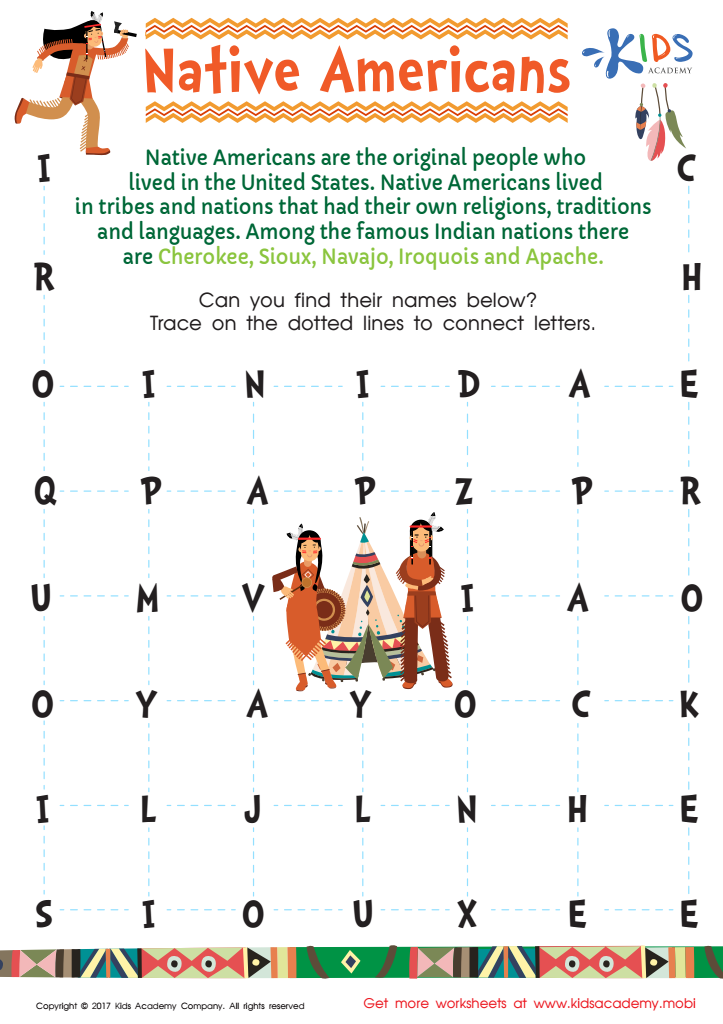
Native American Word Search Printable
This Native American word search PDF helps kids review important vocabulary and concepts about this important part of our county's history. It includes the names of famous and prominent Native American tribes. Solving the puzzle is fun and educative!
Native American Word Search Printable
Worksheet
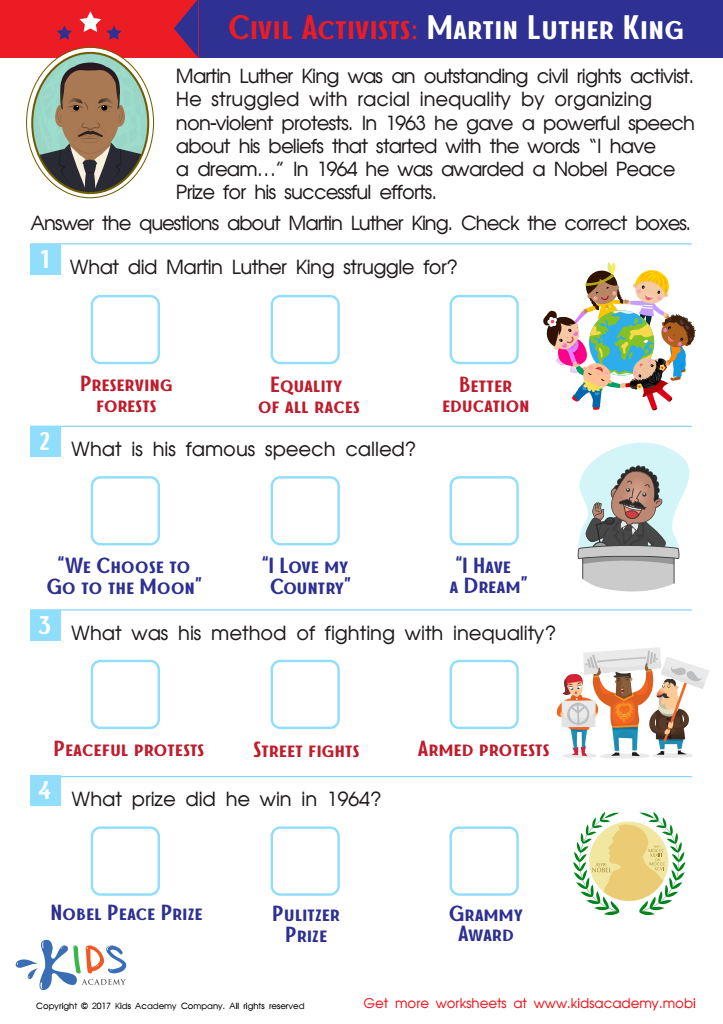
Martin Luther King Worksheet
Introduce your 3rd grader to Martin Luther King Jr.! This worksheet will open their eyes to his impact on US history. Let them discover his life, learnings, and legacy with this informative activity.
Martin Luther King Worksheet
Worksheet
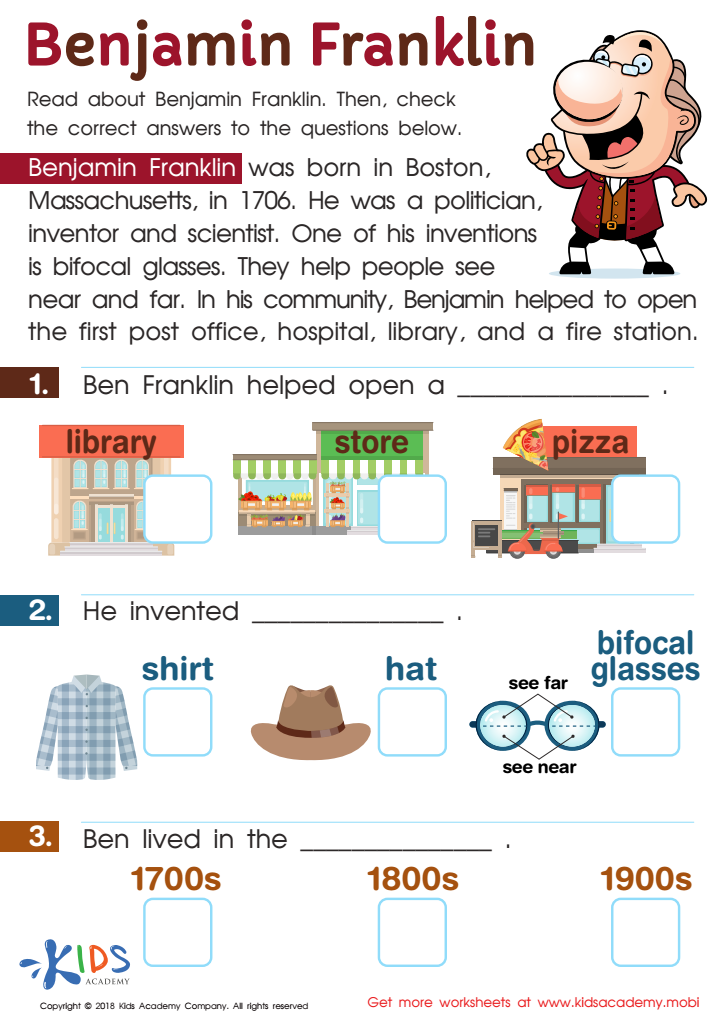
Benjamin Franklin Worksheet
Introduce your kids to one of history's most important figures - Benjamin Franklin! Tell them all about his remarkable contributions to the world and then use this worksheet to teach them even more. Read the text to them and check their answers against the questions afterwards.
Benjamin Franklin Worksheet
Worksheet
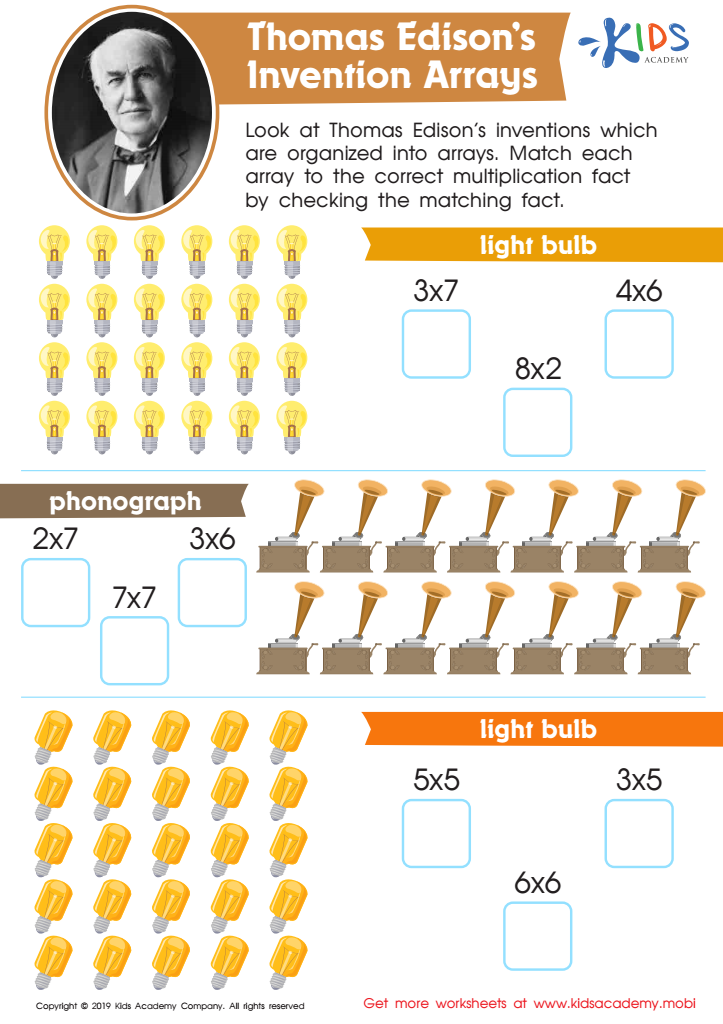
Thomas Edison’s Invention Arrays Worksheet
Test your students' knowledge on history by asking them what Thomas Edison invented. If they get the right answer, provide more information on other inventors. Check out this printout of Edison's light bulb inventions laid out in arrays. Get them to match each array to the correct multiplication fact.
Thomas Edison’s Invention Arrays Worksheet
Worksheet
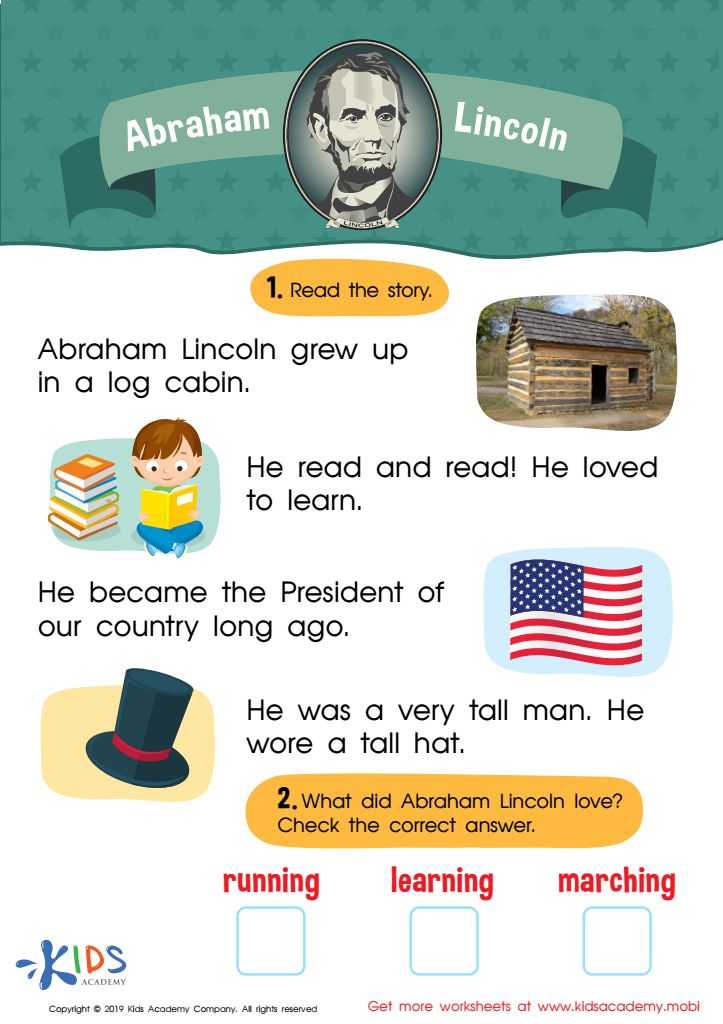
Abraham Lincoln Worksheet
Let your kids listen to interesting stories while having fun! Read the short story in this worksheet, point to the picture representing each sentence, then ask the questions and check the answers. Doing this will help your children learn new things and build their vocabulary.
Abraham Lincoln Worksheet
Worksheet
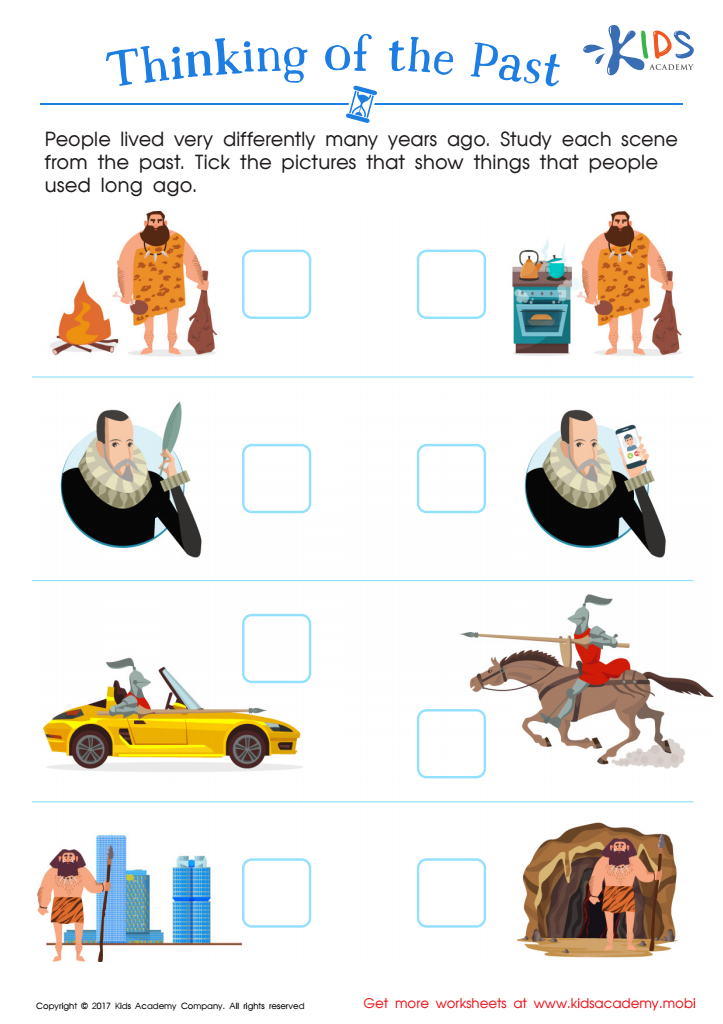
Thinking Past Printable
Bring the past to life for your kid with this fun worksheet! They'll use logic to choose the right answer, learning about different eras and how people lived in them. With a colorful caveman and modern skyscraper side by side, they won't even realize they're building historical knowledge.
Thinking Past Printable
Worksheet
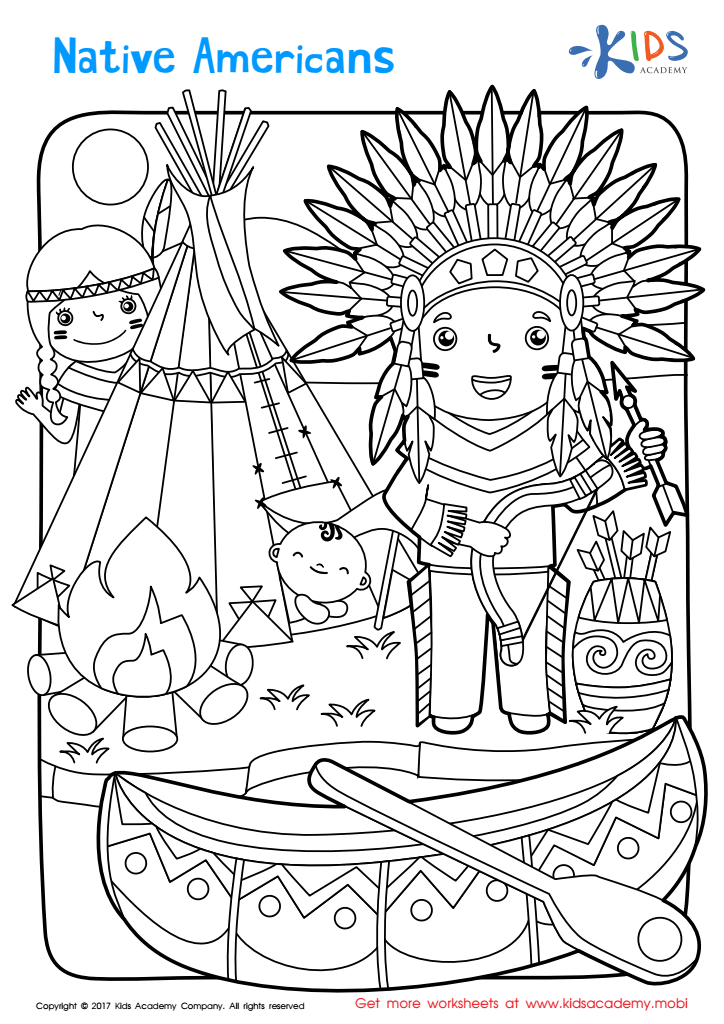
Native American Coloring Page Worksheet
Explore Native American history with your little learner! This coloring page provides an engaging and educational way to learn about Native American life, culture, and history. Let your child observe and consider details as they color. It's a great way to spark meaningful discussion about this important part of our country's history.
Download (PDF)
Assign to My Students
Assign to My Students
Native American Coloring Page Worksheet
Worksheet
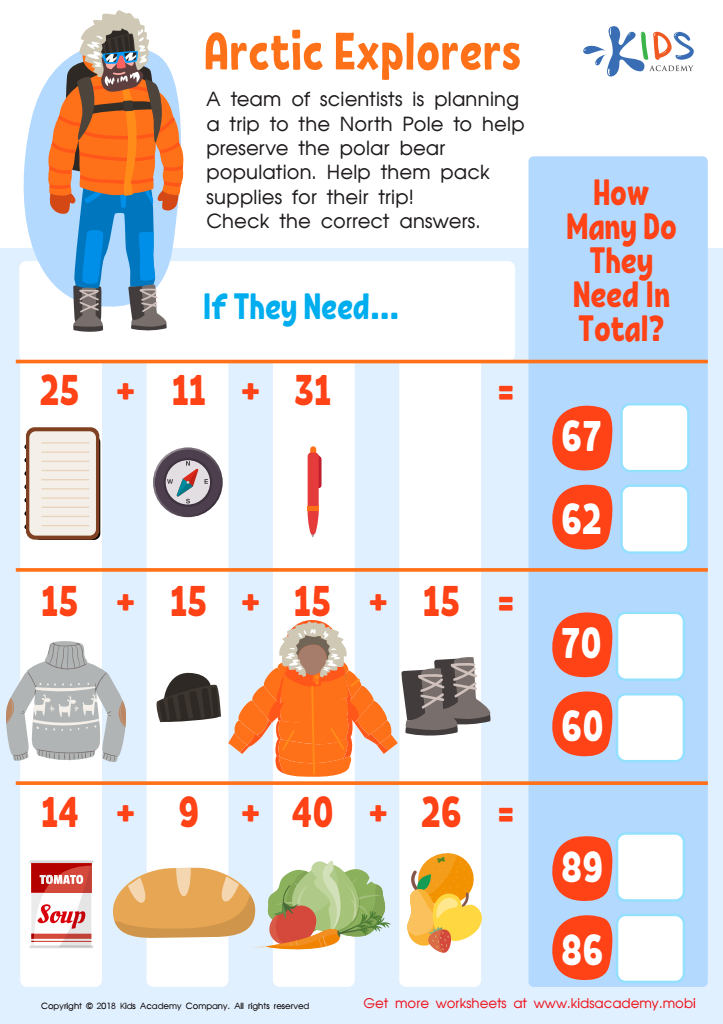
Arctic Explorers Worksheet
Help your child pack supplies for a team of scientists' trip to the North Pole! Before beginning, explain how efforts are needed to protect endangered animals like polar bears. Encourage them to check the correct clothing needed for the extremely cold region. For example, warm and protective clothing is essential.
Arctic Explorers Worksheet
Worksheet
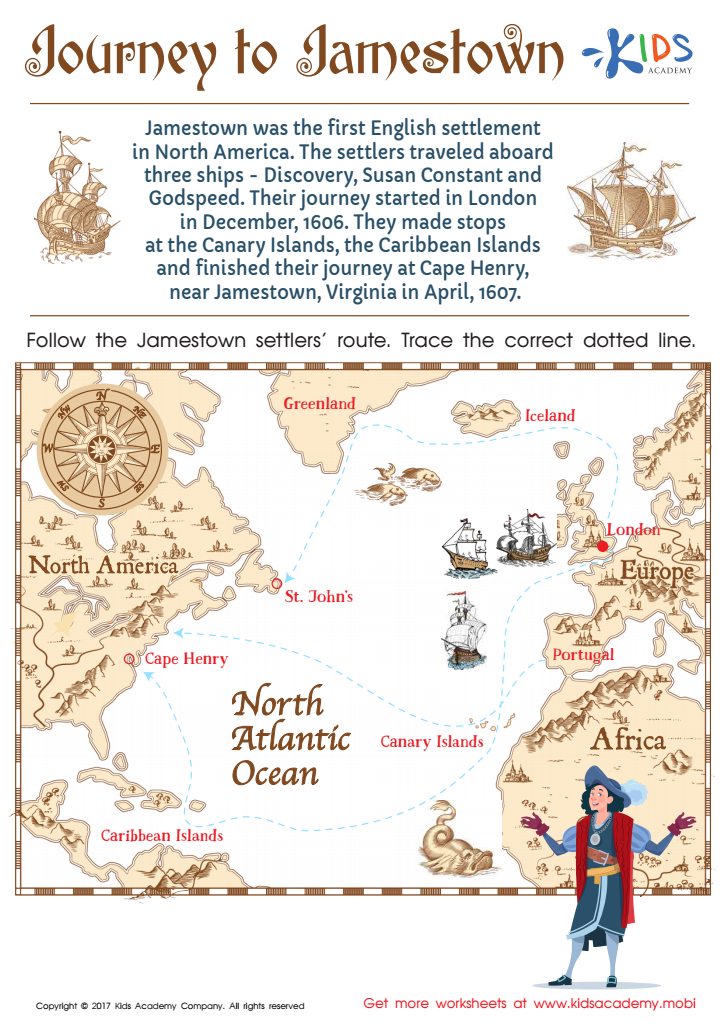
Journey to Jamestown Worksheet
Hit the high seas with this Journey to Jamestown worksheet and uncover the route the first pilgrims took to America! Kids explore a map and learn about stops the pilgrims made during their historic voyage.
Journey to Jamestown Worksheet
Worksheet
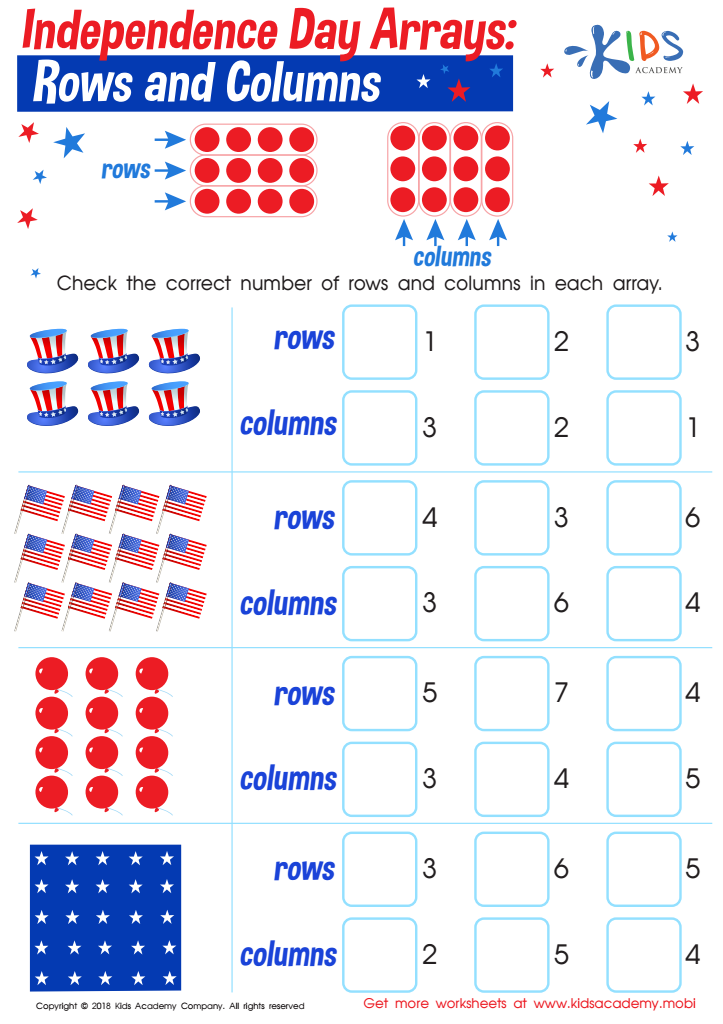
Independence Day Arrays: Rows and Columns Worksheet
Does your child know when Independence Day is? They might love the family picnics and fireworks, or they may not understand the significance of the holiday. After this worksheet, they'll comprehend it better. Help them look at the images and count the number of rows and columns in each array.
Independence Day Arrays: Rows and Columns Worksheet
Worksheet
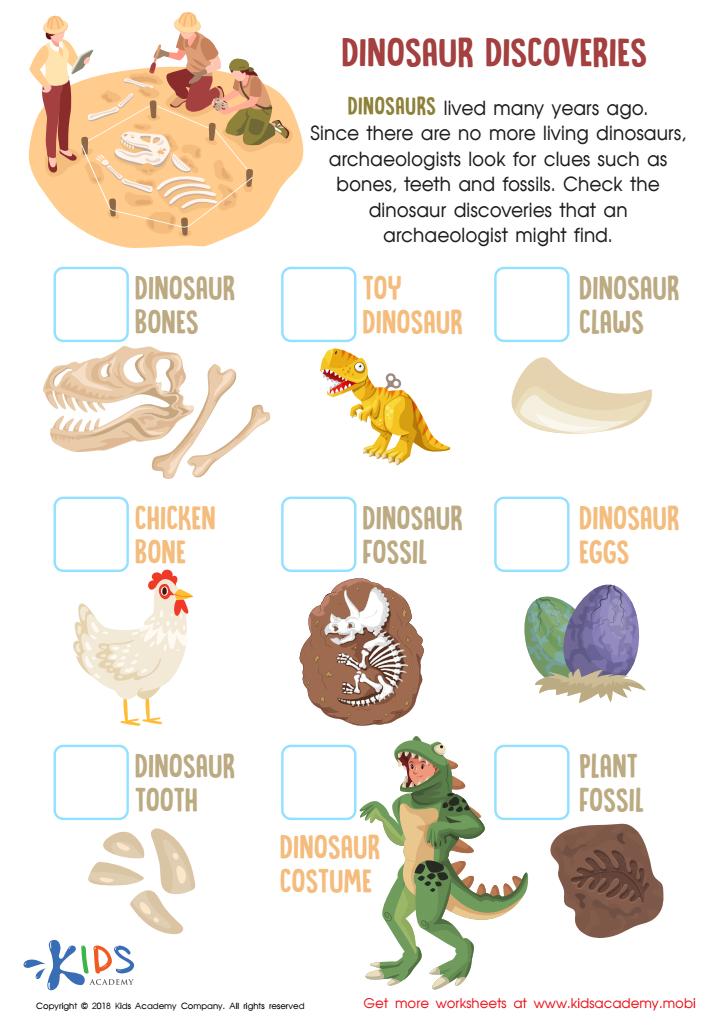
Dinosaur Discoveries Worksheet
Kids love the fascinating world of dinosaurs! This free worksheet educates them on how archeologists discover clues from their fossils, teeth, and bones. They'll identify items that are fossils with the help of pictures and choices provided. Learning has never been this fun!
Dinosaur Discoveries Worksheet
Worksheet
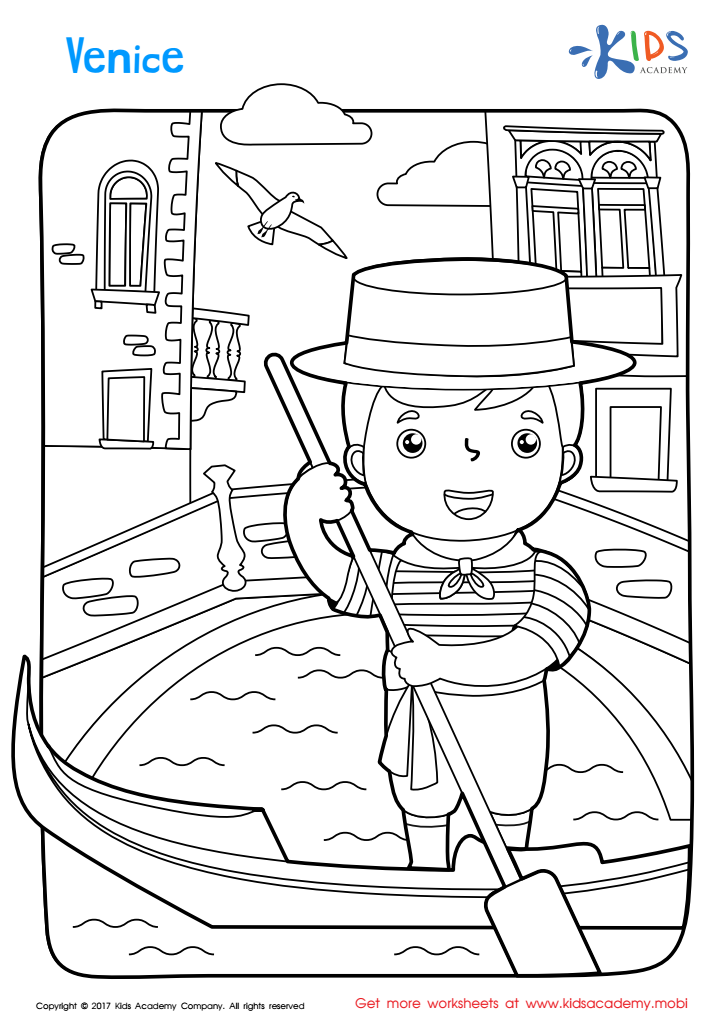
Venice Worksheet
Introduce your child to a remarkable destination with this Venice coloring page worksheet! Color this fascinating page and teach your child more about the history and culture of Venice, Italy. It's a magical experience they won't soon forget!
Download (PDF)
Assign to My Students
Assign to My Students
Venice Worksheet
Worksheet
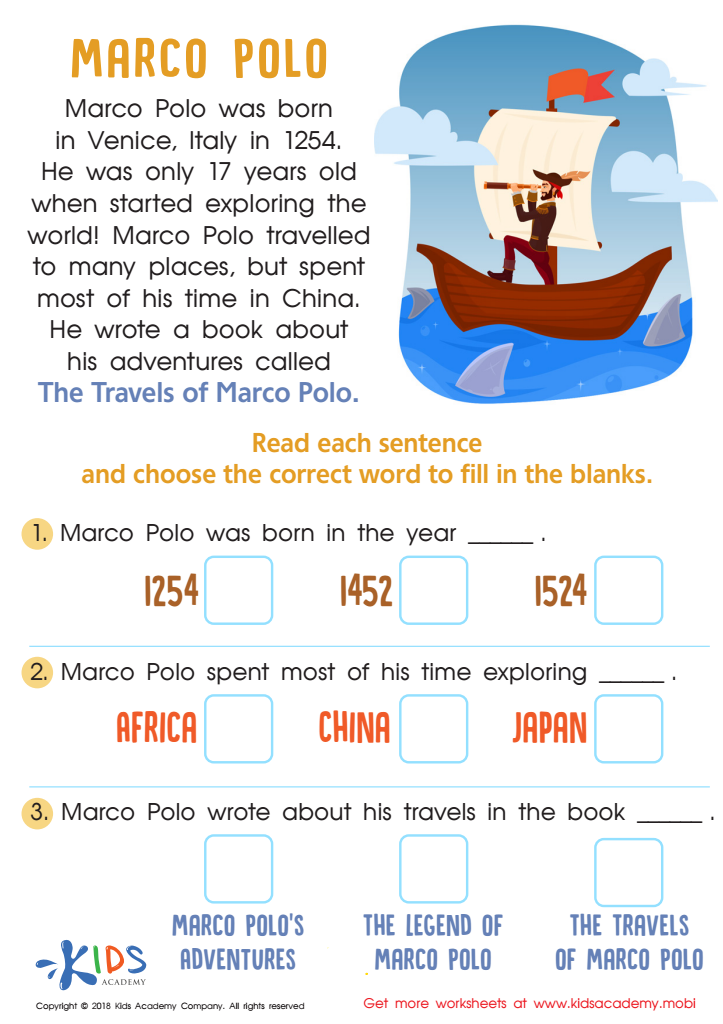
Marco Polo Worksheet
This free worksheet teaches kids about Marco Polo, the world explorer from Venice. They'll read about his journeys and the book he wrote and answer comprehension questions with multiple-choice boxes. He was just 17-years old when he started his travels!
Marco Polo Worksheet
Worksheet
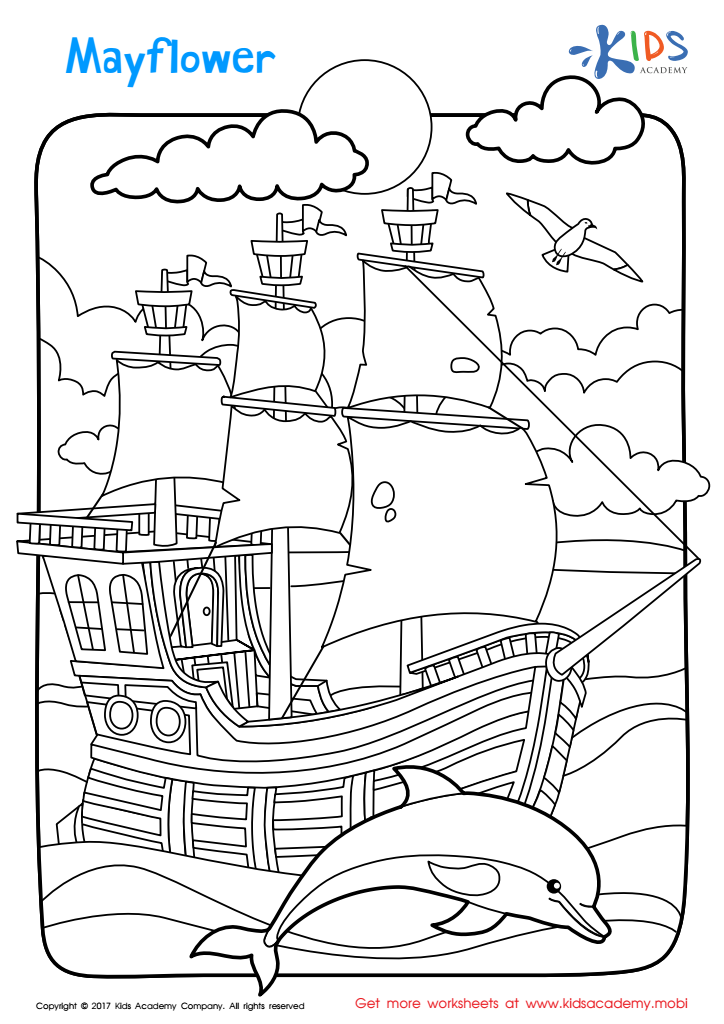
Mayflower Ship Coloring Page
Bring the Mayflower to life with a coloring page! Observe details, then discuss the ship's voyage and what it meant for America. Coloring helps us learn more about a topic in a fun way.
Download (PDF)
Assign to My Students
Assign to My Students
Mayflower Ship Coloring Page
Worksheet
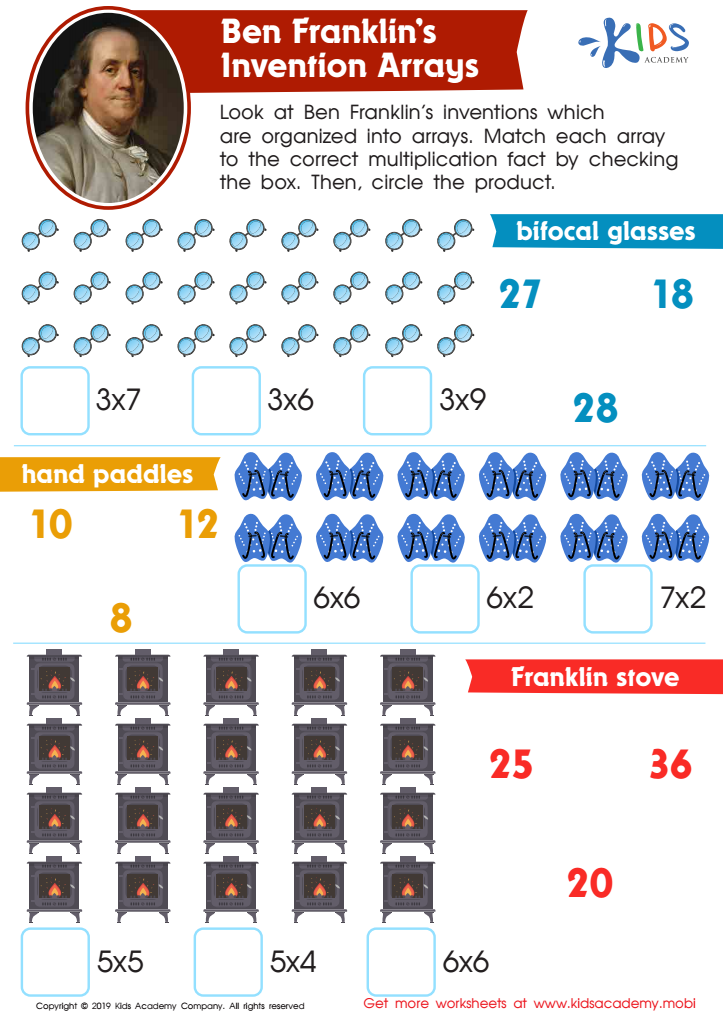
Ben Franklin’s Invention Arrays Worksheet
Have your child guess some of the inventors of the popular items we use today. For instance, the light bulb was invented by Thomas Edison. Look at Ben Franklin's inventions and help your kids match the arrays to the correct multiplication fact. Check the box and circle the product.
Ben Franklin’s Invention Arrays Worksheet
Worksheet
Join Kids Academy for Free
Who is primarily going to use this learning content?





Historical knowledge for ages 6-9 is critical in fostering well-rounded, informed individuals. At this young age, children are naturally curious and eager to learn about the world around them. Introducing them to history can help cultivate that curiosity, making learning more engaging and meaningful.
Firstly, learning history at an early age helps children understand the world they live in. By exploring past events, different cultures, and significant figures, children begin to understand how societies have evolved and how people have shaped our world. This foundational knowledge equips them with a broader perspective, making them more empathetic and aware individuals.
Secondly, early historical learning supports the development of critical thinking skills. When children hear stories about historical events, they start to question, analyze, and draw connections between causes and effects. It encourages them to think about why things happened and consider different viewpoints, fostering a deeper understanding and skepticism that are invaluable throughout life.
Furthermore, historical knowledge provides context for tradition, celebrations, and societal norms, making it easier for children to relate to and appreciate different practices and holidays. This sense of connection helps build a cohesive community and a sense of identity.
In essence, early exposure to history equips children with knowledge, critical thinking skills, and a broad cultural understanding that supports their overall development and prepares them for future learning.








