Mathematical operations Worksheets for Ages 6-9
6 filtered results
-
From - To
Discover an array of Mathematical Operations Worksheets designed specifically for children ages 6-9. These engaging and educational activities cover essential math skills, such as addition, subtraction, multiplication, and division. Our expertly crafted worksheets make learning fun, providing varied exercises that help kids build a strong foundation in mathematics. From simple sums to more challenging problems, each worksheet aims to boost your child's confidence and proficiency in math. Perfect for classroom use, homeschooling, or extra practice at home, these printables are your go-to resource for fostering a love of mathematics in young learners.
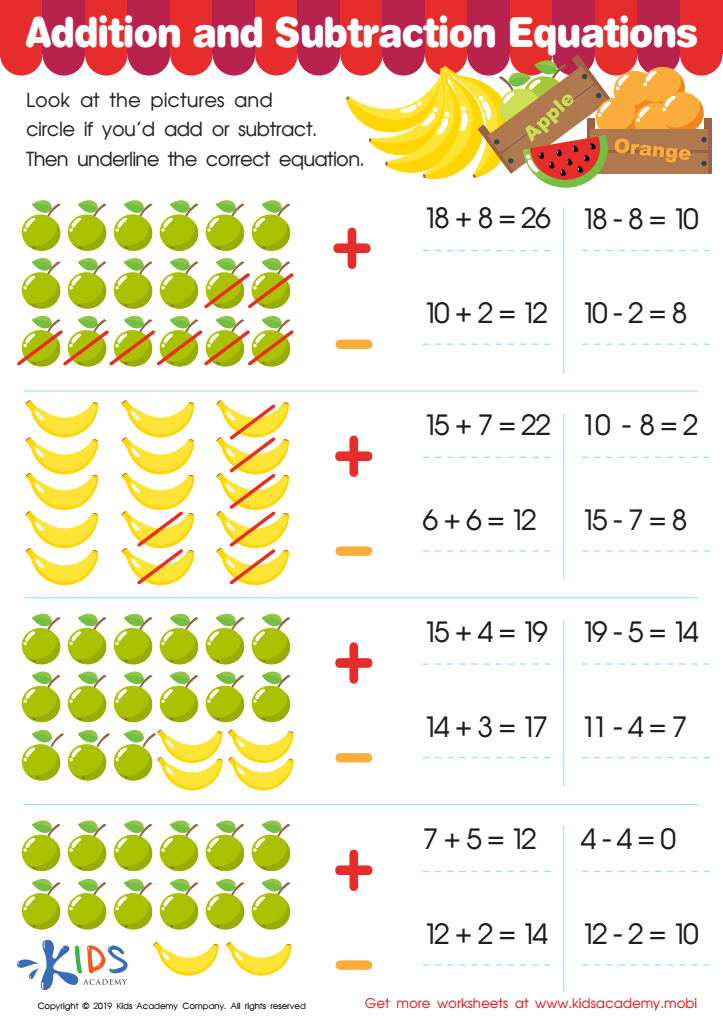
Addition and Subtraction: Equations Worksheet
 Assign to My Students
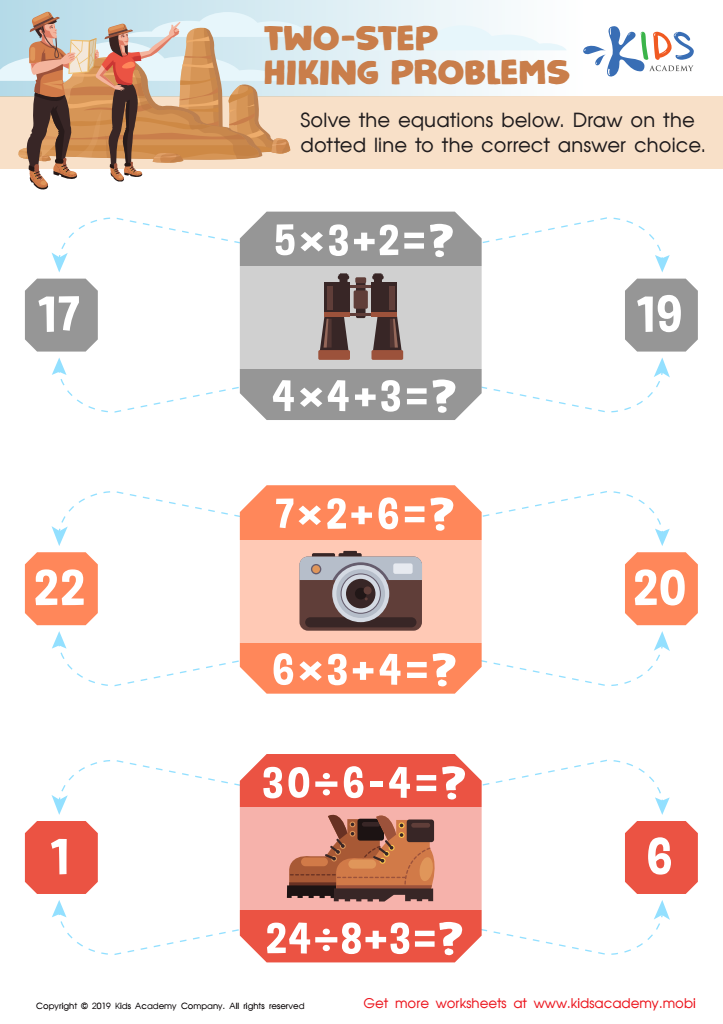
Two-Step Hiking Problems Worksheet
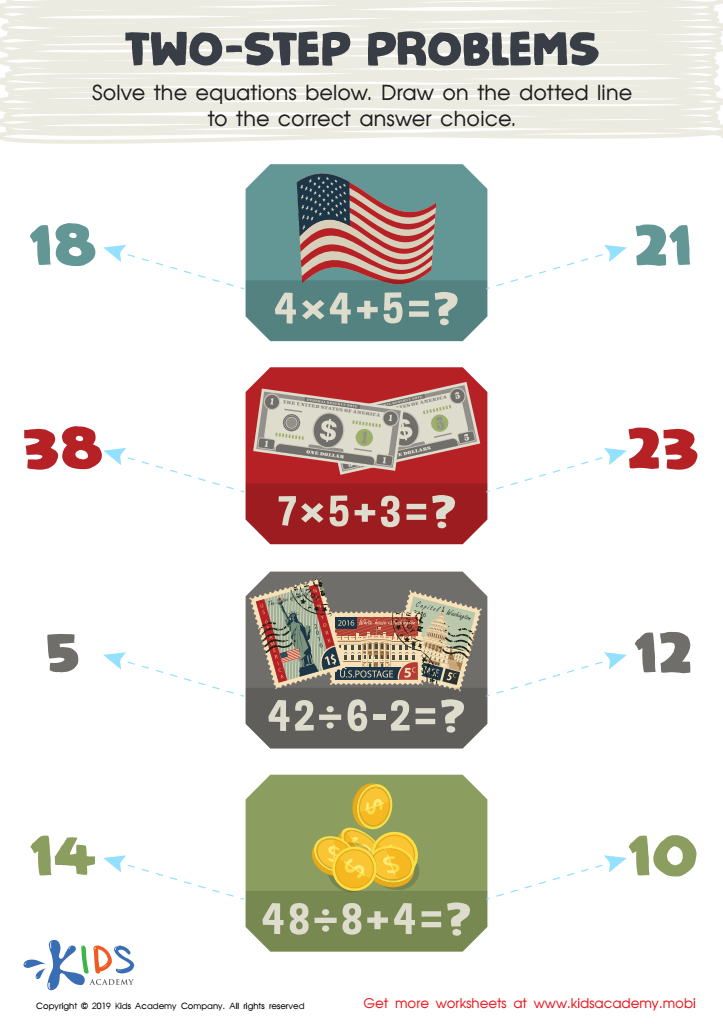
Two-Step Problems Worksheet
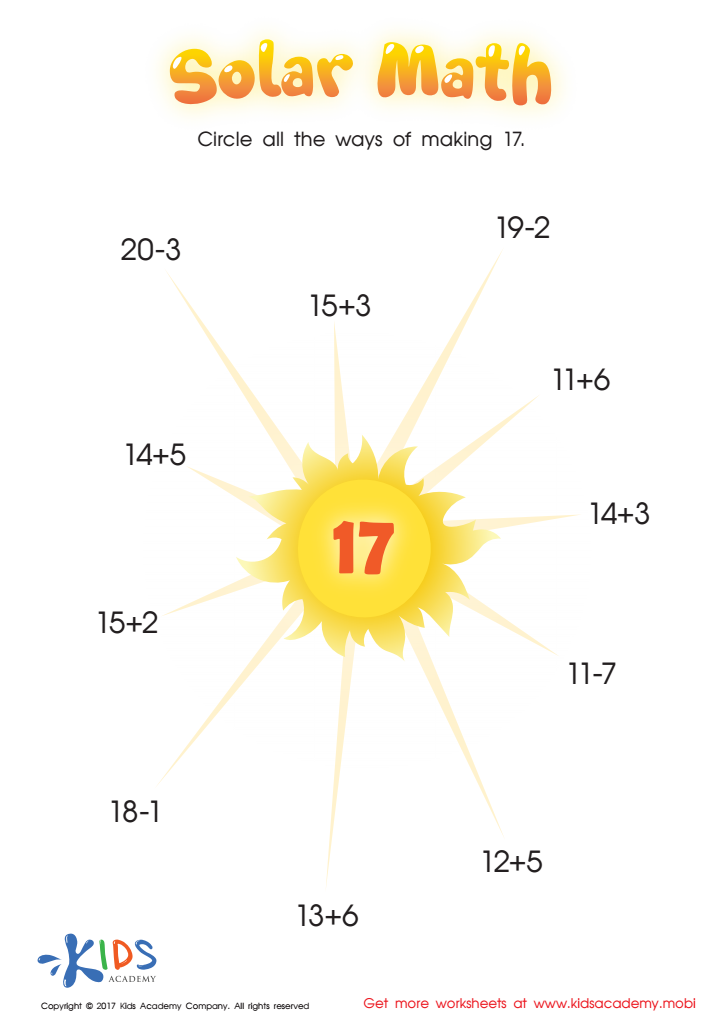
Solar Math Substraction Worksheet
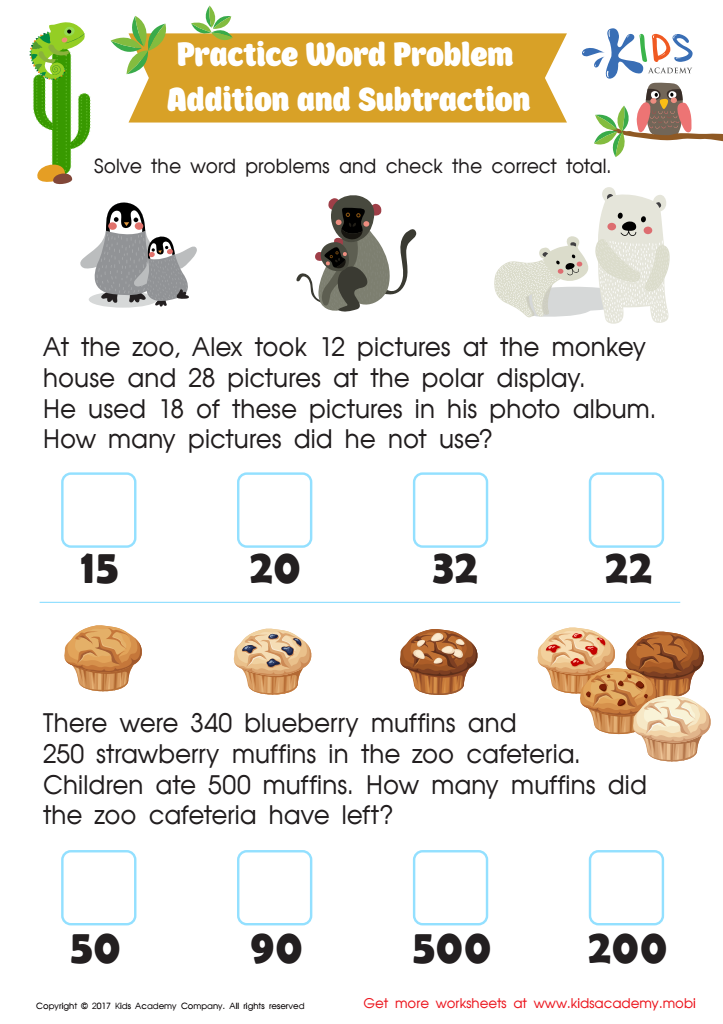
Addition and Subtraction: Word Problems Worksheet
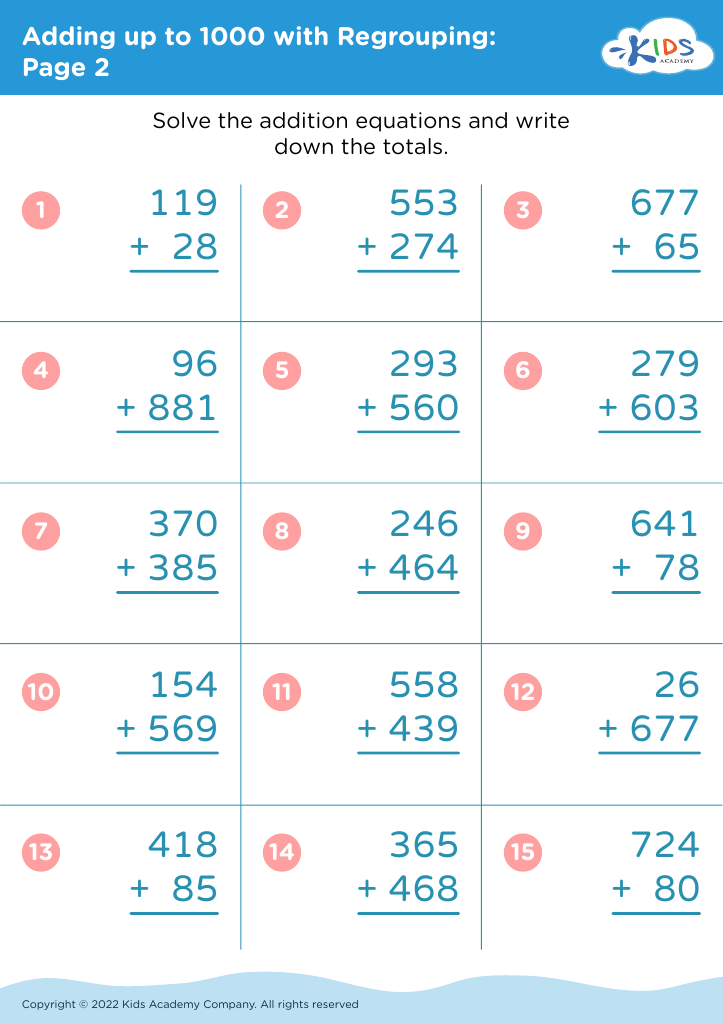








Parents and teachers should prioritize mathematical operations for children aged 6-9 because these formative years serve as a crucial foundation for developing essential life skills. Mastering basic arithmetic—addition, subtraction, multiplication, and division—enables children to solve everyday problems, make smart financial decisions, and understand various concepts in science and technology.
During this period, children’s brains are highly receptive to learning new concepts. Introducing math operations early fosters cognitive development, improving critical thinking, logical reasoning, and problem-solving abilities. A strong grasp of basic math promotes confidence, encourages a positive attitude towards learning, and reduces anxiety in tackling more complex mathematical concepts in later grades.
Mathematical competence is also deeply interwoven with other academic areas. For instance, understanding patterns, sequences, and measurements bolsters skills in literacy and art, offering a more holistic educational experience. Teaching these skills at a young age supports overall academic performance and prepares children for future educational and career opportunities.
Moreover, early math proficiency is linked to long-term academic success. Studies show children who excel in early math are more likely to achieve academic success later on. Hence, parents and teachers play a pivotal role in nurturing these skills, paving the way for well-rounded, informed individuals.








