Observational skills Worksheets for Ages 6-9 - Page 2
27 filtered results
-
From - To
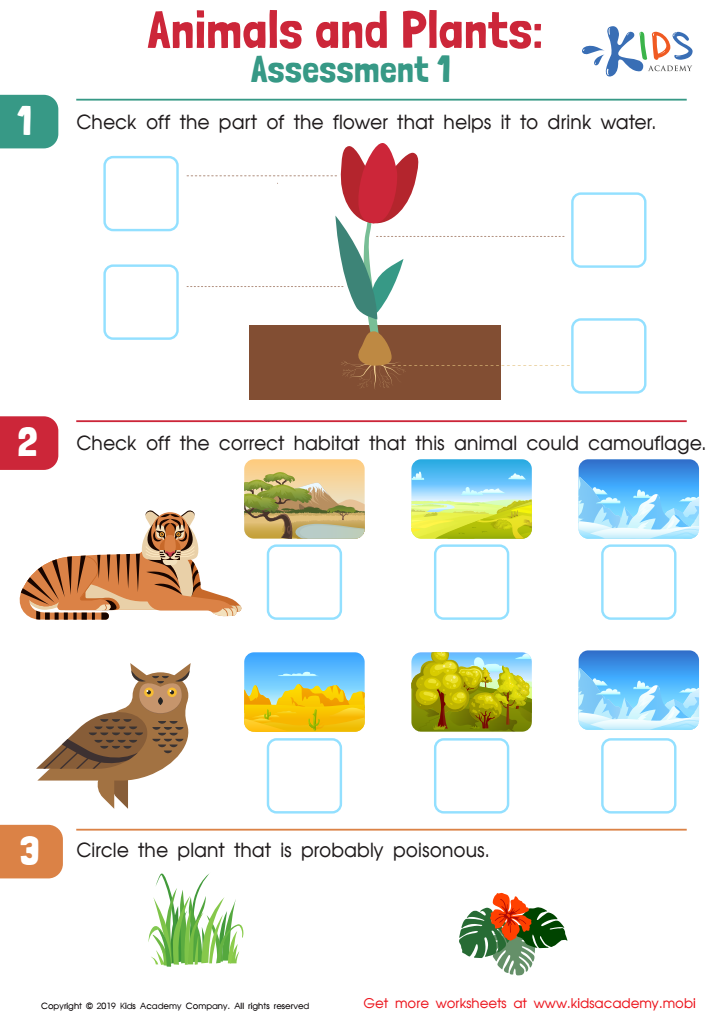
Animals and Plants: Assessment 1 Worksheet
 Assign to My Students
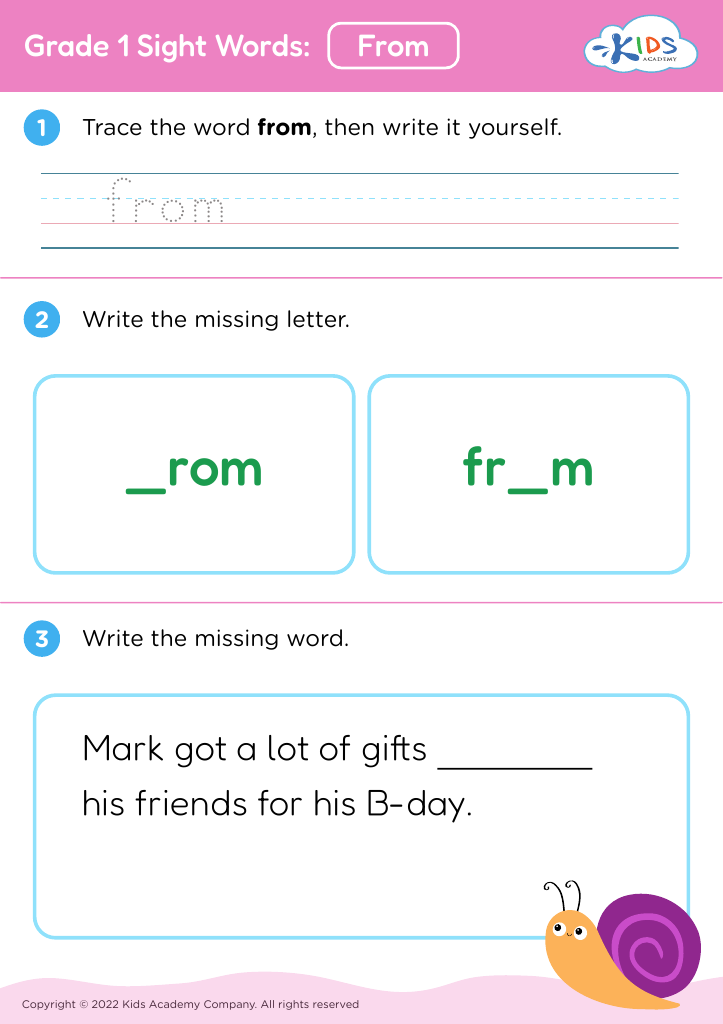
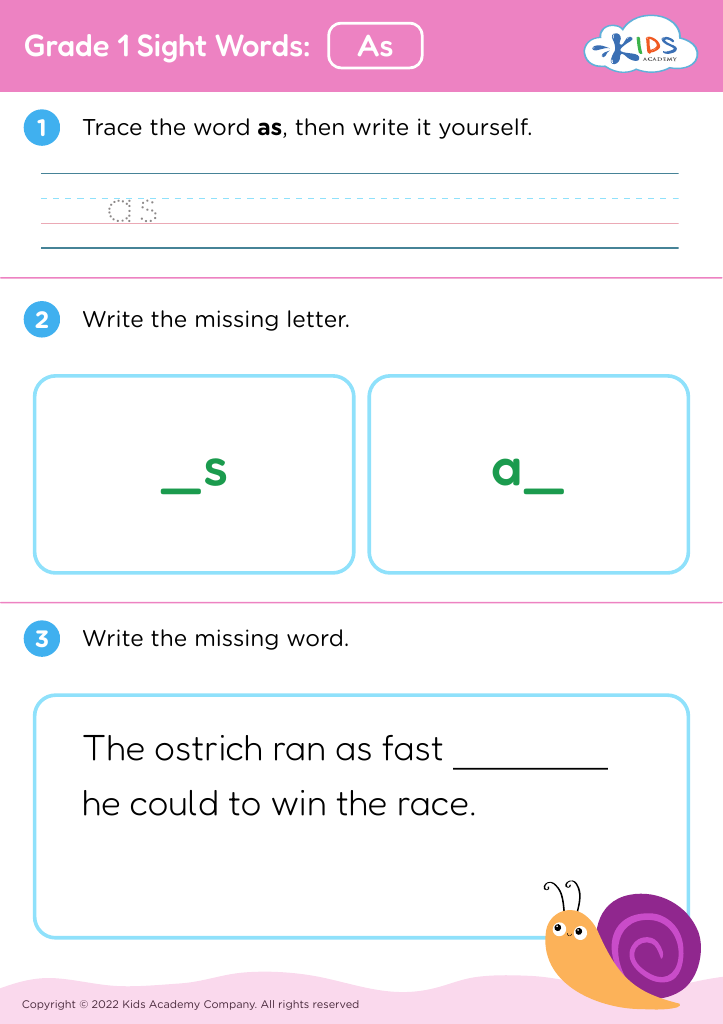








Observational skills are crucial for children aged 6-9 as they serve as a foundation for cognitive development and learning. During this stage, children are naturally curious and eager to explore their surroundings. By honing their observational skills, parents and teachers can help them make sense of the world around them, leading to enhanced critical thinking and problem-solving abilities.
For educators, fostering these skills in the classroom encourages active engagement and participation. When children learn to observe carefully, they become better equipped to analyze their environment, recognize patterns, and draw conclusions. This skill is vital not only in science and mathematics but also in reading comprehension, as they learn to interpret textual clues and contextual cues.
Parents should also value observational skills because they promote emotional intelligence. When children practice observing social interactions, they learn to empathize with others and understand diverse perspectives. This contributes to better communication and relationship-building skills.
Ultimately, by supporting the development of observational skills, both parents and teachers contribute to creating well-rounded, curious, and thoughtful individuals who are capable of navigating the complexities of life both academically and socially. Investing in these skills now lays the groundwork for lifelong learning and adaptability.








