Problem-Solving Skills Worksheets for Ages 6-9 - Page 16
368 filtered results
-
From - To
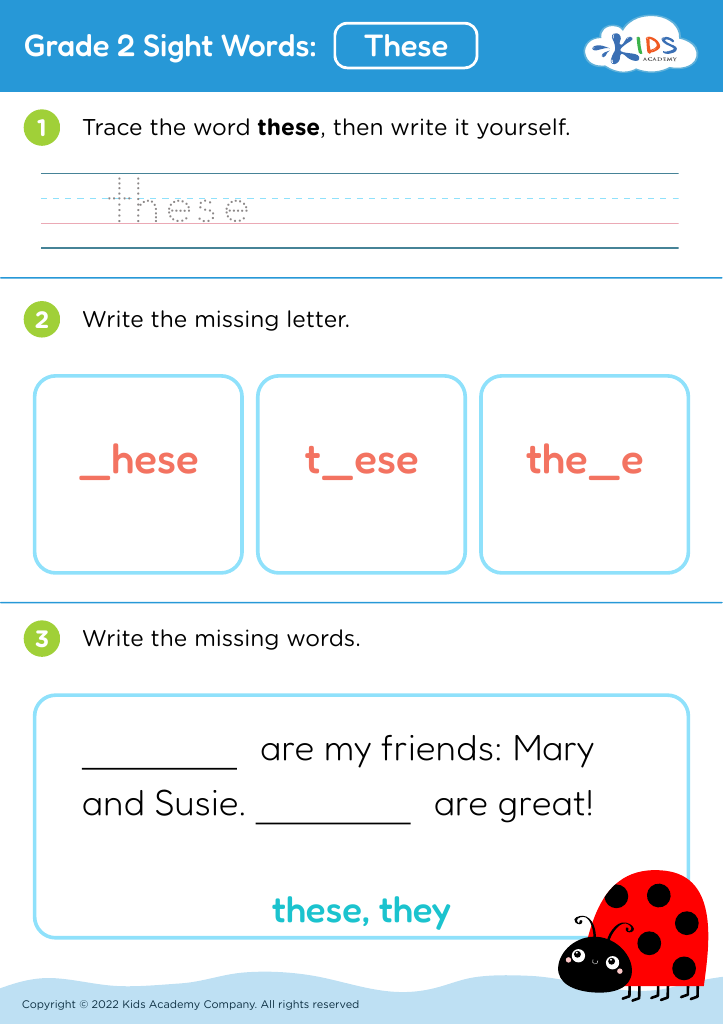
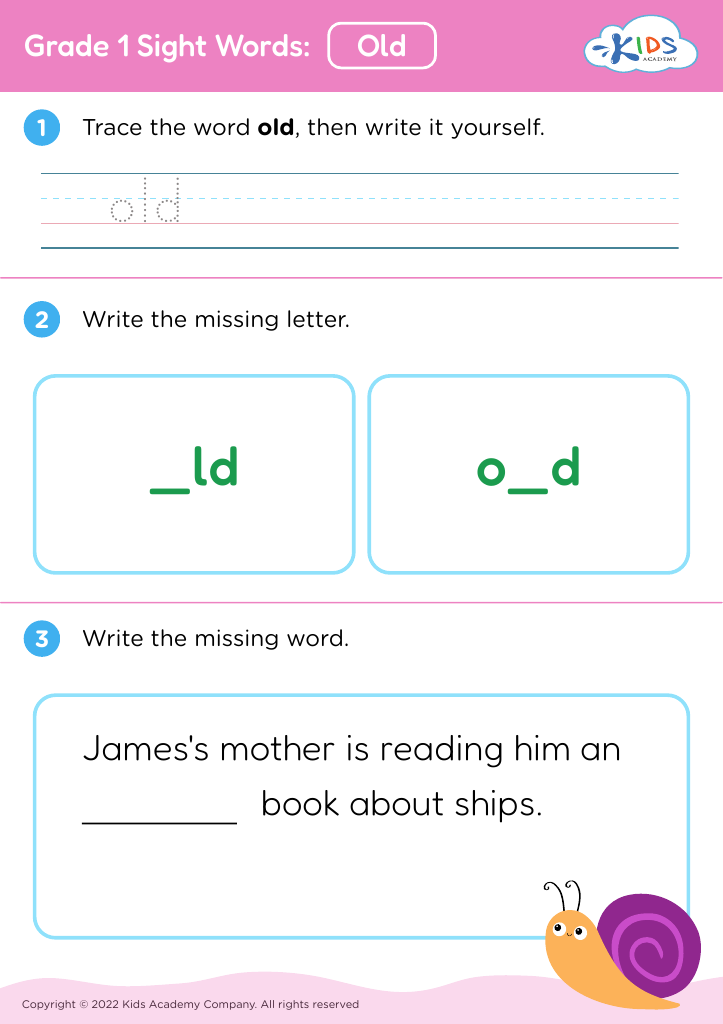
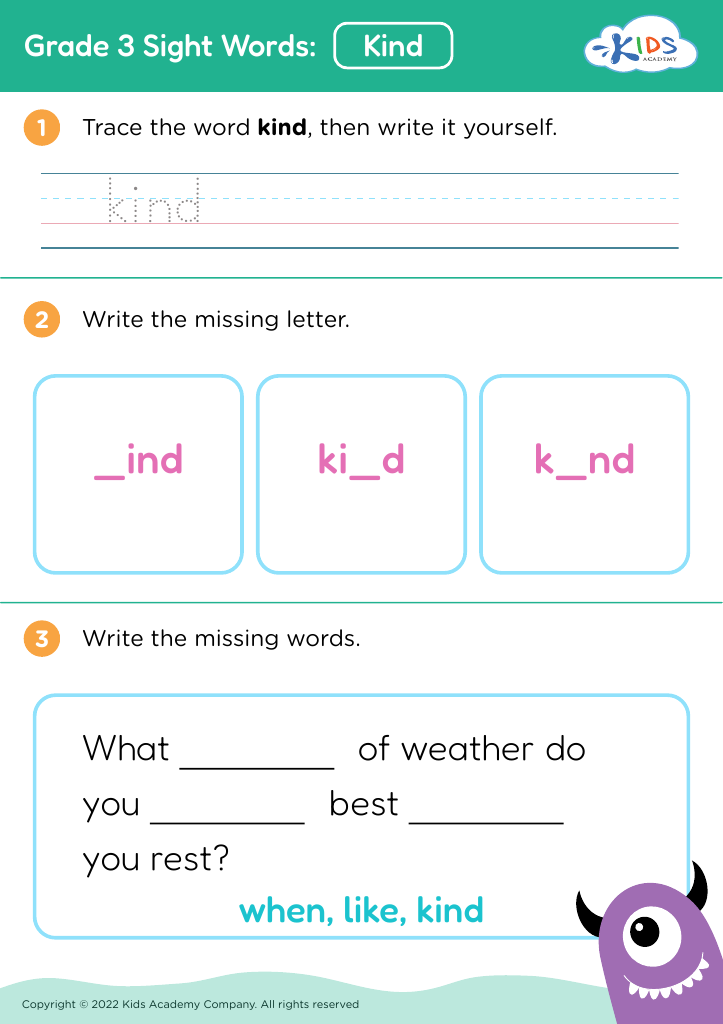
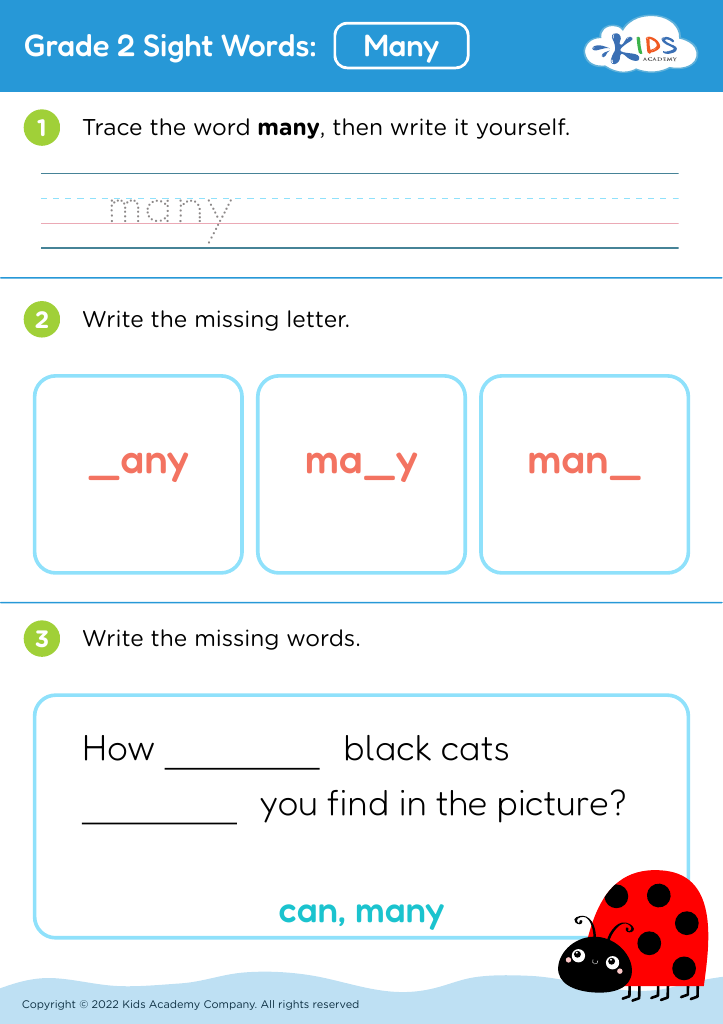








Problem-solving skills are vital for children aged 6-9, as they form the foundation for critical thinking and everyday decision-making. At this stage, children are developing cognitive abilities that allow them to approach challenges systematically. Parents and teachers should care about fostering these skills because they encourage independence, resilience, and confidence.
When children engage in problem-solving activities—such as puzzles, games, or real-life scenarios—they learn to identify issues, develop strategies, and evaluate their solutions. This process promotes perseverance as they learn that failure is often a stepping stone to success. Moreover, strong problem-solving skills enable children to navigate social situations and conflicts, enhancing their emotional intelligence and collaboration skills.
Supporting problem-solving in a safe and encouraging environment stimulates curiosity, making learning more engaging. It also helps children grasp complex concepts in subjects like math and science. Importantly, these skills lay the groundwork for future academic success and real-world adaptability. By prioritizing problem-solving, parents and teachers equip children with tools that will serve them throughout their lives, fostering not just academic achievement but holistic personal growth. Ultimately, investing time and resources in problem-solving education is an investment in a child's future.








