How to Foster Students' Life Skills Through a Supportive Classroom Environment
Aug. 17, 2026
When students walk into your classroom, it is a pivotal moment marking the beginning of their learning and development for the school year. Ensuring that the classroom is set up in an organized, easy to manage way is crucial in order to foster a supportive, beneficial classroom for students.
Elementary school students spend a large amount of time in their classrooms, compared to higher grade students who tend to move classrooms in line with their timetable. With this in mind, it is even more important that the ambience, organization and setup of the classroom allows the children to have ownership of their space.
A teacher is a guide, not an autocratic leader, and so it is important to allow students decision-making opportunities from the moment they arrive to ensure they are building skills in all aspects of their school life.
Initial Teacher Organization
During my time as an elementary school homeroom teacher in Japan, I ensured my classroom was set up in an organized way before the students even arrived. Walking into a classroom that is organized, clearly laid out, as well as sharing the expected way of doing things on day one with the children, provides a tangible routine.
Children need routine and clear boundaries as it helps them to feel safe and comfortable. Your classroom needs to be practical for young children, otherwise things can easily descend into chaos and confusion.
A study by the Australian Education Research Organisation, called Effectively Managing Classrooms to Create Safe and Supportive Learning Environments explores the importance of establishing and maintaining high expectations, routines and rules in the classroom to ensure safe and supportive spaces for youngsters. The study states that:
“Effective classroom management is one of the keys to help(ing) to establish a positive learning environment, (as it) improves teacher preparation for classroom instruction, increases instruction time, fosters positive relationships between teachers and students, and improves student achievement.”

Accessible Timetable Display
To achieve this supportive setup in my classroom, I ensured items were well labelled and positioned in visible places throughout. Displaying the daily timetable or schedule clearly allows students to know exactly what they will be doing, at what time, on any given day. As all teachers know, students continuously ask what they are going to be doing next, as they are curious and want to feel comforted in the knowledge of what their next few hours will look like.
I placed a weekly timetable on the board at the front of the classroom, alongside a large daily timetable with time slots for each period, recess, assemblies and lunchtime. Next to this was a container holding magnetised lesson labels which could be stuck and removed on the large daily timetable.
On the opposite side of the whiteboard, at the top, I added an accessible timetable which denoted activities and lessons using images and cartoons. This ensured that those who may not understand the written timetable on the left of the board, could look at the images on the right and remain included. This ensured children with neurodivergence, those with additional needs, and those who had lower English ability (as I was teaching children whose second language was English) were following.
Effective Labelling and Placement
Effective labelling and signage within the classroom sounds is massively important when it comes to classroom management, as it builds a sense of organization, and flow in the day to day running of the classroom.
Make sure to have labels displayed throughout the classroom, signalling where students should place their textbooks, files, PE kits, lunch items (in Japan students serve their own lunch every day and so need to have a mask, bandana and apron) and any other necessary articles. Clear signs, with an easy to read font, situated around the classrooms, allow students to easily understand where they need to place their items.
Of course, at the start of the year the teacher should introduce classroom layout to the students, and show them how to organize their items. Children need ongoing reminders, but as the year continues I have found that my second and third grade students are able to come into the classroom and organize all of their items before homeroom, by themselves. This helps them develop a sense of responsibility and sense of achievement from knowing how to organize themselves on a daily basis. These skills are invaluable when it comes to adult life and functioning in professional and personal situations.
In and Out Tray
Implementing an In and Out Tray system in the classroom, is another effective way to manage the flow of work in the class. An In Tray is the place where students place work to be marked, whether this is homework or work completed in lesson time, and the Out Tray is where marked work is placed, to be collected and filed by students.
To improve the seamlessness of this process I provided each child with a clear plastic file with their name on, which I would file all of their marked work in once I had reviewed it. This ensured that the trays weren’t filled with piles of unrecognizable papers.
I told the children it was their responsibility to check the Out Tray every day, and to file their work in the appropriate files for each subject. Again, this helps build organization and accountability through small,consistent action.
Classroom Guidelines
According to Positive Discipline, a classroom management framework created by Dr. Jane Nelson, establishing class guidelines is key to helping children develop “ownership, motivation, and enthusiasm” through including them in classroom decisions.
I trained as a Certified Positive Discipline Classroom Educator with the Positive Discipline Association, and worked to include their strategies into my homeroom to support the development of students' life skills. Ultimately as teachers we are tasked with educating our students to be active, well equipped members of society. Therefore, alongside ensuring they meet educational milestones, we must help build their resilience, impart a growth mindset, and help them to develop a healthy connection to themselves so they can live in the world in a positive way.
On the first day of the school year, you can discuss with your class what they would like their class environment to be like. Children may say they want it to be fun, interesting, kind, exciting, safe. From this discussion you can invite them to help make class rules and list them on a chart in the classroom. This is a powerful class management tool as they have decided (with your guidance) what the class guidelines are, therefore if these aren’t being followed the rules can be referred back to. They serve as a way to observe and manage student behaviour in line with their own desires for their classroom. These guidelines help children think of their classmates and teachers as a group, and to develop a collective, community minded attitude.
Decorate the Space
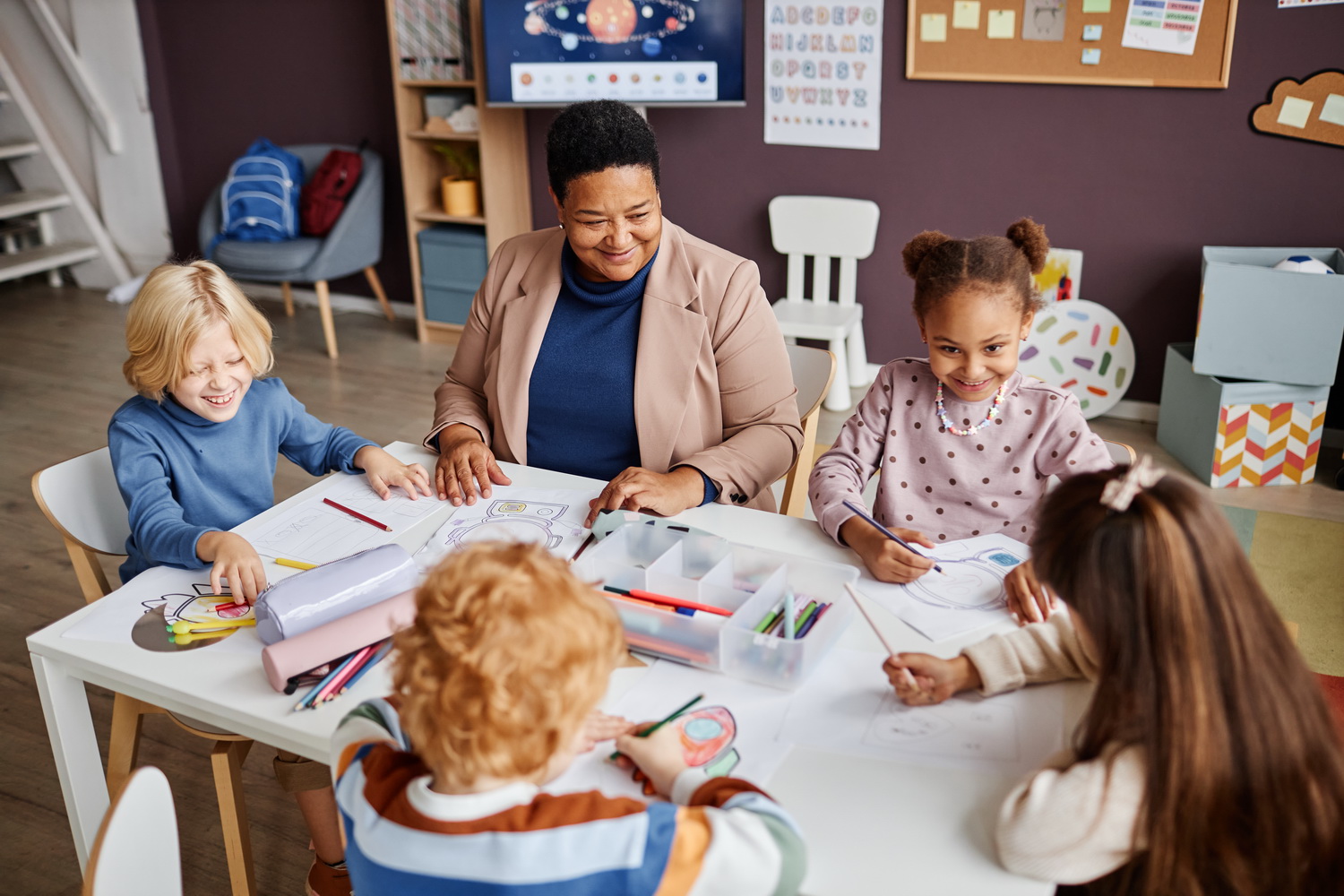
Another way to help students feel at home and proud of their classroom, is to offer opportunities for them to decorate the class with their own work. You could decide a class theme such as nature, space, transport or fashion and spend time at the start of the school year having the children create crafts, drawings, lettering and designs to adorn the classroom.
You can also have discussions throughout the year about how to decorate the classroom for Christmas, Halloween, Easter, seasons, school events like sports day, big sporting events like The Olympics and so on. There are endless opportunities for children to be creative and practice sharing their ideas as a team, to make their class interesting and exciting.
Displaying project work that students have done in class is another way to create a bright, colorful space that aids the creation of a supportive classroom space.
Class Meetings - Building Cooperation and Mutual Respect
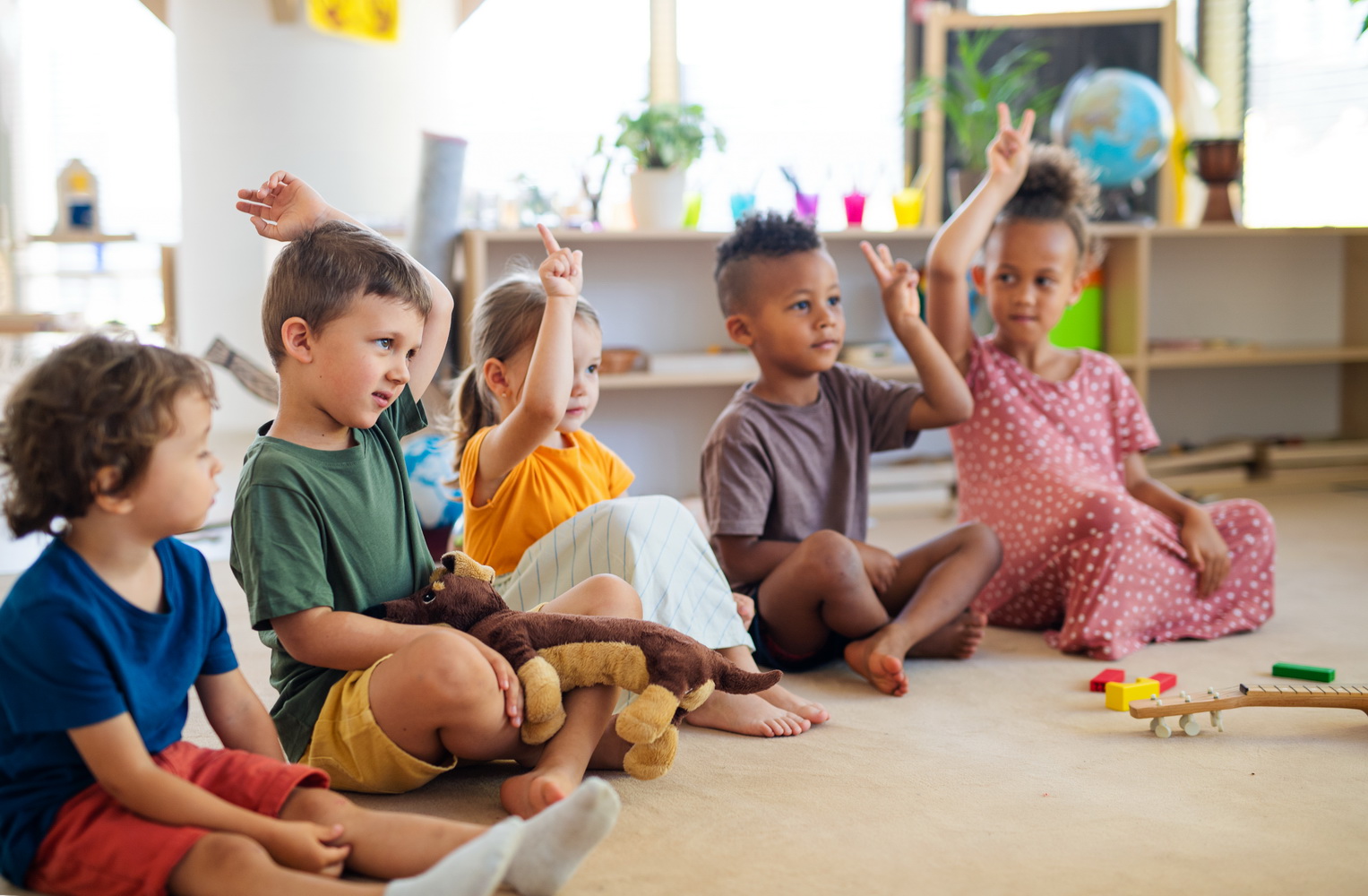
Class meetings are a further way to build cooperation and respect in your classroom. Weekly class meetings are a space where teachers and students gather to discuss ways to make their class a better place. If there have been issues in the week, such as items getting lost regularly, the class meeting is the place to discuss how to better look after things. You can have a child act as the scribe and take minutes, allow children to speak in turn (by holding a speaking item) and discuss possible solutions to their problems.
By gathering as a class and allowing children to think of their own solutions, guided by the teacher, the students have an opportunity to problem solve, be creative, and also learn accountability as they understand that their actions can affect their classmates.

Building Accountability - Class Duties
Alongside consistent class meetings, another way to develop accountability and responsibility is by assigning class duties. Create different roles such as paper passer, textbook collector, lunch helper, sweeper, whiteboard cleaner, class leader/teacher’s helper, and others. Decide with the children each week what their role is going to be and discuss what responsibilities each job role entails.
Change these on a weekly basis so that everyone gets a turn at different things. Students love the chance to be in charge of something and it makes them an active member of the day to day running of their classroom. Roles and responsibilities will obviously vary and change depending on the age of your students. Ensure they are age appropriate.
In my experience, students can really grow to embrace their roles and it helps to create a more community minded atmosphere in the classroom.
Fostering Life Skills Every Day
There are so many ways to foster children’s life skills through the way your classroom is organized and managed. The suggestions above offer a plethora of ways to support children to develop accountability, responsibility, cooperation, empathy, communication skills, teamwork, independence and decision making.