Sequence Understanding Worksheets for Ages 6-9
6 filtered results
-
From - To
Boost your child's comprehension skills with our Sequence Understanding Worksheets for Ages 6-9! These engaging and educational printables from Kids Academy are designed to enhance logical thinking, reasoning, and comprehension through fun and interactive activities. Perfectly tailored for young learners, our worksheets cover various scenarios from everyday life, encouraging children to arrange events in the correct order. Aid your child in mastering sequencing skills necessary for reading, math, and following directions. Explore a wide range of colorful and captivating worksheets today and set the foundation for academic success with Kids Academy's expertly crafted learning tools!
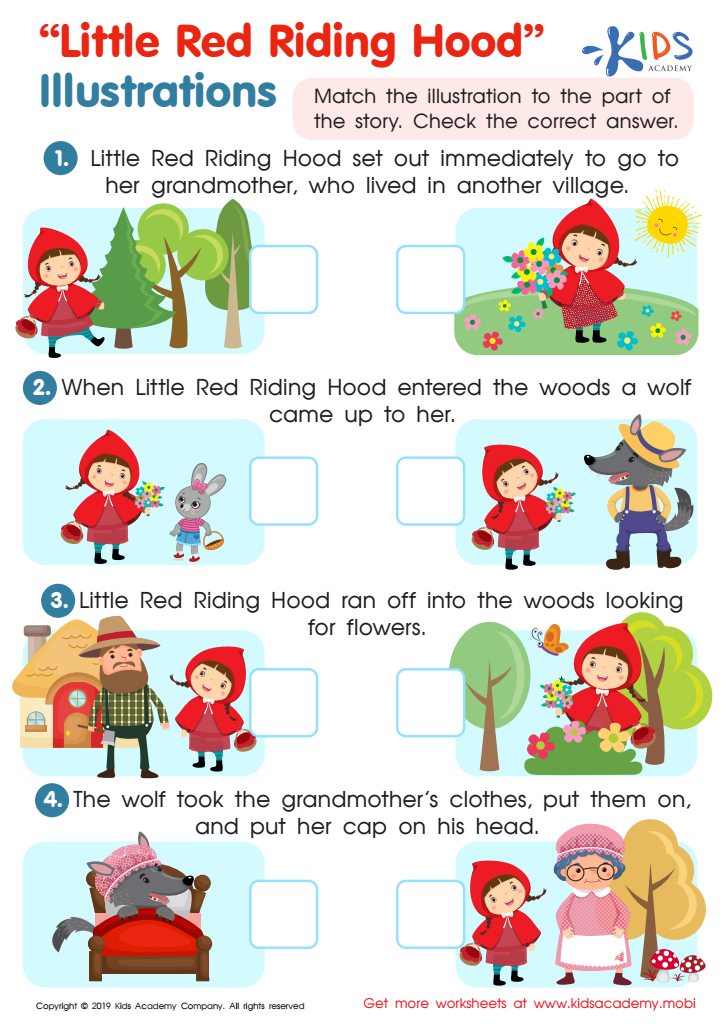
Little Red Riding Hood: Illustrations Worksheet
 Assign to My Students
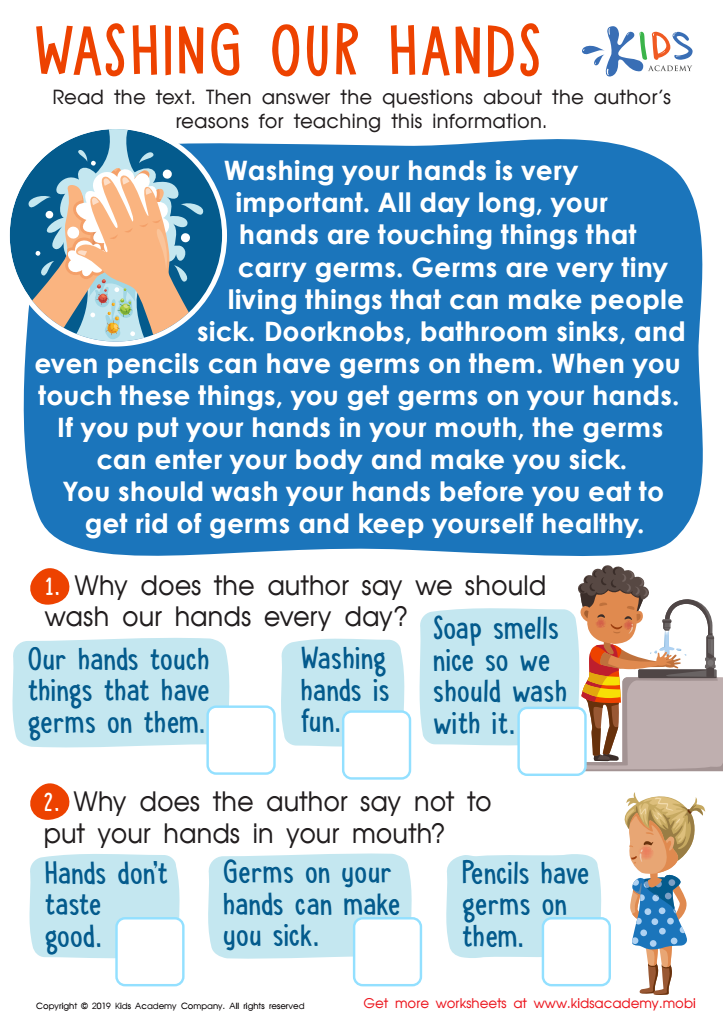
Washing Our Hands Worksheet
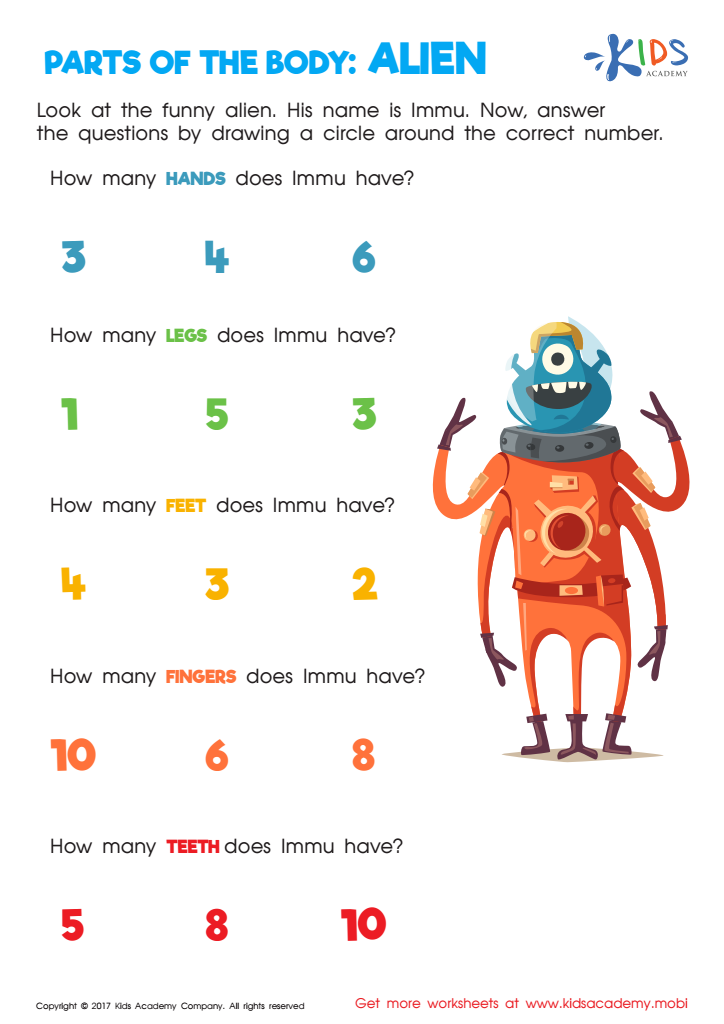
Alien Worksheet
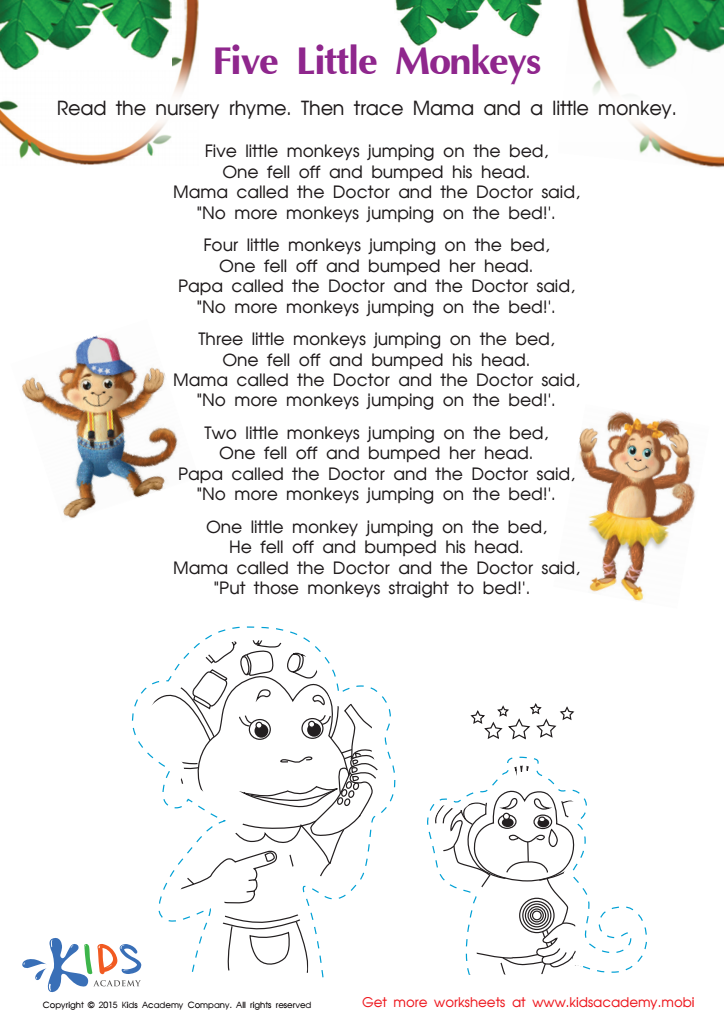
The Five Little Monkeys Nursery Rhyme Worksheet
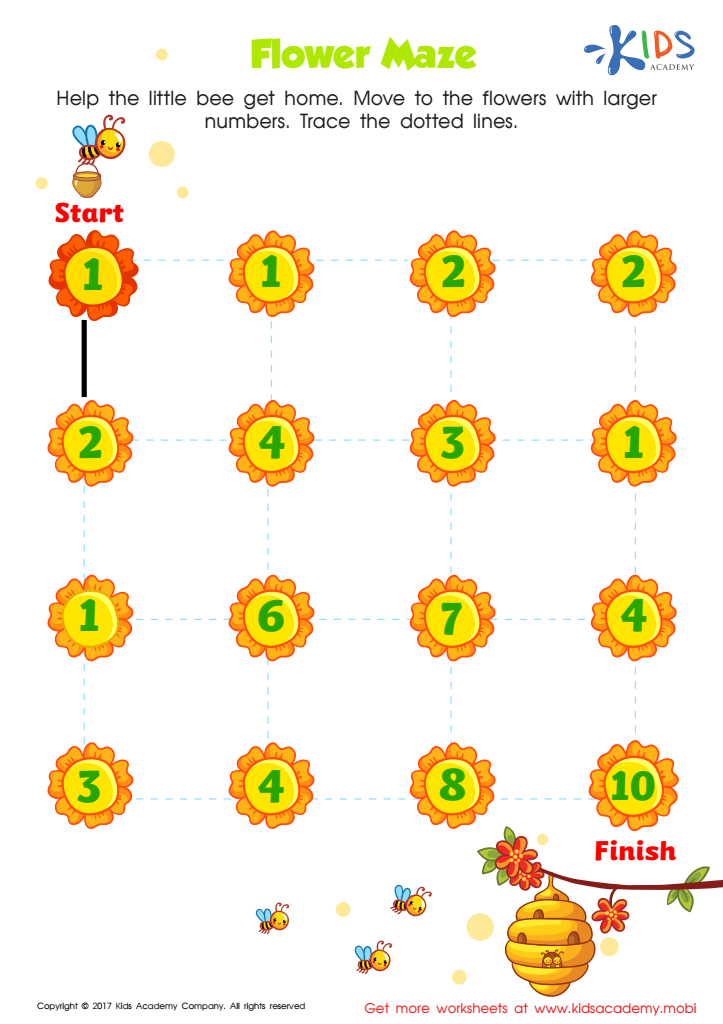
Number Maze For Kindergarten Printable
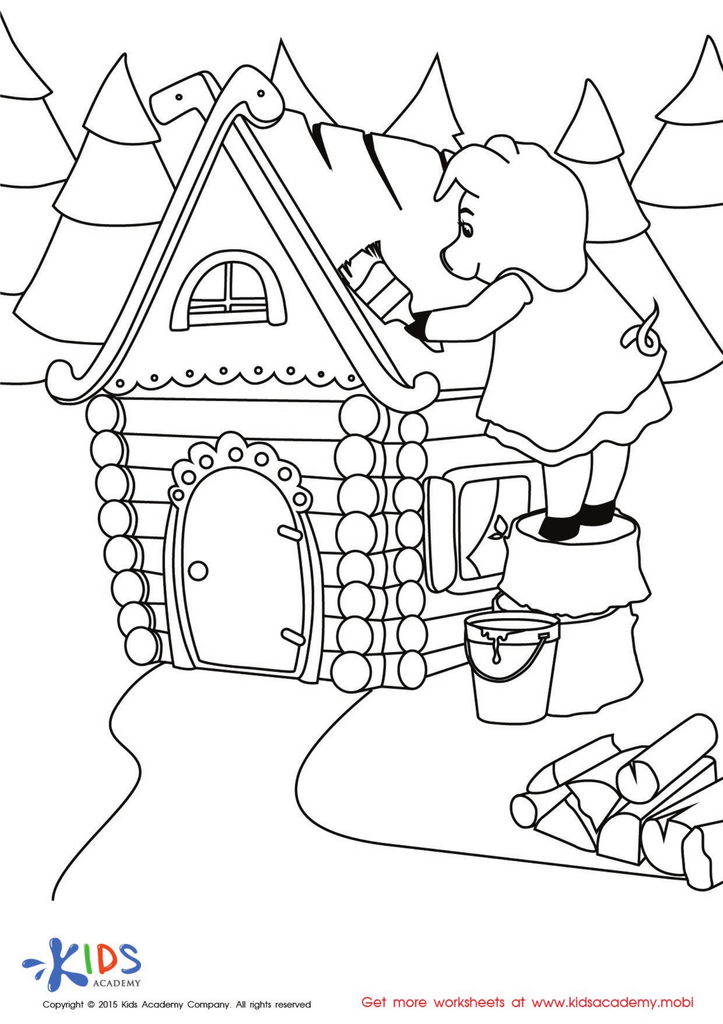
The Three Little Pigs Worksheet







Sequence understanding is a foundational skill for children ages 6-9 that plays a significant role in their cognitive and academic development. Parents and teachers should care about fostering this skill for several reasons.
First, sequence understanding helps children grasp the order of events, an essential aspect of language development. When kids understand sequences, they can better organize their thoughts, which enhances reading comprehension and storytelling. This skill becomes particularly important in the early grades as students begin to read more complex texts and write structured narratives.
Secondly, sequence understanding is crucial for problem-solving and mathematical reasoning. Many math concepts, including arithmetic operations and pattern recognition, require a firm grasp of sequences. For example, when children learn to count, add, and subtract, they rely on the ability to understand the order of numbers.
Moreover, mastering sequences in everyday activities fosters independence and time management. Sequencing skills allow kids to follow multi-step instructions, plan tasks, and appreciate the concepts of cause and effect.
Lastly, sequence understanding supports social development. It helps children understand social cues and predict others' behavior, thereby improving interaction and empathy.
Investing time in activities that enhance sequencing skills can thus provide children with a well-rounded foundation for both academic success and daily life.








