Sound recognition Worksheets for Ages 6-9
16 filtered results
-
From - To
Welcome to our engaging Sound Recognition Worksheets designed for children aged 6-9! These interactive resources aim to enhance auditory skills through fun and educational activities. Perfect for early learners, our worksheets help kids identify and differentiate between sounds using various exercises and games that promote active learning. From matching sounds to recognizing them in context, these worksheets make sound recognition enjoyable and effective. Ideal for classroom use or at-home learning, they encourage critical thinking and improve phonemic awareness, setting a foundation for strong literacy skills. Explore our diverse collection and watch your child's confidence and abilities soar!
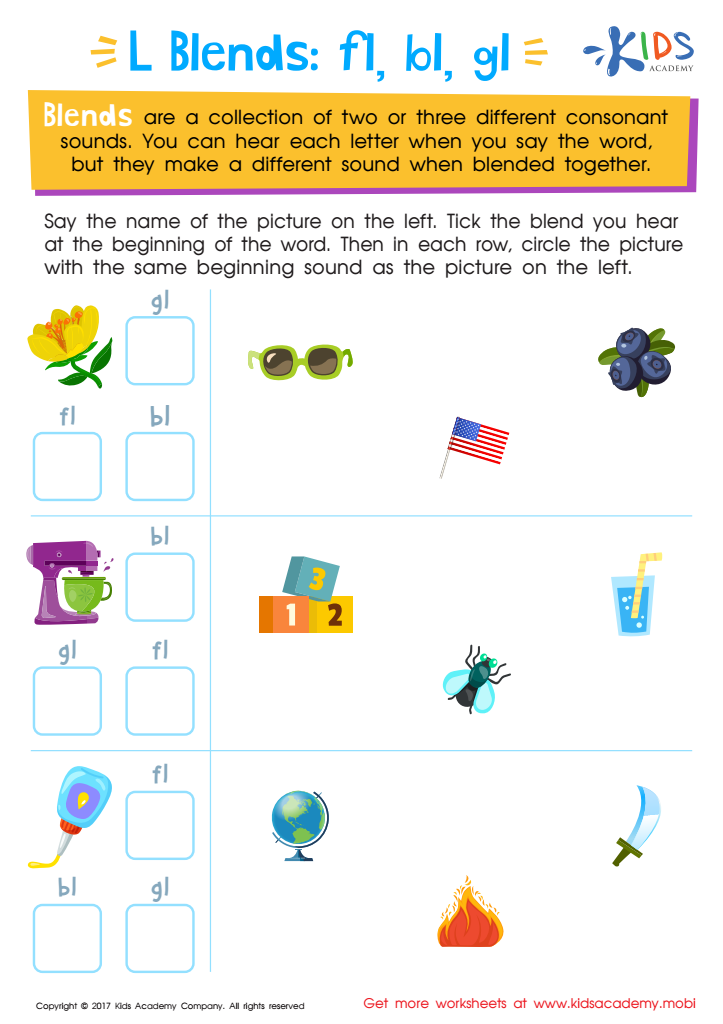
Blending Consonants: "Fl", "Bl" and "Gl" Printable
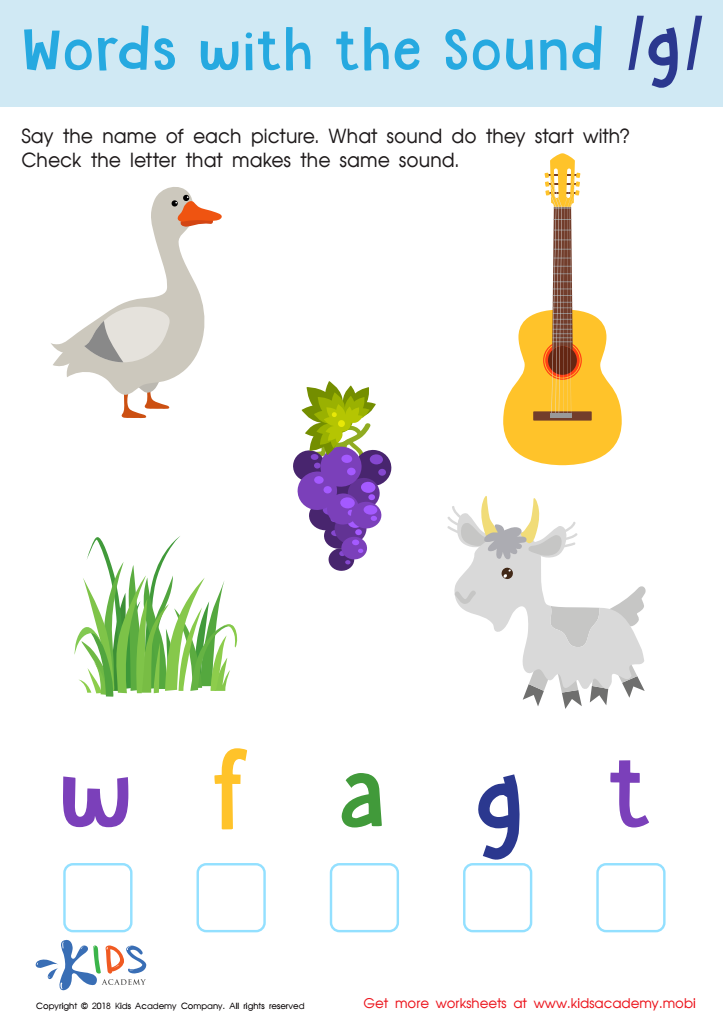
Words with sound g Reading Worksheet
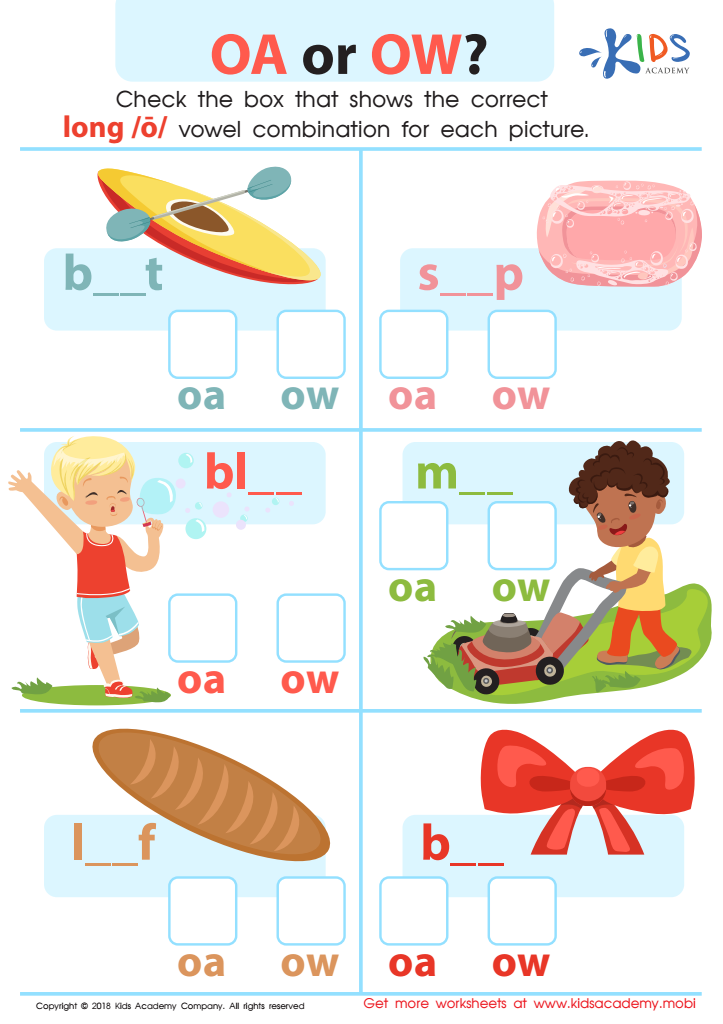
Reading: OA or OW Worksheet
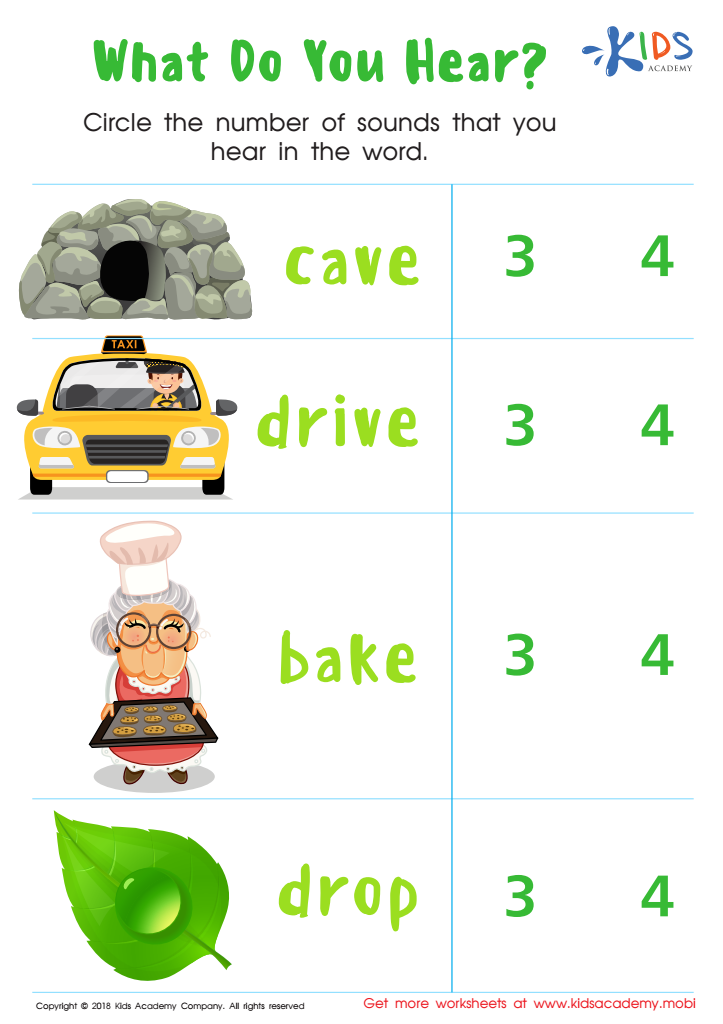
What Do You Hear? Worksheet
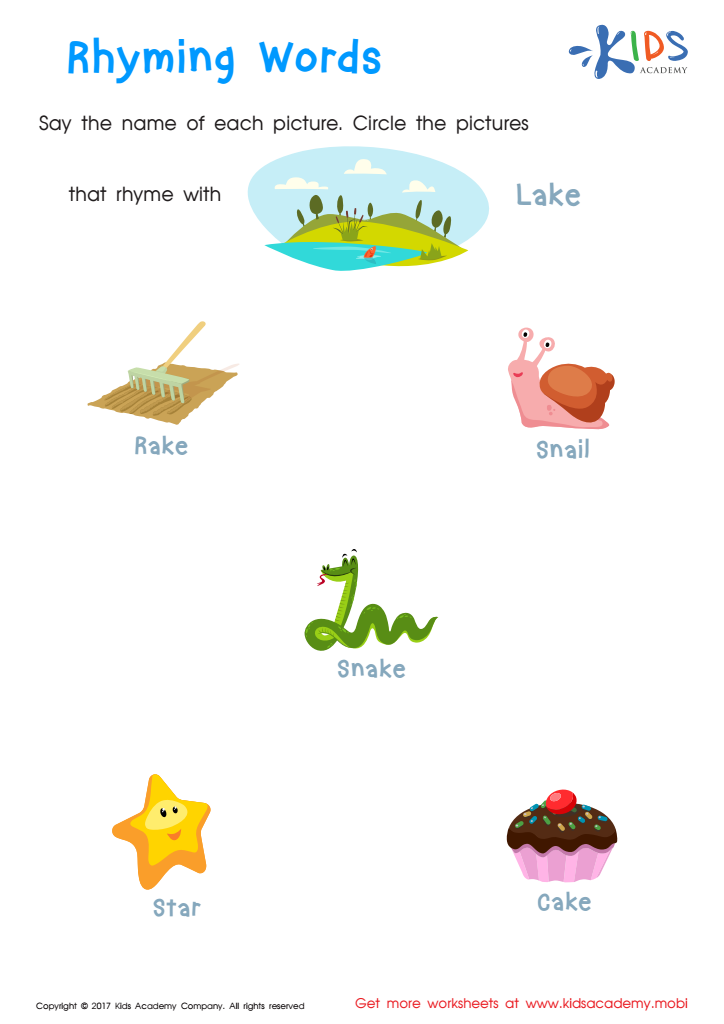
Rhyming Words Rhyming Worksheet
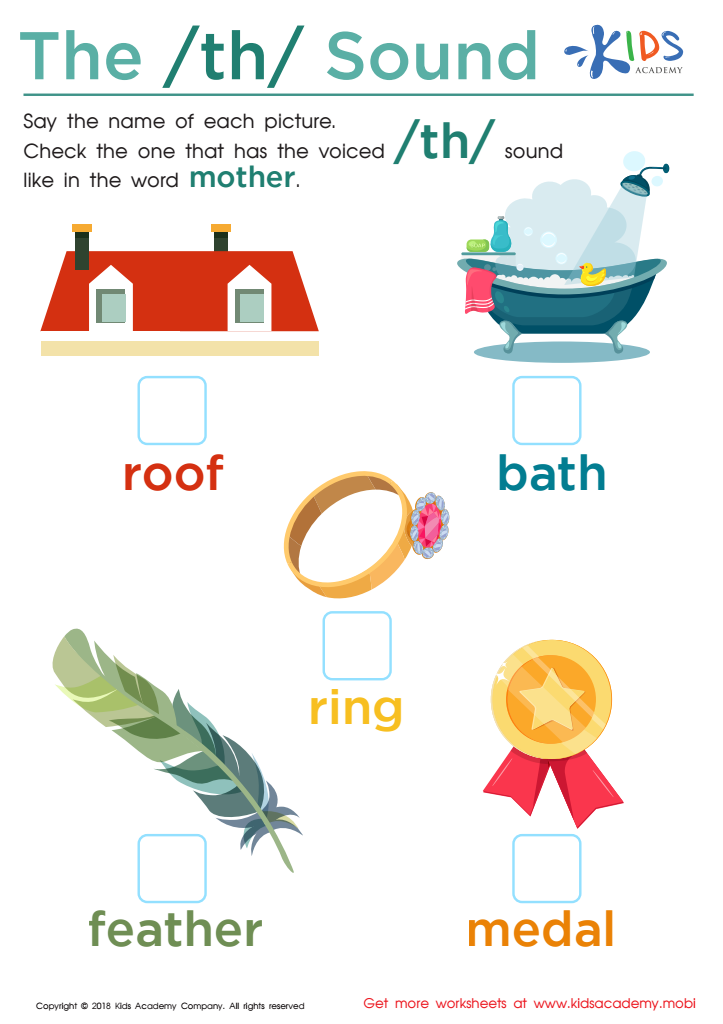
The /th/ Sound Worksheet
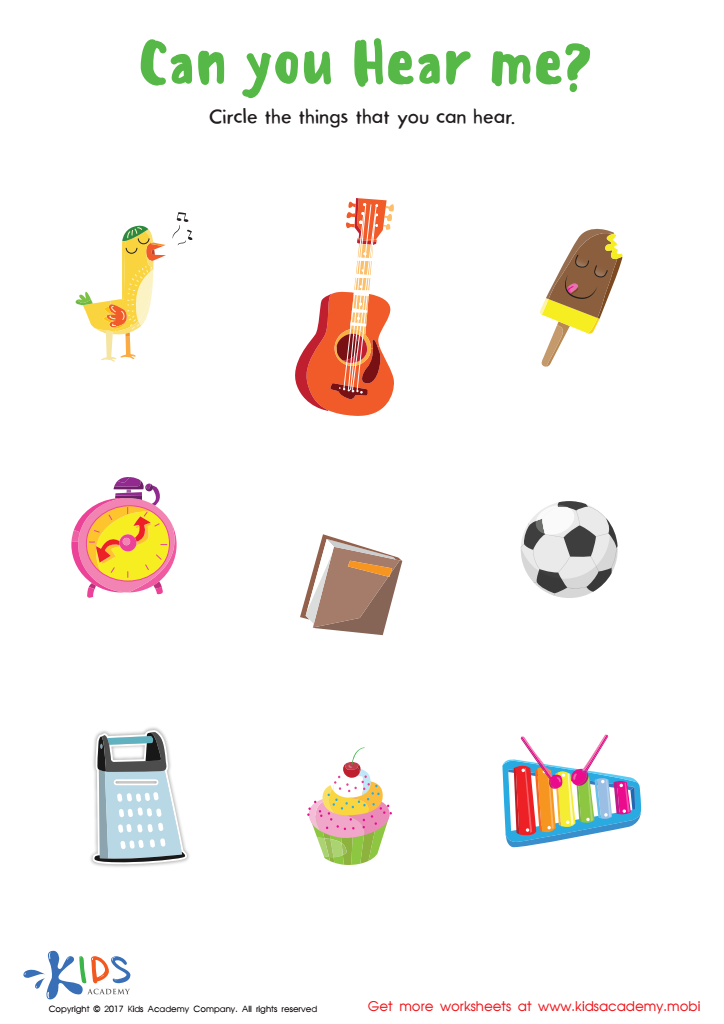
Can You Hear Me Worksheet
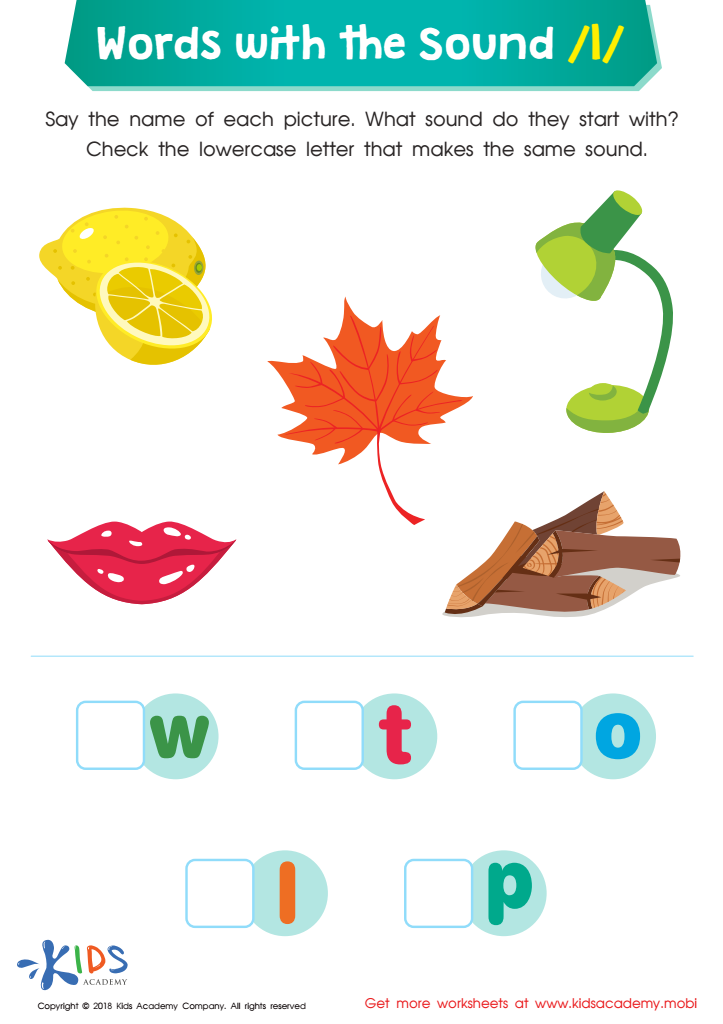
Words with Sound L Reading Worksheet
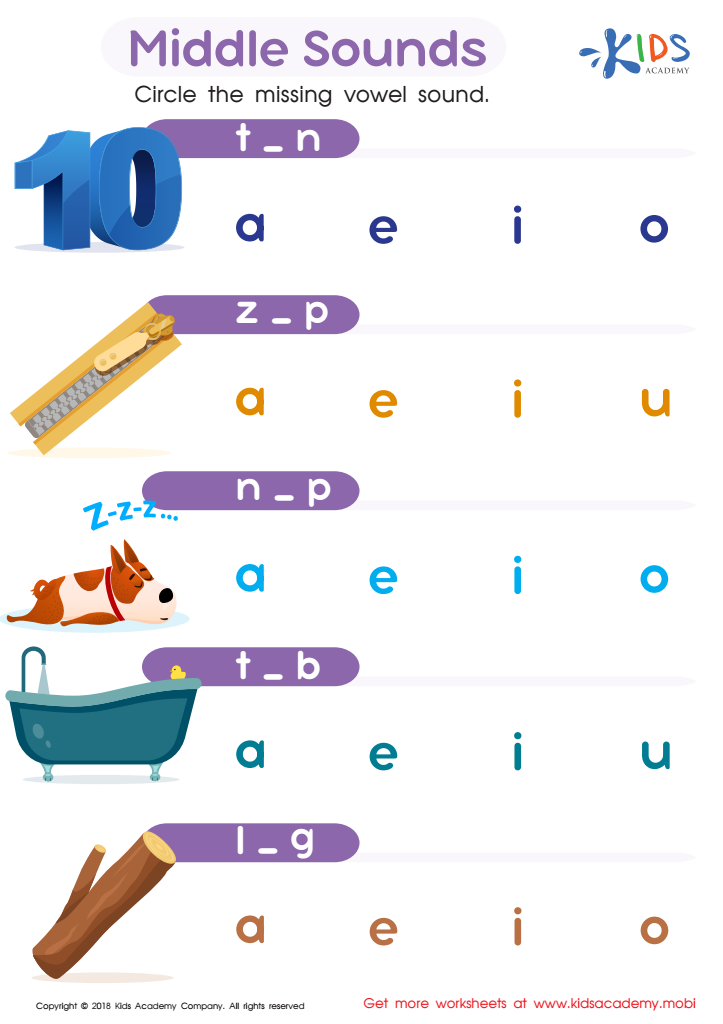
Middle Sounds Worksheet

Long and Short U Worksheet
 Assign to My Students
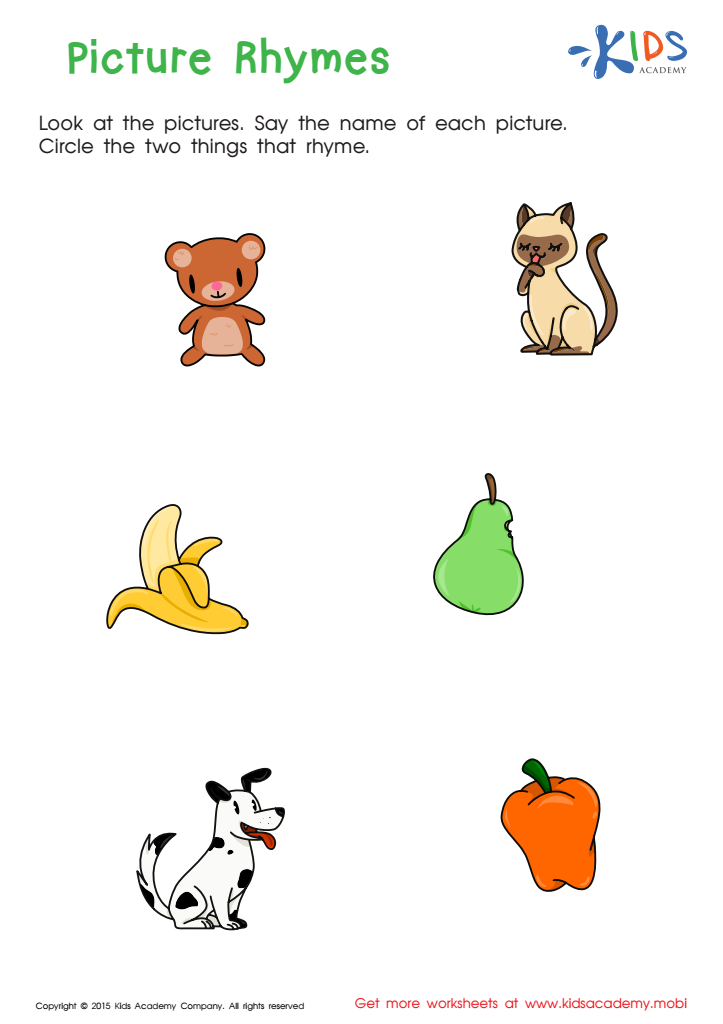
First Words: Picture Rhymes Worksheet
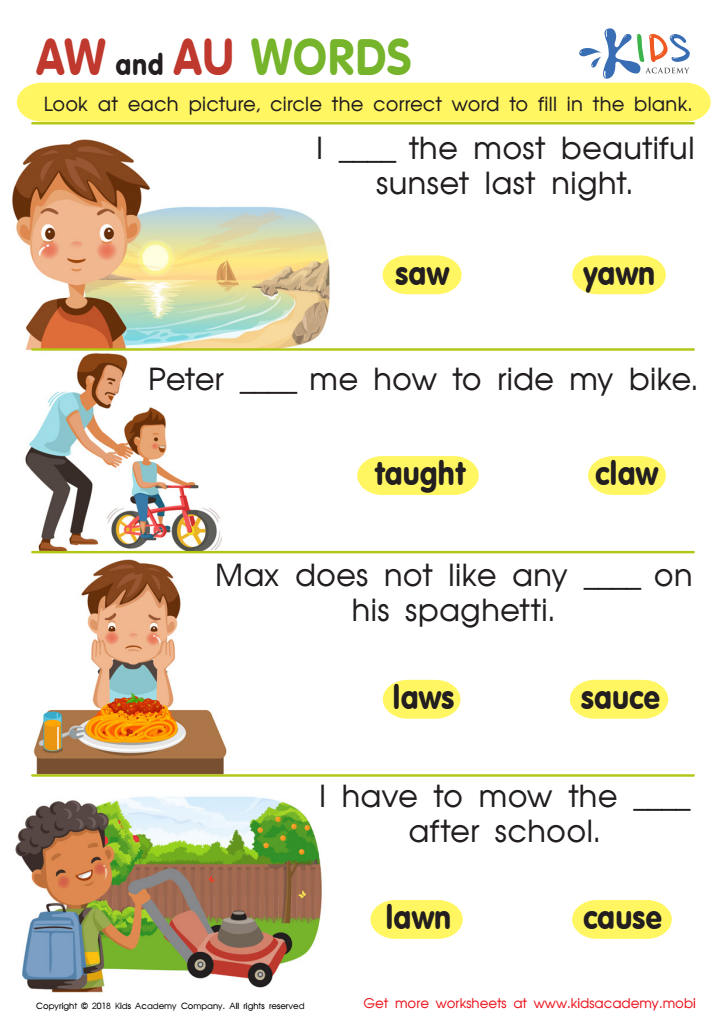
Reading: AW and AU Words Worksheet
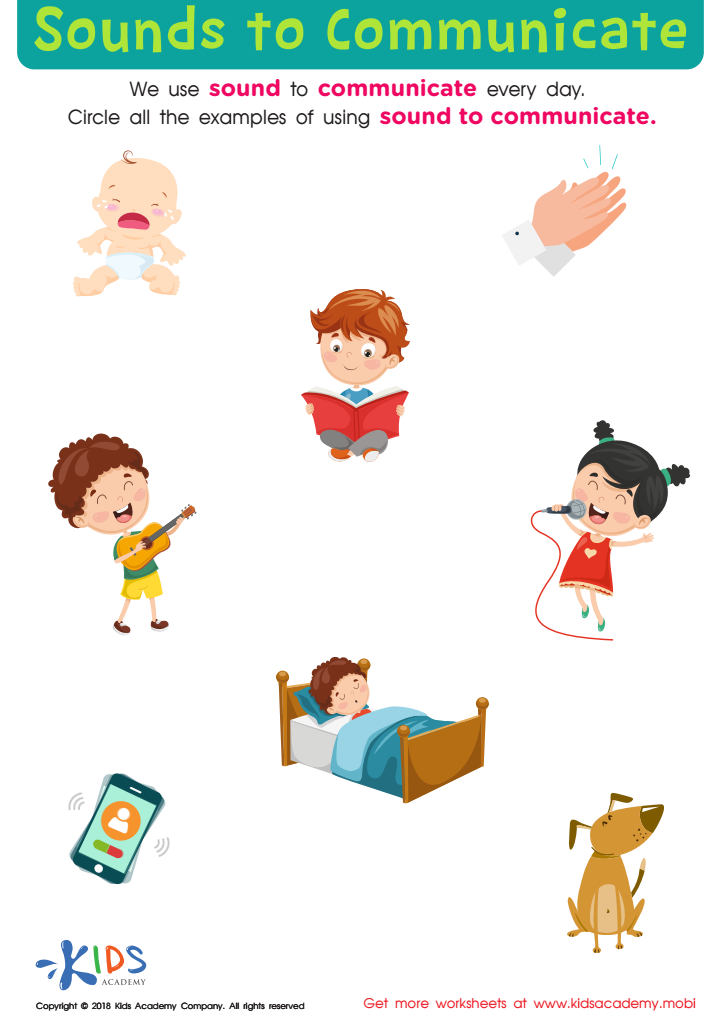
Sounds to Communicate Worksheet
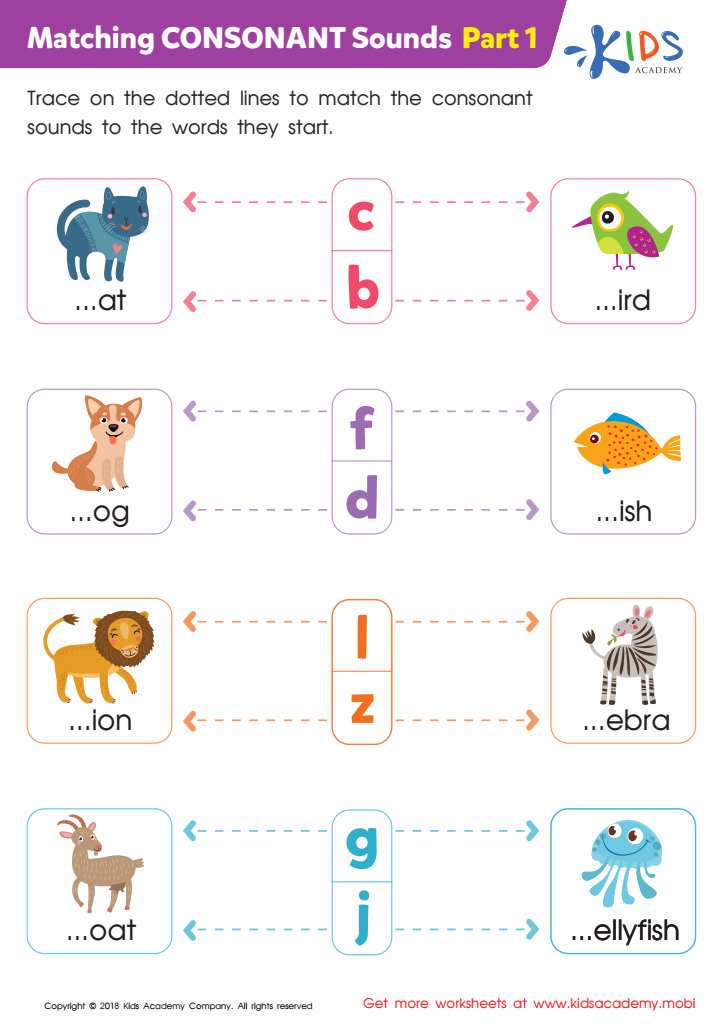
Matching Consonant Sounds: Part 1 Worksheet
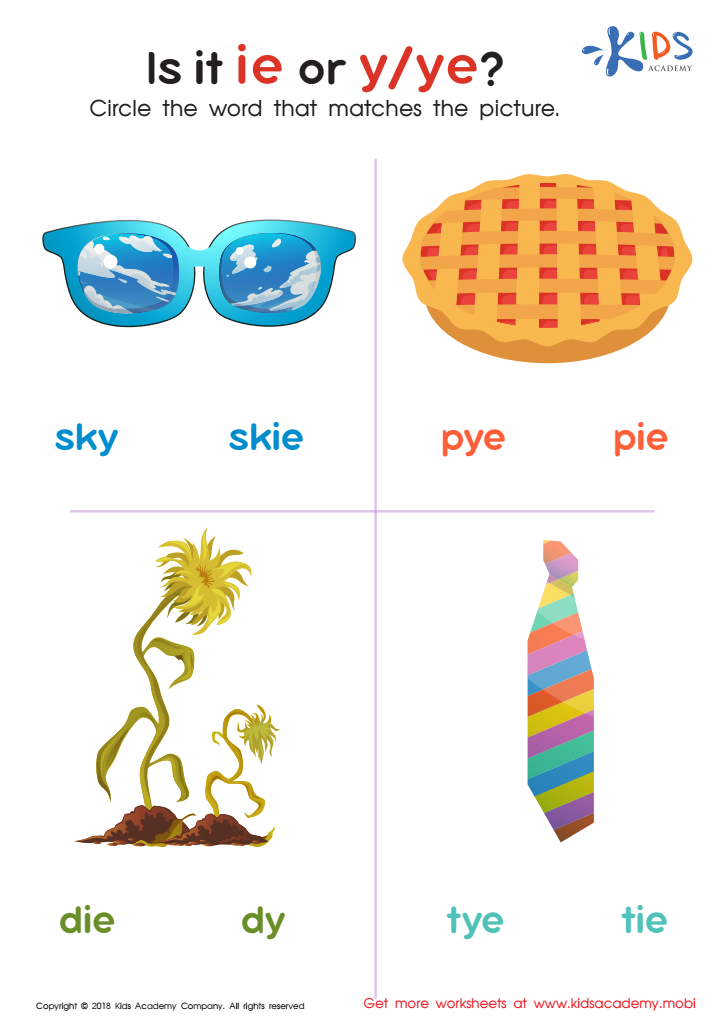
Is It IE or Y/Ye? Worksheet
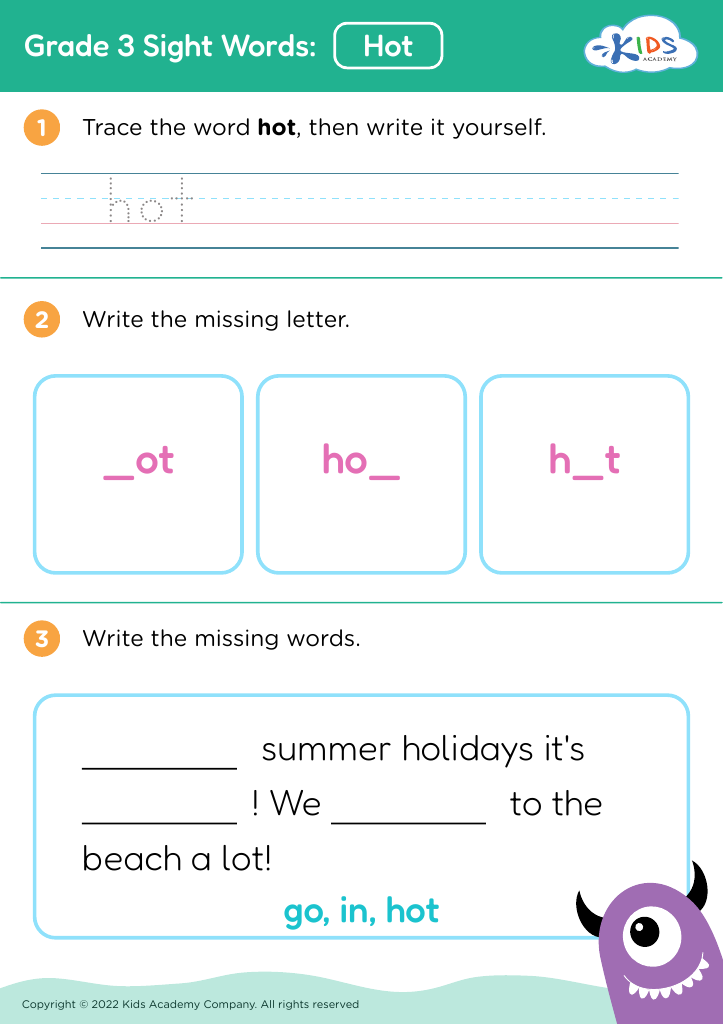







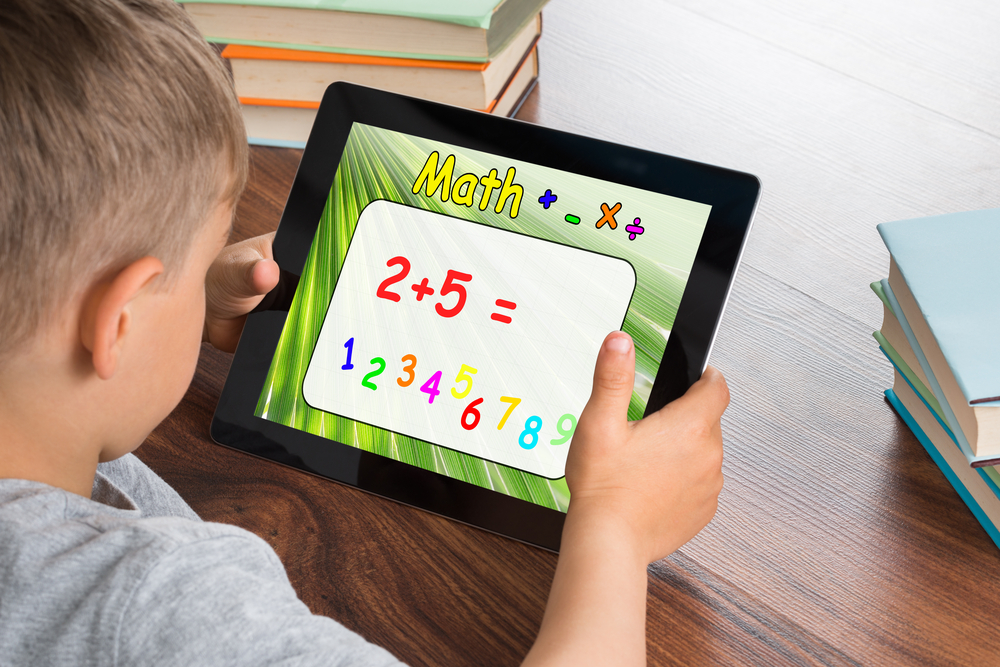
Sound recognition is a vital skill for children aged 6-9 as it lays the foundation for effective communication, literacy, and overall cognitive development. During this critical developmental period, children are refining their phonemic awareness—the ability to recognize and manipulate the individual sounds in spoken words, which is essential for reading.
By emphasizing sound recognition, parents and teachers can support children in building strong reading skills. Children who can distinguish between different sounds can better decode words, leading to improved reading fluency and comprehension. Furthermore, sound recognition fosters listening skills, which are crucial in both academic and social environments. Strong listening abilities enable children to follow instructions, participate in discussions, and engage meaningfully with their peers.
In addition, sound recognition contributes to greater confidence in language use. Children who are proficient in recognizing sounds are more likely to express themselves clearly and effectively. This confidence can extend beyond academics, positively influencing their social interactions.
Ultimately, prioritizing sound recognition cultivates a love for language and reading, equipping children with essential skills for lifelong learning and personal expression. Parents and teachers working together to enhance this foundational skill can create a supportive environment for children's growth and success.








