Understanding Sequences Worksheets for Ages 6-9
26 filtered results
-
From - To
Explore our "Understanding Sequences Worksheets" designed specifically for children ages 6-9! This engaging collection helps young learners grasp the concept of sequences through fun, age-appropriate activities. Our worksheets focus on identifying patterns, ordering items, and predicting what comes next. Perfect for enhancing critical thinking and problem-solving skills, these activities promote cognitive development while keeping kids entertained. Whether at home or in the classroom, our worksheets align with educational standards, making learning both effective and enjoyable. Download now and start your child’s journey to mastering sequences, allowing them to build essential skills that pave the way for future math success!
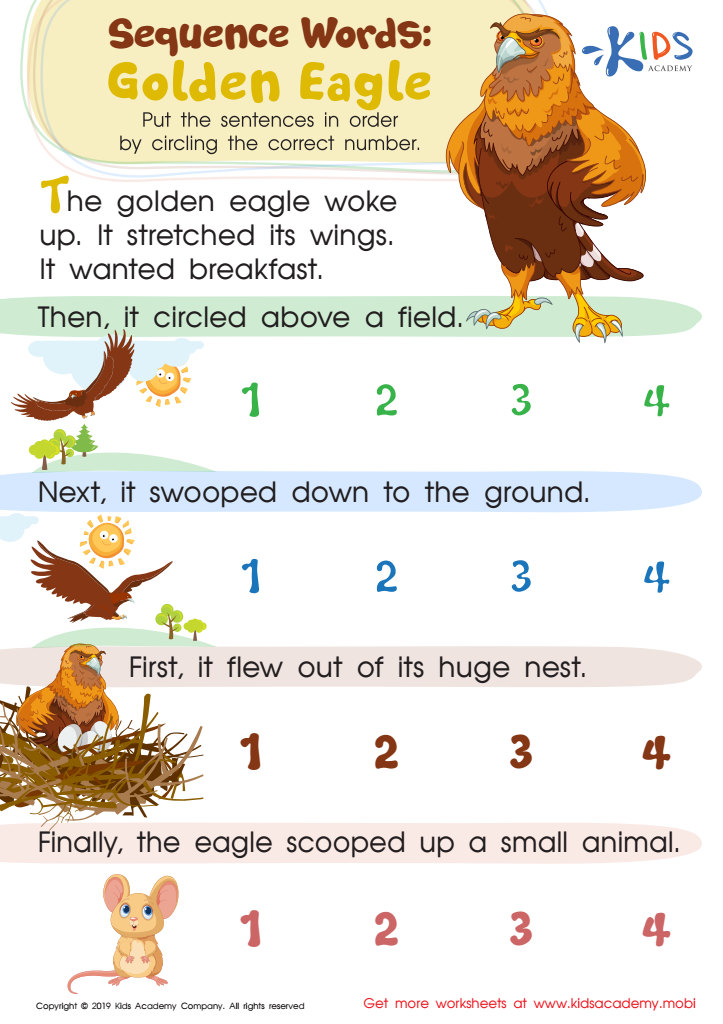
Sequence Word Eagle Worksheet
 Assign to My Students
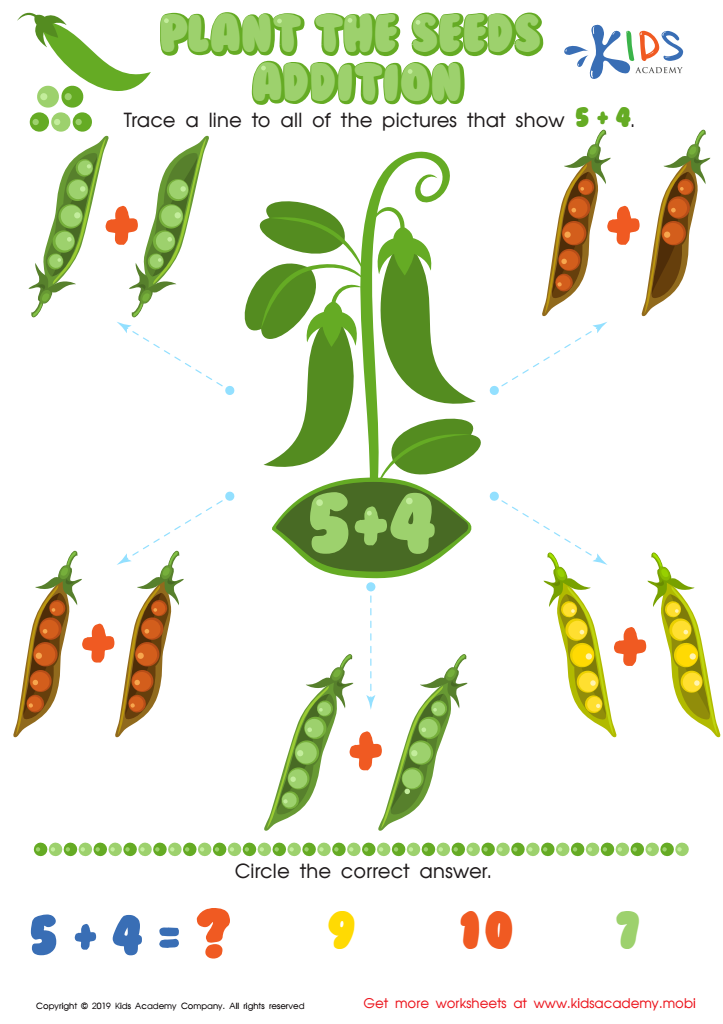
Plant the Seeds Addition Worksheet
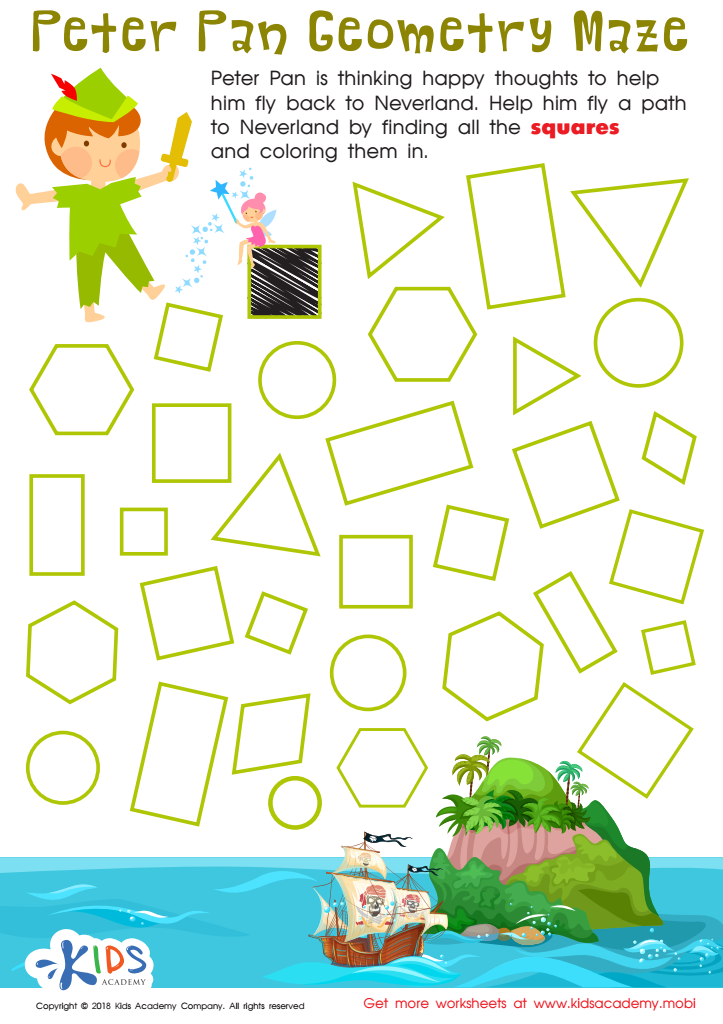
Peter Pan Worksheet
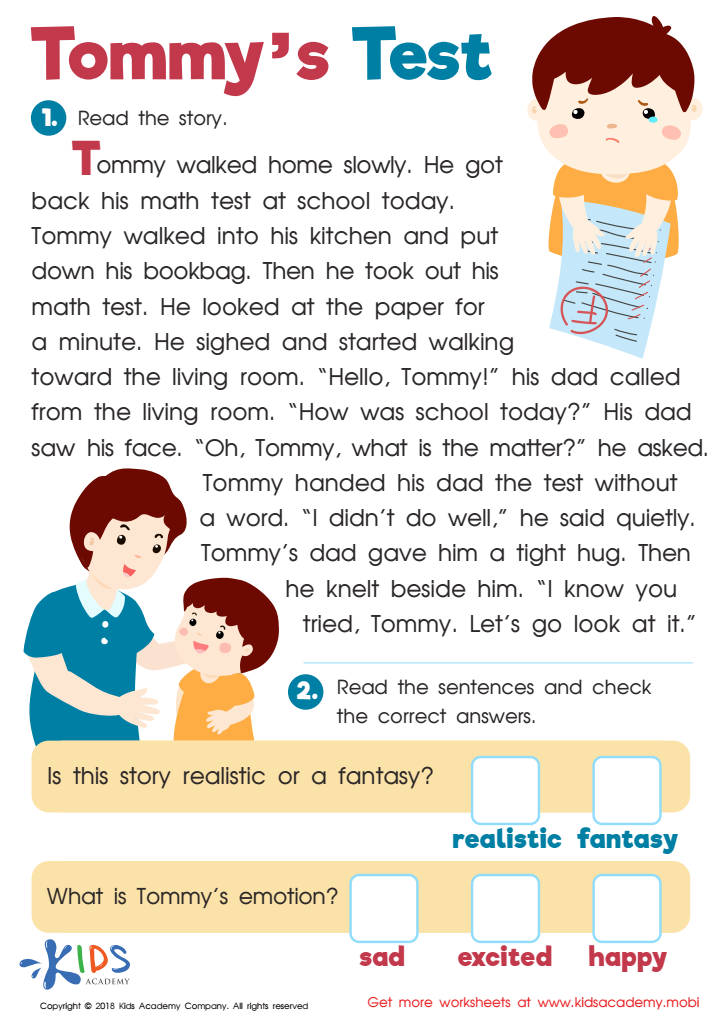
Tommys Test Worksheet
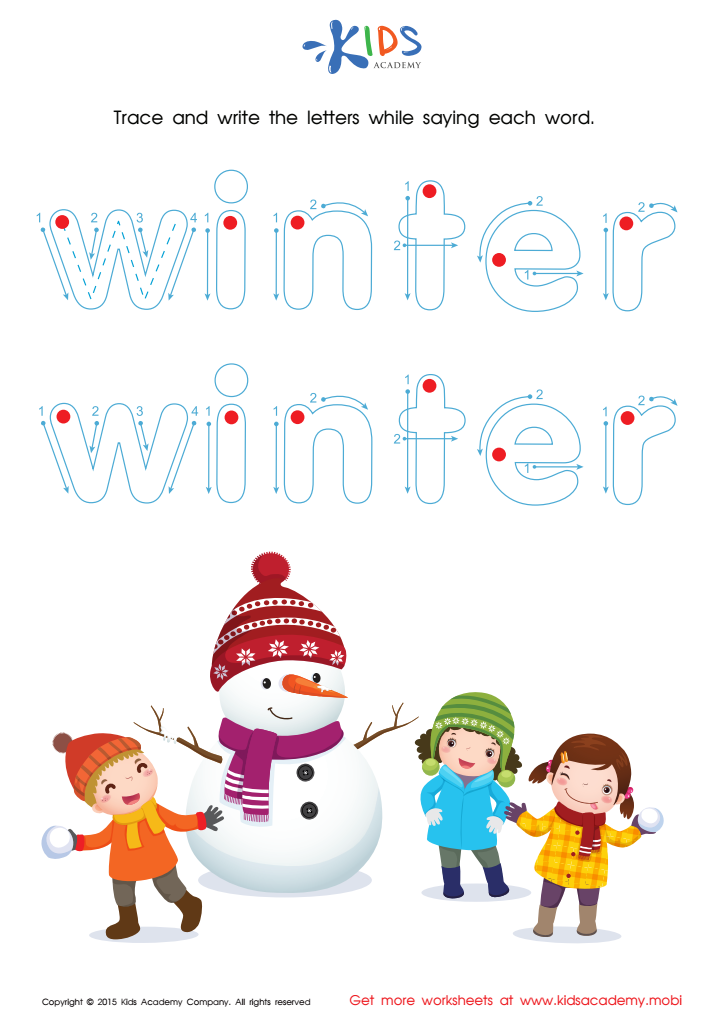
Snowman Tracing Winter Words Worksheet
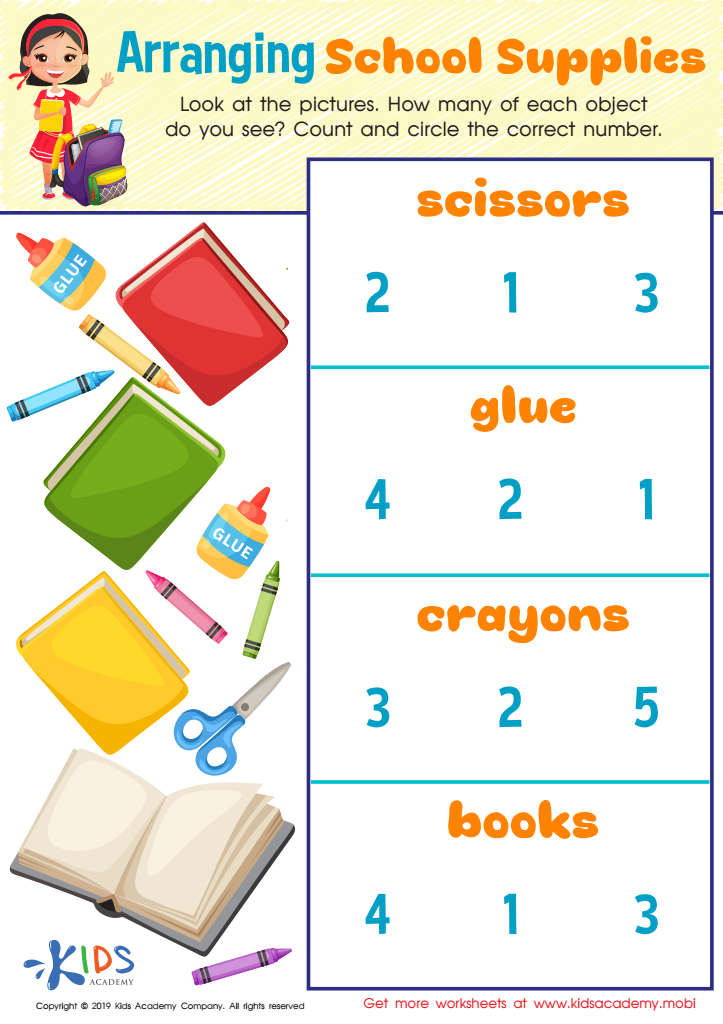
Arranging School Supplies Worksheet
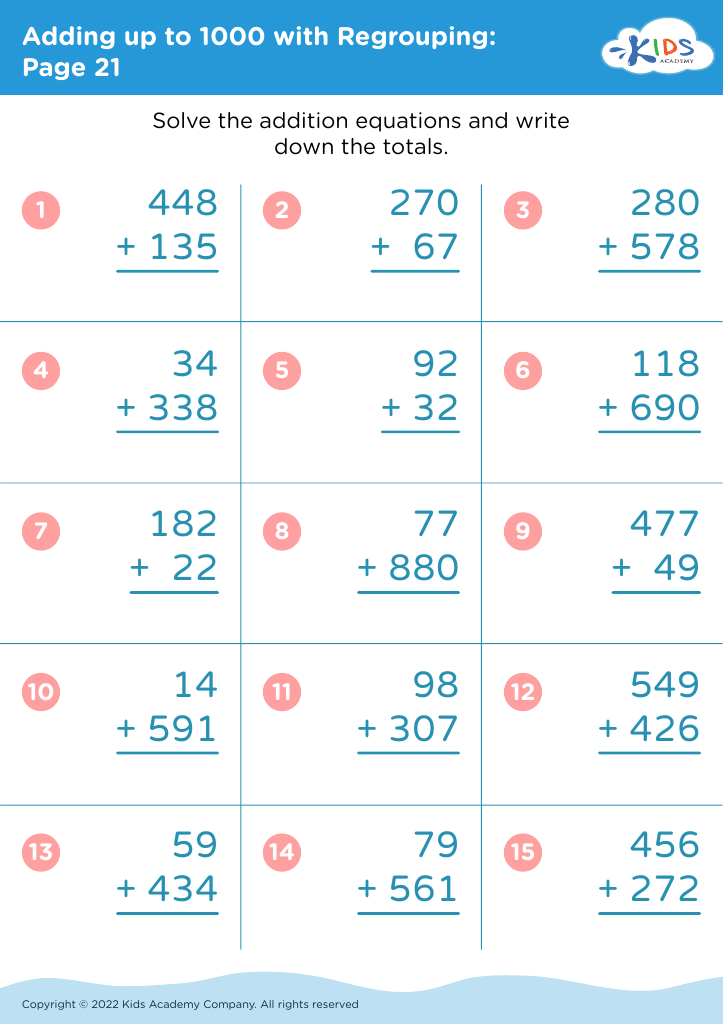
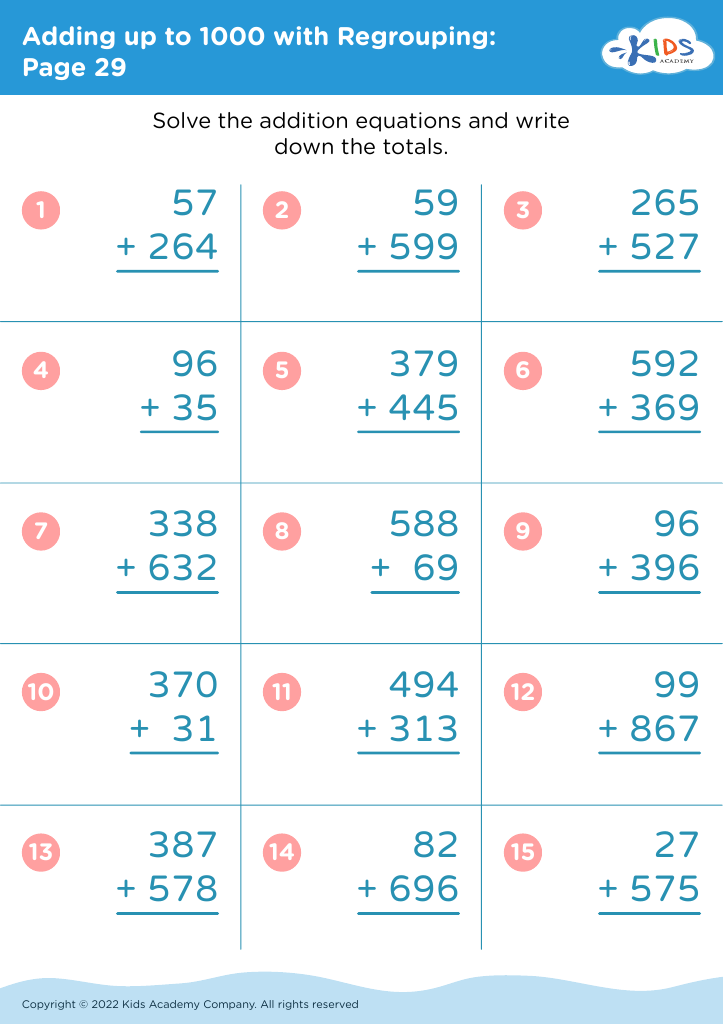
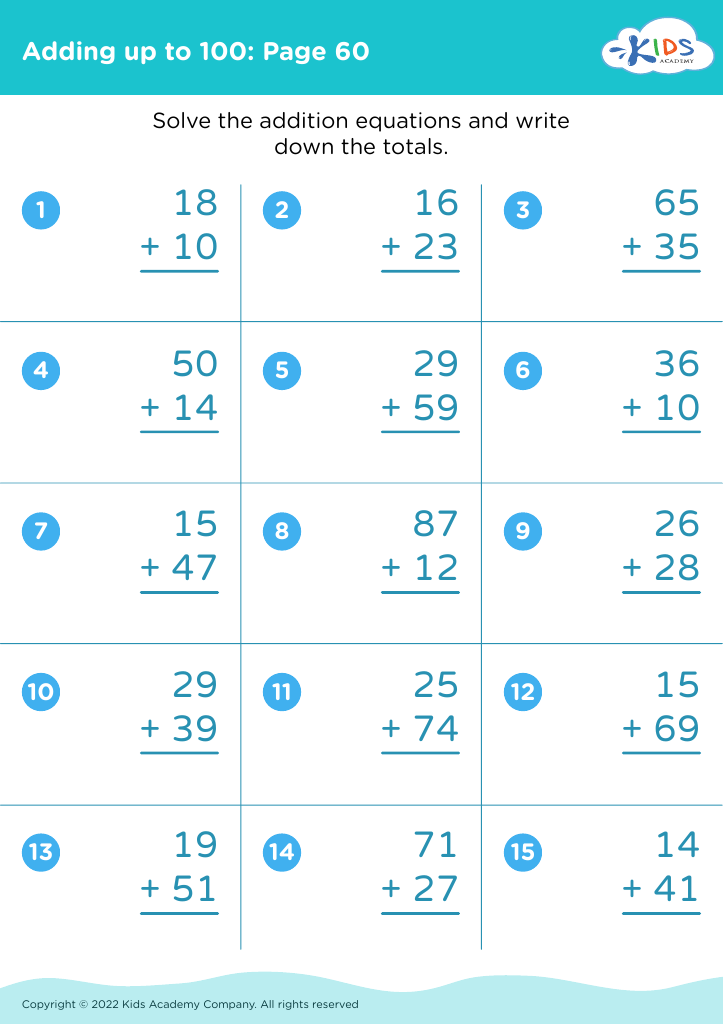
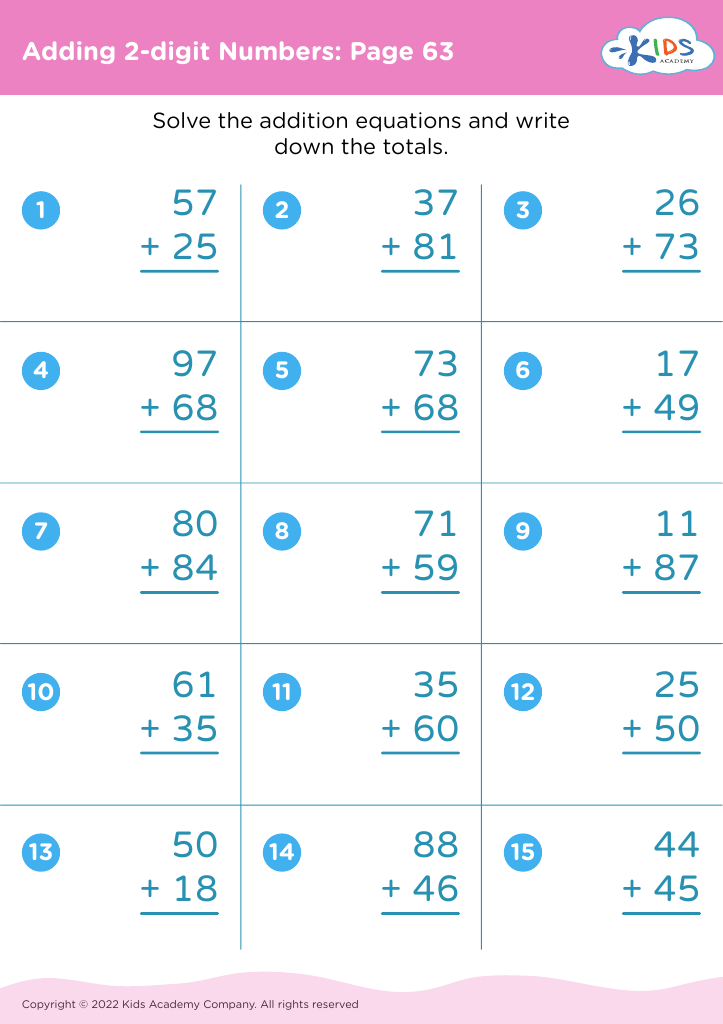
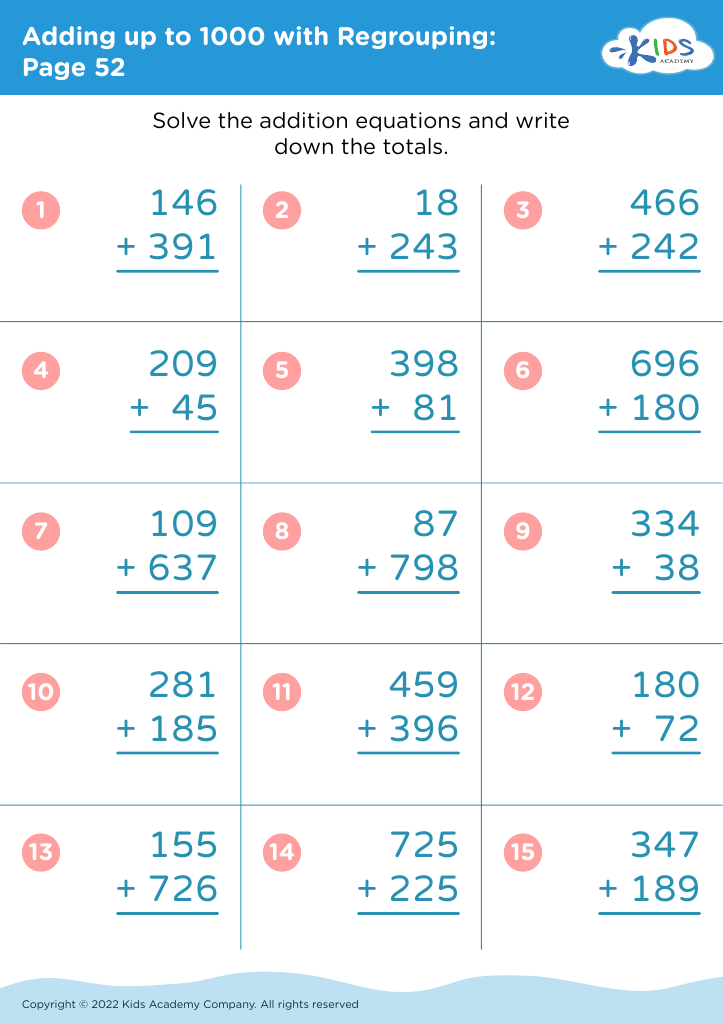
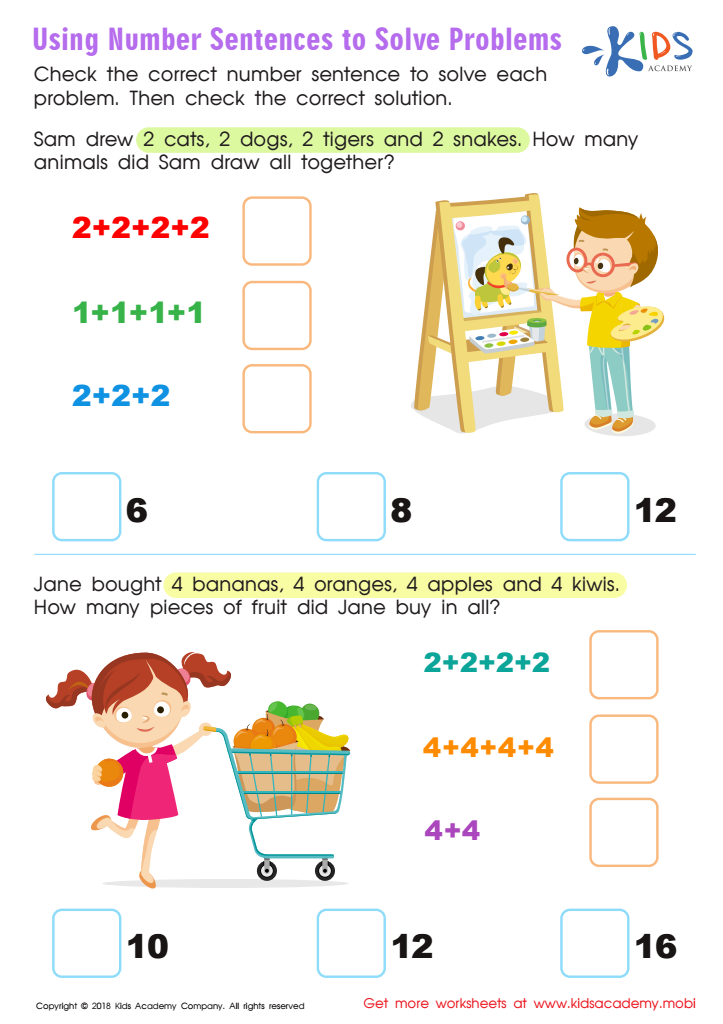
Using Number Sentences to Solve Problems Worksheet
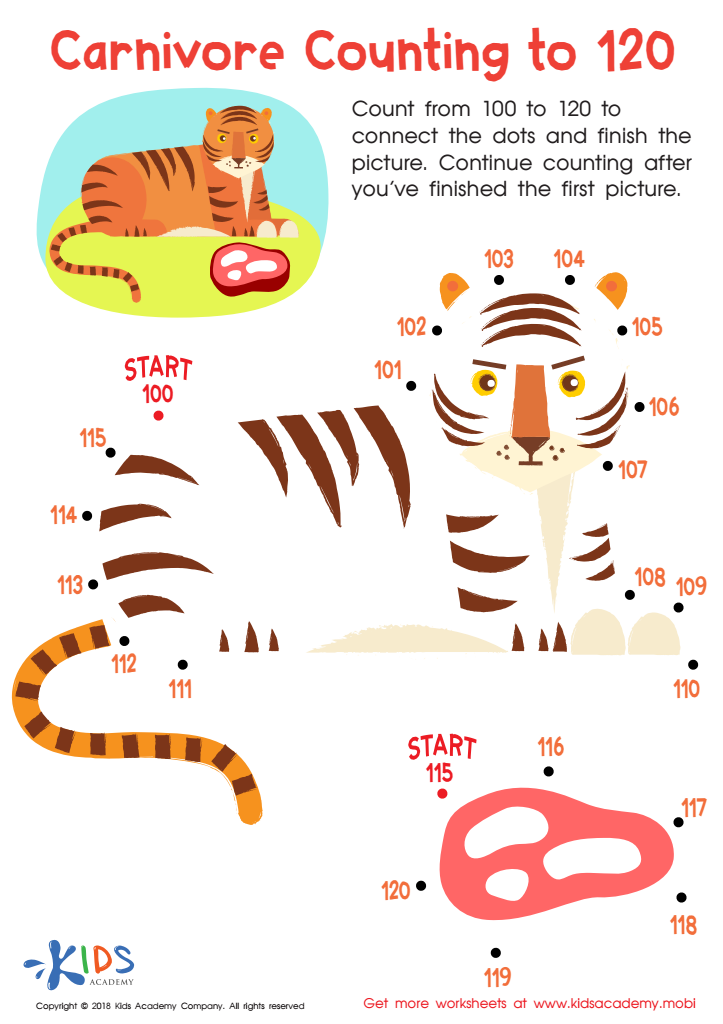
Carnivore Counting to 120 Worksheet
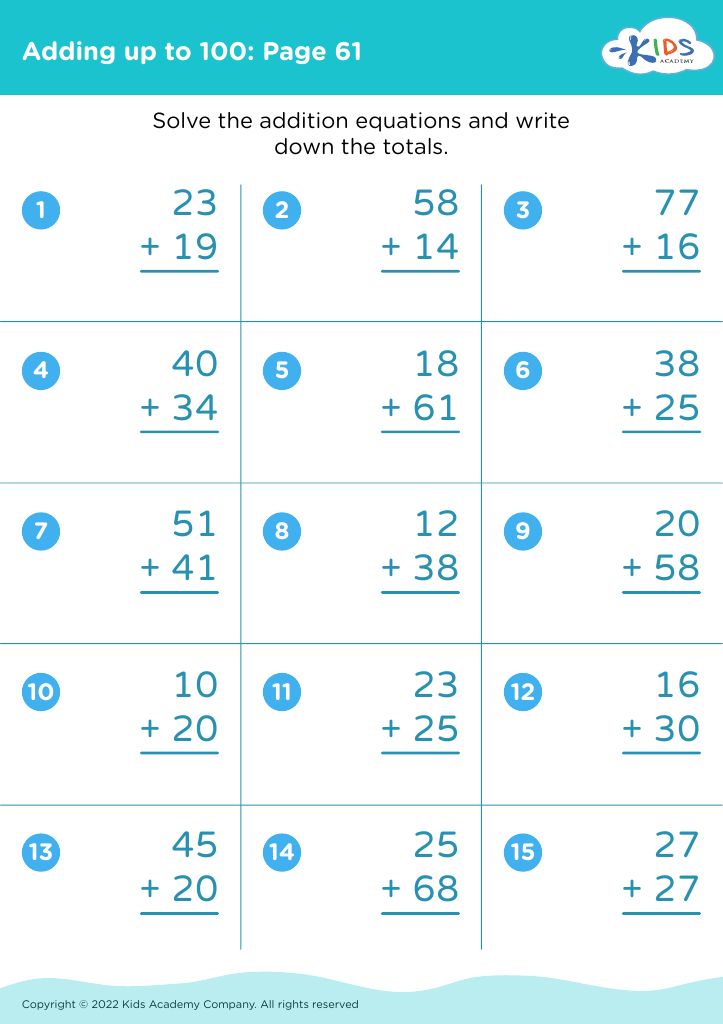
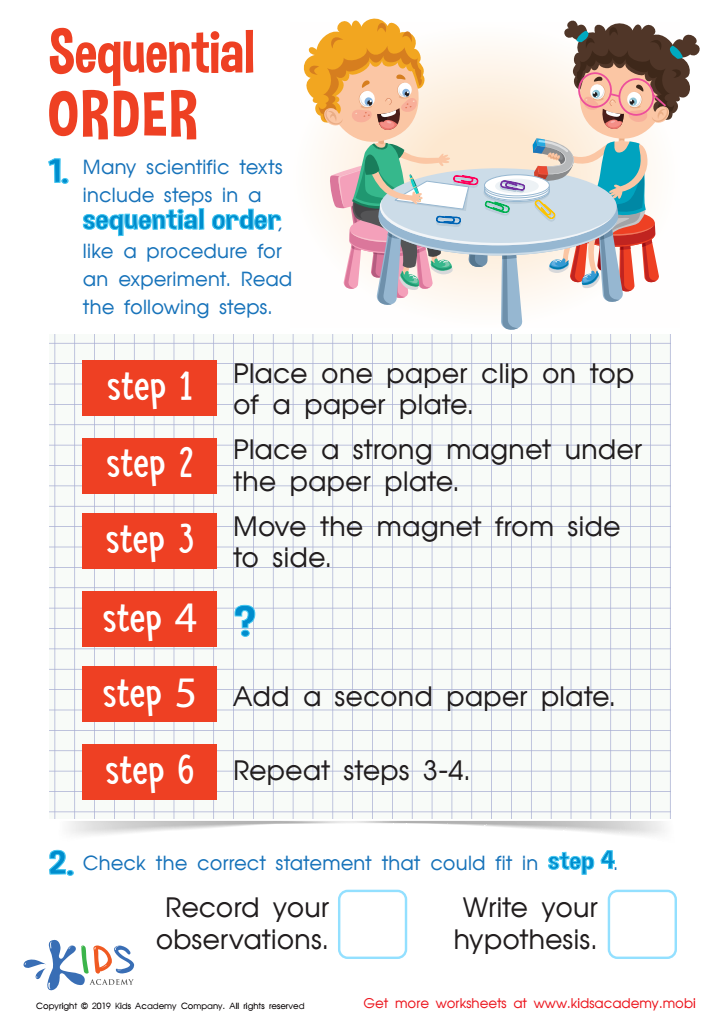
Sequencential Order Worksheet
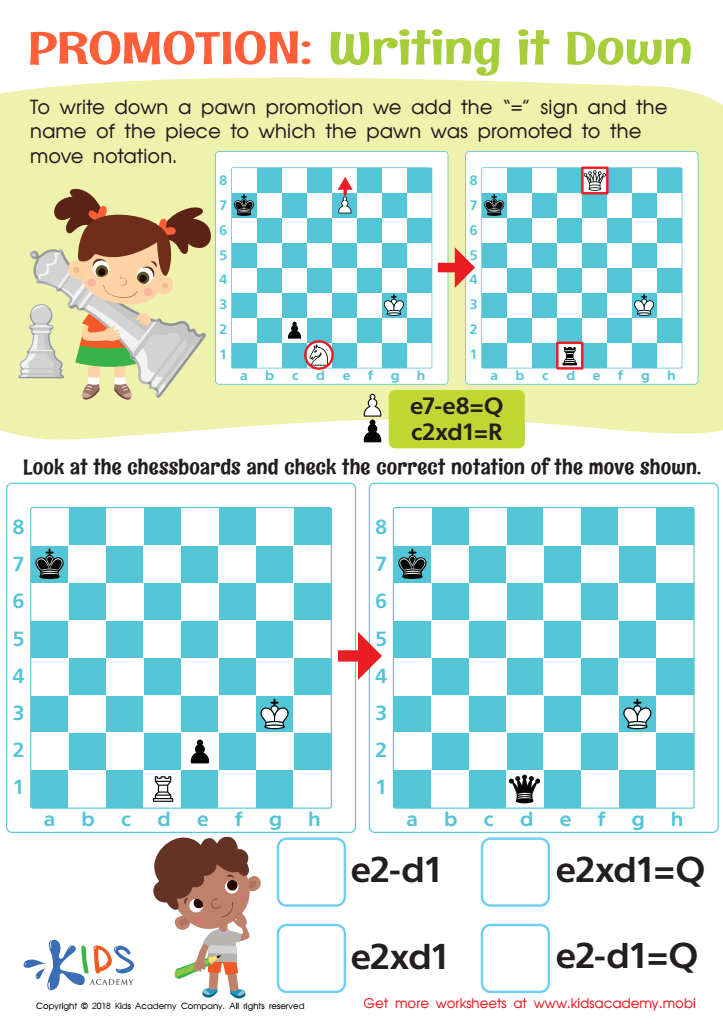
Writing it Down Worksheet
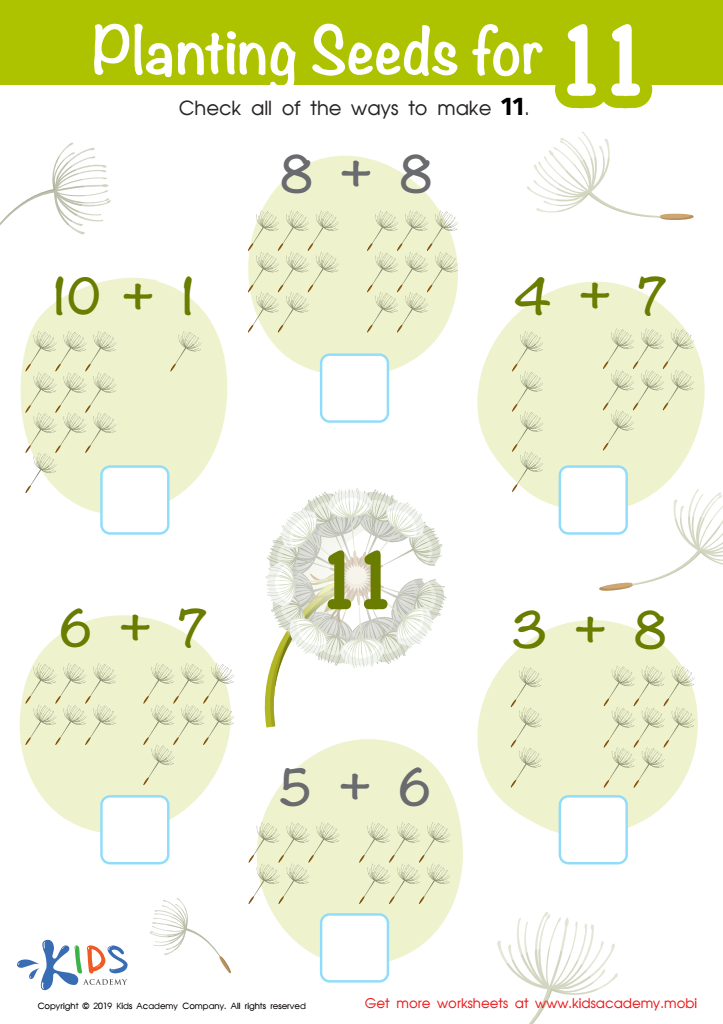
Planting Seeds for 11 Worksheet
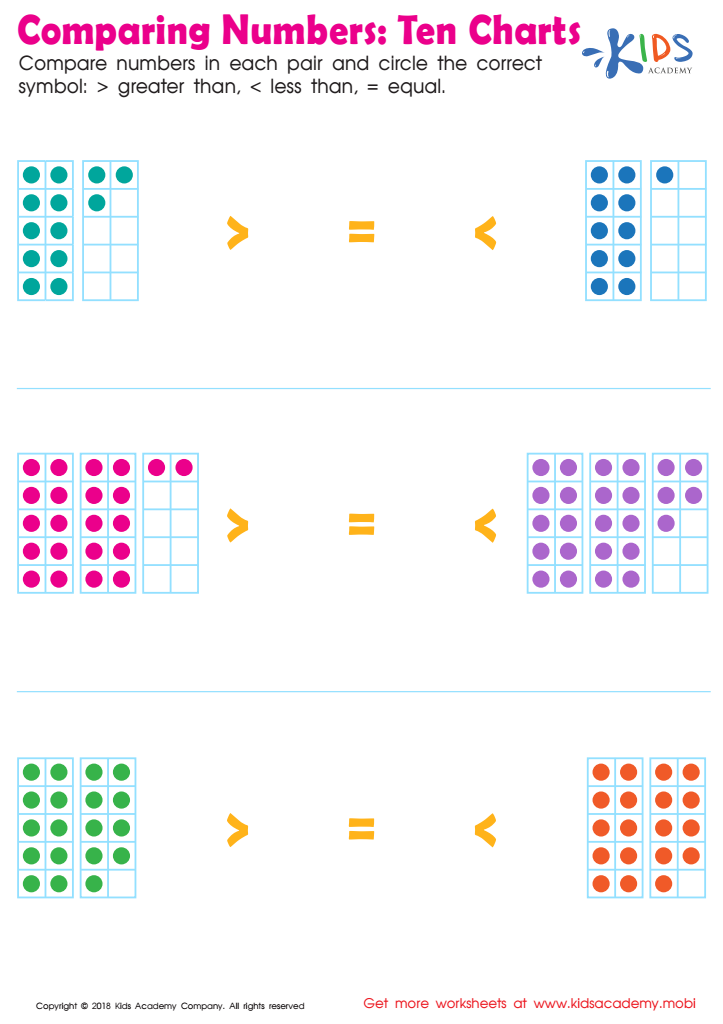
Ten Charts Worksheet
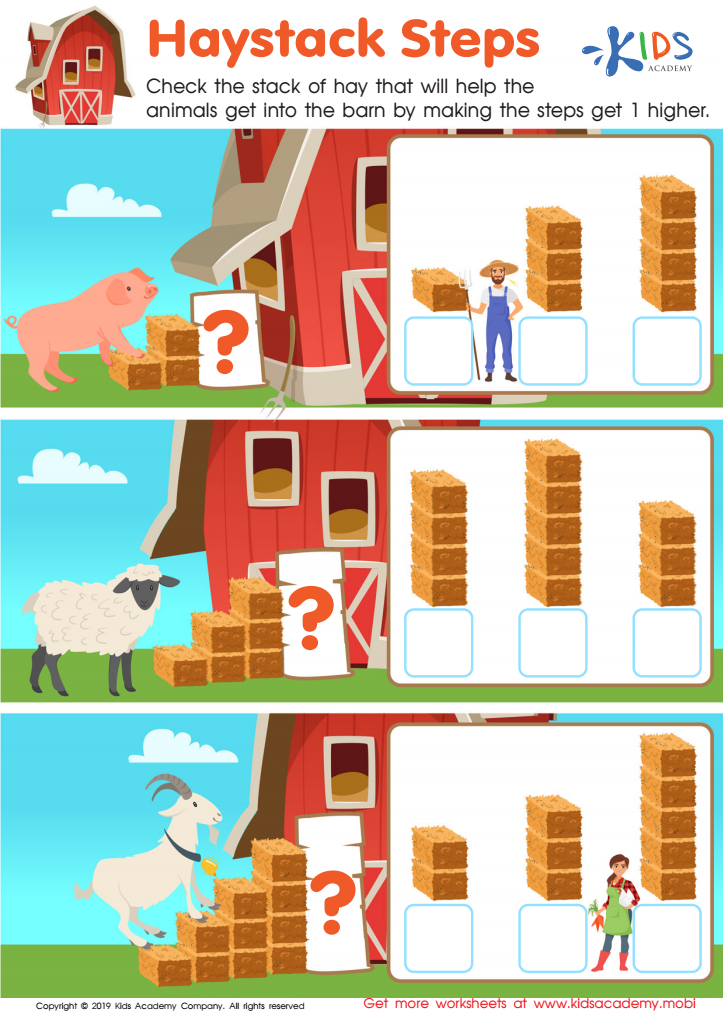
Haystack Steps Worksheet





Understanding sequences is crucial for children aged 6-9 as it lays the foundational skills necessary for mathematics, language, and problem-solving. Parents and teachers should emphasize sequence comprehension because it helps children recognize patterns, which is essential in advanced math concepts like addition, subtraction, and multiplication. For example, when children learn to identify number patterns, they develop a deeper understanding of numerical relationships and operations.
Moreover, sequences are not limited to mathematics; they play a significant role in literacy as well. Understanding the chronological order of events in a story helps children grasp narrative structure and enhance reading comprehension.
Critical thinking skills are also nurtured through learning sequences; children learn to predict and formulate logical conclusions based on context. When structured through games, songs, and interactive activities, the learning process becomes engaging and enjoyable.
Moreover, knowledge of sequences fosters planning and organizational skills, aiding children in completing tasks and understanding everyday routines. Teachers and parents can model sequence-building in daily life to reinforce this concept.
Overall, nurturing an understanding of sequences in young children develops essential cognitive and social skills, promoting lifelong learning and intellectual curiosity.








