Visual learning enhancement Worksheets for Ages 6-9
5 filtered results
-
From - To
Unlock the power of visual learning with our specially designed worksheets for kids aged 6-9! Our Visual Learning Enhancement Worksheets promote critical thinking and creativity while engaging young learners through vibrant visuals and interactive activities. Perfect for honing essential skills such as pattern recognition, spatial awareness, and observation, these worksheets make learning fun and effective. Kids will enjoy diverse exercises that help solidify their understanding of various concepts and boost their confidence. Ideal for both classroom and home use, our engaging printables support your child’s educational journey while fostering a love for learning through visual exploration. Start enhancing learning today!
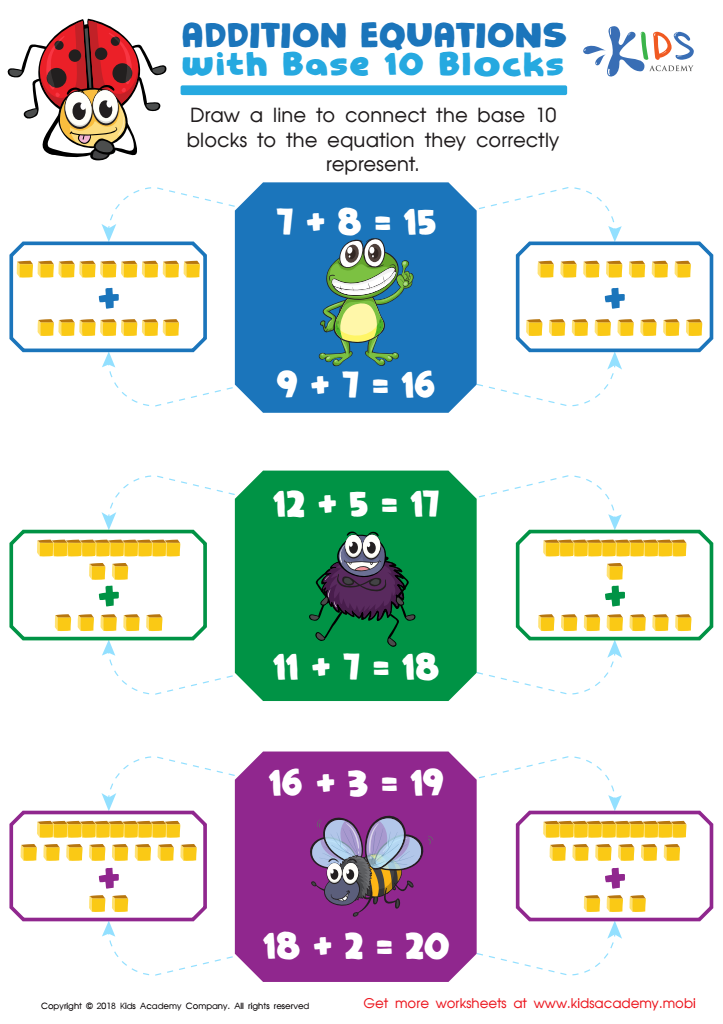
Addition Equations With Base 10 Blocks Worksheet
 Assign to My Students
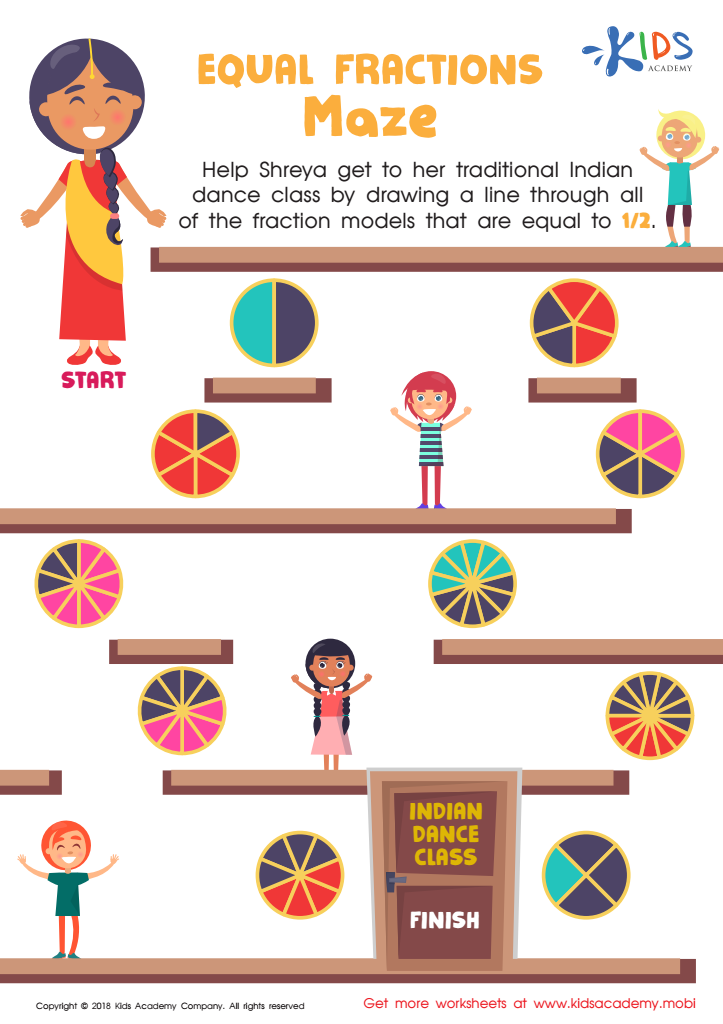
Equal Fractions Maze Worksheet
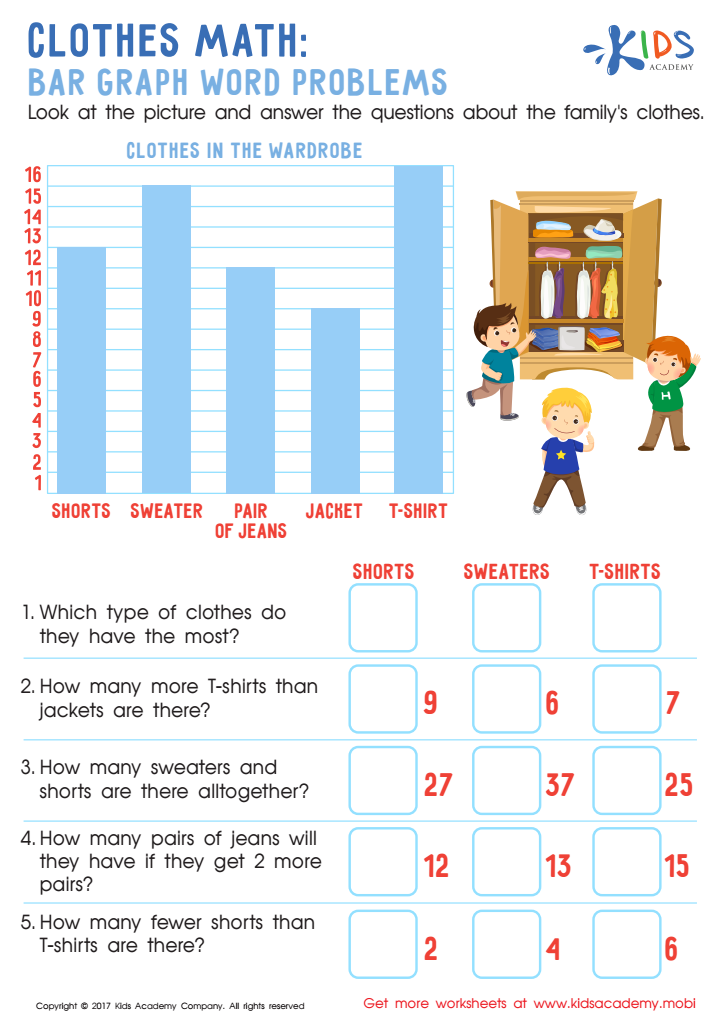
Clothes Math: Bar Graph Word Problems Worksheet
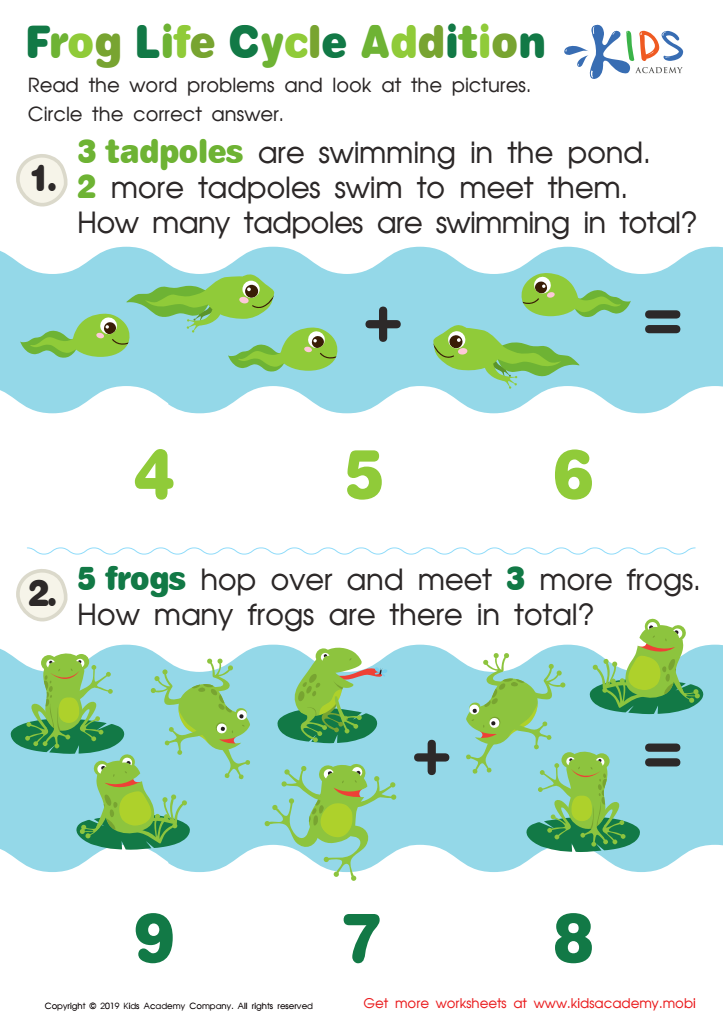
Frog Life Cycle Addition Worksheet
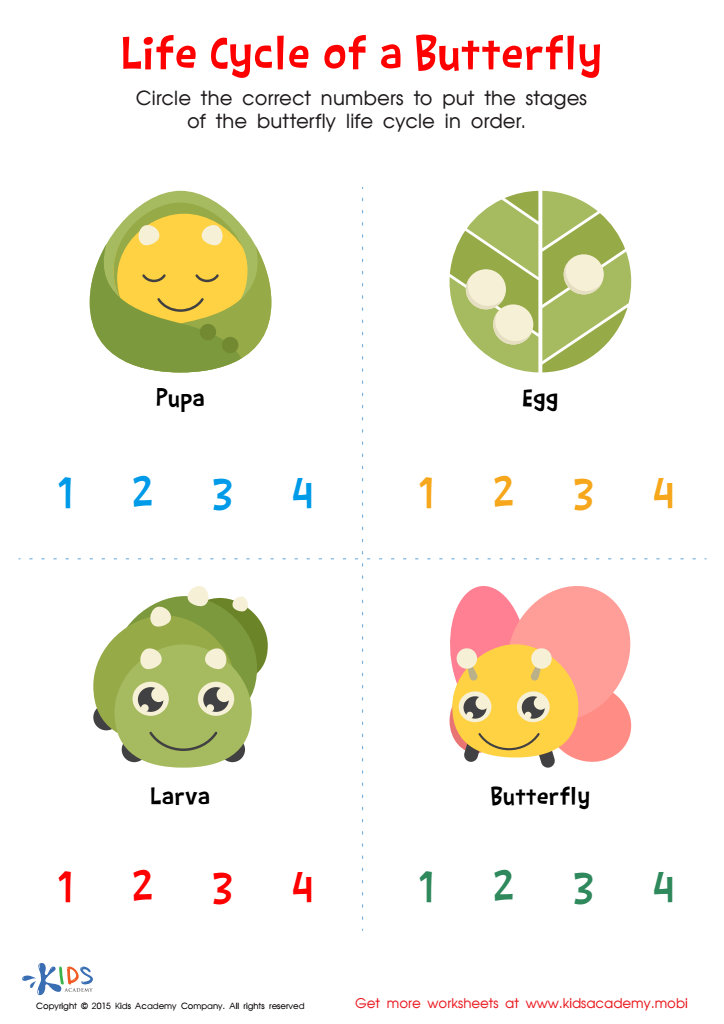
Life Cycle of Butterfly Printable







Visual learning enhancement is crucial for children aged 6-9, as it aligns with their developmental stage and cognitive needs. At this age, children are naturally drawn to visual content, including images, videos, diagrams, and maps. Incorporating visual learning strategies can boost their engagement, deepen understanding, and improve retention of information.
Parents and teachers should care about visual learning enhancement because it fosters a stimulating environment that caters to various learning styles. Many children in this age group are visual learners, meaning they understand and remember information better when it is represented visually. Utilizing various visual aids can help clarify complex concepts and make learning more dynamic and enjoyable.
Moreover, visual learning can significantly impact children's literacy and numeracy skills. For instance, using visual aids in reading helps children make connections between words and visuals, enhancing comprehension. In math, visual representations of problems help simplify complex equations and foster a clear understanding of numerical concepts.
By prioritizing visual learning enhancement, parents and teachers can provide essential support, encouraging creativity and critical thinking, which are vital for lifelong learning. Ultimately, investing in these strategies ensures children develop a strong foundation and a positive attitude towards education.








