Shape Recognition 2D Shapes Worksheets for Ages 6-9 - Page 2
35 filtered results
-
From - To
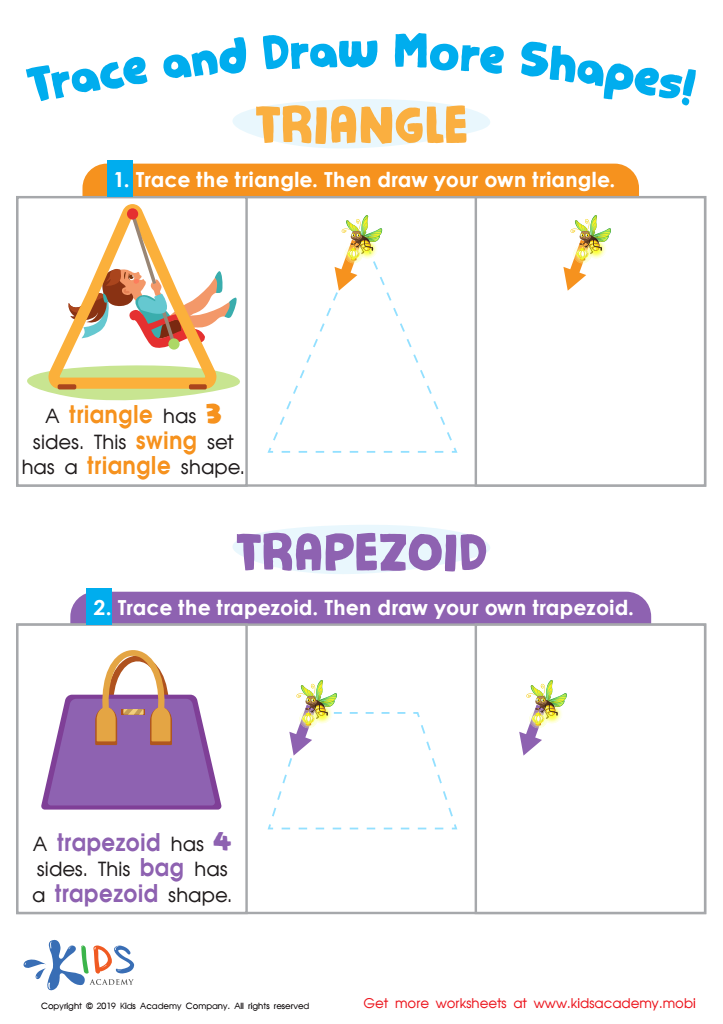
Trace and Draw More Shapes Worksheet
 Assign to My Students

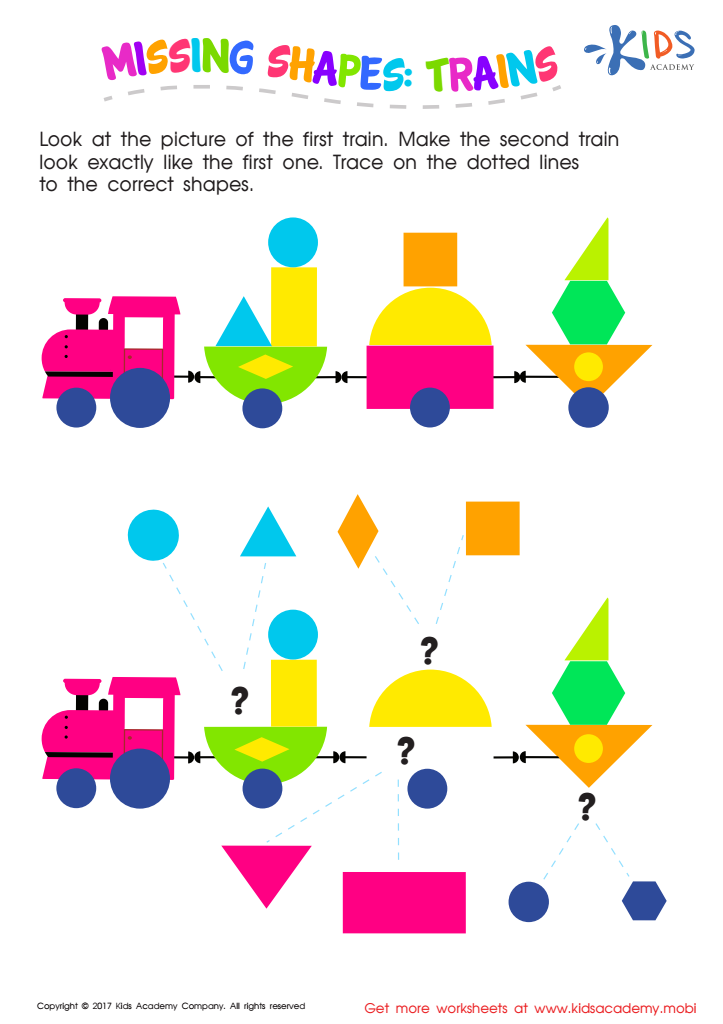
Missing Shapes: Trains Worksheet
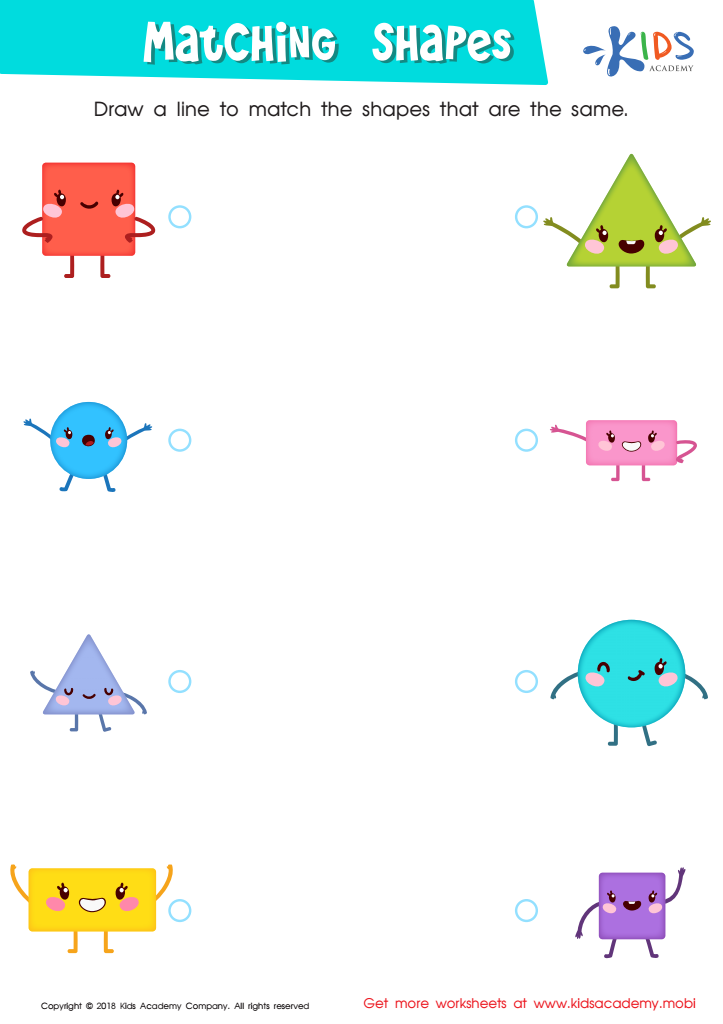
Matching Shapes Worksheet
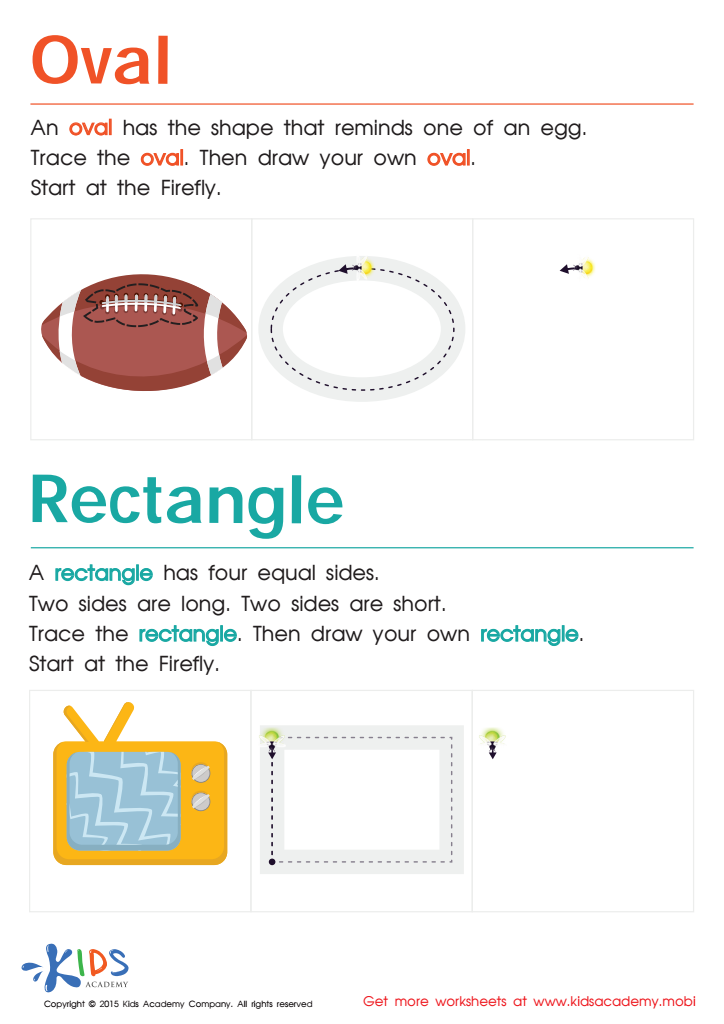
Easy Drawing of Ovals And Rectangles Worksheet
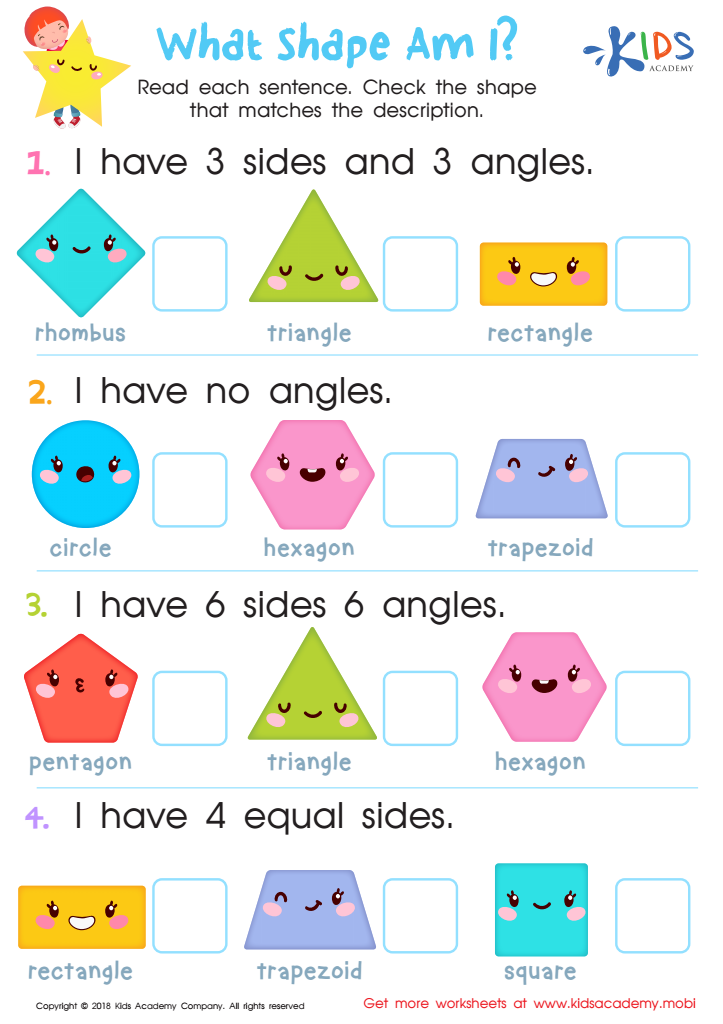
What Shape Am I? Worksheet
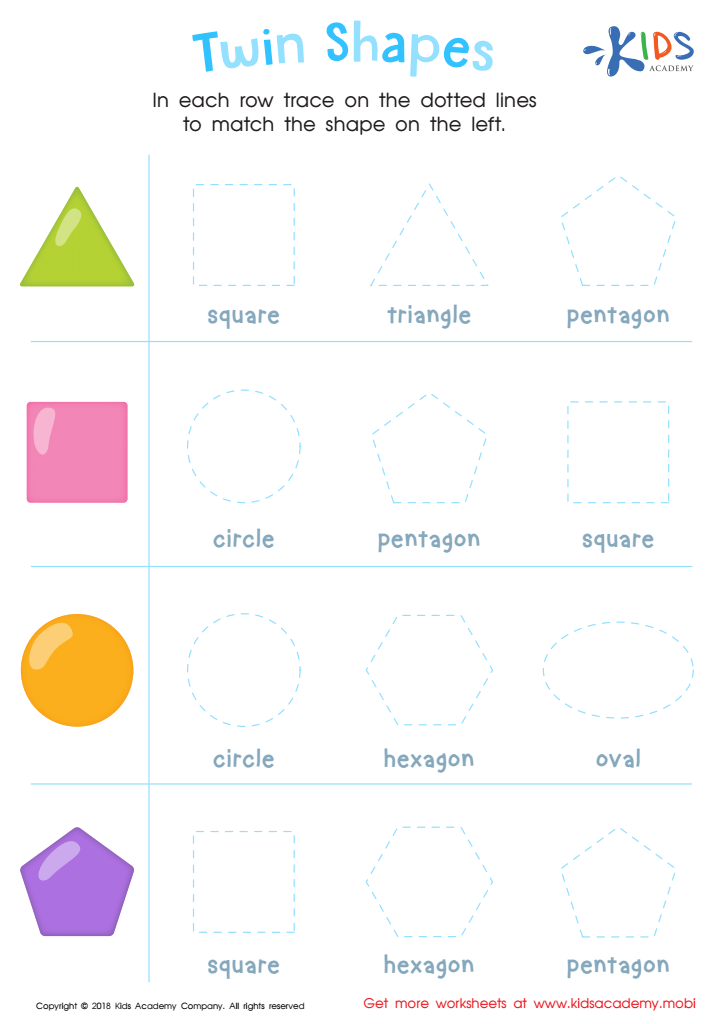
Twin Shapes Dot-to-Dot Worksheet
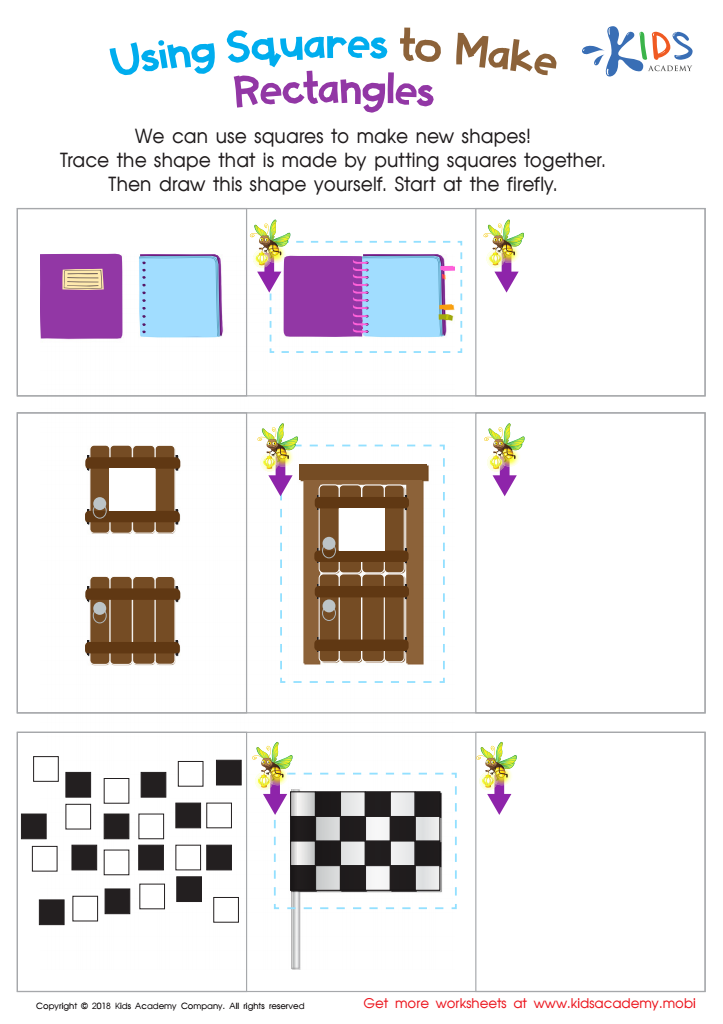
Using Squares to Make Rectangles Worksheet
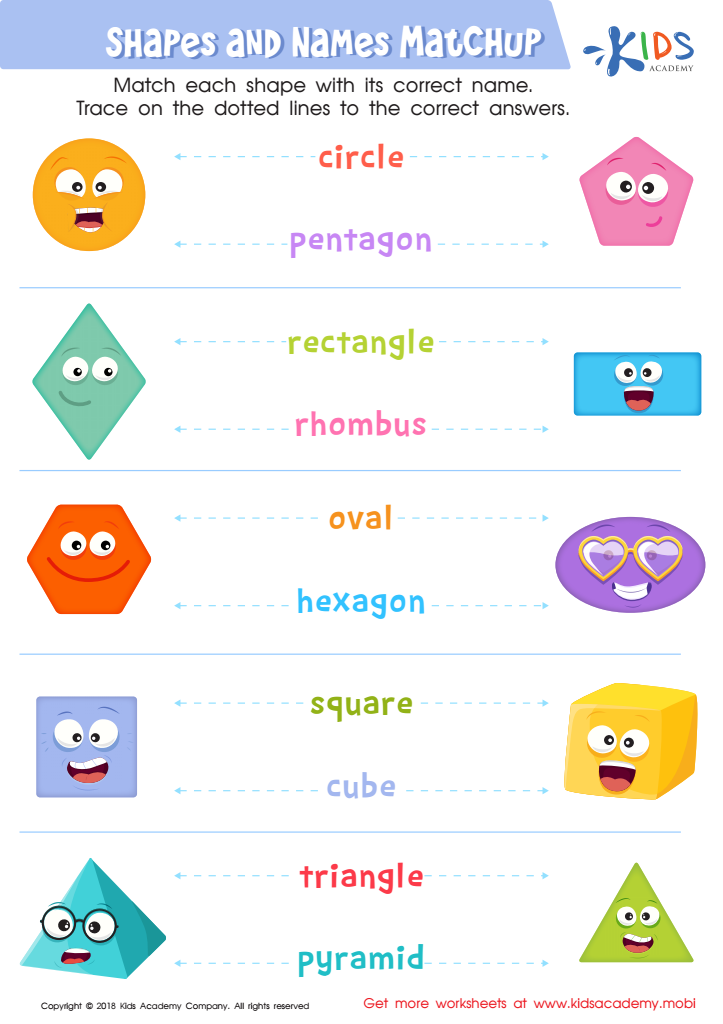
Shapes and Names Matchup Worksheet
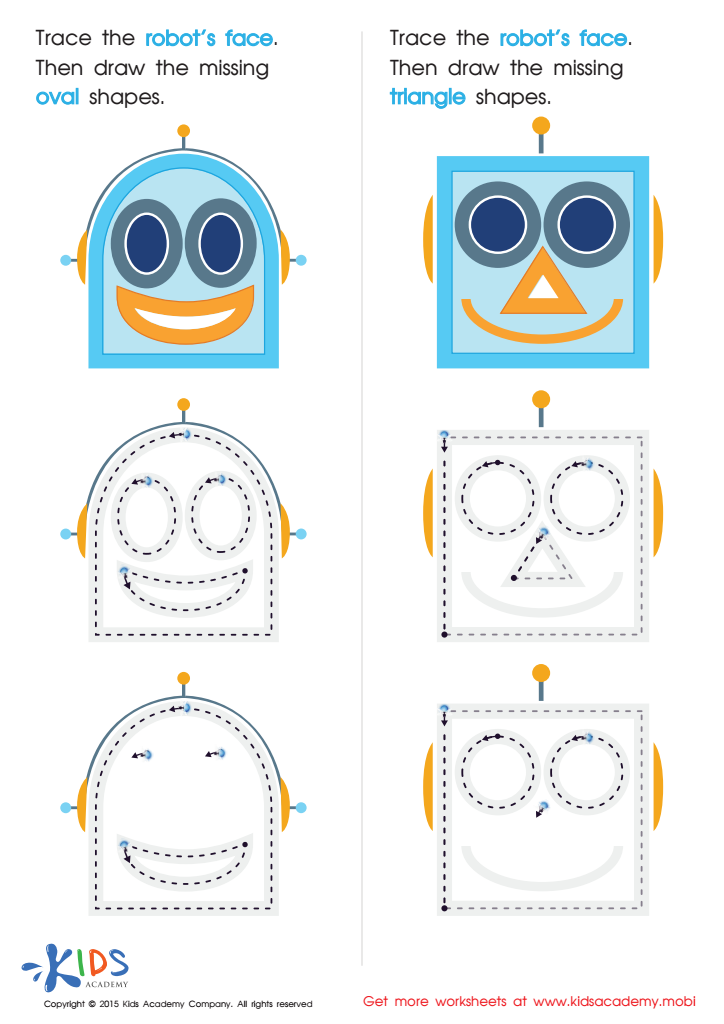
Drawing Ovals And Triangles with Fun Printable
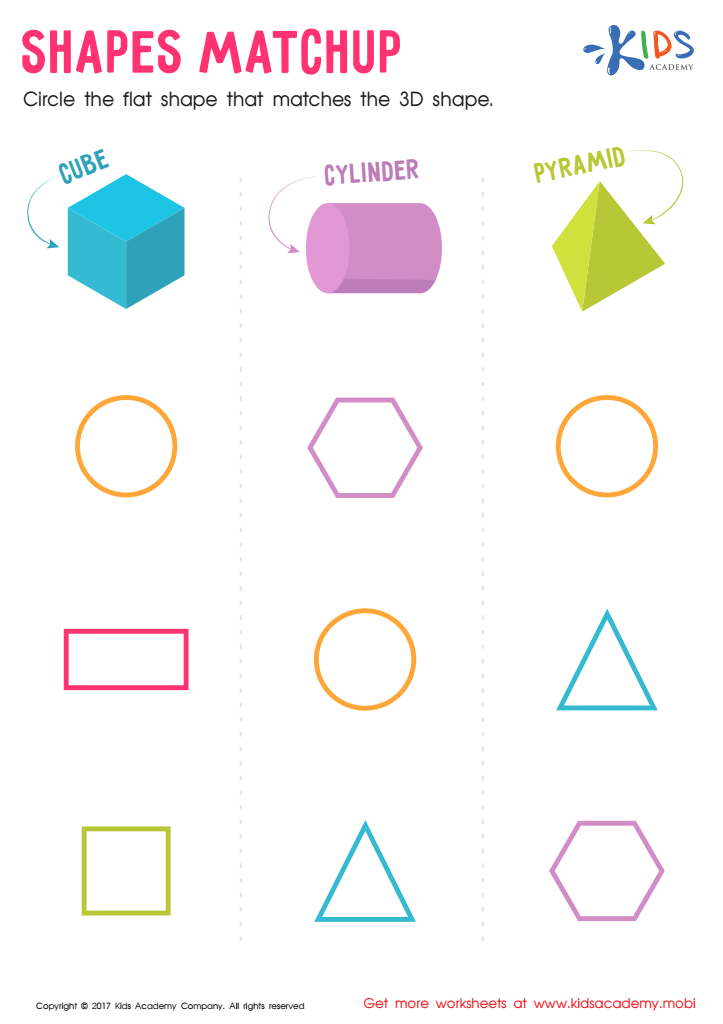
Shapes Matchup Worksheet
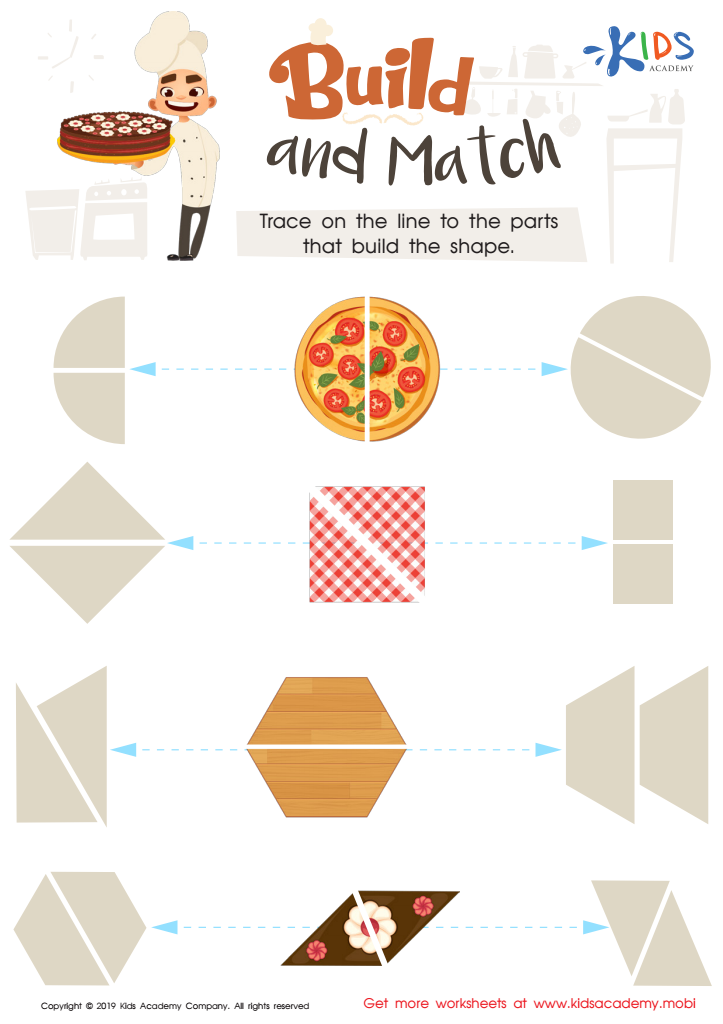
Build and Match Worksheet








Shape recognition is a fundamental cognitive skill that supports children’s overall development, particularly for ages 6-9. At this stage, kids are developing critical visual-spatial skills, which are important for problem-solving and mathematical reasoning. Recognizing and categorizing 2D shapes helps them to understand their environment and develop mathematical vocabulary. For instance, distinguishing between circles, squares, triangles, and rectangles lays the groundwork for geometry later in life.
Furthermore, shape recognition enhances fine motor skills as children often engage in hands-on activities, like cutting and drawing shapes. This foundational skill also boosts their perseverance and creativity as they experiment with different combinations and applications of shapes in art and engineering projects.
From a practical standpoint, effective shape recognition can influence academic performance in mathematics and science, where visualizing concepts is crucial. Encouraging discussions about shapes during daily activities fosters an early love for learning and exploration.
Lastly, shape recognition can be a playful and interactive aspect of learning through games and puzzles, making it a valuable and enjoyable focus for parents and educators. By prioritizing shape recognition, adults can lay a strong foundation for their children’s lifelong learning journey.