Subtraction practice Addition & Subtraction Worksheets for Ages 6-9 - Page 2
74 filtered results
-
From - To
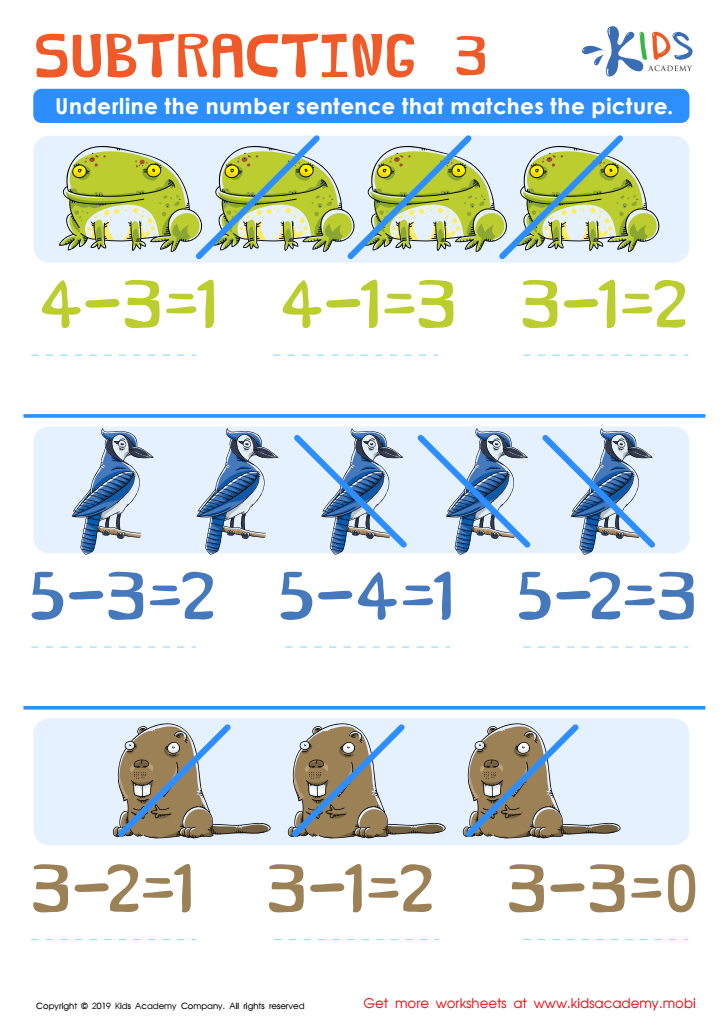
Subtracting 3 Worksheet
 Assign to My Students
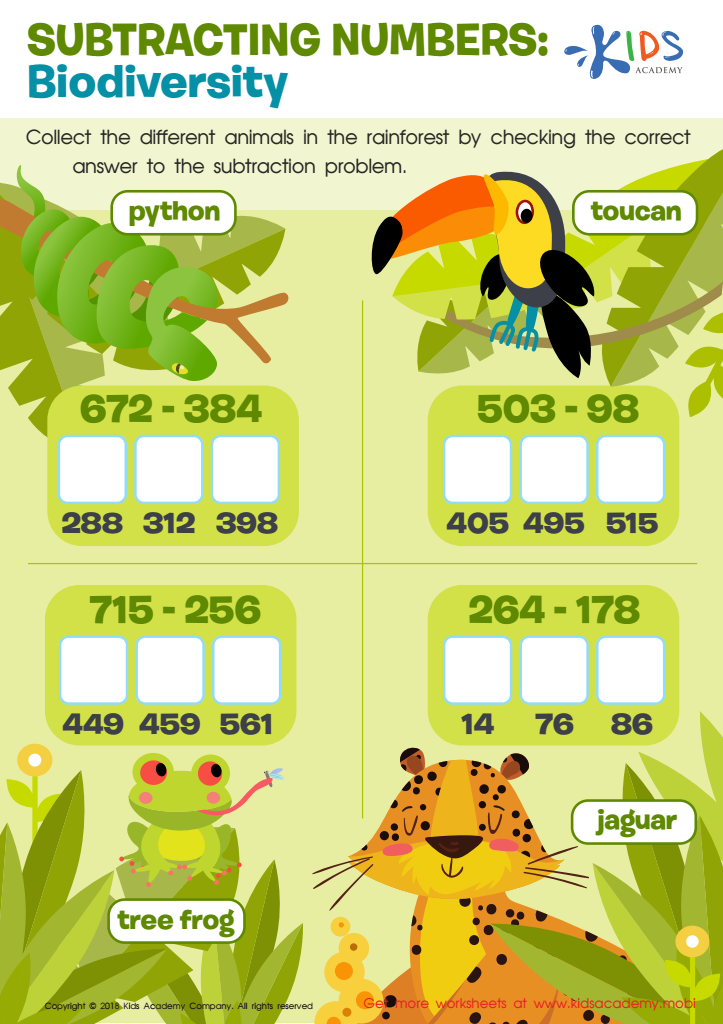
Subtracting Numbers: Biodiversity Worksheet
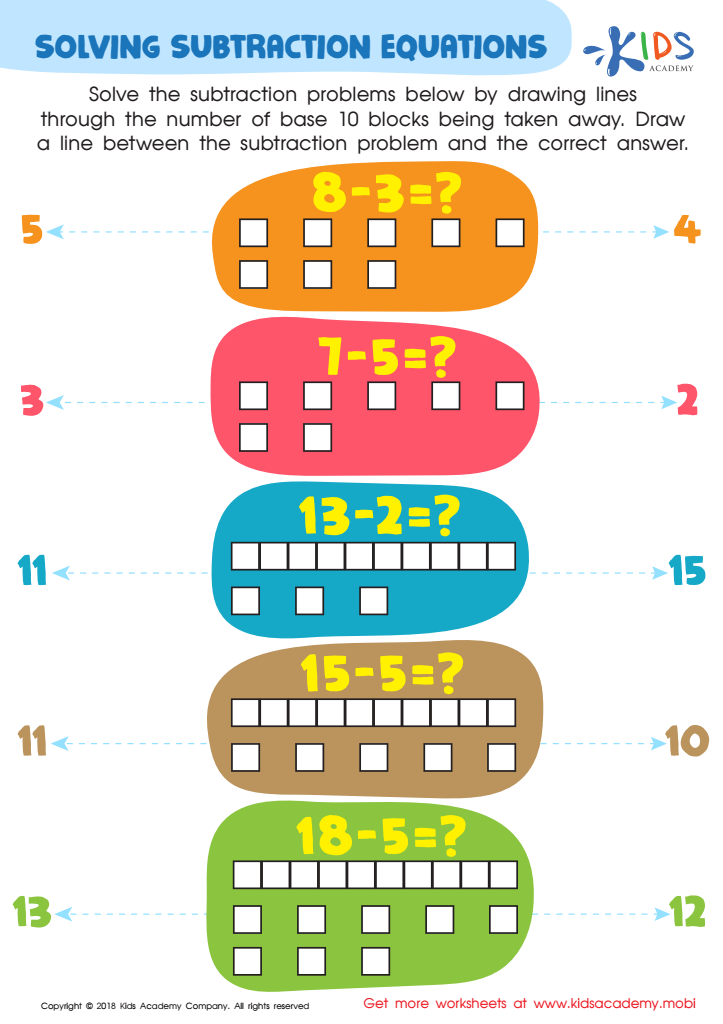
Solving Subtraction Equations Worksheet
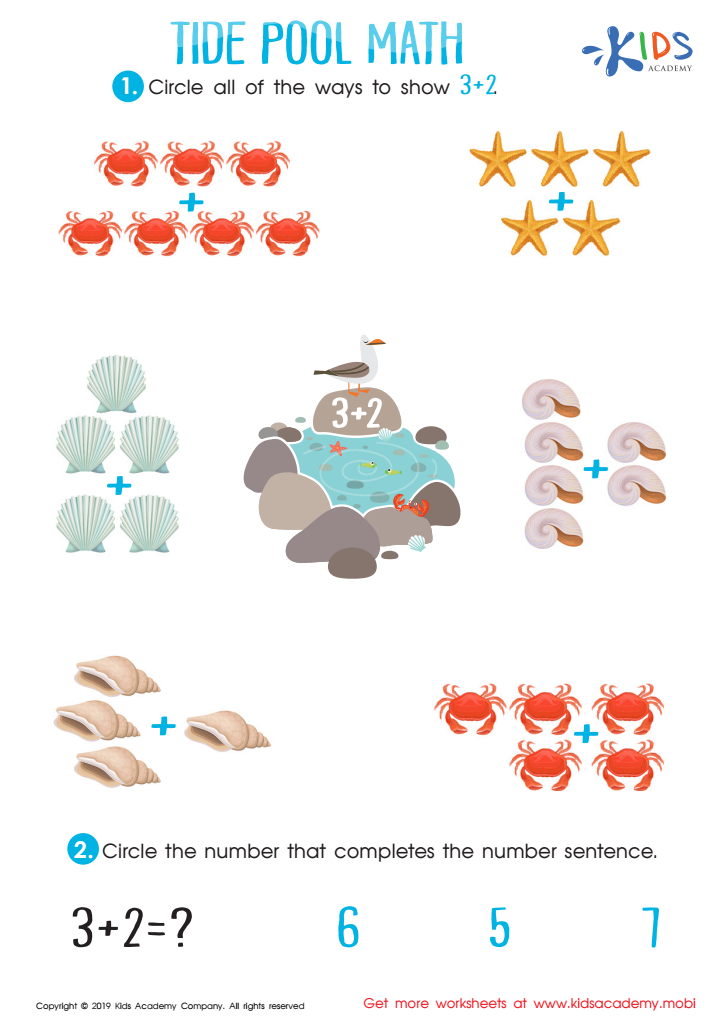
Tide Pool Math Worksheet
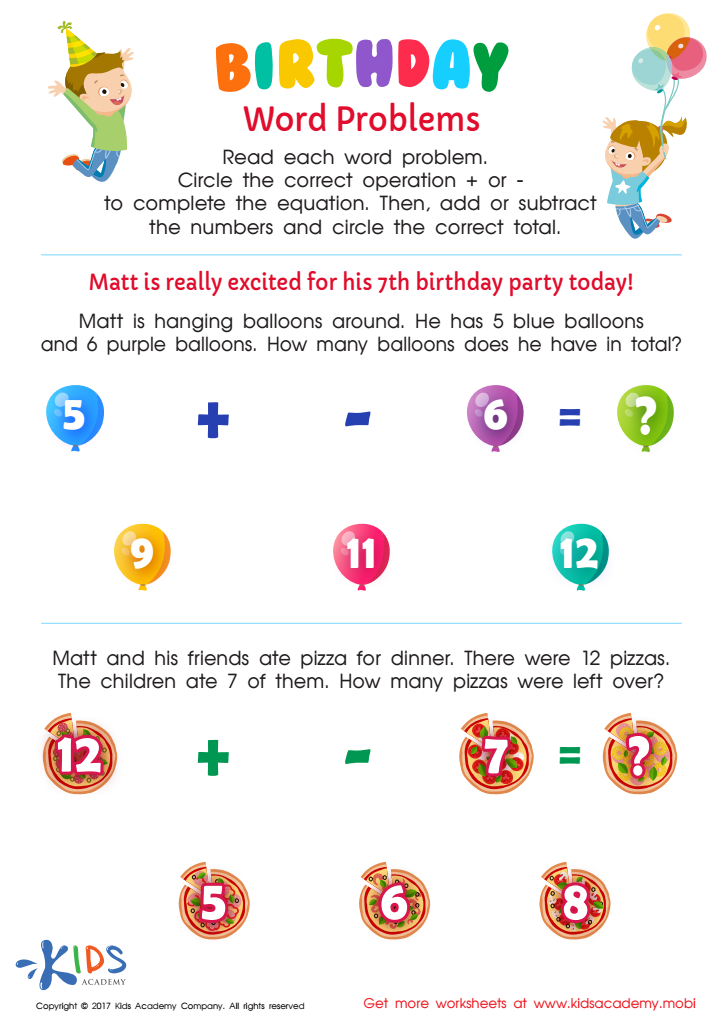
Birthday Word Problems Substraction Worksheet
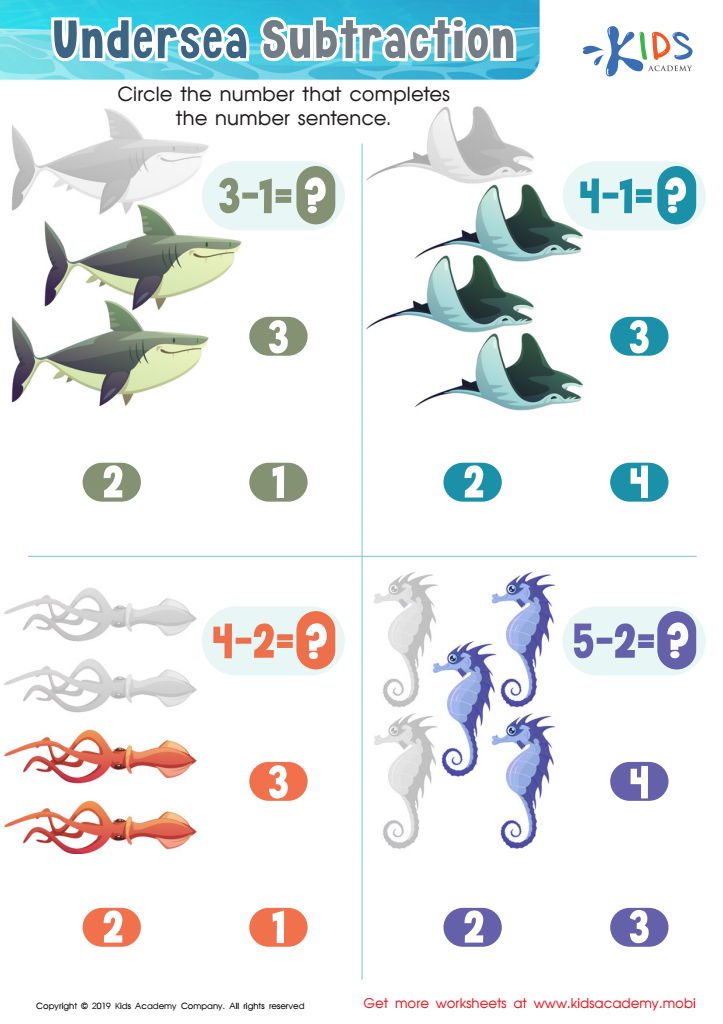
Undersea Subtraction Worksheet
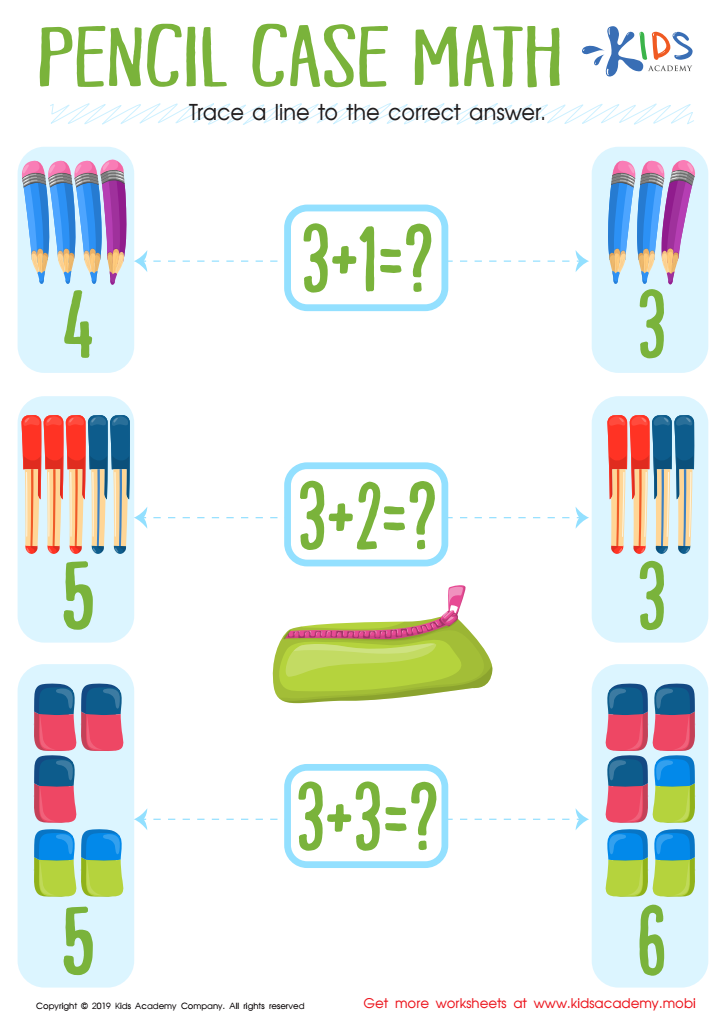
Pencil Case Math Worksheet
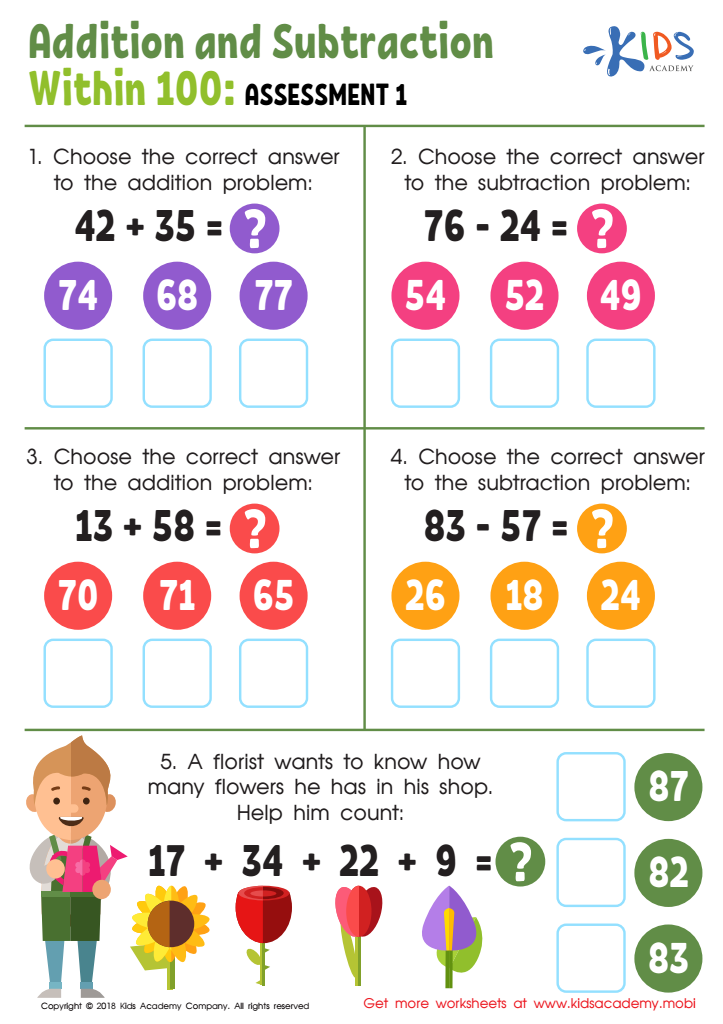
Addition and Subtraction Within 100 Worksheet
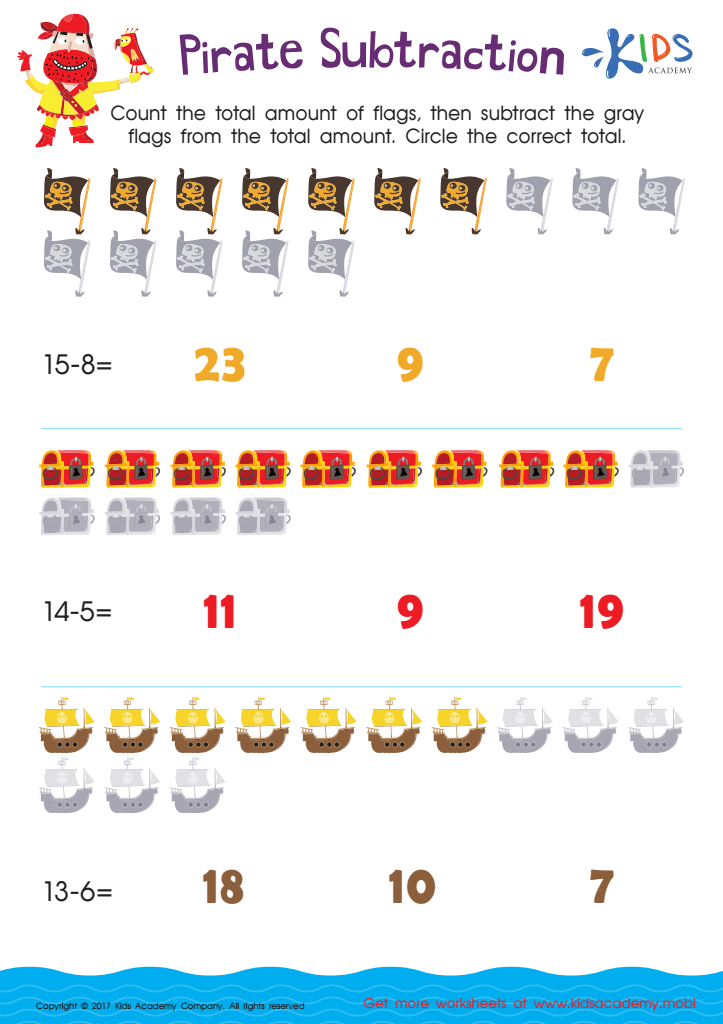
Pirate Subtraction Substraction Worksheet
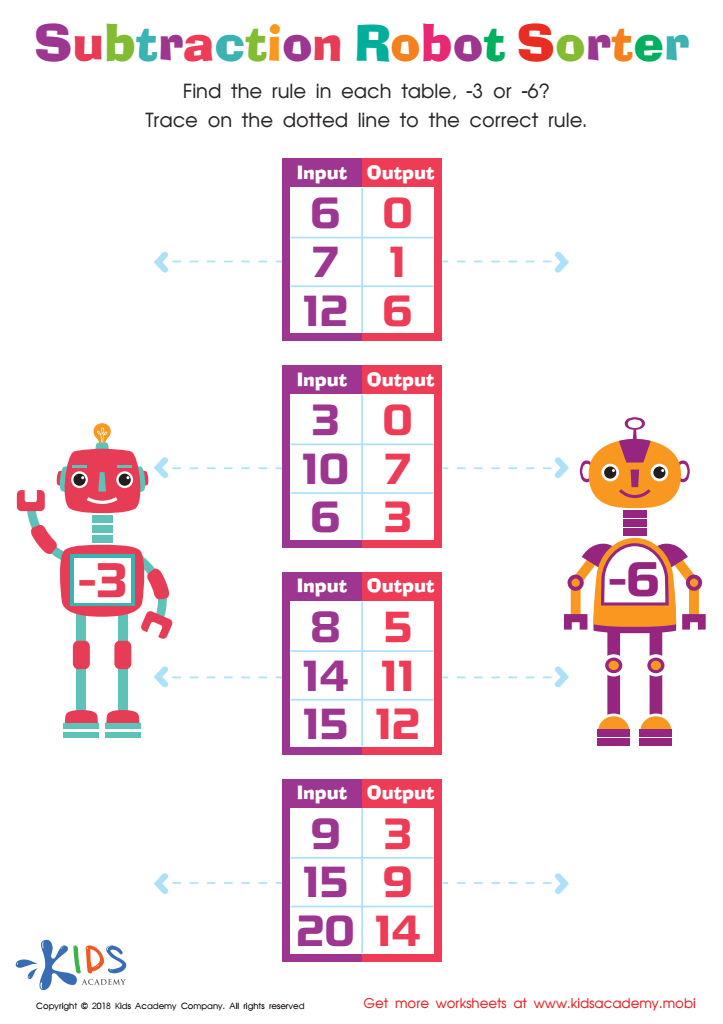
Subtraction Robot Sorter Worksheet
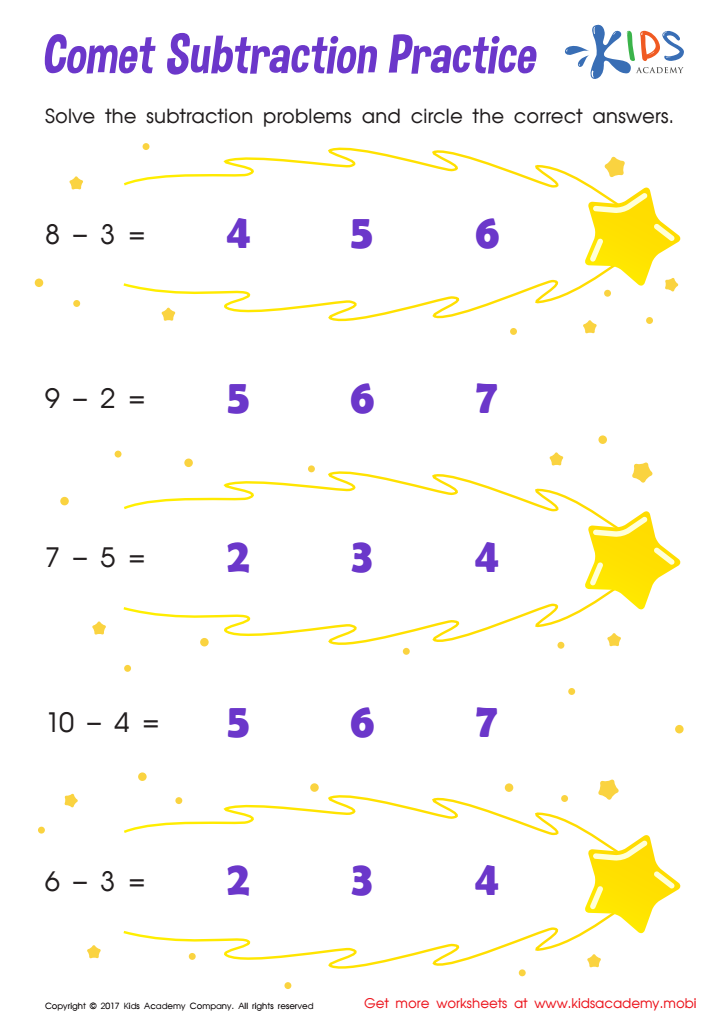
Comet Subtraction Practice Substraction Worksheet
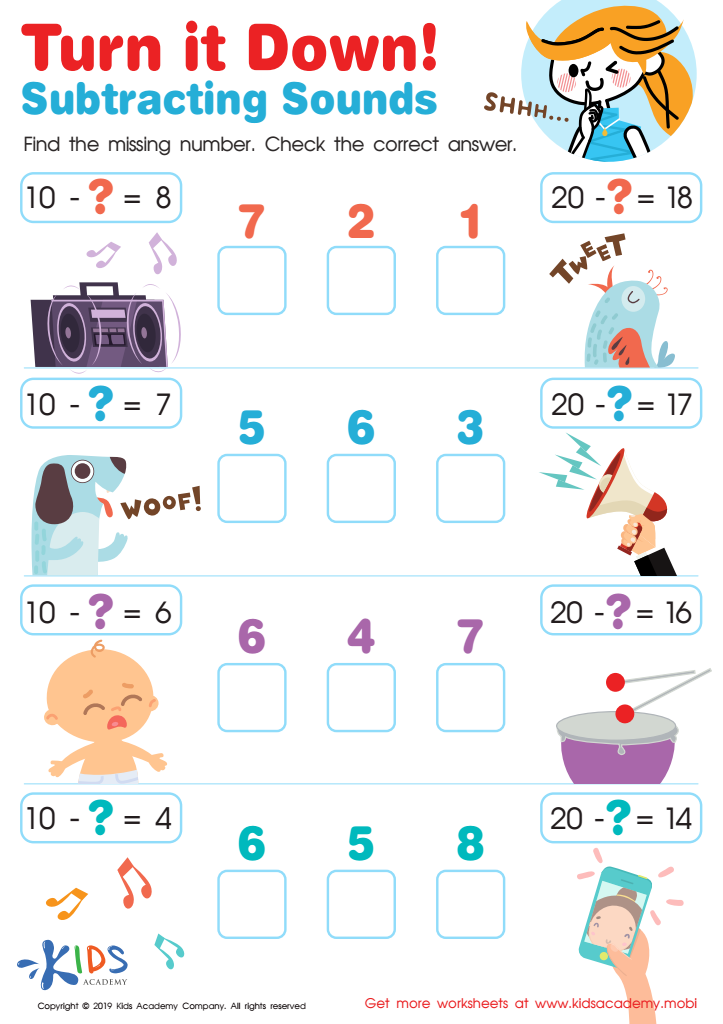
Turn It down! Subtracting Sounds Worksheet
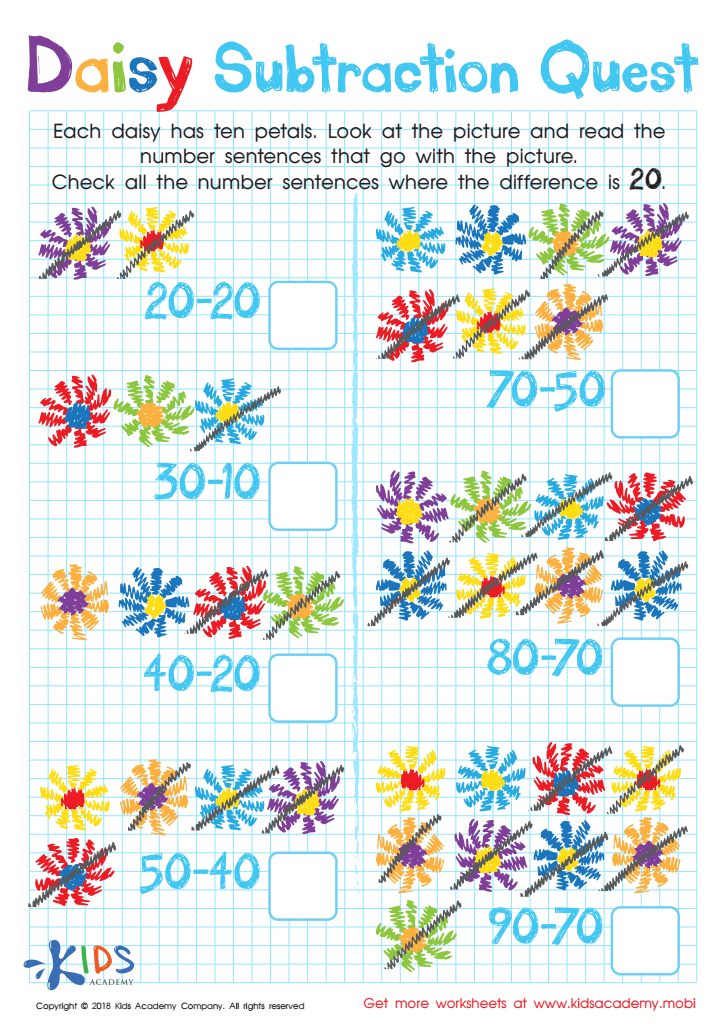
Daisy Subtraction Quest Worksheet
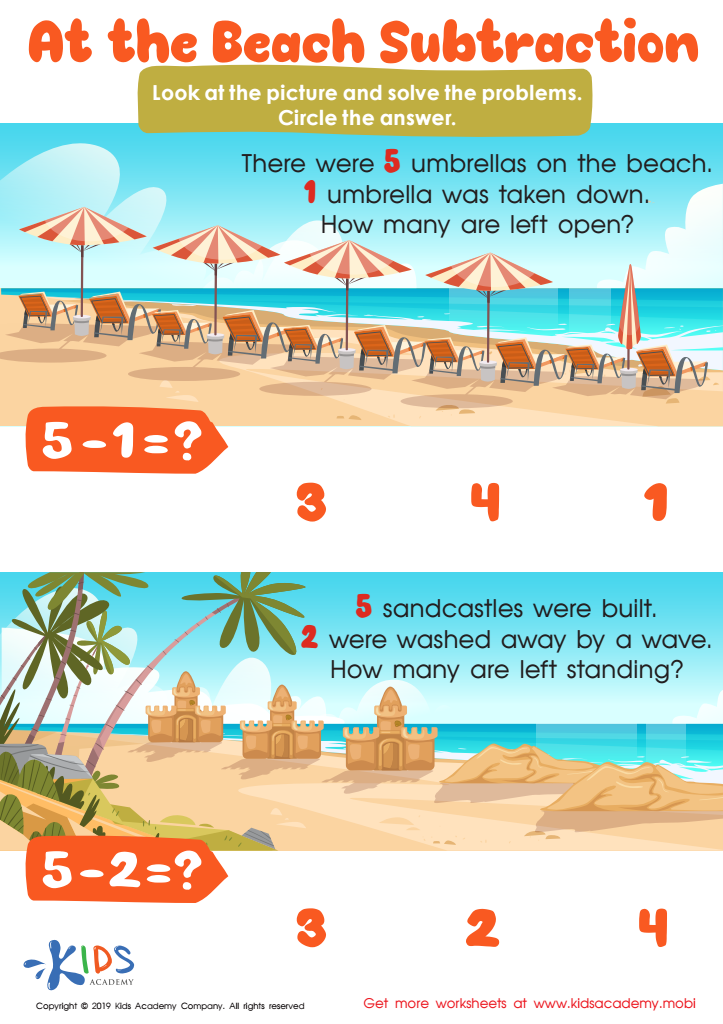
At the Beach Subtraction Worksheet
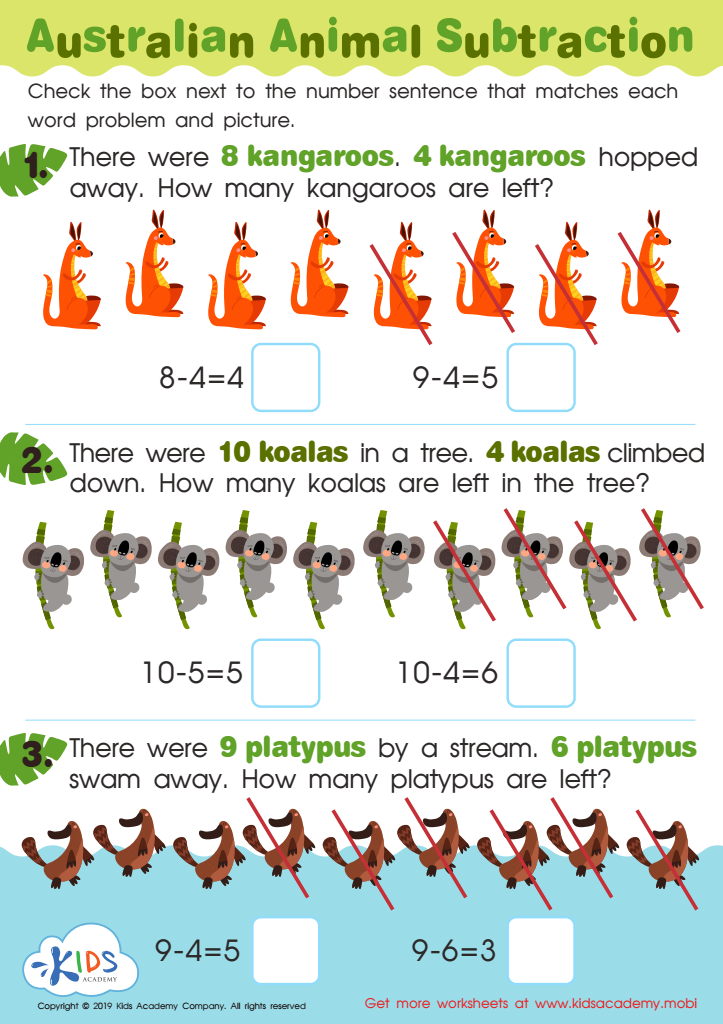
Australian Animal Subtraction Worksheet
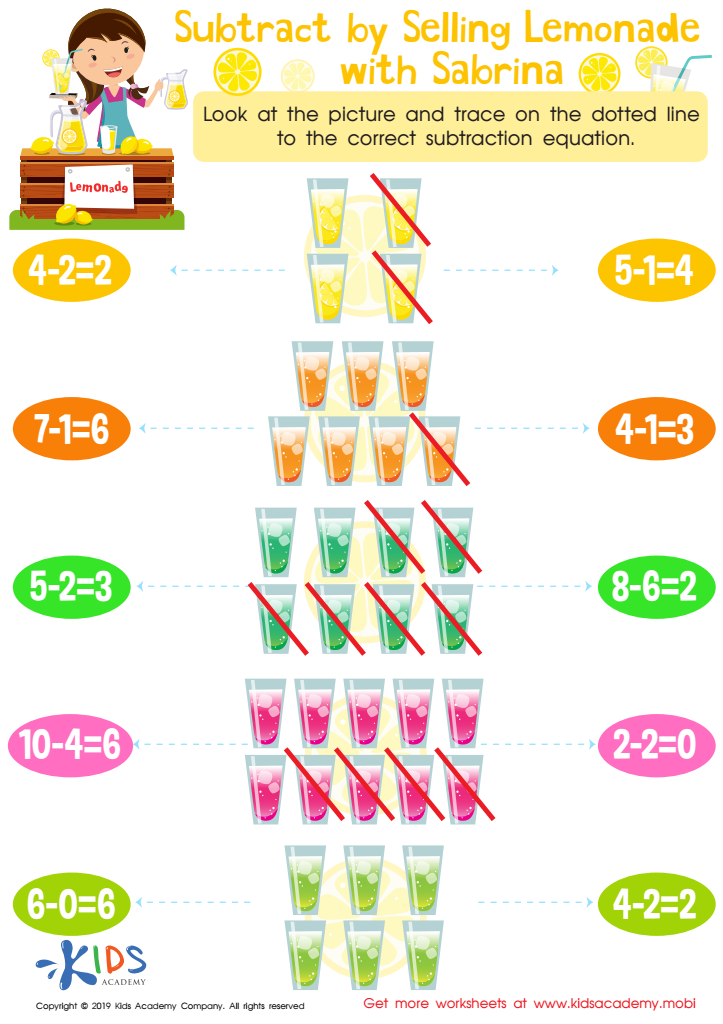
Subtract by Selling Lemonade with Sabrina Worksheet
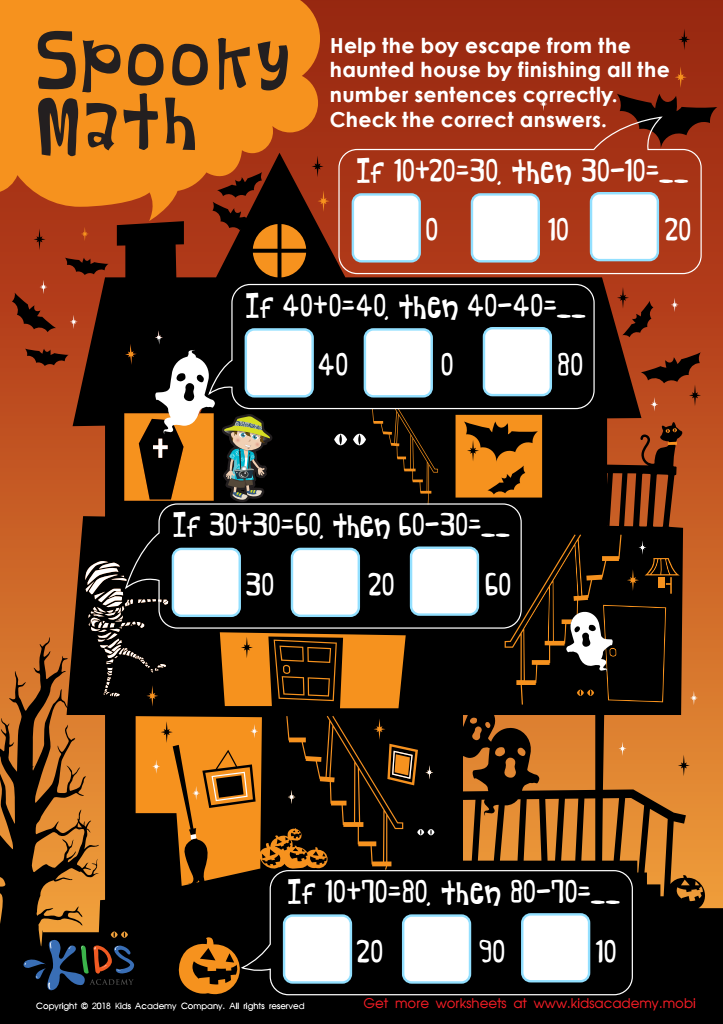
Subtract Tens: Spooky Math Worksheet
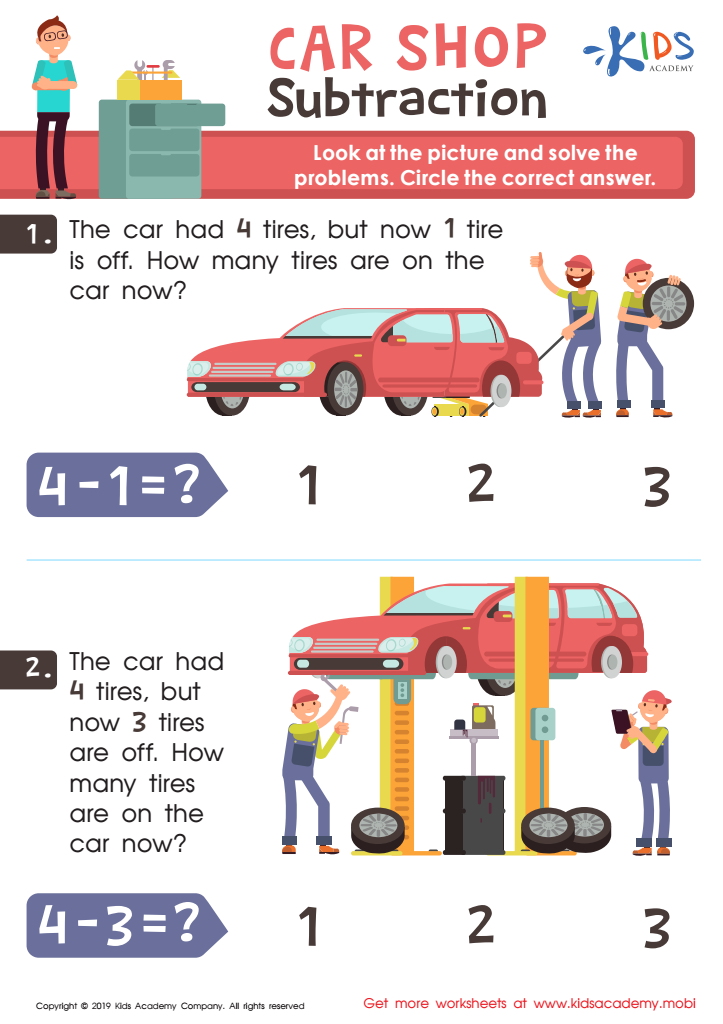
Car Shop Subtraction Worksheet
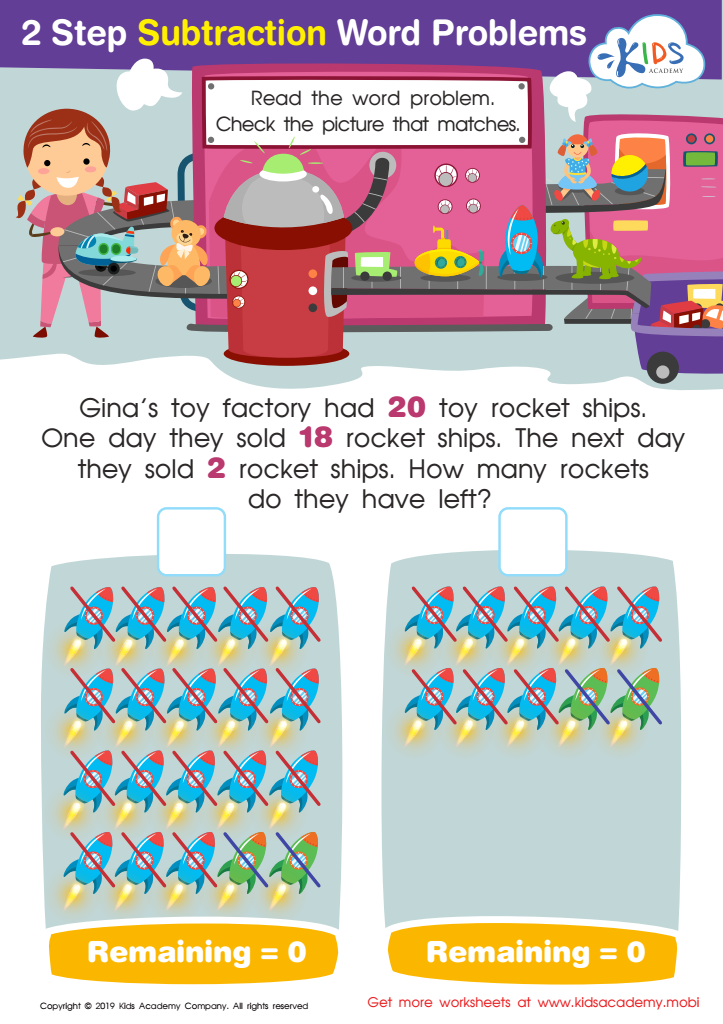
Step Subtraction Word Problems Worksheet
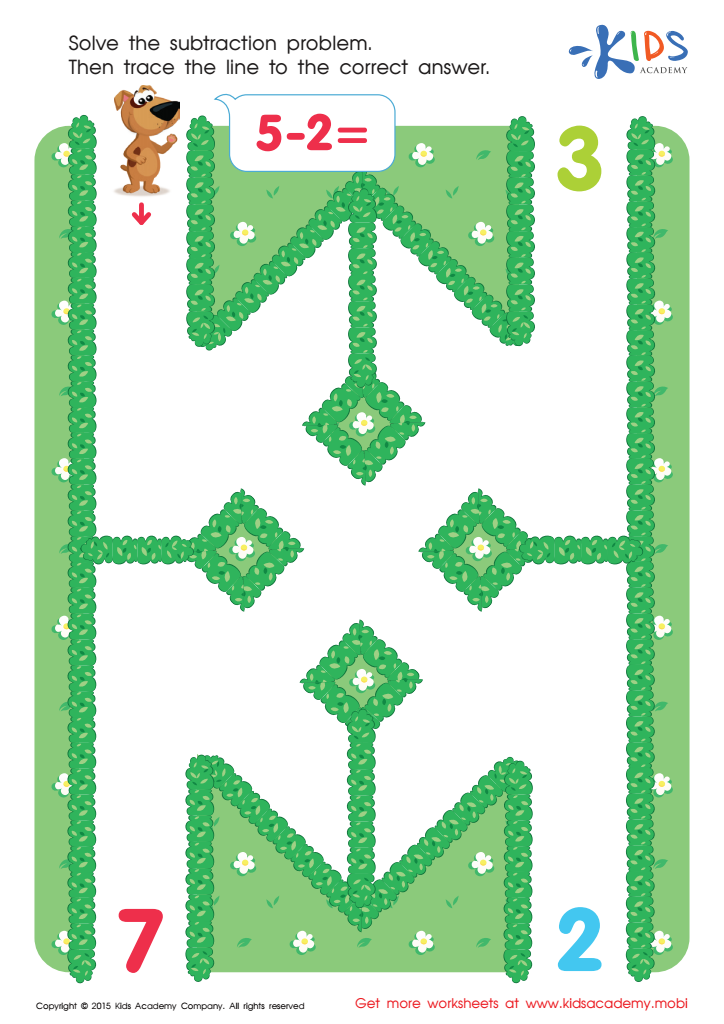
Five Minus Two Worksheet
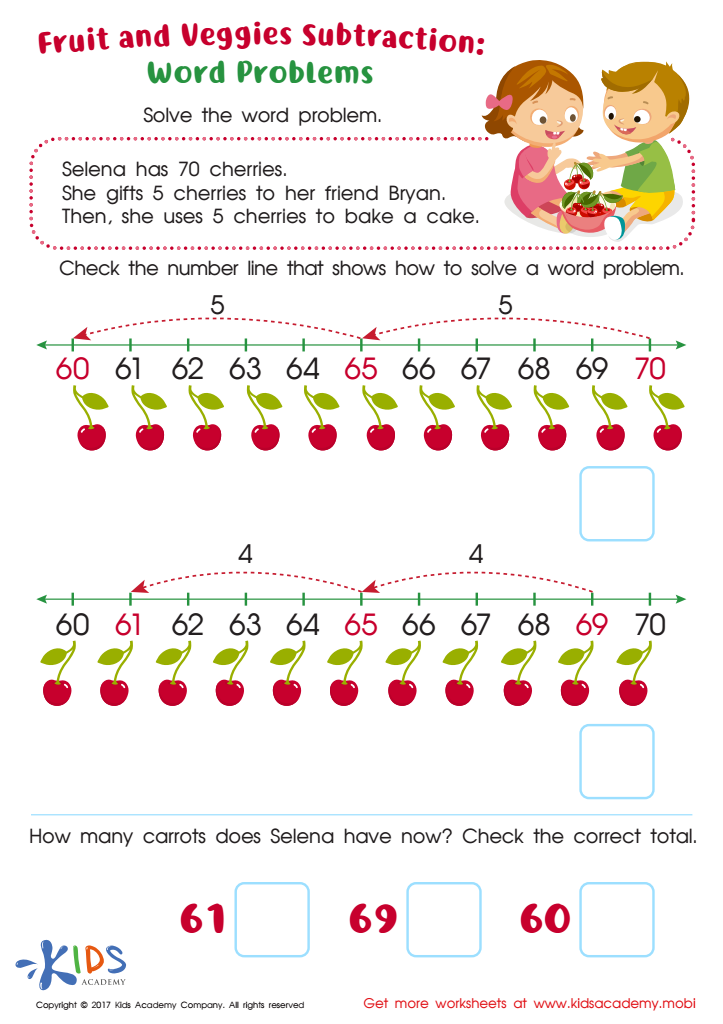
Subtraction Word Problems Free Printable
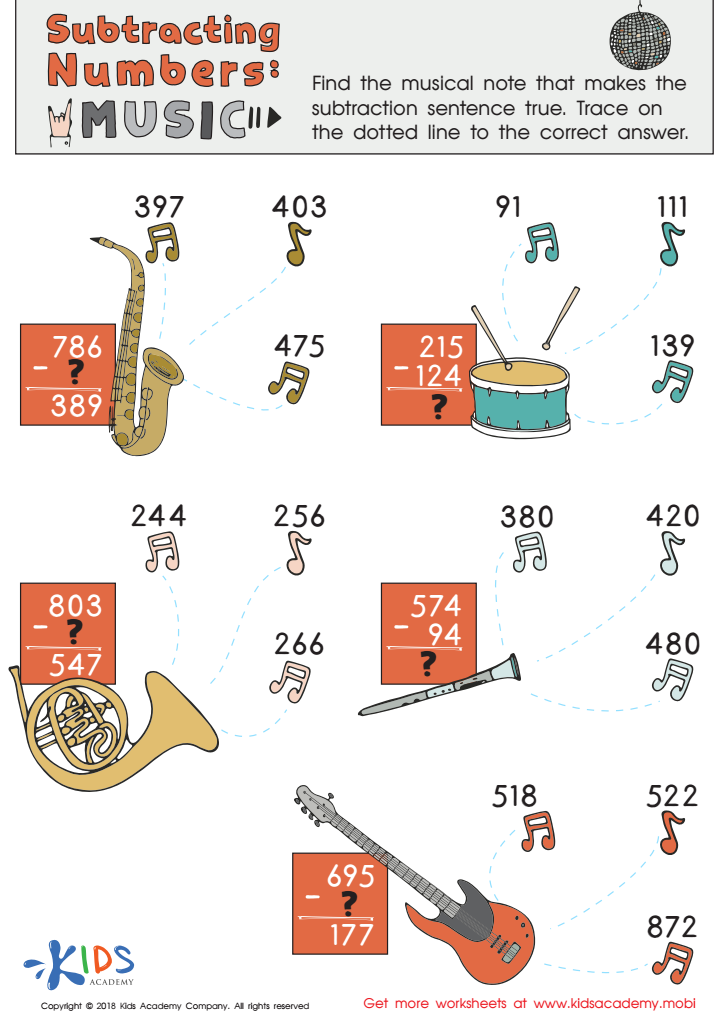
Subtracting Numbers: Music Worksheet








Subtraction practice is vital for children aged 6-9 as it forms the foundation for their mathematical understanding and critical thinking skills. At this developmental stage, children are transitioning from basic number recognition to more complex operations, making it essential to build a solid comprehension of subtraction alongside addition.
Effective subtraction skills enhance problem-solving abilities, as children learn to analyze situations and determine the relationship between numbers. This understanding is crucial for real-life scenarios, such as counting money, measuring time, or managing quantities.
Moreover, a strong grasp of subtraction promotes confidence in students. Many children struggle with math anxiety; regular practice of addition and subtraction provides them with familiarity and resilience, reducing stress when facing new concepts.
Engaging in this practice also encourages collaboration and communication skills, as group activities can foster discussion and support among peers.
Ultimately, parents and teachers should care about subtraction practice because it not only enhances mathematical proficiency but also bolsters children's overall cognitive development, instilling critical life skills such as perseverance, logical reasoning, and teamwork. Supporting young learners in building these competencies paves the way for greater academic success and lifelong learning.








