Basic arithmetic practice Numbers Worksheets for Ages 6-9
5 filtered results
-
From - To
Welcome to our Basic Arithmetic Practice Worksheets for Ages 6-9! Designed to enhance your child’s foundational math skills, these engaging worksheets focus on essential arithmetic concepts, including addition, subtraction, and number recognition. Perfect for kids in early grades, our materials offer a fun and interactive way to build confidence in math. Each worksheet is tailored to suit varying skill levels, ensuring that young learners progress at their own pace. Enhance classroom learning or supplement at-home study with our printable resources that combine education with enjoyment. Start your child’s math journey today and watch their skills flourish!
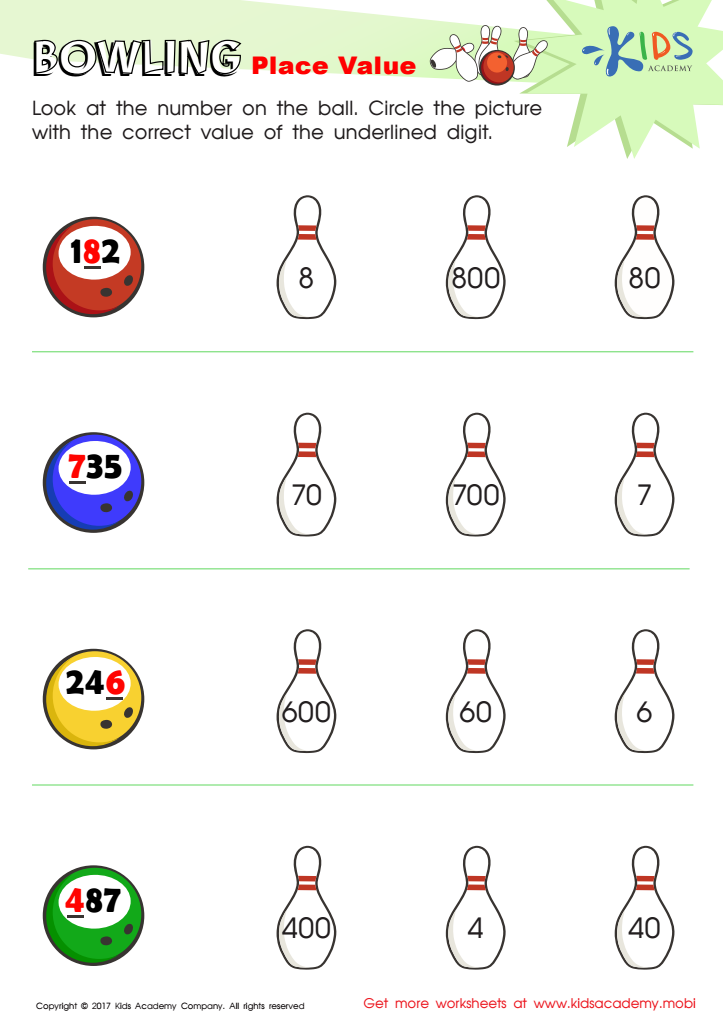
Place Value Worksheet
 Assign to My Students
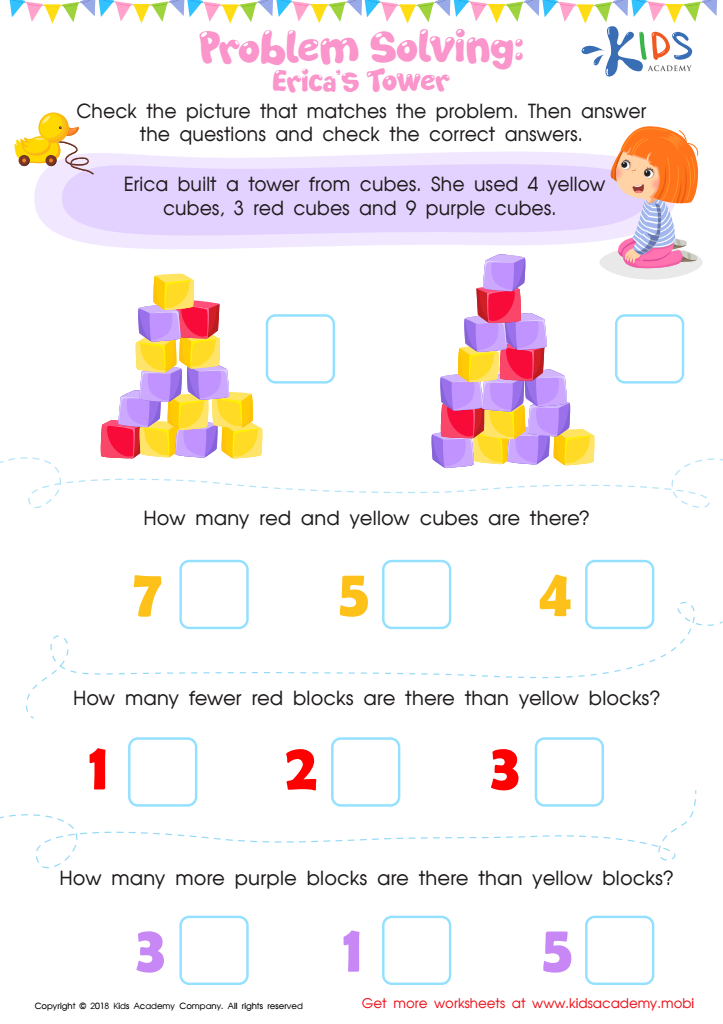
Problem Solving: Erica's Tower Worksheet
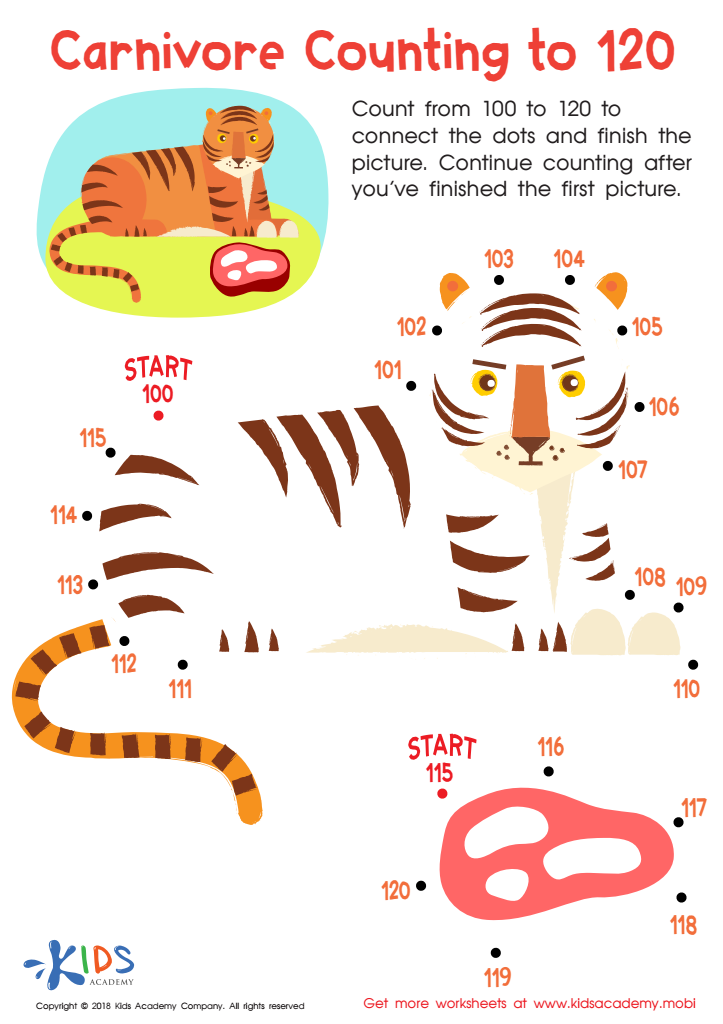
Carnivore Counting to 120 Worksheet
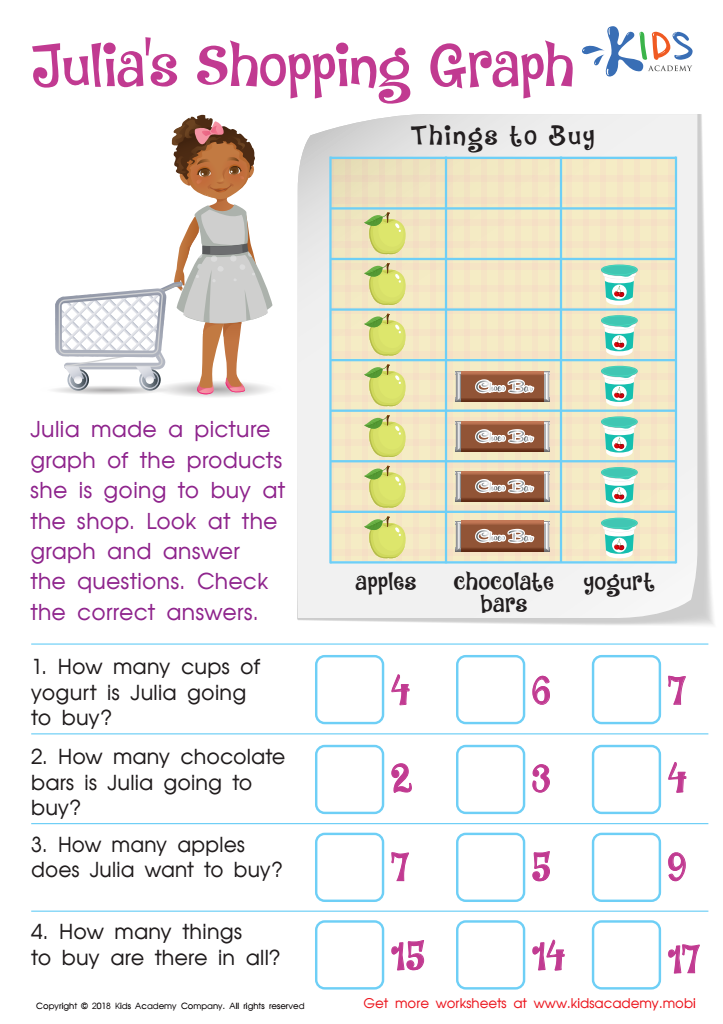
Julia's Shopping Graph Worksheet
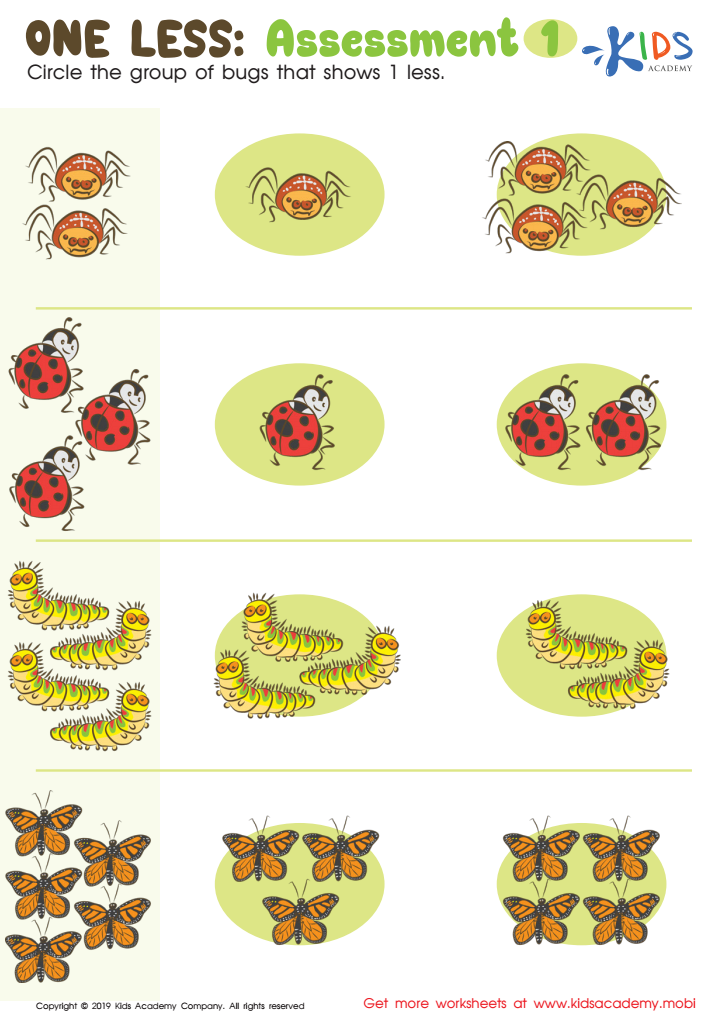
One Less: Assessment 1 Worksheet





.jpg)


Parents and teachers play a crucial role in fostering a strong foundation in basic arithmetic for children ages 6-9, a critical stage in their cognitive development. Early mathematical skills are essential not only for academic success but for building confidence in problem-solving and critical thinking. Mastery of basic arithmetic, including addition, subtraction, multiplication, and division, equips children with the tools they need to understand more complex math concepts in the future.
Furthermore, strong arithmetic skills contribute to improved analytical abilities that extend beyond mathematics. In daily life, children use these skills for budgeting, cooking, and measurements, making arithmetic relevant and applicable. Engaging in consistent practice strengthens memory and fosters number sense, which is vital for everyday decision-making.
Additionally, early exposure to these concepts can bridge gaps in learning. A solid understanding of arithmetic can reduce anxiety around math while making learning enjoyable. With their support, parents and teachers can help children see math as a fun, interactive subject, laying the groundwork for a lifelong positive relationship with numbers. Overall, investing time in basic arithmetic practice now will yield significant benefits for children's academic pathways and everyday lives in the future.








