Hand-eye Coordination Numbers Worksheets for Ages 6-9
27 filtered results
-
From - To
Our engaging "Hand-eye Coordination Numbers Worksheets for Ages 6-9" are designed to enhance your child's fine motor skills while making learning fun. Suitable for young learners, these worksheets blend educational challenges with enjoyable activities, promoting better cognitive development and numerical understanding. As children trace and connect numbers, they’ll improve hand-eye coordination through creative exercises. Ideal for both classroom settings and at-home practice, these resources aim to build confidence in fundamental math skills. With vibrant designs and age-appropriate tasks, our worksheets are perfect for helping children master numbers and develop essential early learning abilities.
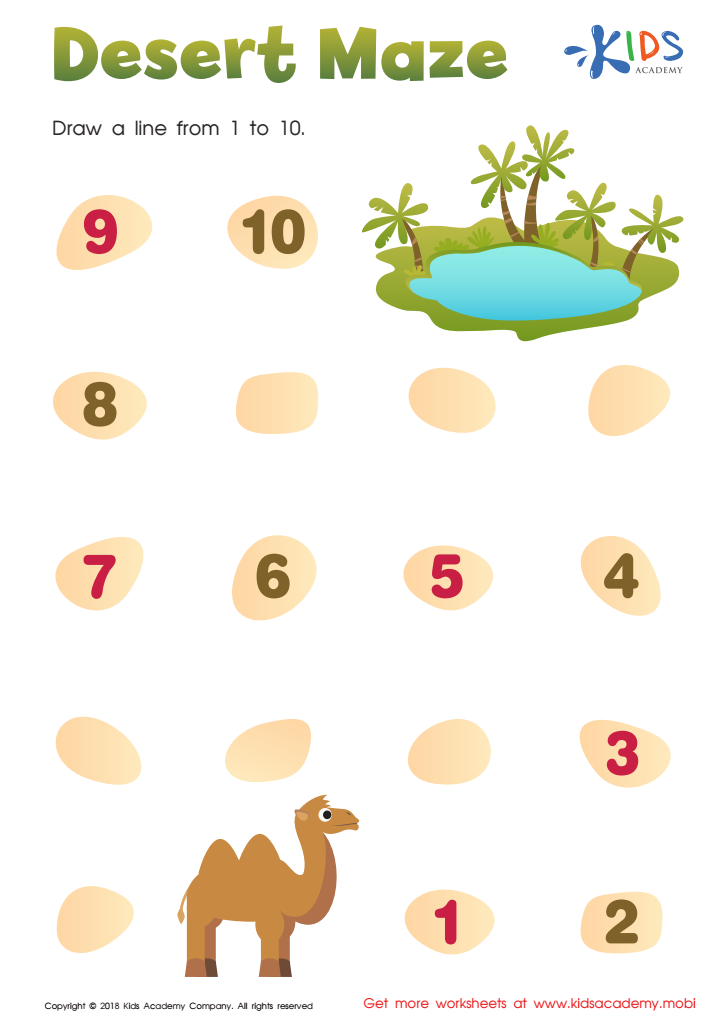
Desert Maze Worksheet
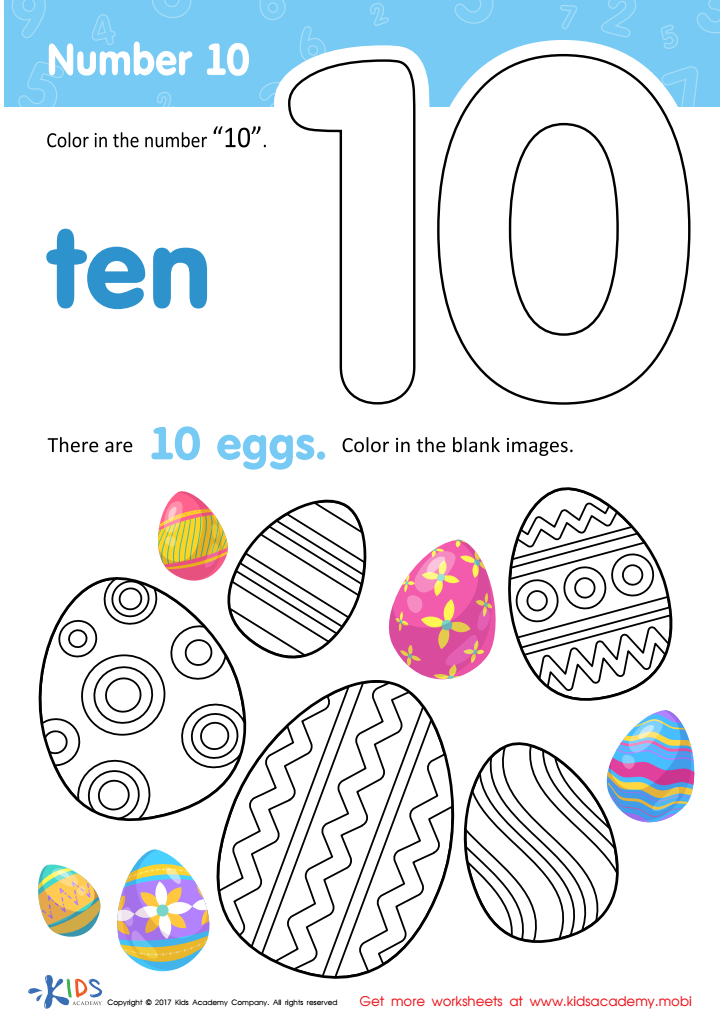
Number 10 Printable
 Assign to My Students
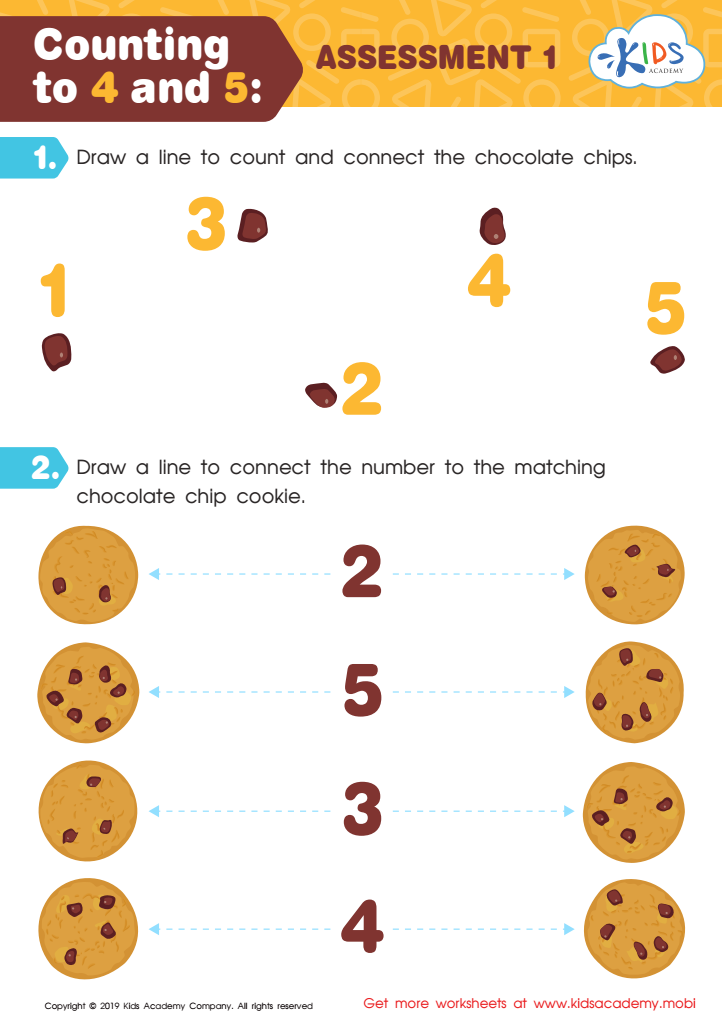
Counting to 4 and 5: Assessment 1 Worksheet
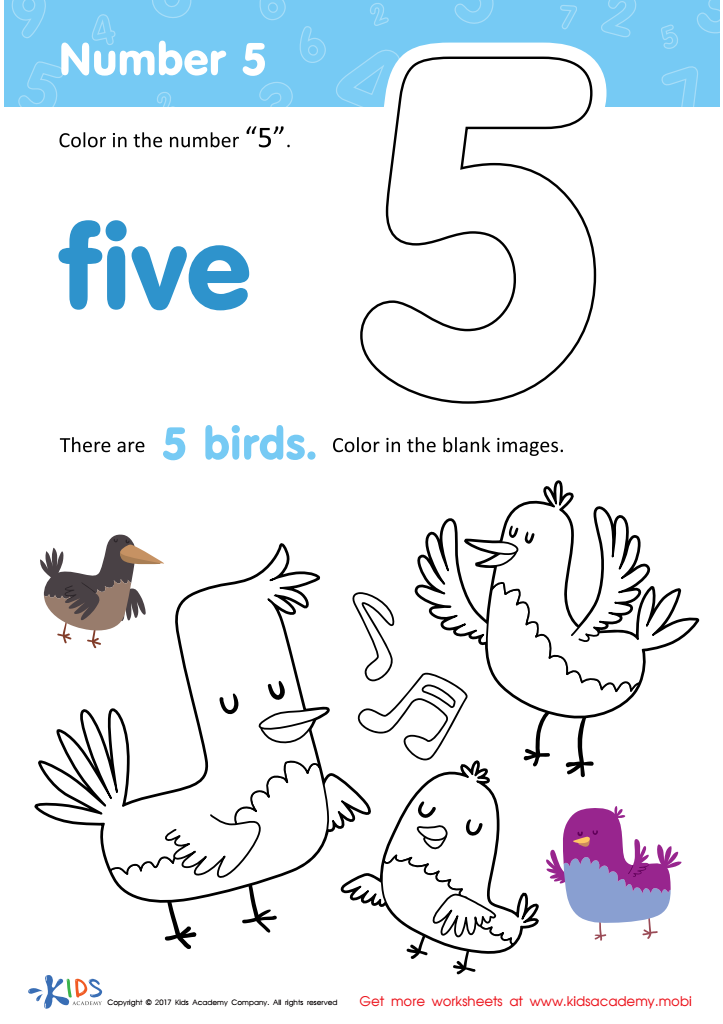
Number 5 Printable
Assign to My Students
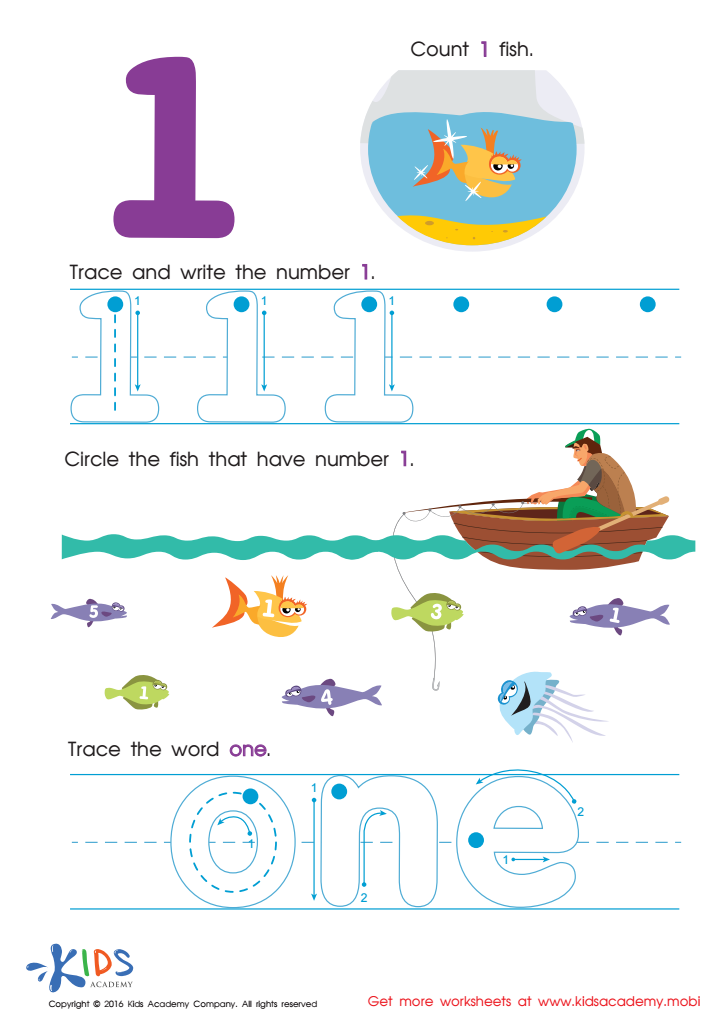
Learning to Write 1 Worksheet
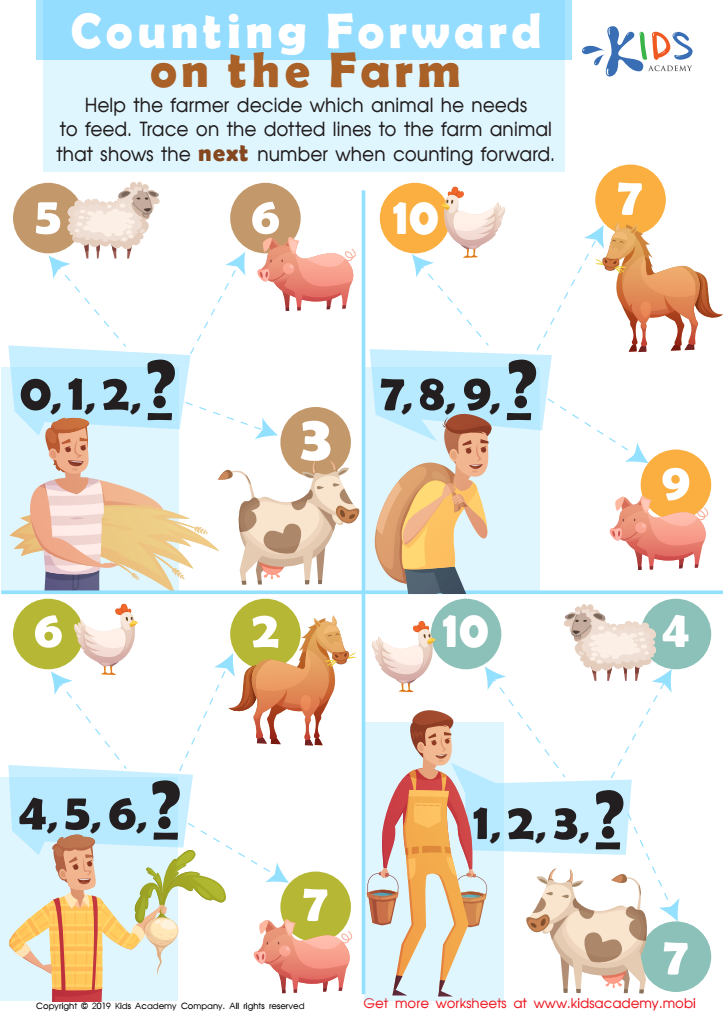
Counting Forward On the Farm Worksheet
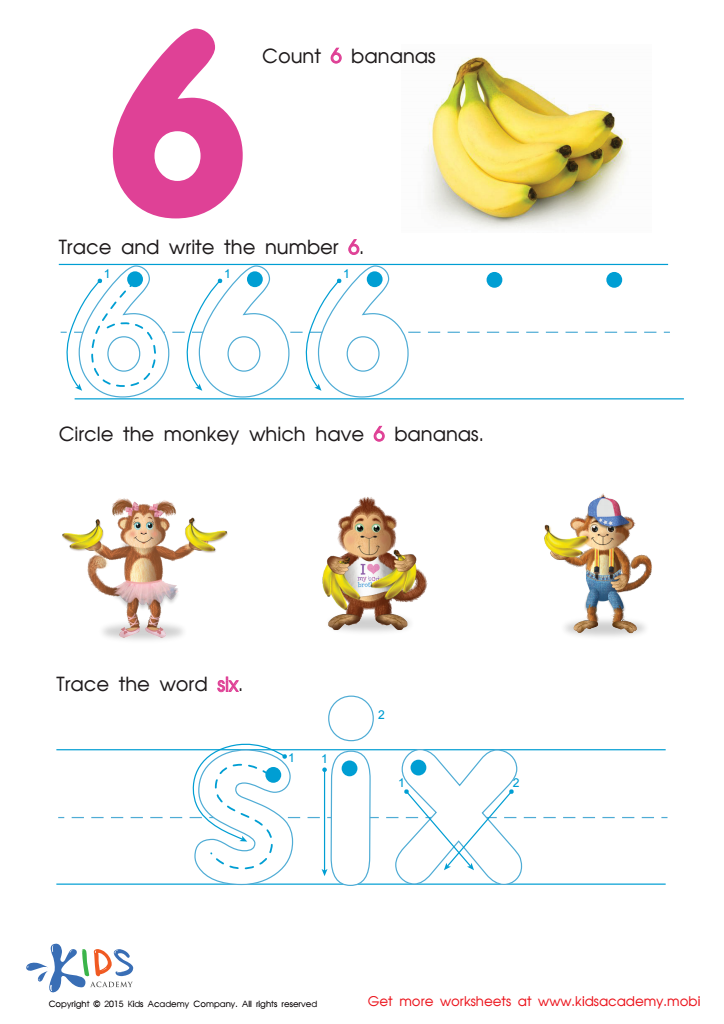
Tracing And Writing Number 6 Worksheet
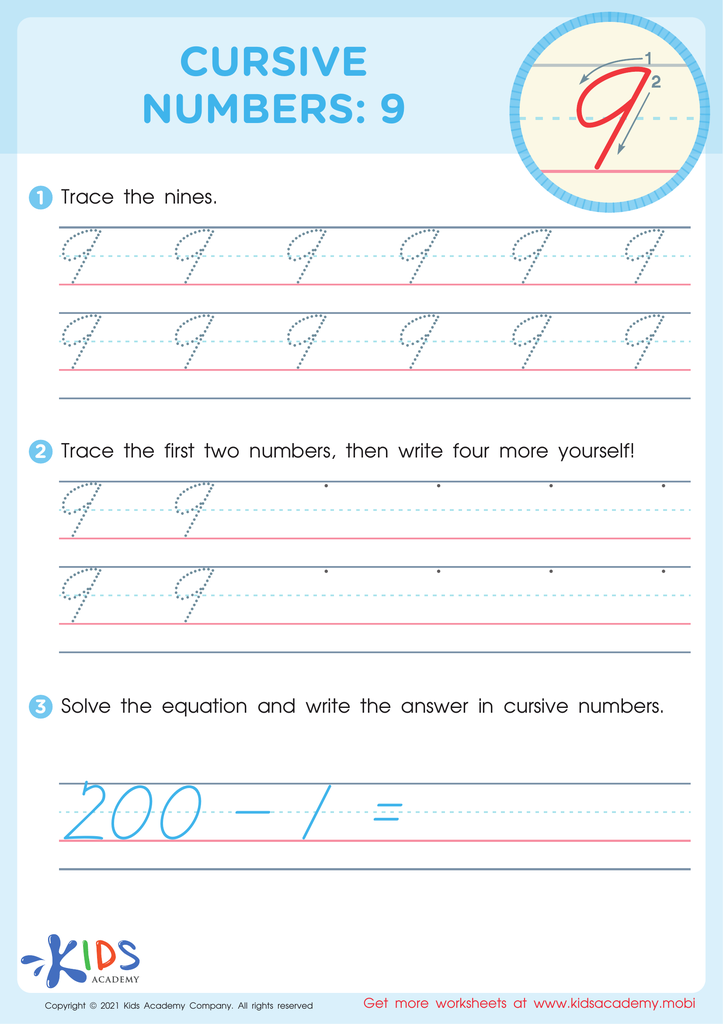
Cursive Numbers: 9 Worksheet
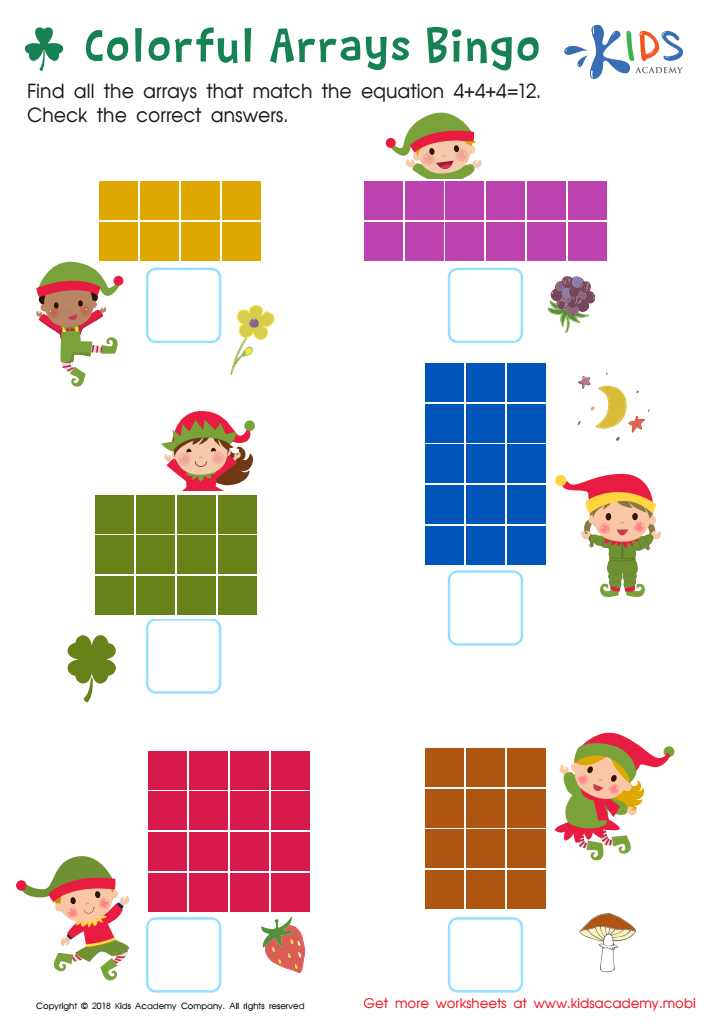
Colorful Arrays Bingo Worksheet
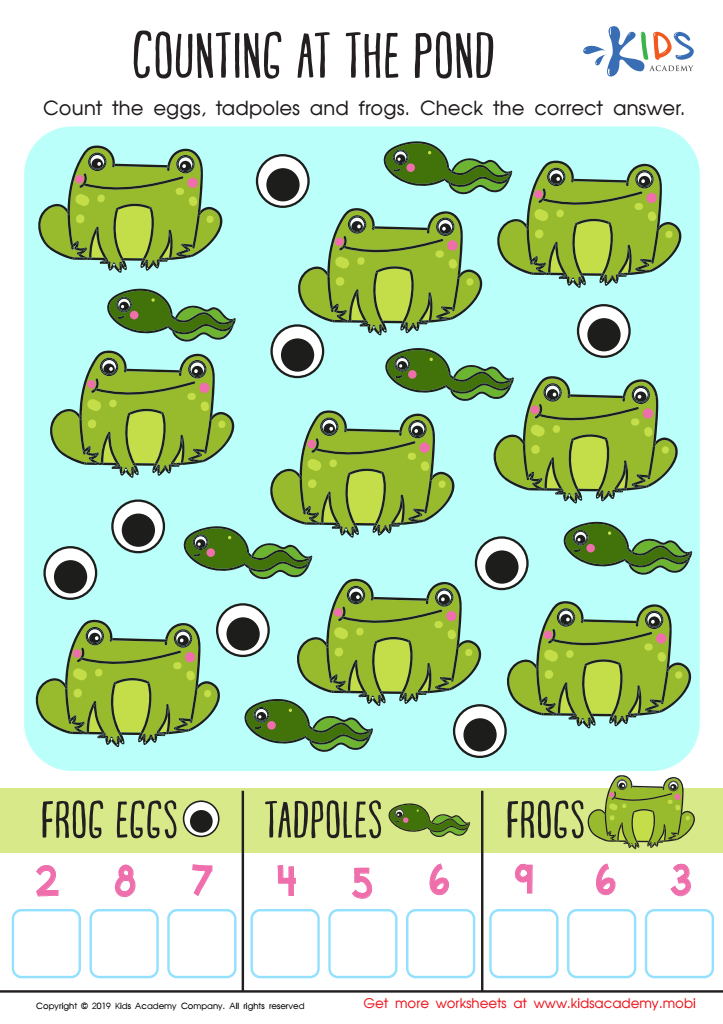
Counting at the Pond Worksheet
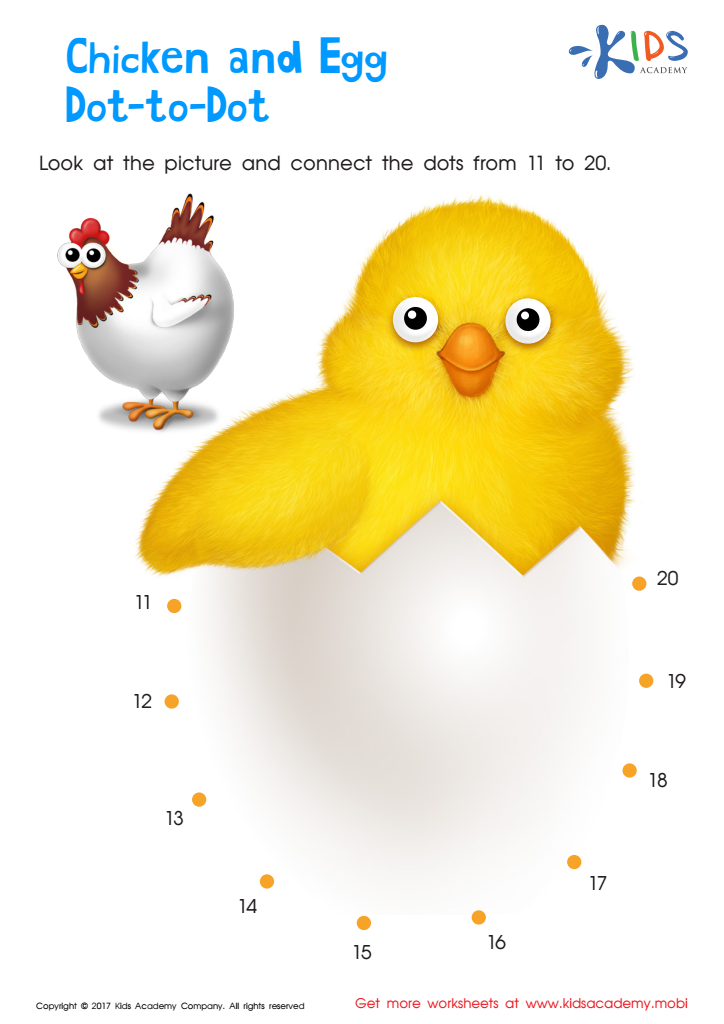
Ordering 11–20: Chicken & Egg Dot–to–dot Worksheet
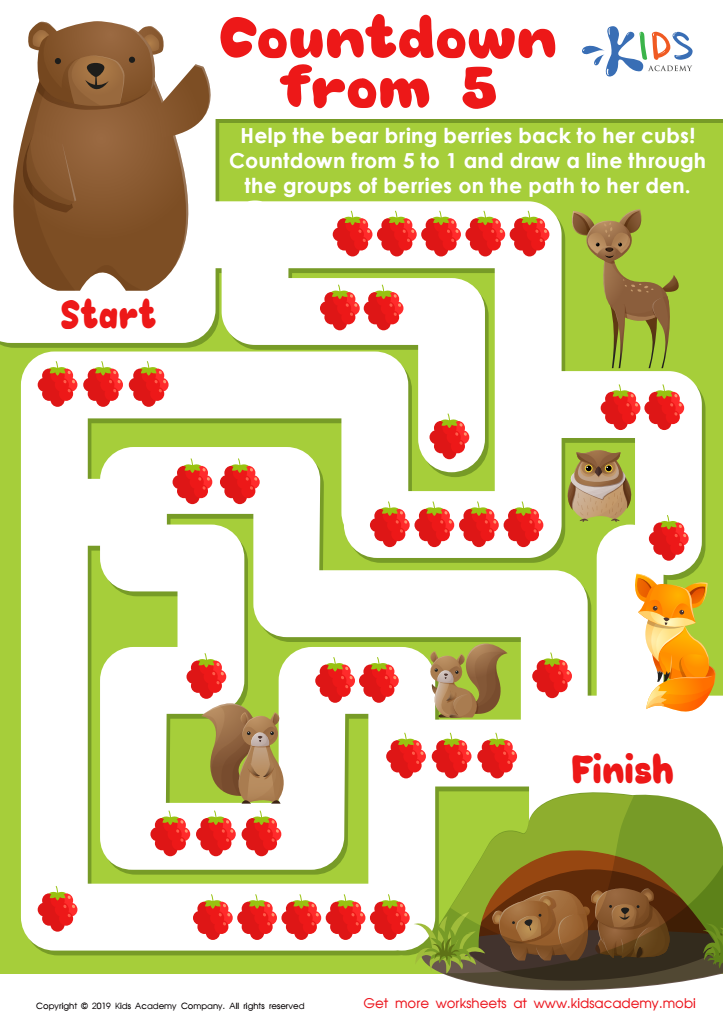
Countdown from 5 Worksheet
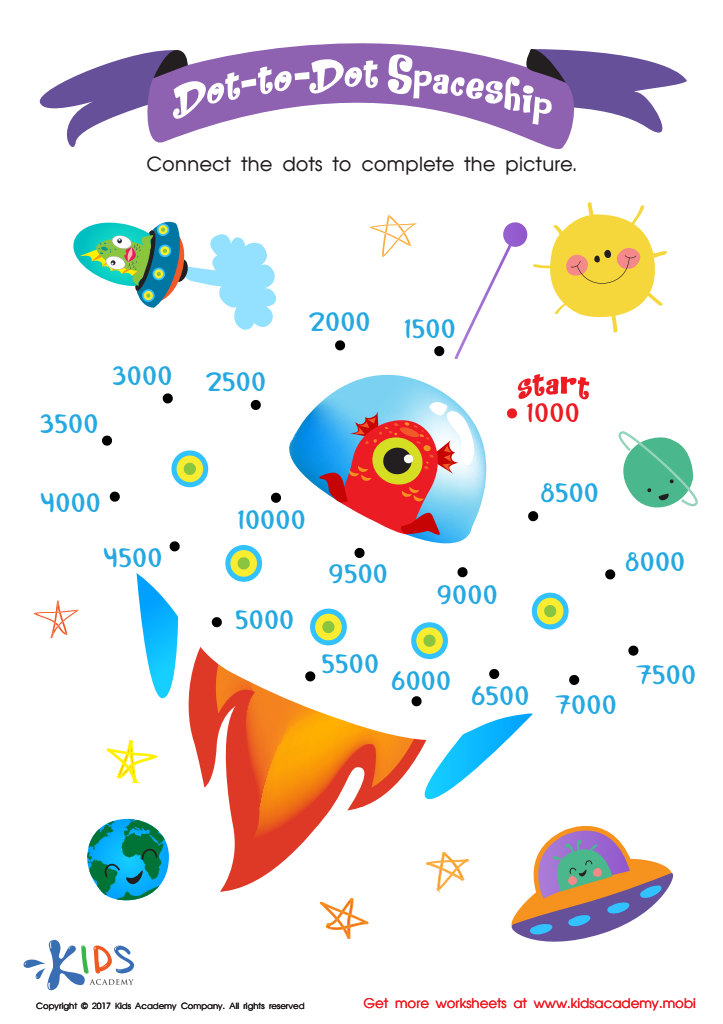
Dot to Dot Worksheet for 3rd Grade
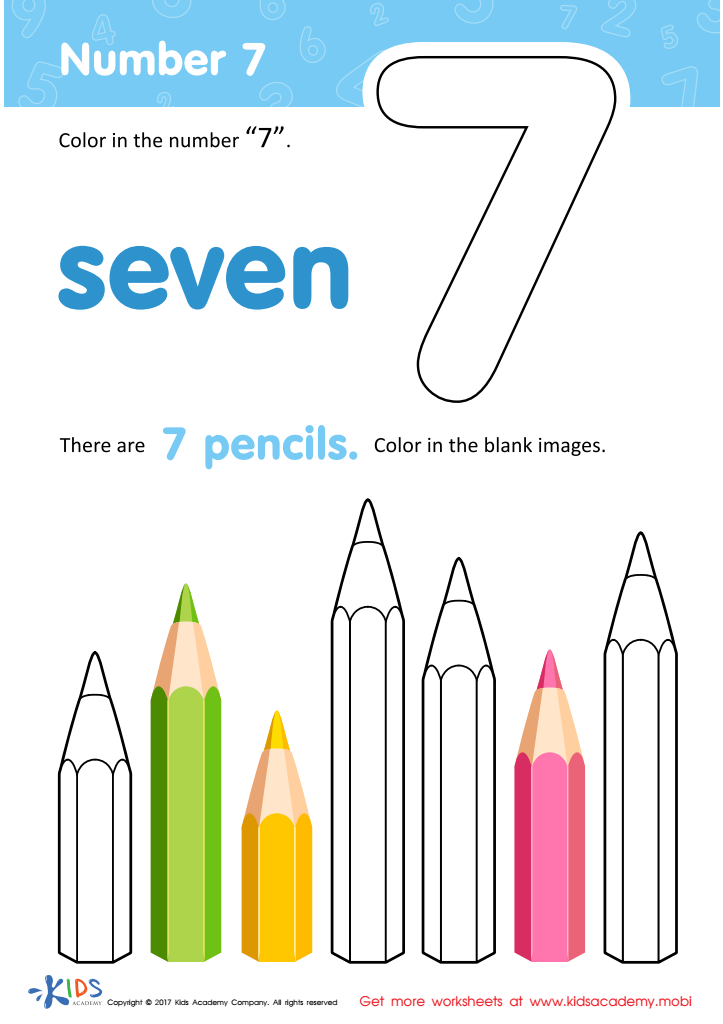
Number 7 Worksheet
Assign to My Students
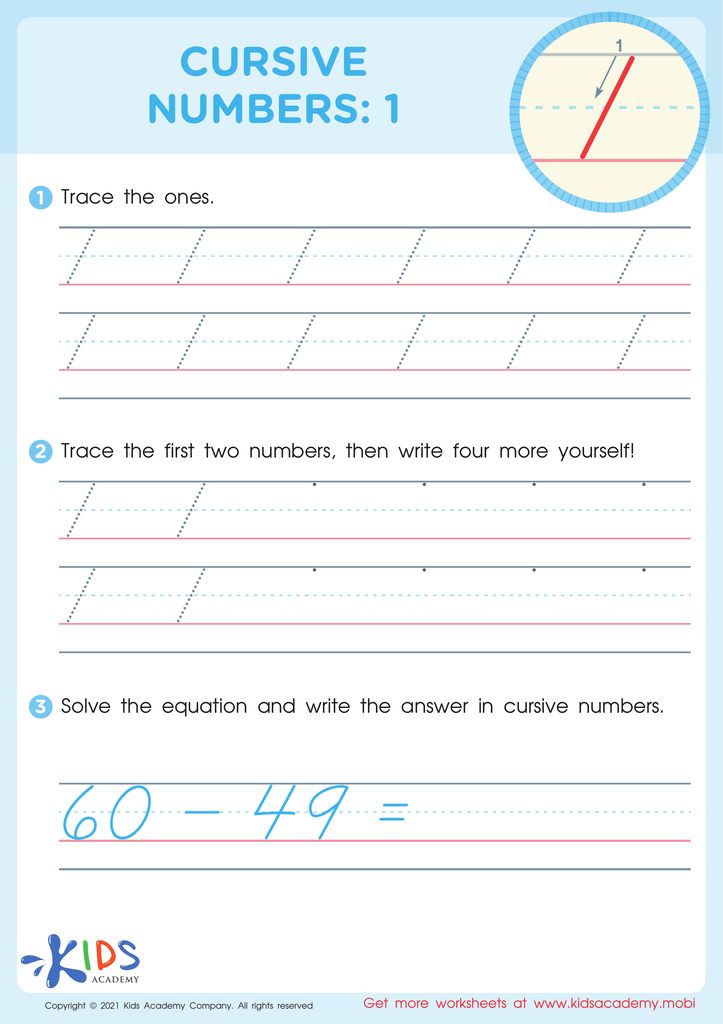
Cursive Numbers: 1 Worksheet
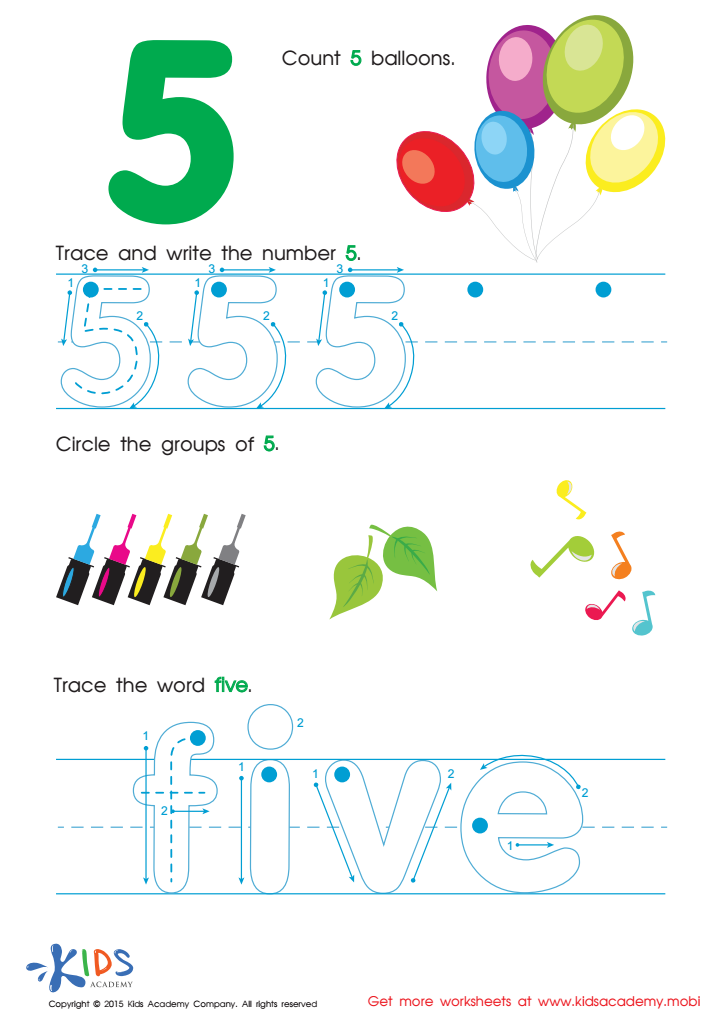
Practice Writing Number 5 Worksheet
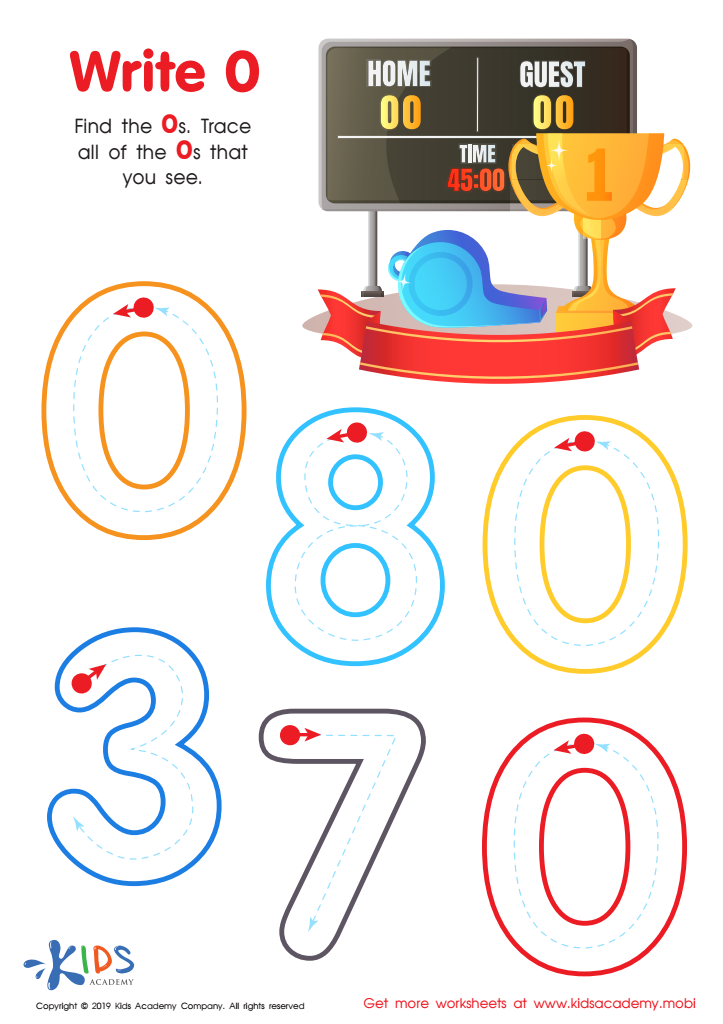
Write 0 Worksheet
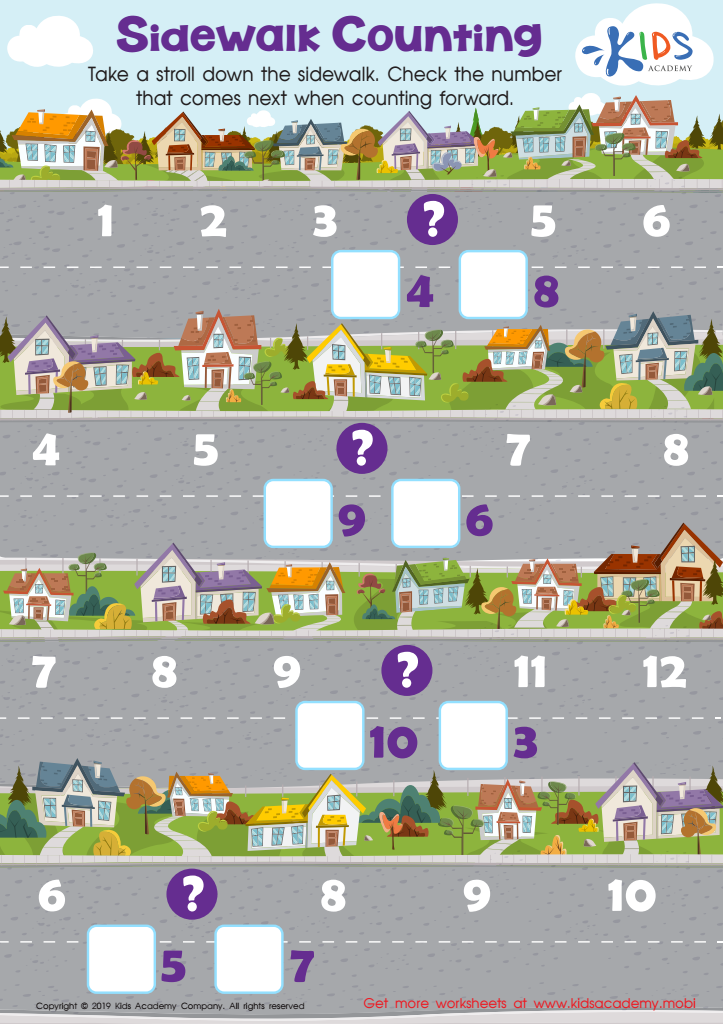
Sidewalk Counting Worksheet
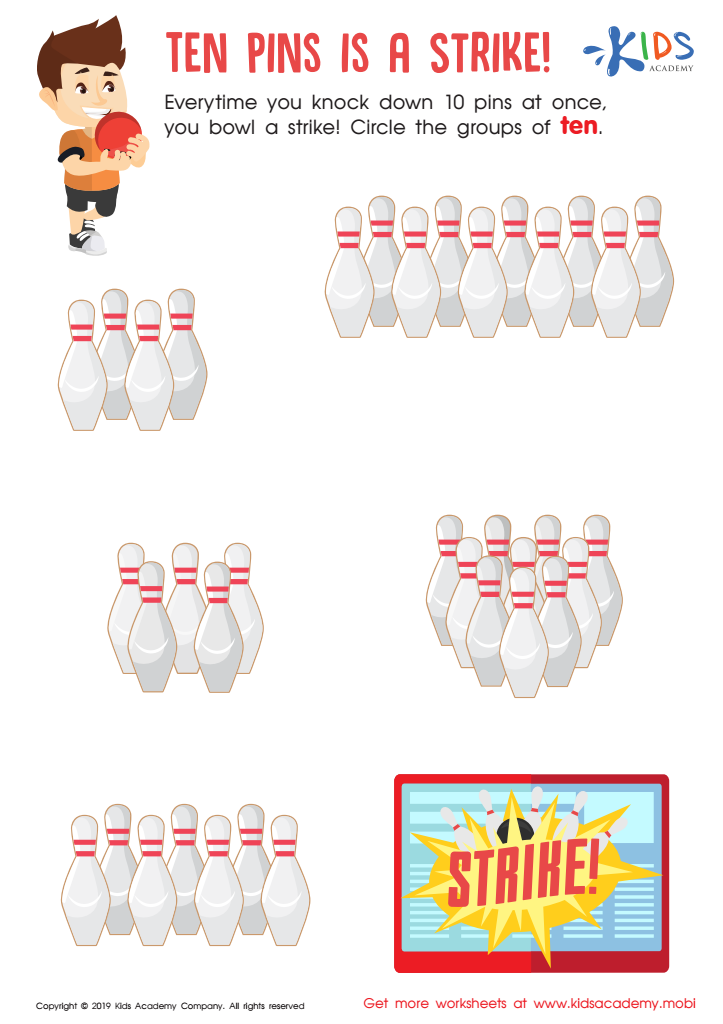
Ten Pins is a Strike Worksheet
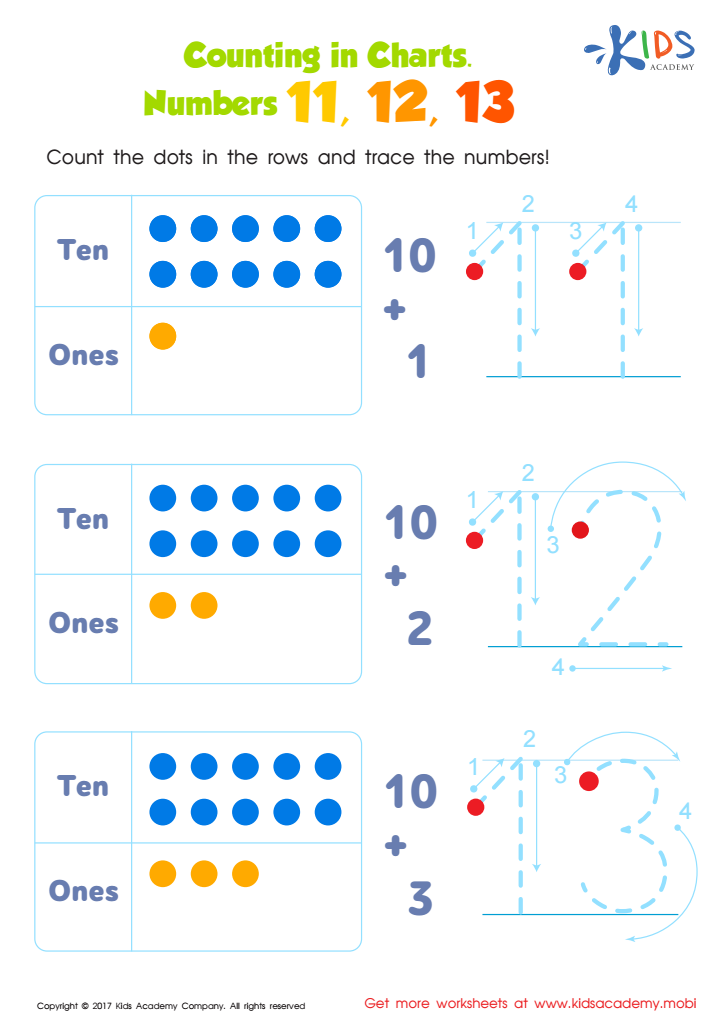
Number Tracing Worksheet For Kindergarten
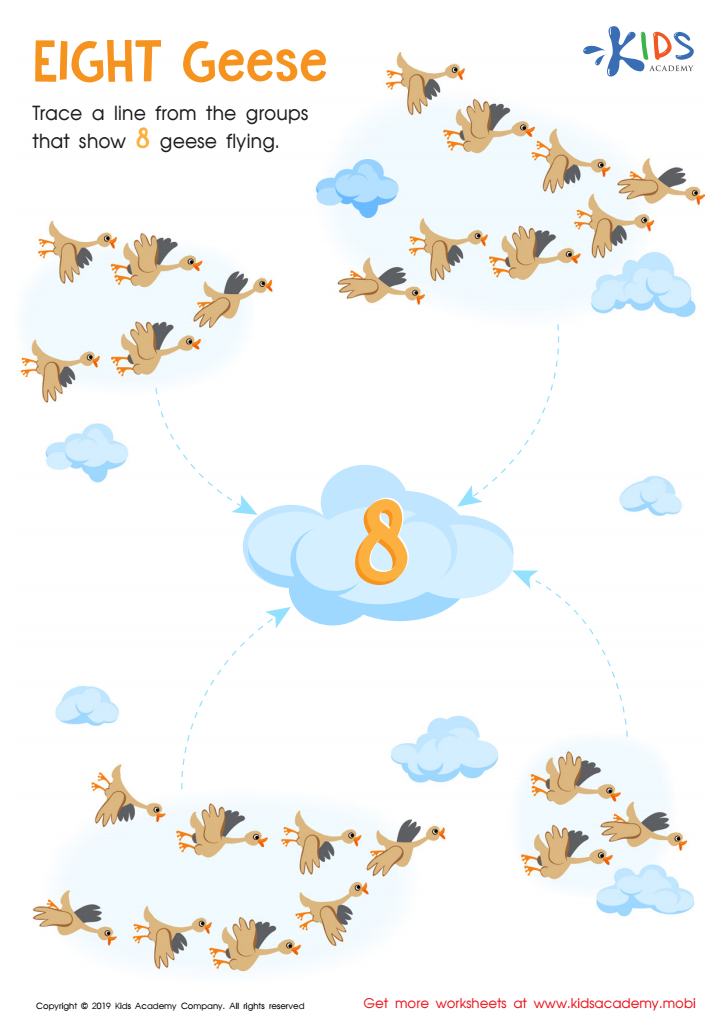
Eight Geese Worksheet
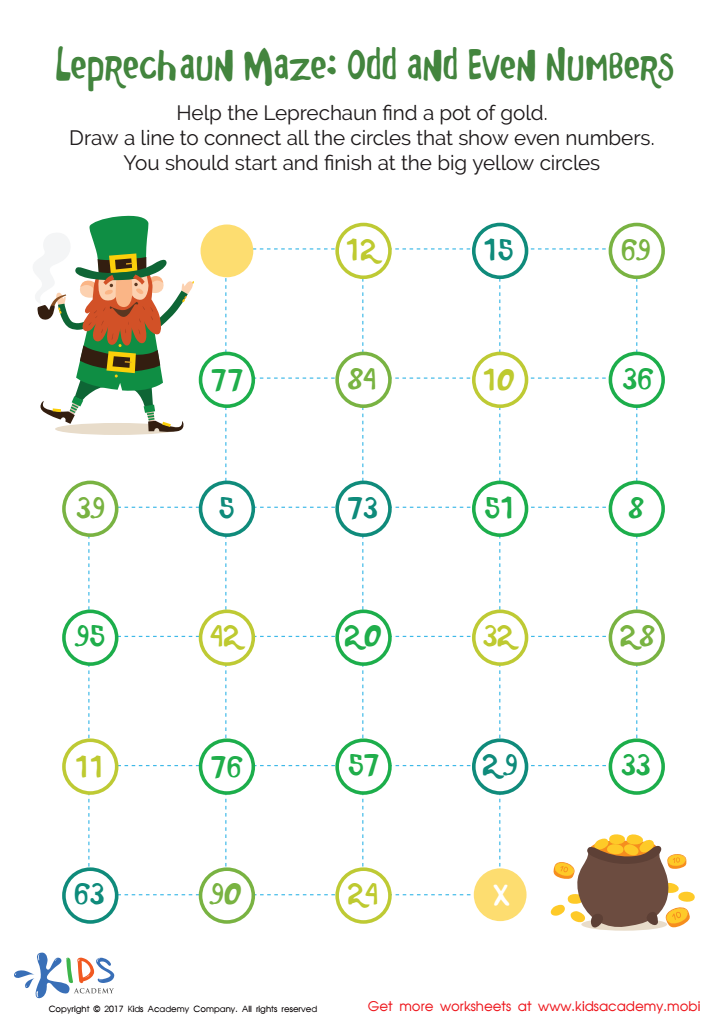
Leprechaun Maze Printable
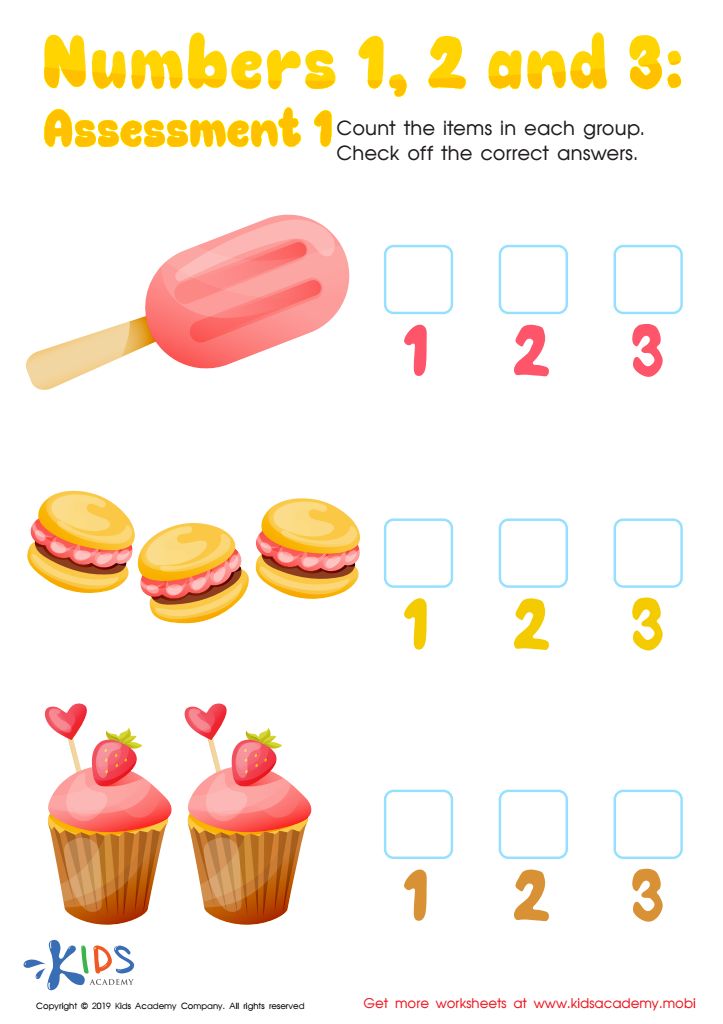
Numbers 1, 2 and 3: Assessment 1 Worksheet
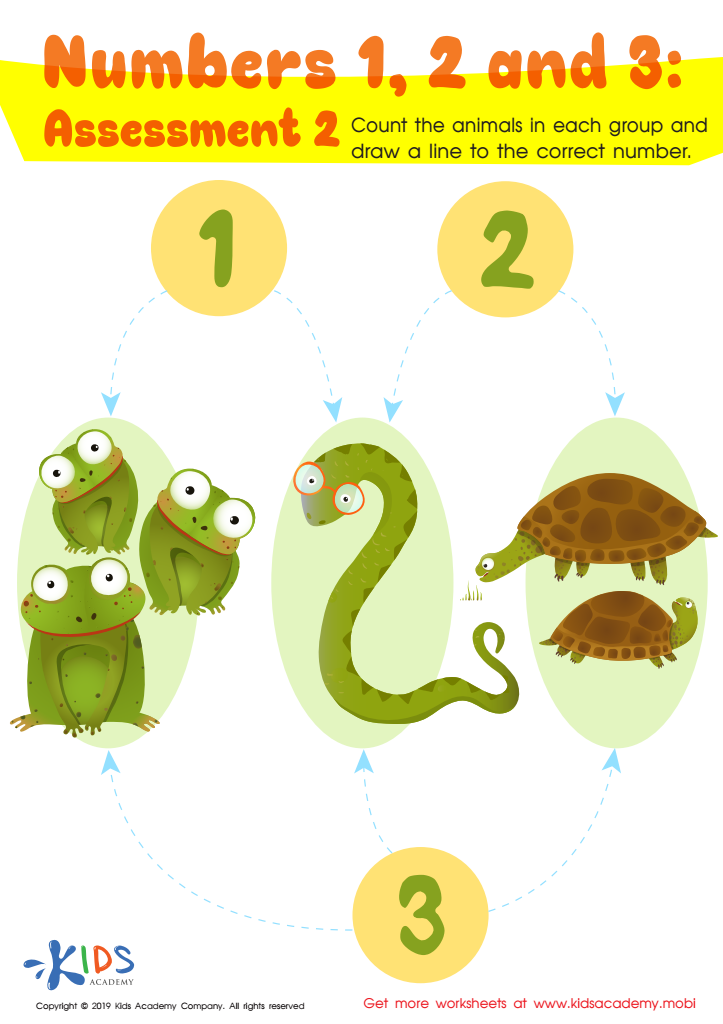
Numbers 1, 2 and 3: Assessment 2 Worksheet






.jpg)

Hand-eye coordination is essential for children between the ages of 6 to 9 as it plays an integral role in their overall development and learning abilities. At this stage in childhood, mastering hand-eye coordination not only aids in academic success but also enhances basic life skills.
Firstly, strong hand-eye coordination directly impacts a child's ability to write legibly and efficiently. Proper coordination helps children form letters clearly and stay within the lines, making their written work easier to read and understand. Additionally, tasks such as cutting with scissors, tying shoelaces, and buttoning clothes become significantly easier with well-developed hand-eye coordination skills.
Furthermore, good hand-eye coordination is crucial for participating in sports and recreational activities. Sports like baseball, basketball, and even schoolyard games require precise coordination and timing. Success and enjoyment in such activities boost a child's confidence and social skills, leading to better peer relationships and collaborative abilities.
Lastly, hand-eye coordination also supports cognitive development. Many activities that develop hand-eye coordination, such as puzzles or building blocks, involve problem-solving and critical thinking skills. Therefore, encouraging activities that enhance hand-eye coordination not only contribute to physical skills but also promote cognitive and social development, paving the way for well-rounded adult life.
In conclusion, parents and teachers should prioritize fostering hand-eye coordination to enrich all aspects of a child’s development.








