Understanding Sequences Numbers Worksheets for Ages 6-9
5 filtered results
-
From - To
Unlock the world of numerical patterns with our "Understanding Sequences Numbers Worksheets" designed specifically for children aged 6-9! These engaging worksheets are perfect for young learners to master the concept of sequences through fun and interactive exercises. Children will explore different types of sequences, including counting by twos, fives, and tens, while enhancing their critical thinking and problem-solving skills. Each printable worksheet provides a variety of activities that cater to different learning styles, ensuring that every child can grasp the idea effectively. Foster a love for math while building foundational skills that set the stage for further success in arithmetic and beyond!
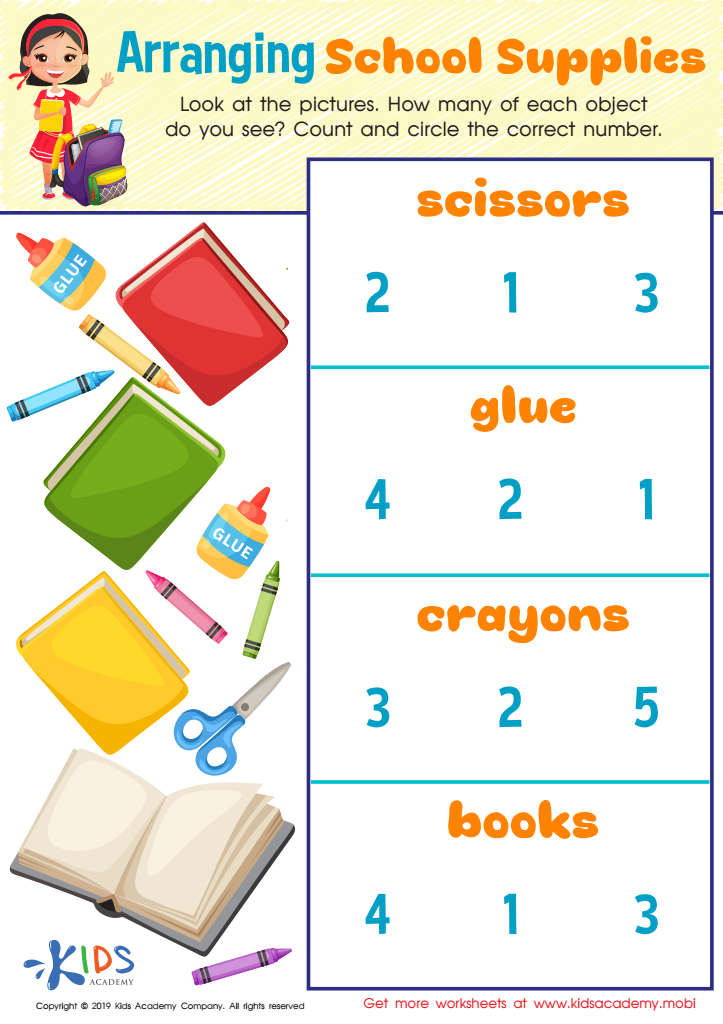
Arranging School Supplies Worksheet
 Assign to My Students
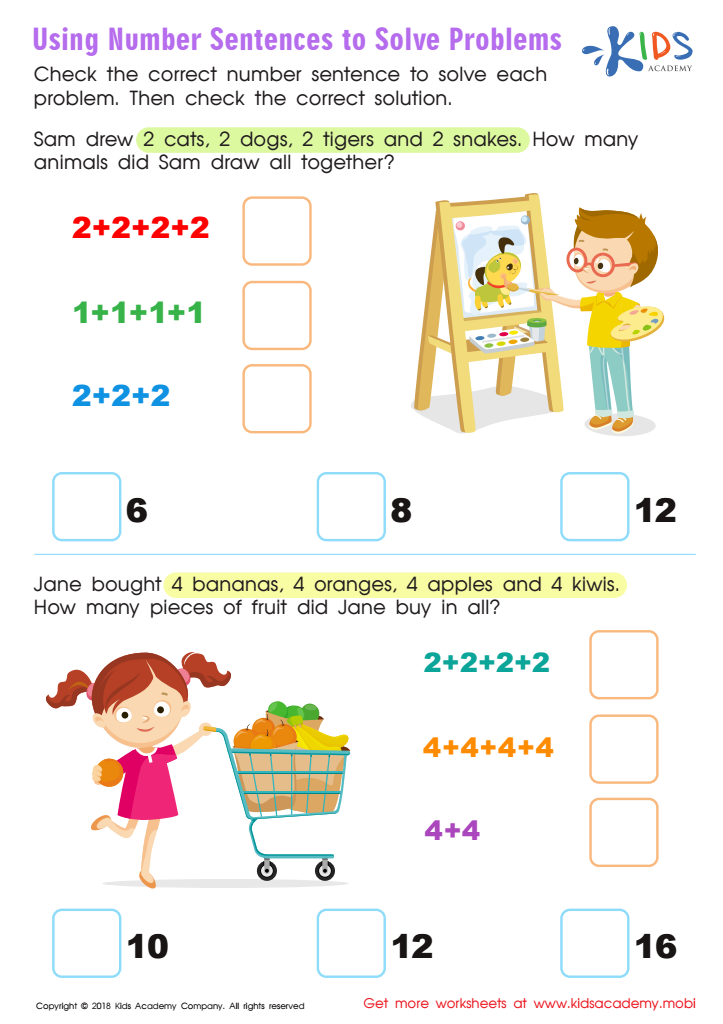
Using Number Sentences to Solve Problems Worksheet
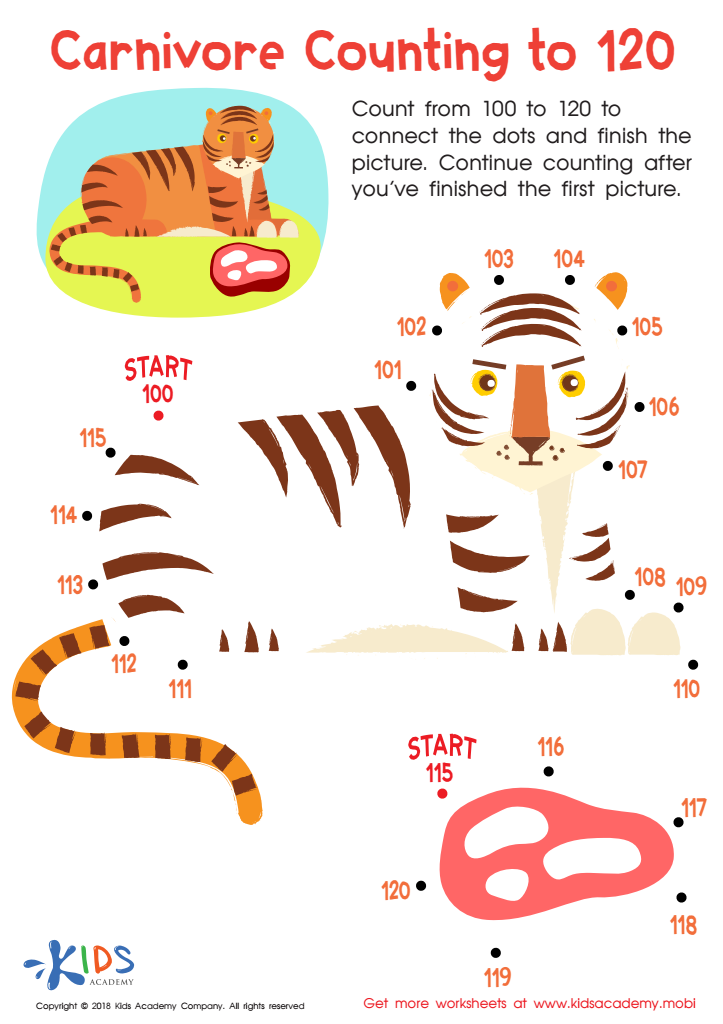
Carnivore Counting to 120 Worksheet
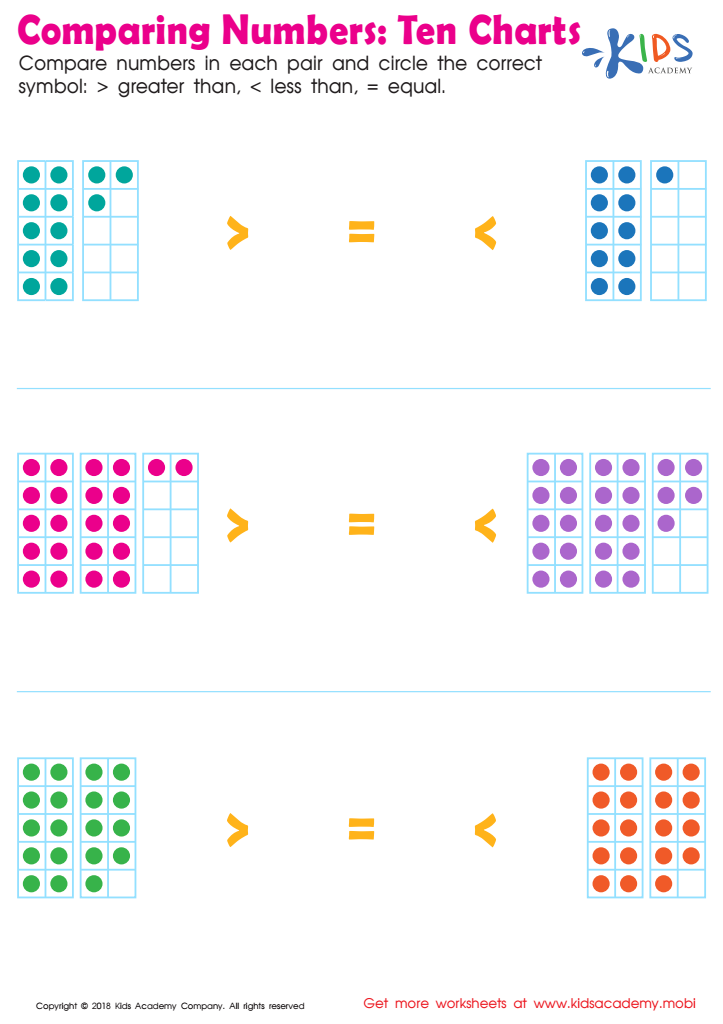
Ten Charts Worksheet
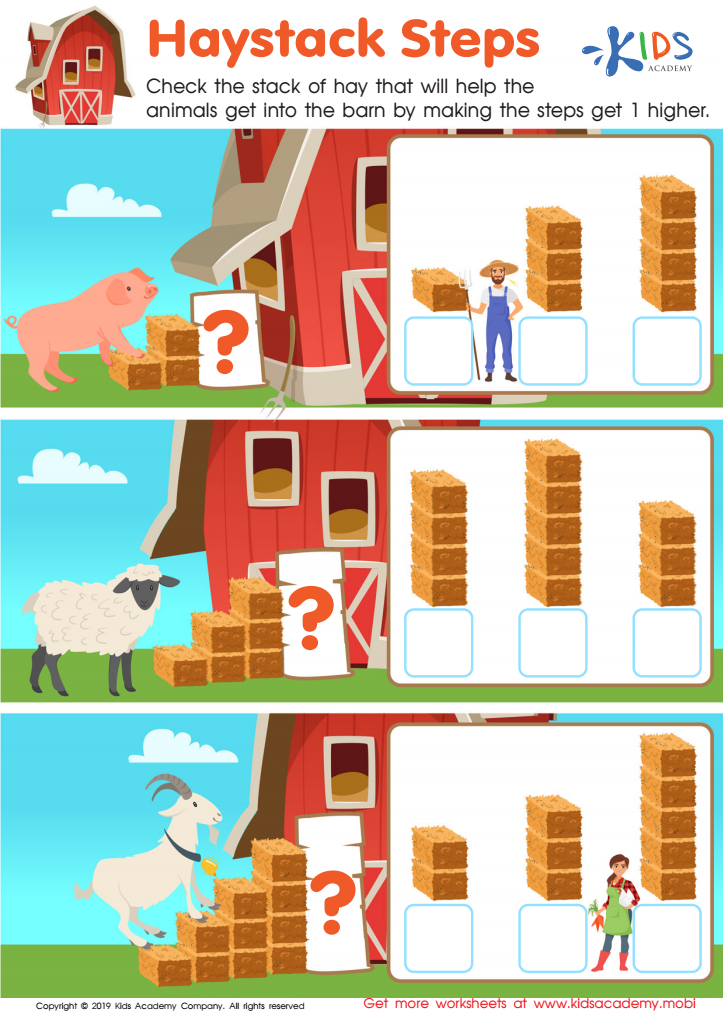
Haystack Steps Worksheet








Understanding sequences of numbers is crucial for children aged 6-9, as it fosters essential mathematical skills and cognitive development. First, recognizing patterns in sequences lays the groundwork for more advanced mathematical concepts such as addition, subtraction, multiplication, and even division. Children begin to grasp the logical structure of numbers, supporting their ability to reason and solve problems.
Moreover, mastering sequences helps enhance critical thinking skills. For example, when children are asked to identify what comes next in a given sequence, they are learning to analyze information, make predictions, and draw conclusions. This analytical thinking extends beyond mathematics, aiding their overall academic performance and daily decision-making.
Additionally, sequences are foundational in real-life applications, from telling time and handling money to understanding calendars and schedules. As children recognize how sequences operate in their daily lives, they become more engaged and motivated to learn.
For parents and teachers, fostering an understanding of sequences in this age group promotes a positive attitude toward math. This foundational knowledge builds confidence and reduces math anxiety, preparing children for future learning. Ultimately, mastering sequences equips children with crucial skills that pave the way for their success across various subjects and life challenges.








