Color Identification Math Worksheets for Ages 6-9 - Page 2
43 filtered results
-
From - To
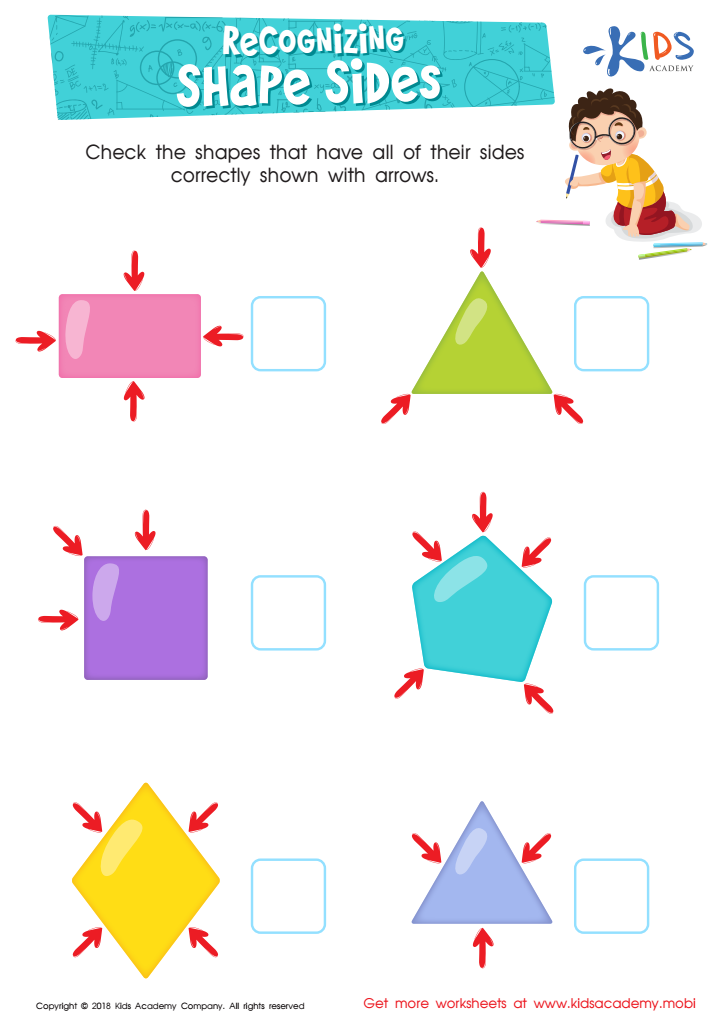
Recognizing Shape Sides Worksheet
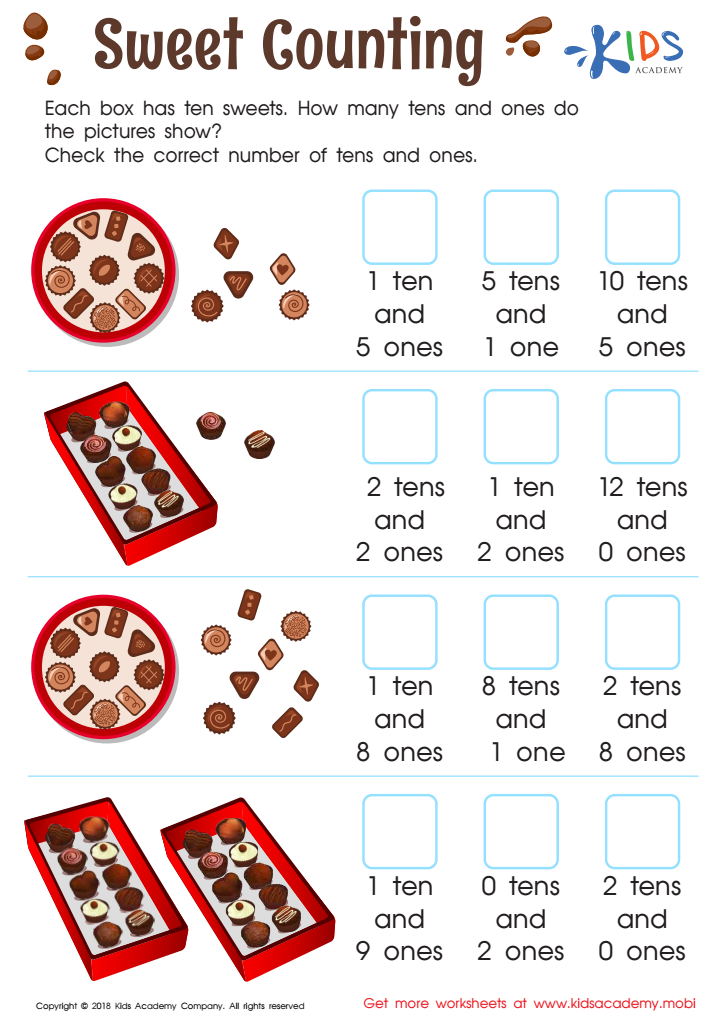
Sweet Counting - Part 2 Worksheet
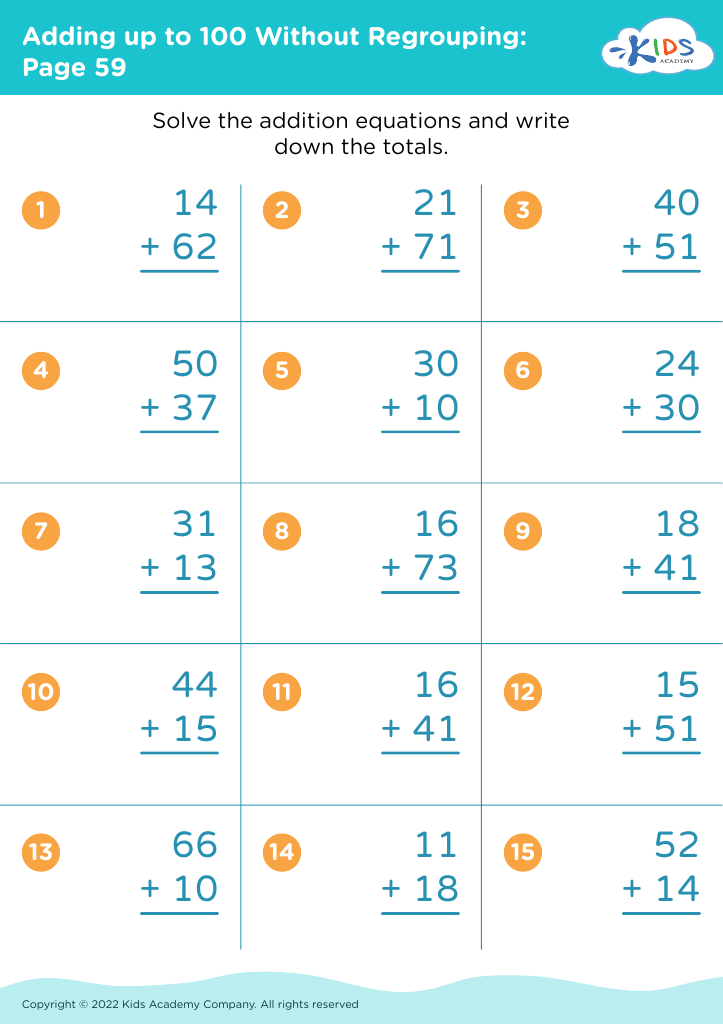
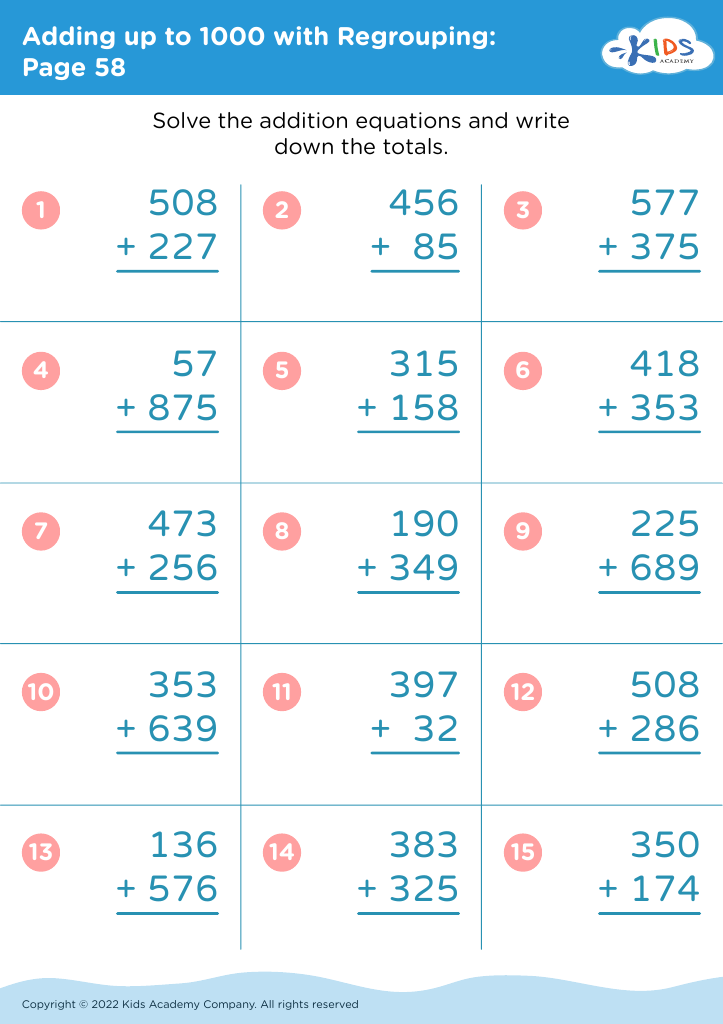
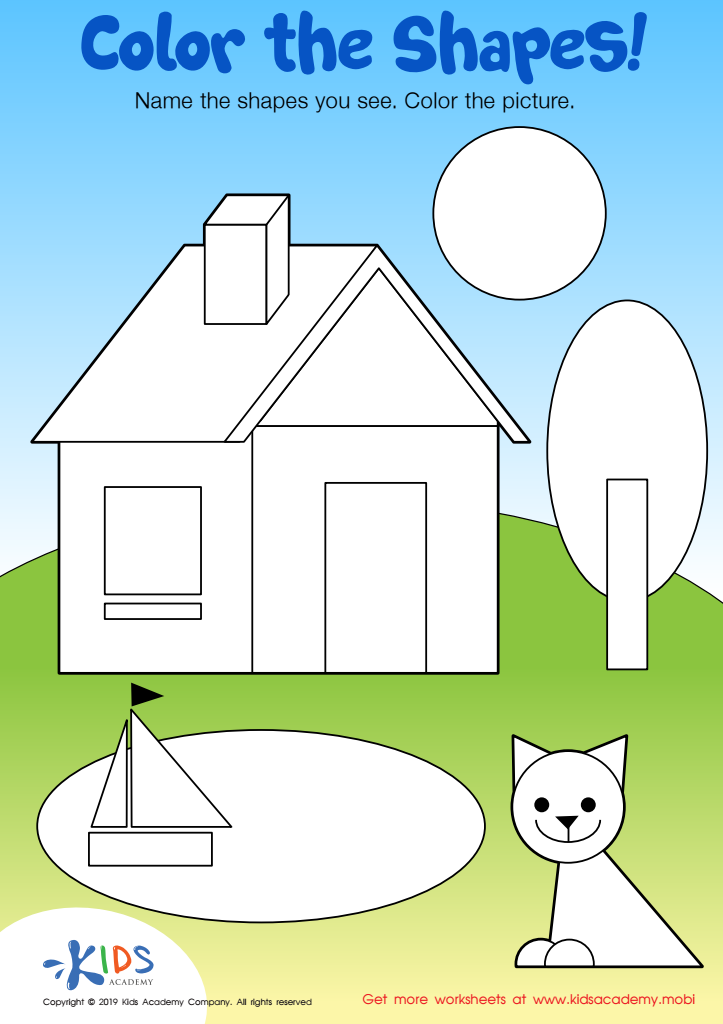
Color the Shapes Worksheet
 Assign to My Students
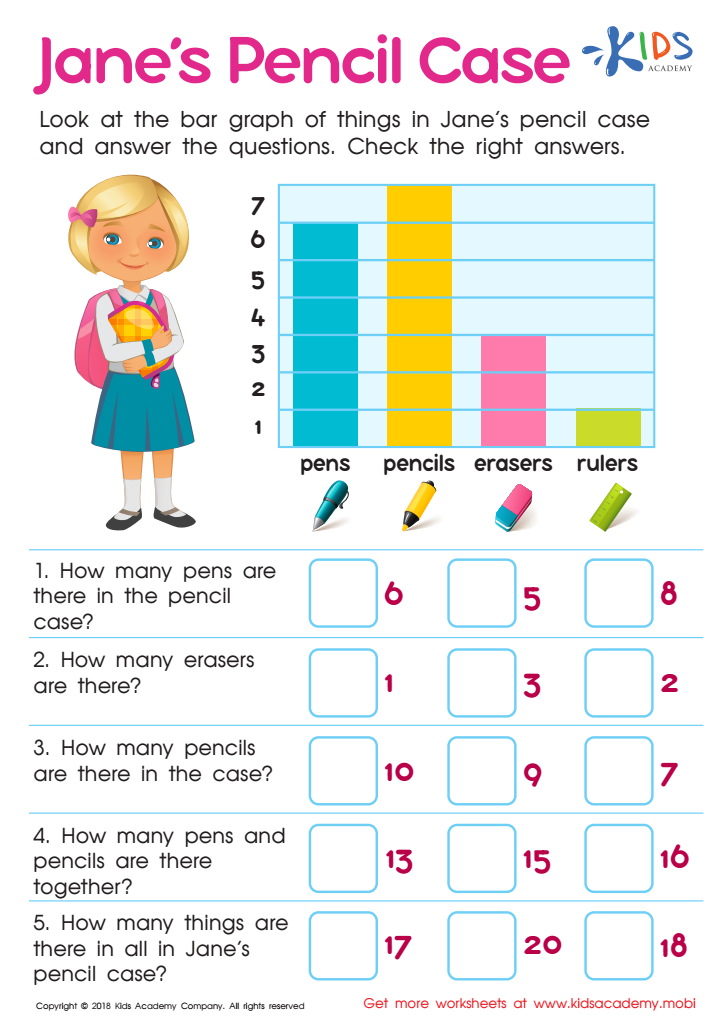
Jane's Pencil Case Worksheet
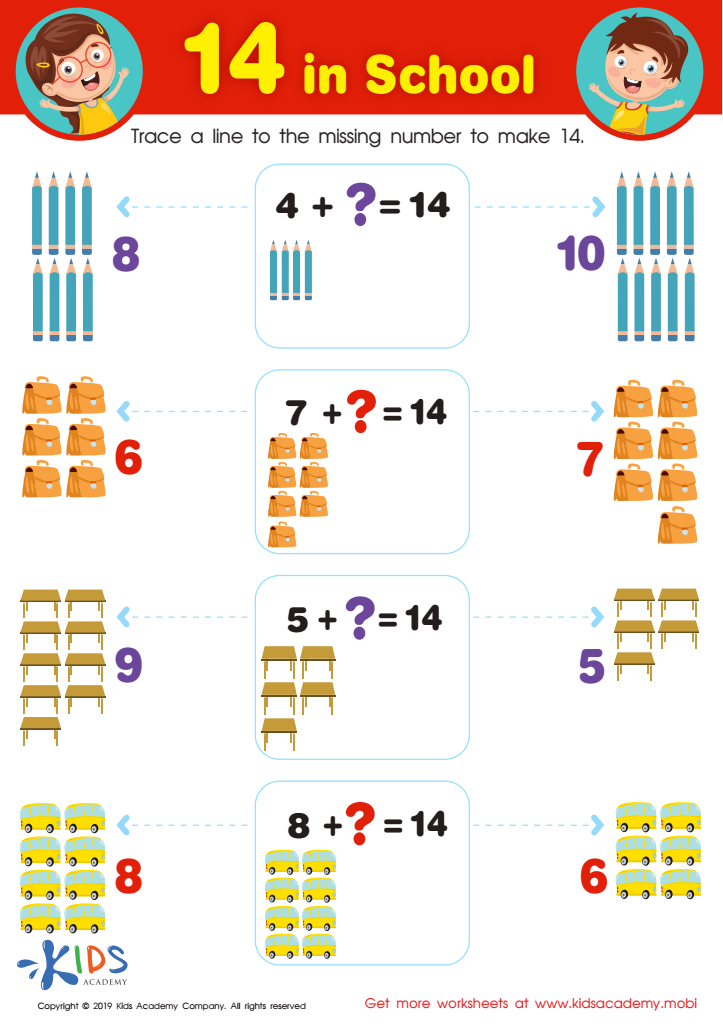
14 in School Worksheet
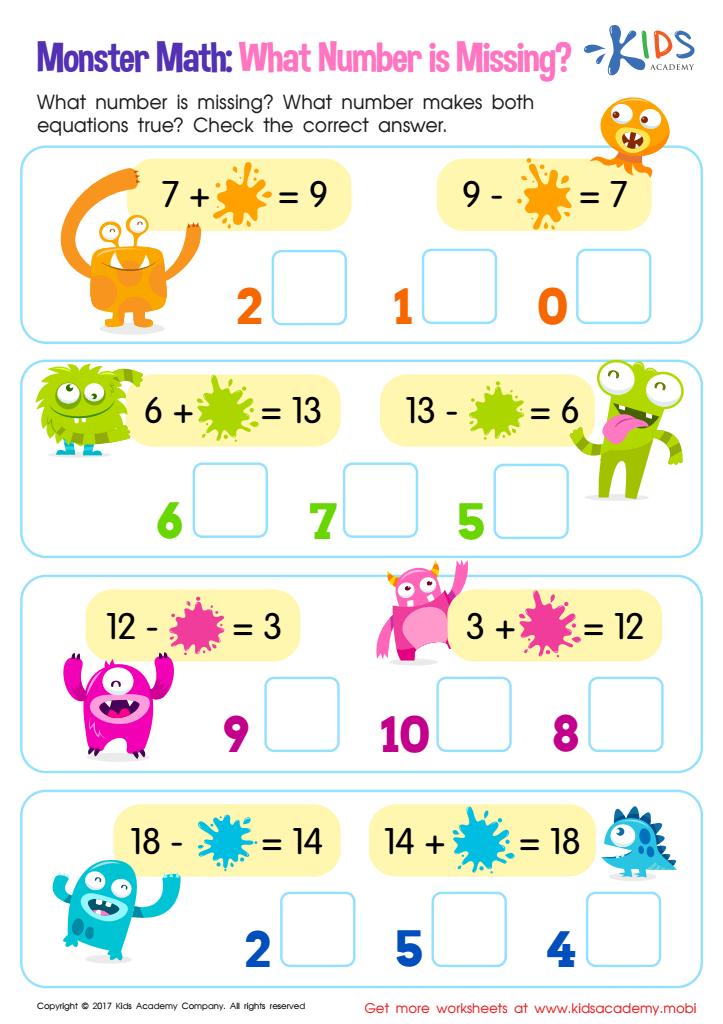
Missing Number: Monster Math Worksheet
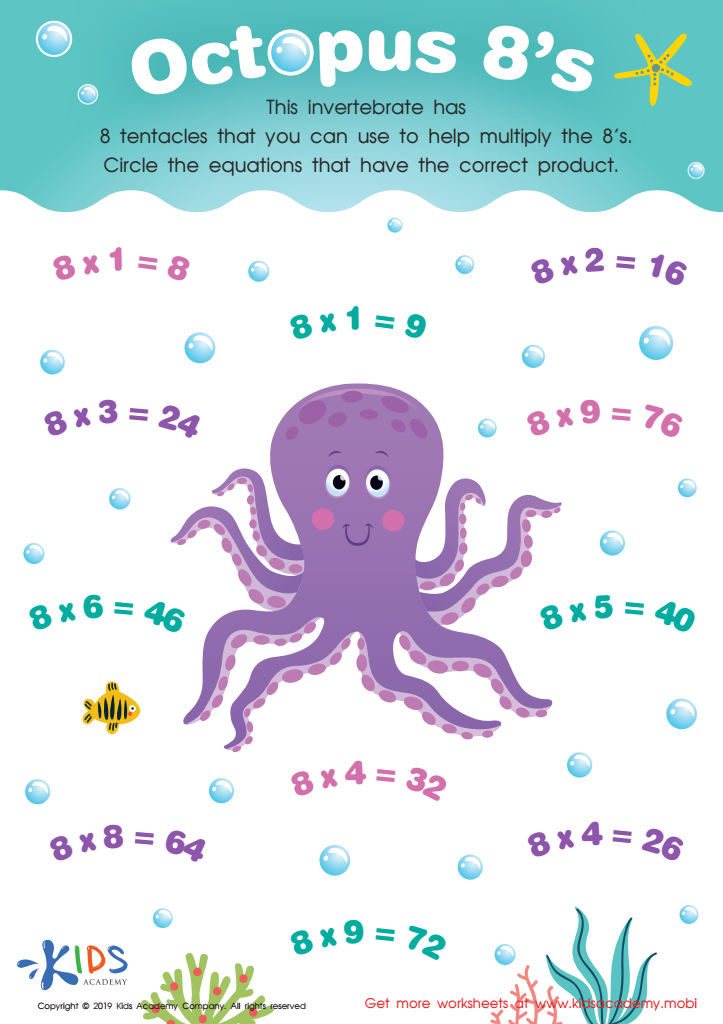
Octopus 8’s Worksheet
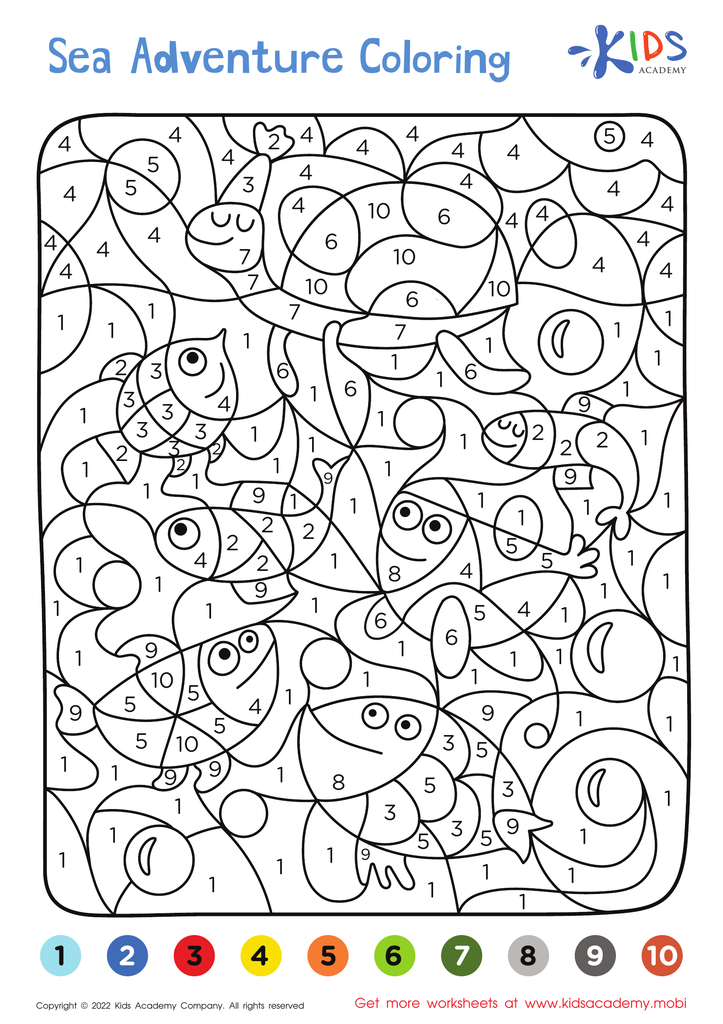
Sea Adventure – Coloring by Numbers
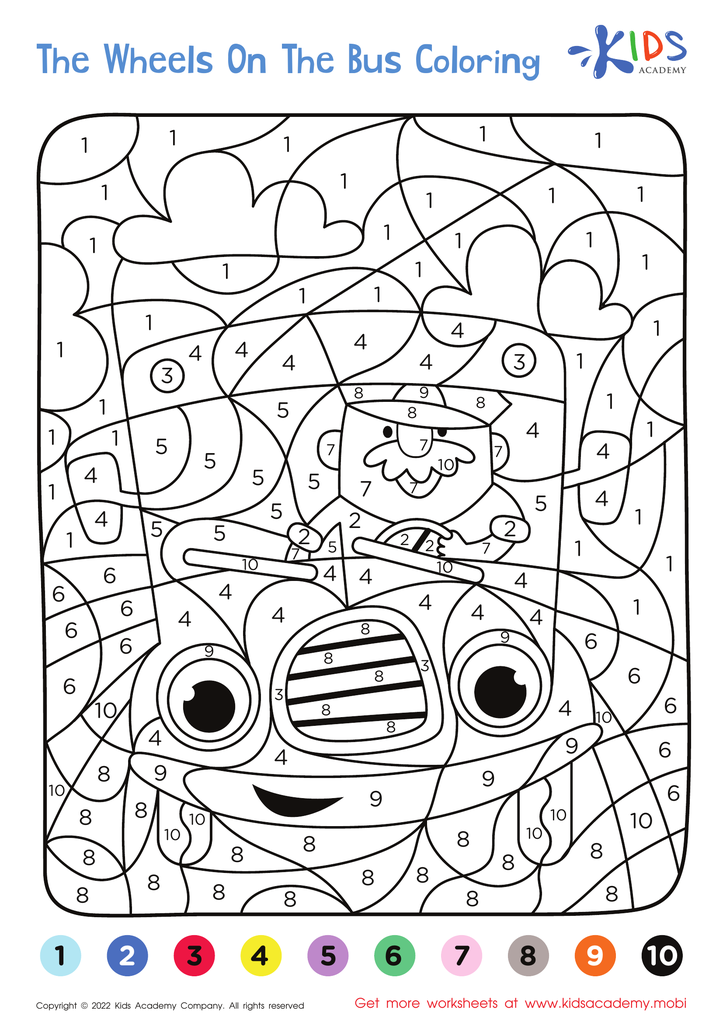
Wheels on the Bus – Coloring by Numbers
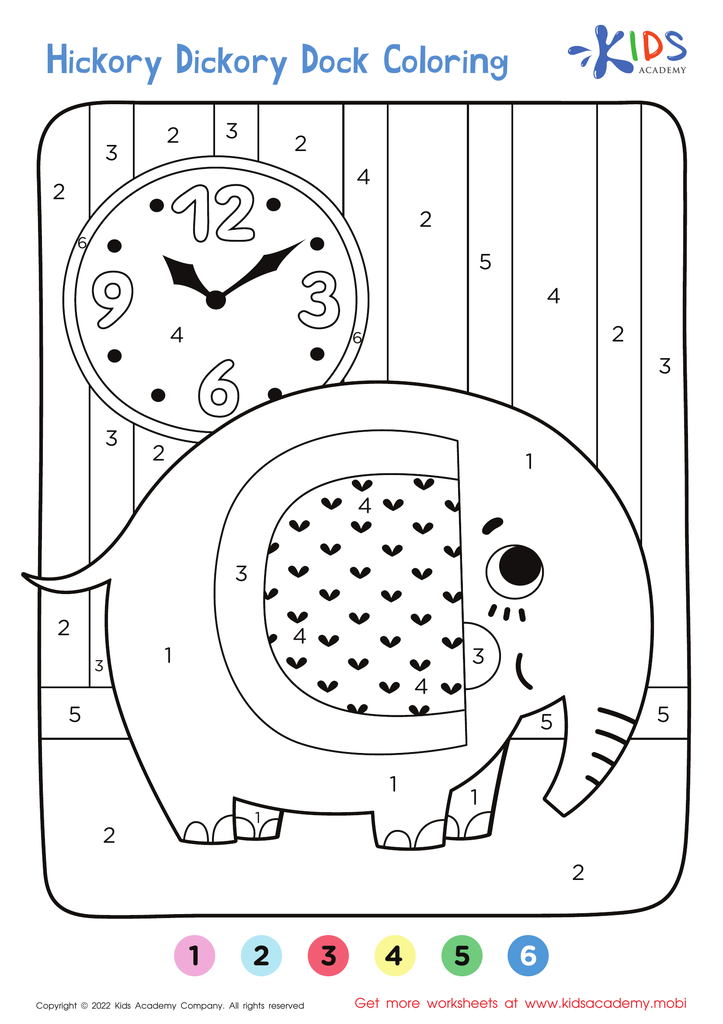
Hickory Dickory Dock – Coloring by Numbers
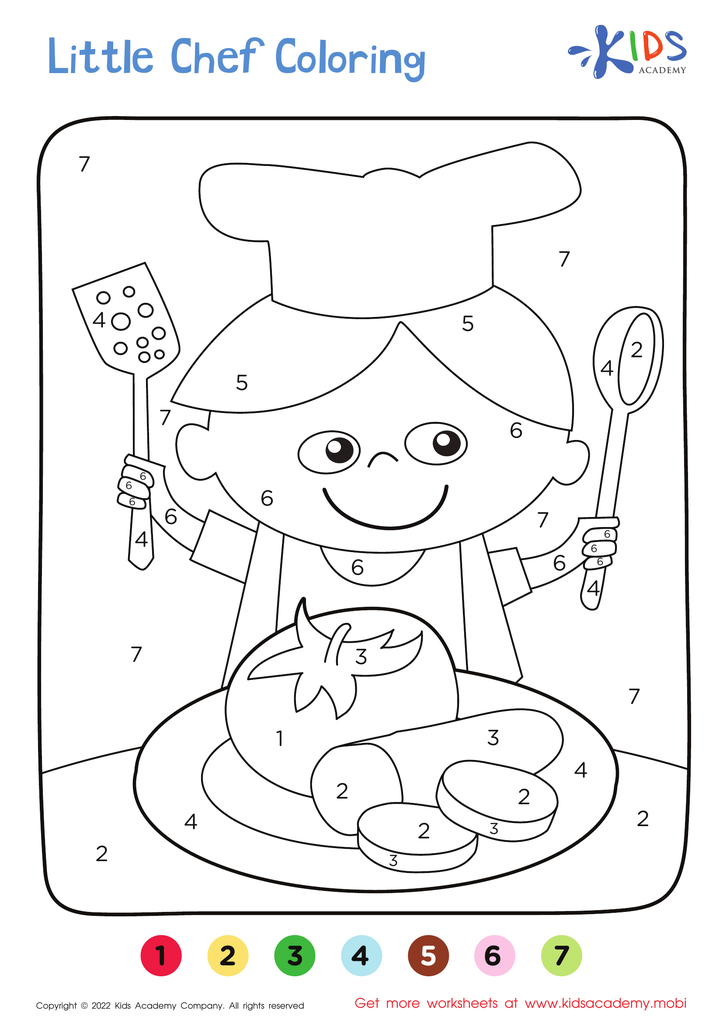
Little Chef – Coloring by Numbers
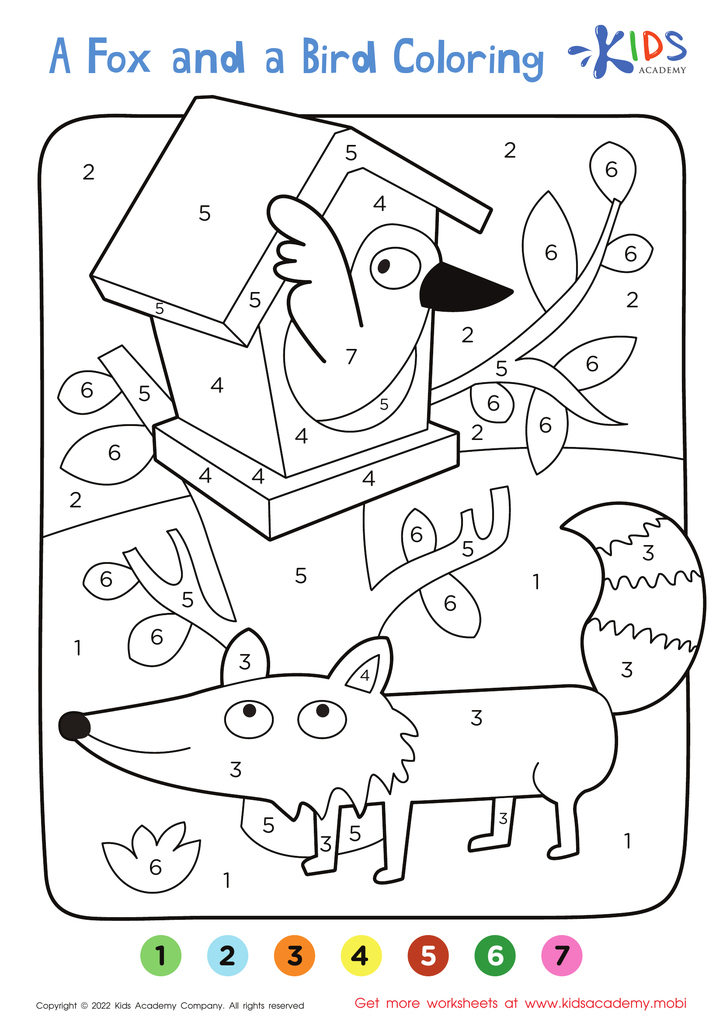
A Fox and a Bird – Coloring by Numbers







Color identification math for ages 6-9 plays a crucial role in early childhood development and education. This integrated approach helps young learners in multiple facets. Firstly, it strengthens cognitive abilities. Associating colors with numbers or mathematical concepts aids children in remembering and understanding mathematical principles more effectively. Such multi-sensory learning makes abstract math concepts more concrete and relatable.
Secondly, combining color identification with math fosters better engagement. Young children often find colorful and visually stimulating materials more appealing, which can motivate them to participate actively in lessons and retain information longer. This form of learning caters to visual learners, which is a significant percentage of early learners.
Thirdly, it aids in the development of fine motor skills. Activities like coloring by numbers or sorting objects based on color require precise hand movements and can refine motor control. These skills are essential for everyday tasks and further academic activities.
Lastly, it cultivates critical thinking. When students place items in color-coded sequences or solve problems using colored patterns, they learn to discern patterns, classify items, and make decisions based on multiple criteria.
In sum, color identification math is an engaging, supportive, and effective way to enhance cognitive and motor skills while enriching early mathematical learning experiences, thus setting a strong educational foundation.








