Developing analytical skills Math Worksheets for Ages 6-9
4 filtered results
-
From - To
Enhance your child's early math experience with our "Developing Analytical Skills Math Worksheets" designed specifically for ages 6-9. These engaging worksheets help young learners strengthen their analytical thinking by tackling a variety of problem-solving activities. Through fun exercises like pattern recognition, logical reasoning, and puzzles, children will build a solid foundation in mathematics while sharpening their analytical capabilities. Ideal for both classroom and home use, our worksheets foster critical thinking skills and boost confidence in their math abilities. Encourage your child to explore and discover the world of numbers with these dynamic and interactive resources tailored for young minds!
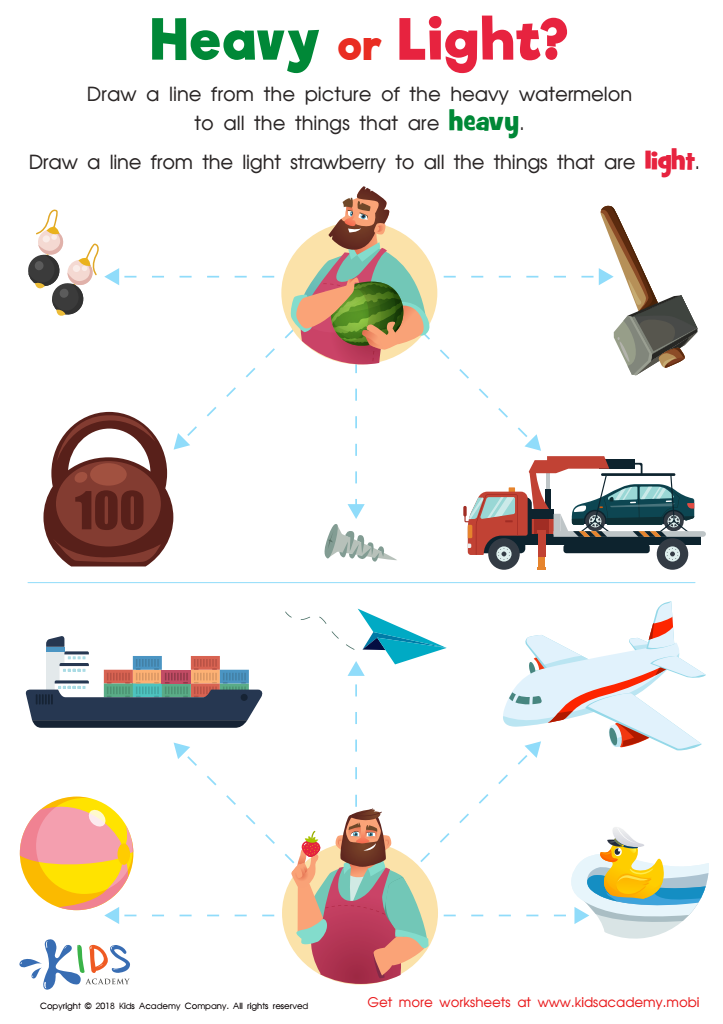
Heavy or Light? Worksheet
 Assign to My Students
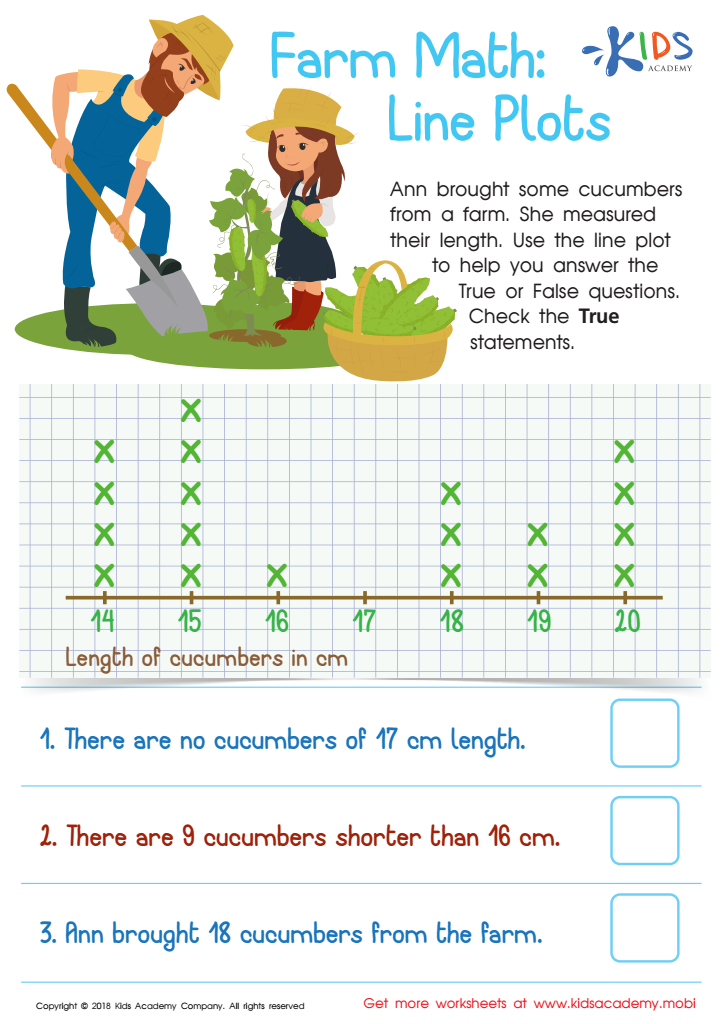
Farm Math: Line Plots Worksheet








Developing analytical skills in math for children aged 6-9 is crucial because this foundational stage sets the tone for future learning. During these formative years, children begin to understand and engage with abstract concepts, logical reasoning, and problem-solving. Cultivating analytical skills in math supports critical thinking, enabling children to not only solve mathematical problems but also to approach challenges systematically in various aspects of life.
Furthermore, strong analytical skills contribute to better comprehension and retention of mathematical concepts, laying the groundwork for more advanced topics in the future. These skills also enhance self-confidence, encouraging students to tackle complex problems with a positive mindset.
Additionally, analytical thinking promotes collaboration, as children often engage in discussions and group work that require them to articulate their thought processes clearly. This builds effective communication skills, essential in both academic and real-world situations.
Lastly, in our increasingly data-driven world, equipping children with robust analytical skills will empower them to interpret information critically, thus preparing them for higher education and future careers in diverse fields. As such, parents and teachers hold a vital role in fostering these skills, ensuring children navigate their educational journeys with confidence and competence.








