Map reading skills Math Worksheets for Ages 6-9
5 filtered results
-
From - To
Unlock your child's curiosity and boost essential math skills with our "Map Reading Skills Math Worksheets" designed for kids ages 6-9. These expertly crafted worksheets from Kids Academy merge fun and learning, helping young explorers navigate basic map concepts while reinforcing their math abilities. Children will engage in activities like understanding directions, reading coordinates, and interpreting map symbols — all vital for developing spatial awareness and problem-solving skills. Perfect for home or classroom use, these printable worksheets make learning interactive and enjoyable, helping kids gain confidence as they master the basics of map reading. Explore now and watch your child's skills soar!
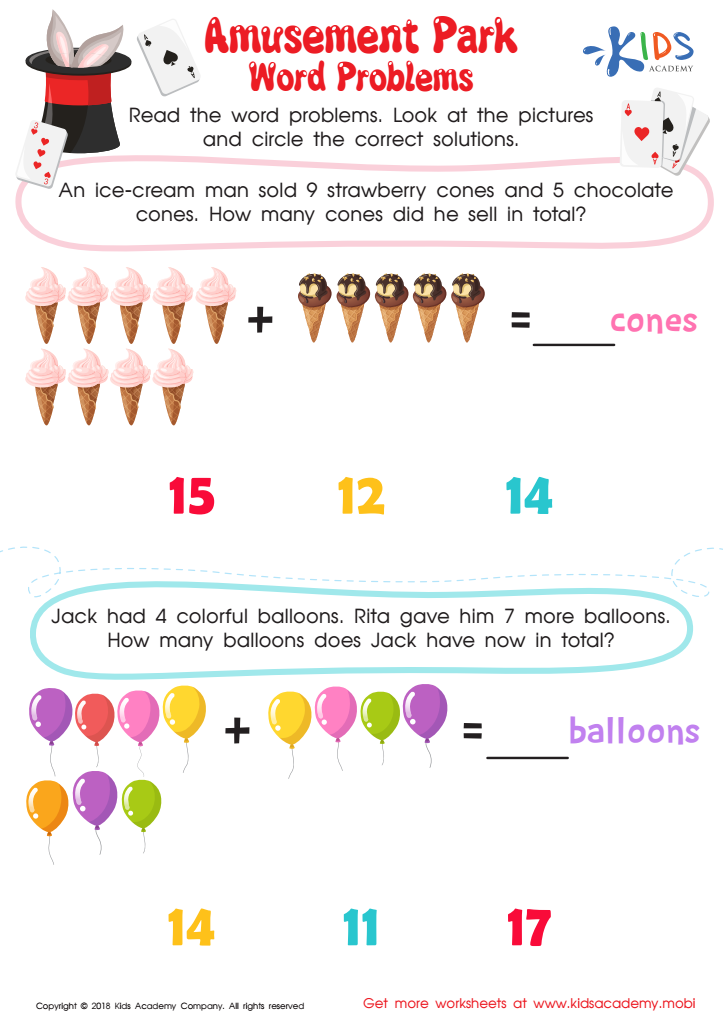
Amusement Park Word Problems Worksheet
 Assign to My Students
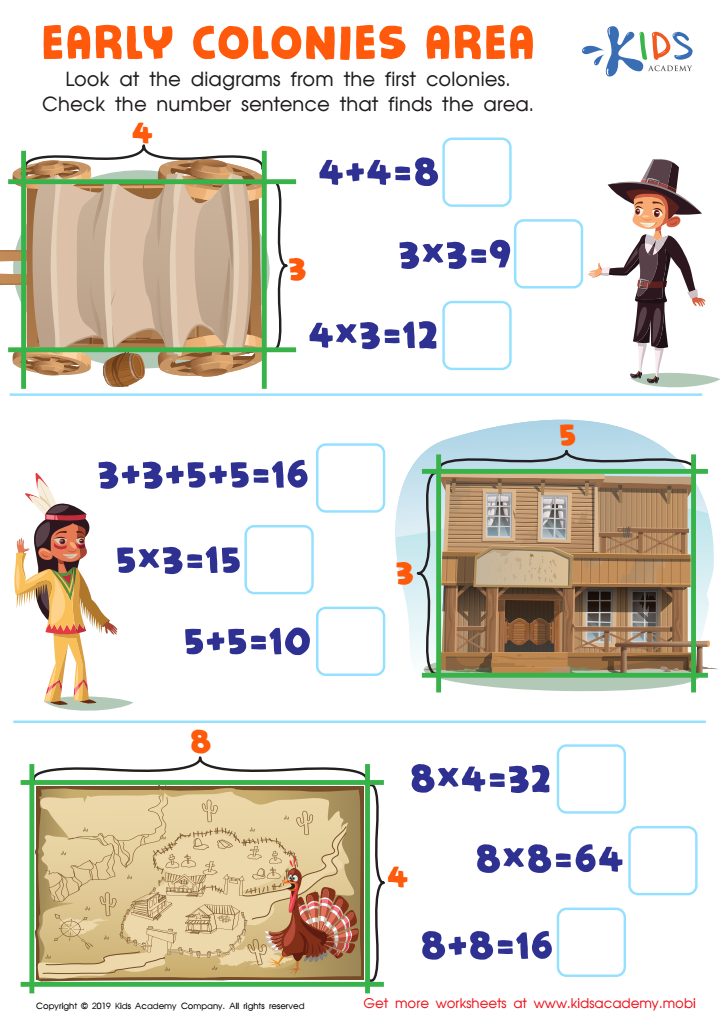
Early Colonies Area Worksheet
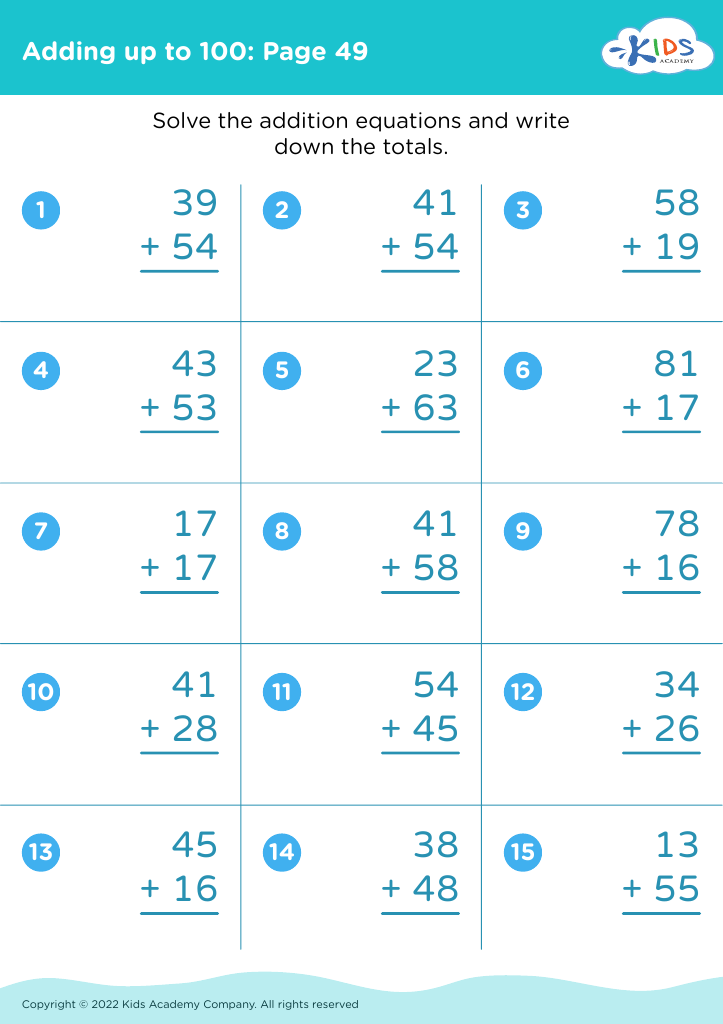
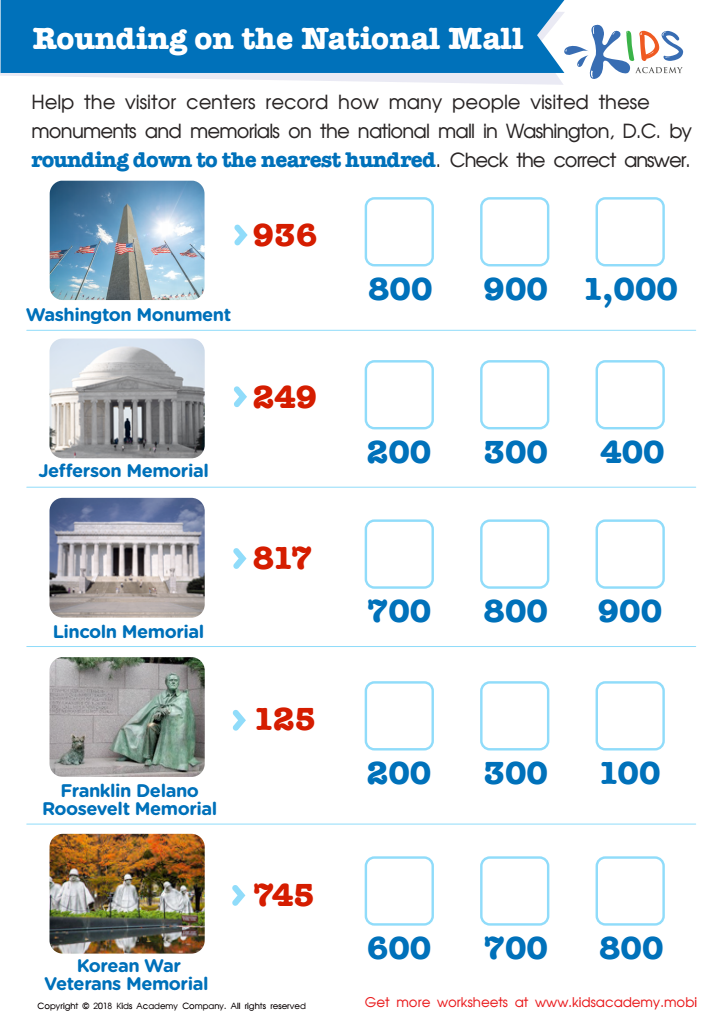
Rounding on the National Mall Worksheet
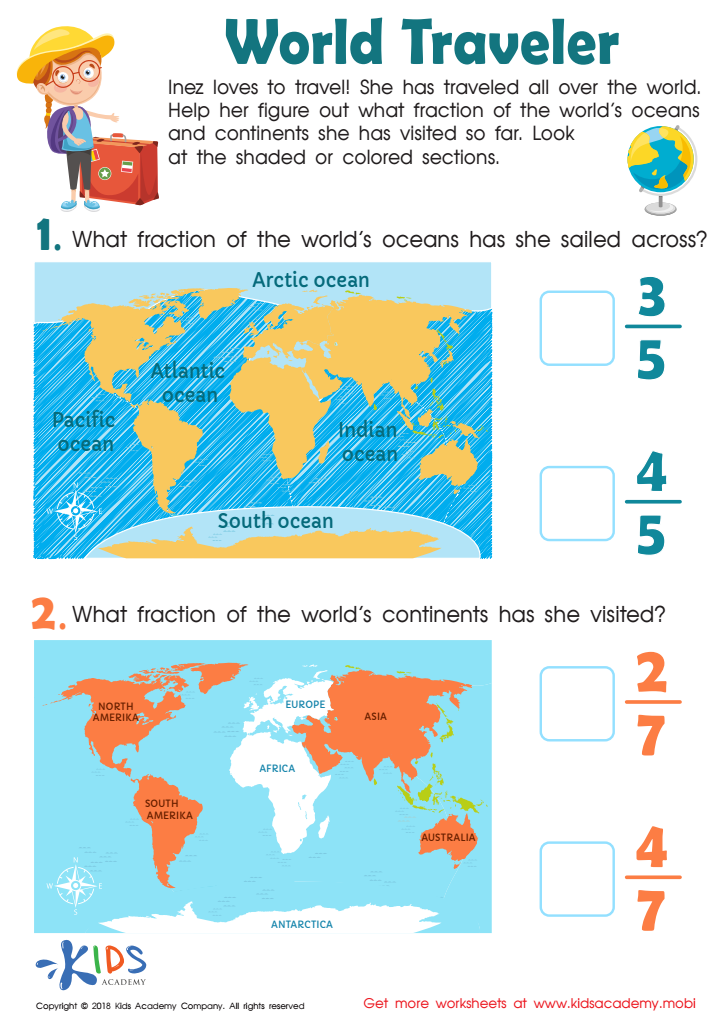
World Traveler Worksheet







Parents and teachers should care about map reading skills in math for children aged 6-9 because these skills are foundational for developing critical thinking and spatial awareness. Understanding maps helps young learners grasp the concepts of directions, scales, and distances, which are not only applicable in geography but also in geometry and other mathematical areas.
Engaging with maps encourages children to visualize spatial relationships and navigate through different spaces—skills that are crucial for problem-solving in everyday life. When children interpret symbols, read legends, and understand coordinates, they are practicing essential math skills like measurement, geometry, and number sense in a practical context.
Moreover, map reading fosters curiosity and exploration. Children naturally enjoy finding their way and understanding the world around them. Integrating maps with math lessons can make learning more interactive and enjoyable, enhancing engagement and retention of mathematical concepts.
Lastly, these skills are aligned with key developmental milestones. At ages 6-9, children are developing more sophisticated reasoning abilities. Introducing map reading during this stage supports cognitive growth and prepares them for more complex tasks in their academic journey. Therefore, investing time in map-reading education benefits children's overall development in math and beyond.








