Mental math improvement Math Worksheets for Ages 6-9
7 filtered results
-
From - To
Discover our collection of engaging Mental Math Improvement Worksheets designed specifically for ages 6-9! These interactive activities aim to enhance children’s math skills by making learning fun and approachable. Our worksheets focus on essential mental math strategies, enabling students to solve problems quickly and confidently. Ideal for both home practice and classroom use, each worksheet promotes critical thinking and helps build a strong mathematical foundation. With captivating themes and varying difficulty levels, your child will enjoy practicing addition, subtraction, and more. Boost your child's math confidence today with our printable resources tailored for young learners!
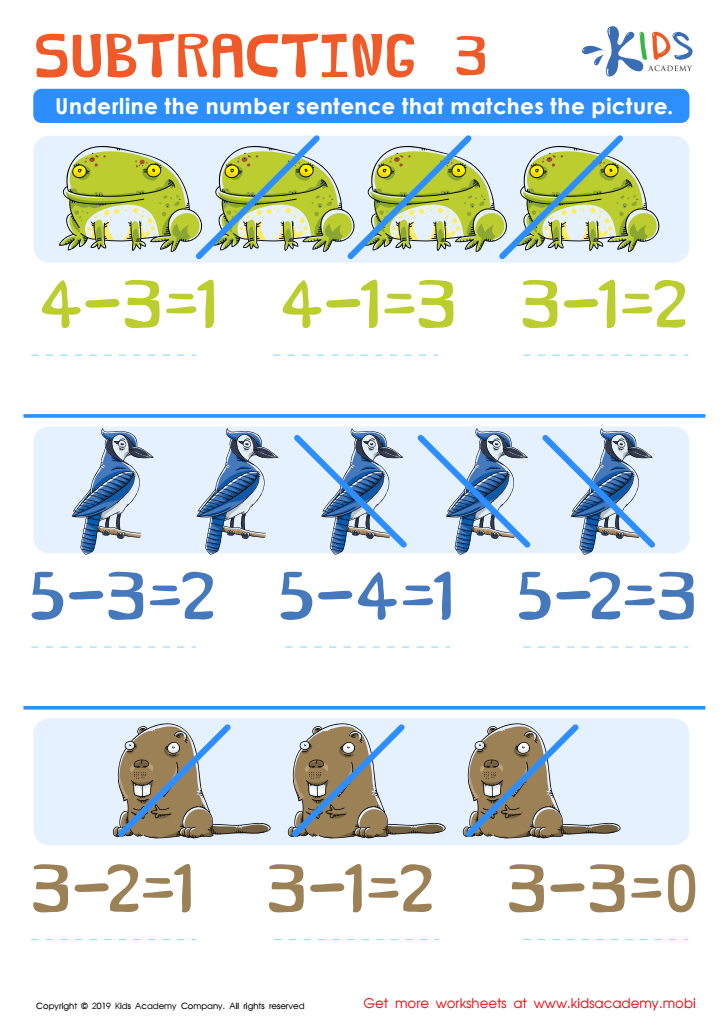
Subtracting 3 Worksheet
 Assign to My Students
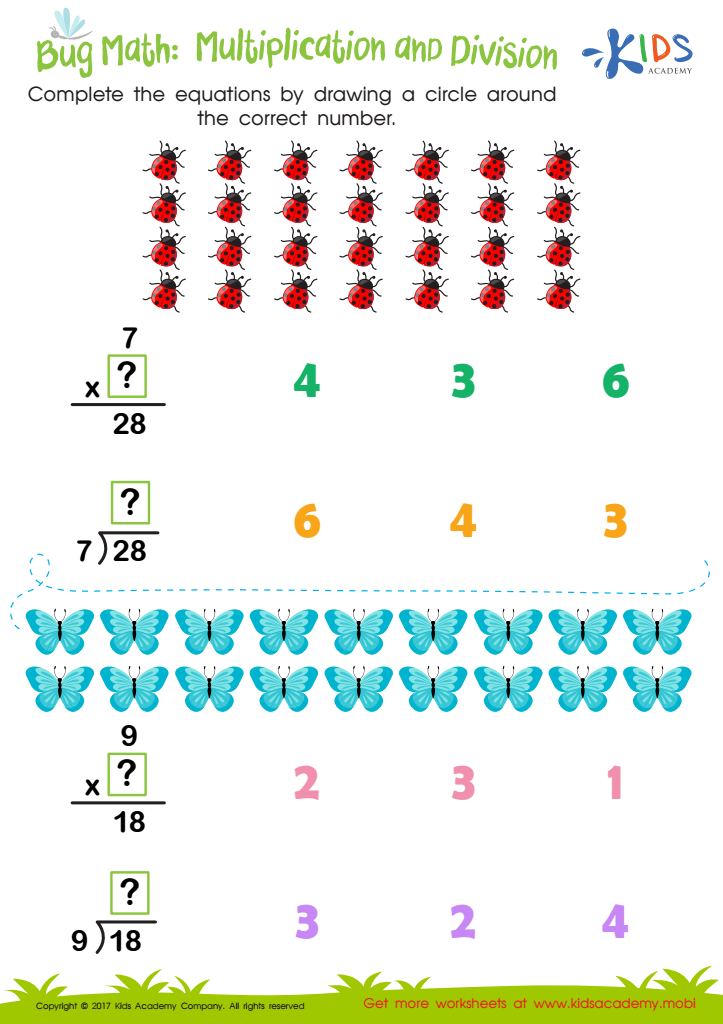
Multiplication and Division Worksheet
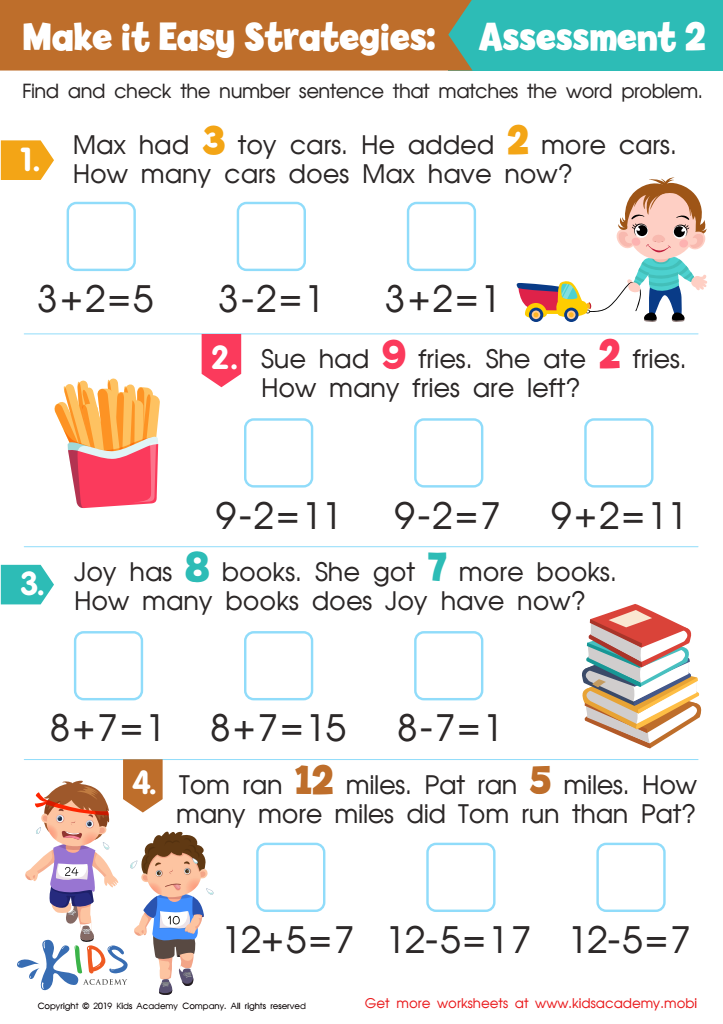
Make it Easy Strategies: Assessment 2 Worksheet
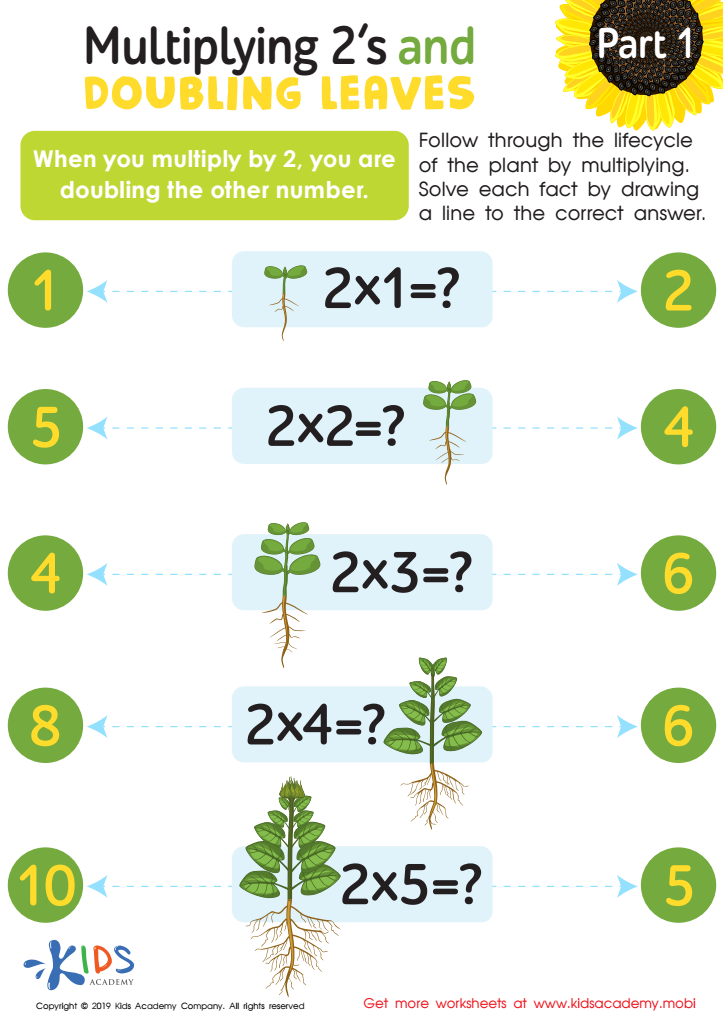
Multiplying 2’s and Doubling Leaves Part 1 Worksheet
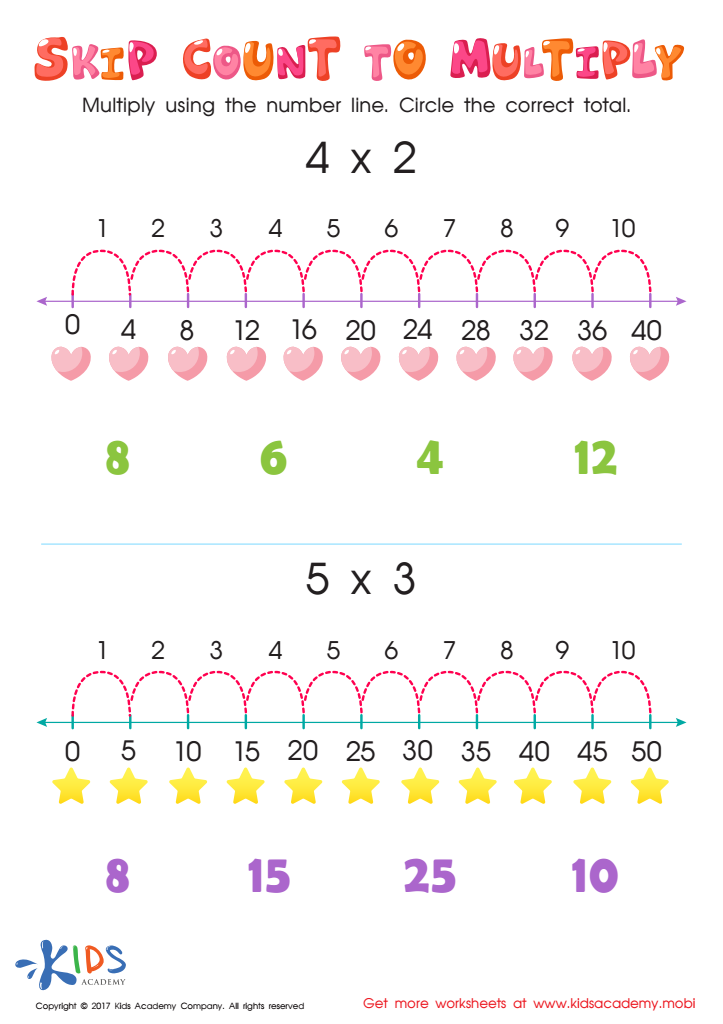
Skip Count Multiplication Worksheet
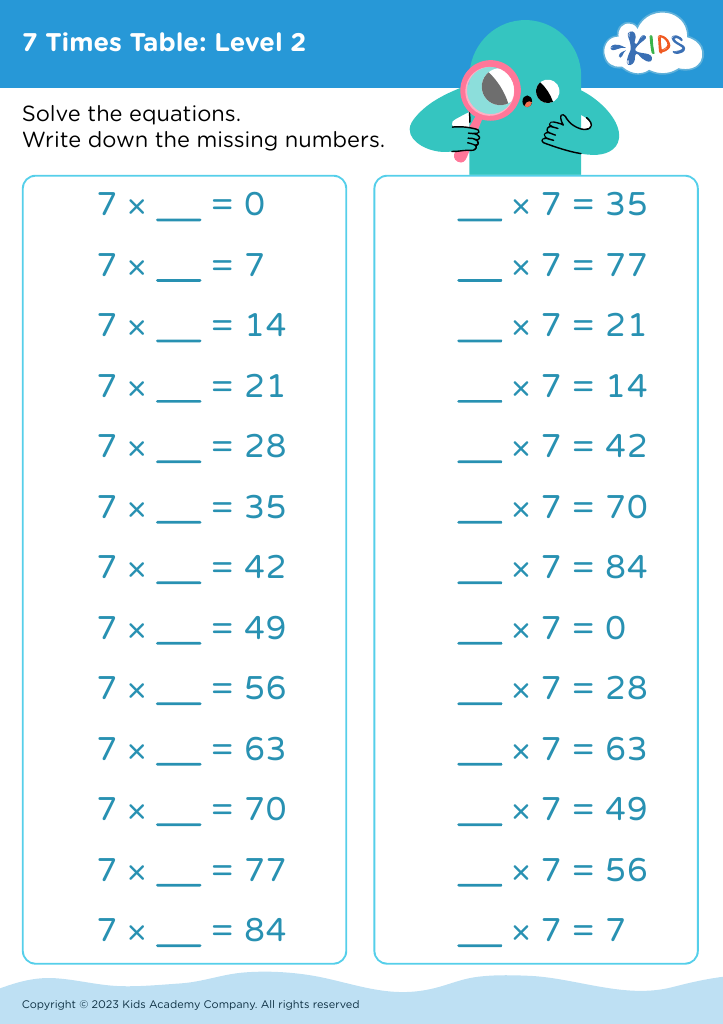
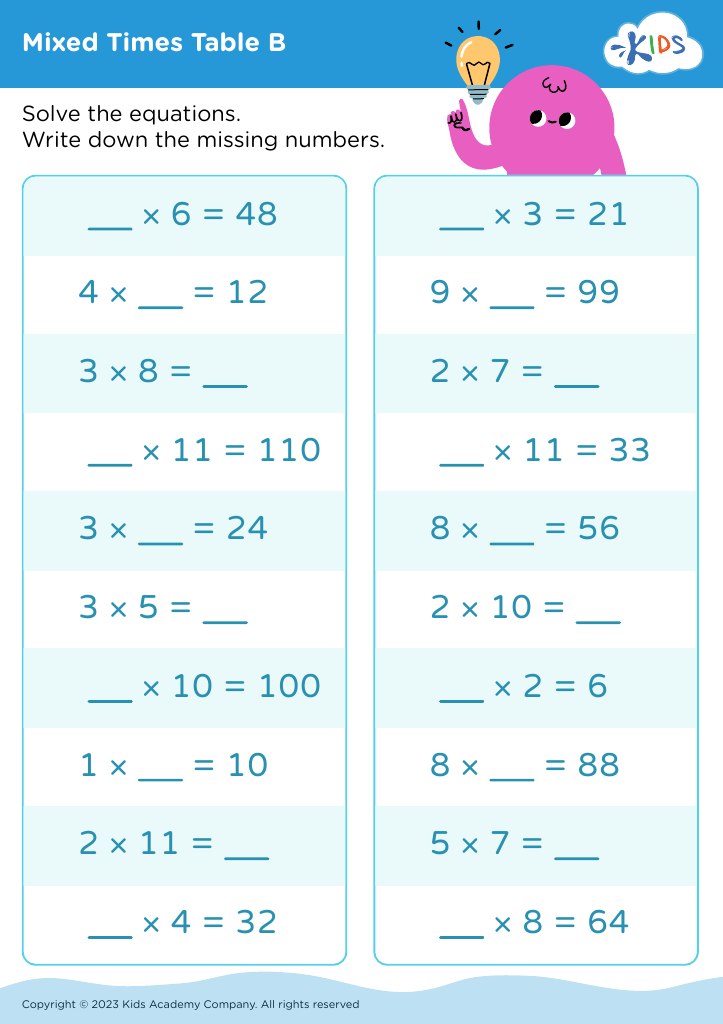







Mental math is a crucial skill for children ages 6-9, and both parents and teachers should prioritize its development for several reasons. First, mastering mental math enhances a child's ability to process numbers and perform calculations quickly and confidently. This not only boosts their arithmetic skills but also lays a strong foundation for more complex mathematical concepts Down the line.
Second, practicing mental math fosters critical thinking and problem-solving skills. Children learn to estimate, visualize numbers, and apply strategies to tackle math challenges. This encourages a deeper understanding of mathematical principles in real-life contexts, equipping them to address everyday financial decisions, measurements, and logical reasoning.
Moreover, mental math promotes self-esteem, as children's increasing proficiency boosts their confidence in their math abilities. With strong foundational skills, they are less likely to struggle with future math curriculum, aiding their overall academic performance.
Teachers and parents can cultivate a supportive environment by incorporating fun games, challenges, and practical applications that make learning enjoyable. Investing in improving mental math in early education helps children not only excel in math but also prepares them for future complexities in academics and life problem-solving. This long-term benefit is too important to overlook.








