Shape identification Math Worksheets for Ages 6-9
31 filtered results
-
From - To
Discover engaging Shape Identification Math Worksheets designed specifically for children aged 6-9. Perfect for enhancing visual perception and geometric understanding, these worksheets offer a variety of fun activities to help kids recognize and name different shapes. Through vibrant illustrations and interactive exercises, young learners will explore circles, squares, triangles, and more, all while developing essential math skills. Our worksheets encourage critical thinking and spark creativity, making learning enjoyable and effective. Ideal for classroom or homeschooling settings, these resources are tailored to meet the needs of early learners, ensuring they build a strong foundation in shape identification while having fun!
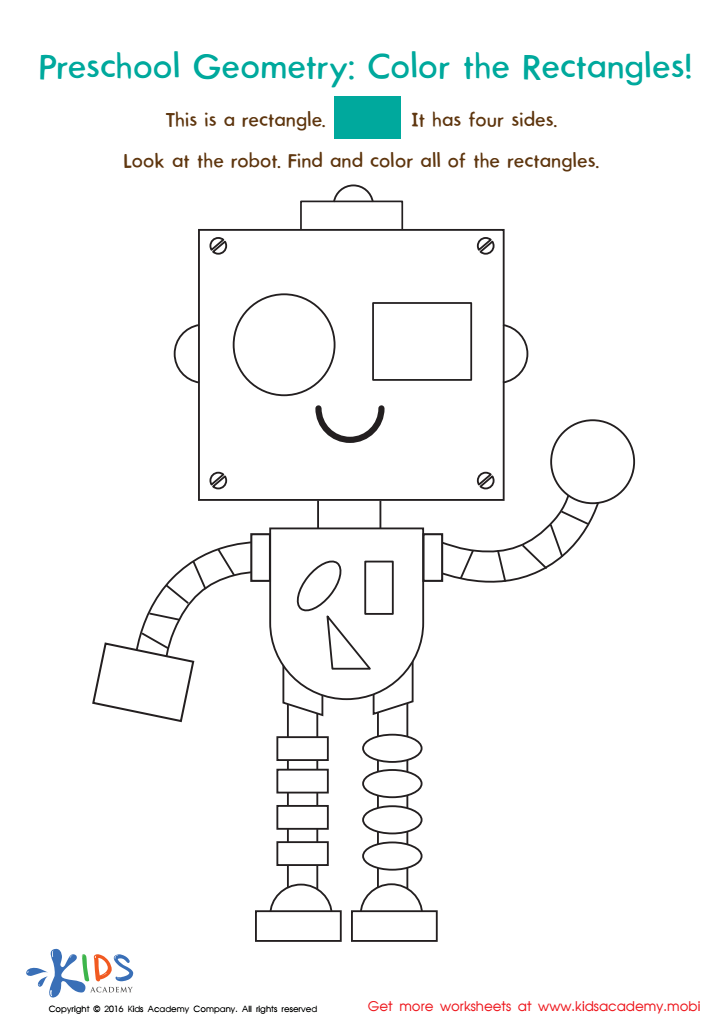
Geometry Worksheet
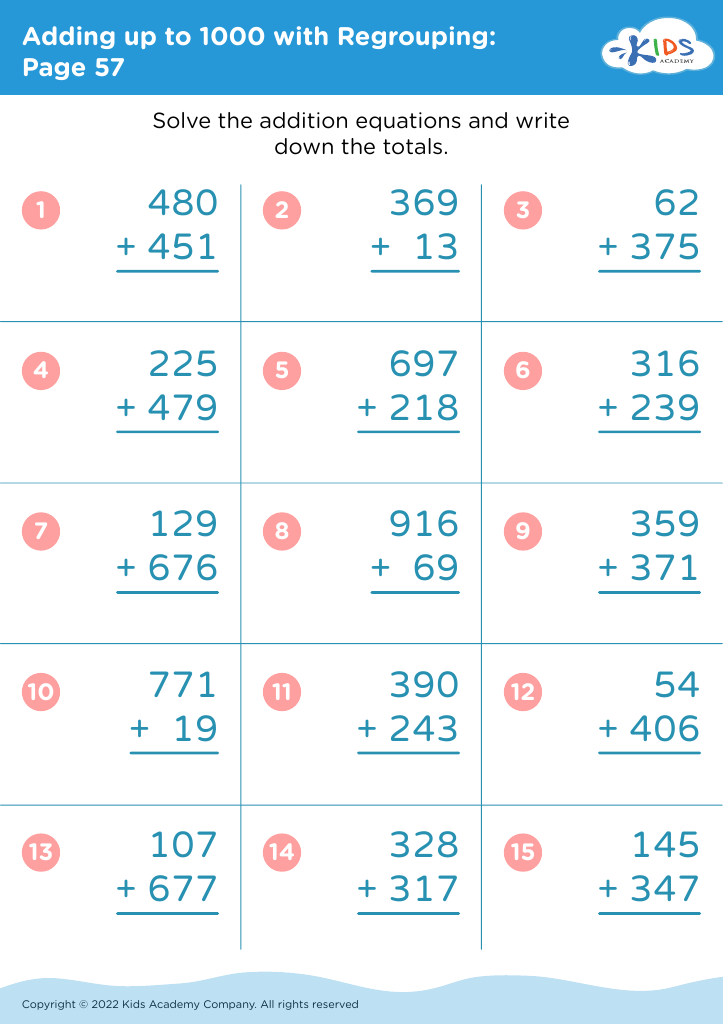
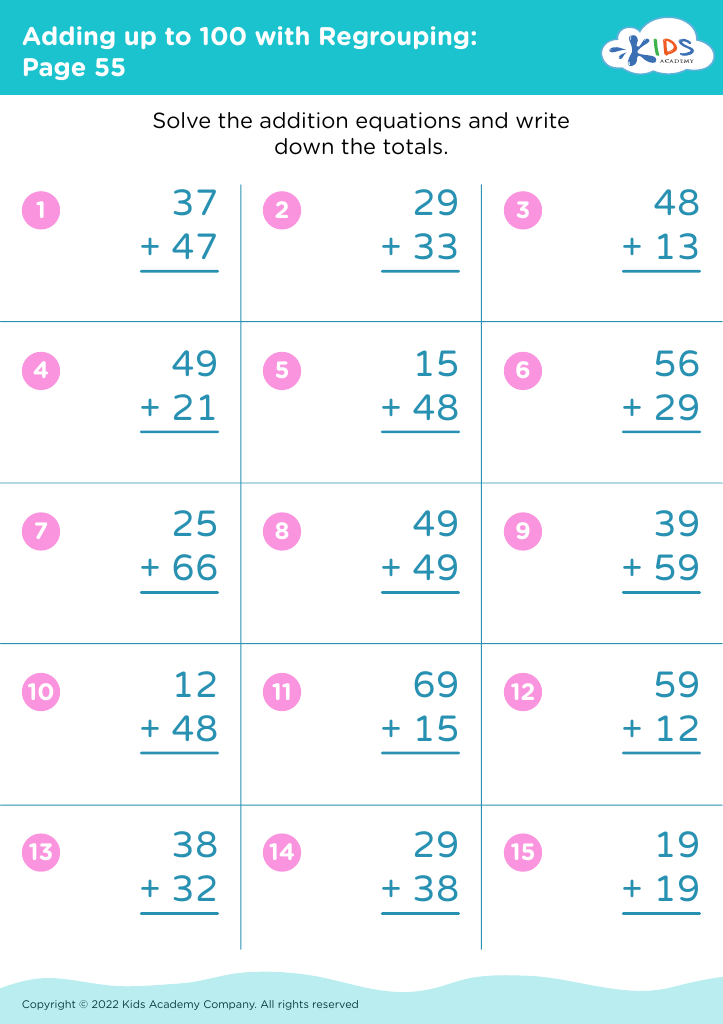
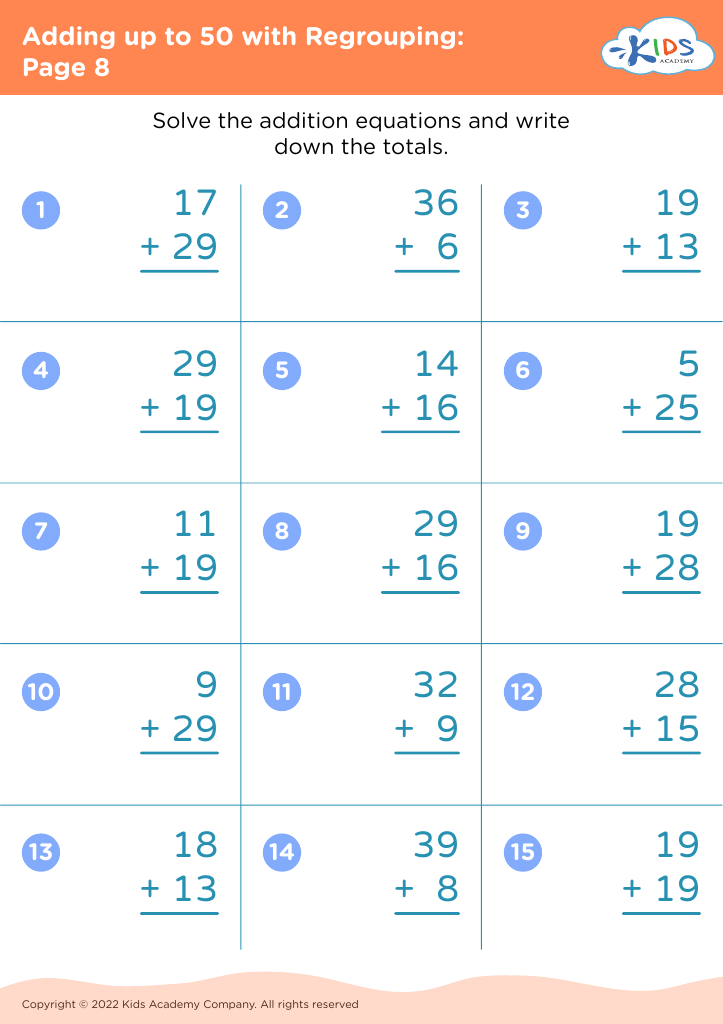
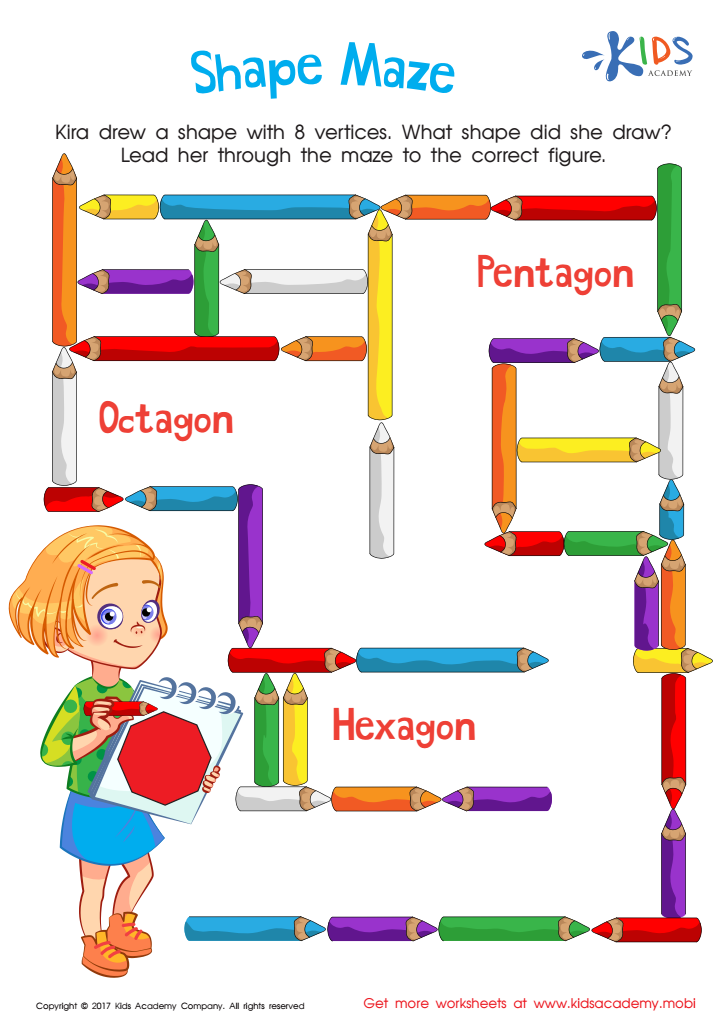
Shape Maze Worksheet
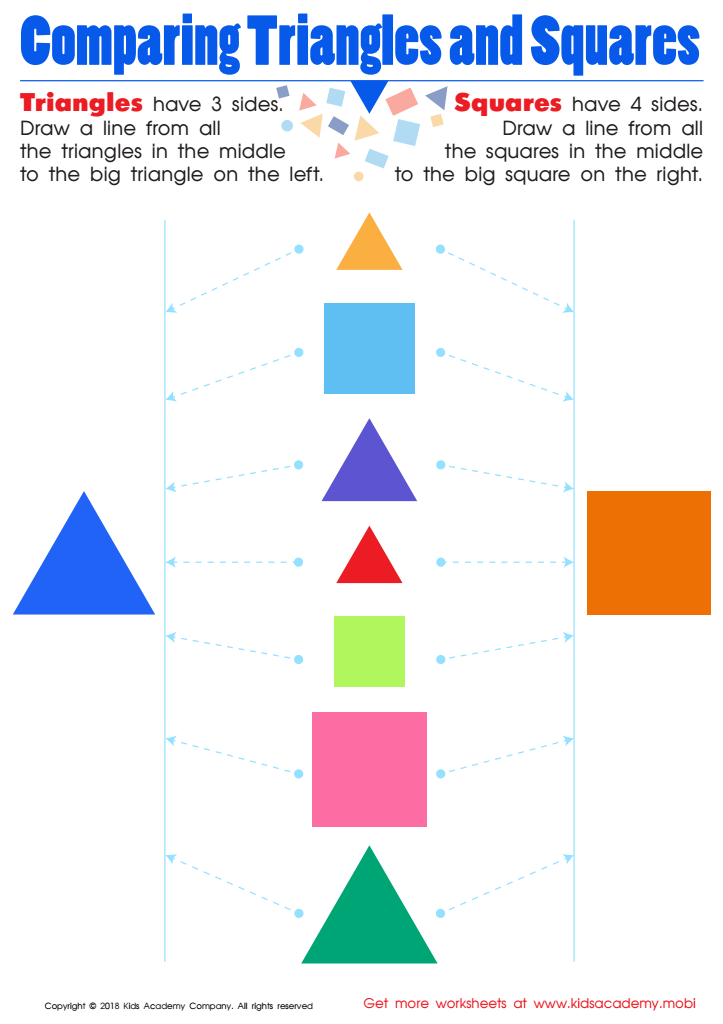
Comparing Triangles Squares Worksheet
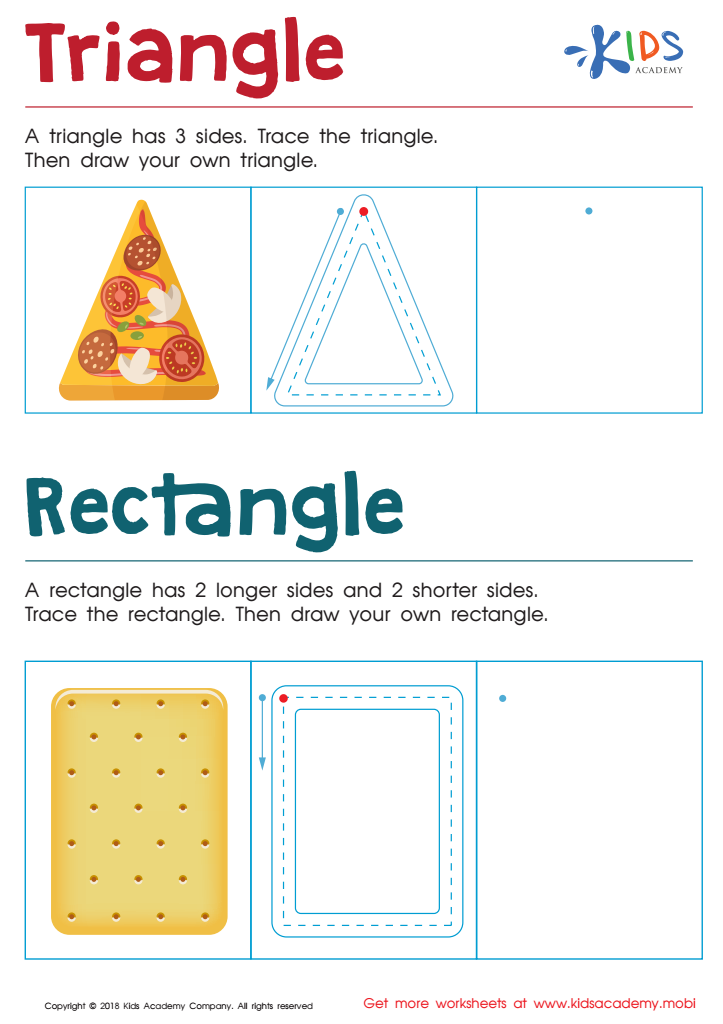
Triangle Rectangle Worksheet
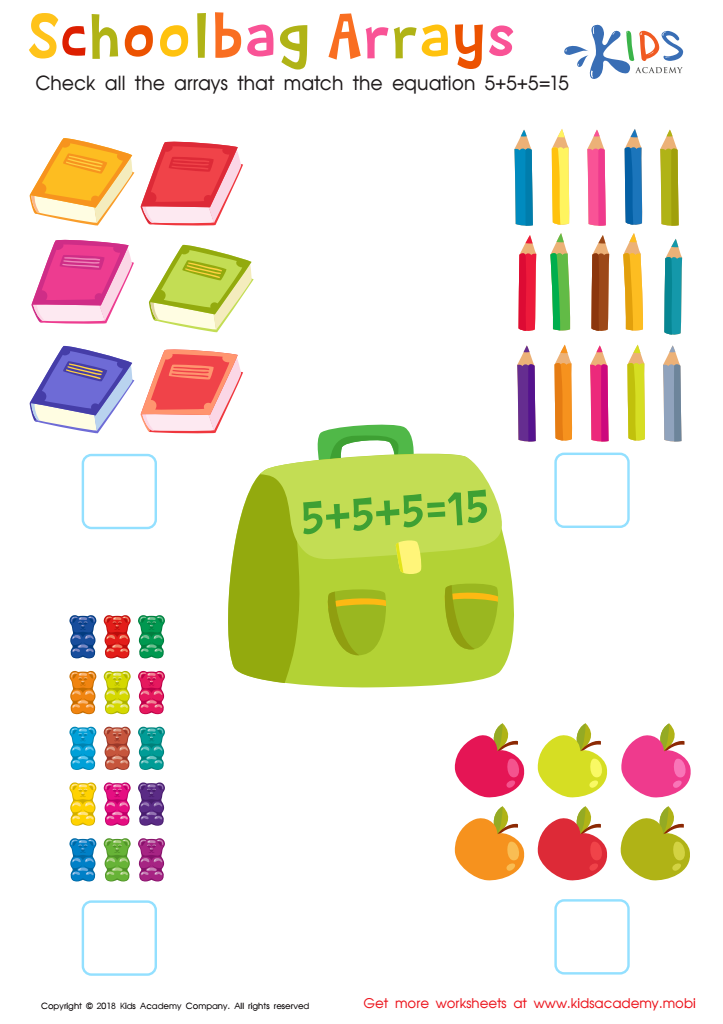
Schoolbag Arrays Worksheet
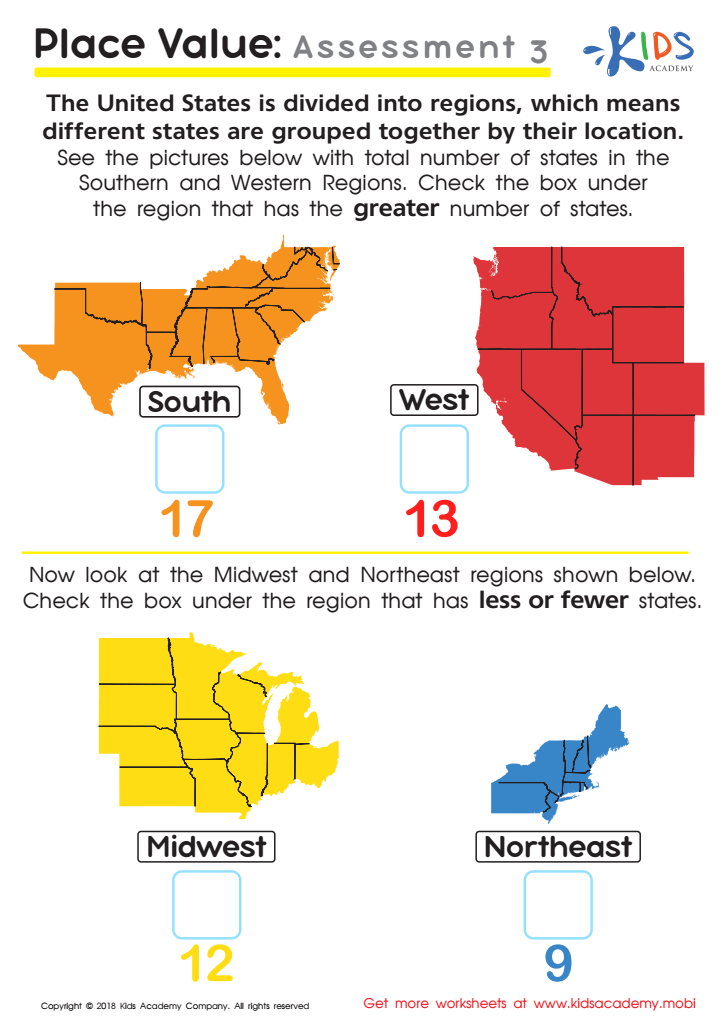
Place Value: Assessment 3 Worksheet
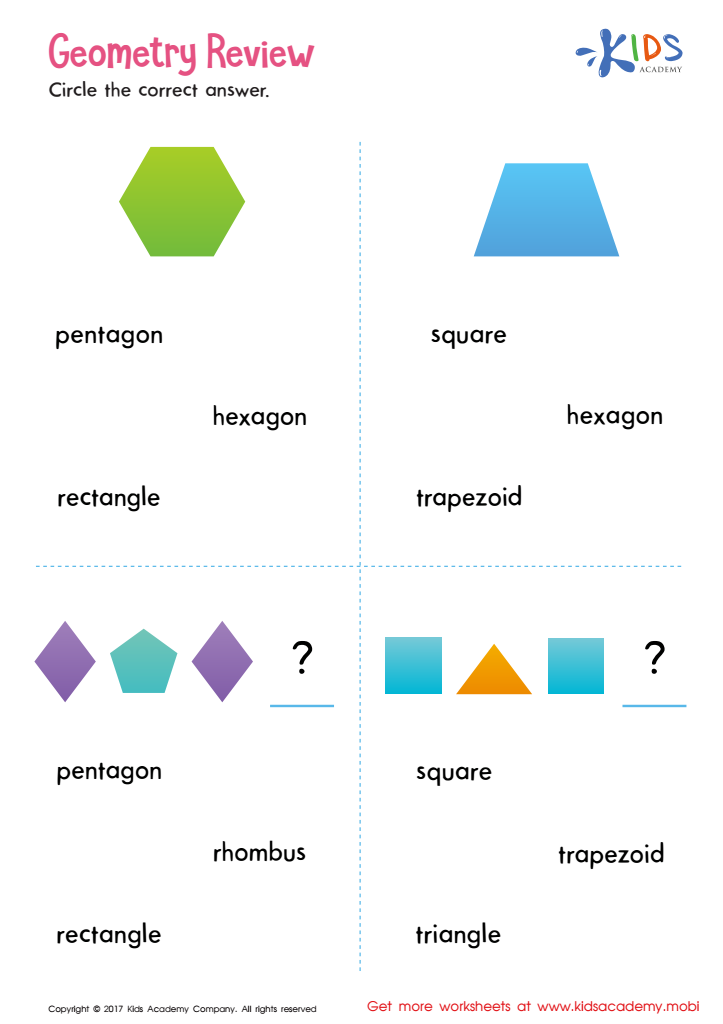
Geometry Review Printable
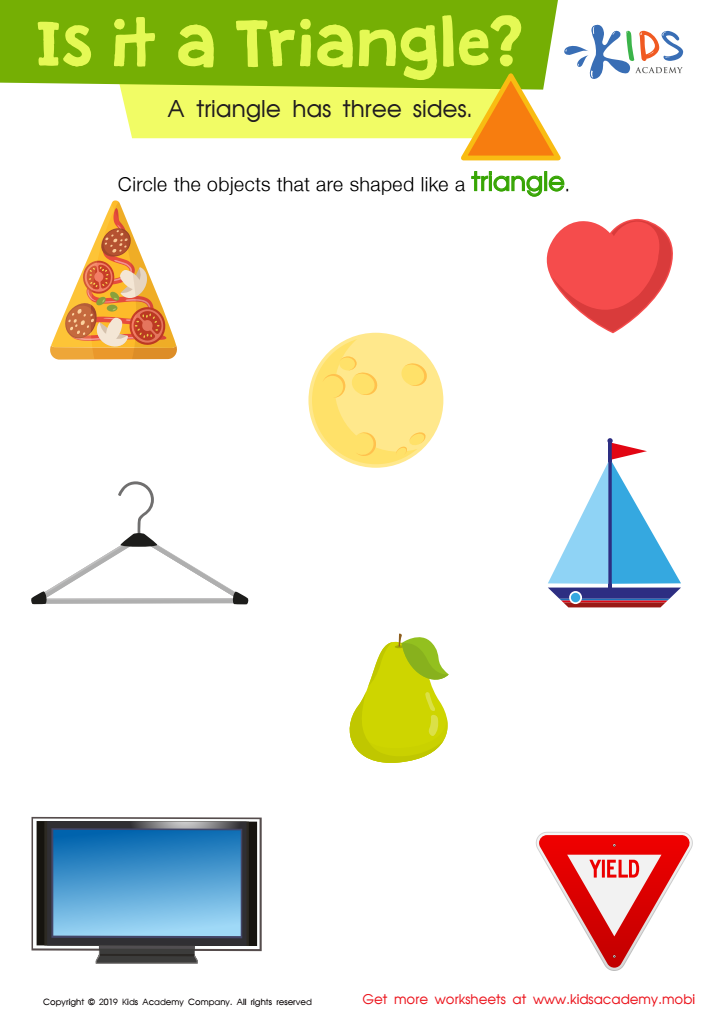
Is It a Triangle? Worksheet
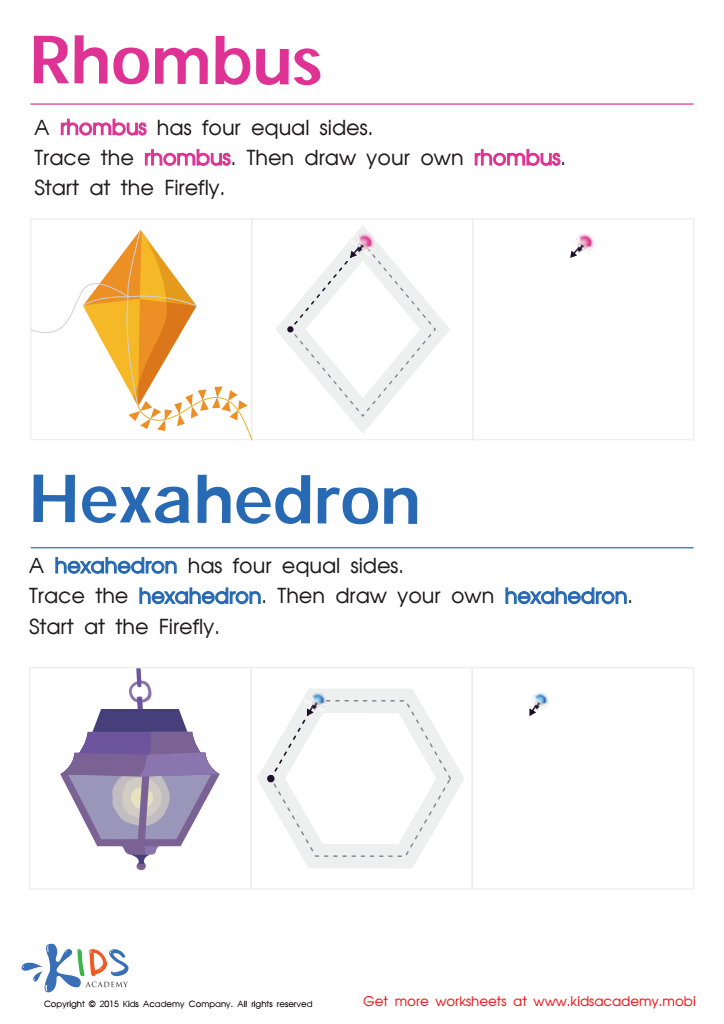
Draw a Rhombus And a Hexahedron Printable
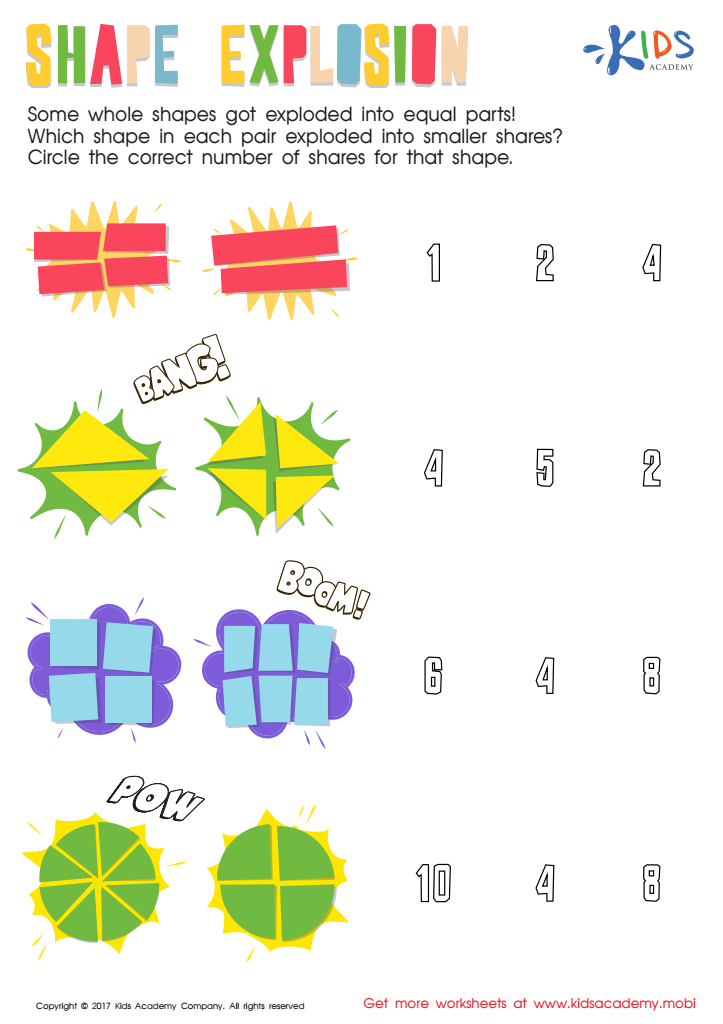
Shape Explosion Worksheet
Number 2 Printable
 Assign to My Students
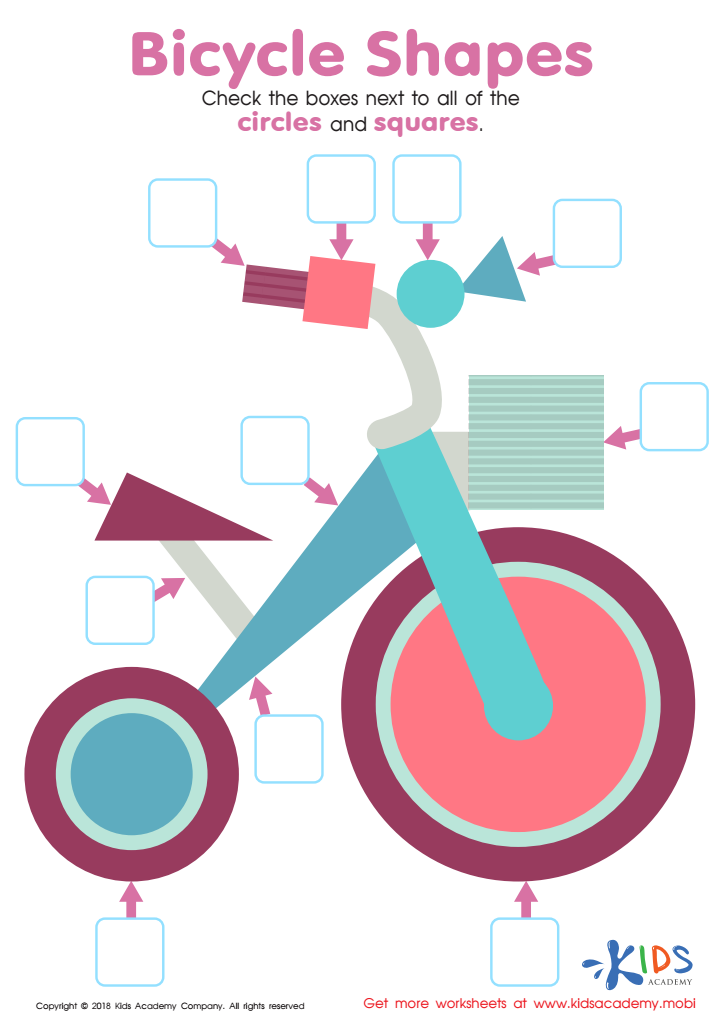
Bicycle Shapes Worksheet


.jpg)


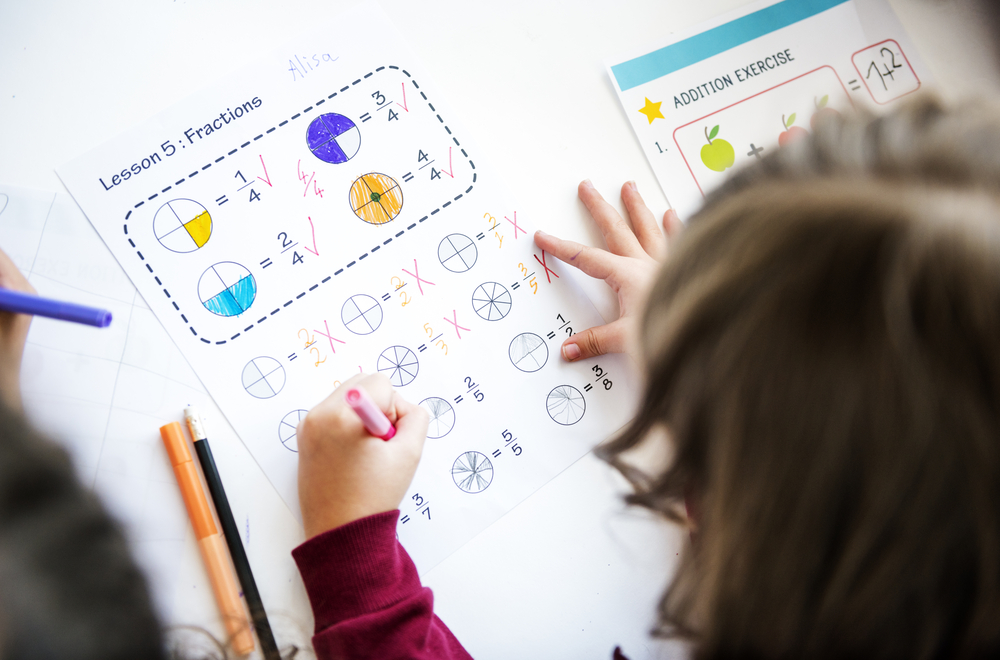


Shape identification math is a foundational skill crucial for children aged 6 to 9, and parents and teachers should prioritize its development for several key reasons. First, understanding shapes is essential for cognitive development, as it helps children recognize and categorize objects in their environment. This skill promotes critical thinking and problem-solving abilities that are important across all areas of learning.
Moreover, shape identification enhances spatial awareness, an essential competence for later math concepts, such as geometry and measurement. Mastery of shapes supports children in visualizing mathematical problems and understanding concepts such as symmetry, congruence, and transformations, paving the way for advanced math skills.
Additionally, shape identification is linked to other academic areas, including art and science. For instance, recognizing geometric patterns in artwork fosters creativity and visual literacy, while understanding the shapes of various objects in scientific inquiry deepens their observational skills.
Finally, involving parents and teachers in shape identification fosters a collaborative learning environment, allowing children to explore and reinforce these concepts in different contexts, whether in the classroom or at home. By nurturing this essential skill, adults empower children with the tools they need for success in both their academic journeys and everyday life.








