Time reading skills Math Worksheets for Ages 6-9
12 filtered results
-
From - To
Enhance your child's math skills with our engaging Time Reading Skills Math Worksheets designed for ages 6-9. These interactive worksheets provide a fun and effective way for children to master reading clocks and understanding time concepts. With a variety of exercises, including analog and digital clock readings, learners will develop critical skills necessary for everyday life. Each worksheet is tailored to encourage critical thinking, with visually appealing graphics to maintain interest. Perfect for home or classroom use, these resources will help your child gain confidence and proficiency in telling time, laying a strong foundation for future math success. Start the learning adventure today!
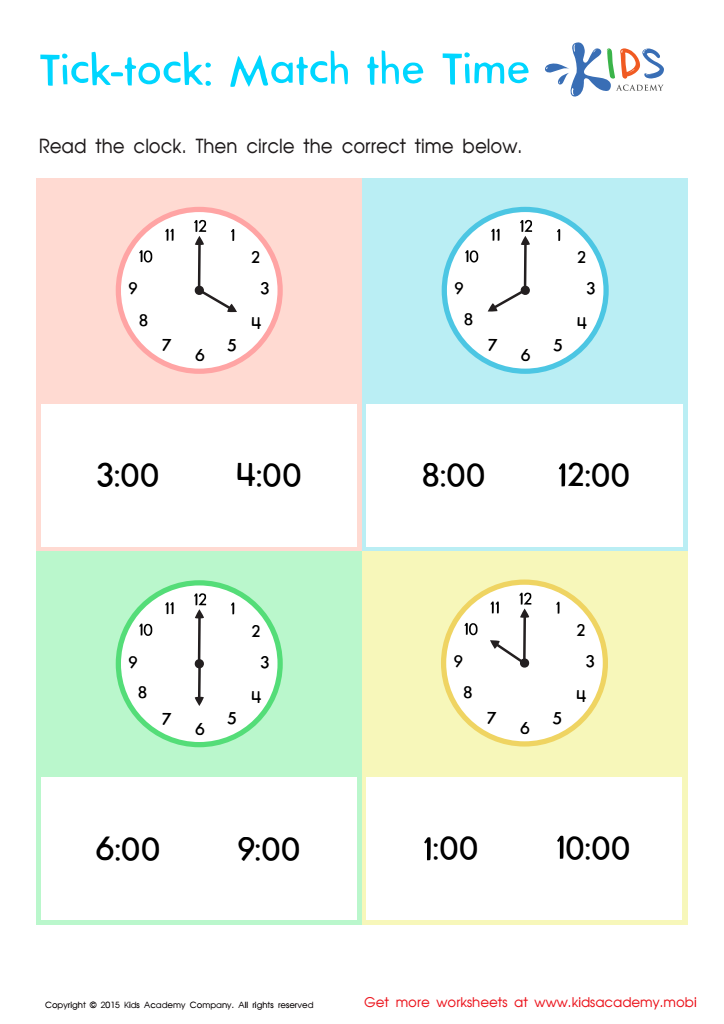
Telling The Time Worksheet: Part 4
 Assign to My Students
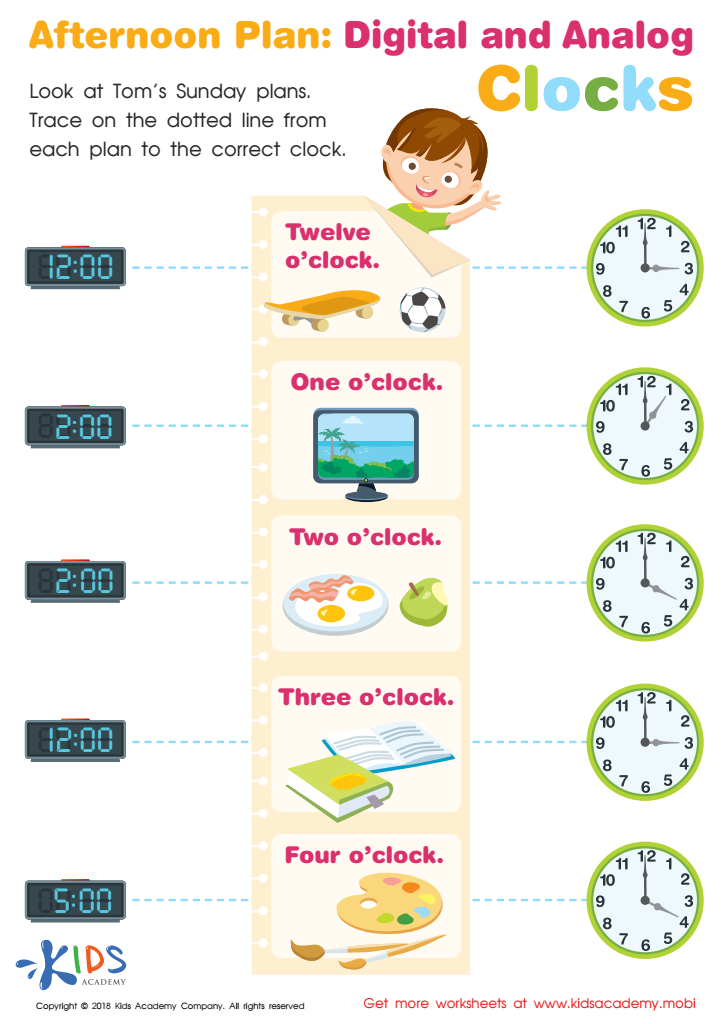
Afternoon Plan: Digital and Analog Clocks Worksheet
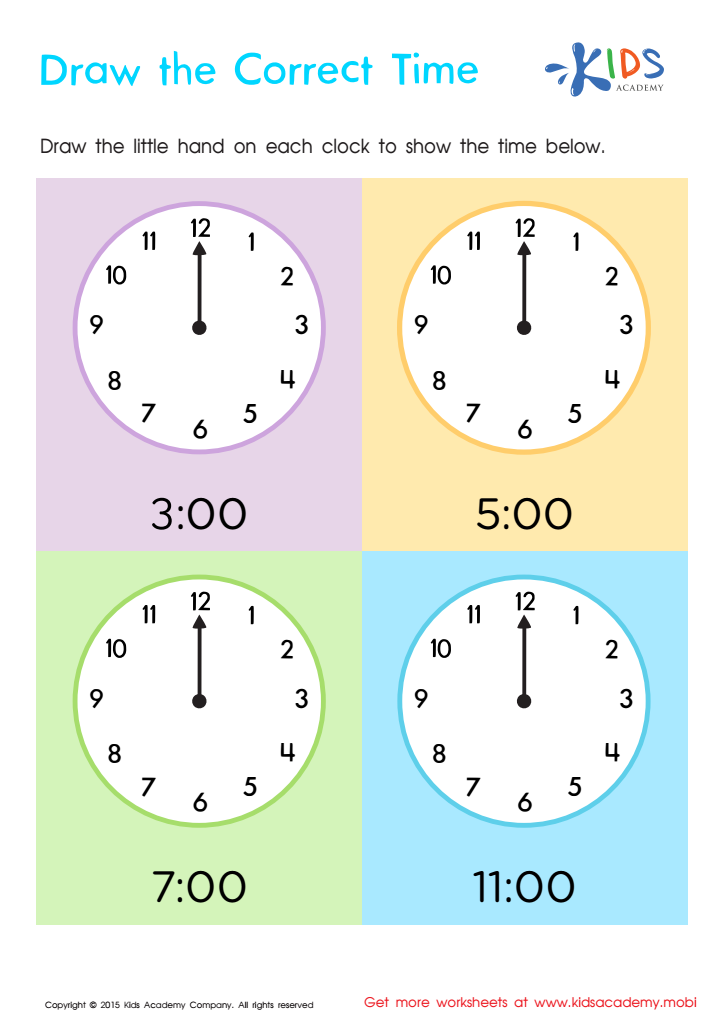
Telling The Time Worksheet: Part 1
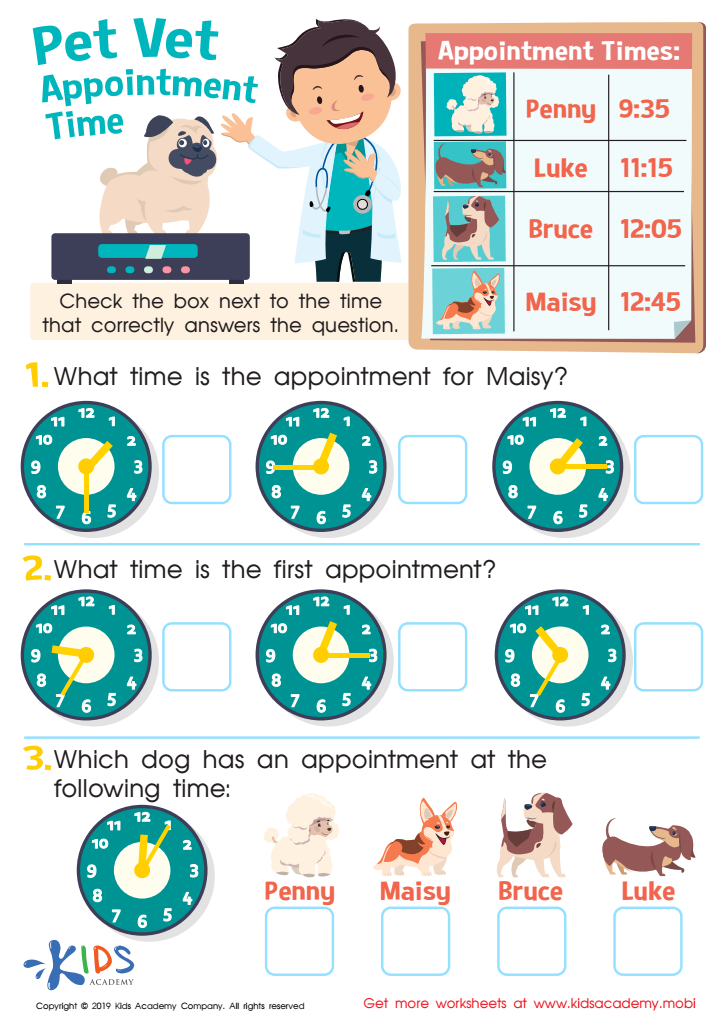
Pet Vet Appointment Time Worksheet
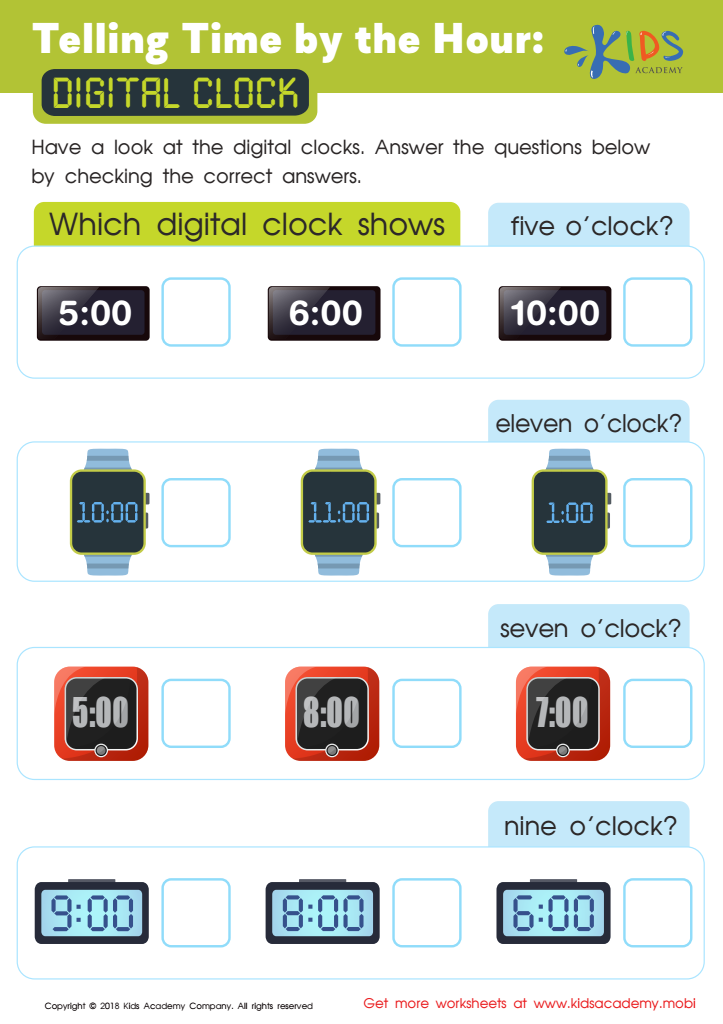
Telling Time by the Hour: Digital Clock Worksheet
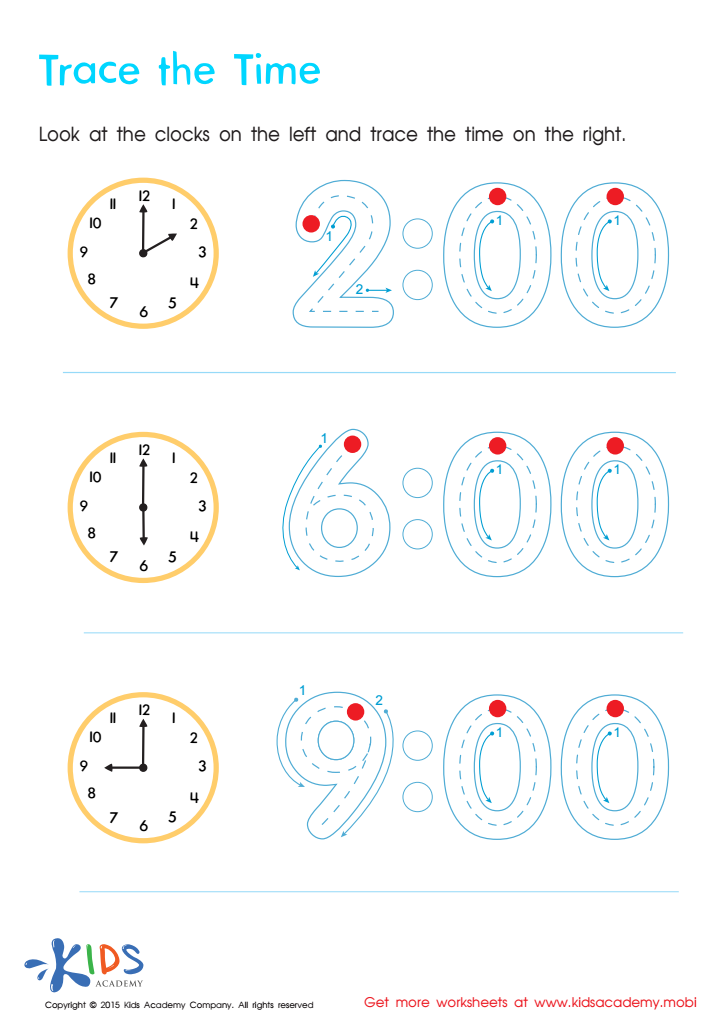
Telling The Time Worksheet: Part 2
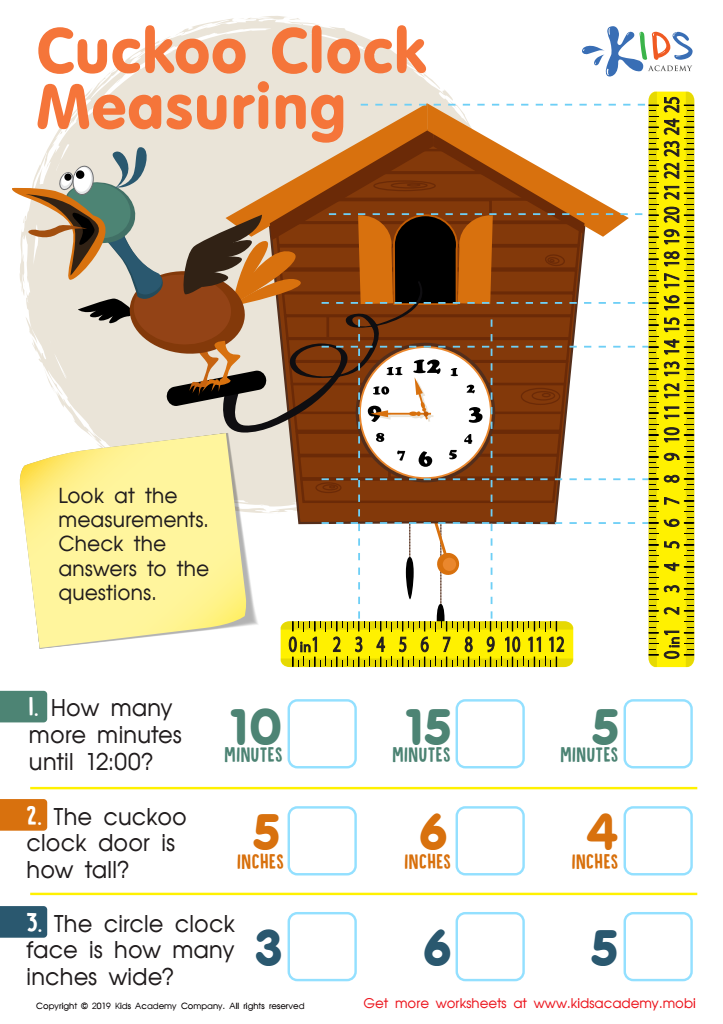
Cuckoo Clock Measuring Worksheet
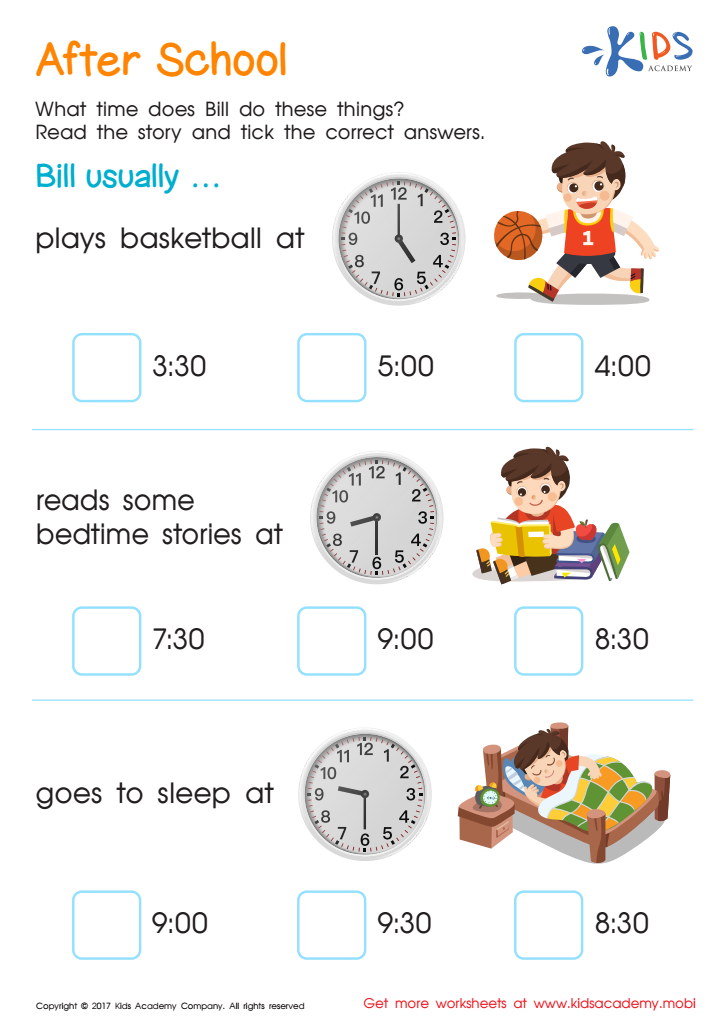
After School Time Printable
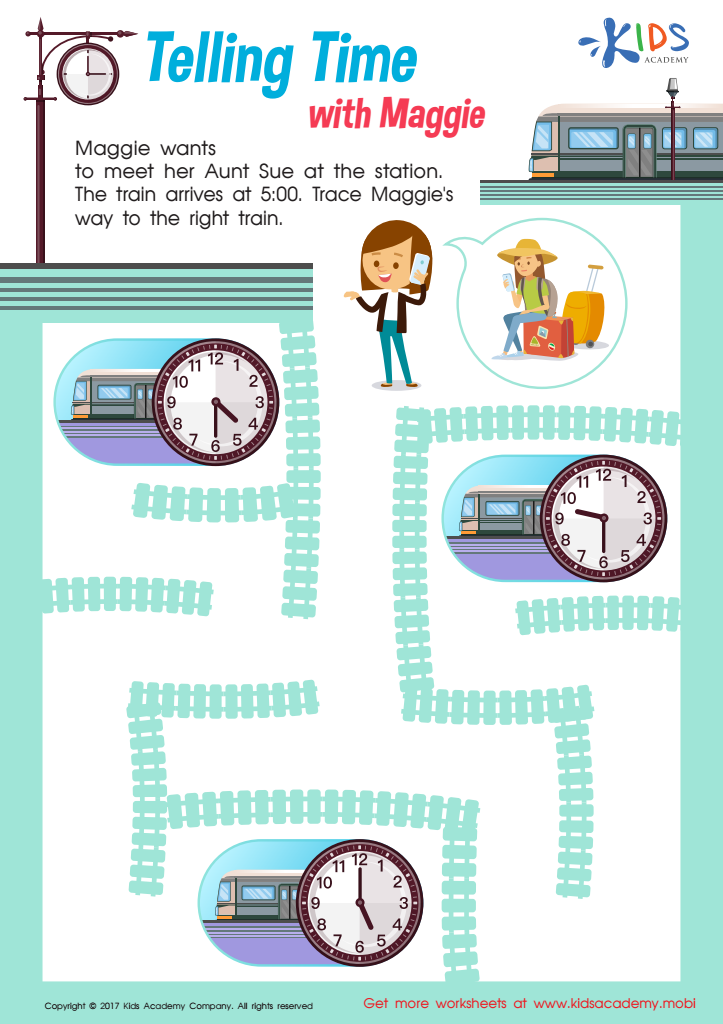
Telling Time With Maggie Time Worksheet
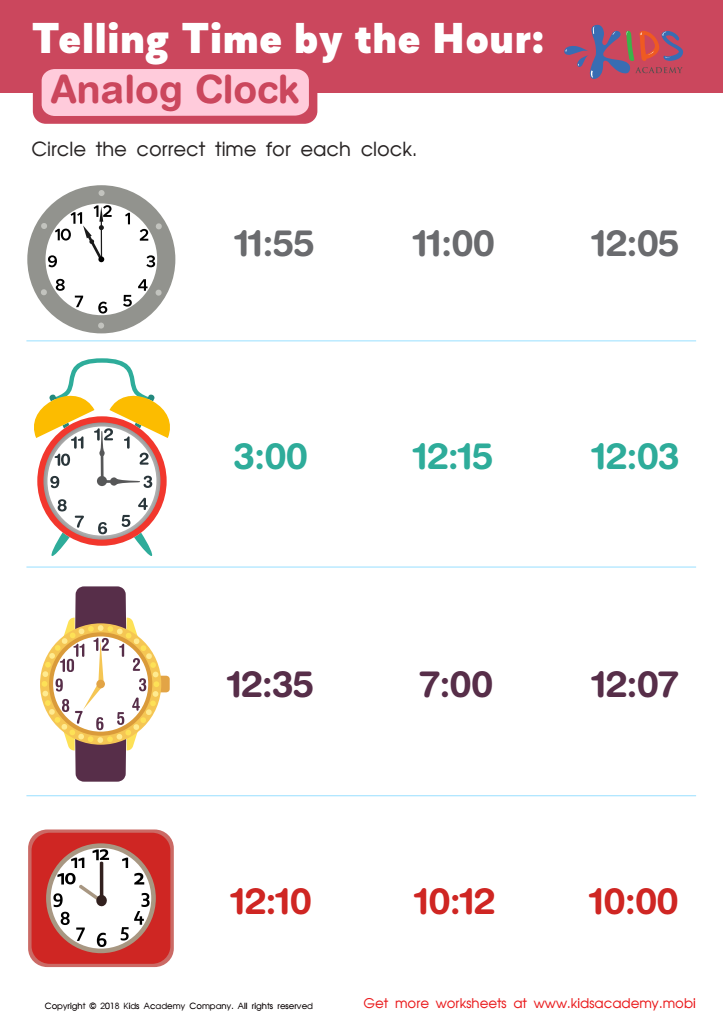
Telling Time by the Hour: Analog Clock Worksheet
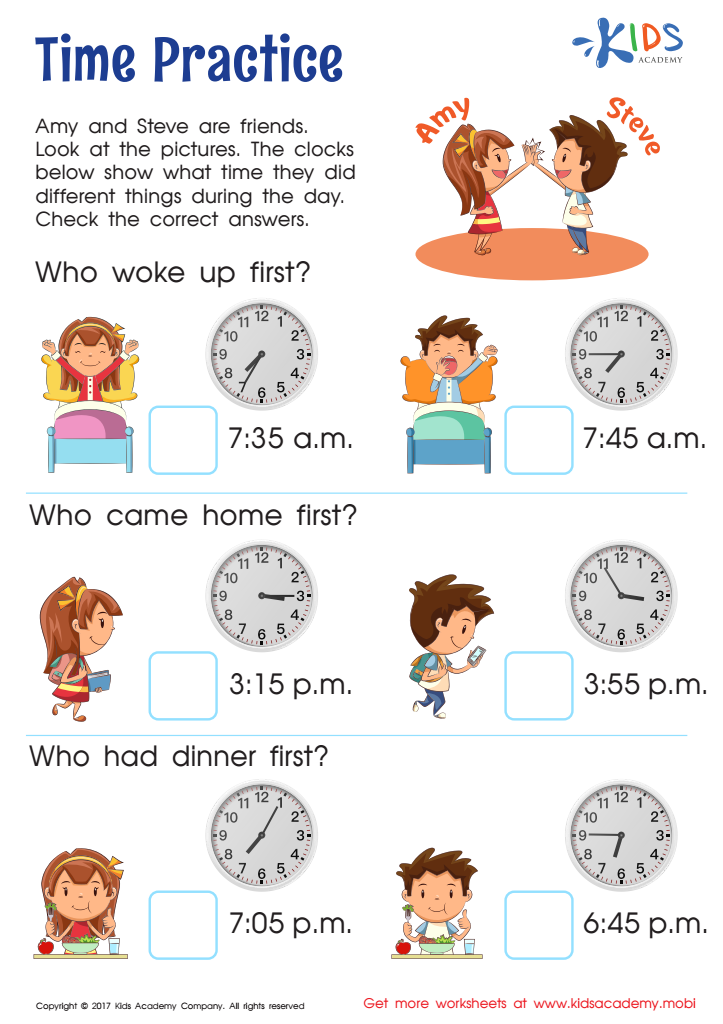
Time Practice Worksheet
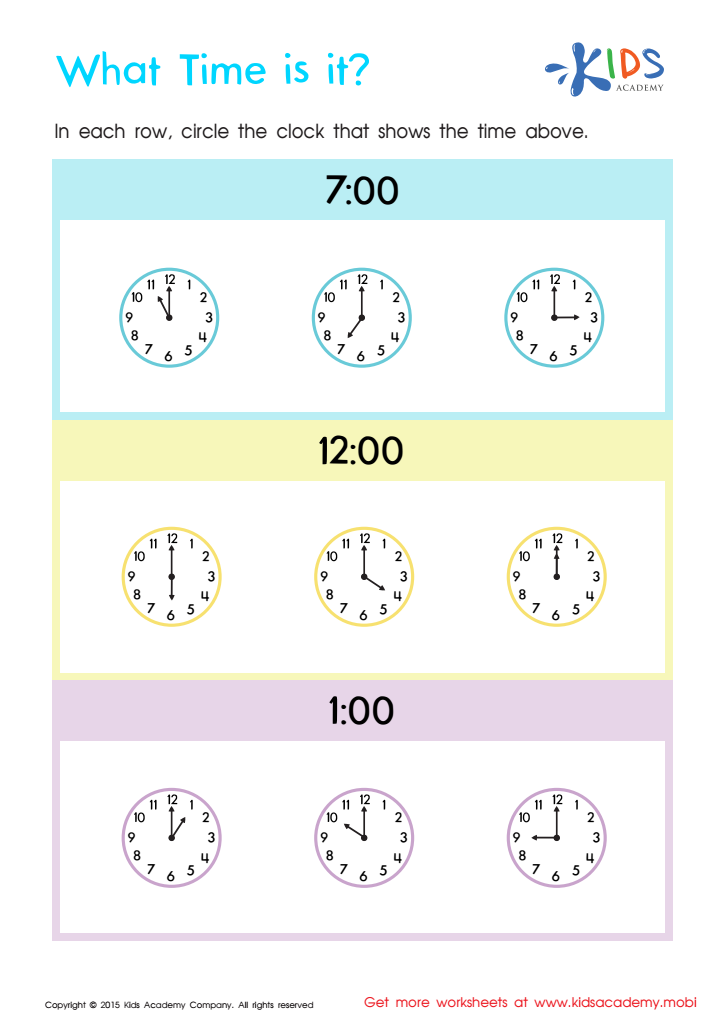
Telling The Time Worksheet: Part 3








Developing strong reading skills in math for children ages 6-9 is critical for their overall academic success and future engagement with the subject. During this formative period, children are not only learning basic math concepts, but they are also being introduced to more complex problem-solving skills. Proficient reading skills empower young learners to comprehend math problems, understand instructions, and interpret various mathematical symbols and terminology.
When children are able to effectively read and understand mathematical concepts, they build a solid foundation that enhances their confidence and capability in other subjects, fostering a holistic approach to learning. Poor reading skills can lead to frustration and disengagement with math, causing children to fall behind their peers and struggle in later grades.
Moreover, promoting reading skills in the context of math prepares children for real-world applications. Math is everywhere in life—be it in cooking, shopping, or managing finances—and teaching them how to read through these scenarios enhances critical thinking and practical skills.
Parents and teachers play a vital role in this development by encouraging reading practices that integrate math concepts, such as using storybooks that involve math themes or problem-solving scenarios. Fostering these skills ensures children not only succeed academically but also develop a lasting interest in mathematics.








