Visual discrimination Math Worksheets for Ages 6-9
16 filtered results
-
From - To
Discover our engaging Visual Discrimination Math Worksheets designed specifically for children ages 6-9! These worksheets help young learners develop crucial visual perception skills while enhancing their mathematical understanding. Through fun and interactive activities, kids will practice distinguishing between similar shapes, numbers, and patterns, strengthening their ability to recognize differences and similarities. Our worksheets foster critical thinking and improve attention to detail, laying the foundation for future math success. Ideal for classroom use or at-home learning, these exercises encourage confidence and reinforce essential math concepts. Unlock the potential of your child’s learning journey with our thoughtfully crafted visual discrimination resources!
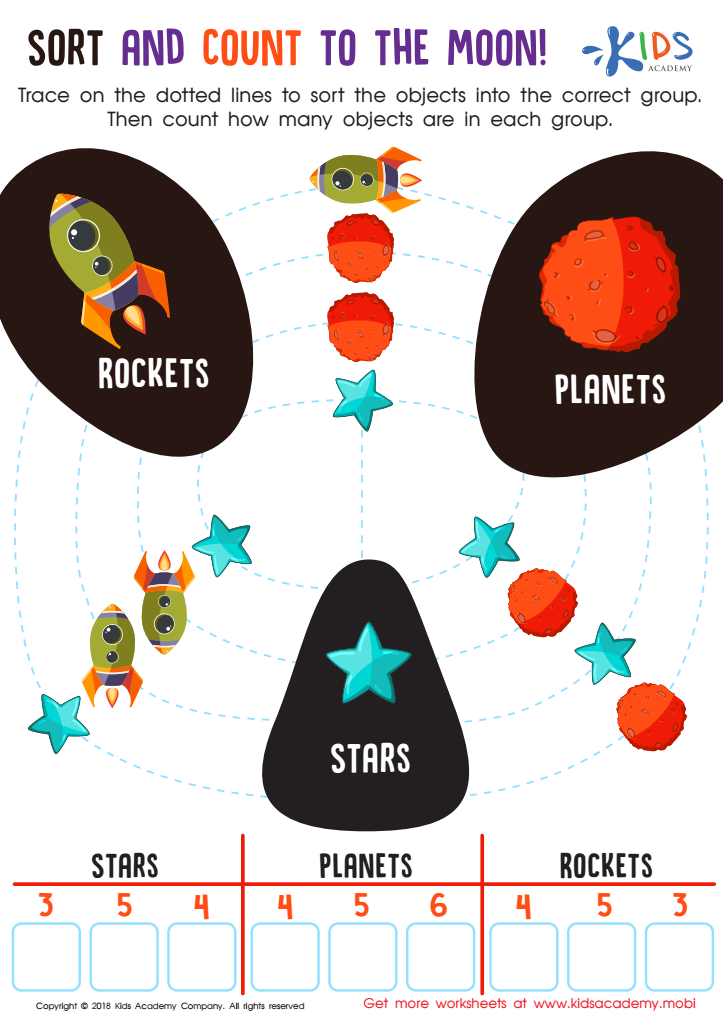
Sort and Count to the Moon Worksheet
 Assign to My Students
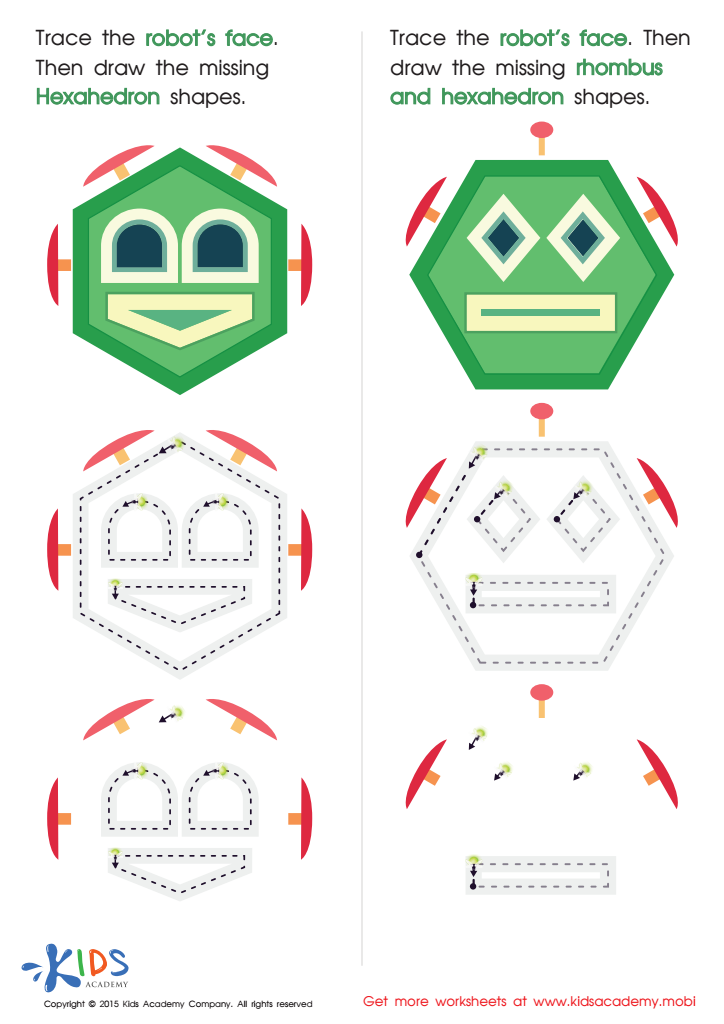
Practice Drawing Hexahedrons And a Rhombus Worksheet
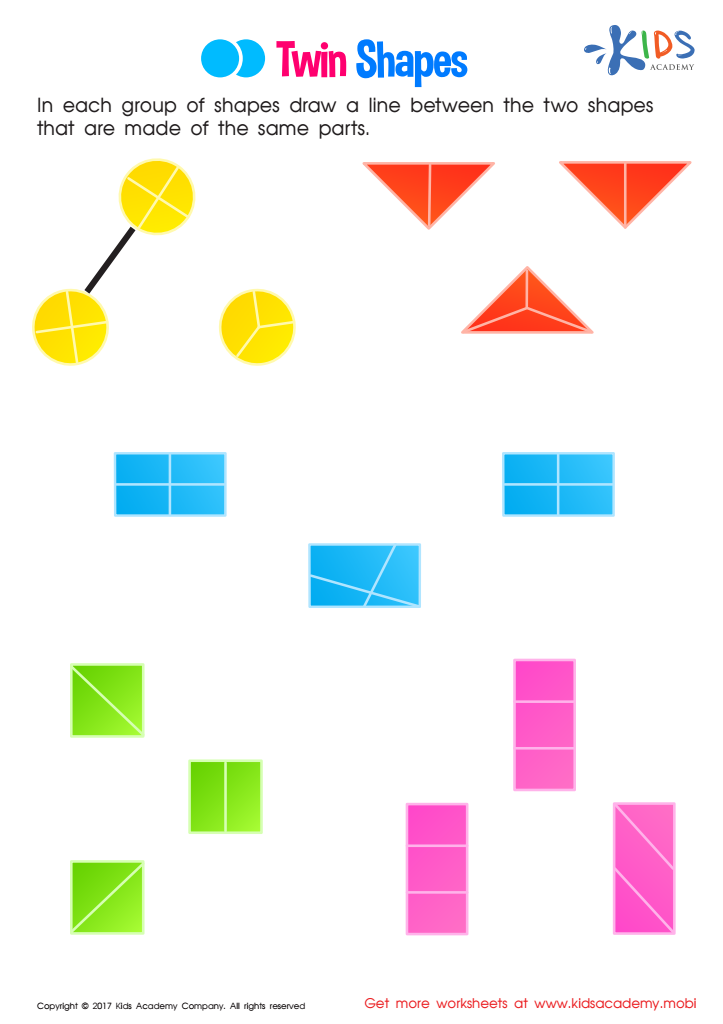
Twin Shapes Worksheet
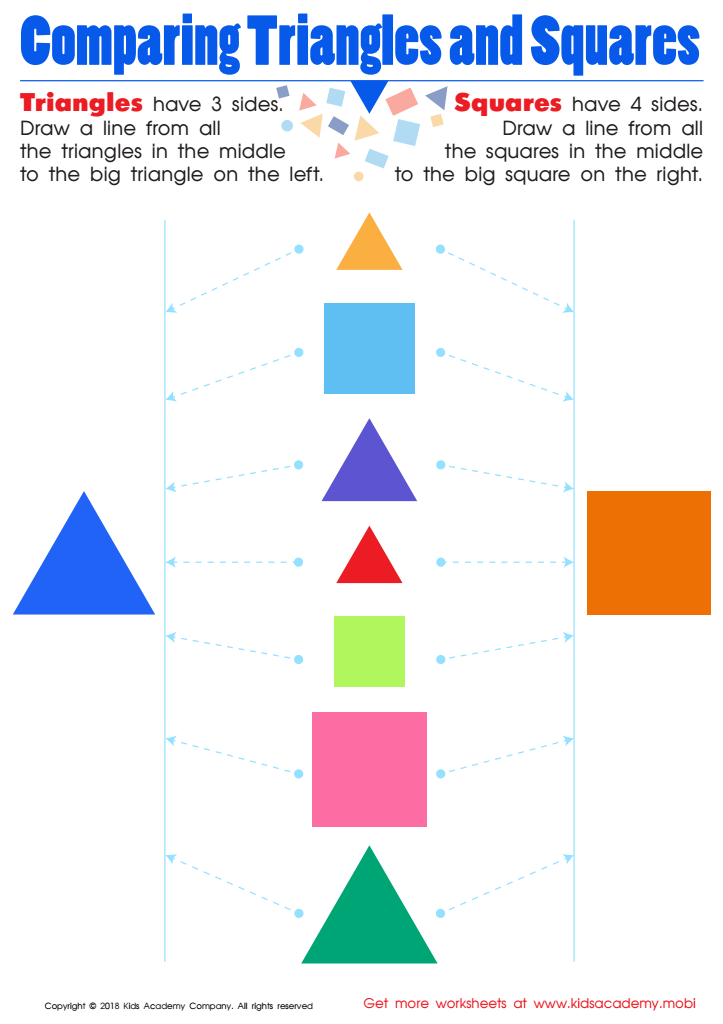
Comparing Triangles Squares Worksheet
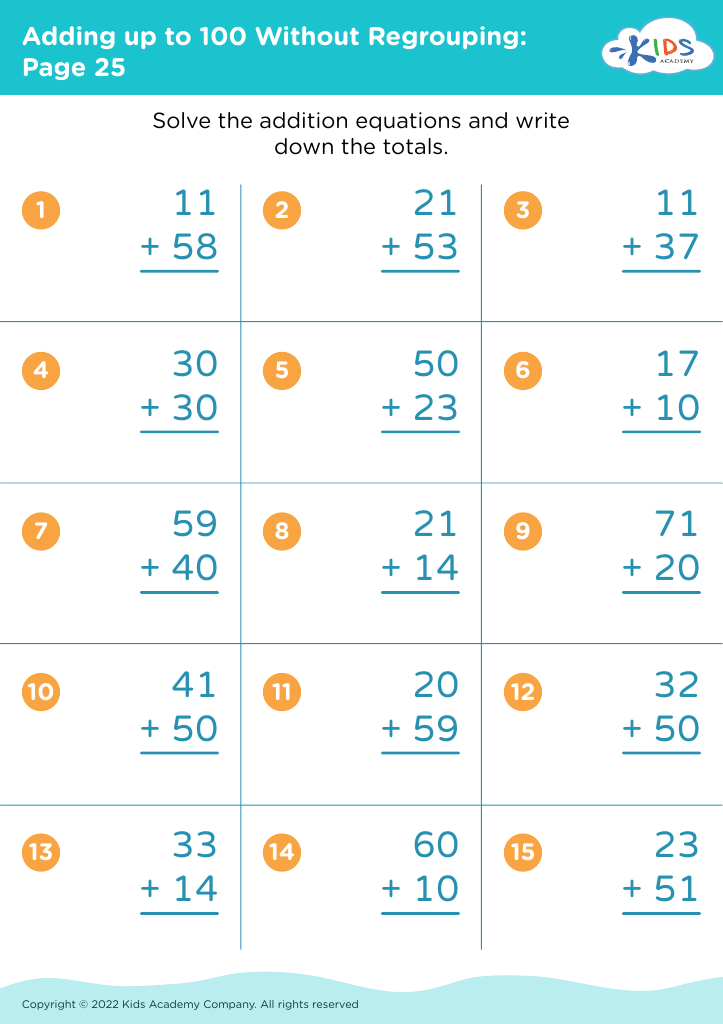
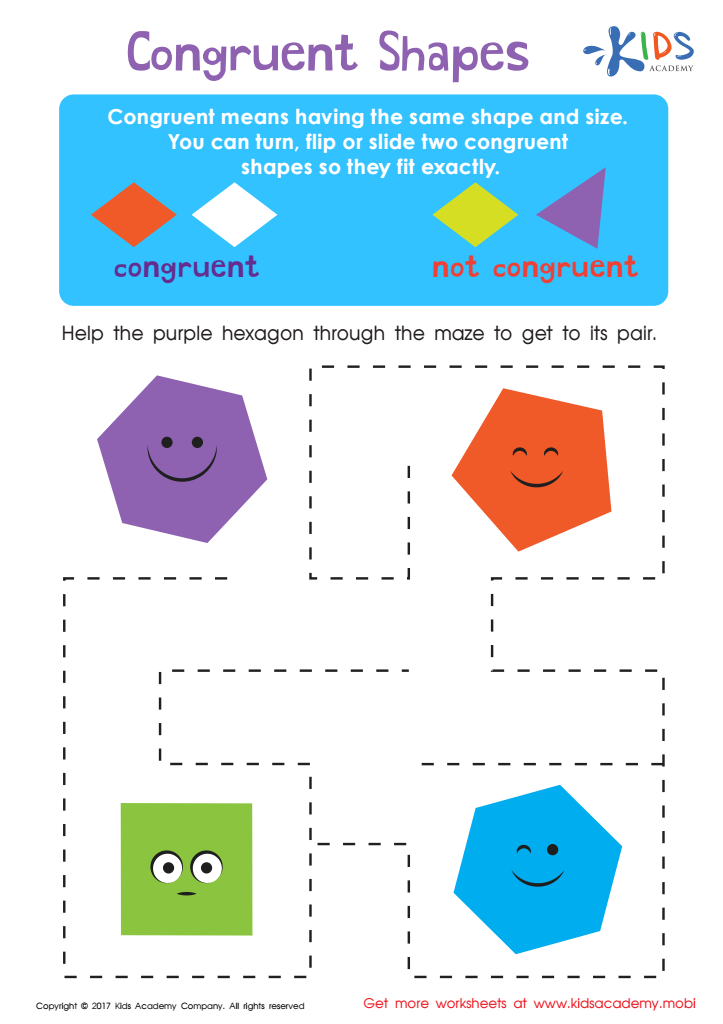
Congruent Shapes Worksheet
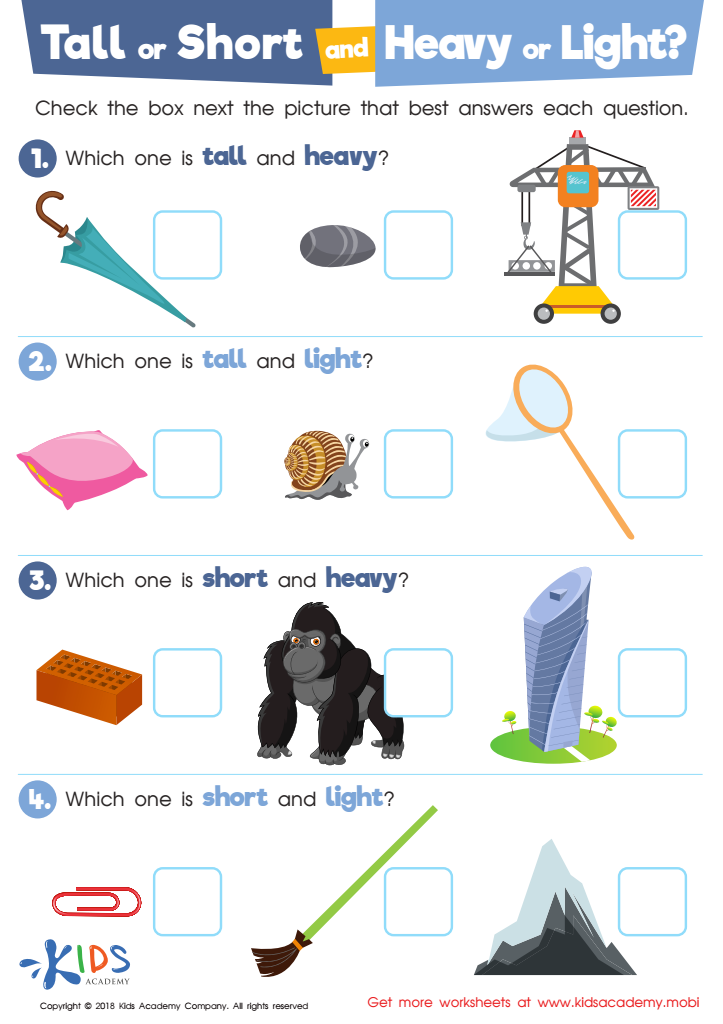
Tall or Short and Heavy or Light? Worksheet
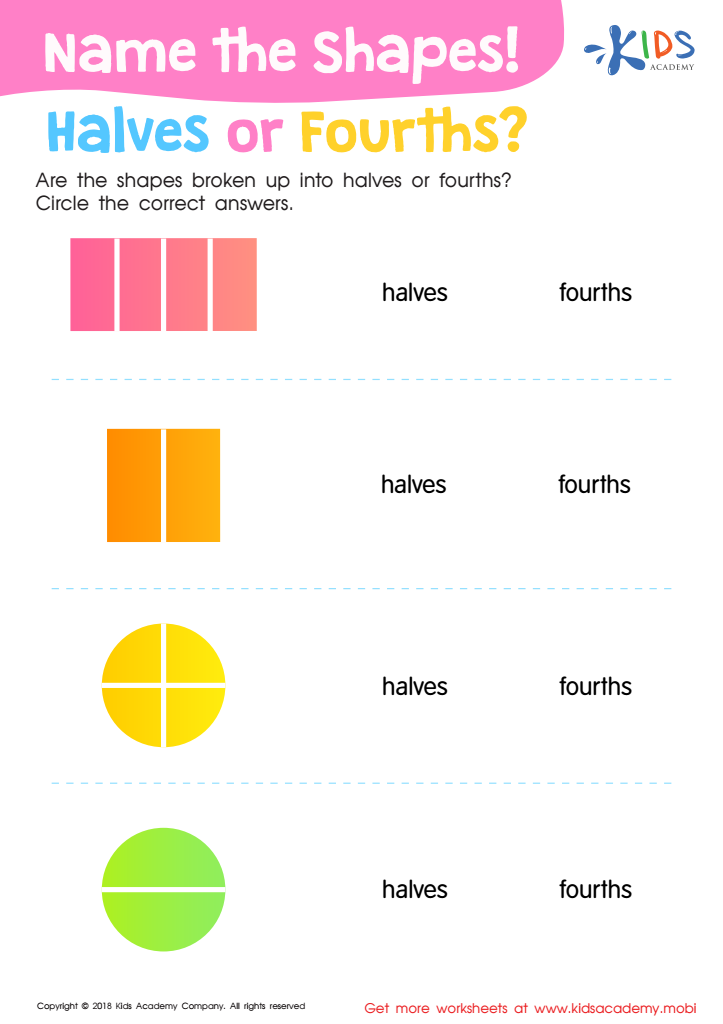
Name the Shapes Halves or Fourths? Worksheet
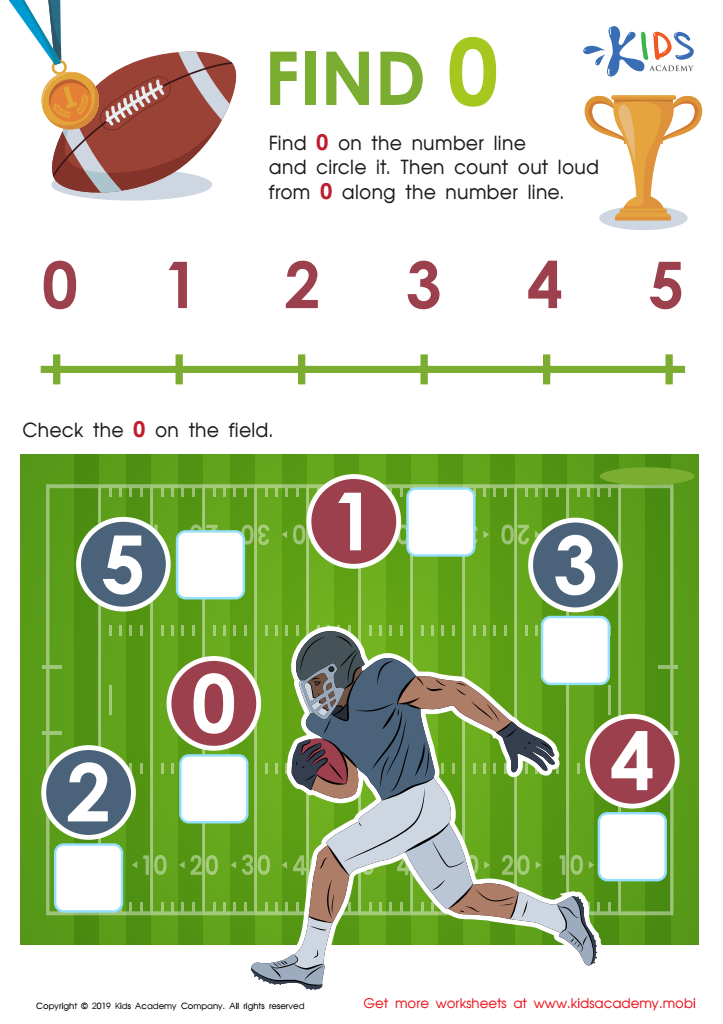
Find 0 Worksheet
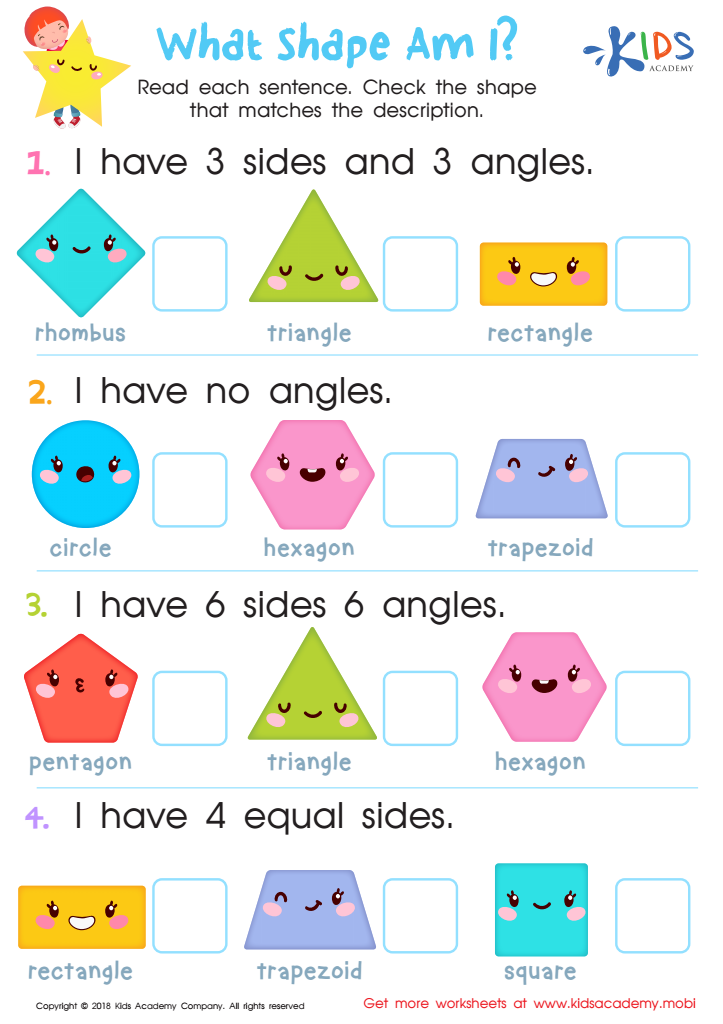
What Shape Am I? Worksheet
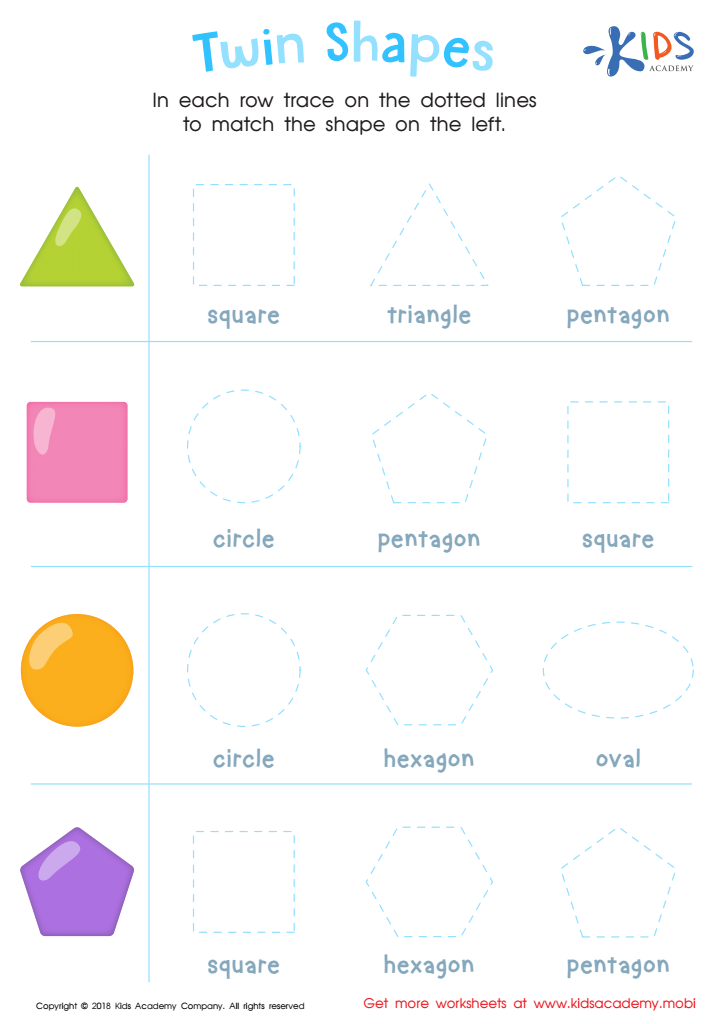
Twin Shapes Dot-to-Dot Worksheet
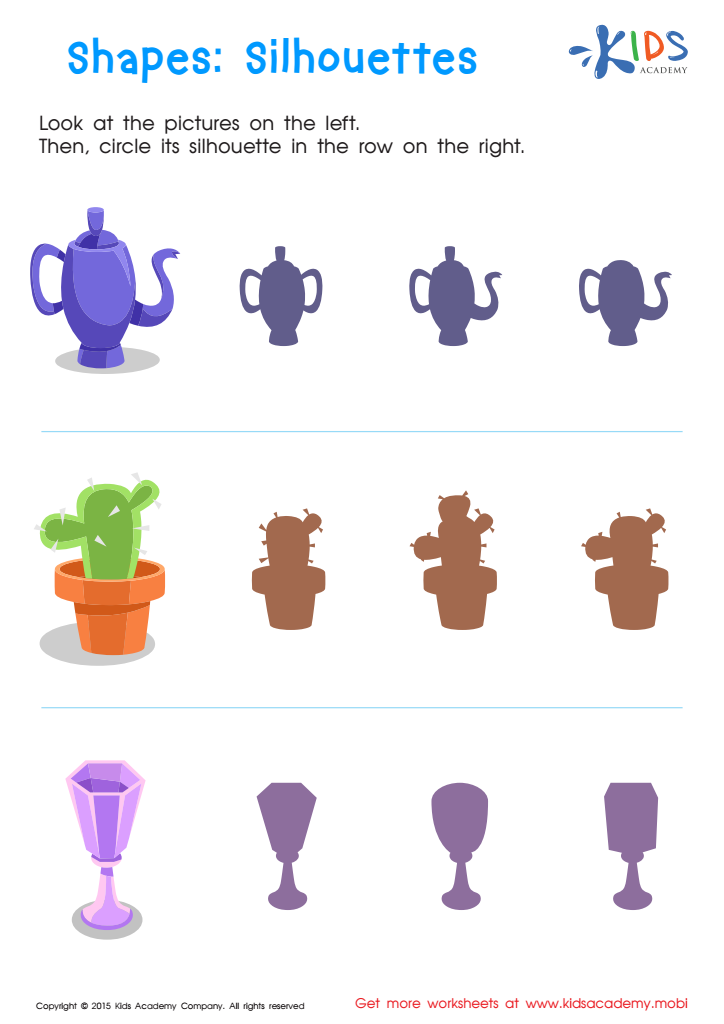
Silhouettes – Shapes Worksheet




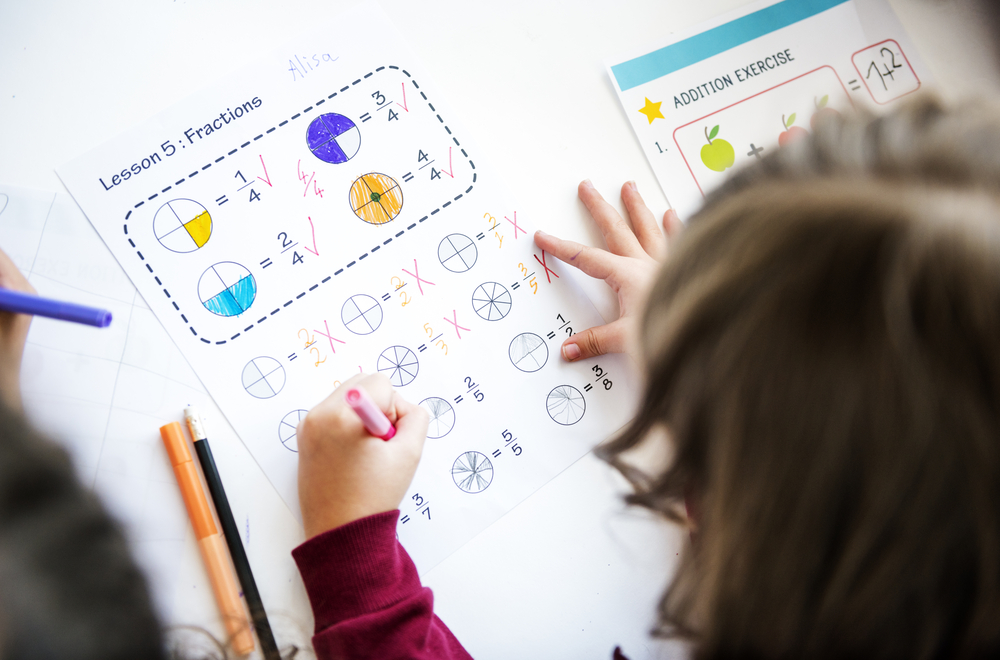



Visual discrimination is a crucial skill in developing mathematical understanding for children aged 6-9. It enables students to distinguish between similar shapes, patterns, and numbers, thus laying the foundation for more complex mathematical concepts. Parents and teachers should care about visual discrimination because it directly impacts a child's ability to solve problems and interpret information.
In early mathematics, children encounter various shapes and number forms that require keen observation. If they struggle with visual discrimination, they may find it challenging to identify patterns, make comparisons, or even differentiate between numbers like '6' and '9'. This foundational skill supports their ability to engage in activities such as sorting, measuring, and recognizing geometric forms, which are all integral to various math tasks.
Moreover, enhancing visual discrimination promotes overall cognitive development. It encourages critical thinking and improves memory recall as children learn to associate visual cues with numeric or spatial problems. Fostering these skills early on can lead to greater confidence and a stronger enthusiasm for mathematics in later grades, ultimately contributing to their long-term academic success. Supporting visual discrimination through engaging activities at home and in the classroom will empower children with essential tools for their future educational endeavors.








