Visual Learning Math Worksheets for Ages 6-9
16 filtered results
-
From - To
Discover an engaging collection of Visual Learning Math Worksheets specifically designed for children ages 6-9. These interactive resources help young learners build foundational math skills through visually stimulating activities that cater to different learning styles. From colorful illustrations to hands-on exercises, our worksheets make complex concepts like addition, subtraction, and geometry accessible and fun! Encourage critical thinking and problem-solving by incorporating these vibrant worksheets into your child's study routine. Ideal for home or classroom use, our Visual Learning Math Worksheets empower children to see math in action, enhancing their understanding and confidence in the subject. Start making math enjoyable today!
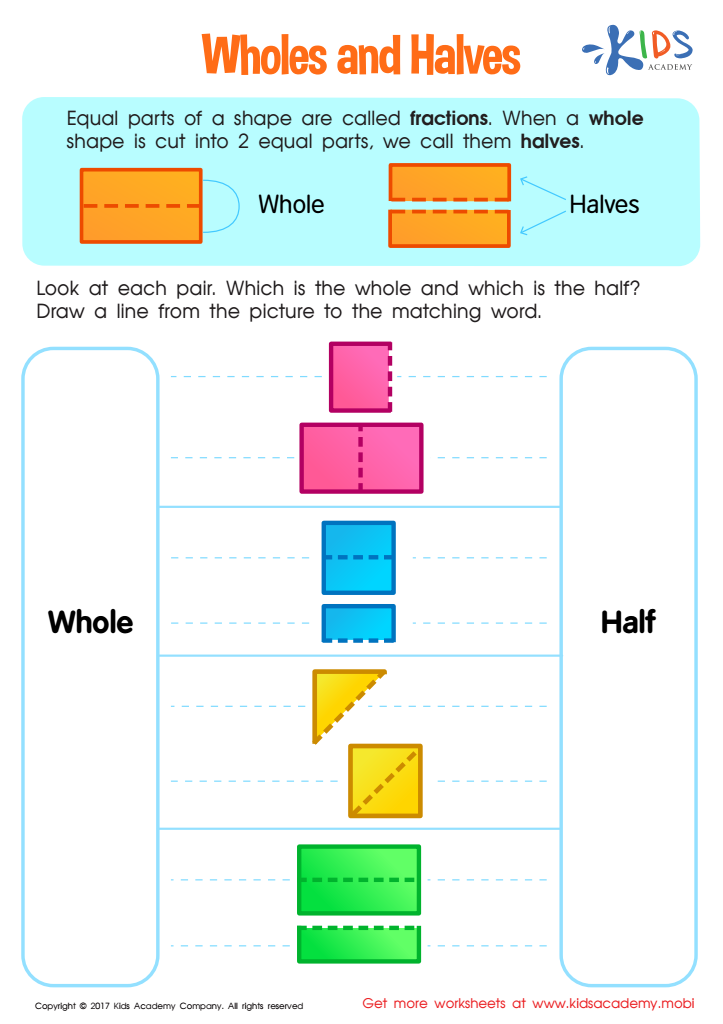
Wholes and Halves Worksheet
 Assign to My Students
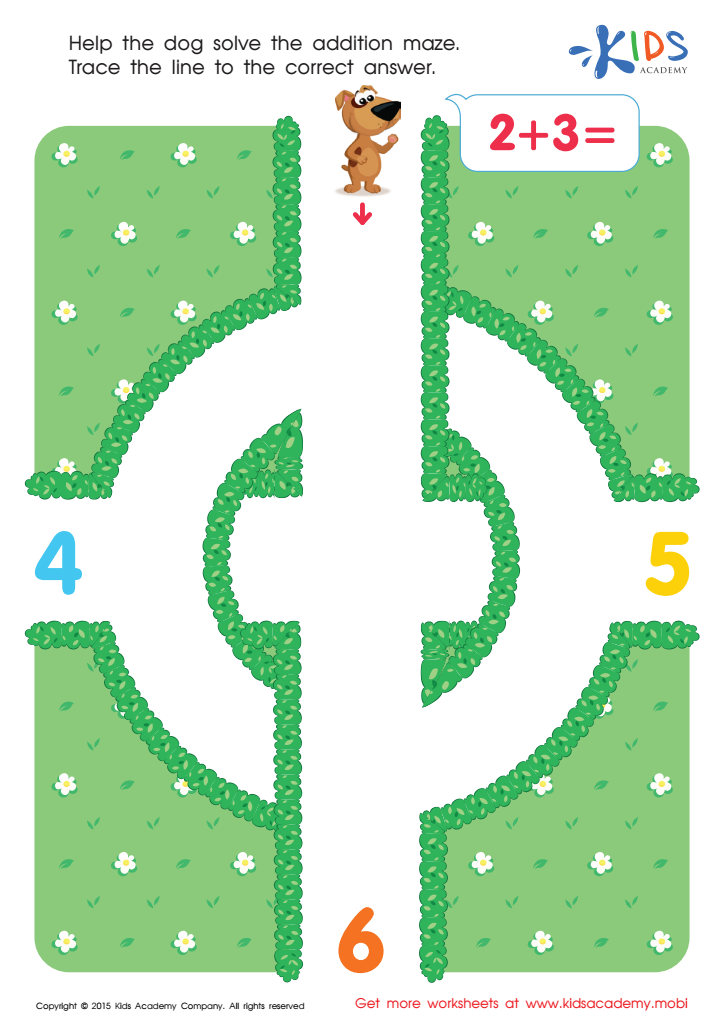
Two And Three Addition Worksheet
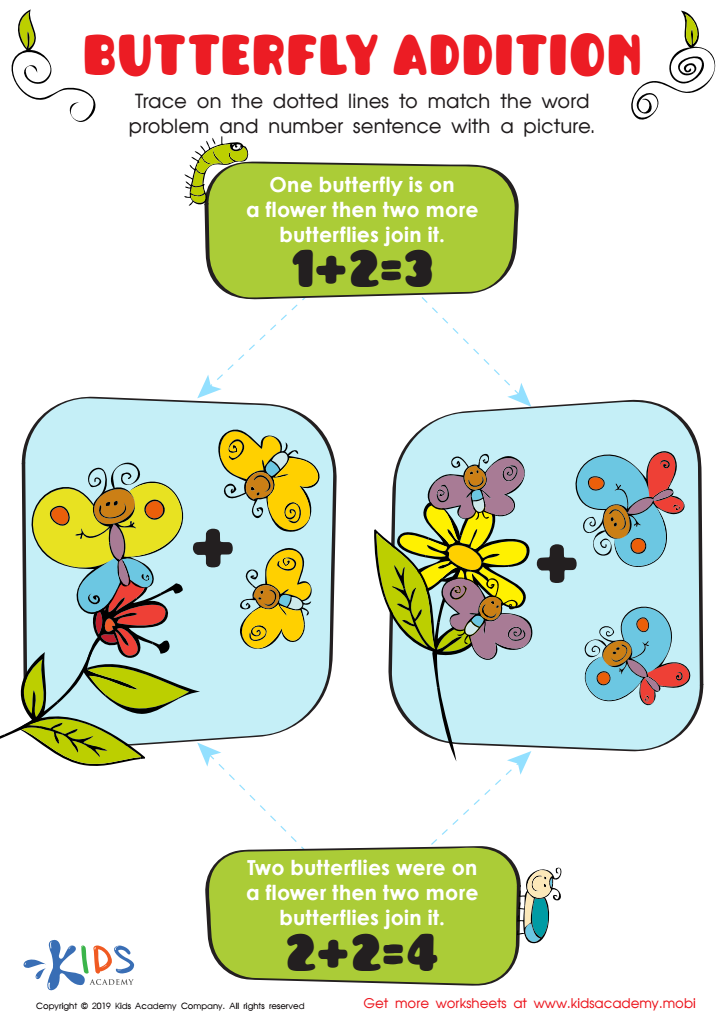
Butterfly Addition Worksheet
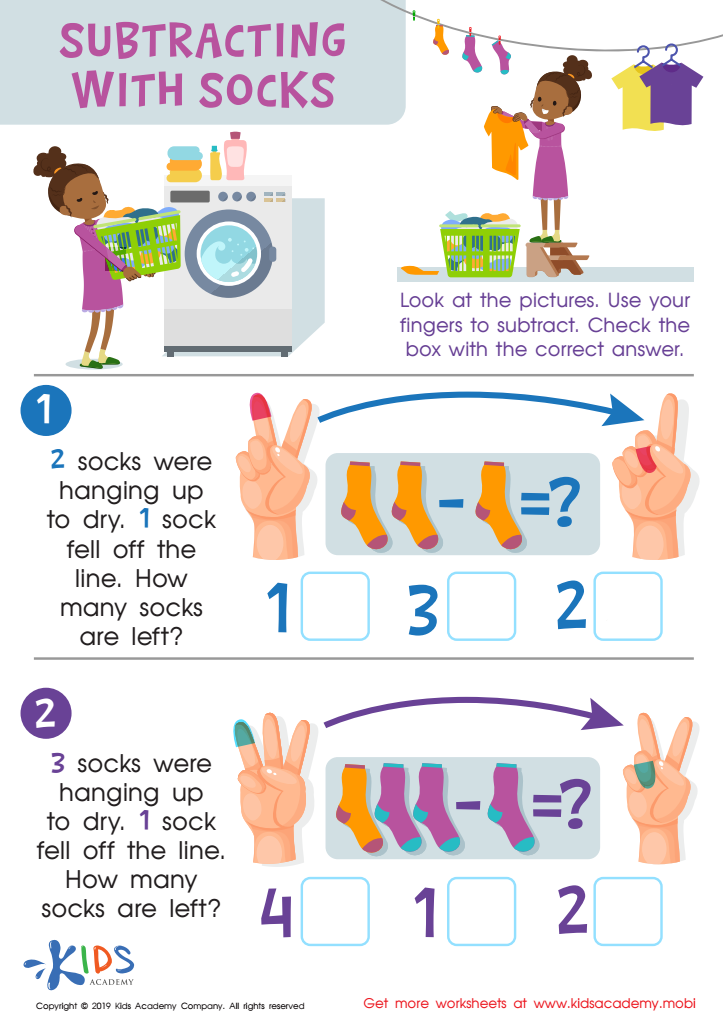
Subtracting Socks Worksheet
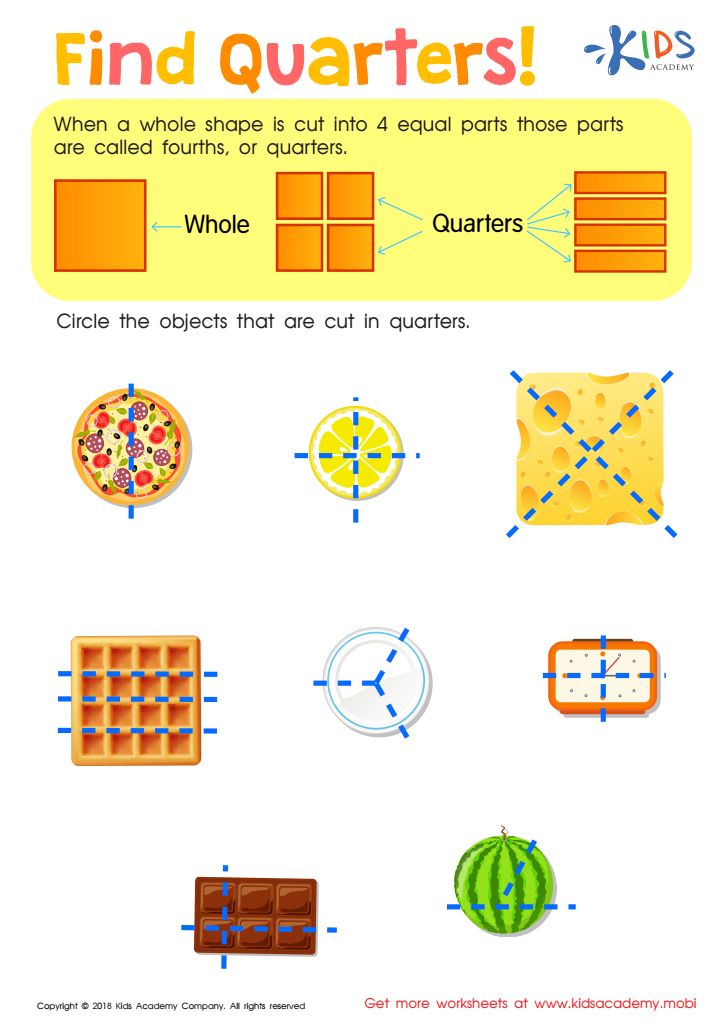
Find Quarters Worksheet
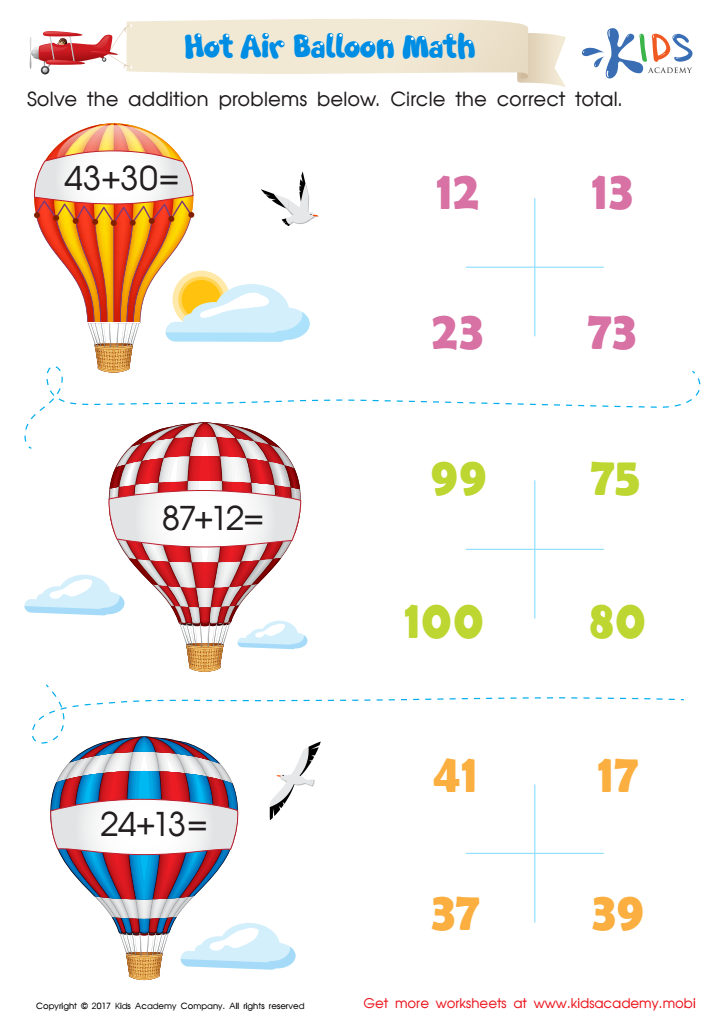
Hot Air Balloon Math Worksheet
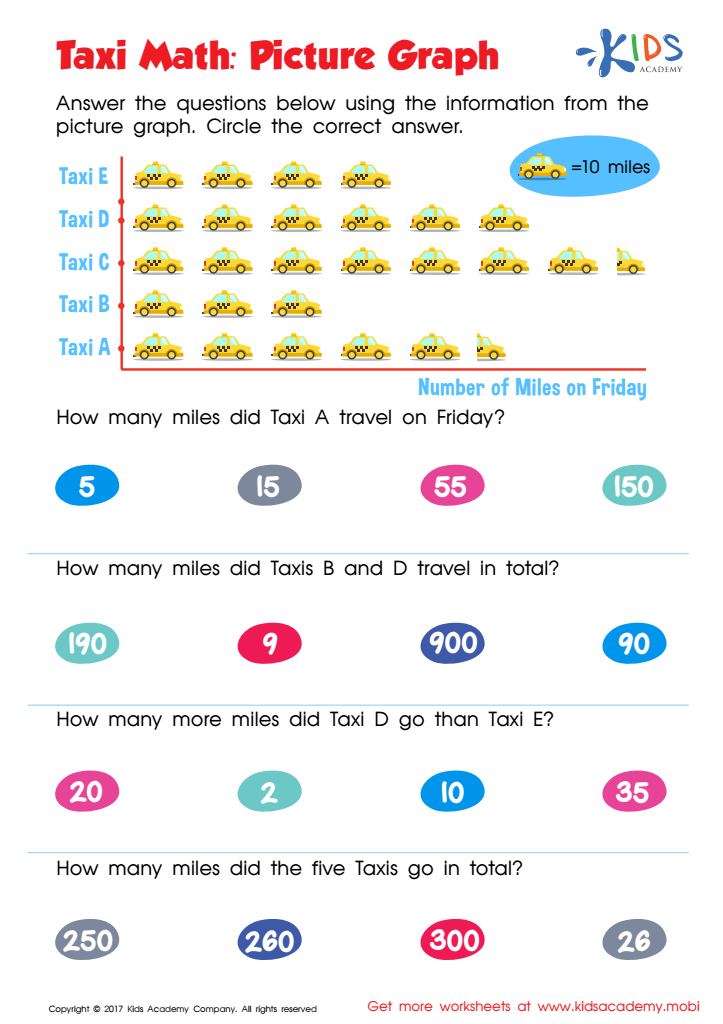
Taxi Math Worksheet
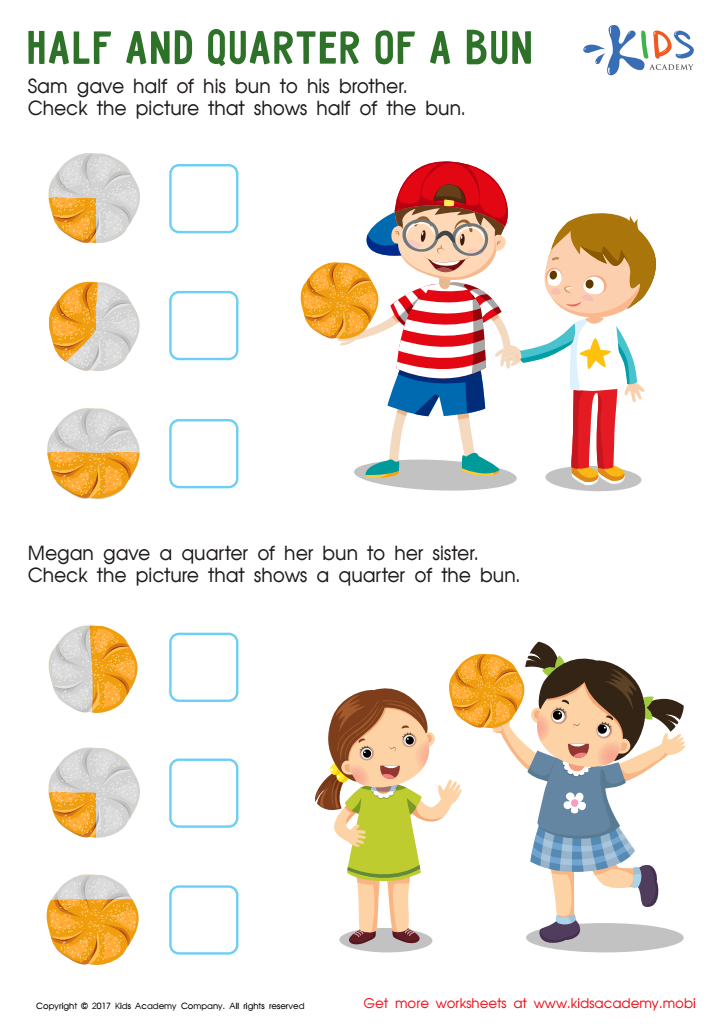
Half and Quarter of a Bun Worksheet
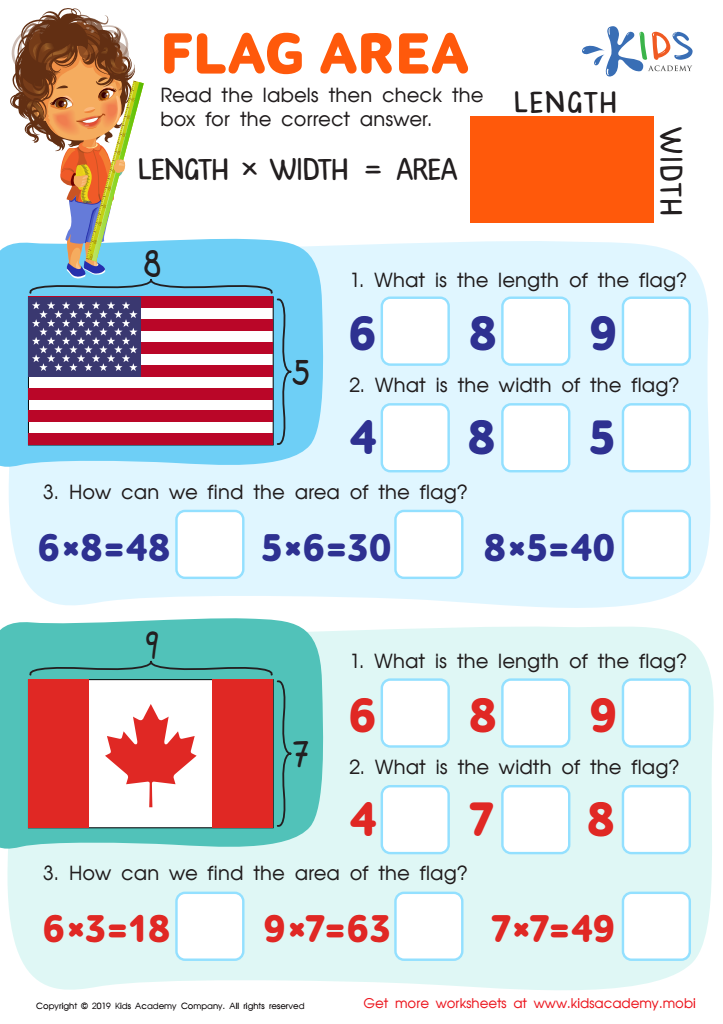
Flag Area Worksheet
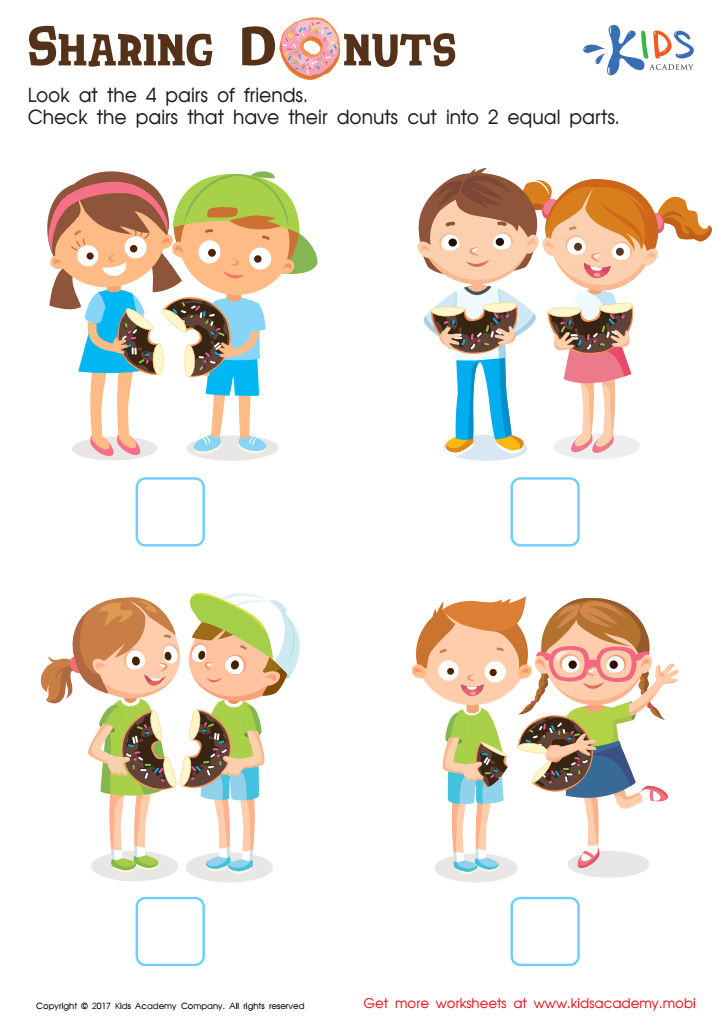
Sharing Donuts Worksheet
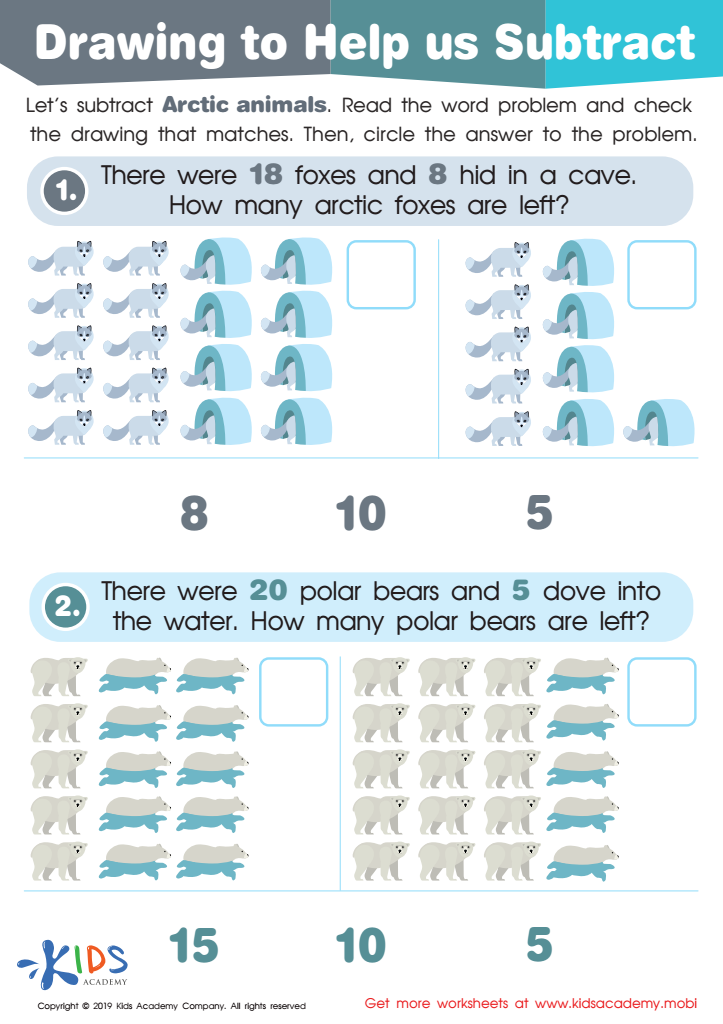
Drawing to Help Us Subtract Worksheet
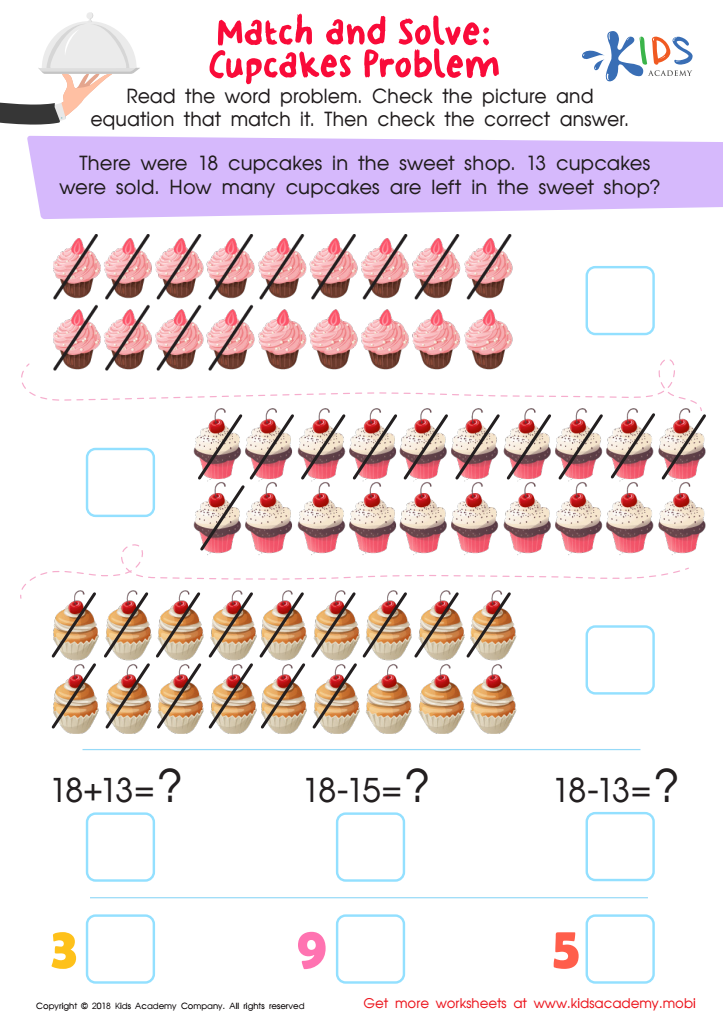
Match and Solve: Cupcakes Problem Worksheet
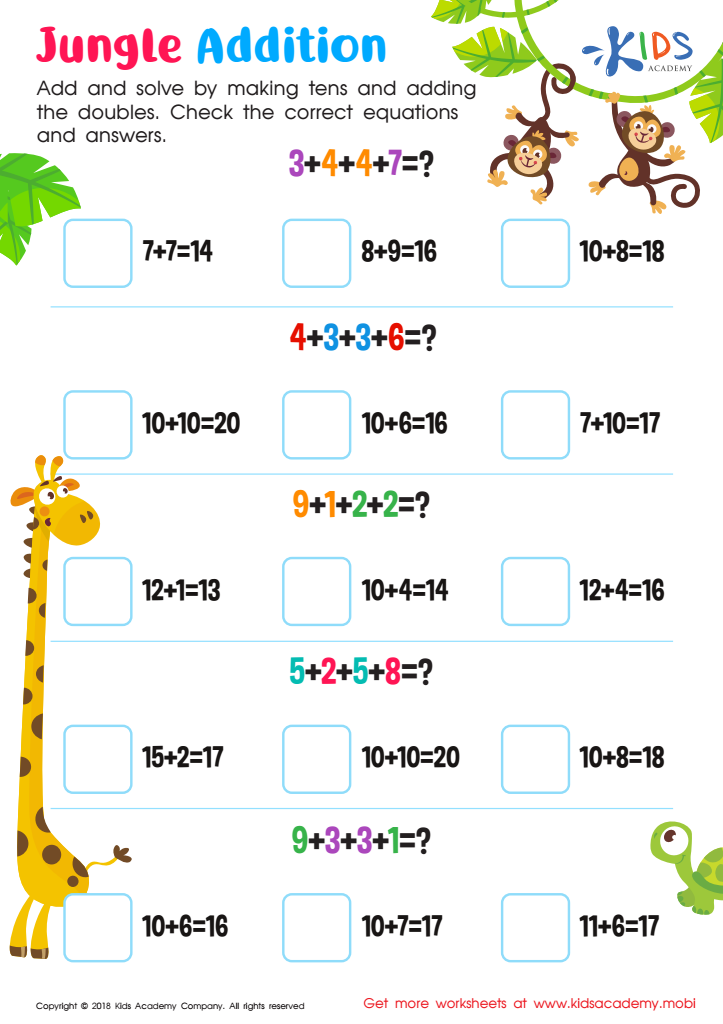
Jungle Addition Worksheet
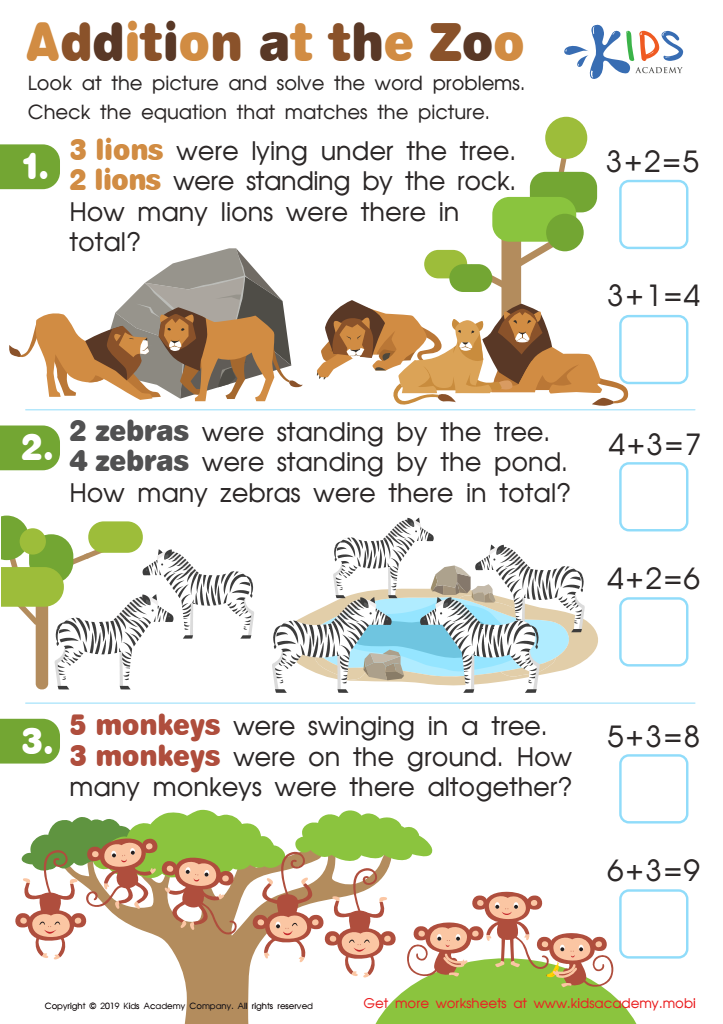
Addition at the Zoo Worksheet
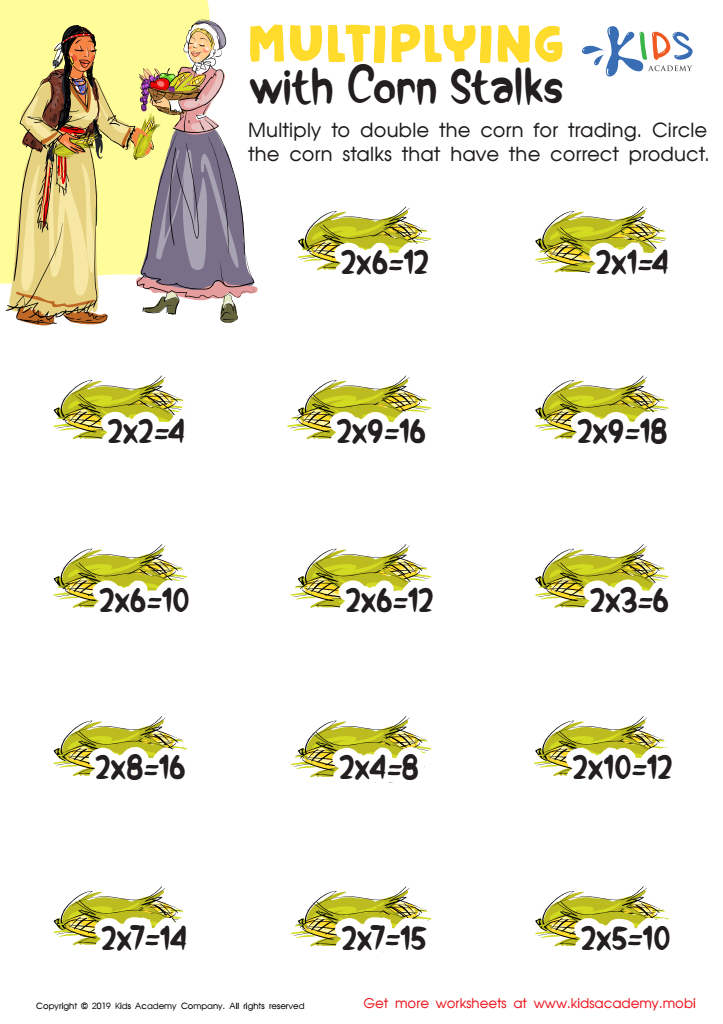
Multiplying With Corn Stalks Worksheet








Visual learning in math for ages 6-9 is crucial for developmental growth because it aligns with how young children naturally explore and understand their world. At this age, kids are concrete thinkers, and visual aids help them grasp abstract concepts more effectively. By incorporating visual tools such as diagrams, manipulatives, and drawings, children can see and interact with mathematical ideas, making learning more engaging and less intimidating.
Parents and teachers should care about this approach as it fosters deeper comprehension. Visual learning lets children visualize problems, which enhances their problem-solving skills and boosts confidence. As they manipulate visual tools, they actively participate in their learning process, leading to better retention of concepts.
Moreover, visual learning supports diverse learning styles. Not every child is a traditional auditory learner; some may excel by seeing or doing. By integrating visual resources, educators can cater to varied learners, ensuring no child is left behind.
Ultimately, embracing visual learning in math nurtures critical and creative thinking skills. It lays a strong foundation for future mathematical endeavors, equips children with necessary life skills, and sets them on a path for academic success. Involving parents in this journey encourages a supportive home learning environment.








