Visual perception Math Worksheets for Ages 6-9 - Page 2
43 filtered results
-
From - To
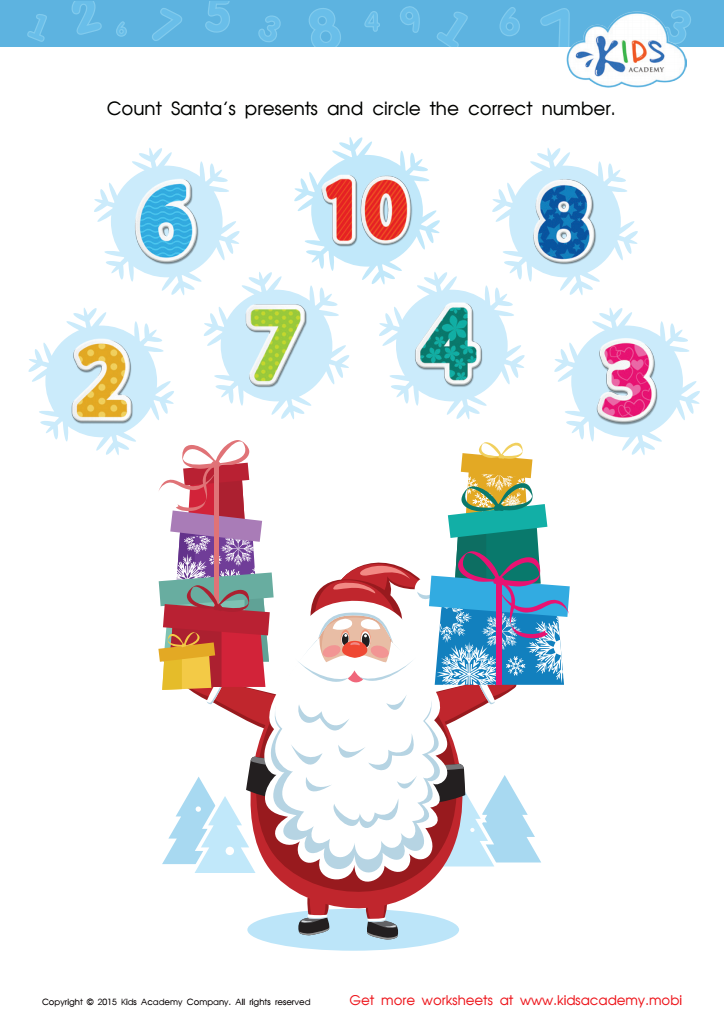
Count Santa's Presents Worksheet
 Assign to My Students
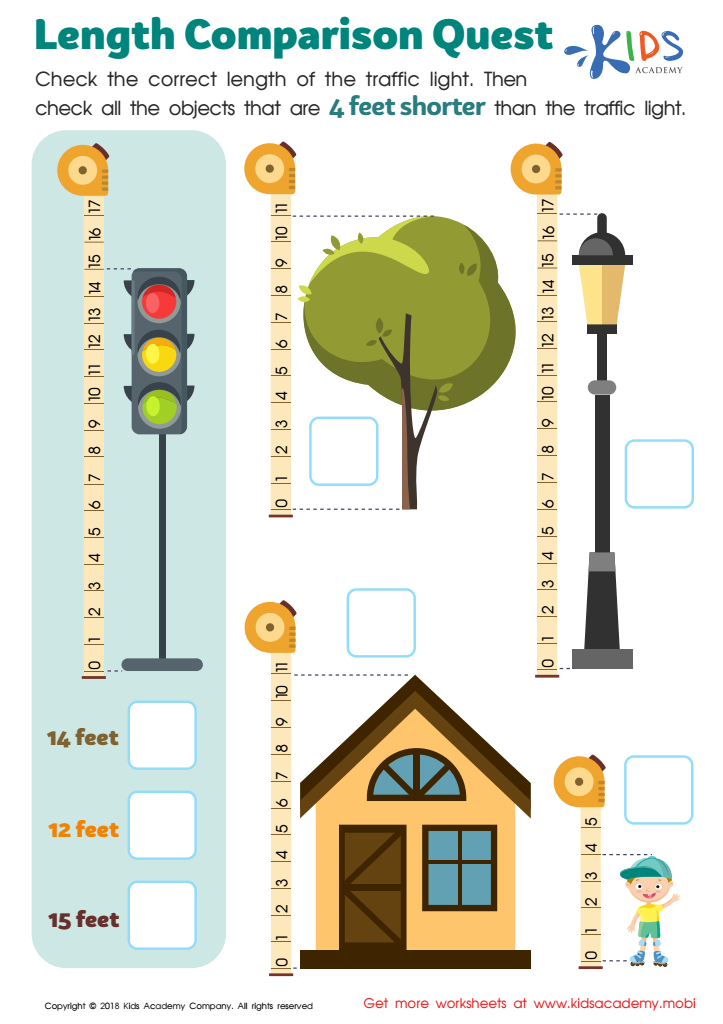
Length Comparison Quest Worksheet
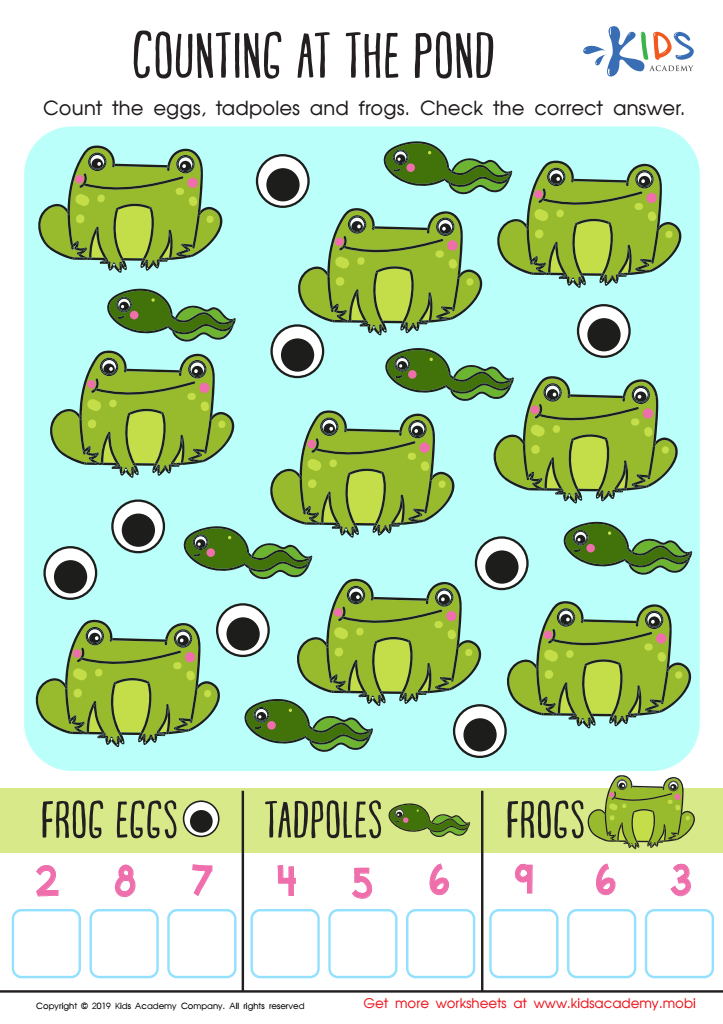
Counting at the Pond Worksheet
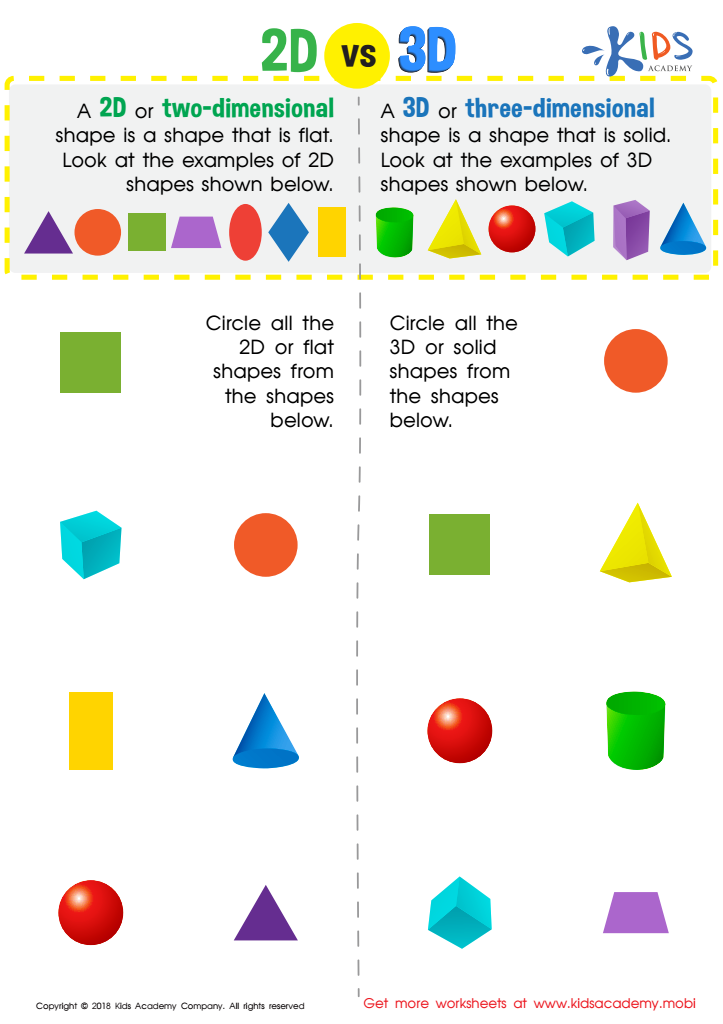
2D vs 3D Shapes Worksheet
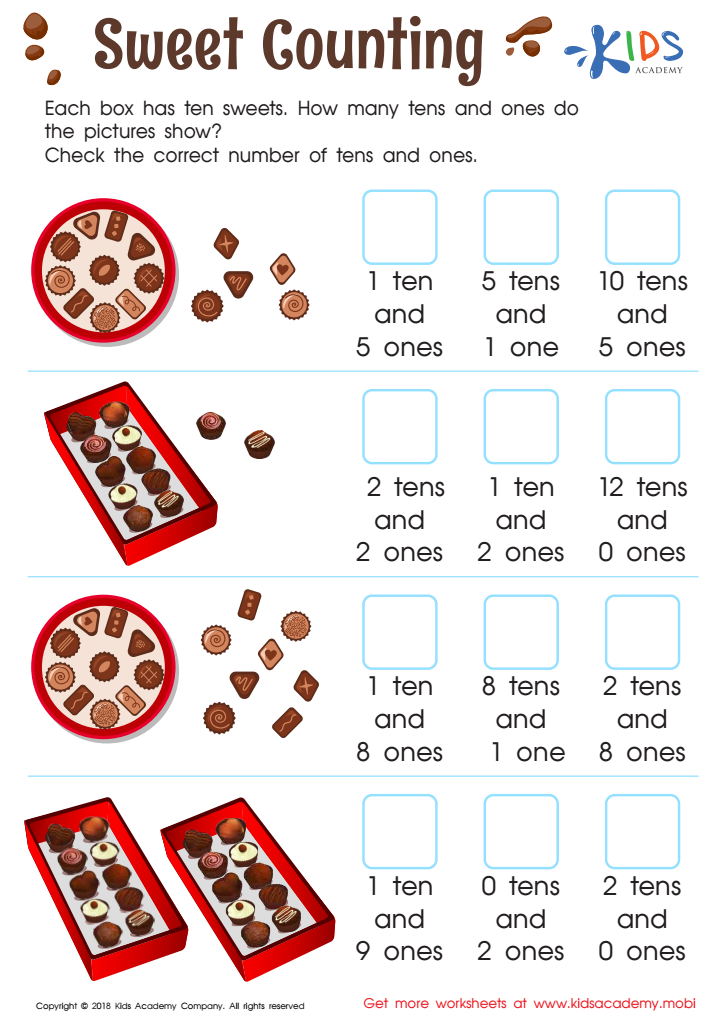
Sweet Counting - Part 2 Worksheet
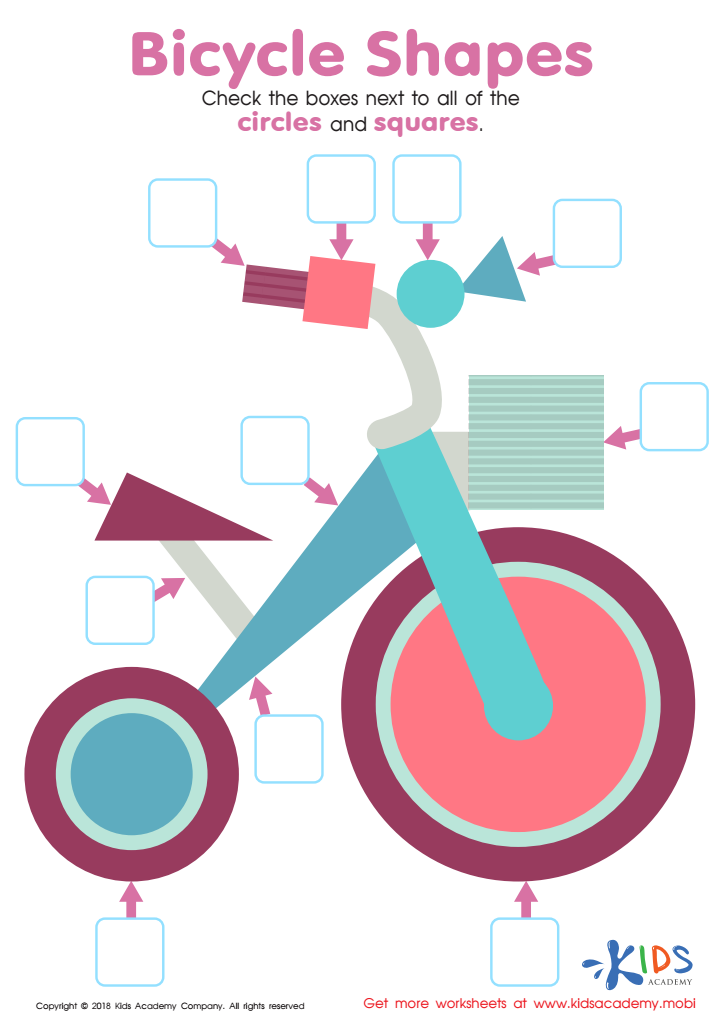
Bicycle Shapes Worksheet
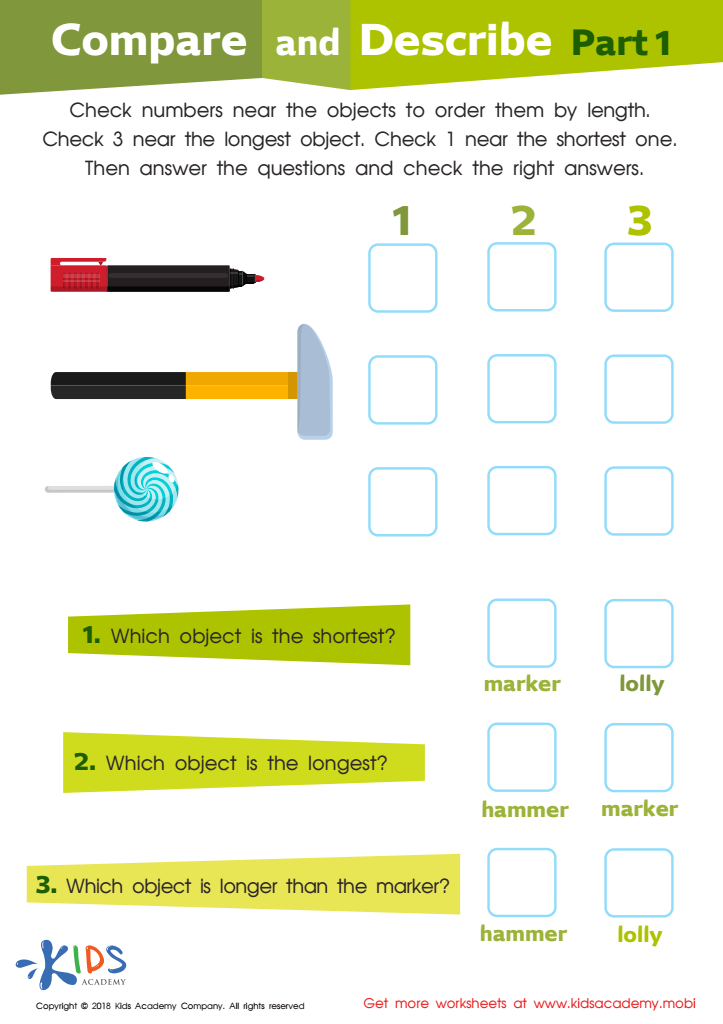
Compare and Describe: Part 1 Worksheet
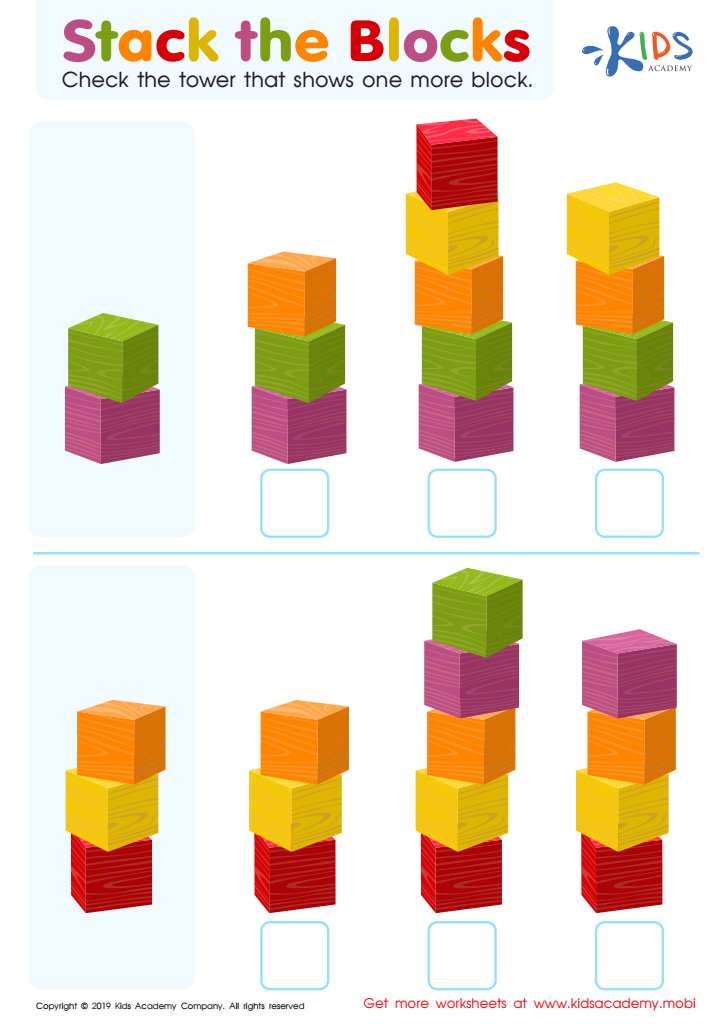
Stack the Blocks Worksheet
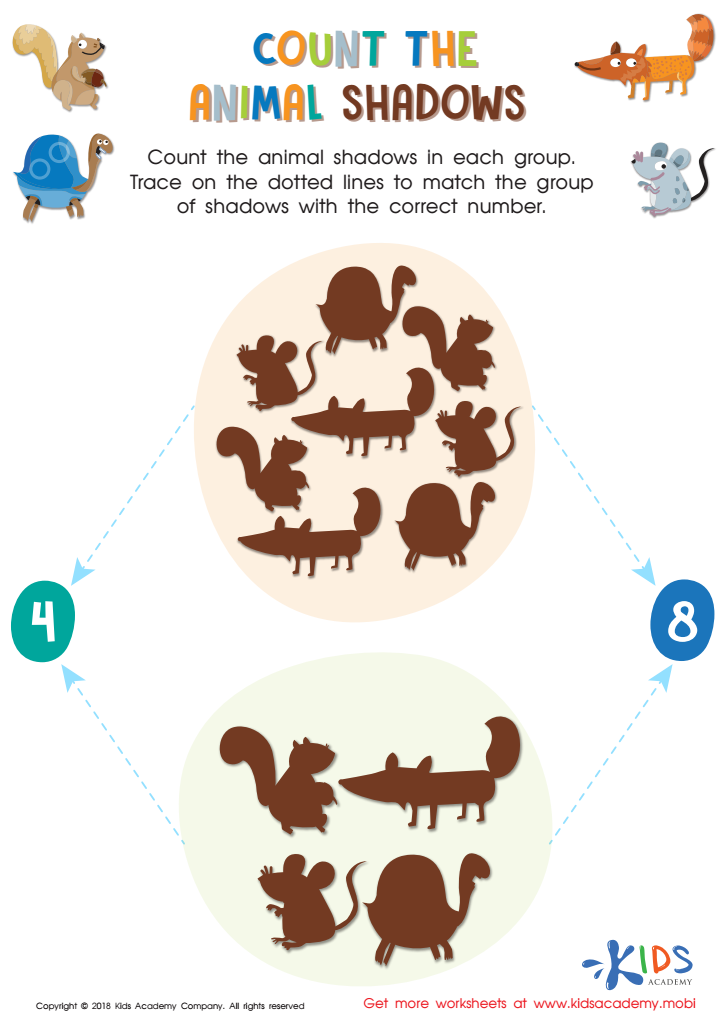
Count the Animal Shadows Worksheet
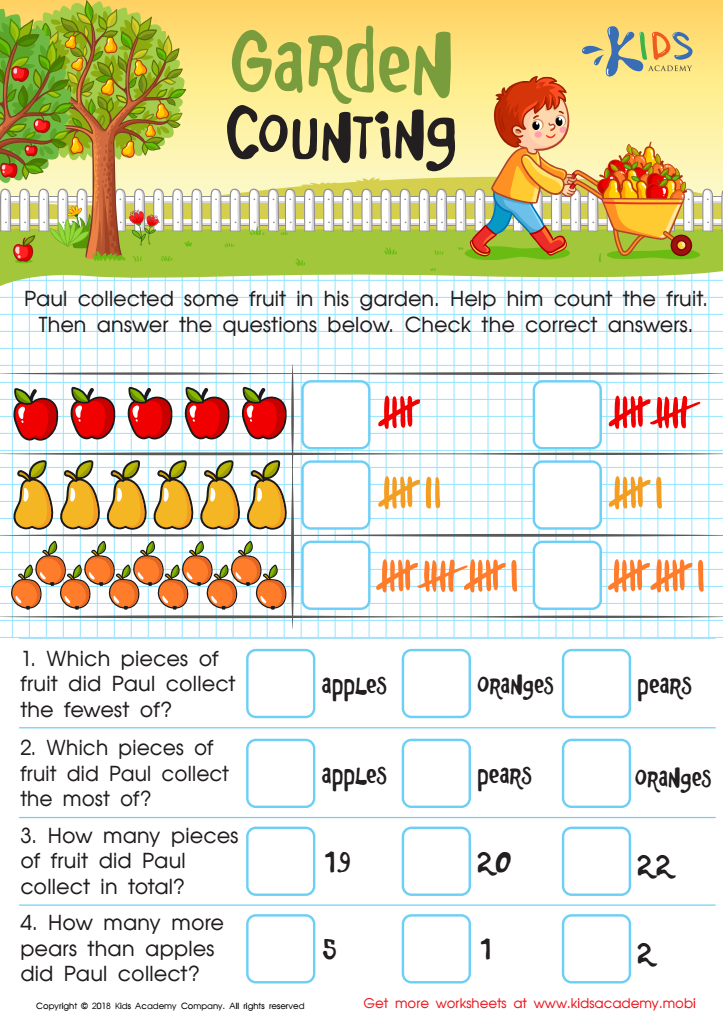
Garden Counting Worksheet
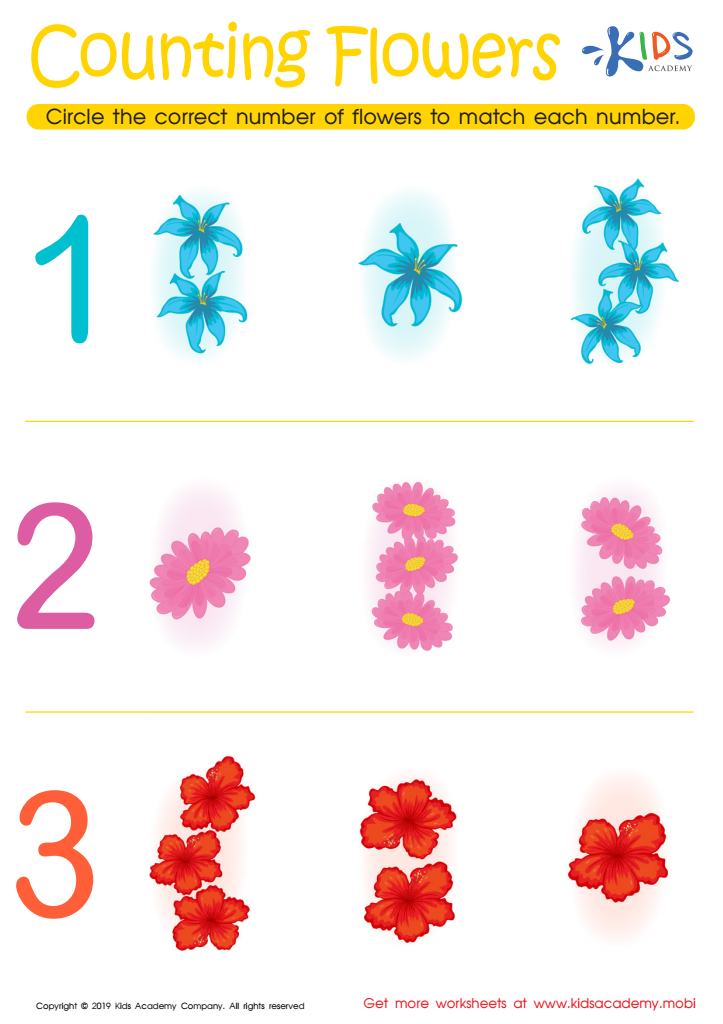
Counting Flowers Worksheet
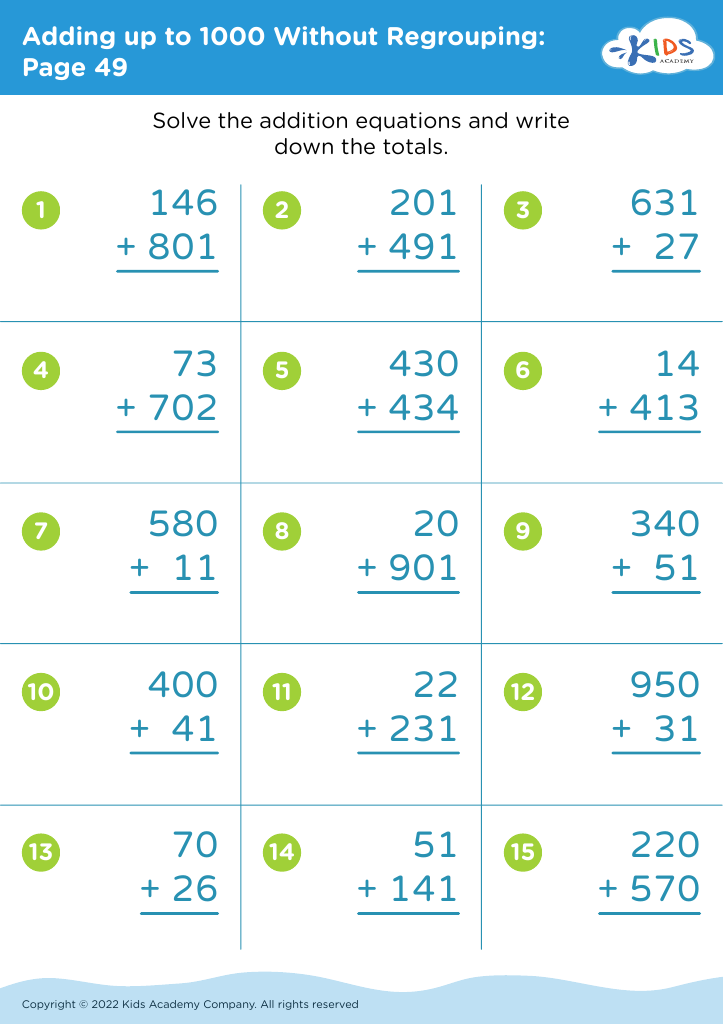
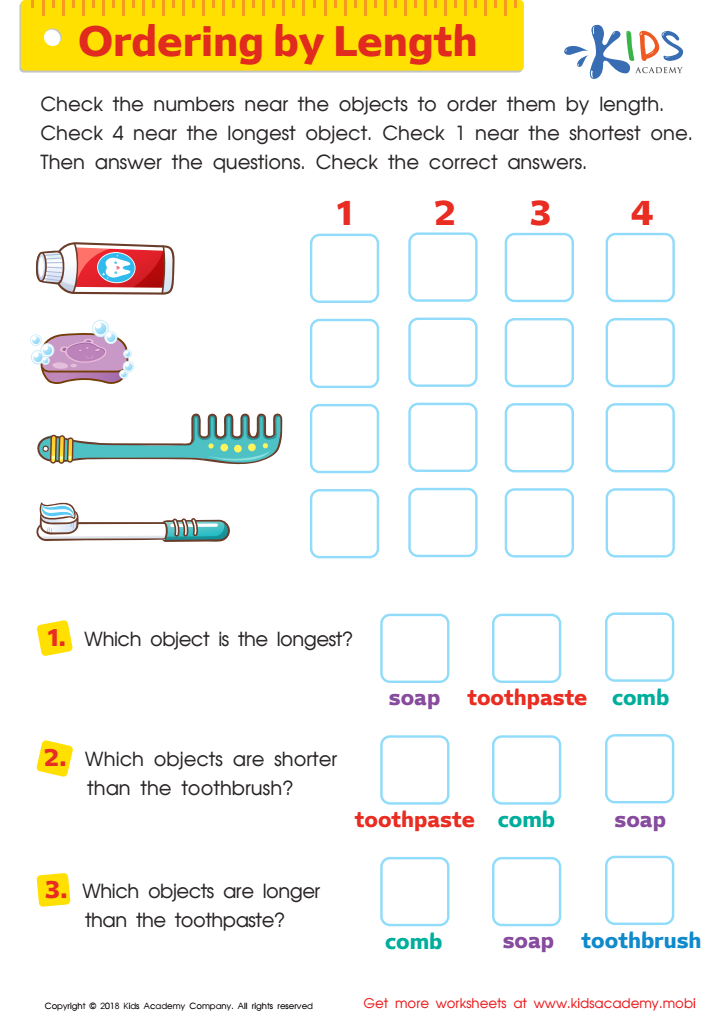
Ordering by Length Worksheet
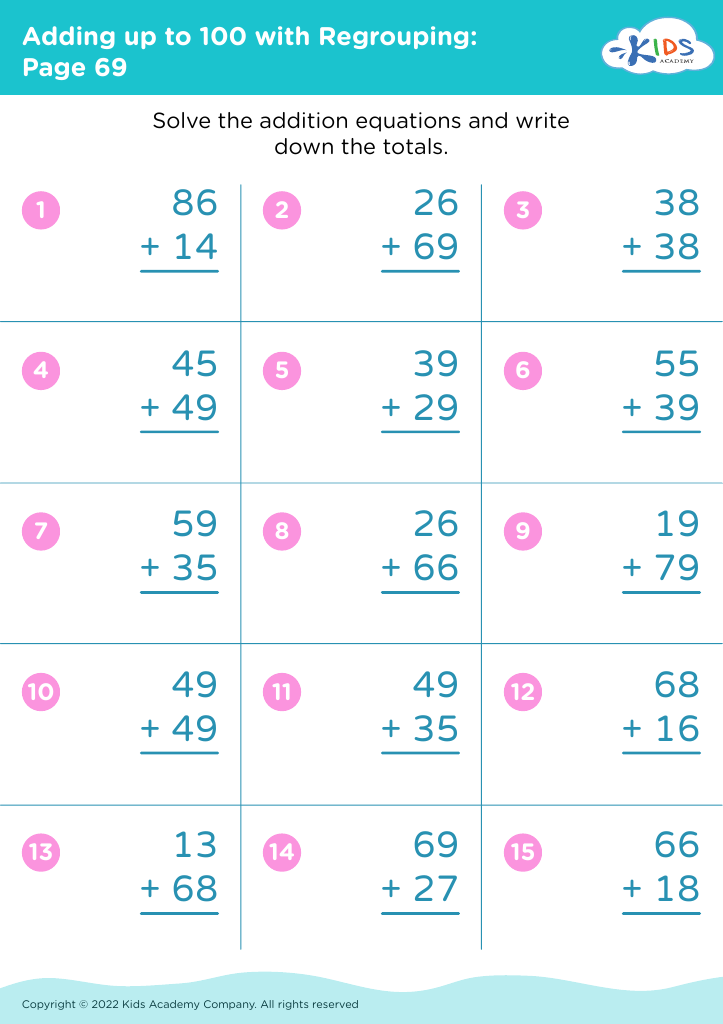
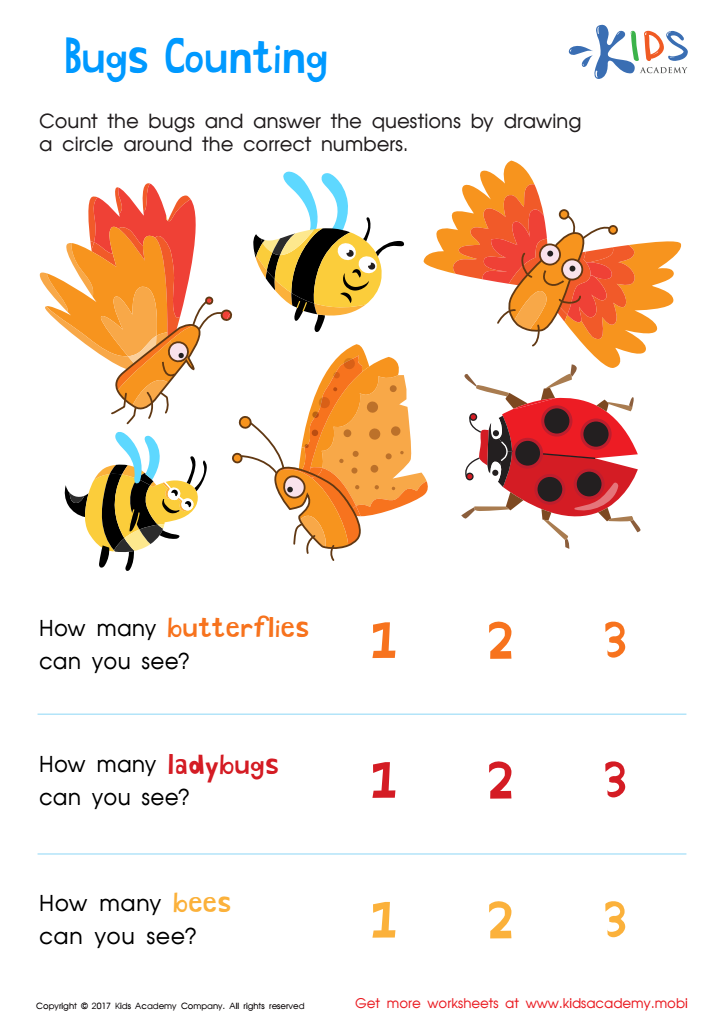
Bugs Counting Worksheet
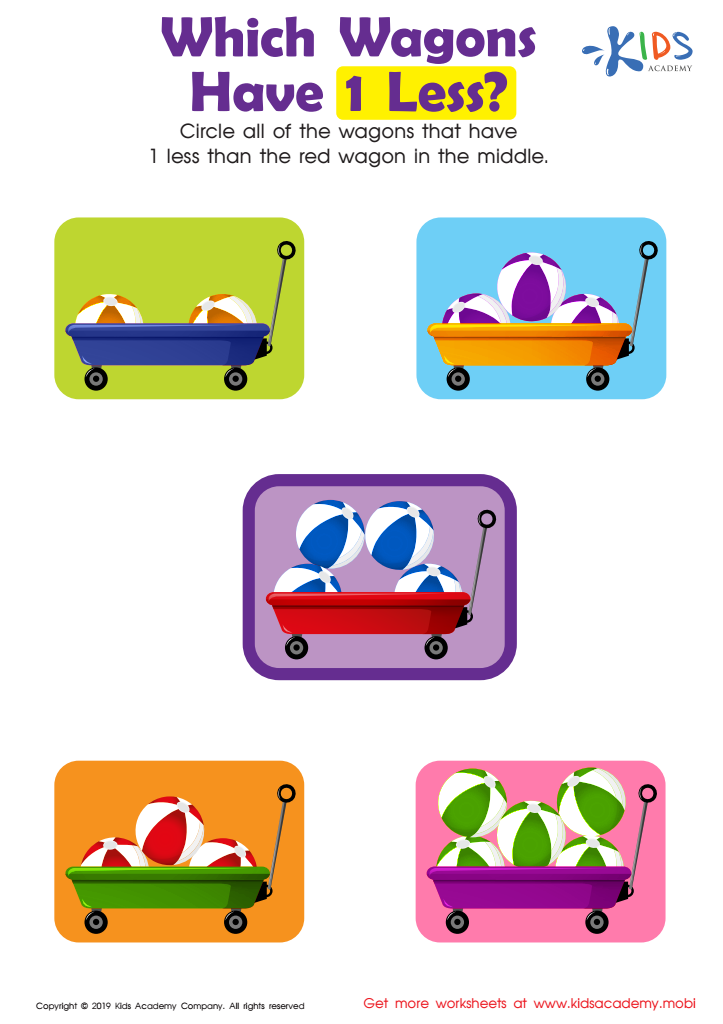
Which Wagons Have 1 Less? Worksheet
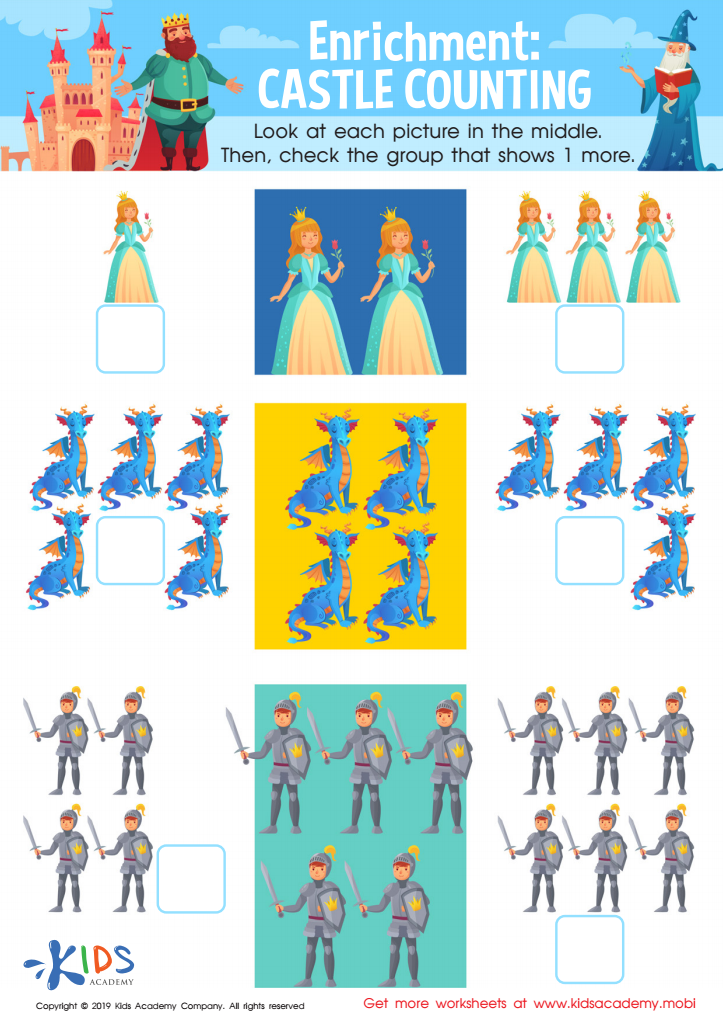
Enrichment: Castle Counting Worksheet

Count and Match Vegetables 1 – 5 Math Worksheet
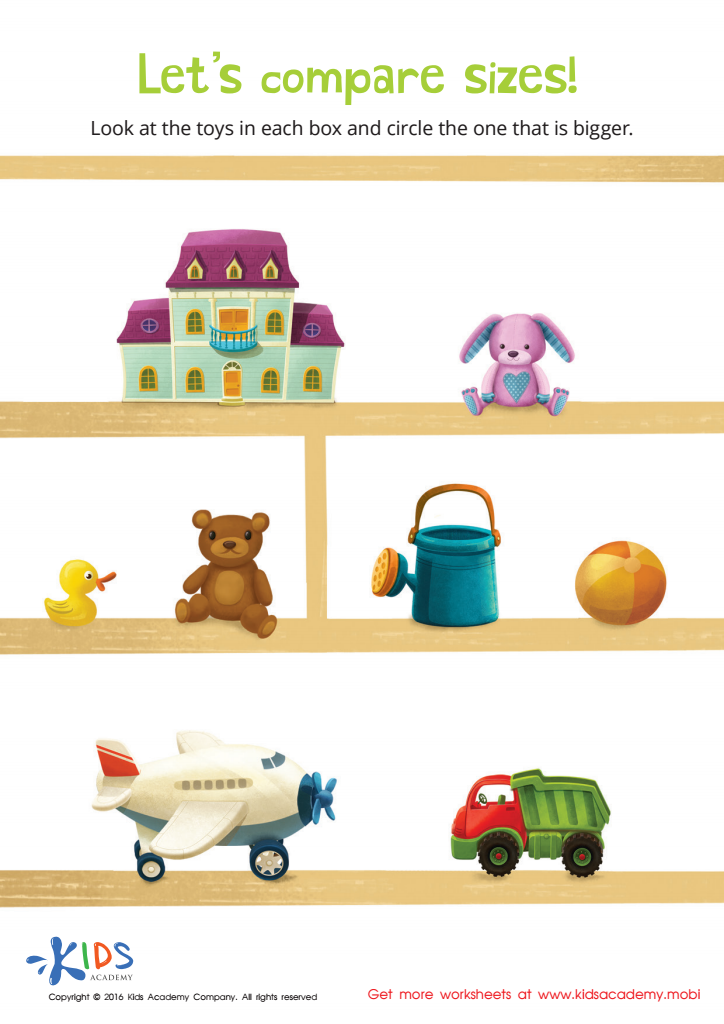
Classifying by Size Sorting Worksheet




.jpg)


Visual perception math is crucial for children aged 6-9, as it skills directly influence their ability to understand mathematical concepts. At this age, children are transitioning from concrete to abstract thinking. Developing strong visual perception skills enables them to better visualize numbers, shapes, and spatial relationships—foundational aspects of mathematics.
Parents and teachers should care about visual perception math because it aids in problem-solving and critical thinking. Children who can visualize mathematical problems are more likely to grasp concepts such as addition, subtraction, geometry, and patterns. These skills also play a significant role in fostering confidence and reducing math anxiety.
Moreover, visual perception enhances a child’s ability to interpret charts, graphs, and various representations of data, skills essential in today’s information-rich environment. When students can “see” the mathematics around them, they are better positioned for academic success across various subjects.
By prioritizing visual perception math, parents and teachers can facilitate stronger engagement with math, making learning enjoyable and meaningful. Ultimately, equipping children with these skills during early grades sets a robust foundation for their future academic journeys and lifelong mathematical competence.








