Cognitive Development Reading Worksheets for Ages 6-9 - Page 2
25 filtered results
-
From - To
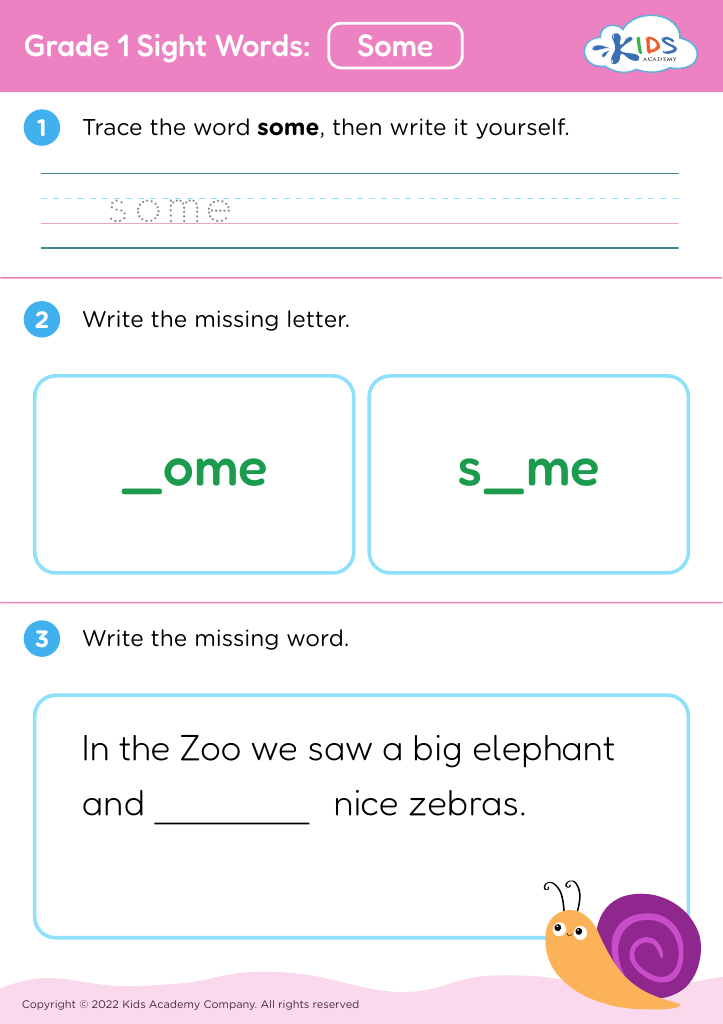








Cognitive development in reading for children aged 6-9 years is crucial as it forms the foundation for their overall learning and academic success. During these formative years, children transition from learning to read to reading to learn, making it essential for parents and teachers to actively engage in fostering their reading skills.
At this age, cognitive development influences a child’s ability to interpret texts, comprehend stories, and think critically. As children encounter new vocabulary and diverse narratives, they not only enhance their language proficiency but also develop critical thinking and problem-solving abilities. Effective reading strategies at this stage aid in building memory, attention, and comprehension skills, which are vital for future learning.
Moreover, early reading experiences cultivate a love for literature, encouraging lifelong learners and readers. Supportive interactions, such as shared reading and discussions about stories, can bolster a child’s confidence and interest in reading.
Additionally, recognizing challenges in a child’s reading development can help educators and parents intervene appropriately, preventing potential future learning difficulties. Therefore, investing effort in cognitive development through reading during these key years is essential for a child's academic journey and emotional growth. Engaged reading at this stage can shape a child’s future and lifelong literacy skills.








