Color recognition Reading Worksheets for Ages 6-9 - Page 2
28 filtered results
-
From - To
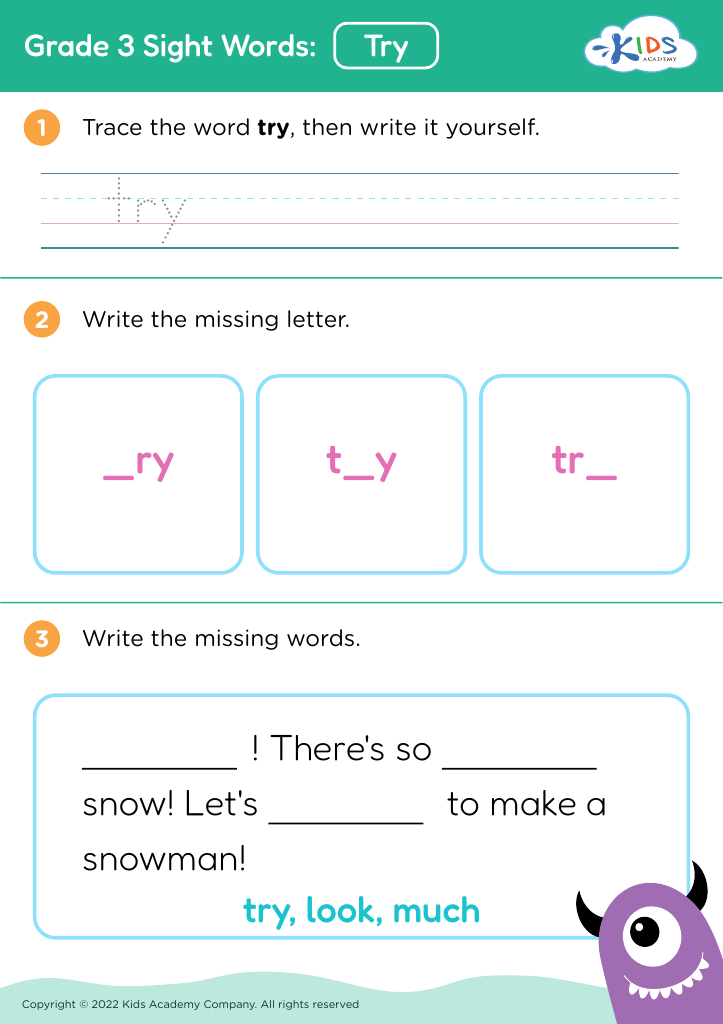
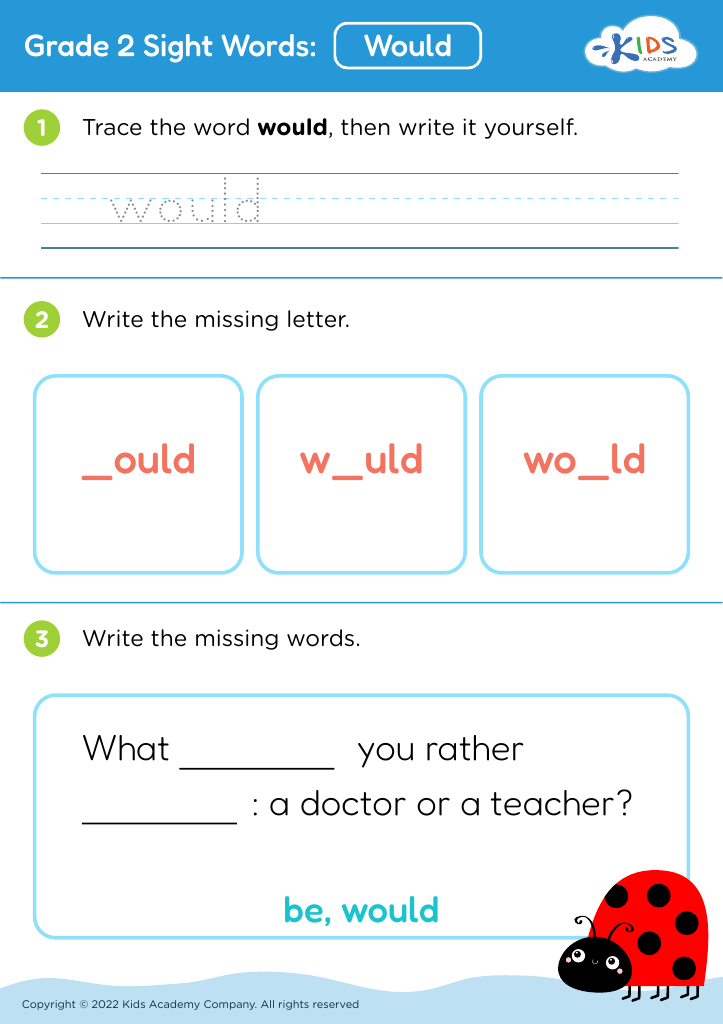
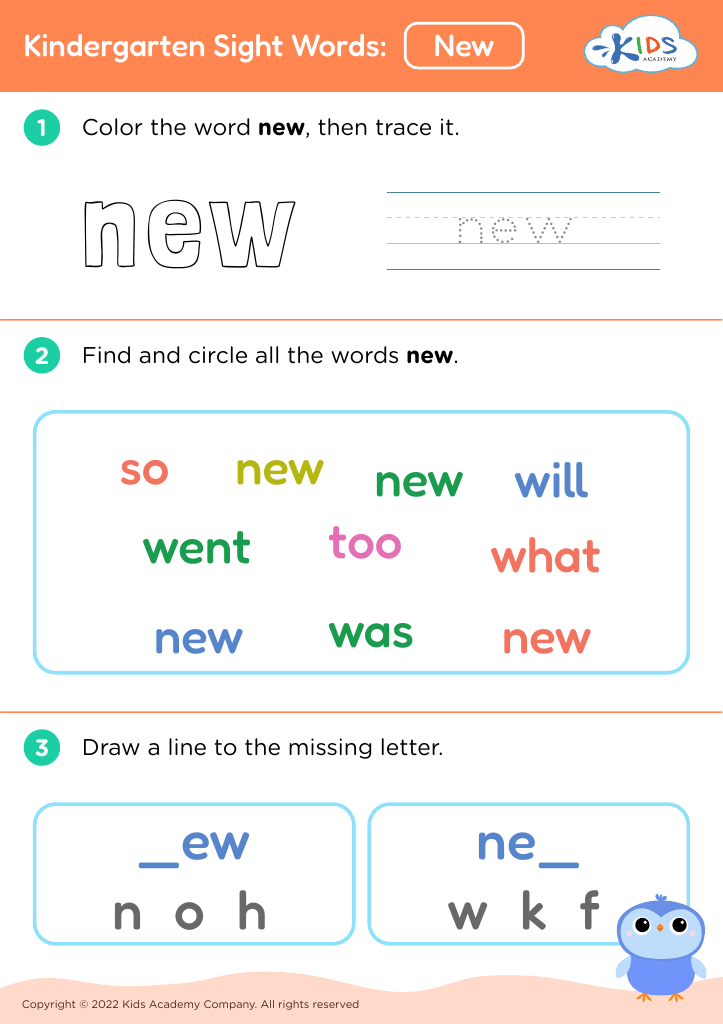
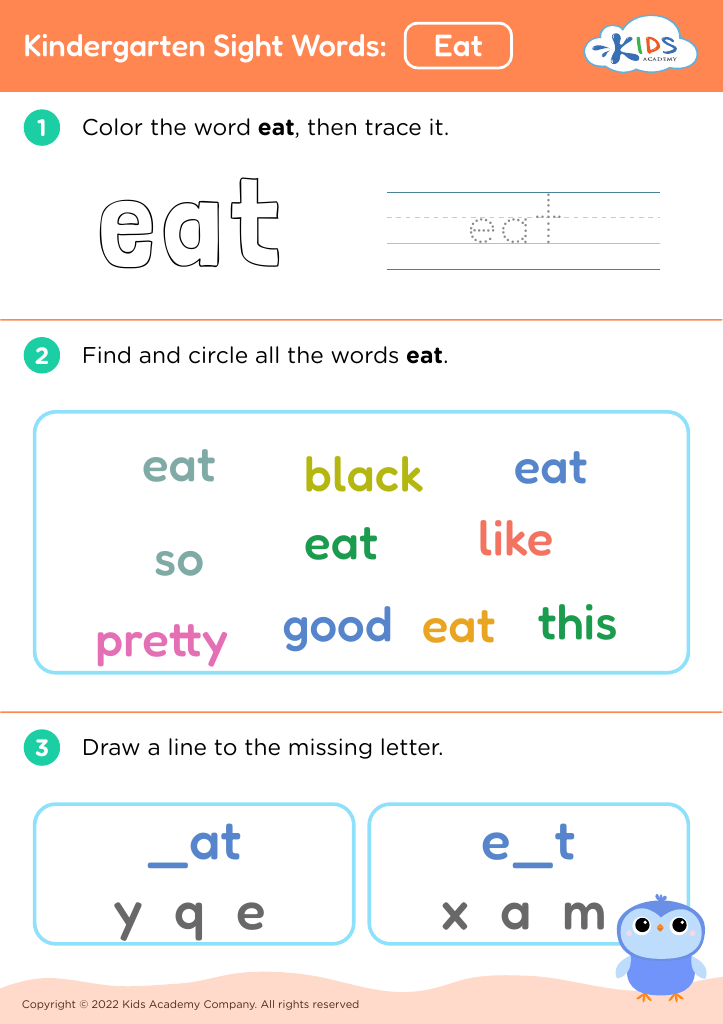








Color recognition is a fundamental skill that significantly impacts various aspects of a child's development, making it crucial for parents and teachers to prioritize it, especially for children aged 6-9. At this stage, children are not only refining their cognitive abilities but also developing language and reading skills. Recognizing and naming colors enhances vocabulary acquisition and strengthens language comprehension. Learning about colors also supports cognitive development by improving memory, attention, and categorization skills.
Additionally, color recognition is closely tied to reading proficiency. For children in early elementary grades, visual discrimination—the ability to notice and distinguish visual details—is paramount for reading. Recognizing different colors within a text can help children focus better, making reading a more engaging and less frustrating task. This visual differentiation extends to interpreting diagrams, maps, and graphic organizers, which are common in educational materials for this age group.
Moreover, the ability to identify colors enables children to better understand and interact with their environment. This foundation aids in learning scientific concepts, enhances creativity in art, and even improves practical daily decisions, such as selecting appropriate clothing or understanding traffic signals.
In summary, focusing on color recognition equips children with critical skills that form the bedrock of their academic journey and day-to-day interactions, setting the stage for more complex learning and effective communication.








