Vocabulary enhancement Reading Worksheets for Ages 6-9 - Page 3
117 filtered results
-
From - To
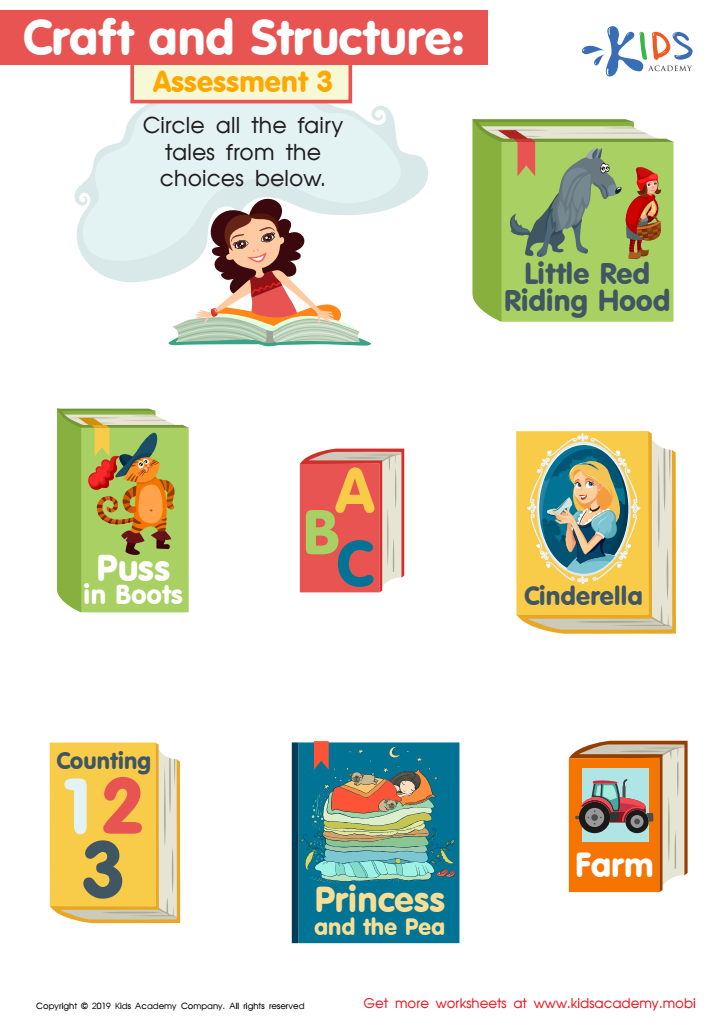
Craft and Structure: Assessment 3 Worksheet
 Assign to My Students
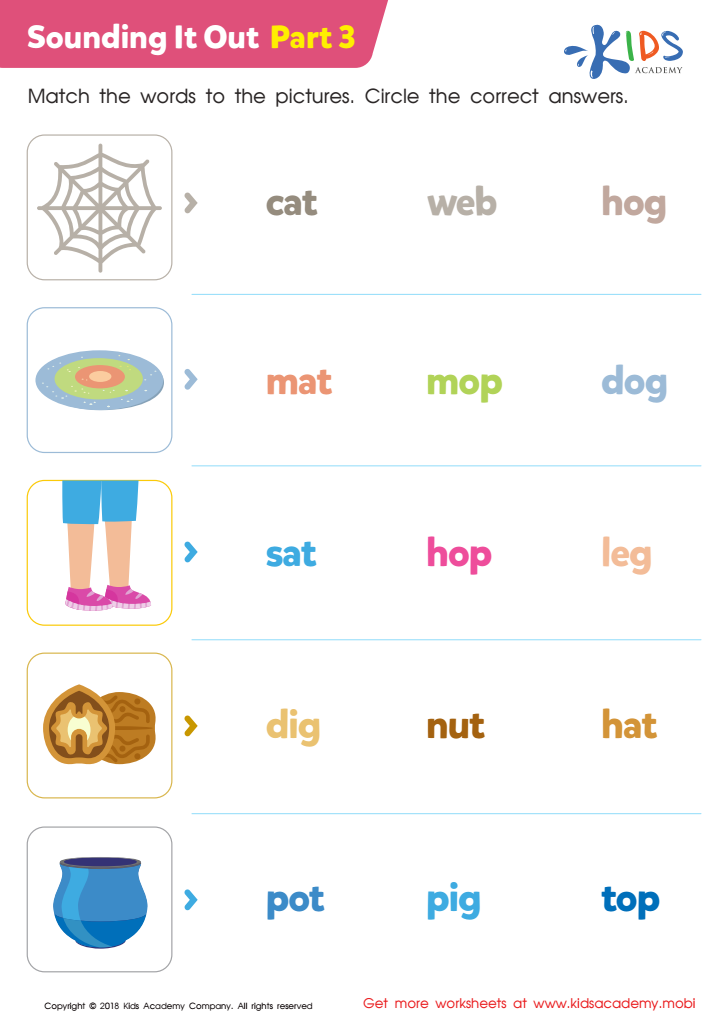
Sounding it Out: Part 3 Worksheet
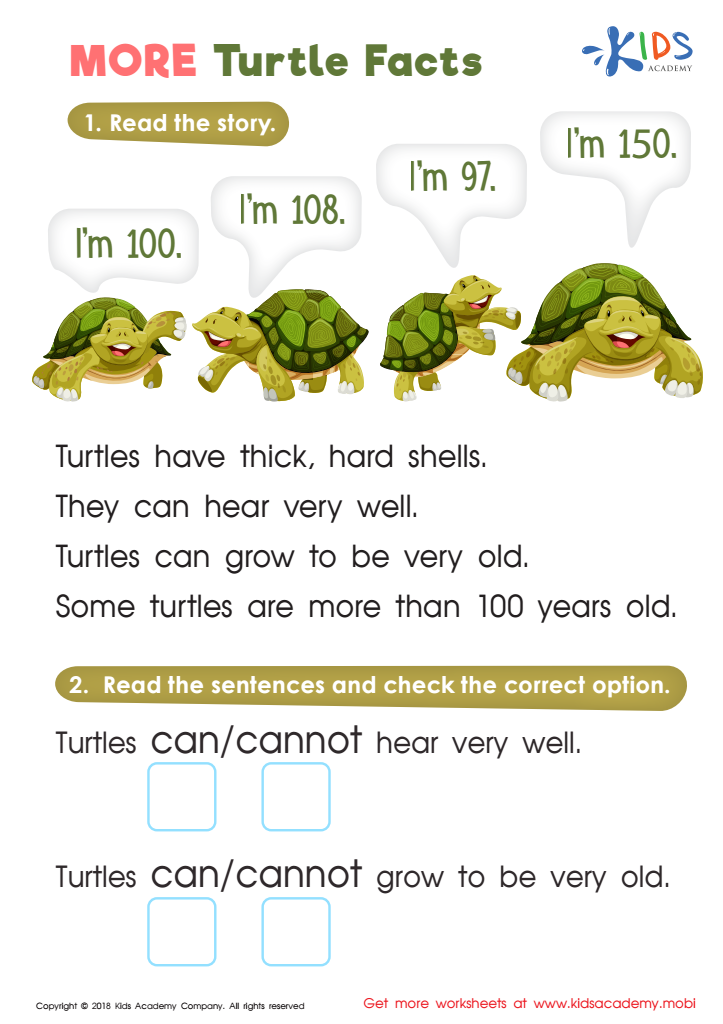
More Turtle Facts Worksheet
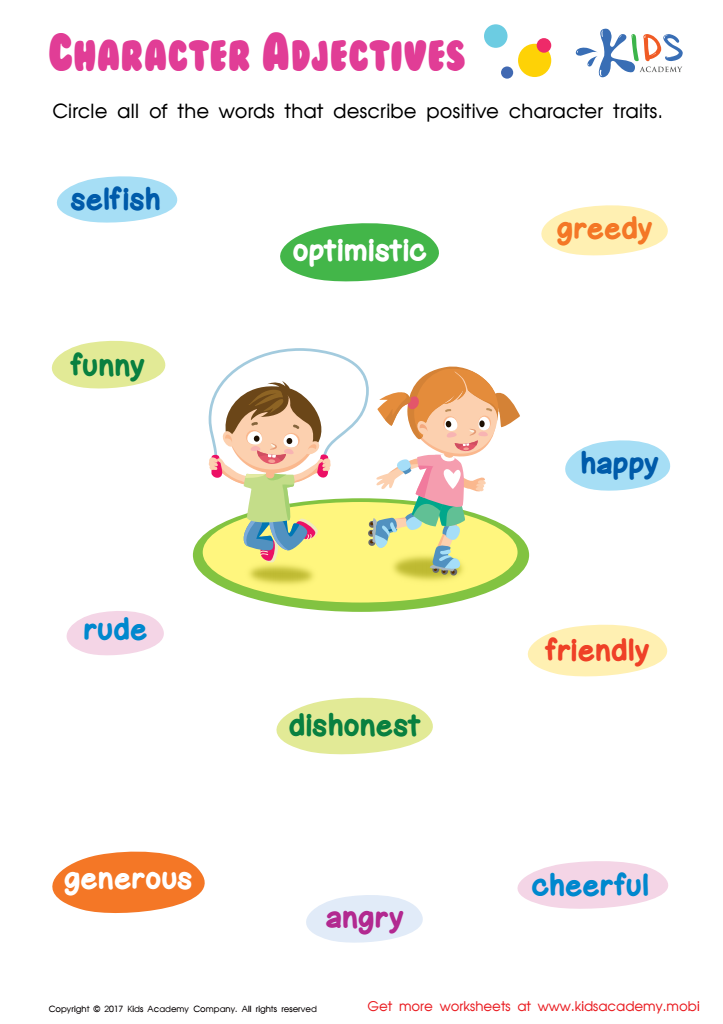
Character Adjectives Worksheet
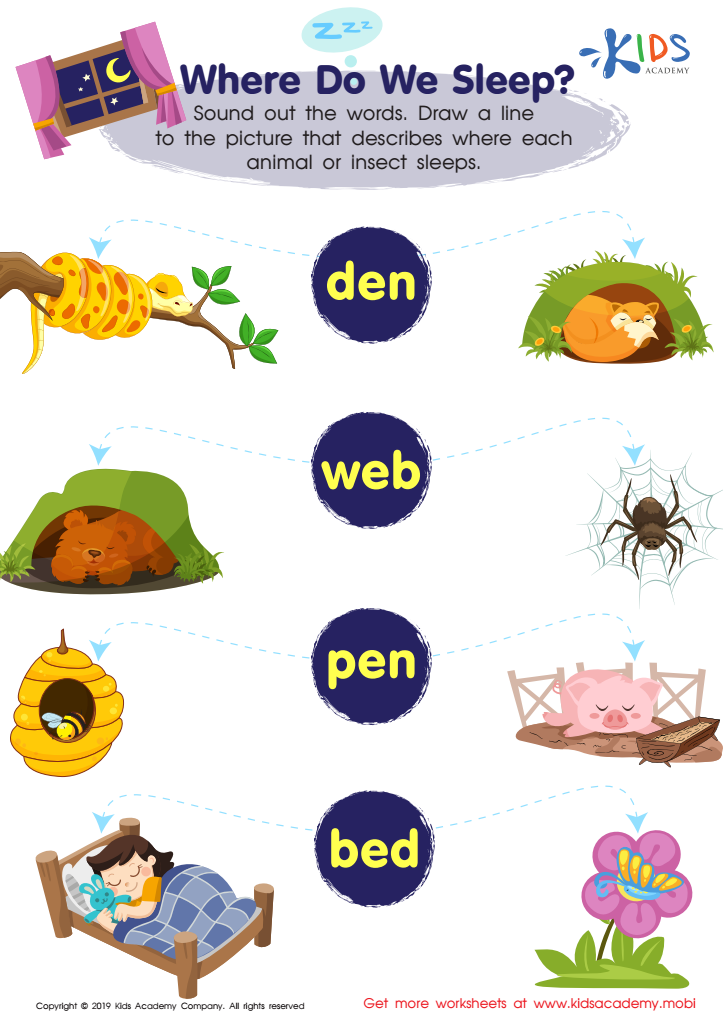
Where Do We Sleep Worksheet
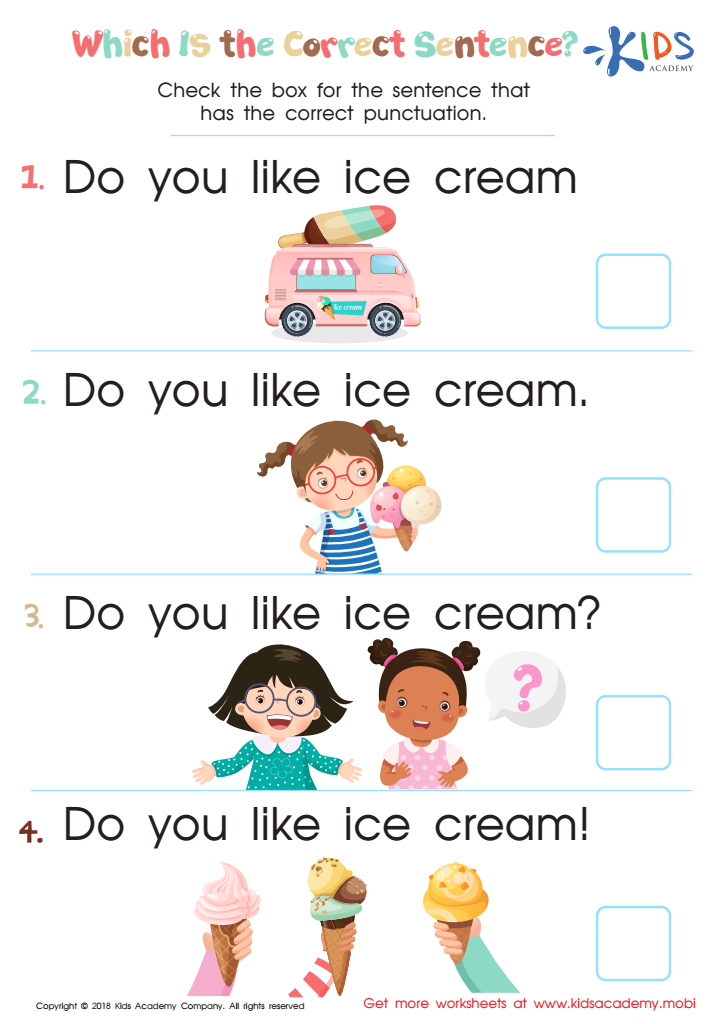
Which is the Correct Sentence? Worksheet
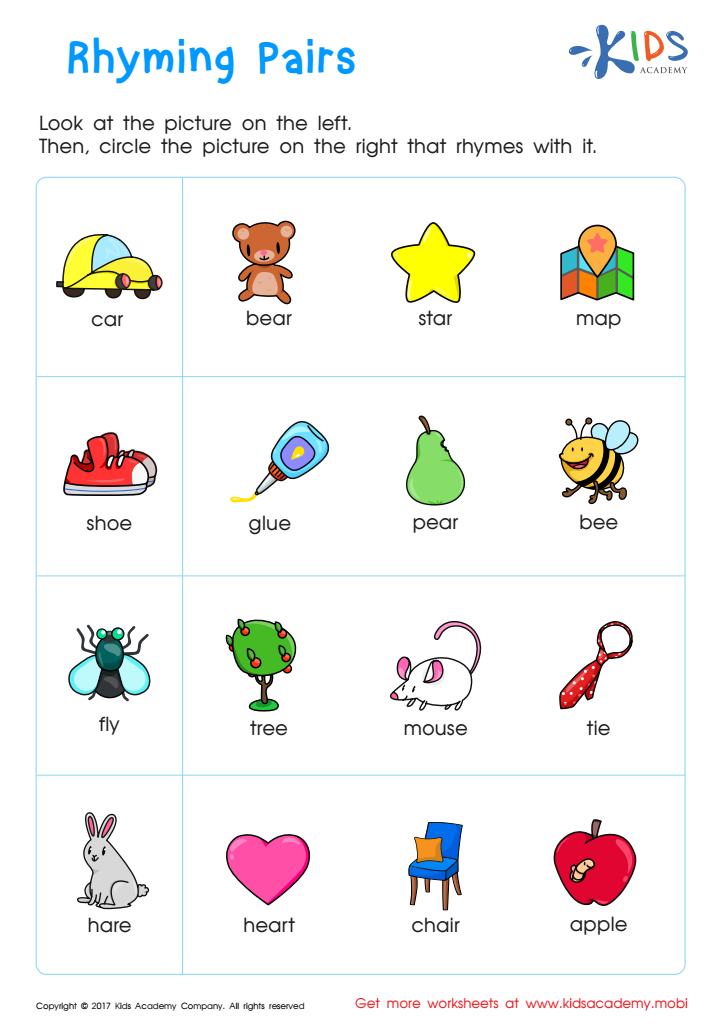

The Big Surprise Worksheet
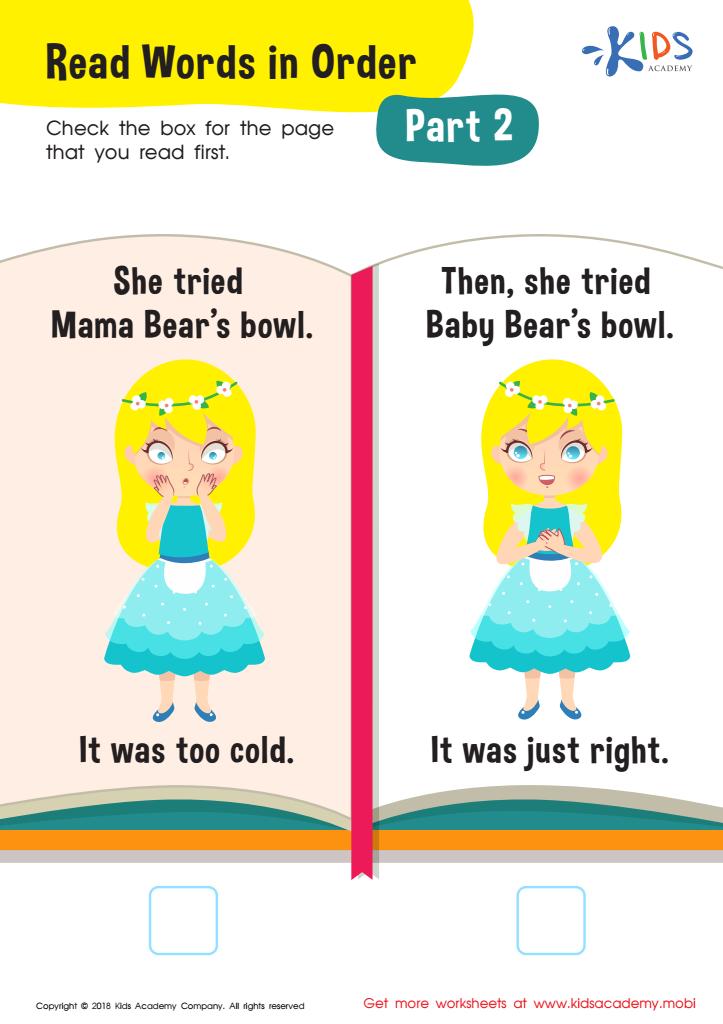
Read Words Order Part 2 Worksheet
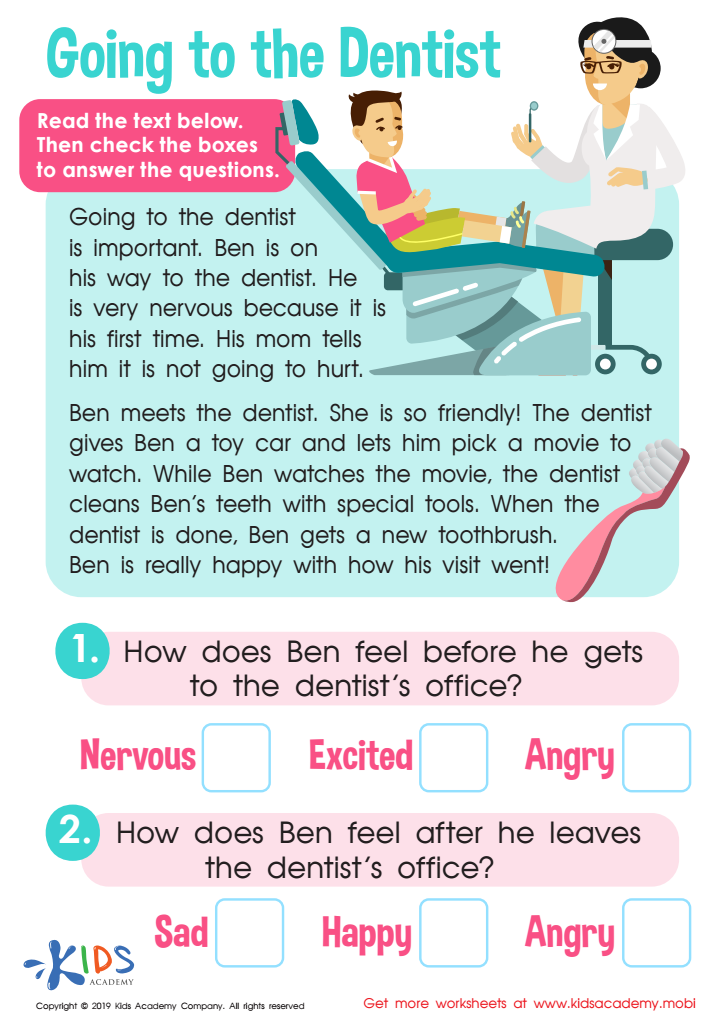
Going to the Dentist Worksheet
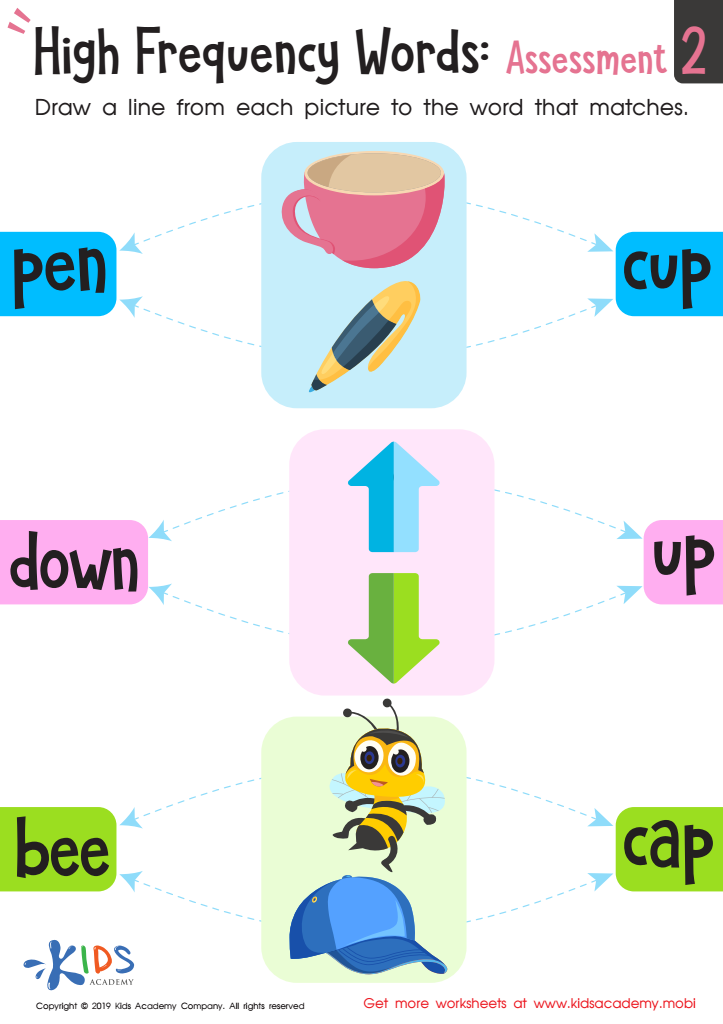
High Frequency Words: Assessment 2 Worksheet
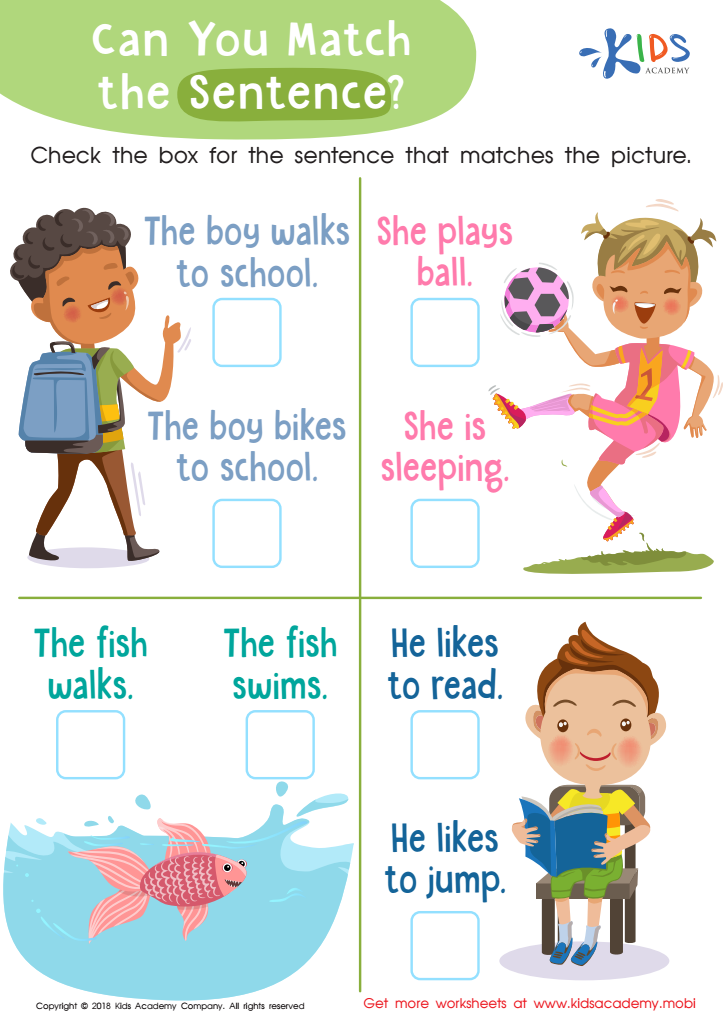
Can You Match the Sentence? Worksheet
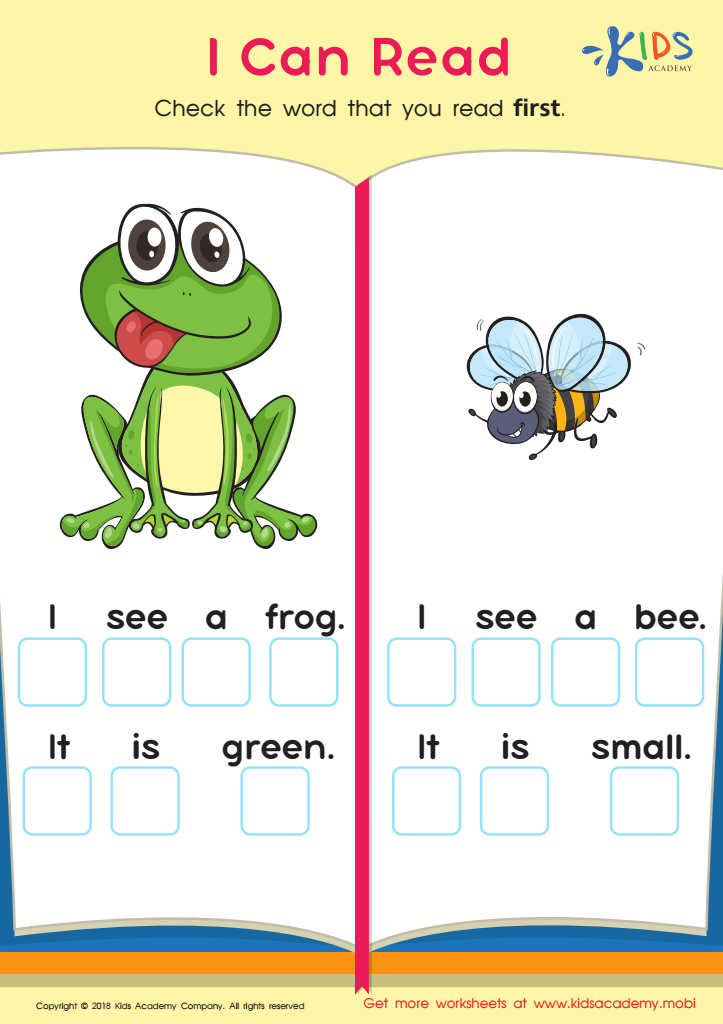
I Can Read Worksheet
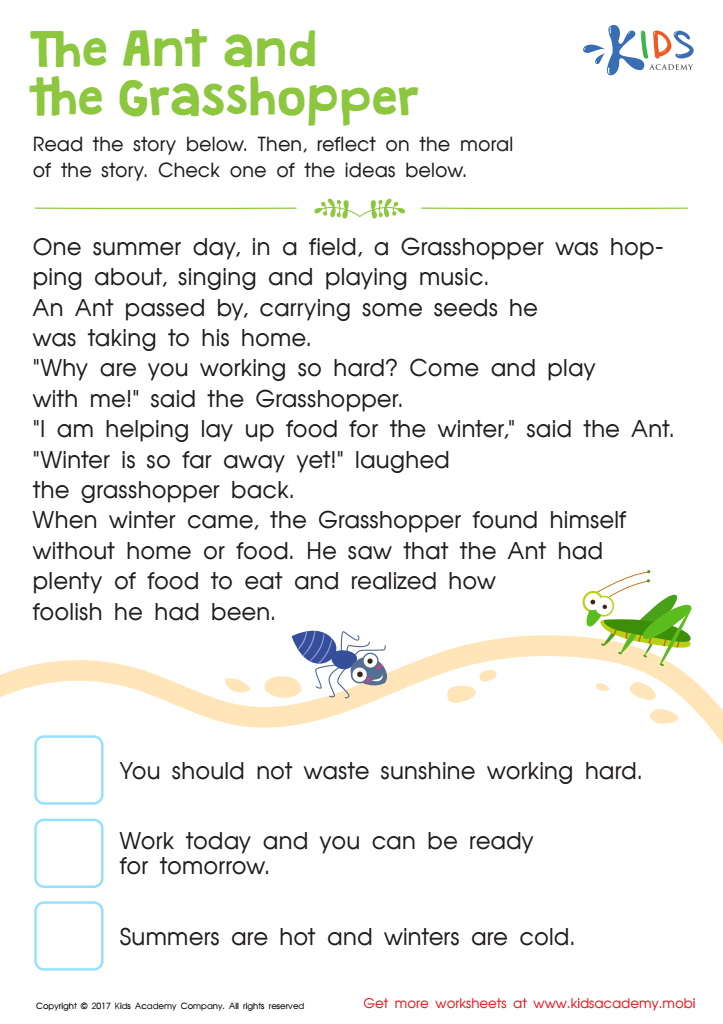
The Ant and The Grasshopper Printable
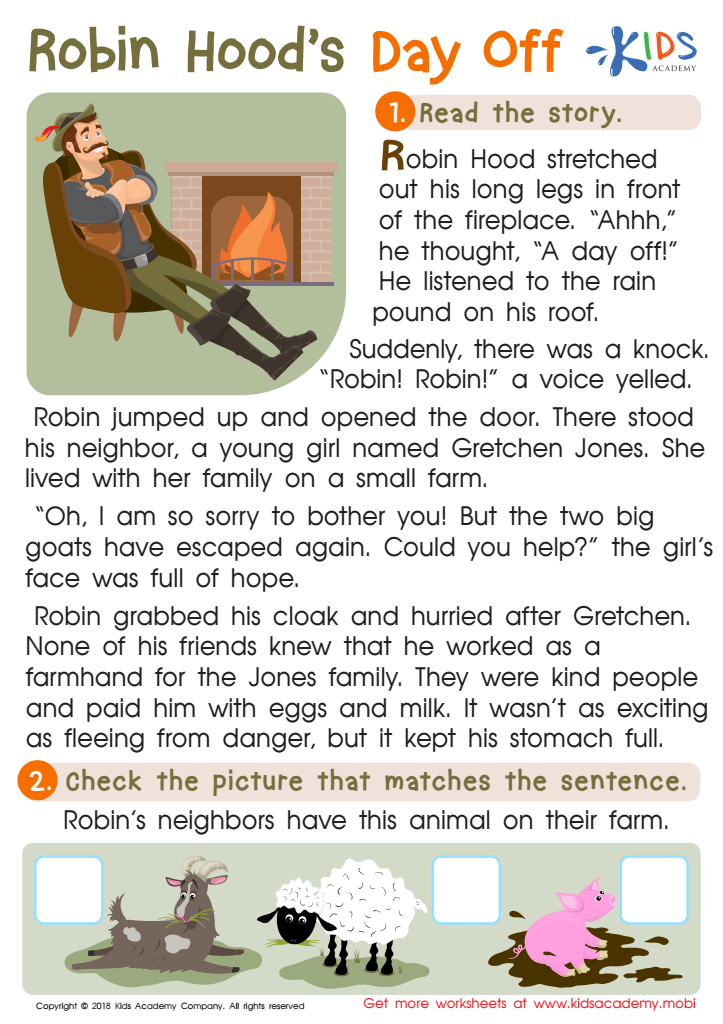
Robin Hood's Day Off Worksheet
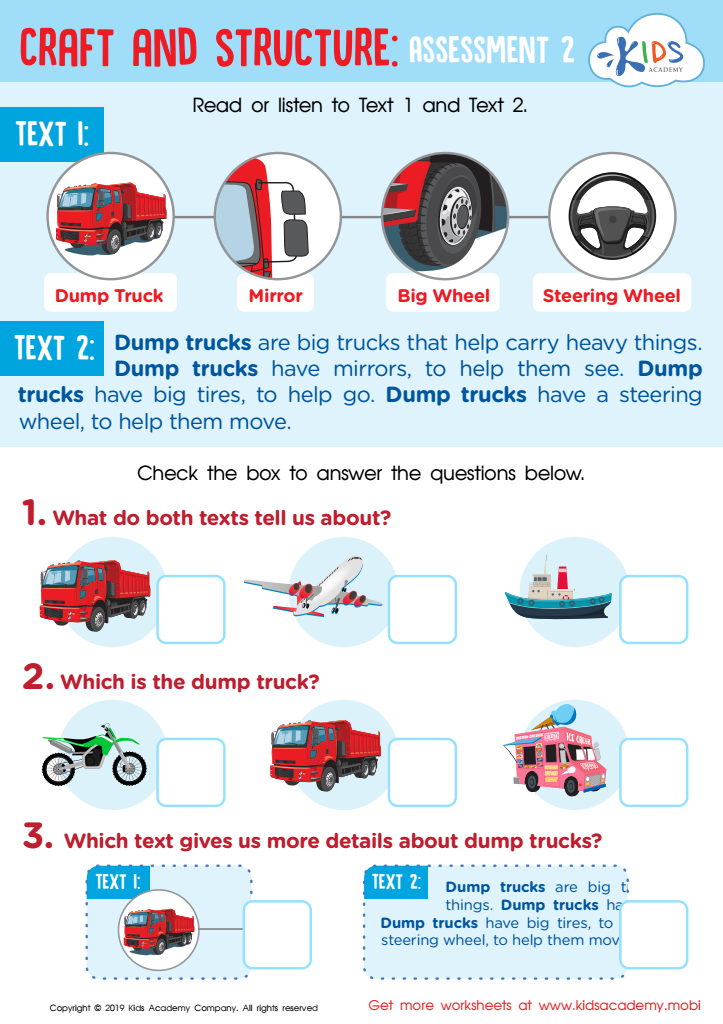
Craft and Structure: Assessment 2 Worksheet

Spinosaurus Assessment Worksheet
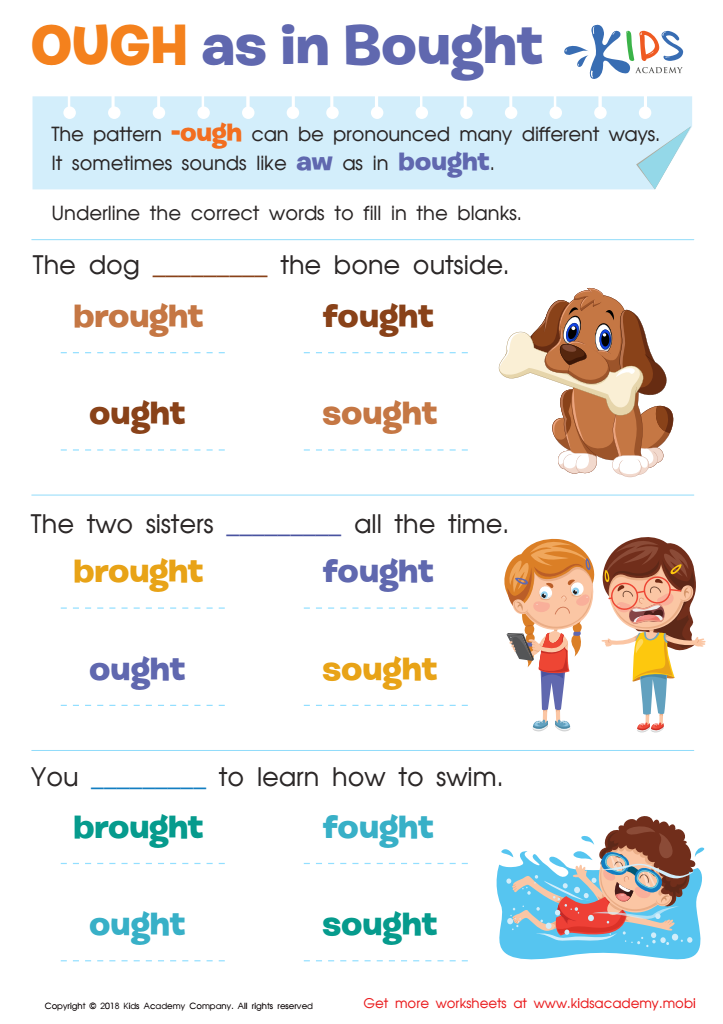
OUGH as in Bought Worksheet
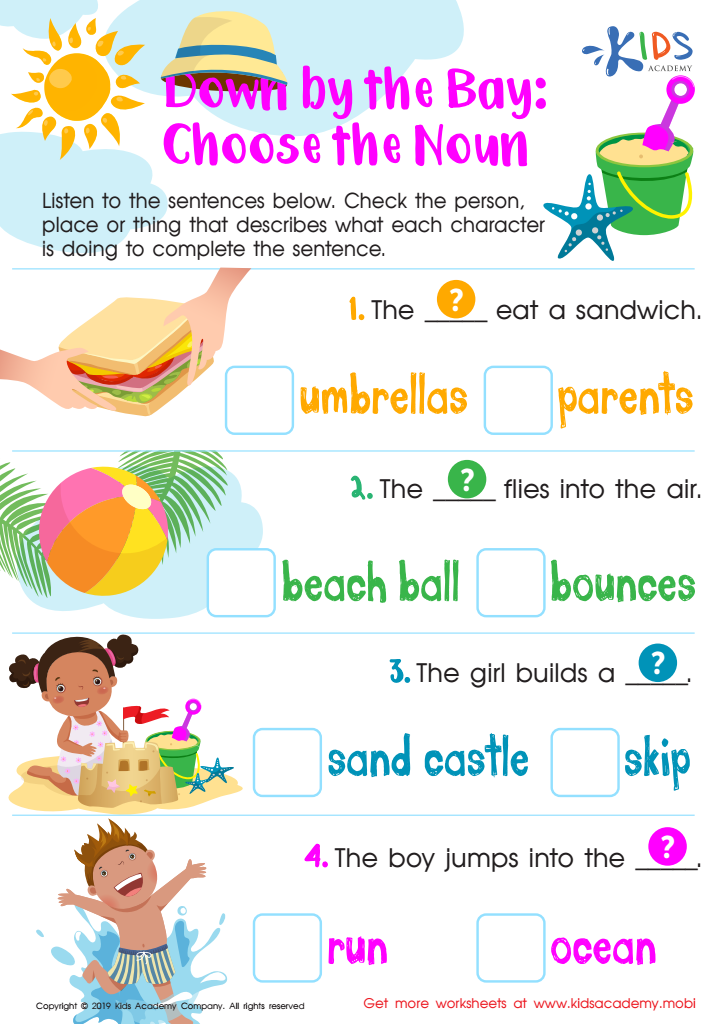
Down by the Bay: Choose the Noun Worksheet
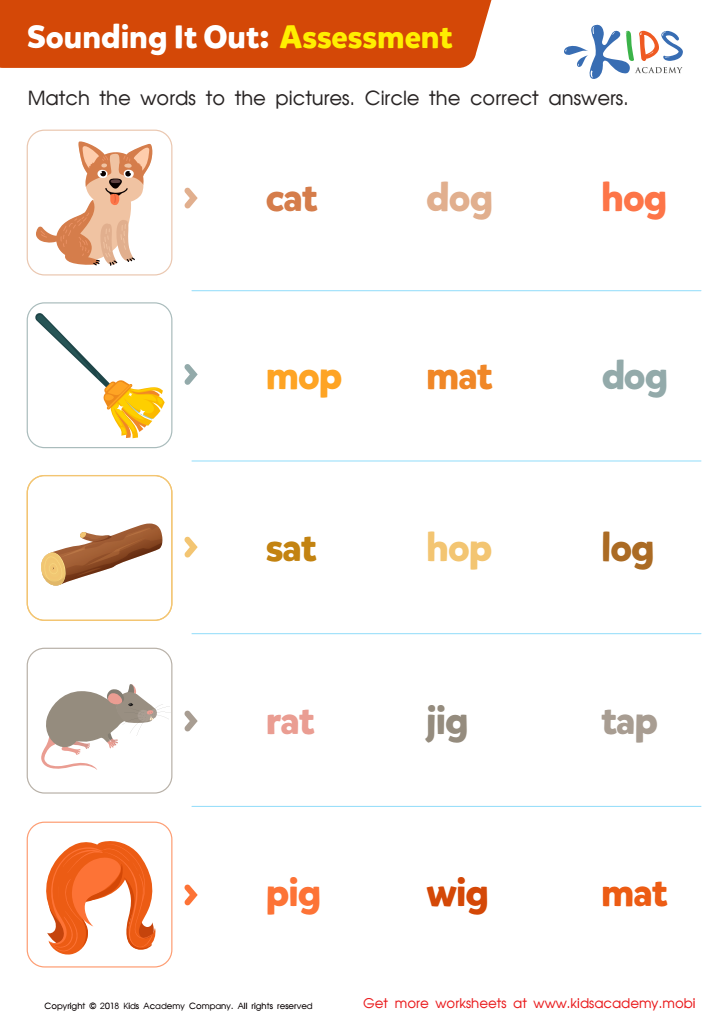
Sounding it Out: Assessment Worksheet
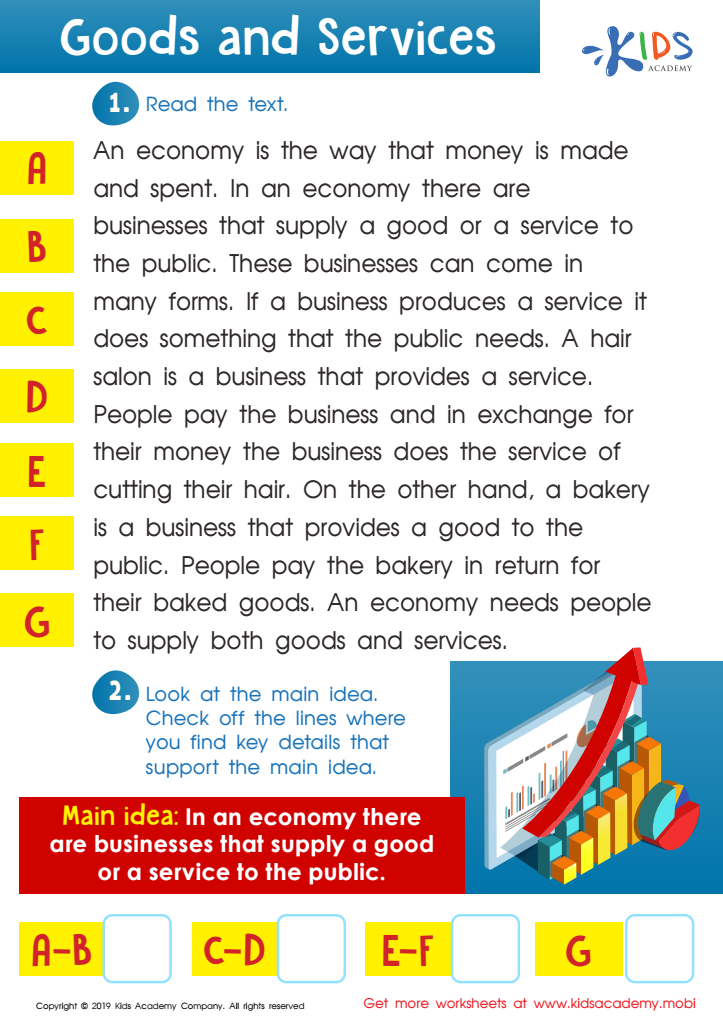
Goods and Services Worksheet
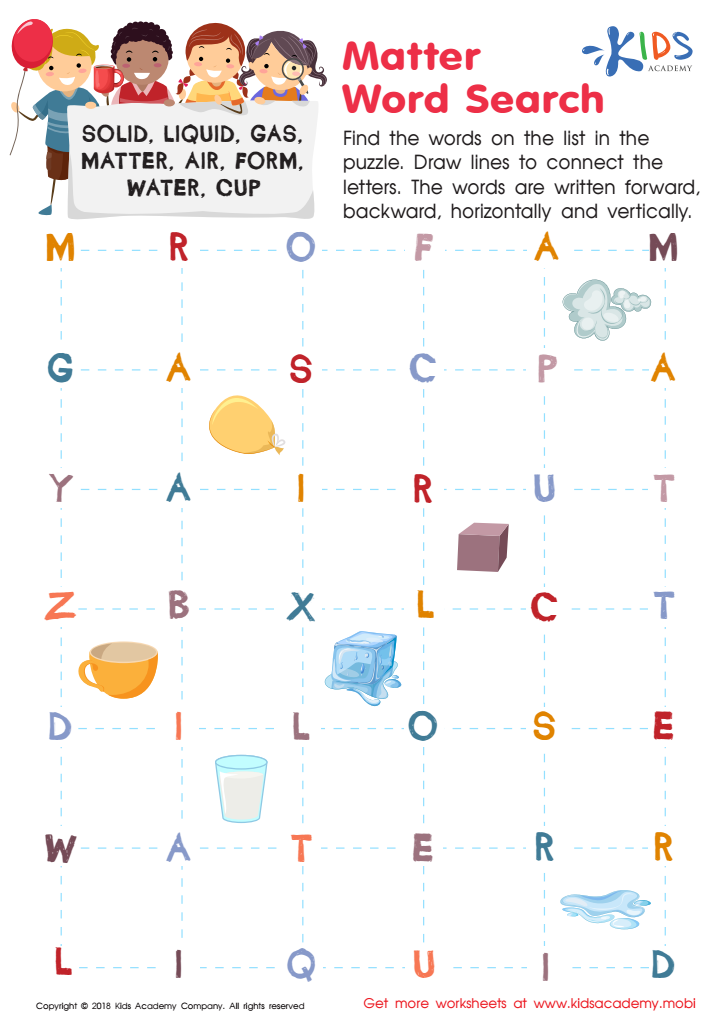
Matter Word Search Worksheet
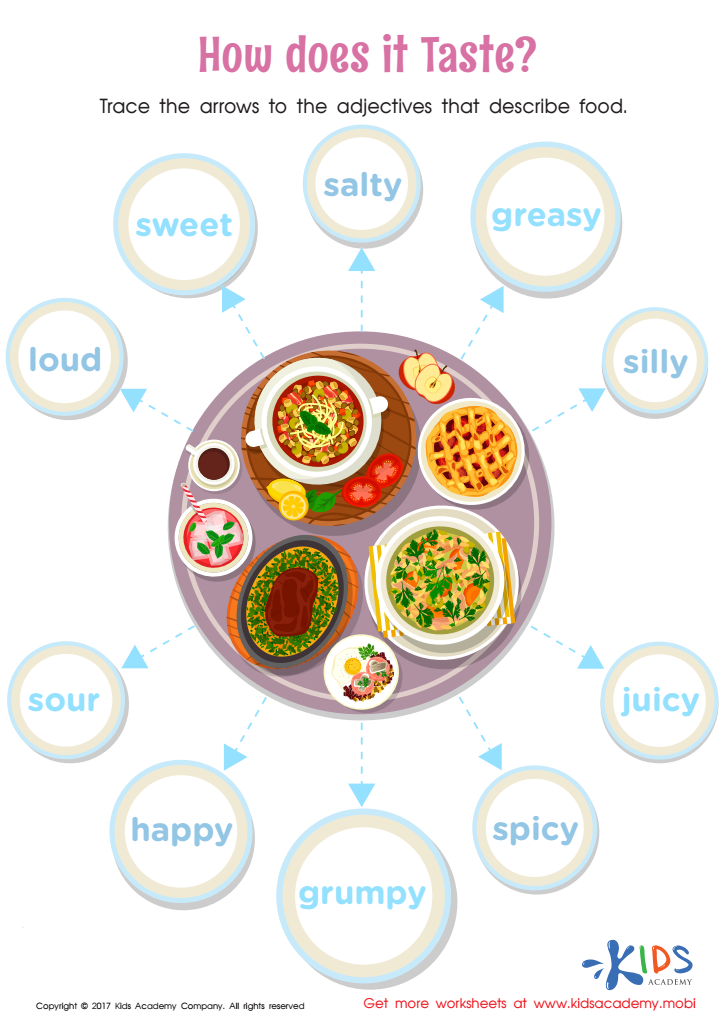
Food Adjectives Worksheet
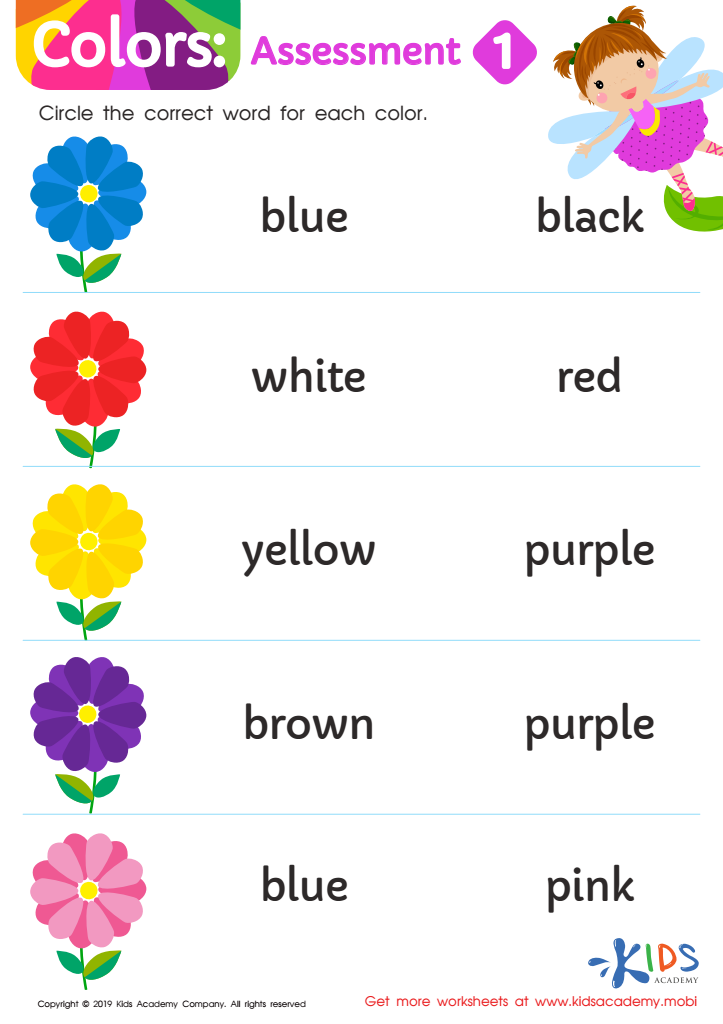
Colors: Assessment 1 Worksheet








Vocabulary enhancement in reading for children aged 6-9 is crucial for their overall literacy development and academic success. During these formative years, children are rapidly acquiring language skills, and a robust vocabulary is foundational for comprehension and expressive language. Enhancing vocabulary empowers young readers to decode complex texts, understand context clues, and engage more deeply with stories, which fosters critical thinking.
For parents and teachers, prioritizing vocabulary development encourages children to articulate their thoughts clearly and confidently. Activities that enrich vocabulary—such as reading diverse literature, playing word games, or having discussions about new words—make learning enjoyable and interactive. A rich vocabulary also supports writing skills, allowing children to express their ideas more creatively and precisely.
Investing in vocabulary enhancement not only contributes to a child’s academic performance but also shapes their social and emotional skills. Children with a broader vocabulary can better articulate their feelings and thoughts, improving their communication with peers and adults. Overall, nurturing vocabulary from an early age sets the stage for lifelong learning, enabling children to thrive in various contexts, from school to social interactions. Thus, parents and teachers play a vital role in guiding and supporting this essential aspect of early education.








