Fine Motor Skills Reading Comprehension Worksheets for Ages 6-9
13 filtered results
-
From - To
Enhance your child's reading comprehension and fine motor skills with our engaging worksheets designed for ages 6 to 9. These specialized activities seamlessly blend storytelling with hands-on tasks that promote dexterity and coordination. As children read age-appropriate passages, they will complete fun exercises such as tracing, cutting, and coloring, encouraging active participation and creativity. Our worksheets not only foster a love for reading but also aid in developing essential fine motor skills critical for writing and other tasks. Perfect for parents and educators, these resources create a holistic learning experience that supports your child's growth in multiple domains. Start exploring today!
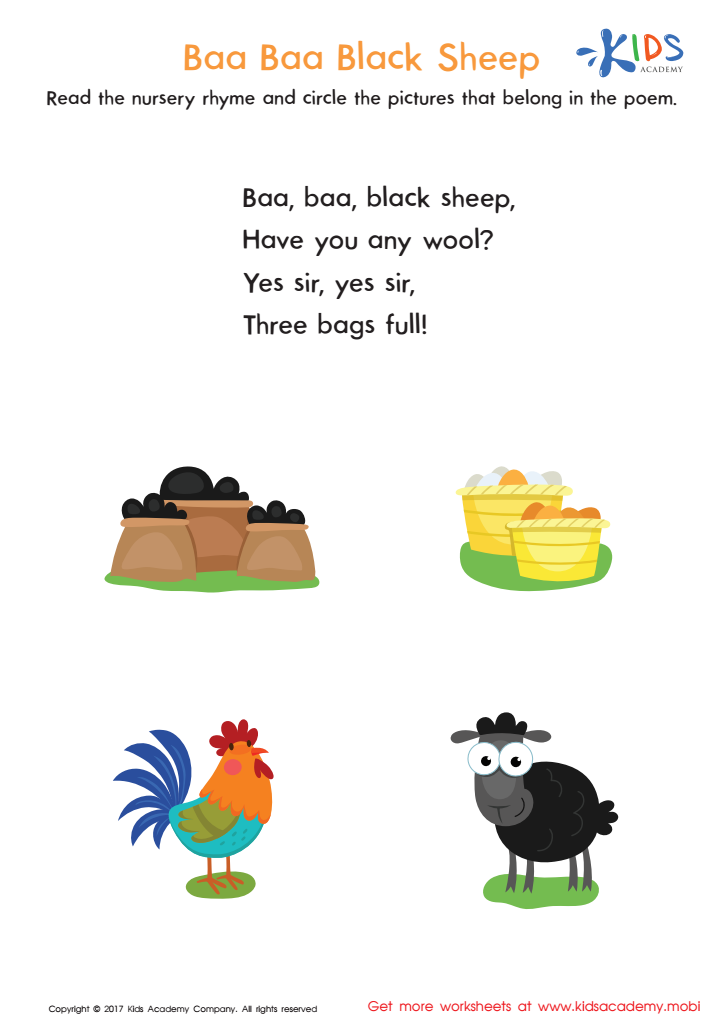
Baa Baa Black Sheep Printable
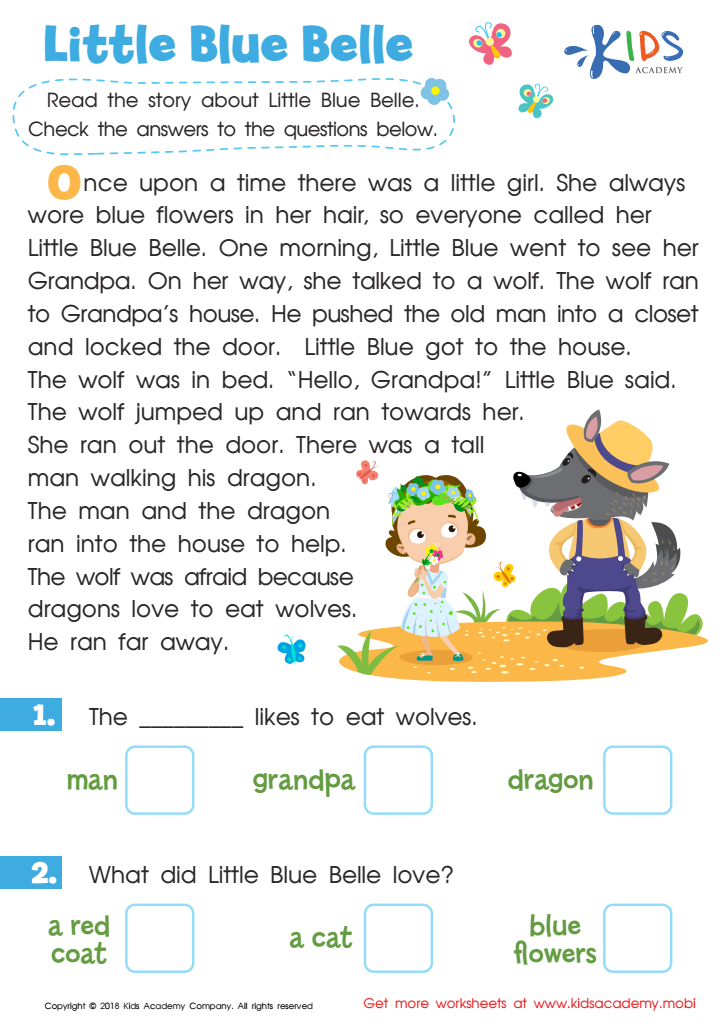
Little Blue Belle Worksheet

Twinkle Twinkle Little Star Coloring Page
 Assign to My Students
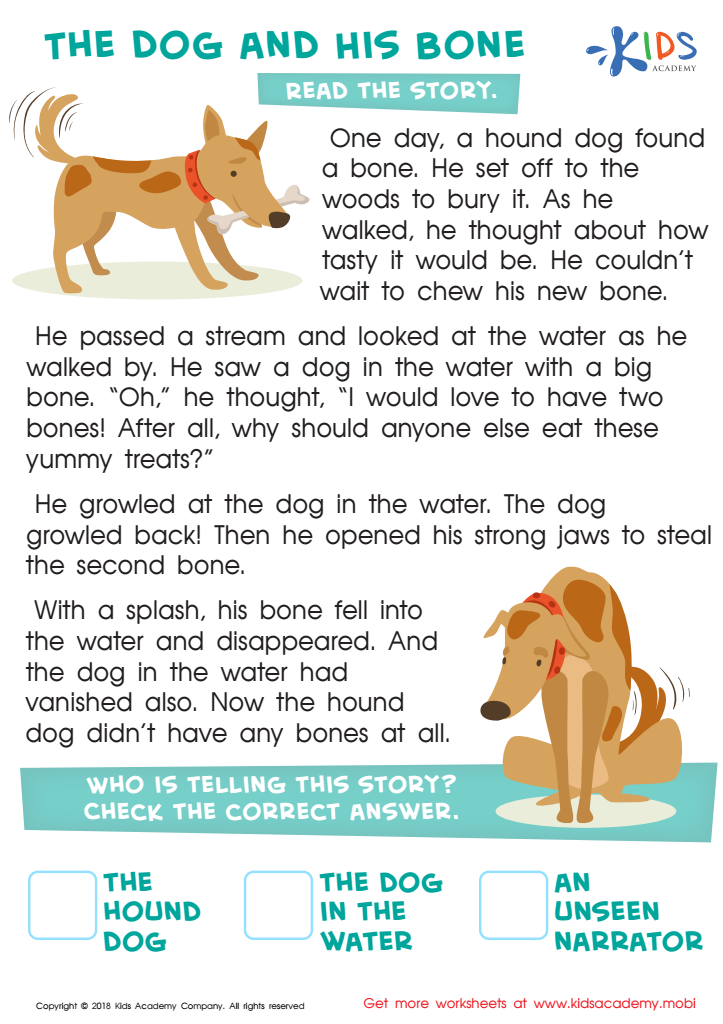
The Dog and His Bone Worksheet
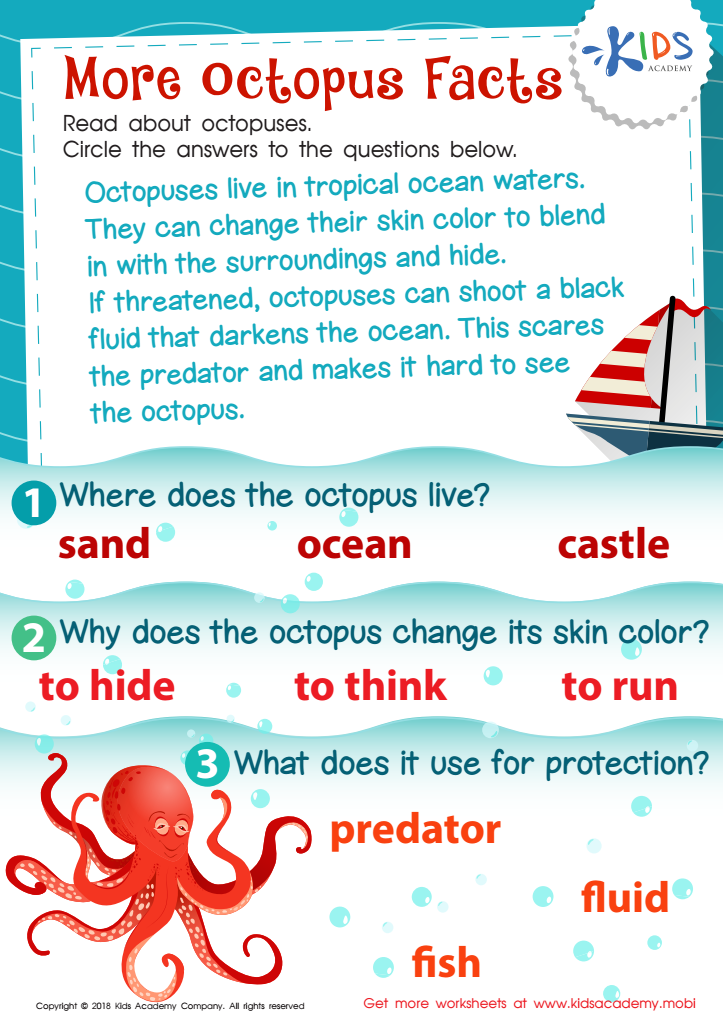
More Octopus Facts Worksheet
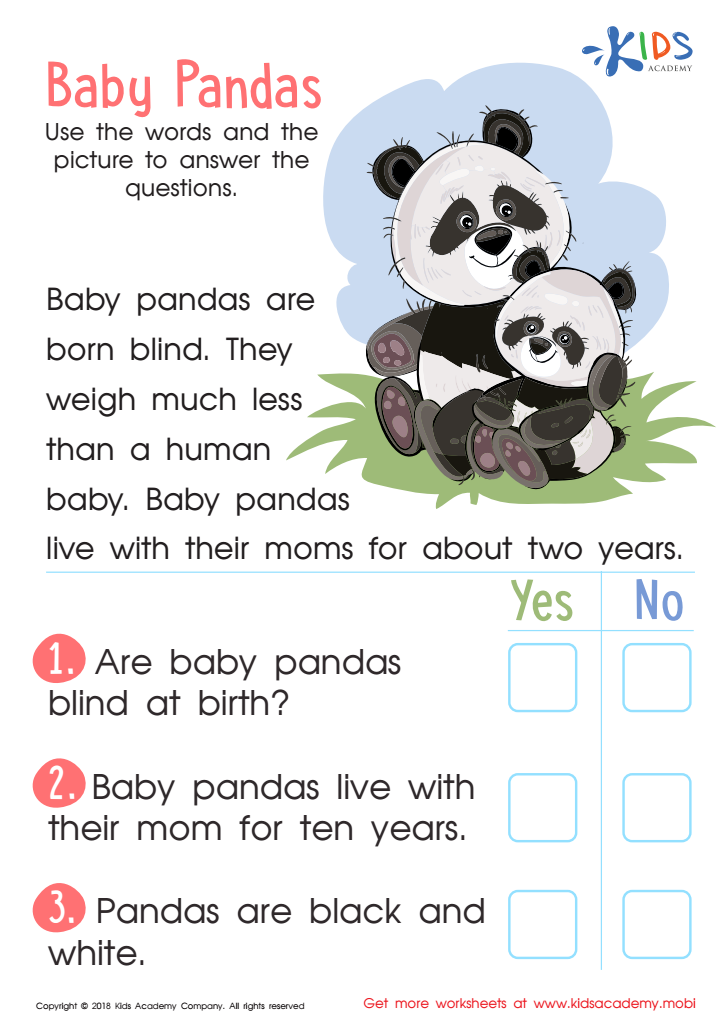
Baby Pandas Worksheet
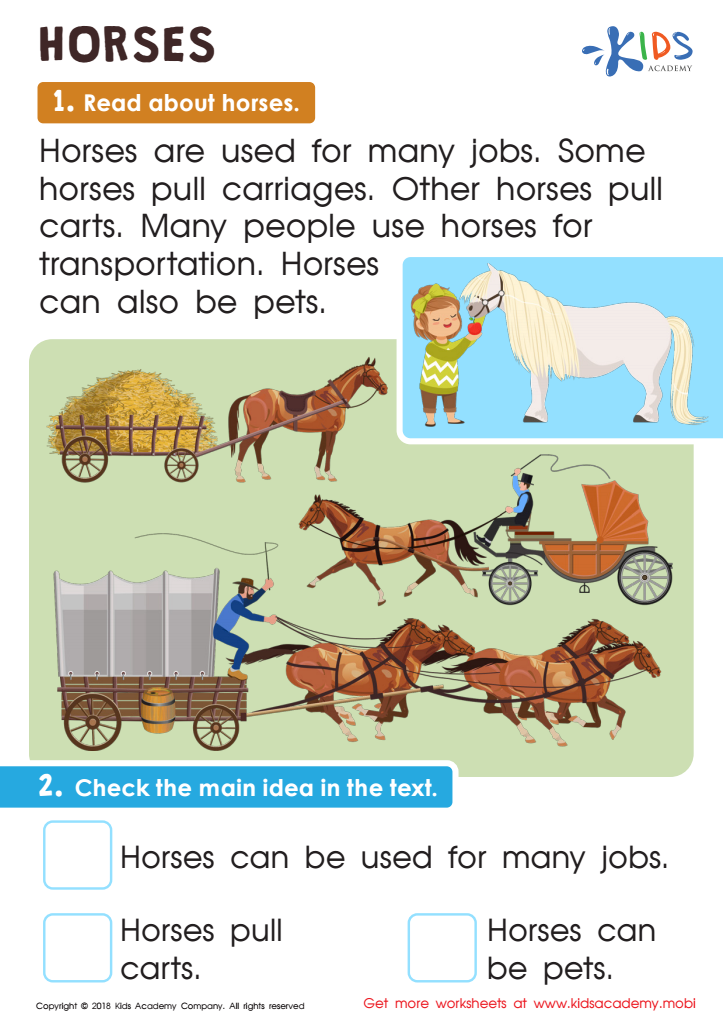
Horses Worksheet
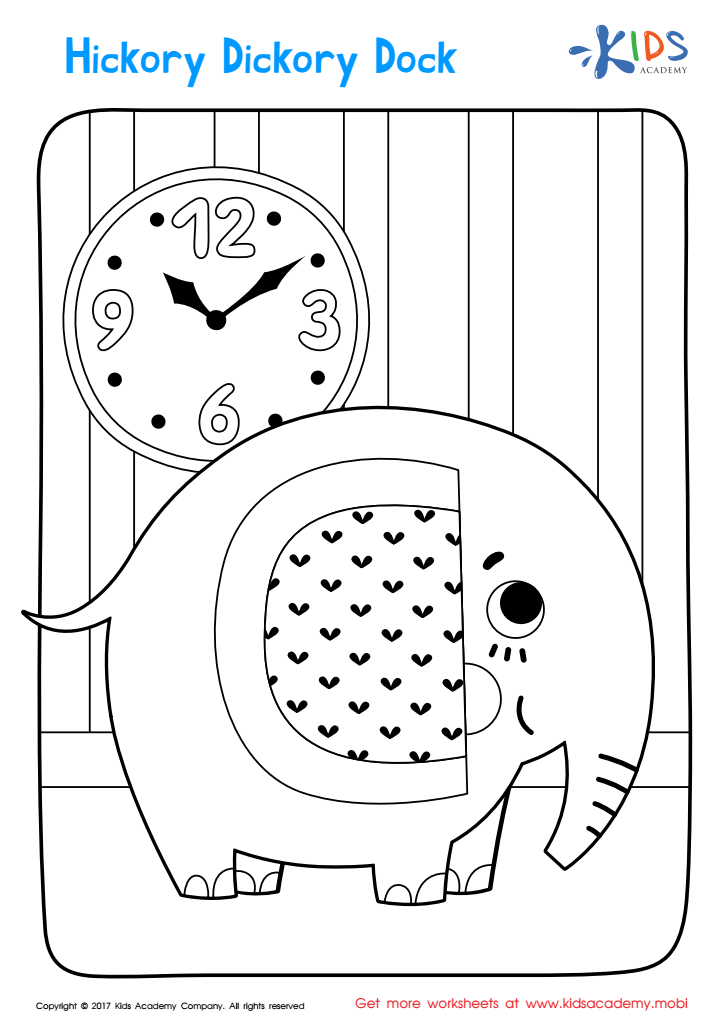
Hickory Dickory Dock Coloring Page
Assign to My Students
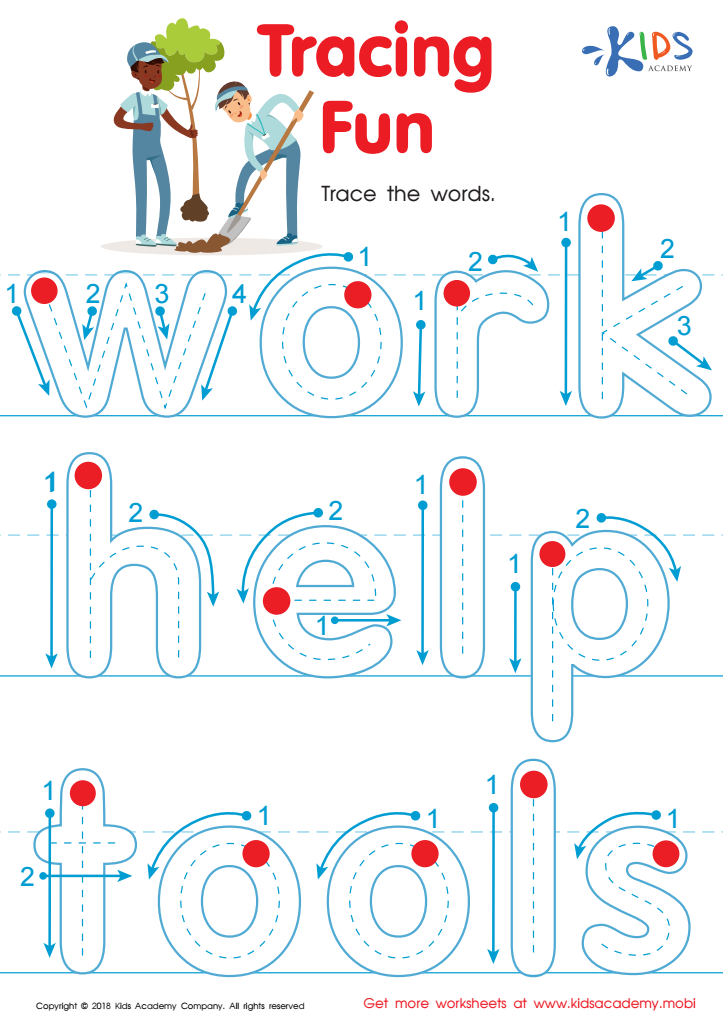
Tracing Fun Worksheet
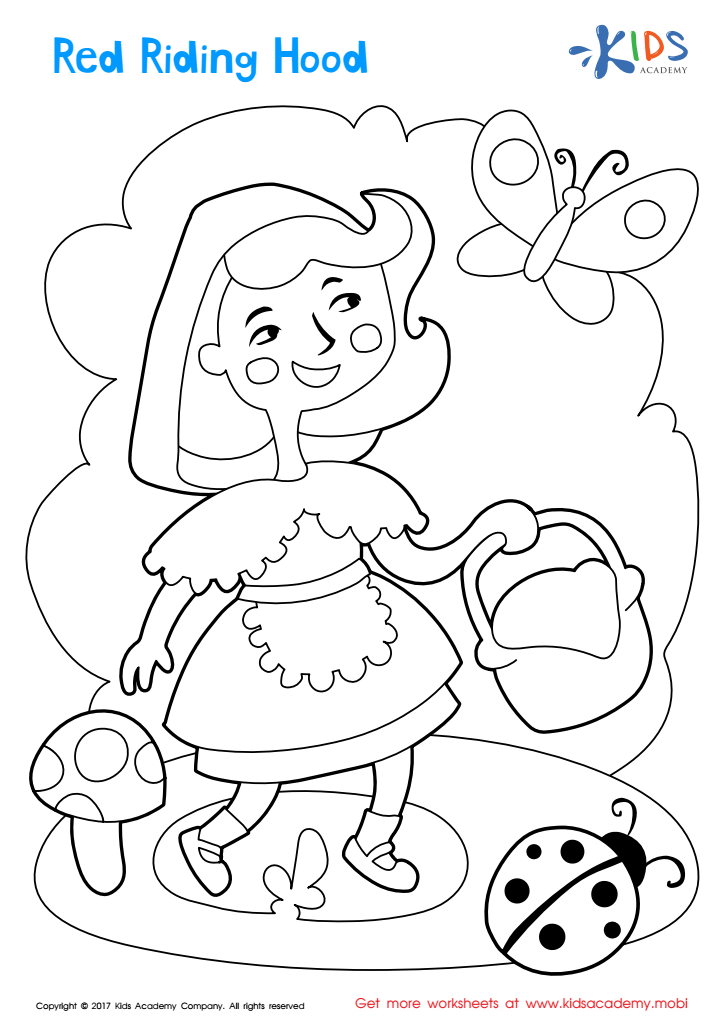
Red Riding Hood Coloring Page
Assign to My Students
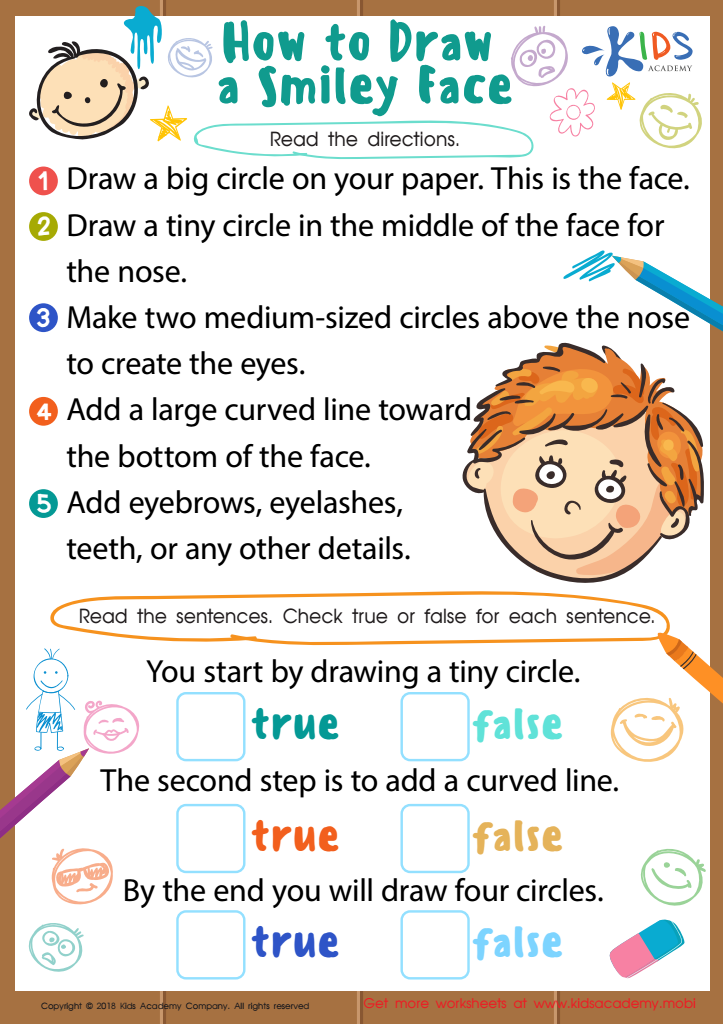
How to Draw a Smiley Face Worksheet
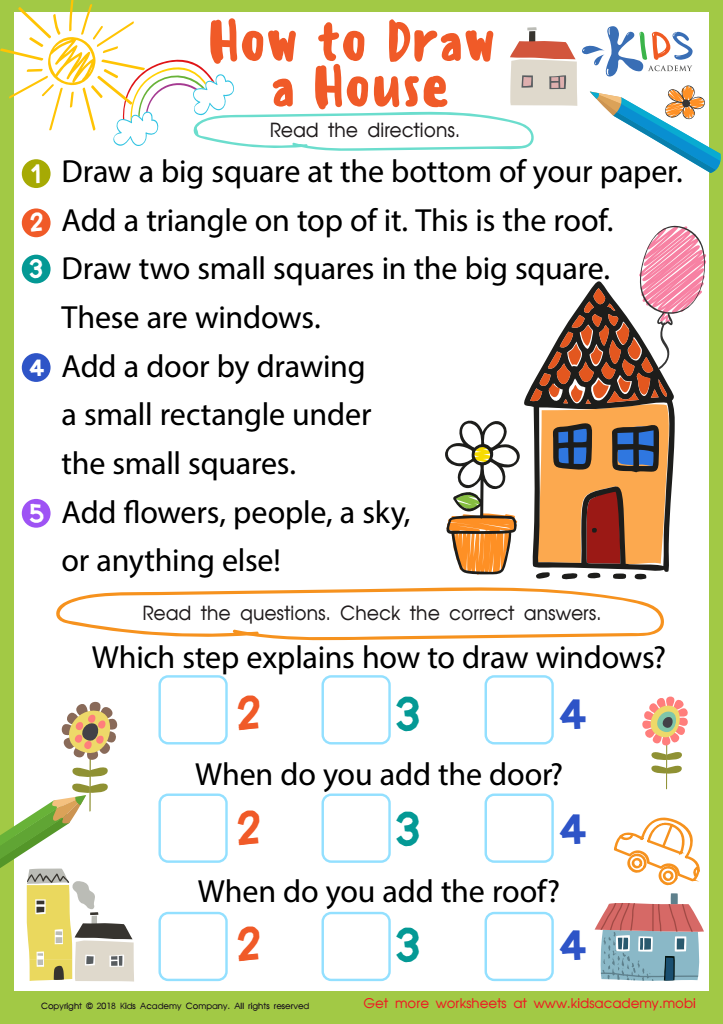
How to Draw House Worksheet
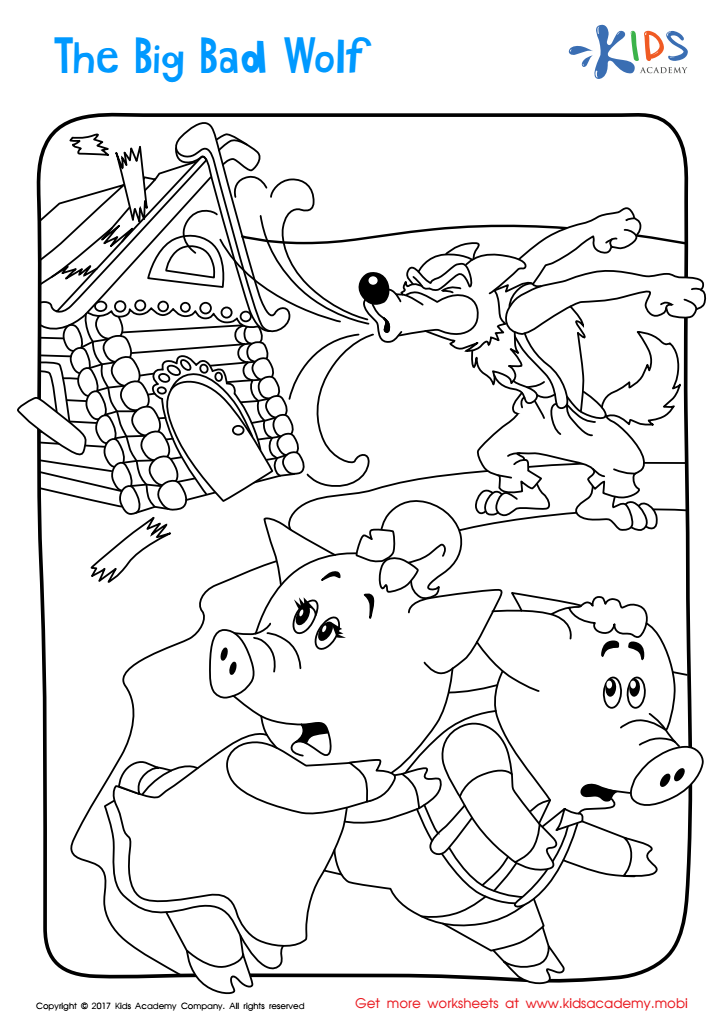
Big Bad Wolf Printable Coloring Page
Assign to My Students







.jpg)
Fine motor skills and reading comprehension are critical pillars of a child's development, especially for those ages 6-9. Parents and teachers should care about these skills because they significantly influence a child's overall learning and academic success.
Fine motor skills involve the coordination of small muscles in the hands and fingers, which are essential for activities such as writing, drawing, and manipulating objects. Adequate development of these skills helps children express their thoughts and ideas more effectively and fosters confidence in their ability to engage in academic tasks. When children can comfortably hold a pencil, cut with scissors, or tie their shoes, they are more likely to participate actively in classroom activities, boosting their engagement and learning.
Reading comprehension, on the other hand, is critical for understanding and engaging with texts. Thus, fine motor skills are often intertwined with reading activities like writing responses, taking notes, or completing tasks that involve hands-on learning. As children interact with texts, they not only decode words but also analyze and synthesize information, which enhances cognitive growth.
Investing in both fine motor skill development and reading comprehension ultimately contributes to well-rounded, capable learners who are better prepared to face academic challenges. Parents and teachers play essential roles in nurturing these skills early on, laying a solid foundation for future success.








