Following instructions Reading Comprehension Worksheets for Ages 6-9
7 filtered results
-
From - To
Enhance your child's reading skills with our "Following Instructions" Reading Comprehension Worksheets designed for ages 6-9. These engaging worksheets help young learners master the essential skill of understanding and following directions. Each activity encourages critical thinking while providing step-by-step instructions that boost reading confidence. Ideal for home or classroom use, our worksheets make learning fun and interactive, ensuring your child stays motivated. With a variety of topics and scenarios, children will develop comprehension skills that align with their reading level. Download now and watch your child gain the skills necessary to follow instructions like a pro! Perfect for early education!
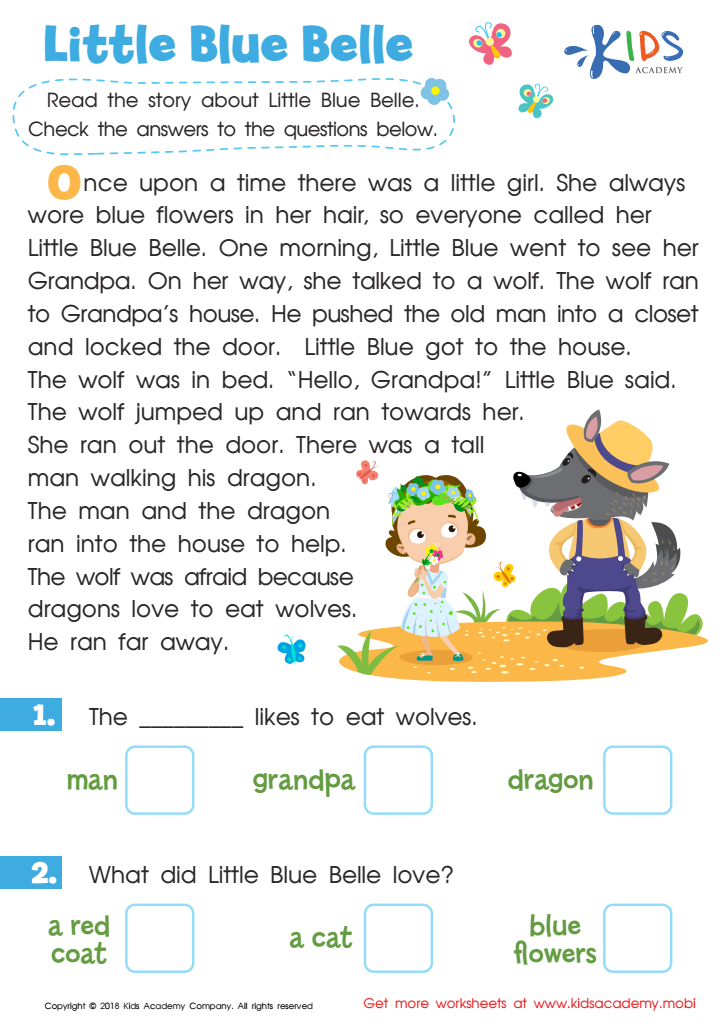
Little Blue Belle Worksheet
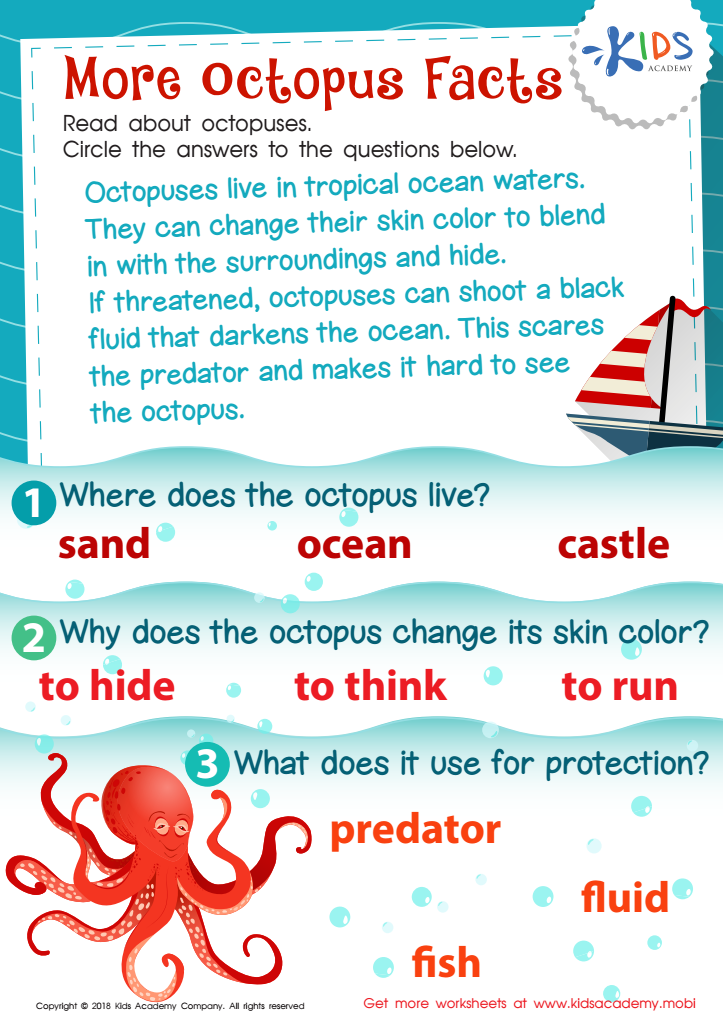
More Octopus Facts Worksheet
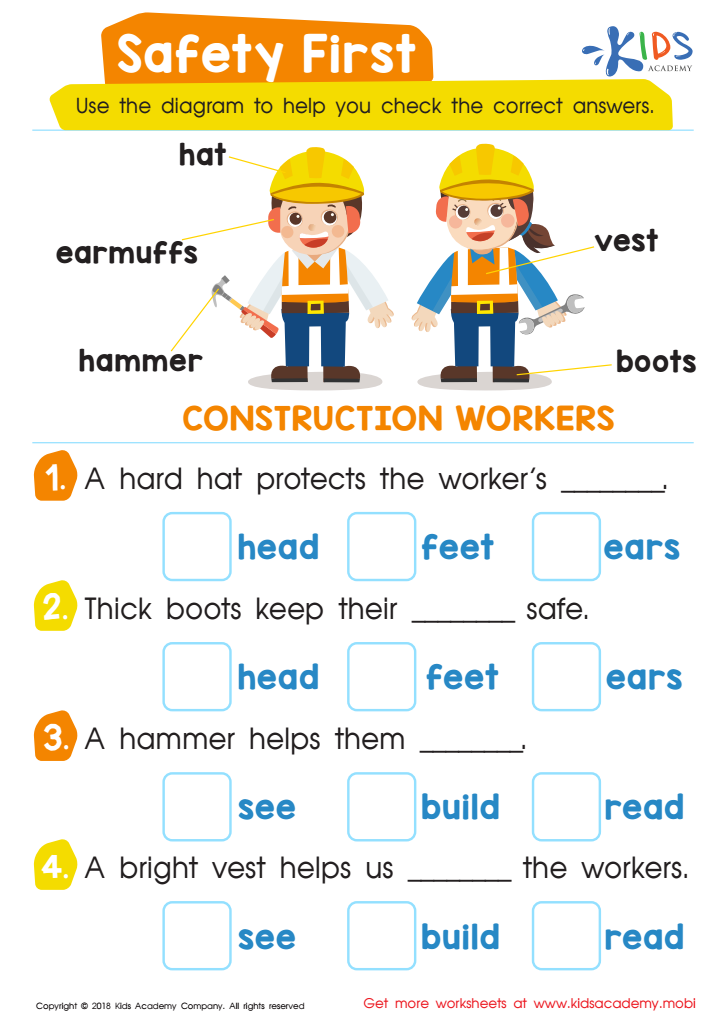
Safety First Worksheet
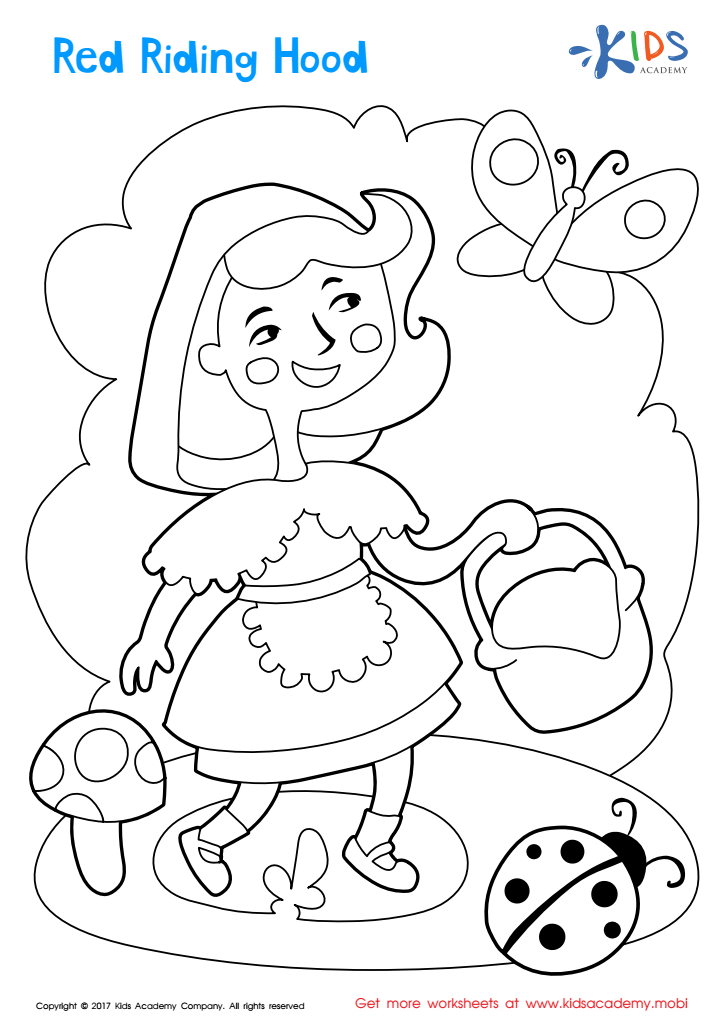
Red Riding Hood Coloring Page
 Assign to My Students
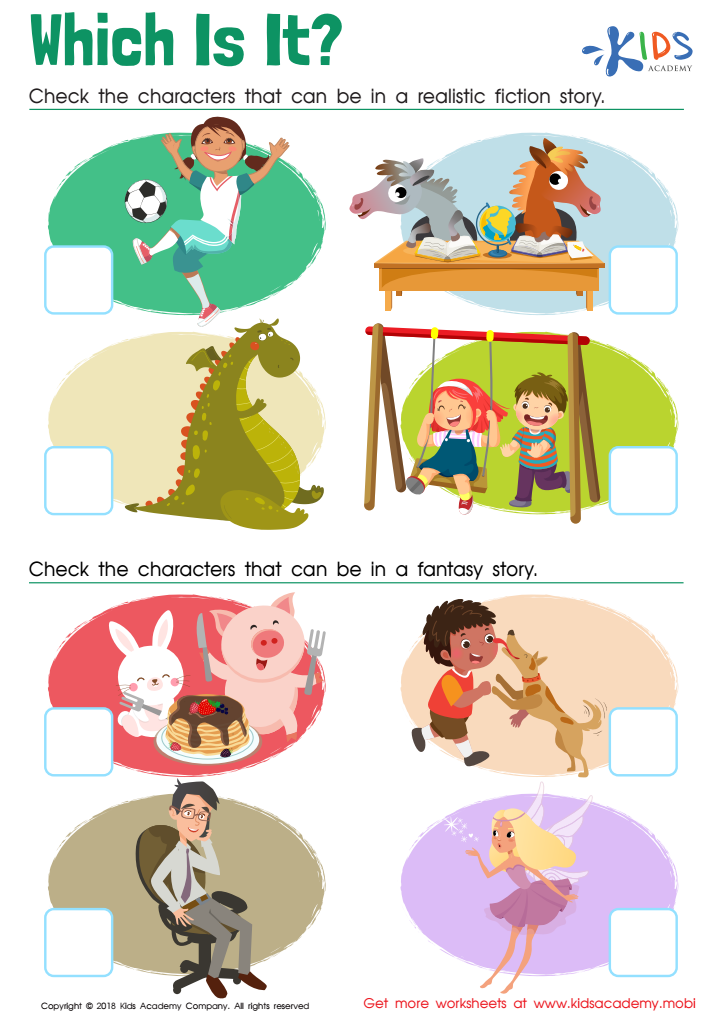
Which Is It? Worksheet
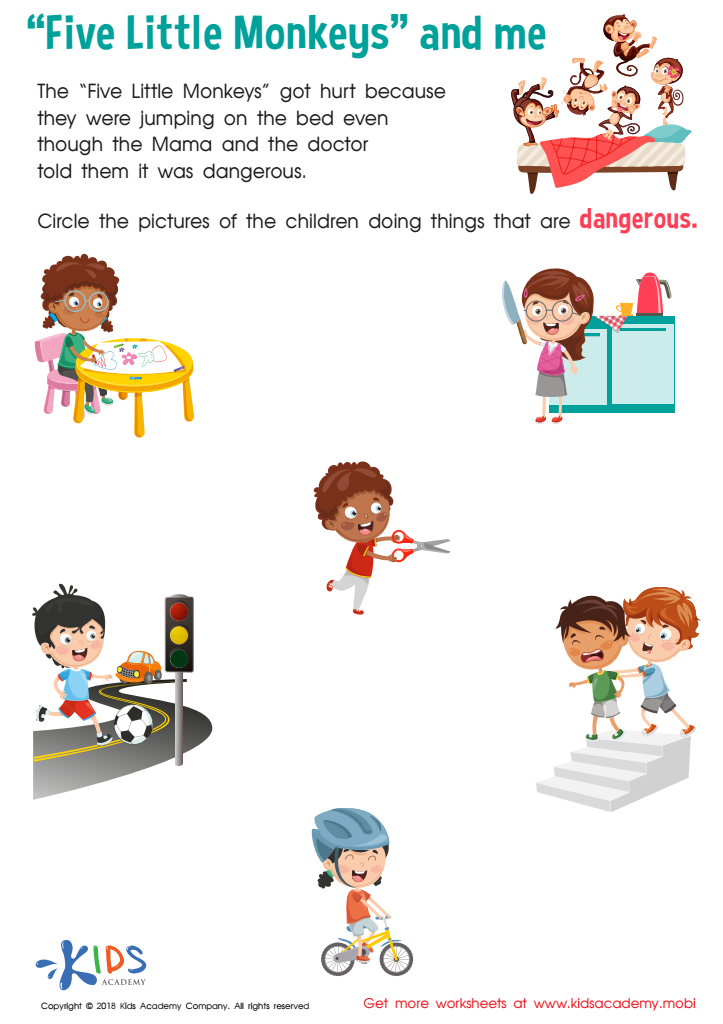
Five Little Monkeys and Me Worksheet
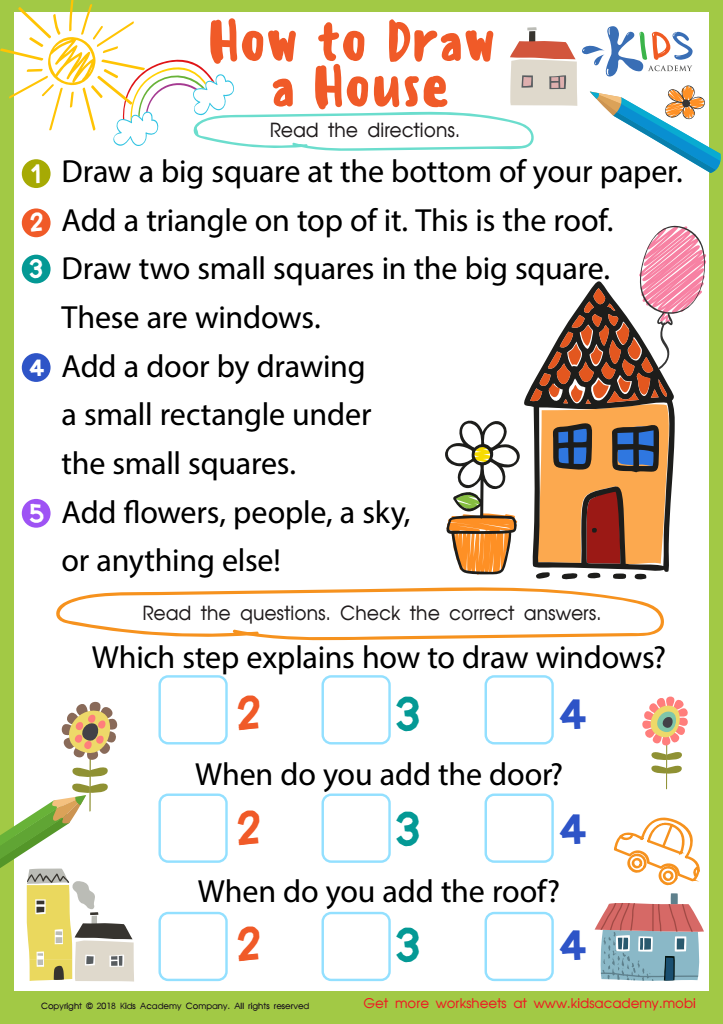
How to Draw House Worksheet




.jpg)



Following instructions and reading comprehension are critical skills for children aged 6 to 9, significantly impacting their academic journey and daily life. First, these abilities lay the foundation for effective learning. Young children are often required to follow directions in class, whether during lessons, group work, or when completing assignments. Mastering this skill helps children develop discipline, attention to detail, and the ability to process information systematically.
Moreover, strong reading comprehension enhances a child's understanding of the material across all subjects. When children can interpret text effectively, they are better equipped to engage with lessons, complete homework independently, and excel in assessments. It not only boosts their academic confidence but also fosters a love for reading that can translate into lifelong learning.
Parents and teachers should prioritize these skills because they feed into children's overall cognitive and social development. Good instruction-following promotes teamwork and communication, while developing comprehension skills encourages critical thinking and imagination. Additionally, children who excel in these areas tend to perform better in school, experience less frustration, and develop positive relationships with peers and adults alike. Thus, fostering these skills in early education is vital for children’s future success and well-being.








