Word Recognition Reading Comprehension Worksheets for Ages 6-9
8 filtered results
-
From - To
Enhance your child's reading journey with our "Word Recognition Reading Comprehension Worksheets" designed specifically for ages 6-9. These engaging and educational worksheets focus on developing key reading skills, such as recognizing sight words, understanding sentences, and comprehending short paragraphs. Perfect for early elementary students, our expertly crafted materials aim to build confidence and improve literacy by combining fun activities with essential reading practice. Explore a variety of themes and topics to keep young learners intrigued and motivated. Foster a love for reading and watch your child excel with our word recognition reading comprehension worksheets!
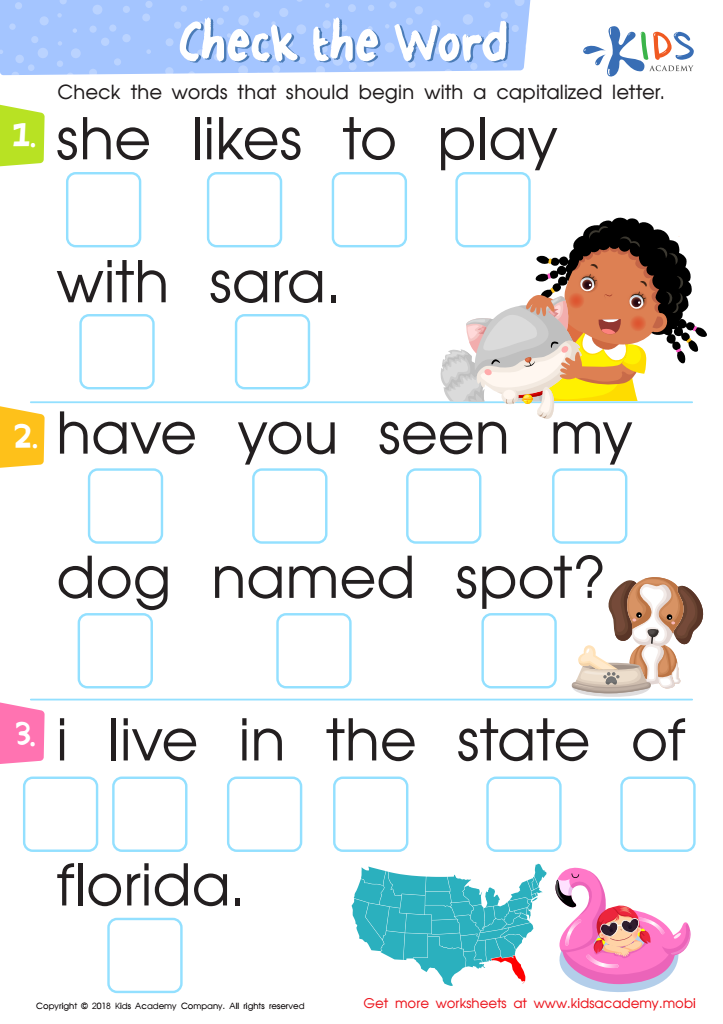
Check the Word Worksheet
 Assign to My Students
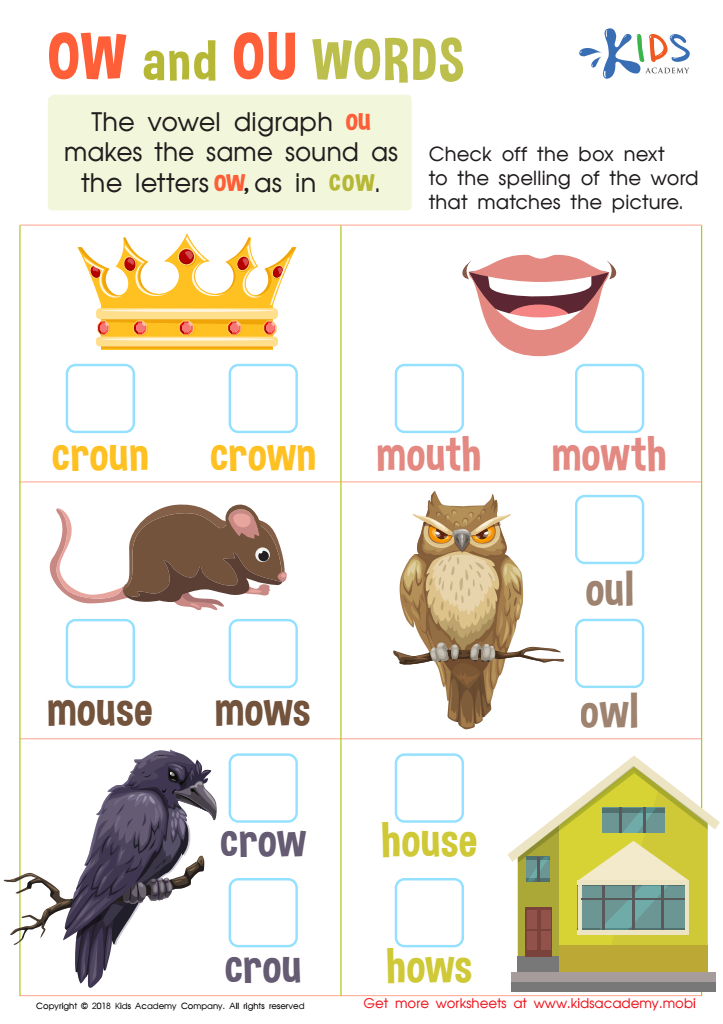
Reading: OW and OU Words Worksheet
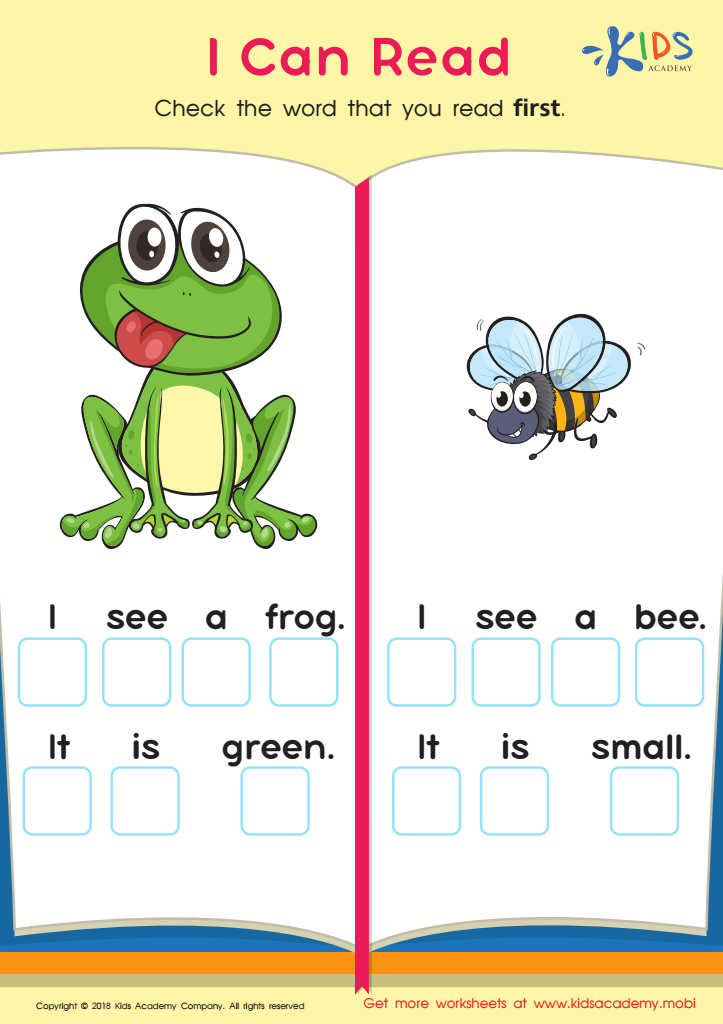
I Can Read Worksheet
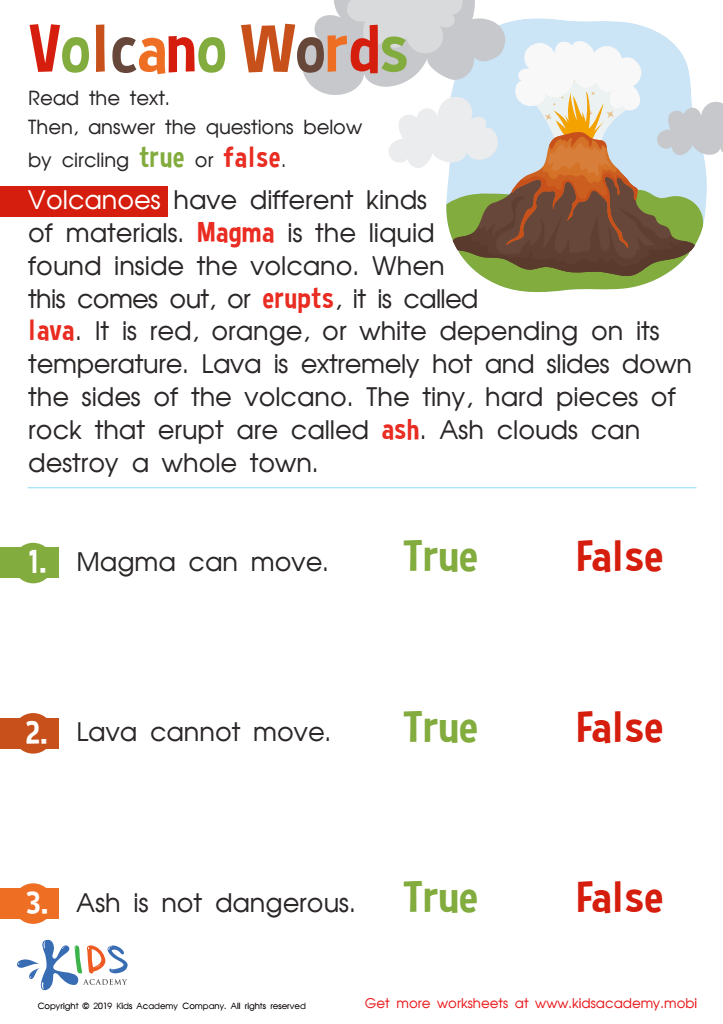
Volcano Words Worksheet
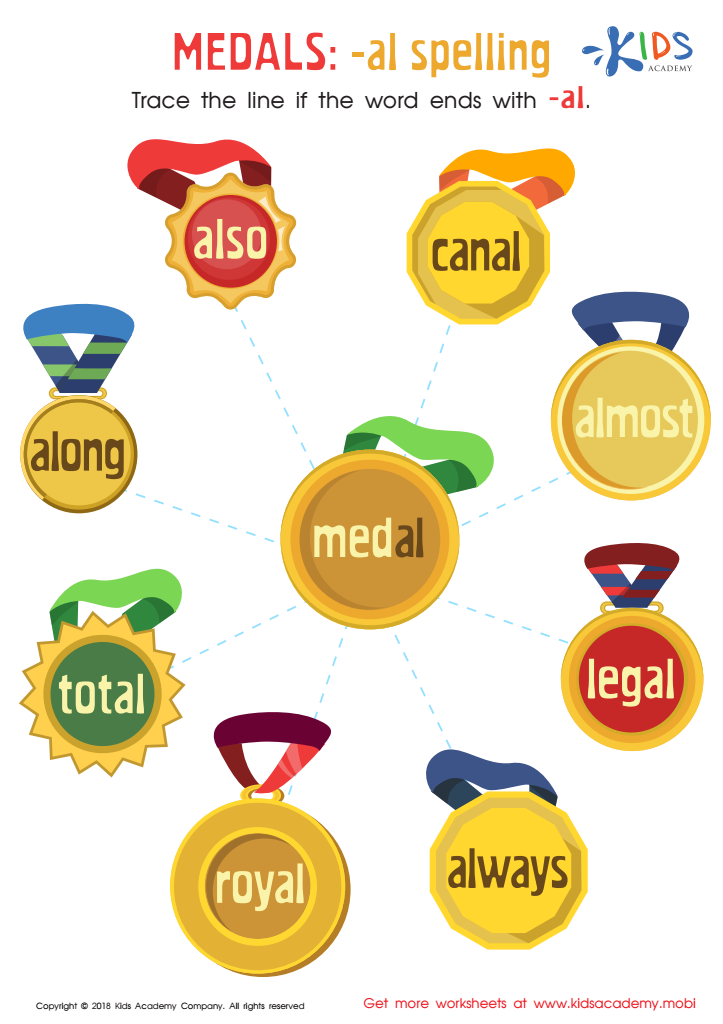
Medals: Al Spelling Worksheet
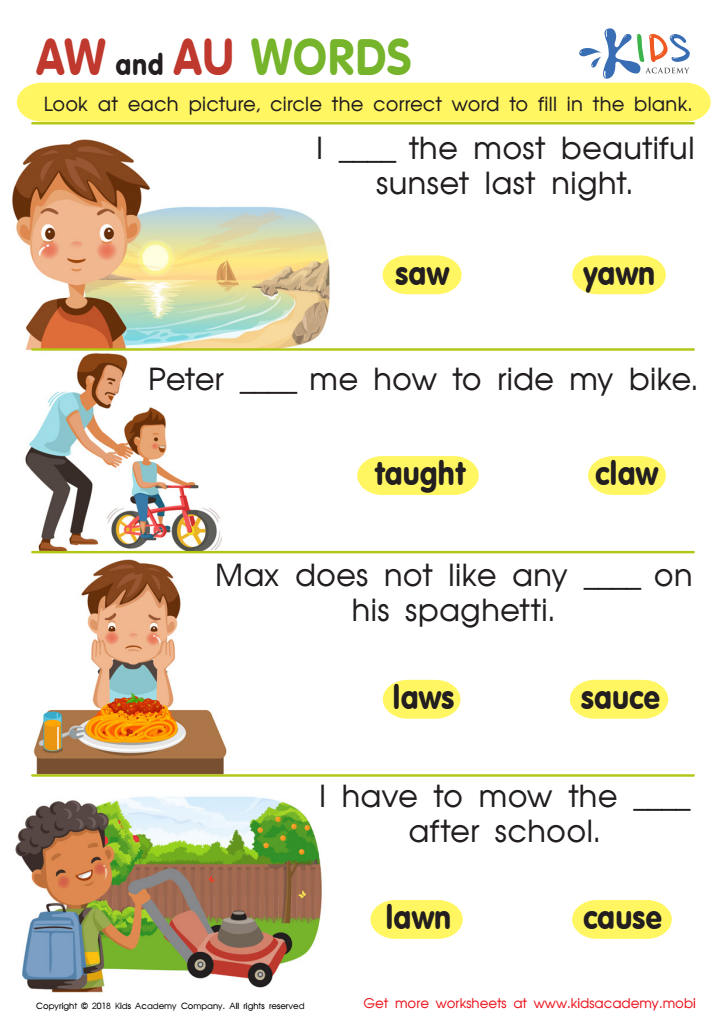
Reading: AW and AU Words Worksheet
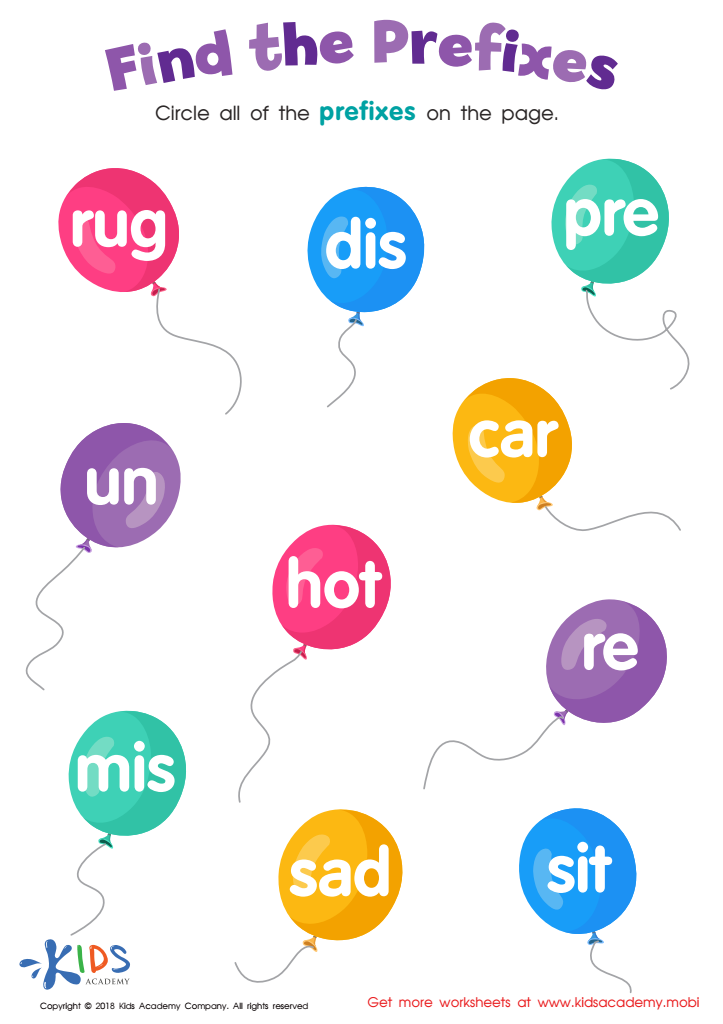
Reading: Find the Prefixes Worksheet
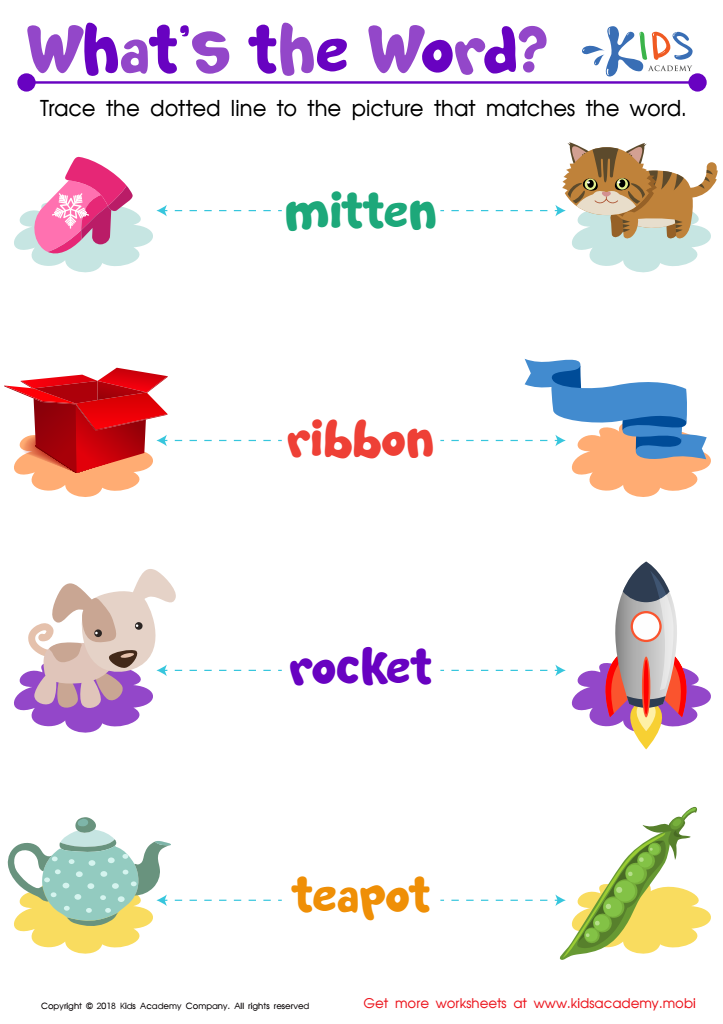
Reading: What's Word Worksheet








Understanding word recognition and reading comprehension is crucial for parents and teachers working with children between the ages of 6-9, as these skills form the foundation of a child's academic success and lifelong learning experiences. At this developmental stage, children transition from "learning to read" to "reading to learn". Word recognition involves the ability to read words quickly and effortlessly, a competency critical for fluent reading. When children can automatically recognize words, they can direct their cognitive resources toward comprehending texts, rather than decoding words.
Reading comprehension, on the other hand, involves understanding and interpreting written language, crucial for grasping subject matter across all fields – whether it's math, science, social studies, or literature. Poor reading comprehension can hinder a child’s overall academic performance, self-esteem, and motivation to learn, while proficient readers are typically more confident and perform better academically.
Moreover, strong word recognition and reading comprehension skills enable children to enjoy and engage with reading, fostering a love for literature and learning. This interest in reading opens doors to new worlds and ideas, enhances critical thinking and empathy, and supports continuous intellectual growth. Therefore, parents and teachers should prioritize developing these essential skills during foundational years, shaping well-rounded, successful, and lifelong learners.








