Vocabulary enhancement The 5 Senses Worksheets for Ages 6-9
3 filtered results
-
From - To
Boost your child's language skills with our "Vocabulary Enhancement: The 5 Senses Worksheets for Ages 6-9." These engaging worksheets are designed to expand young learners' vocabulary by exploring the five senses: sight, hearing, touch, taste, and smell. Through fun and interactive activities, kids will learn new words and concepts while developing their understanding of sensory experiences. Perfect for classrooms or home learning, these worksheets provide a solid foundation in both vocabulary and science, helping children articulate their thoughts with greater precision. Watch their curiosity and language abilities grow as they discover the world through their senses!
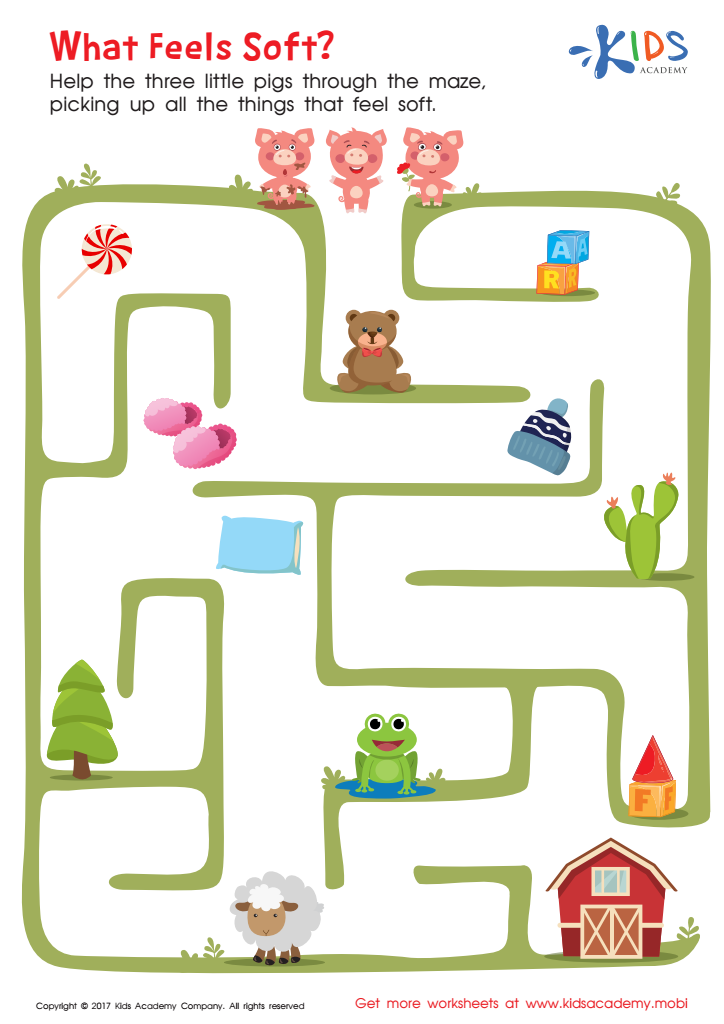
What Feels Soft Printable
 Assign to My Students
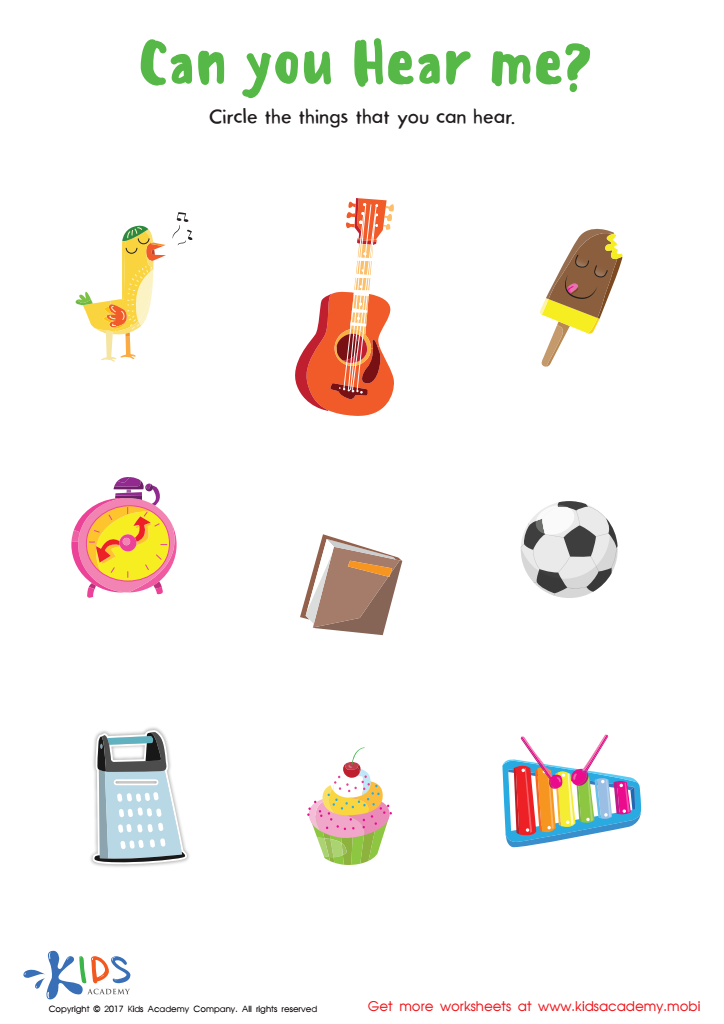
Can You Hear Me Worksheet
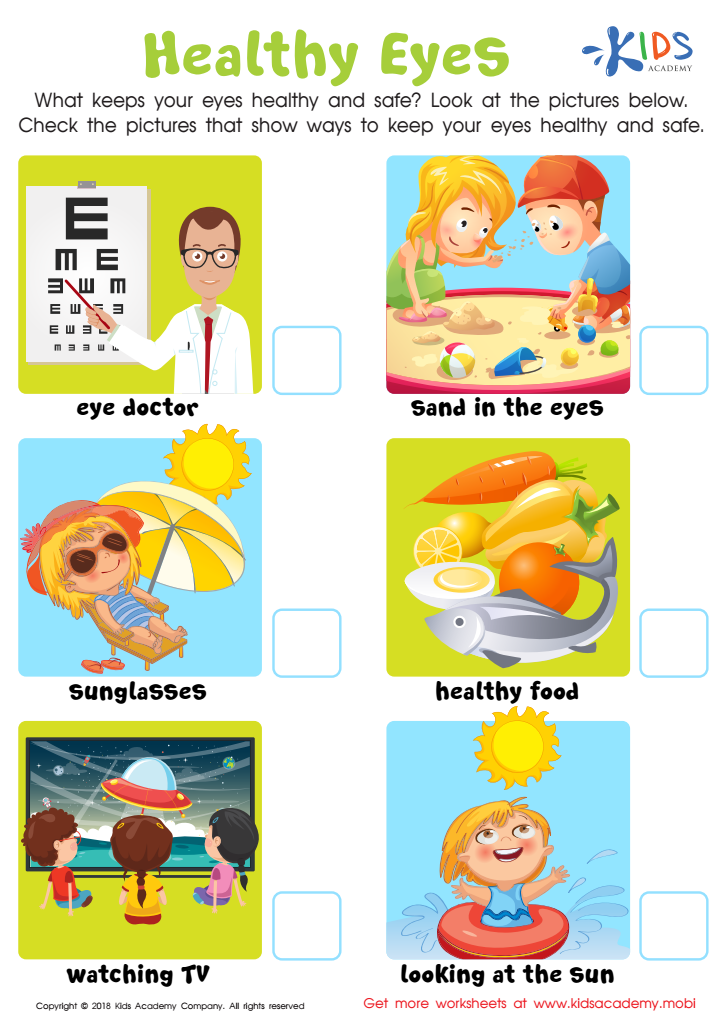
Healthy Eyes Worksheet



Vocabulary enhancement related to the five senses is crucial for the development of children aged 6-9. At this important stage, young learners begin to connect words to their experiences, which is foundational for effective communication. Enhancing vocabulary related to sight, sound, smell, taste, and touch helps children articulate their experiences more precisely and build expressive language skills.
When children learn rich vocabulary for the five senses, they become better equipped to explore and describe the world around them. This detailed articulation encourages cognitive development by helping them categorize and organize information. It assists with the development of critical thinking because children can better compare, contrast, and analyze different sensory experiences.
Effective communication skills, which are augmented by expanded sensory vocabulary, are essential for successful social interactions. When children can accurately describe what they observe, hear, feel, smell, and taste, they build stronger connections with peers and adults. Additionally, these vocabulary skills contribute significantly to their reading comprehension and writing abilities.
Interactive activities, such as sensory bins, nature walks, cooking classes, or storytelling sessions, help embed these words in children’s minds. By actively engaging with sensory vocabulary, children are more likely to remember and use these words confidently, supporting their overall linguistic and academic growth.







