Enhancing research skills Science Worksheets for Ages 6-9
3 filtered results
-
From - To
Discover "Enhancing Research Skills Science Worksheets for Ages 6-9," meticulously designed to ignite curiosity and foster analytical thinking in young minds. These engaging worksheets from Kids Academy provide age-appropriate activities that encourage observation, experimentation, and data interpretation—key elements of scientific research. Tailored for kids aged 6 to 9, the worksheets blend fun with education, guiding children through fascinating topics, from exploring ecosystems to understanding basic physics principles. Empower your child’s learning journey and watch their research skills flourish. Perfect for home or classroom use, these worksheets make science both enjoyable and informative. Unlock your child’s potential today!
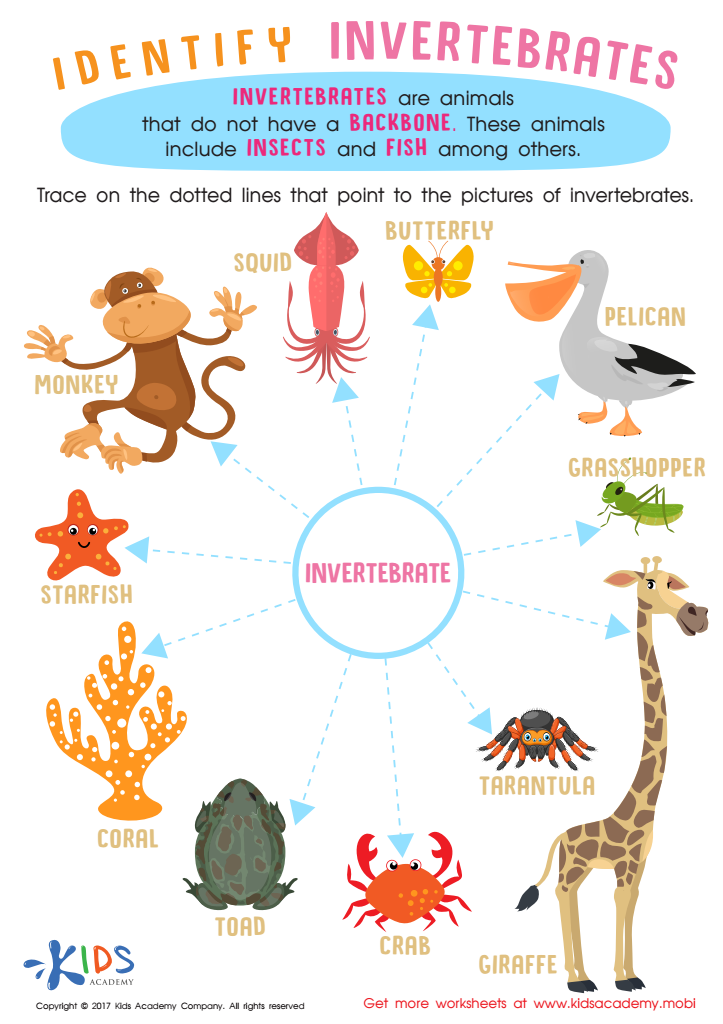
Invertebrates Worksheet for Grade 3
 Assign to My Students
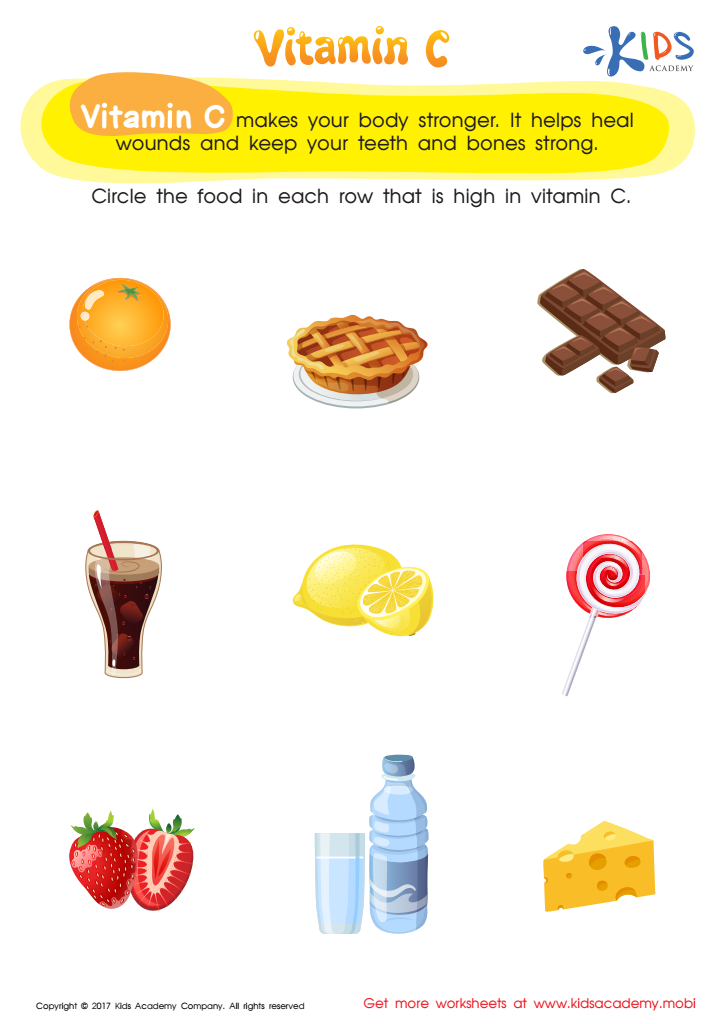
Vitamin C Worksheet
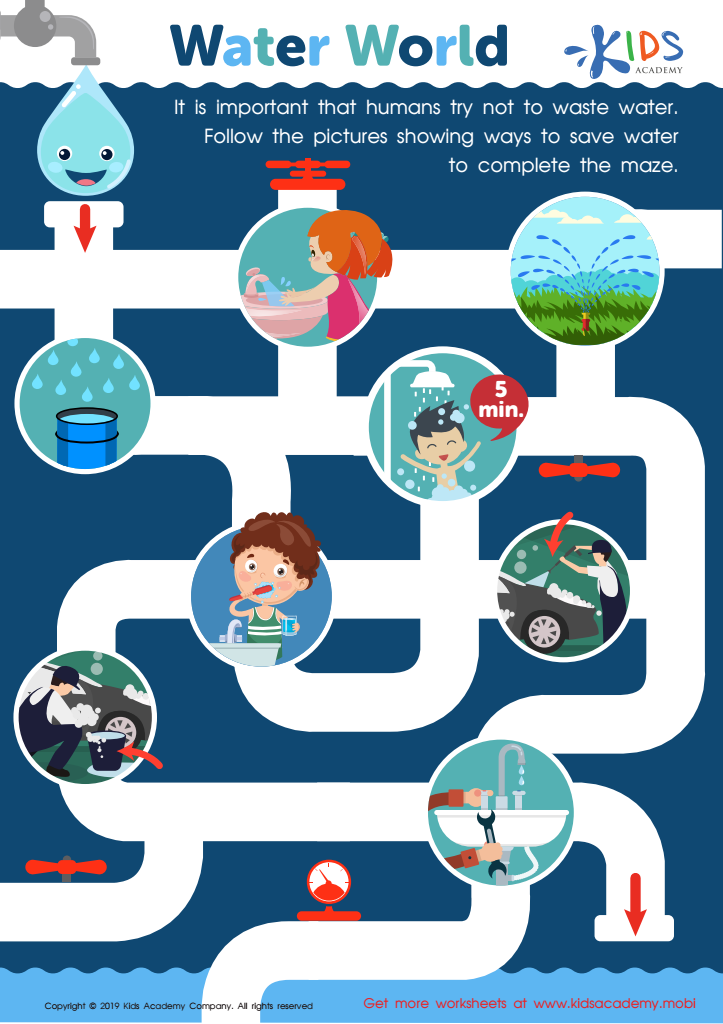
Water World Worksheet





.jpg)

Enhancing research skills in science for children ages 6-9 is vital for several reasons. Firstly, it cultivates curiosity. Young children are naturally inquisitive, and channeling this curiosity into structured research fosters a sense of wonder and drive to discover. Secondly, it builds foundational critical thinking skills. Through researching, children learn how to pose questions, gather information, assess its credibility, and then draw conclusions—skills that are essential across all areas of life.
Additionally, early research skills aid in developing literacy and comprehension. As children read scientific texts, they expand their vocabulary and improve their ability to understand complex ideas. These skills also promote creativity and problem-solving. Engaging with real-world questions encourages innovative thinking, helping children see problems from multiple angles.
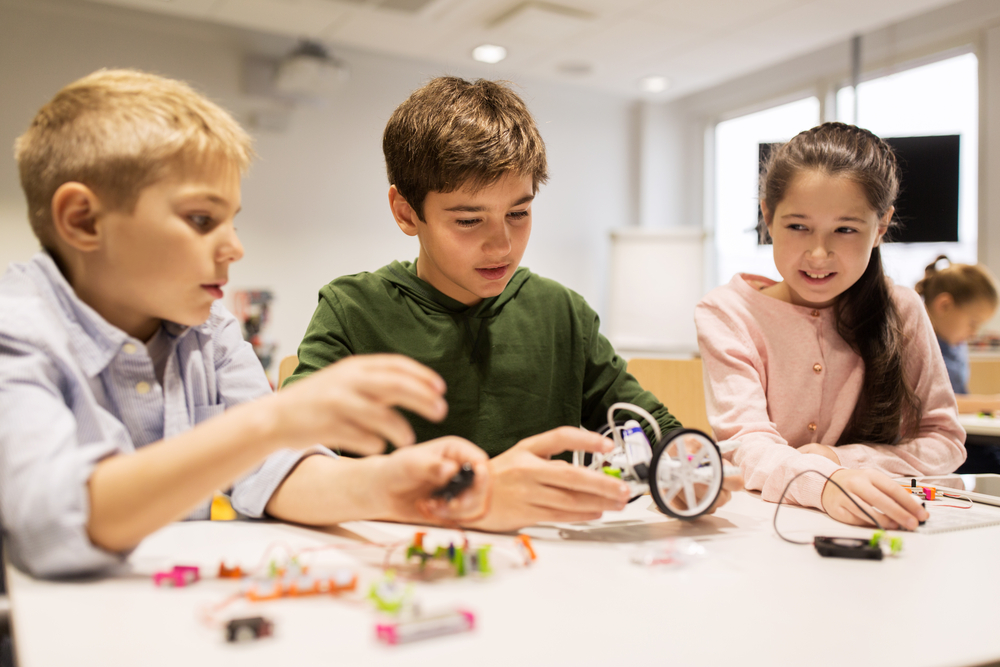
Socially, learning to research in a group setting can foster teamwork and communication skills. Discussing findings with peers teaches children to articulate their thoughts and listen to others, laying the groundwork for collaboration and consensus-building.
Finally, enhancing research skills aligns with modern educational standards which emphasize inquiry-based learning. Mastery of these skills at an early age sets a positive trajectory for academic success, nurturing lifelong learners who are well-equipped to navigate an increasingly information-rich world. Parents and teachers investing in early research skills are essentially empowering children to become independent, thoughtful, and resourceful individuals.







