Reading comprehension Science Worksheets for Ages 6-9 - Page 5
97 filtered results
-
From - To
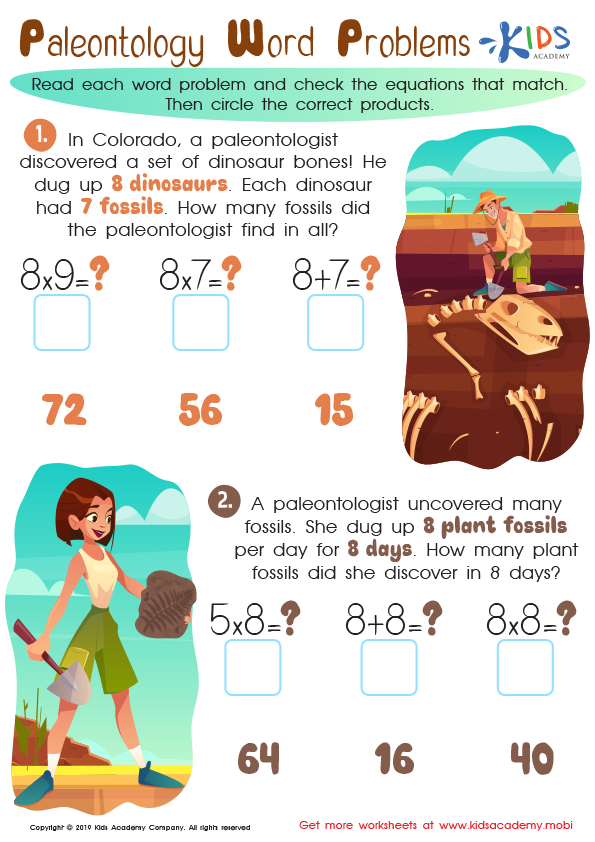
Archeology Word Problems Worksheet
 Assign to My Students




.jpg)

.jpg)

Reading comprehension is a foundational skill that significantly impacts a child's educational journey, particularly in the early grades. For children aged 6 to 9, who are developing critical thinking and analytical skills, understanding what they read is essential for academic success across subjects, especially in science. As children encounter increasingly complex topics, the ability to comprehend reading material directly affects their grasp of scientific concepts and principles.
Encouraging strong reading comprehension skills in science helps children make connections between concepts, fosters curiosity, and nurtures a love for learning. When children can interpret texts, visualize scientific processes, and engage with informational materials, they become more empowered learners, capable of asking questions and seeking answers independently.
Furthermore, proficient reading skills contribute to better performance on assessments and build confidence, which is vital during these formative years. Parents and teachers play a crucial role in promoting reading comprehension by integrating interactive reading activities, discussing scientific ideas, and encouraging storytelling that relates to scientific themes. This investment not only cultivates knowledgeable future scientists but also equips children with essential skills for lifelong learning and critical engagement with the world around them. Ensuring every child develops strong comprehension abilities in these early stages sets the groundwork for future academic achievement.







