Understanding ecosystems Science Worksheets for Ages 6-9
8 filtered results
-
From - To
Explore the fascinating world of ecosystems with our engaging science worksheets designed for ages 6-9! These comprehensive activities help young learners grasp the essentials of ecosystems, including habitats, food chains, and the interdependence of living organisms. Each worksheet incorporates fun visuals and simple explanations to promote understanding and ignite curiosity. Perfect for classroom use or home learning, these resources support educational development while keeping students excited about science. Foster a love for nature and enhance critical thinking skills as children dive into the vital concepts of ecosystems. Start your journey into the wild today with our interactive and accessible worksheets!
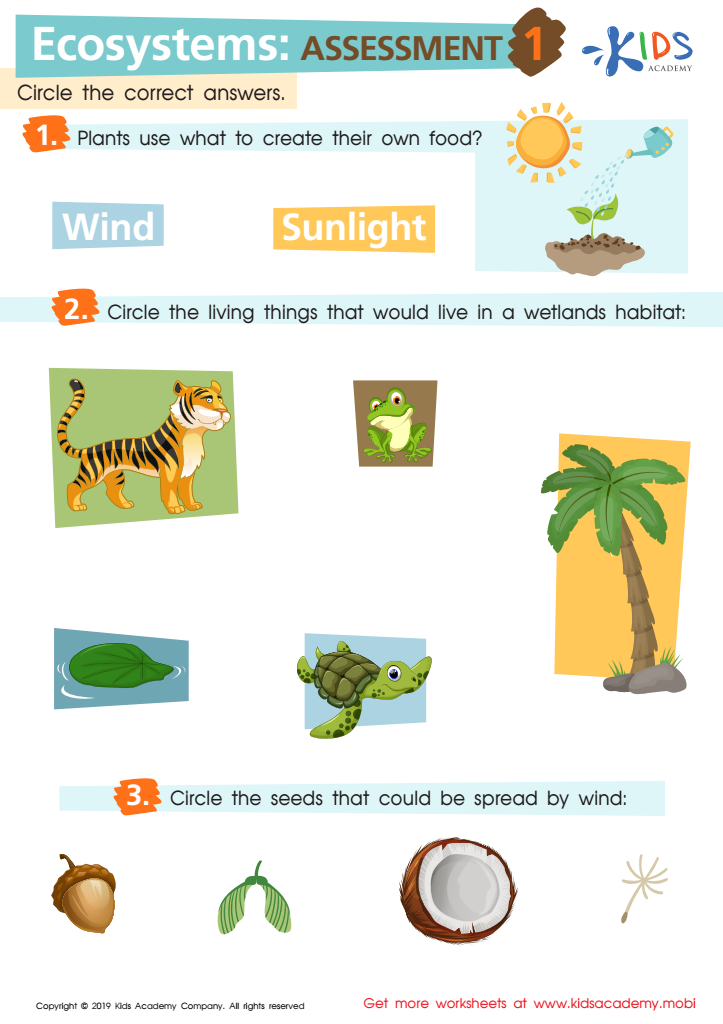
Ecosystems: Assessment 1 Worksheet
 Assign to My Students
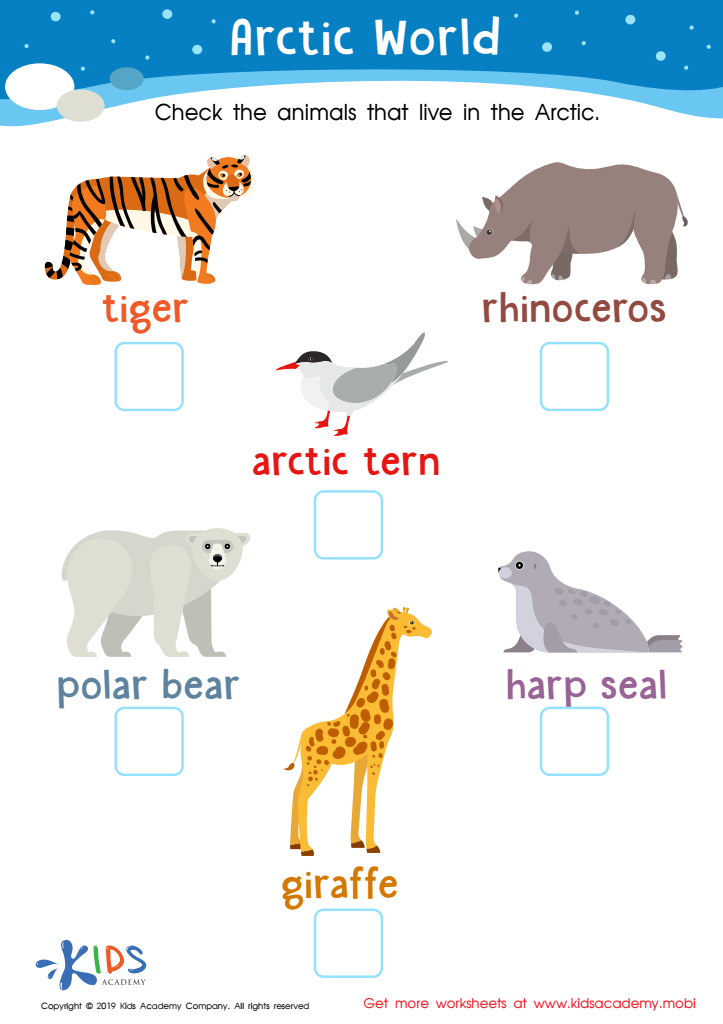
Arctic World Worksheet
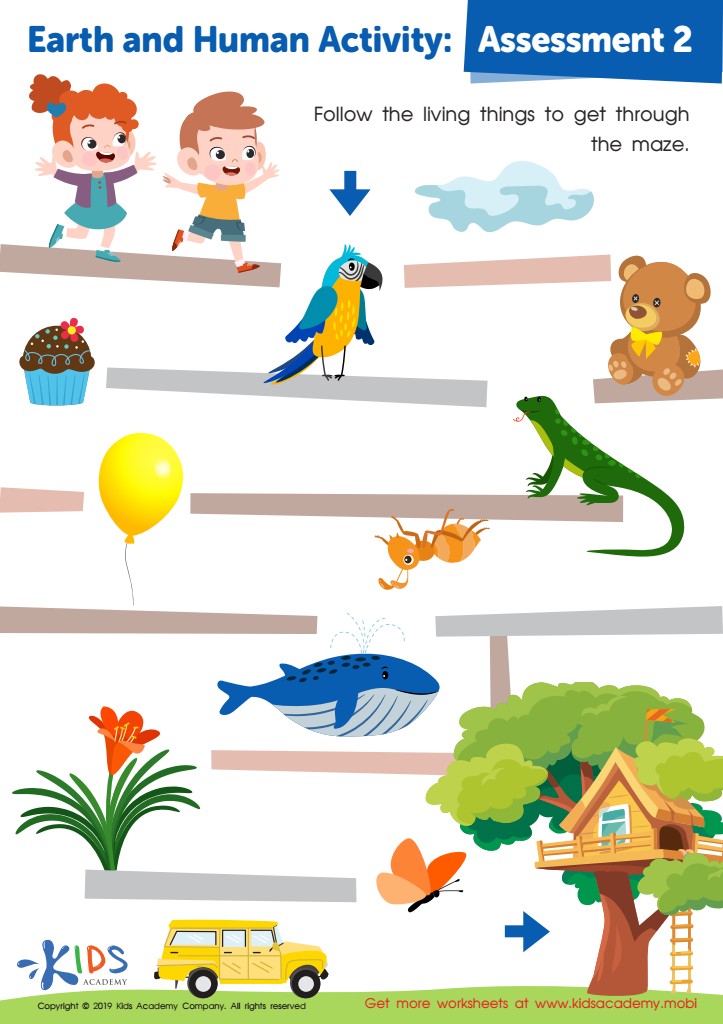
Earth and Human Activity: Assessment 2 Worksheet
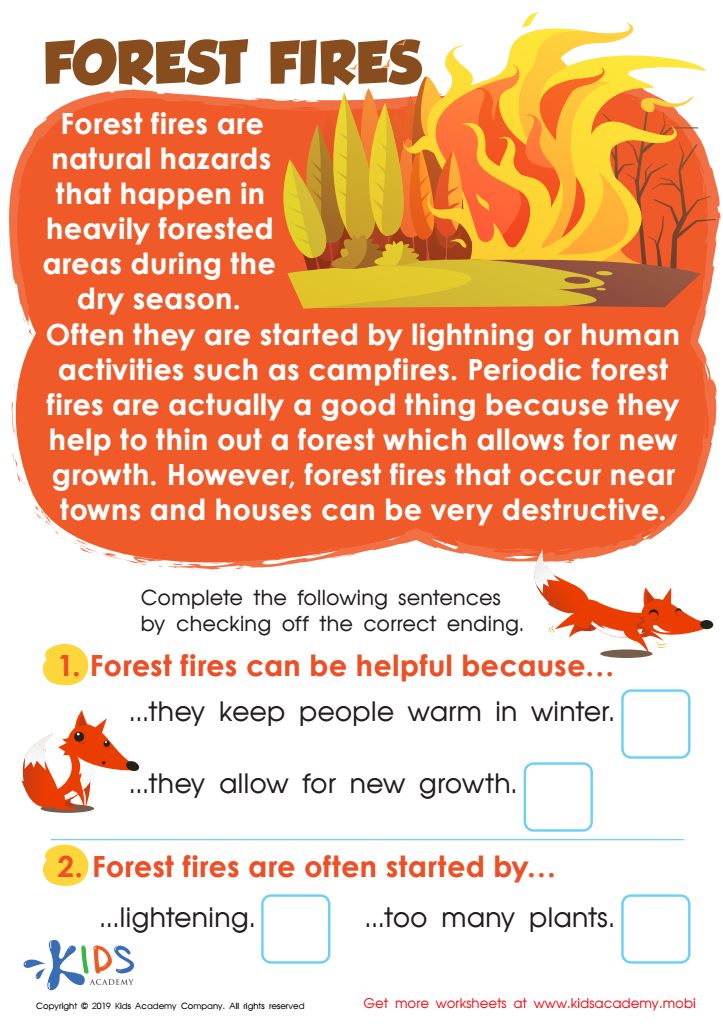
Forest Fires Worksheet
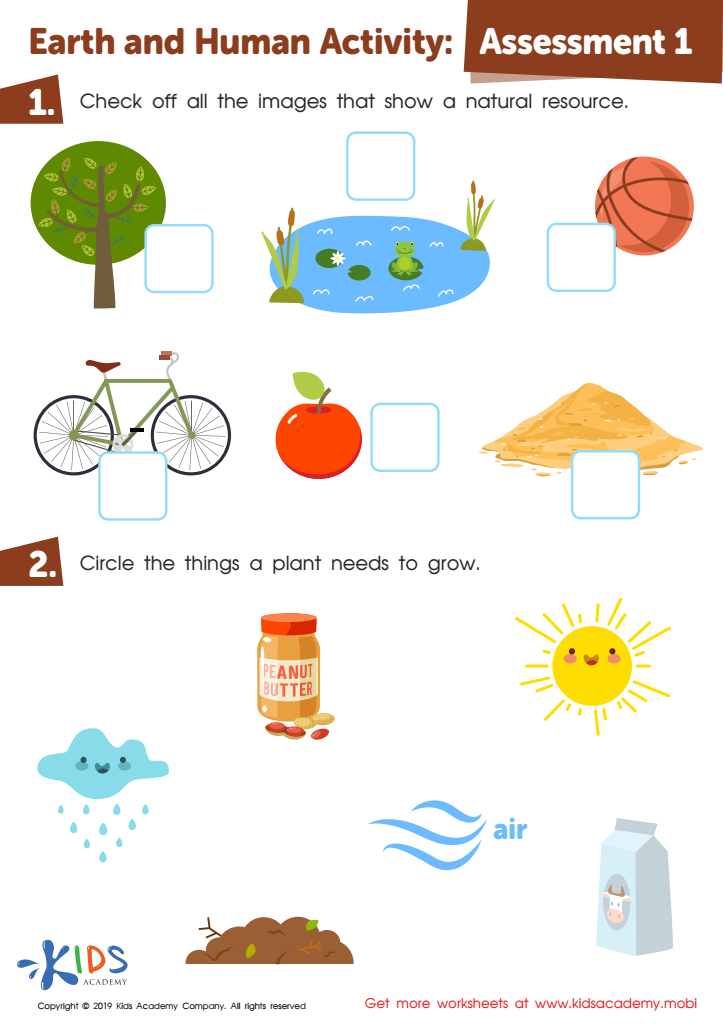
Earth and Human Activity: Assessment 1 Worksheet
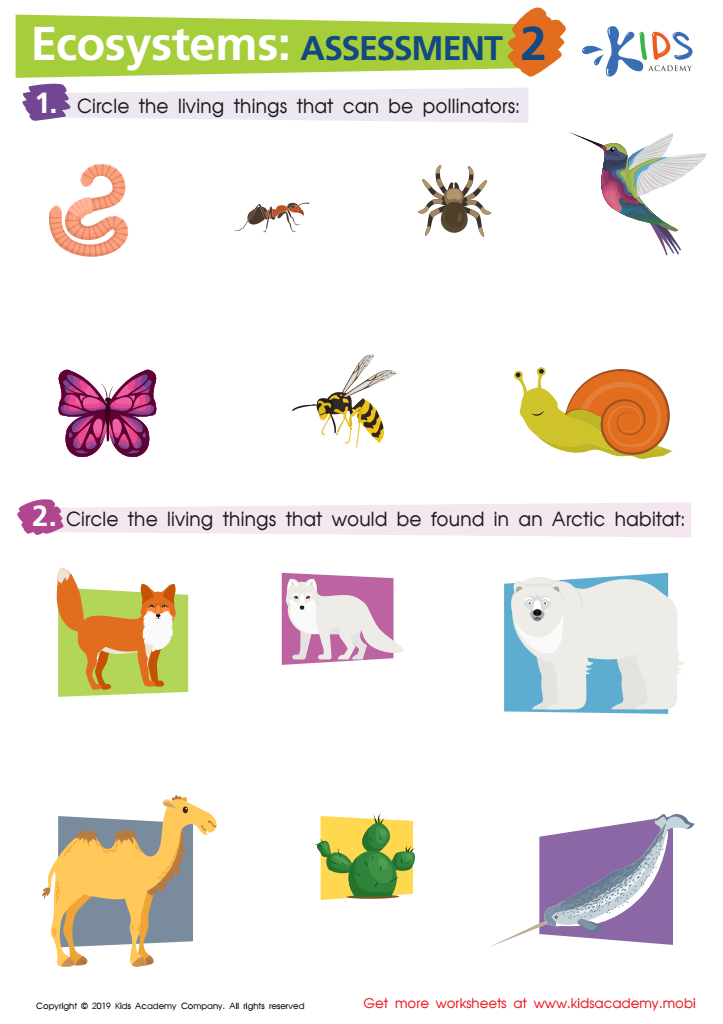
Ecosystems: Assessment 2 Worksheet
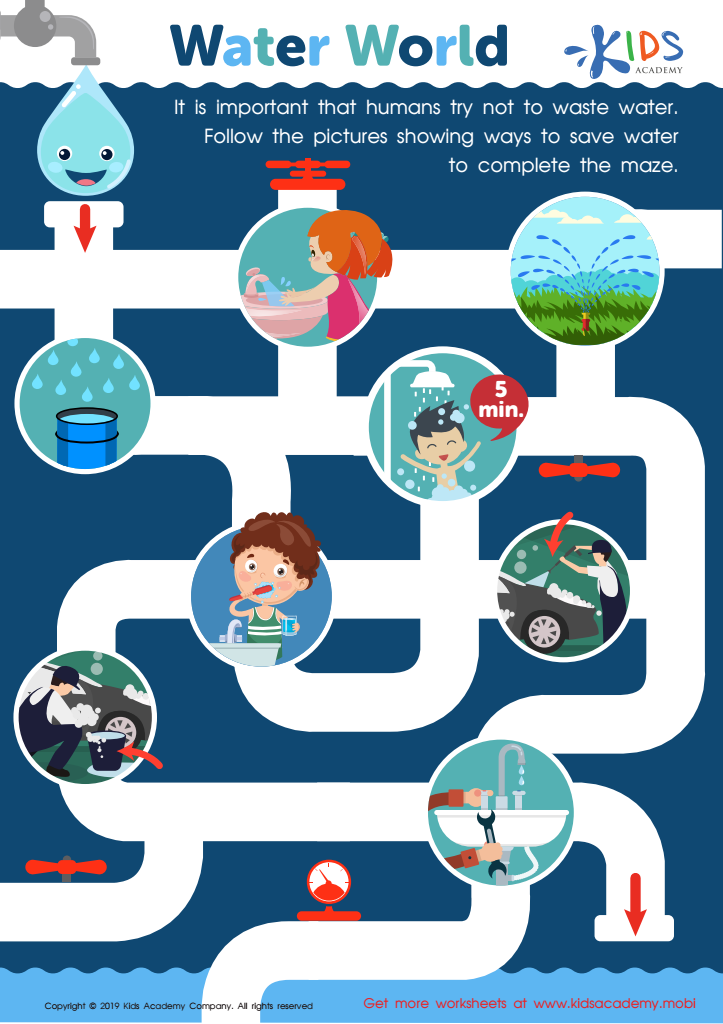
Water World Worksheet
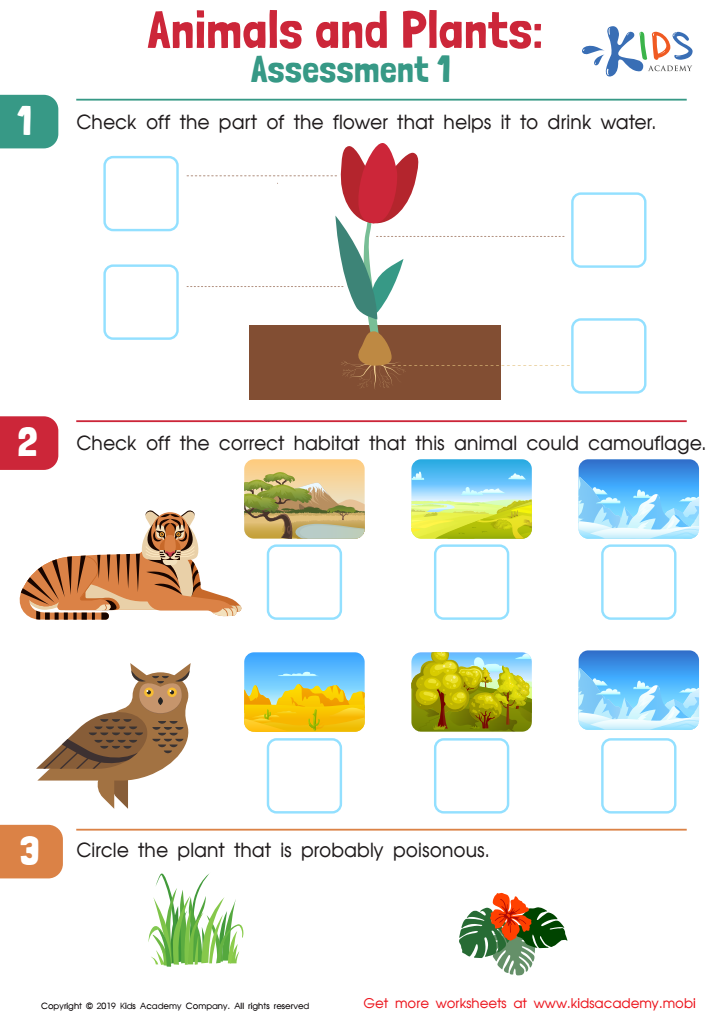
Animals and Plants: Assessment 1 Worksheet








Understanding ecosystems is crucial for children aged 6-9 as it lays the foundation for their appreciation of nature and environmental science. At this age, children are naturally curious about the world around them, and learning about ecosystems can ignite and nurture that curiosity. It fosters a sense of responsibility for the environment, encouraging young learners to appreciate the interconnectedness of living and non-living entities within their surroundings.
For parents and teachers, introducing children to ecosystems aids in the development of critical thinking and problem-solving skills. Understanding concepts like food chains, habitats, and biodiversity empowers children to observe and make sense of the complexities of nature. This knowledge can spark discussions about conservation and sustainability, instilling eco-conscious values at an early stage.
Furthermore, ecosystem education supports key areas of learning such as biology, geography, and environmental science. By integrating these concepts into the curriculum, educators can enrich children’s learning experiences, enabling them to make connections across subjects. Promoting ecosystem awareness not only aids in the academic growth of children but also cultivates future stewards of the environment who will advocate for the protection of our planet. In essence, understanding ecosystems shapes informed, responsible individuals who can contribute positively to society.







