Analyzing data Our Planet and Environment Worksheets for Ages 6-9
5 filtered results
-
From - To
Explore our “Analyzing Data: Our Planet and Environment Worksheets” designed specifically for children aged 6 to 9. These engaging worksheets foster critical thinking and help young learners develop essential data analysis skills. Through hands-on activities, students will learn to interpret charts, graphs, and various data sets related to environmental topics. Our age-appropriate tasks encourage curiosity about the planet, facilitating a deeper understanding of ecological concepts. Perfect for both classroom and home learning, these worksheets provide a fun way for kids to explore their surroundings, promote teamwork, and enhance their analytical abilities. Dive into the world of our environment today!
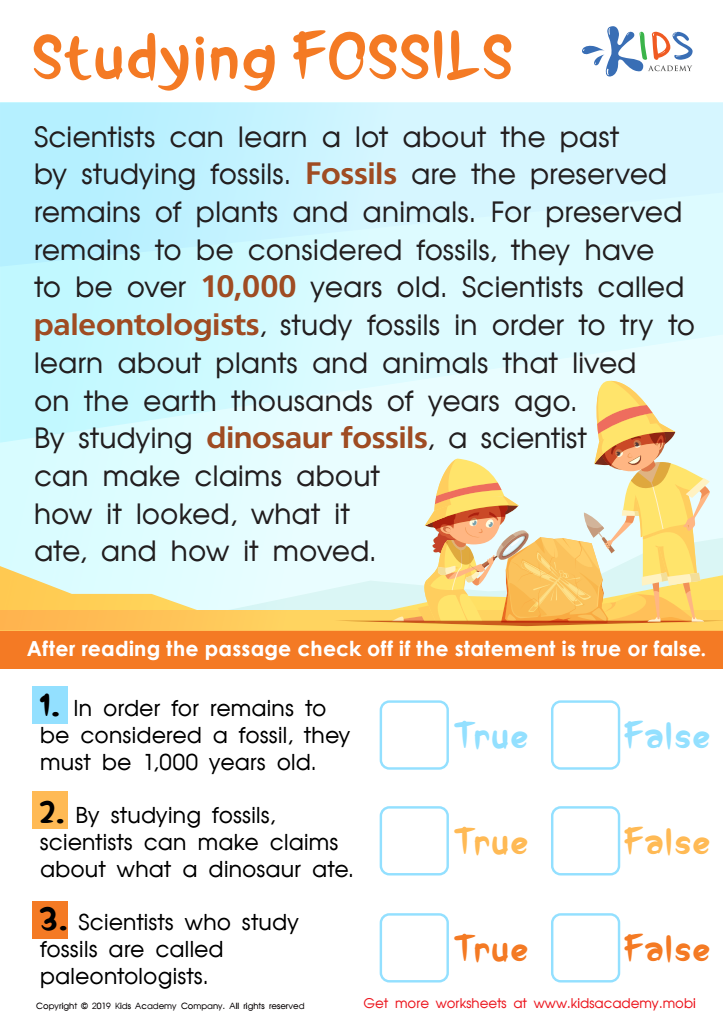
Studying Fossils Worksheet
 Assign to My Students
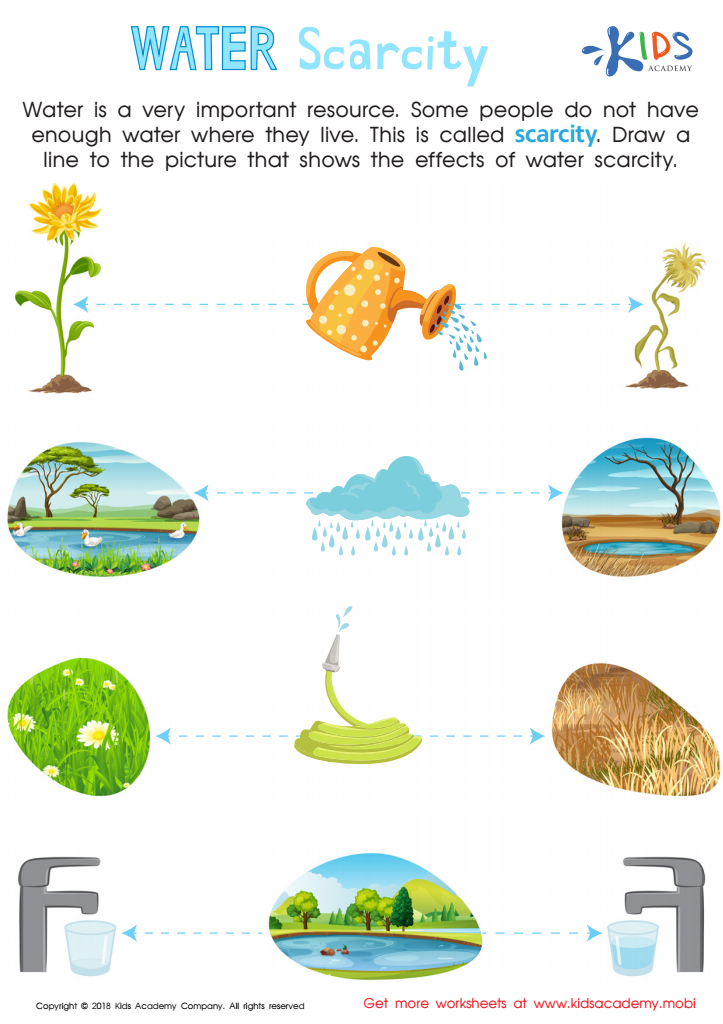
Water Scarcity Worksheet
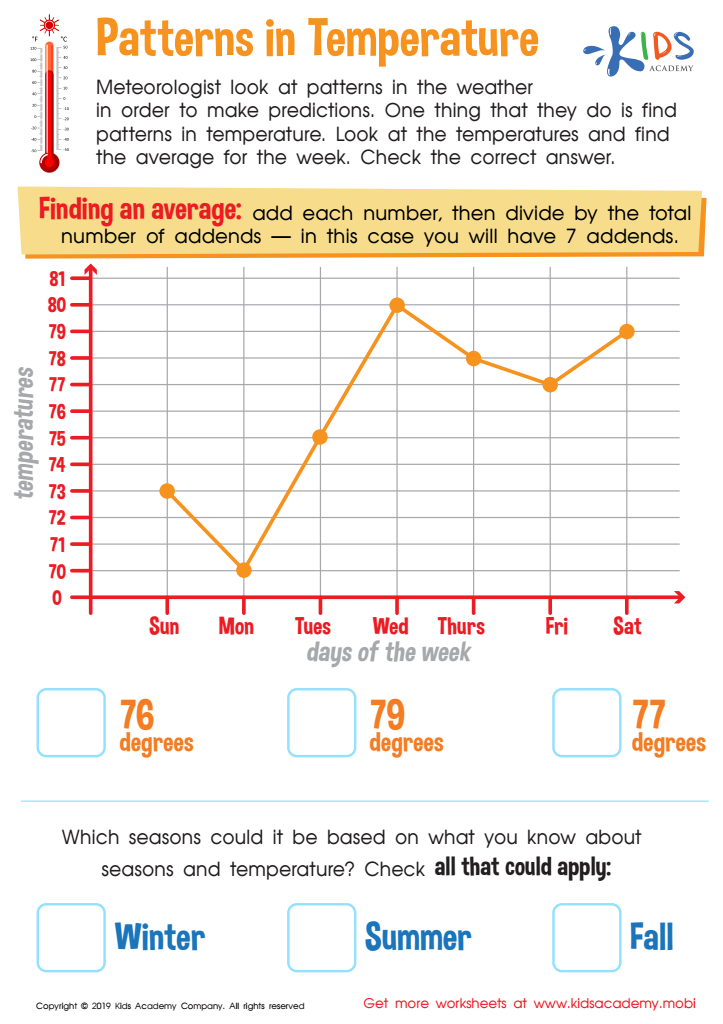
Patterns in Temperature Worksheet
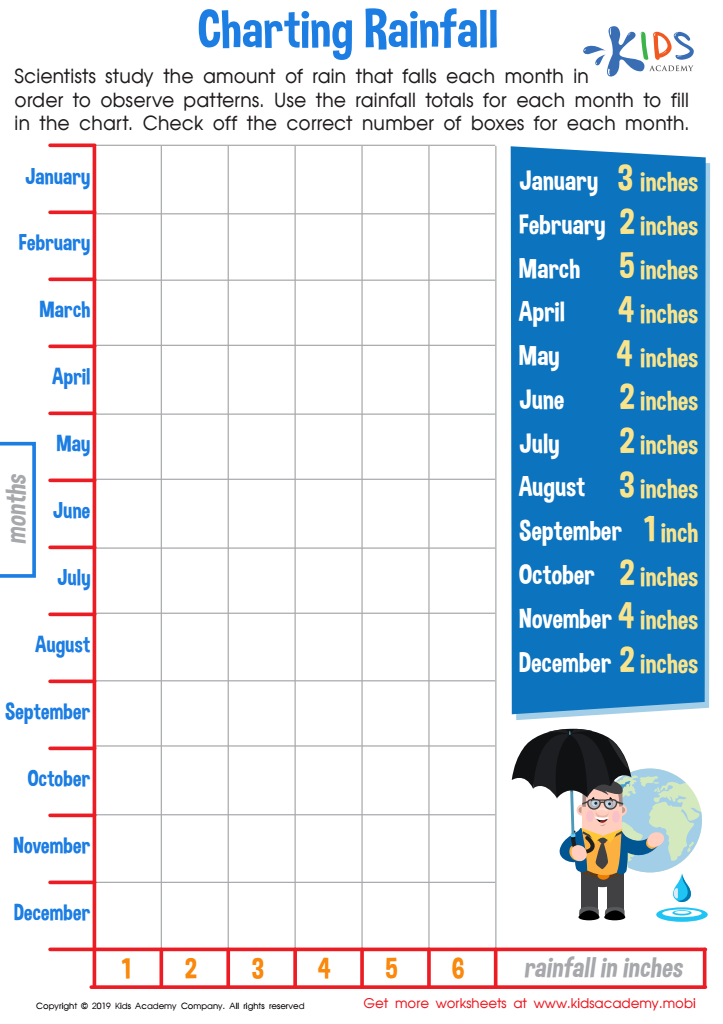
Charting Rainfall Worksheet
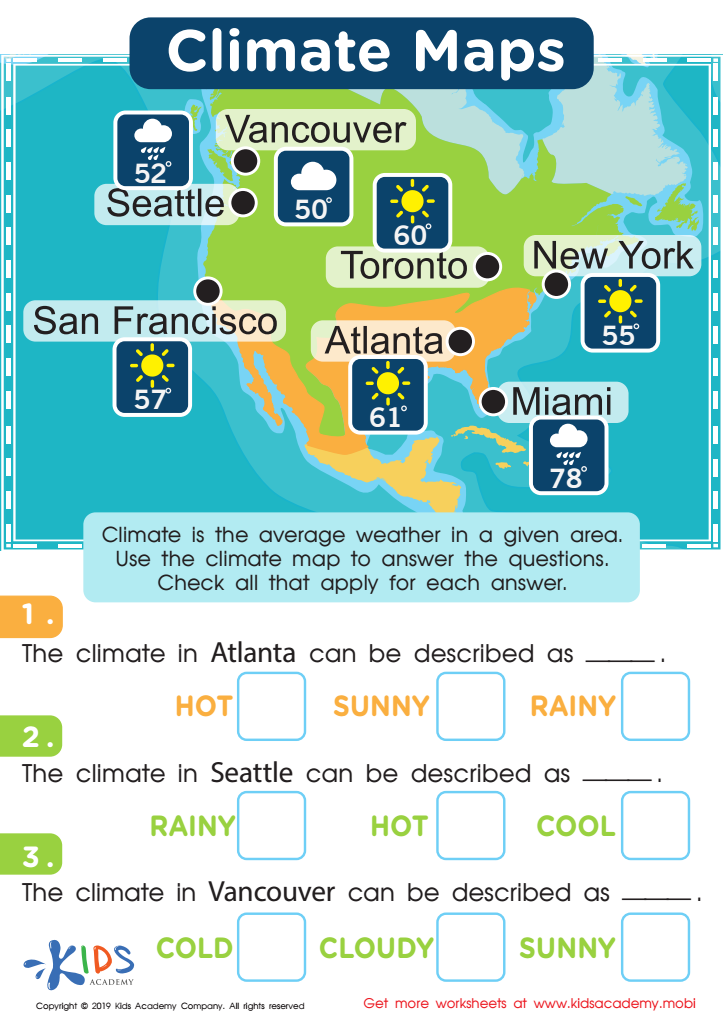
Climate Maps Worksheet







Analyzing data about our planet and environment is crucial for parents and teachers, especially for children aged 6-9, as it fosters curiosity and responsibility towards the world they inhabit. Engaging young learners in environmental data empowers them to understand complex concepts like ecosystems, climate change, and sustainability in an age-appropriate manner. By analyzing data together, adults can facilitate discussions about patterns, causes, and effects in nature, enhancing critical thinking skills.
This practice promotes an early sense of stewardship, encouraging children to consider their role in protecting the environment. Additionally, it educates them about the interdependence of living organisms and their habitats, which is foundational knowledge for becoming environmentally-conscious citizens. Early exposure to data analysis also contributes to developing numeracy and analytical skills.
Moreover, the interactive nature of data is appealing to young learners, making environmental education engaging and relevant. Parents and teachers can help instill values of teamwork and community responsibility by associating data analysis with group projects or outdoor activities. Ultimately, by prioritizing this engagement, adults can inspire future generations to drive positive change for our planet, nurturing a lasting commitment to conservation and sustainable living.







