Categorization skills Plants and Animals Worksheets for Ages 6-9
4 filtered results
-
From - To
Unlock the wonders of science with our "Categorization Skills: Plants and Animals Worksheets" designed specifically for kids ages 6-9. These engaging worksheets help young learners categorize various plants and animals, enhancing their critical thinking and observational skills. Through fun activities and colorful illustrations, children will explore different species, understand their characteristics, and learn the importance of biodiversity. Aligned with educational standards, these worksheets foster a love for nature and encourage curiosity about the environment. Perfect for home or classroom use, they're an excellent resource for reinforcing science concepts while making learning enjoyable. Start your child's adventure in science today!
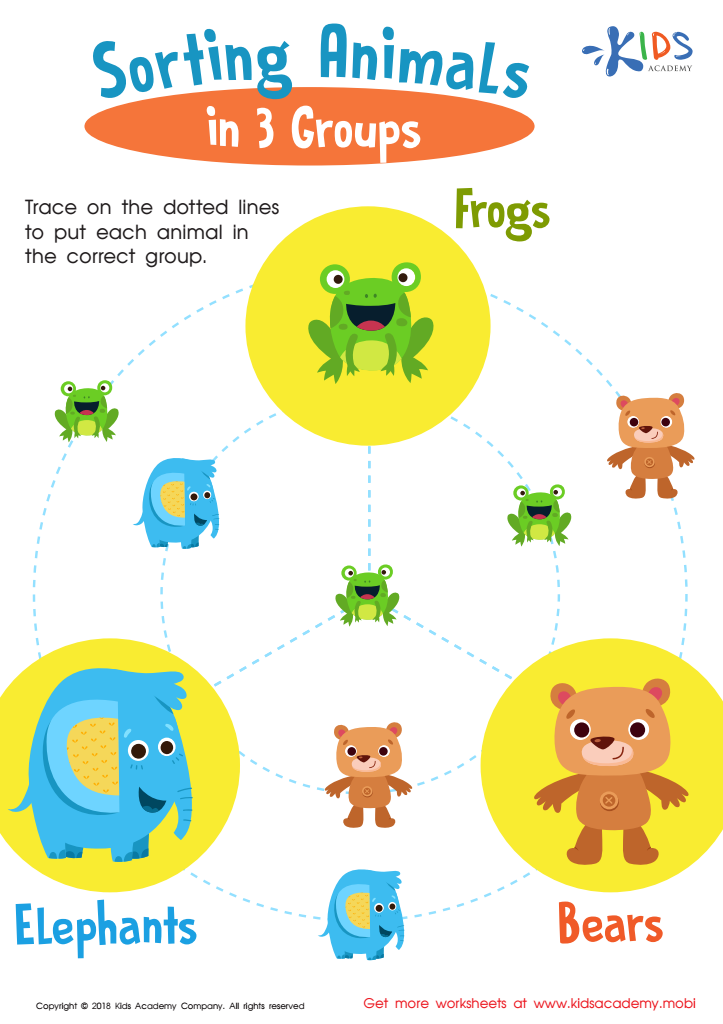
Sorting Animals in 3 Groups Worksheet
 Assign to My Students











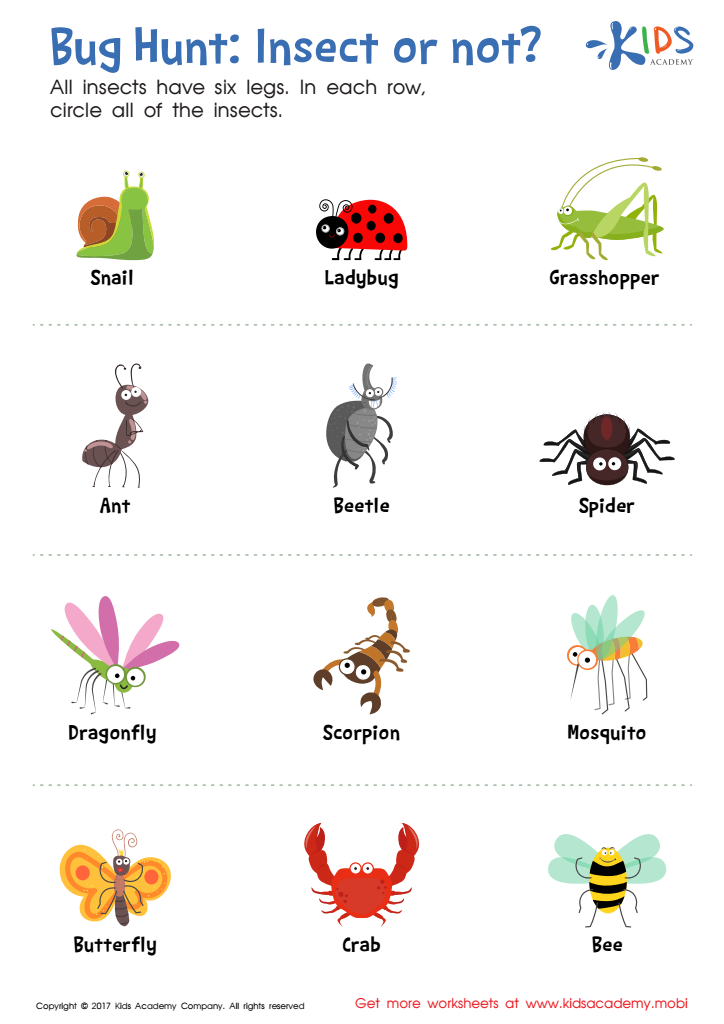
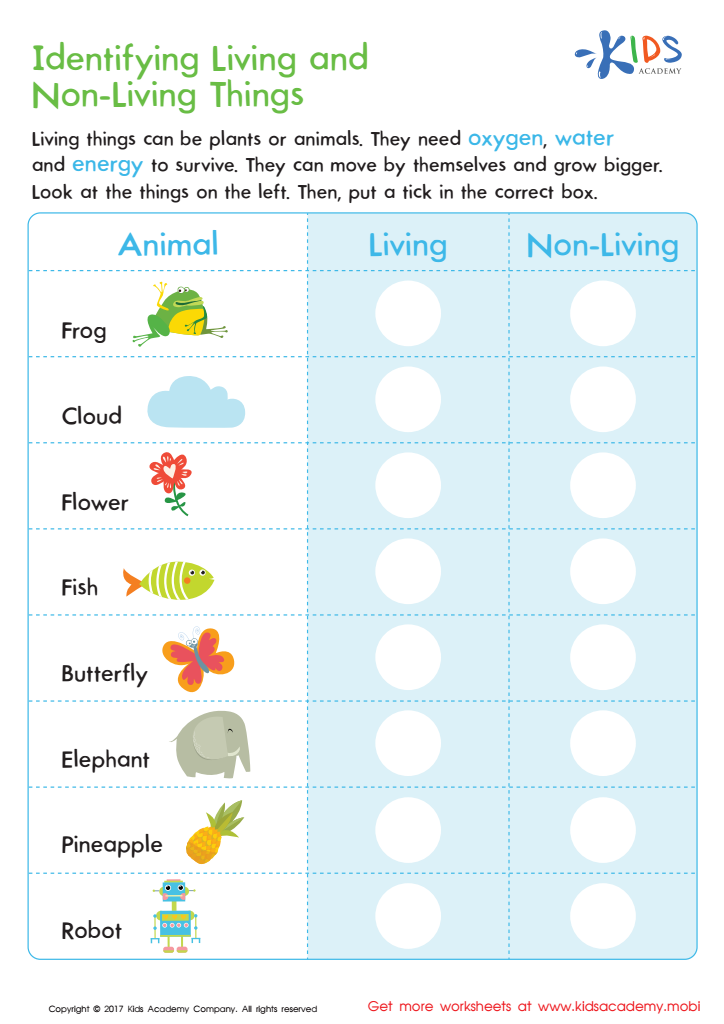
Identifying Living or Non–living Worksheet
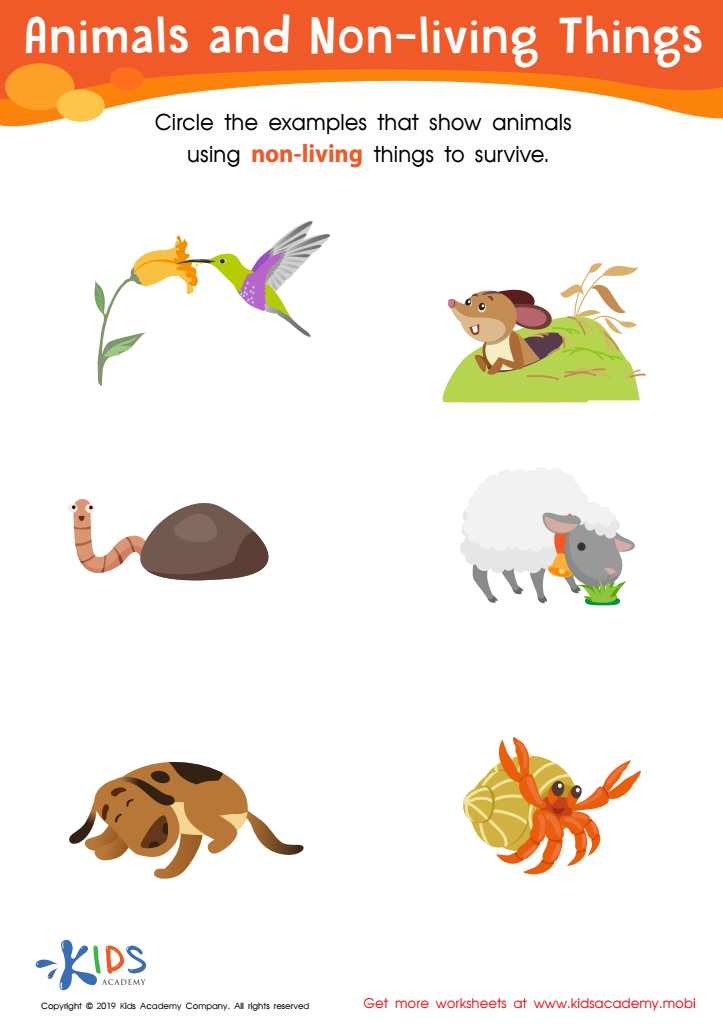
Animals and Non-Living Things Worksheet







Categorization skills in young learners, particularly in understanding plants and animals, are vital for several reasons. First, these skills enhance critical thinking. As children identify and group living things based on shared characteristics, they develop the ability to analyze and draw connections. This broader understanding fosters curiosity about the natural world and encourages exploration.
Second, early mastery of categorization promotes language development. When children categorize plants and animals, they learn new terms and vocabulary, such as “mammal,” “reptile,” “herbaceous,” or “deciduous.” This enriched language fosters improved communication skills, enabling students to articulate their thoughts and feelings effectively.
Furthermore, categorization skills nurture environmental awareness and responsibility. Knowing the different categories of plants and animals instills a sense of respect and value for nature, encouraging children to become stewards of the environment. Familiarity with biodiversity can lead to a lifelong interest in conservation and ecology.
Finally, mastering categorization prepares students for future academic subjects such as biology and ecology. By laying a solid foundation in these early years, parents and teachers help children build essential skills that will benefit them in both their academic journeys and as conscientious members of society.








