Observation skills Plants and Animals Worksheets for Ages 6-9
3 filtered results
-
From - To
Enhance your child's observation skills with our engaging "Plants and Animals Worksheets" tailored for ages 6-9. These worksheets encourage young learners to closely examine and compare different plants and animals, fostering critical thinking and attention to detail. Aligned with early science concepts, activities include identifying characteristics, making observations, and exploring habitats. Conveniently printable, each worksheet is designed to make learning fun while building a foundational understanding of the natural world. Empower your child to observe, inquire, and appreciate the wonders of plants and animals through these thoughtfully crafted exercises. Perfect for home or classroom use!
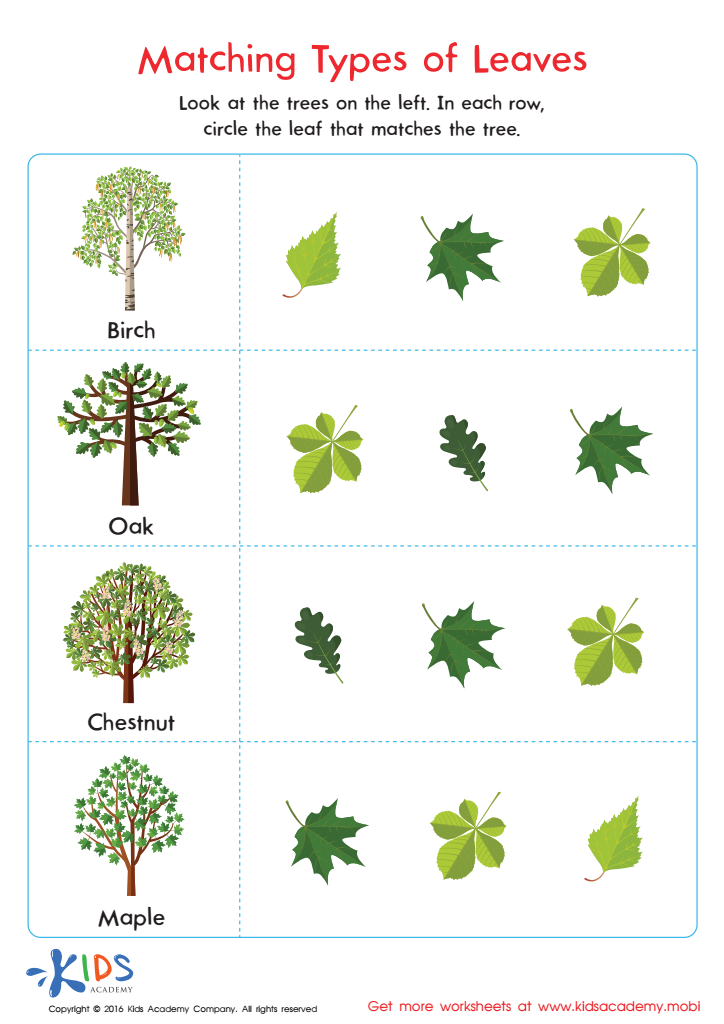
Matching Types of Leaves Printable
 Assign to My Students
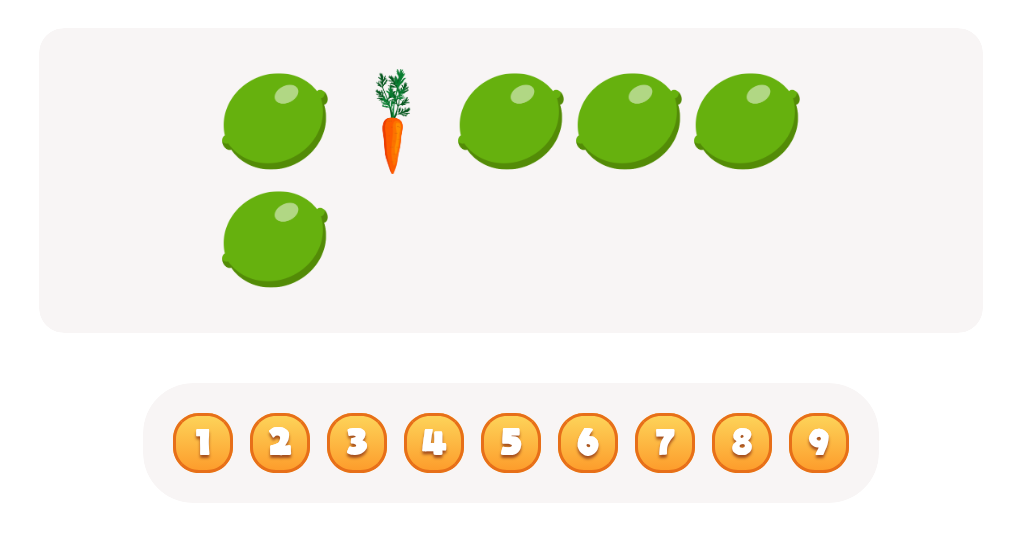

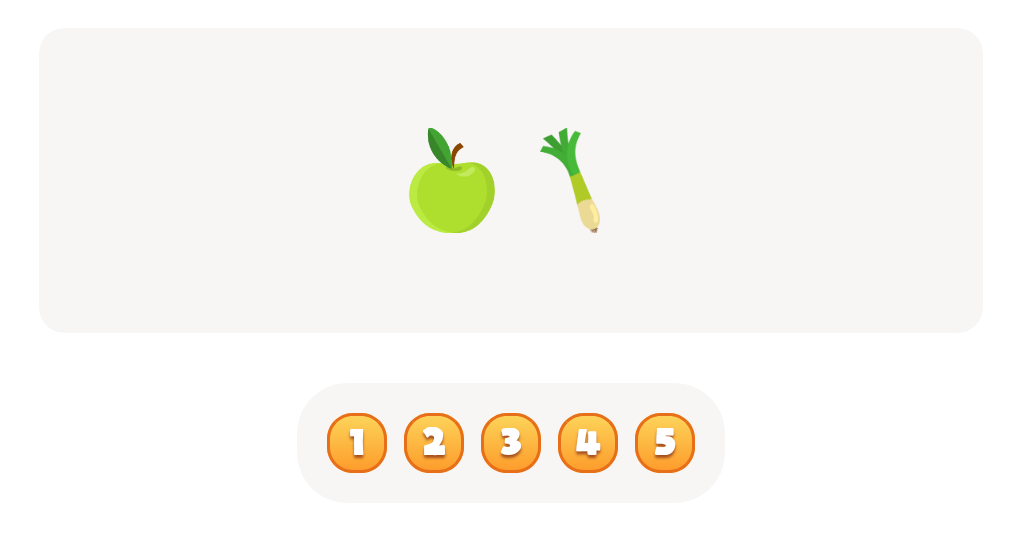
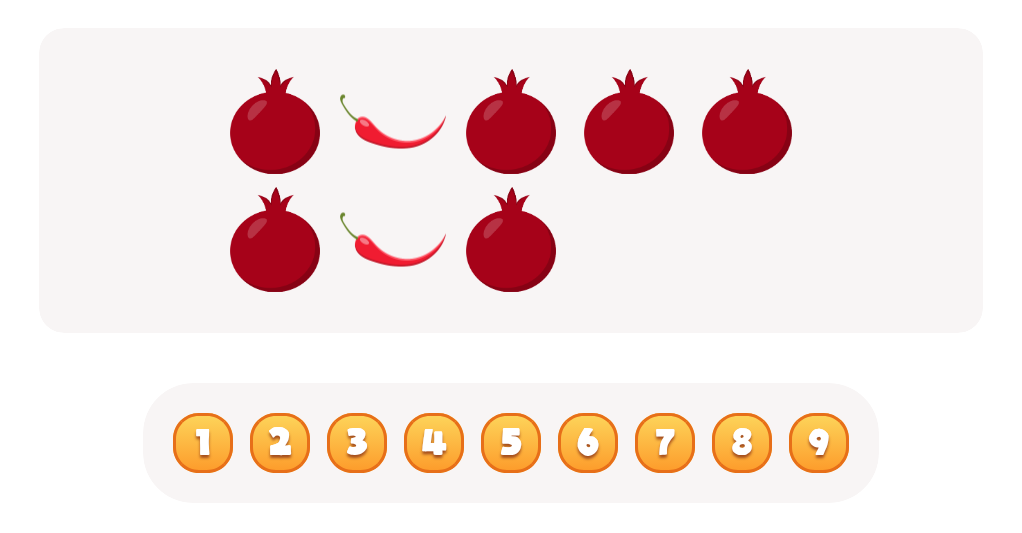
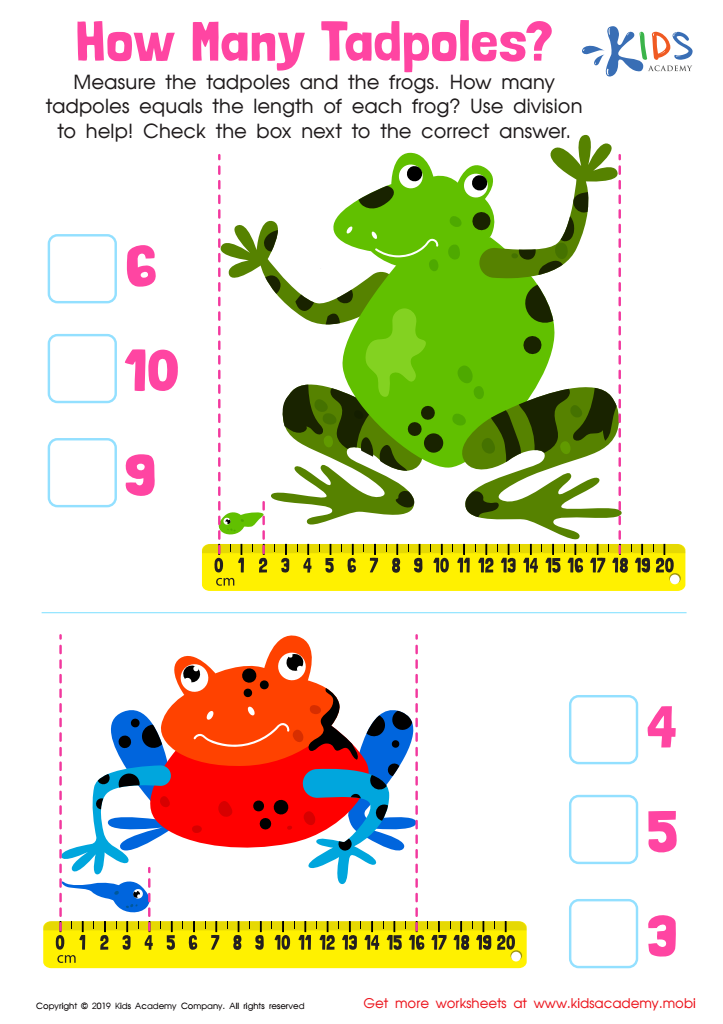
How Many Tadpoles Worksheet
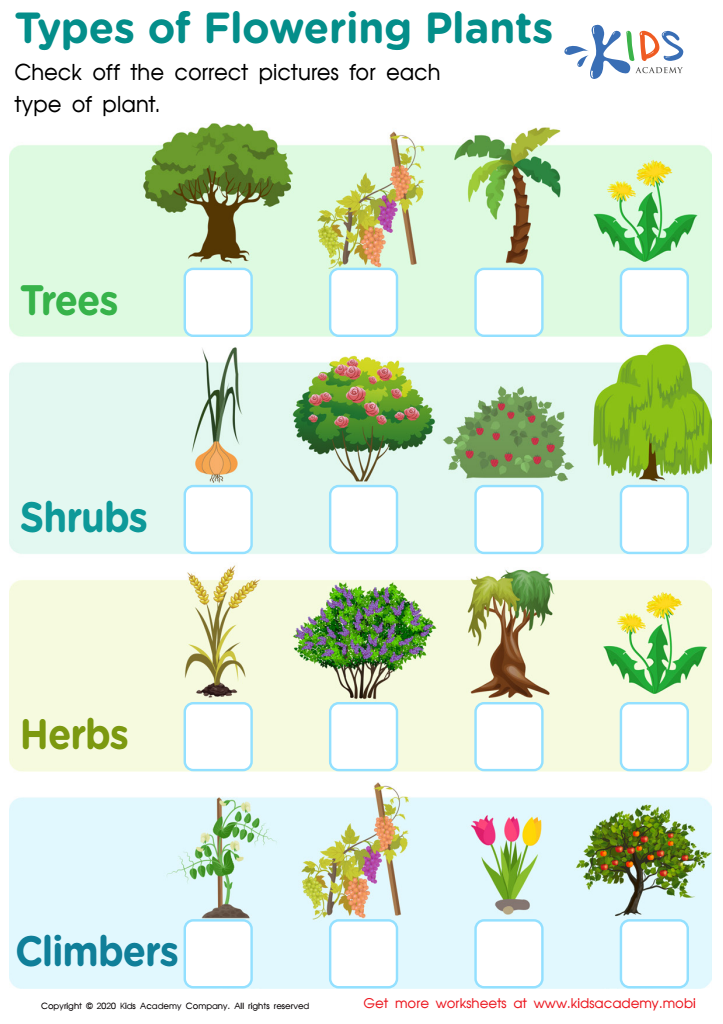
Types of Flowering Plants Worksheet








Observation skills are vital for children aged 6-9, particularly in understanding plants and animals. At this developmental stage, children are naturally curious about the world around them. Encouraging them to observe their environment fosters critical thinking and scientific inquiry. By honing their observation skills, children learn to notice details, patterns, and changes in nature, which heightens their awareness and appreciation of biodiversity.
Parents and teachers should care about nurturing these skills as they serve as the foundation for scientific literacy. When children observe plants and animals closely, they begin to understand basic biological concepts such as habitats, ecosystems, and life cycles. This understanding not only enriches their knowledge but also promotes empathy towards living things, encouraging responsible stewardship of the environment.
Furthermore, these skills enhance academic performance by improving focus and concentration, leading to better learning outcomes. Activities that promote observation, such as nature walks and garden projects, also boost creativity and communication as children discuss their findings with peers and adults. Ultimately, fostering observation skills in this age group will cultivate a generation of informed, caring individuals who can engage with and protect the natural world.








