Grammar skills Writing Worksheets for Ages 6-9
5 filtered results
-
From - To
Enhance your child's writing abilities with our engaging Grammar Skills Writing Worksheets for ages 6-9! Designed to make learning fun, these worksheets help young learners master essential grammar concepts such as sentence structure, punctuation, and parts of speech. With creative exercises that foster critical thinking and language development, kids will enjoy practicing their skills while gaining confidence in their writing. Perfect for home practice or classroom use, our printable resources support educators and parents alike in creating a solid foundation in grammar. Explore our collection and empower your child to improve their writing skills today!
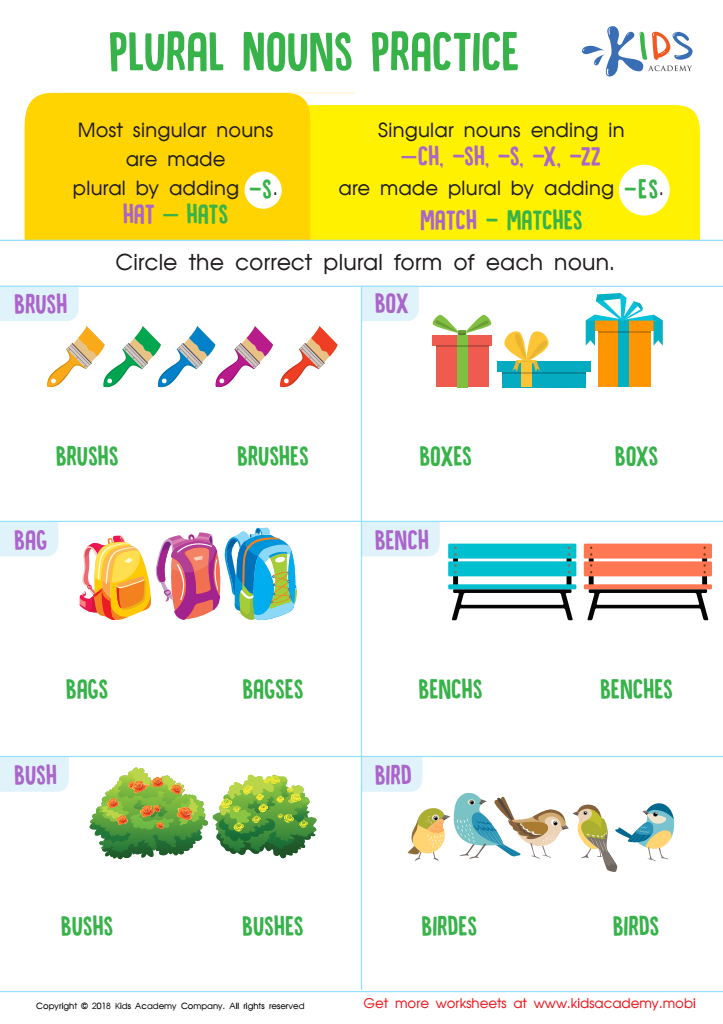
Plural Nouns Practice Worksheet
 Assign to My Students
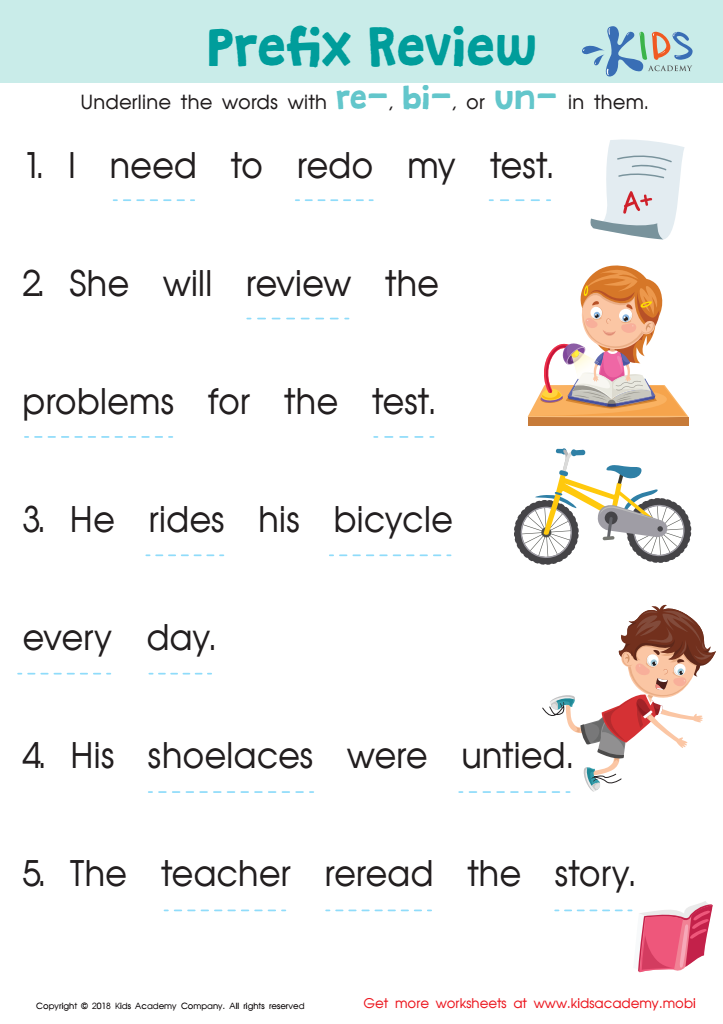
Prefix Review Worksheet
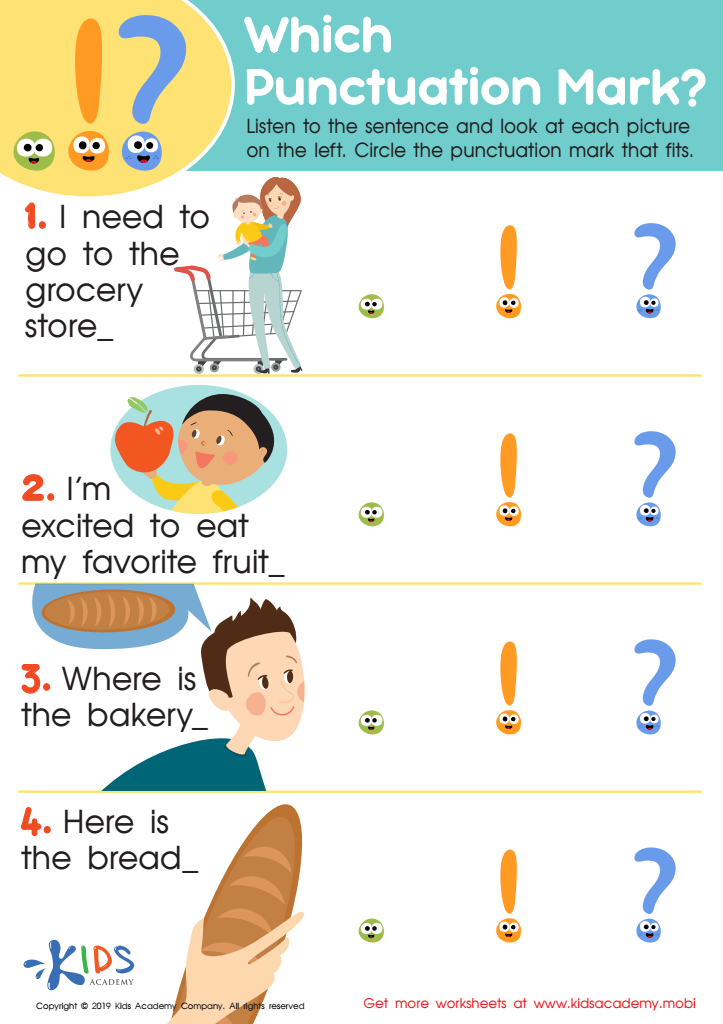
Which Punctuation Mark Worksheet
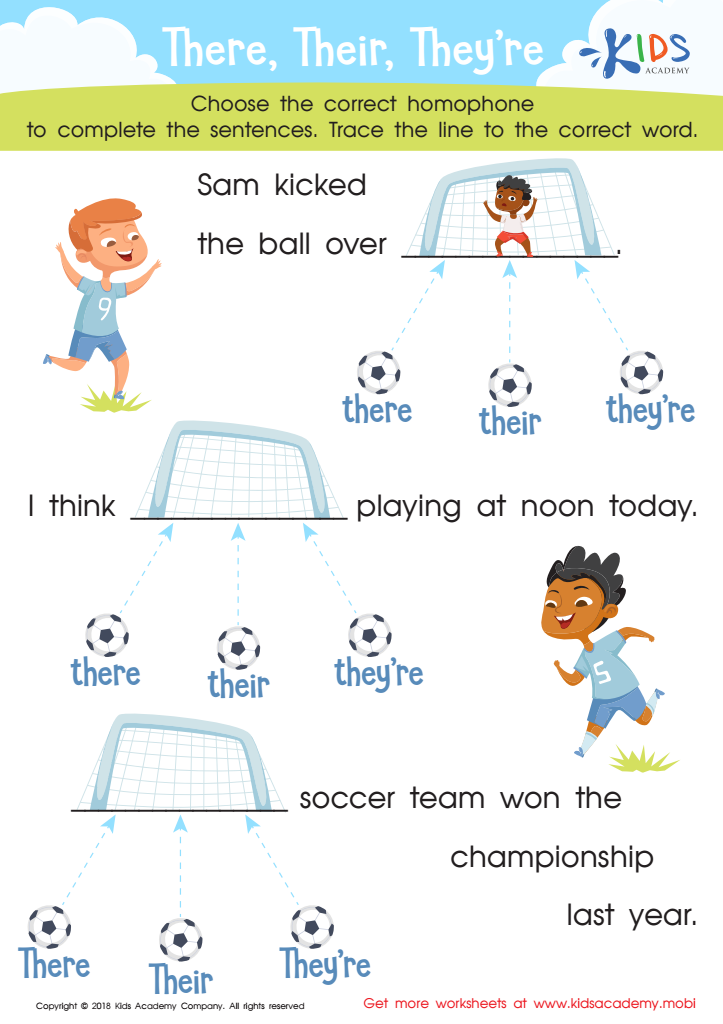
There, Their, They're Worksheet
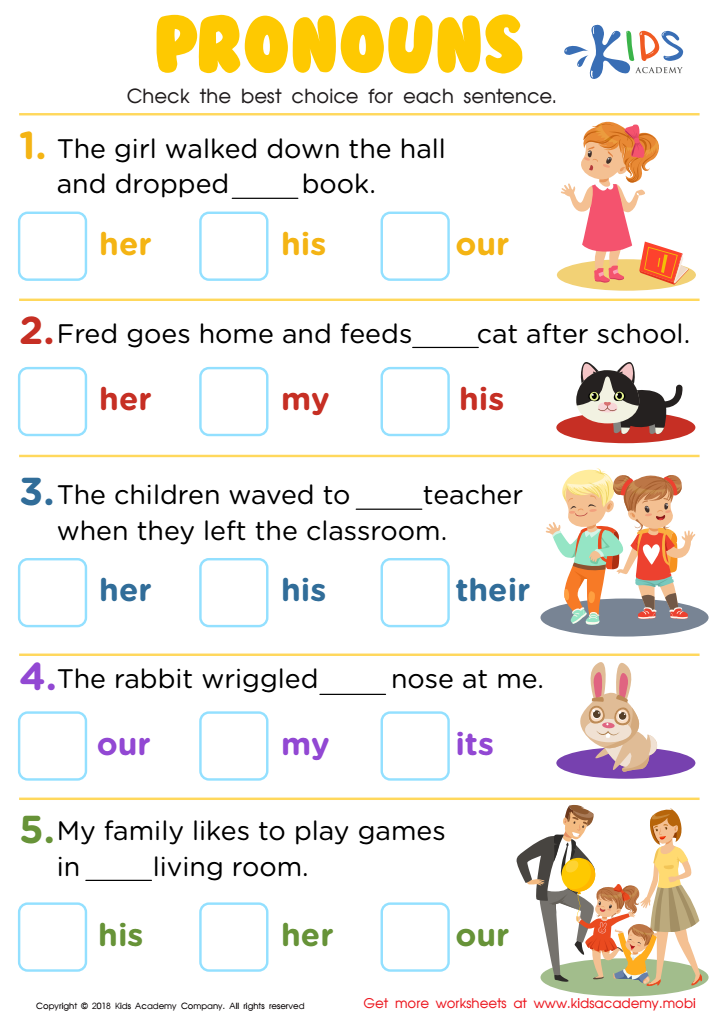
Pronouns Worksheet







Grammar skills are crucial for children aged 6-9 as they form the foundation for effective communication, both in writing and speaking. At this age, children are developing their writing abilities and learning to express their thoughts and ideas clearly. Mastering grammar aids them in constructing sentences that make sense and convey meaning accurately, which is essential for academic success and social interaction.
Furthermore, strong grammar skills enhance a child’s reading comprehension. As they encounter various texts, understanding grammatical structures helps them decode and interpret content better. Parents and teachers play a pivotal role in this learning journey; their support can significantly influence a child's confidence and willingness to engage in writing activities.
In an increasingly digital world, where communication often occurs through text messages and emails, having a solid grasp of grammar is vital. It fosters professionalism and respect in interactions, and children who write well are more likely to have their voices and ideas taken seriously.
In summary, fostering grammar skills in children ages 6-9 greatly enriches their educational experience, encourages self-expression, and equips them for future academic and personal relationships. Investing in these skills now sets the stage for lifelong literacy competence.








