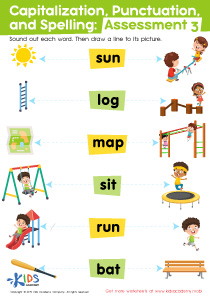
Phonics practice Writing Worksheets for Ages 6-9
4 filtered results
-
From - To
Unlock the world of reading with our engaging Phonics Practice Writing Worksheets for ages 6-9. Our expertly designed resources help children decode words, improve spelling, and enhance their overall literacy skills through interactive exercises. With colorful visuals and fun activities, each worksheet helps build foundational phonics knowledge tailored to young learners. Additionally, our comprehensive approach nurtures not only phonics skills but also boosts confidence in writing and reading fluency. Perfect for both classroom environments and at-home learning, these worksheets ensure your child’s educational journey is both effective and enjoyable. Make every reading session a stepping stone to success with our innovative phonics practice worksheets.
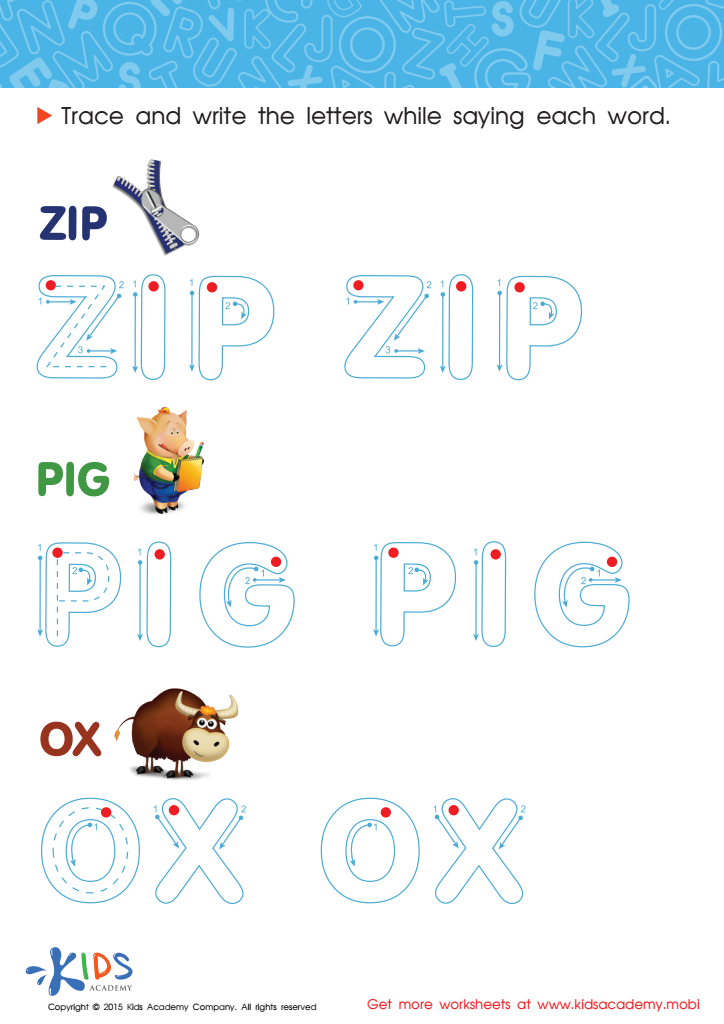
A Zip, a Pig and an Ox Spelling Worksheet
 Assign to My Students
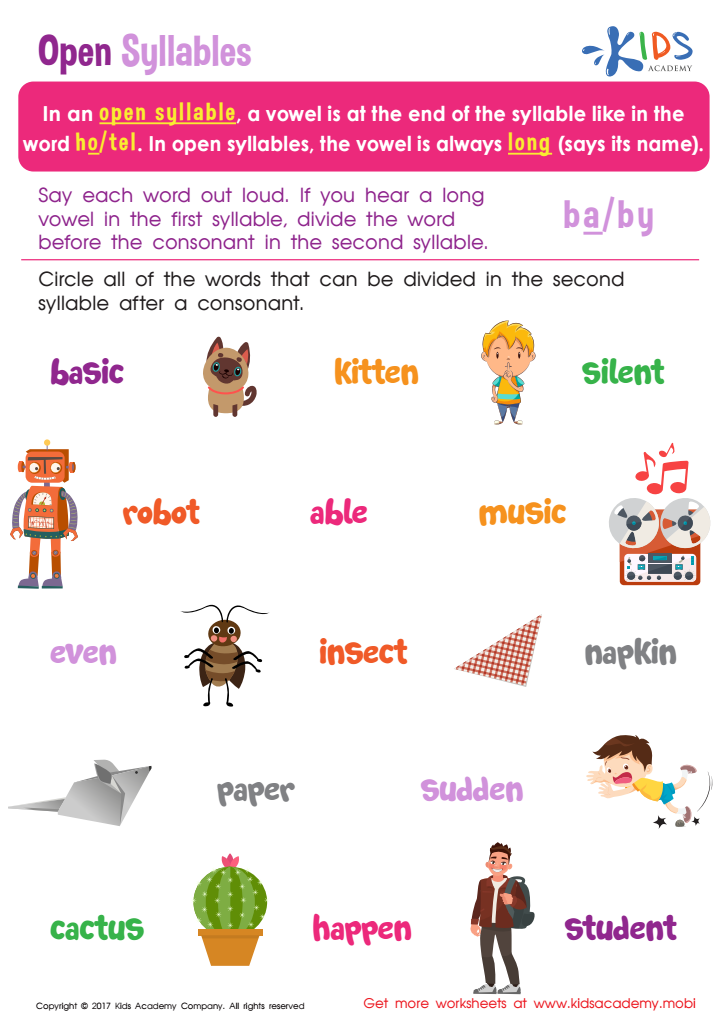
Open Syllable Printable Worksheet
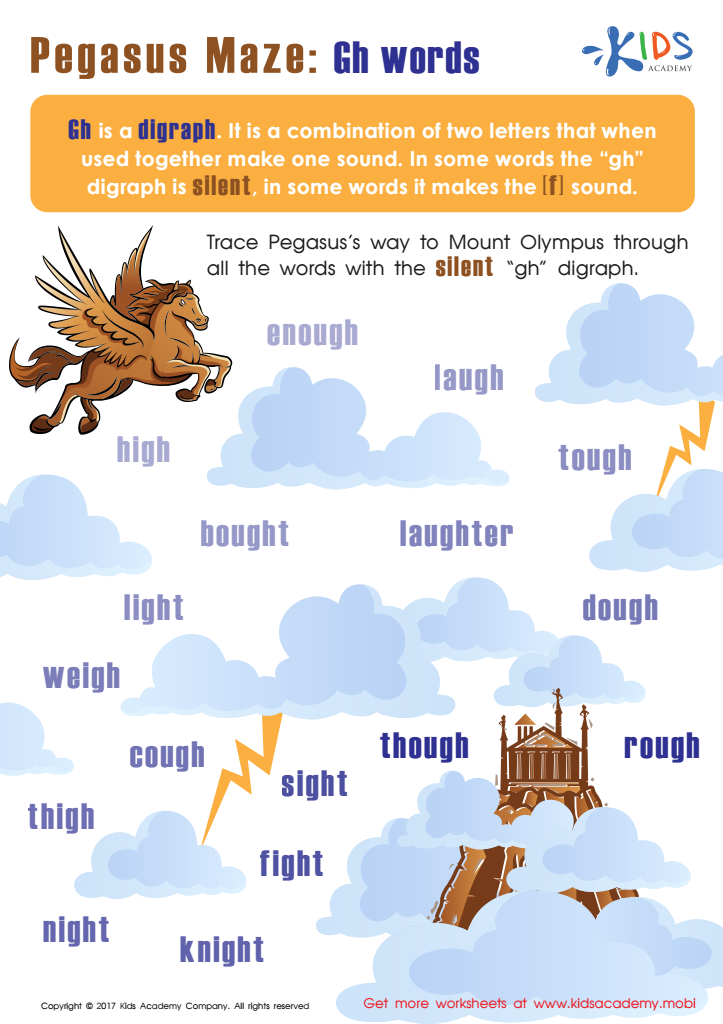
Pegasus Maze: GH Words Worksheet
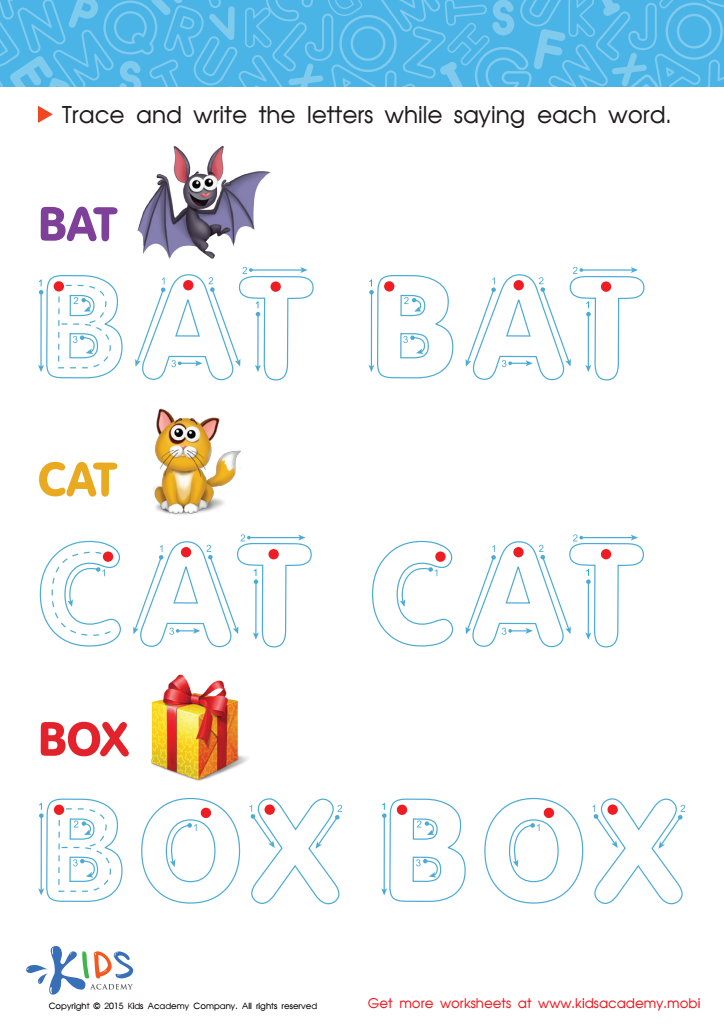
A Bat, a Cat and a Box Spelling Worksheet








Phonics practice writing is crucial for children aged 6-9 because it lays the fundamental groundwork for literacy and academic success. At this formative stage, kids are transcending mere letter recognition and diving into the world of words and sentences. Phonics instruction helps them understand the relationship between letters and sounds, which is essential for decoding words and mastering spelling.
For parents and teachers, investing in phonics practice ensures that children gain the skills necessary to read fluently and comprehend texts confidently. It empowers children to tackle new vocabulary, strengthen their reading comprehension, and engage more deeply with the material. This, in turn, boosts their overall academic performance, not just in reading and writing, but across all subjects that require linguistic proficiency.
Additionally, good phonics practice improves children's confidence and motivation. When kids can independently read and spell, they are likelier to enjoy learning and participate in educational activities. Phonics focuses on building blocks—sound segments that make learning piecemeal and manageable, reducing students’ frustration and sense of accomplishment early on.
Moreover, a strong phonics foundation supports lifelong literacy. With a vigilant approach by parents and teachers, educators can ensure that children not only meet but exceed age-appropriate milestones, setting them up for future success.